These Trees And Shrubs Are Illegal To Have In Michigan Gardens
Some trees and shrubs may seem like great additions to a yard, but in Michigan, a few of them come with serious restrictions.
Certain species are considered invasive and are actually illegal to grow, sell, or even keep in many cases.
That can come as a surprise, especially since some of these plants were once popular in landscaping or may still be found in older gardens.
The problem is how quickly they spread and the damage they cause to native plants, wildlife habitats, and natural areas.
What starts as a simple planting choice can turn into a long term issue for both your yard and the environment around it.
Knowing which trees and shrubs fall into this category can help you avoid trouble and make better choices. A closer look at these restricted plants can save time, effort, and future headaches.
1. Autumn Olive
Autumn olive might sound charming, but Michigan gardeners should know better.
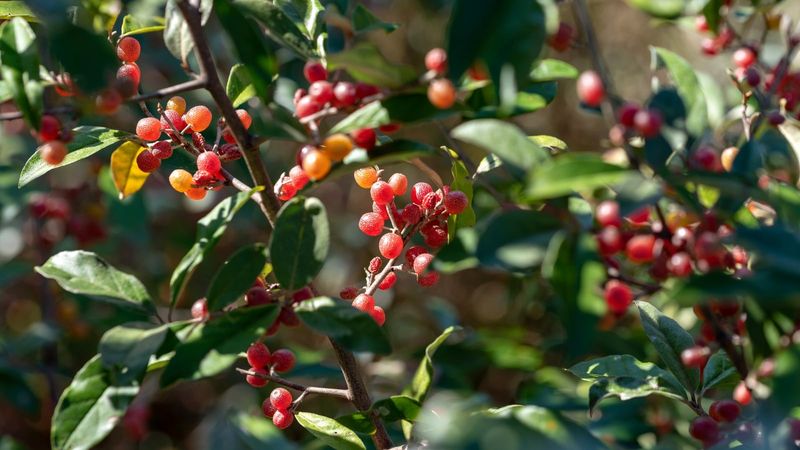
This fast-growing shrub, known scientifically as Elaeagnus umbellata, is classified as a restricted invasive species in Michigan, meaning it is unlawful to sell, plant, or introduce it without special permission.
It can grow up to 20 feet tall and spreads with surprising speed. What makes autumn olive so problematic is its ability to produce an enormous number of berries, sometimes up to 80 pounds per plant each season.
Birds eat those berries and carry the seeds far and wide, helping the shrub colonize fields, roadsides, and forest edges across Michigan.
Once established, it changes soil chemistry by fixing nitrogen at unnaturally high levels, which actually harms the native plants trying to grow nearby.
The leaves are bright green on top and have a distinctive silvery underside that shimmers in sunlight, making it easy to spot.
In spring, the small cream-colored flowers smell sweet, which is part of why people once planted it on purpose.
Gardeners who spot this shrub on their property should contact the Michigan Department of Natural Resources for guidance on safe removal methods.
Replacing it with native Michigan shrubs like serviceberry or native elderberry is a smart and responsible choice that supports local wildlife without the legal risk.
2. Japanese Knotweed
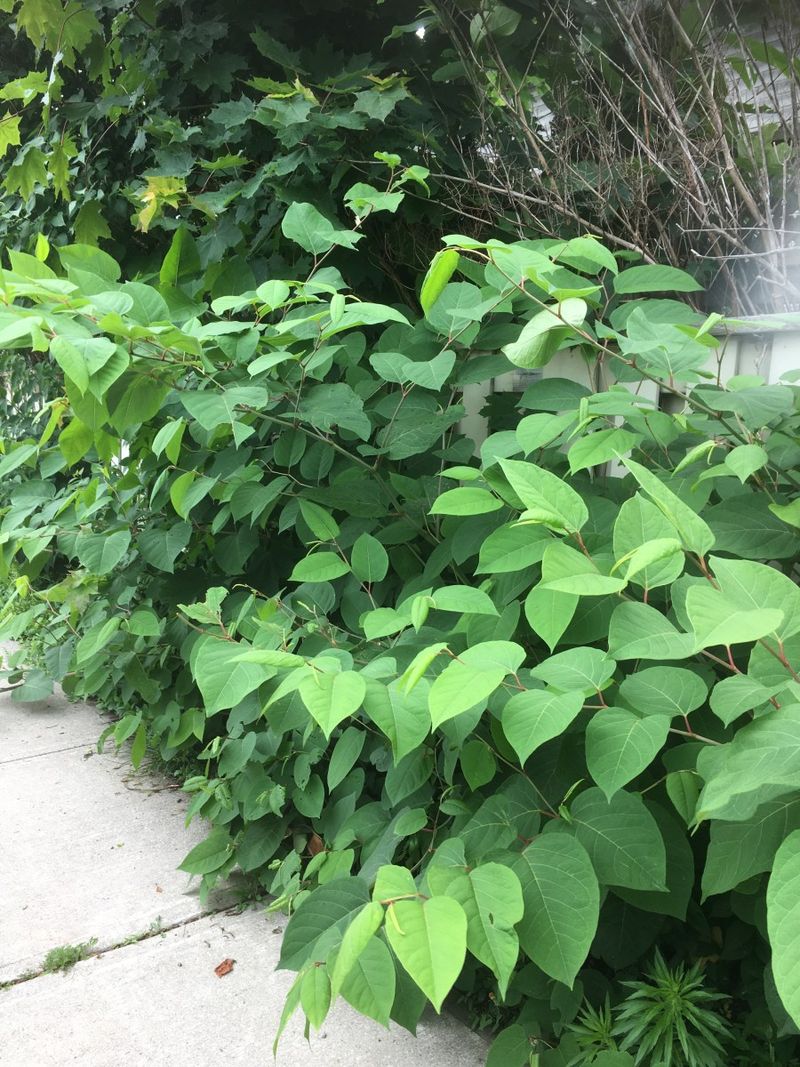
Few invasive plants cause as much frustration as Japanese knotweed, and Michigan has officially classified it as a prohibited invasive species. That means possessing, planting, selling, or spreading it is against state law.
The plant grows between 3 and 10 feet tall, with hollow stems that look surprisingly similar to bamboo, which has led some gardeners to mistake it for something harmless or even exotic and desirable.
Japanese knotweed spreads through an incredibly tough underground root system called a rhizome network.
Those roots can push through concrete, asphalt, and building foundations, causing real structural damage over time.
A tiny fragment of root left in the soil after removal can regrow into a full plant, which makes managing it a serious challenge for Michigan homeowners.
The plant produces clusters of small, creamy white flowers in late summer that attract pollinators, adding to its deceiving appearance.
Your Michigan Garden Changes Every Week. Your Plan Should Too.
Gardening in Michigan changes quickly throughout the season. Every Friday you’ll receive a simple weekly plan showing exactly what to plant, prune, fertilize, harvest, and protect so you never miss the right timing.
Broad, heart-shaped leaves give it a lush look that might seem appealing at first glance. Across Michigan, this plant has invaded riverbanks, roadsides, and residential yards, pushing out native vegetation that wildlife depends on.
If you spot it growing anywhere on your property, do not attempt removal without a solid plan.
Experts recommend cutting it repeatedly throughout the growing season combined with targeted treatment to bring it under control responsibly and effectively.
3. Common Buckthorn
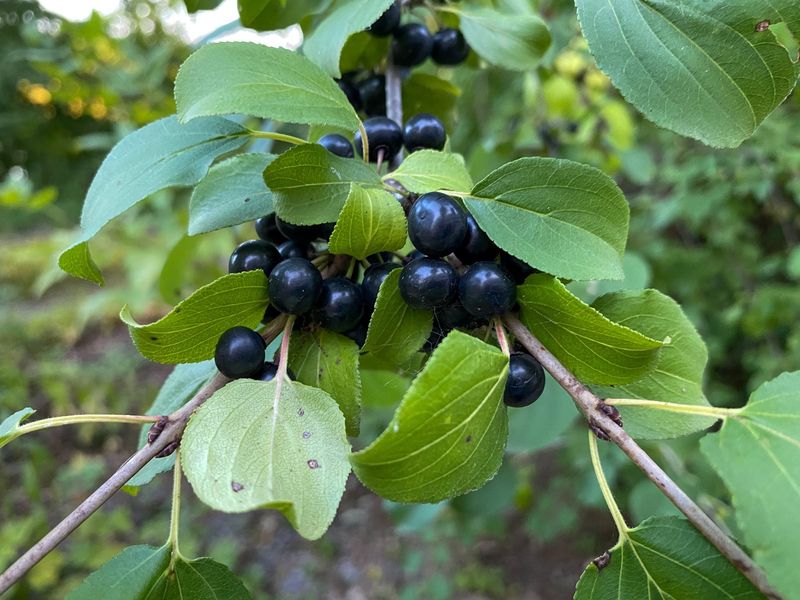
Common buckthorn has a sneaky reputation among Michigan gardeners, and for good reason.
This shrub or small tree, scientifically called Rhamnus cathartica, was originally brought to North America from Europe as a popular hedging plant.
It can grow up to 25 feet tall, and its thorn-tipped branches make it feel like a natural barrier, which is exactly why so many people planted it in the first place.
Michigan has proposed adding common buckthorn to its restricted invasive species list, recognizing the real threat it poses to native ecosystems.
It leafs out earlier in spring and holds its leaves longer into fall than most native plants, giving it a serious competitive edge over everything growing around it.
That extended growing season allows it to shade out native wildflowers and tree seedlings before they even get a chance to establish themselves.
The small, dark berries it produces are eaten by birds, which spread the seeds across Michigan landscapes at a rapid pace.
Those berries also have a strong laxative effect on birds, which actually helps the seeds spread even faster and farther.
Common buckthorn also hosts soybean aphid and oat crown rust fungus, both of which are harmful to Michigan agriculture.
Replacing it with native alternatives like Michigan holly or gray dogwood offers similar visual appeal without any of the ecological or legal headaches that come with buckthorn.
4. Glossy Buckthorn
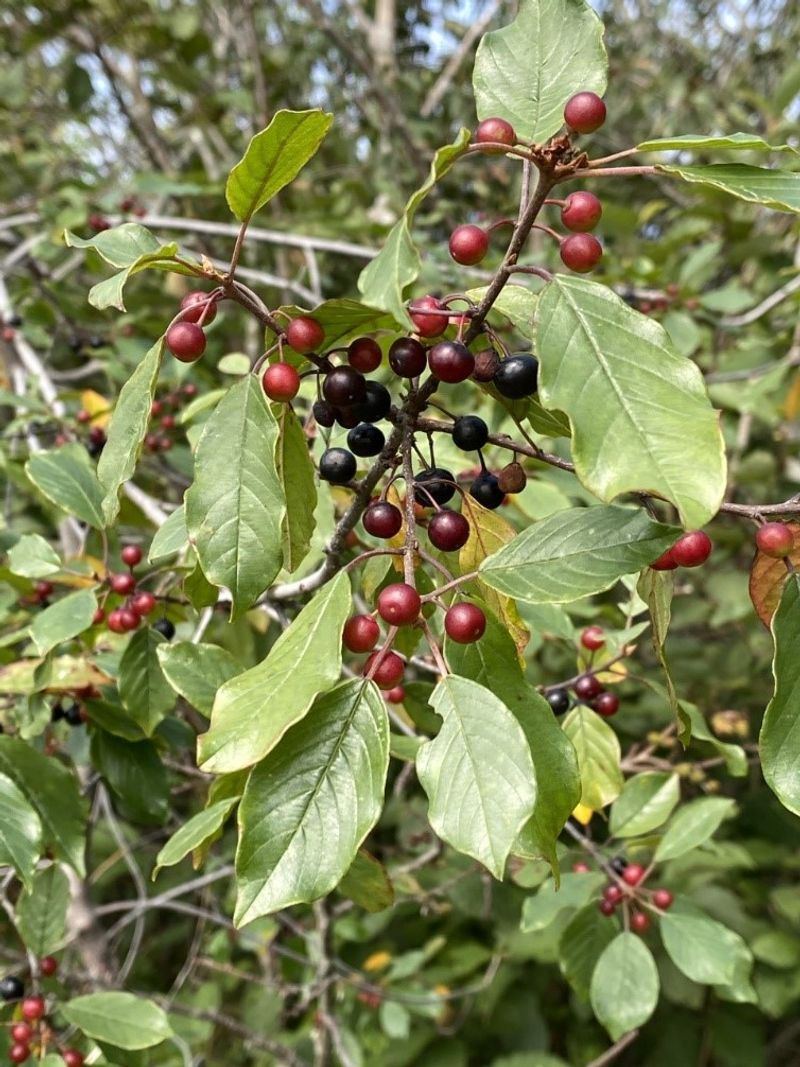
Glossy buckthorn might look polished and attractive with its shiny, smooth leaves, but Michigan has good reason to be concerned about this plant.
Formally known as Rhamnus frangula, it has been proposed for addition to Michigan’s restricted invasive species list.
Unlike its cousin common buckthorn, glossy buckthorn has no thorns, making it seem even more garden-friendly at first glance, which adds to the confusion.
This shrub thrives in wet areas, making it especially problematic along Michigan’s many rivers, lakes, and wetland edges.
It tolerates shade remarkably well, allowing it to establish itself deep inside forests where many other invasive species cannot survive.
Once it takes hold, it forms dense thickets that crowd out native understory plants, ferns, and wildflowers that Michigan’s woodland wildlife depends on for food and shelter.
Glossy buckthorn produces abundant small berries that ripen from red to dark purple or black, and birds spread those seeds widely across Michigan landscapes.
A single mature plant can produce thousands of seeds each year, making natural spread very difficult to stop without intervention.
The plant also resprouts aggressively after being cut, so simply trimming it back is not an effective long-term solution.
Michigan gardeners who want a shrub with similar visual interest should consider native options like buttonbush or Michigan’s native viburnums, which support local pollinators and birds without any risk of legal trouble or ecological harm.
5. Japanese Barberry
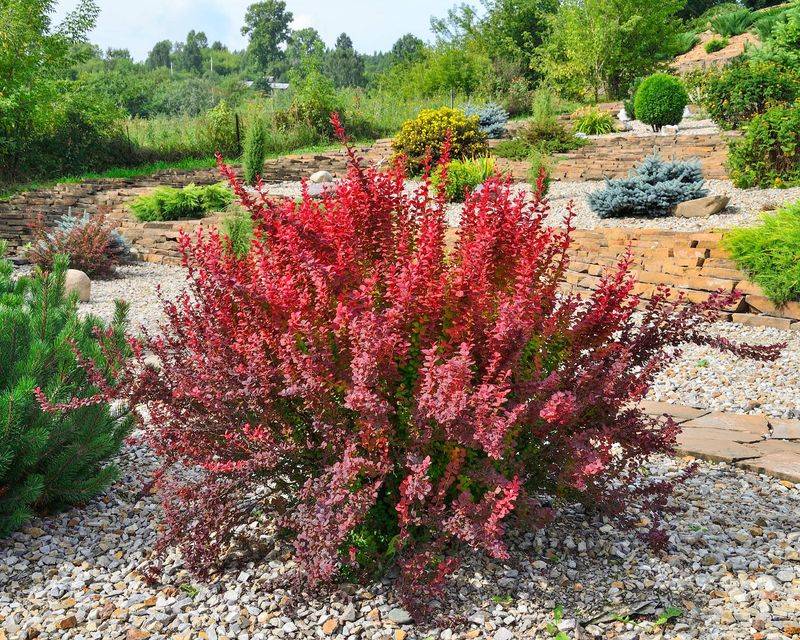
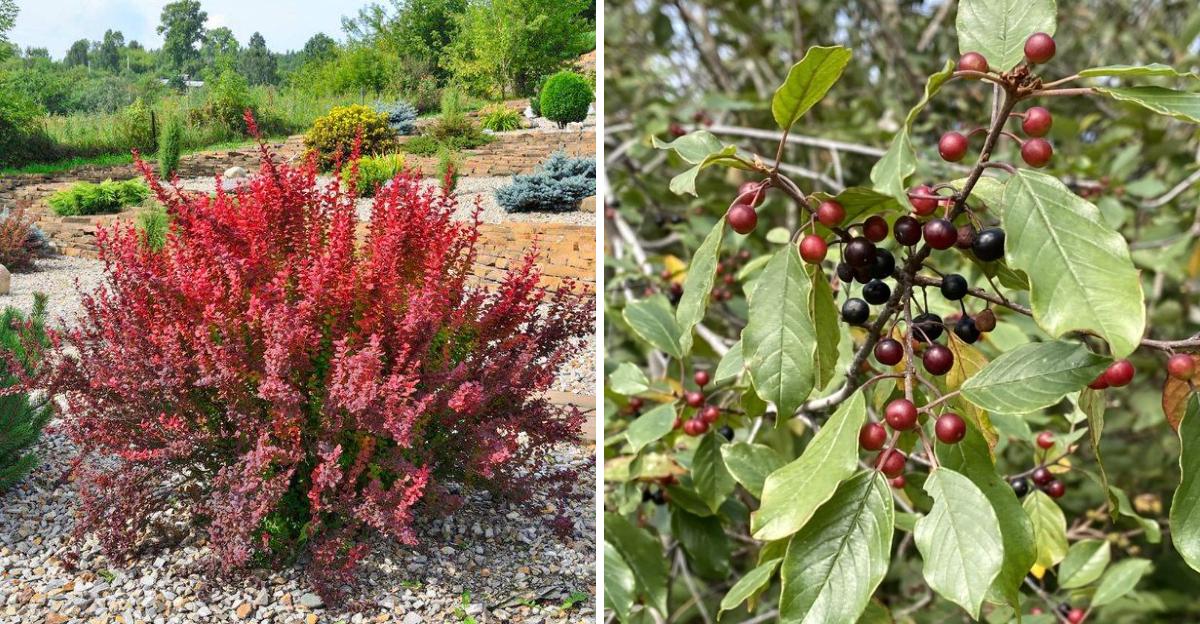
Japanese barberry is one of the most widely planted ornamental shrubs in American gardens, but Michigan is taking a hard look at banning it for good reason.
Scientifically known as Berberis thunbergii, it has been proposed for addition to Michigan’s restricted invasive species list.
Its compact size, colorful foliage, and sharp thorns made it a popular choice for decorative hedges and borders for decades, but the ecological damage it causes is hard to ignore.
One of the most alarming things about Japanese barberry is its connection to the spread of Lyme disease.
Research has shown that the dense, thorny thickets it creates provide ideal humid conditions for black-legged ticks, which carry the bacteria responsible for Lyme disease.
Michigan already reports thousands of Lyme disease cases each year, making this an issue that goes well beyond gardening.
The shrub spreads through bird-dispersed seeds and can take over forest understories, fields, and roadsides across Michigan with remarkable speed.
It alters soil pH and chemistry in ways that favor its own growth and discourage native plants from competing.
Its vivid red berries and fall foliage still attract homeowners who do not realize the risks involved.
Swapping it out for native Michigan alternatives like native spicebush or chokeberry gives your yard similar visual interest, supports local wildlife, and keeps you fully on the right side of Michigan’s evolving invasive species regulations.
6. Callery Pear
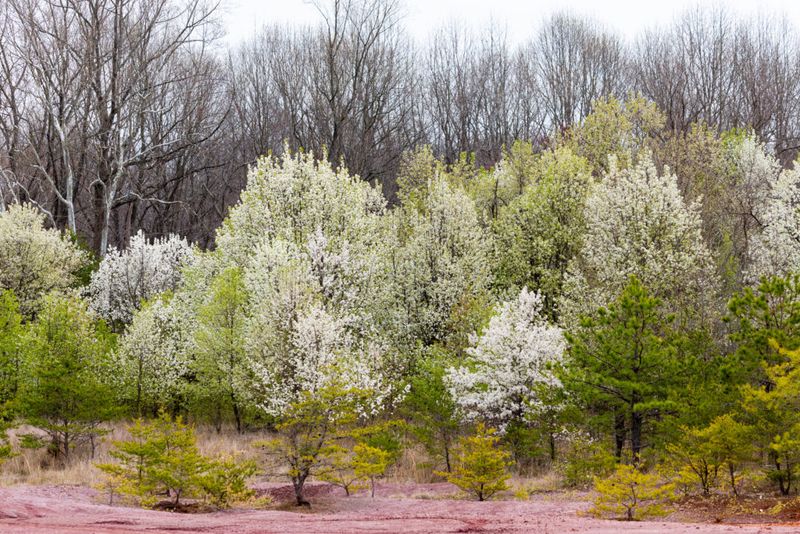
Every spring, streets across Michigan light up with the bright white blossoms of the Callery pear tree, and it is genuinely beautiful to look at.
Scientifically called Pyrus calleryana, this tree was widely planted in neighborhoods, parking lots, and commercial landscapes for its showy flowers and tidy shape.
Michigan has now proposed adding it to the restricted invasive species list, and the reasons behind that decision are pretty compelling once you understand what this tree actually does.
Callery pear trees were originally sold as sterile hybrids, but different cultivars cross-pollinate with each other and with wild pear relatives, producing viable seeds that birds spread across Michigan landscapes.
The offspring grow into thorny, aggressive wild trees that invade fields, forest edges, and roadsides with startling speed.
Those sharp thorns can be several inches long and are strong enough to puncture tractor tires, creating real problems for Michigan farmers.
The wild offspring crowd out native Michigan trees and shrubs, reducing biodiversity in areas where they establish.
They also bloom so early in spring that they can outcompete native flowering trees for early pollinators before native species even get started.
Michigan gardeners who love the look of spring-flowering trees have some excellent native alternatives to consider, including serviceberry, redbud, or native crabapple varieties.
These options deliver stunning spring color, support native pollinators, and fit perfectly into Michigan’s natural landscape without any of the legal or ecological complications tied to Callery pear.