Rare Native Michigan Trees Worth Planting This April
April is a great time to look beyond the usual nursery picks and discover native Michigan trees that feel a little more special.
While maples, spruces, and flowering ornamentals get most of the attention, some of the most interesting trees for Michigan yards are the rare native ones that many gardeners never think to plant.
These trees are part of the state’s natural story, yet they often stay hidden in woodlands, wetlands, and quiet corners of the landscape.
That makes them exciting choices for anyone who wants a yard that stands out in a more meaningful way.
Many offer beautiful foliage, unusual bark, seasonal color, or strong value for birds and pollinators. Even better, planting them in April gives roots time to settle in before summer arrives.
If you want something distinctive, local, and full of character, these rare native Michigan trees are well worth a closer look.
1. American Hornbeam (Carpinus caroliniana)
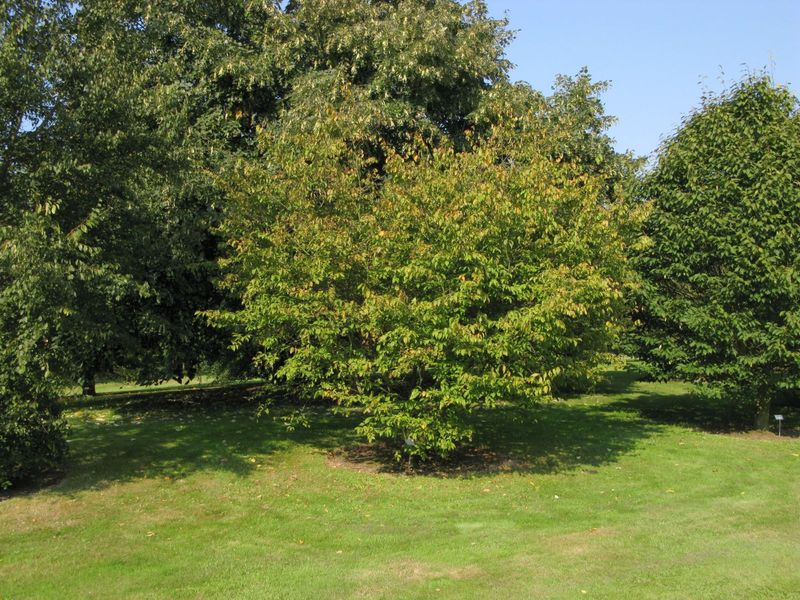
Most people walk right past American Hornbeam without realizing what they are missing.
This small native Michigan tree has one of the most interesting bark textures you will ever find, smooth and rippled like the muscles of an arm, which is exactly why people also call it musclewood.
It grows slowly and stays compact, usually reaching between 20 and 30 feet tall, making it a great fit for smaller yards across Michigan.
American Hornbeam thrives in shaded spots where other trees struggle, and it handles moist, well-drained soils beautifully.
Plant it near a rain garden, along a stream edge, or tucked under taller trees for a layered, natural look.
In fall, the leaves shift to warm shades of orange and red that really brighten up the yard. Wildlife benefits are a big bonus here.
Birds and small mammals rely on the seeds through fall and into winter, making this tree a quiet but steady contributor to your local Michigan ecosystem.
Since it is so rarely planted, adding one to your yard makes your landscape genuinely stand out.
April planting gives the roots time to settle before summer, and with good watering through the first season, this tree will reward you for decades with its rugged, sculptural beauty.
2. Hophornbeam (Ostrya virginiana)
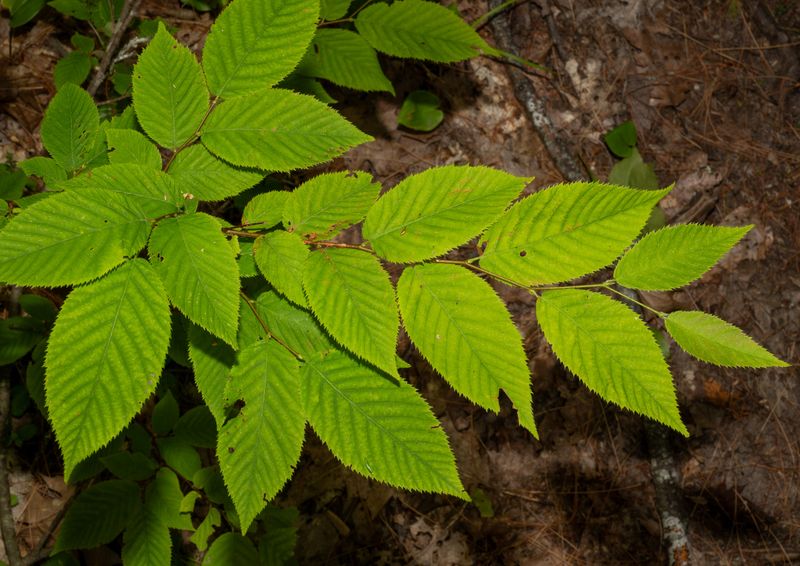
Hophornbeam is the kind of tree that earns serious respect once you get to know it. Tough as nails and surprisingly adaptable, this native Michigan species handles dry, rocky soils that would stress most other trees.
It grows slowly, usually reaching 25 to 40 feet tall over time, and develops a graceful rounded shape that looks polished in lawns, parks, and naturalized areas across Michigan.
The name comes from the papery seed clusters that look a lot like the hops used in brewing beer.
These clusters hang from the branches through summer and fall, giving the tree a charming, ornamental quality that sets it apart from more common landscape choices.
The bark is shaggy and fine-textured, adding winter interest when leaves are gone. One of the best things about Hophornbeam is how low-maintenance it becomes once established.
Your Michigan Garden Changes Every Week. Your Plan Should Too.
Gardening in Michigan changes quickly throughout the season. Every Friday you’ll receive a simple weekly plan showing exactly what to plant, prune, fertilize, harvest, and protect so you never miss the right timing.
You do not need to fuss over it with extra fertilizer or constant watering after the first couple of seasons.
Birds love the seeds, and the dense wood has been used for tool handles and fence posts throughout Michigan history.
Fun fact: Hophornbeam wood is actually one of the hardest native woods in North America.
Planting one this April gives it the whole growing season to anchor its roots and start building the kind of quiet, lasting strength that makes this tree so special.
3. Black Gum (Nyssa sylvatica)
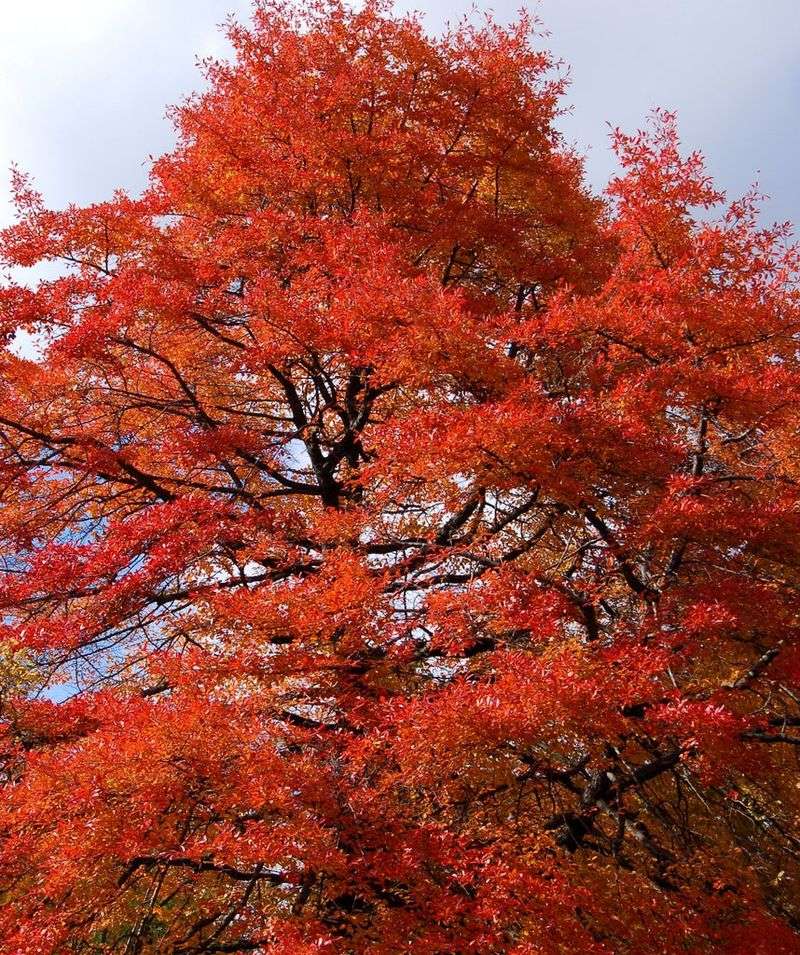
Few native trees put on a fall color show quite like Black Gum. The leaves shift from deep glossy green to blazing shades of scarlet, orange, and purple, sometimes all on the same branch at the same time.
Found naturally across southern Michigan, this tree deserves a much bigger role in home landscapes and neighborhood plantings throughout the state.
Black Gum grows at a moderate pace and can reach 30 to 50 feet tall with a naturally neat, pyramidal shape when young.
It handles wet clay soils well, tolerates occasional flooding, and even shows decent resistance to road salt, which makes it useful in urban Michigan settings near streets and parking areas.
The glossy foliage through spring and summer is also genuinely attractive, not just a fall attraction.
Pollinators flock to the small flowers in spring, and the dark blue-black berries that follow are a favorite food source for more than 30 species of birds, including woodpeckers, robins, and warblers.
Establishing Black Gum takes a little patience since it grows a deep taproot early on, so April planting while the soil is cool and moist gives it the best possible start.
Once settled in, this tree is remarkably self-sufficient and long-lived, with some individuals in the wild reaching several hundred years old. That is serious staying power for any Michigan yard.
4. Kentucky Coffeetree (Gymnocladus dioicus)
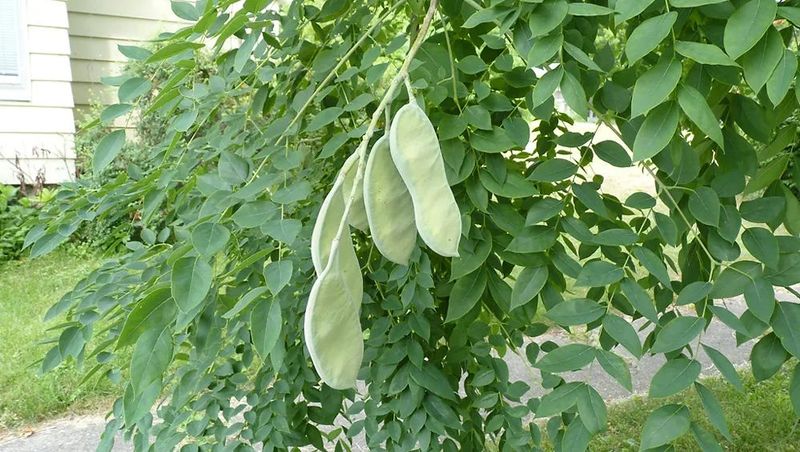
Kentucky Coffeetree has a bold, architectural look that stops people in their tracks, especially in winter when the thick, rugged branches stretch out against a gray Michigan sky without a single leaf in sight.
This native shade tree is one of the most distinctive species you can plant in Michigan, yet it remains surprisingly rare in home landscapes across the state. It belongs here and deserves far more attention than it gets.
Growth is fairly quick for a native tree, with Kentucky Coffeetree reaching 60 to 75 feet tall at maturity.
It thrives in full sun and becomes genuinely drought-tolerant once established, making it a smart choice for open yards and streetscapes in Michigan where summer heat and dry stretches can stress less resilient species.
The massive compound leaves, which can stretch over three feet long, give the tree a tropical, eye-catching texture through summer.
Planting in April works beautifully because the soil is workable and cool, giving roots a strong start before summer arrives.
One fun historical note: early settlers in the Midwest reportedly roasted the seeds and used them as a coffee substitute, which is exactly where the name comes from. Female trees produce large, leathery seed pods that add winter interest.
For Michigan gardeners who want a fast-growing, drought-tough, and genuinely rare native shade tree, Kentucky Coffeetree is a top-tier choice worth every bit of the investment.
5. Alternate-Leaf Dogwood (Cornus alternifolia)
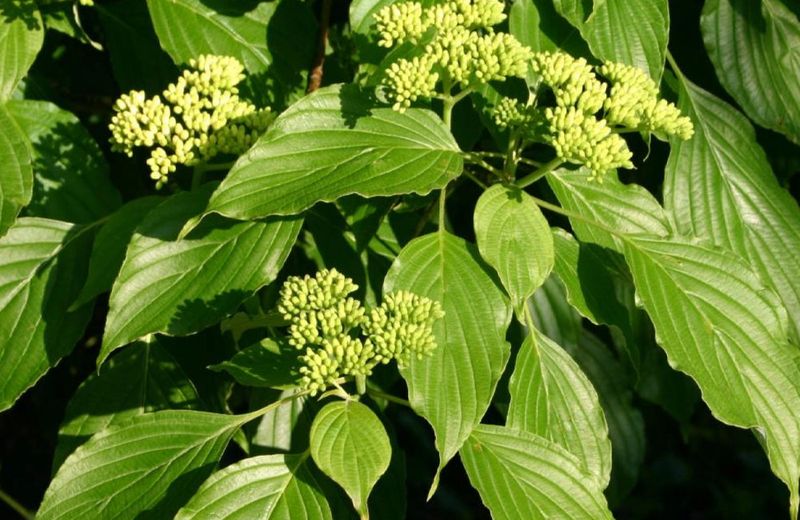
Alternate-Leaf Dogwood has a naturally elegant structure that most ornamental trees spend years trying to develop.
The branches spread out in distinct horizontal layers, giving the whole tree a tiered, sculptural look that feels both refined and relaxed at the same time.
Native to Michigan, this small tree or large shrub usually tops out between 15 and 25 feet, making it perfectly sized for gardens, patios, and woodland edges throughout the state.
Spring brings clusters of creamy white flowers that attract a wide range of native pollinators, and by late summer, dark blue-black berries ripen on bright red stems that look almost like little works of art.
Birds absolutely love these berries and will visit repeatedly through late summer and fall. The fall foliage adds another layer of seasonal appeal with reddish-purple tones that complement the surrounding Michigan landscape.
Unlike its close relative Flowering Dogwood, Alternate-Leaf Dogwood handles partial shade very comfortably, which opens up more planting spots in yards with mature trees overhead.
It also manages full sun as long as moisture levels stay reasonable. April is an ideal planting month because cool temperatures reduce transplant stress and give roots time to spread before summer.
Mulching around the base after planting helps keep moisture in and weeds out. For a Michigan garden that needs a graceful, wildlife-friendly, and rarely seen native tree, this one genuinely delivers on every level.
6. Striped Maple (Acer pensylvanicum)
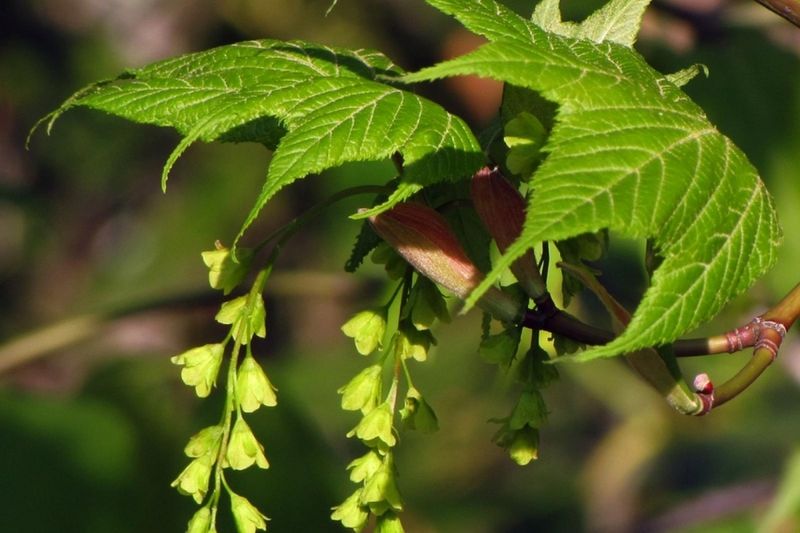
Striped Maple is one of those trees that makes people stop and say, wait, what is that? The bark is green with bright white vertical stripes running up the trunk and branches, giving it a look unlike anything else growing in Michigan woodlands.
Sometimes called Moosewood because moose browse heavily on the young branches in northern forests, this small native tree brings serious personality to any cool, shaded garden spot.
Growing between 15 and 25 feet tall, Striped Maple fits naturally under a canopy of taller trees where it acts as an understory layer.
It strongly prefers cool, moist, well-drained sites and does not do well in hot, dry conditions, so placement really matters in Michigan.
The upper peninsula and northern lower Michigan offer ideal conditions, though shaded sites in cooler parts of the state further south can also work well with the right soil moisture.
The large, three-lobed leaves are soft-textured and almost tropical-looking through summer, and they turn a clean, bright yellow in fall that glows beautifully in low light.
April planting is smart because the cool soil temperatures match what this tree naturally prefers.
Keep it well-watered through its first summer and choose a spot with consistent shade and good organic matter in the soil.
For Michigan gardeners with the right conditions, Striped Maple is a truly rare and rewarding native species that very few neighbors will ever have in their yards.
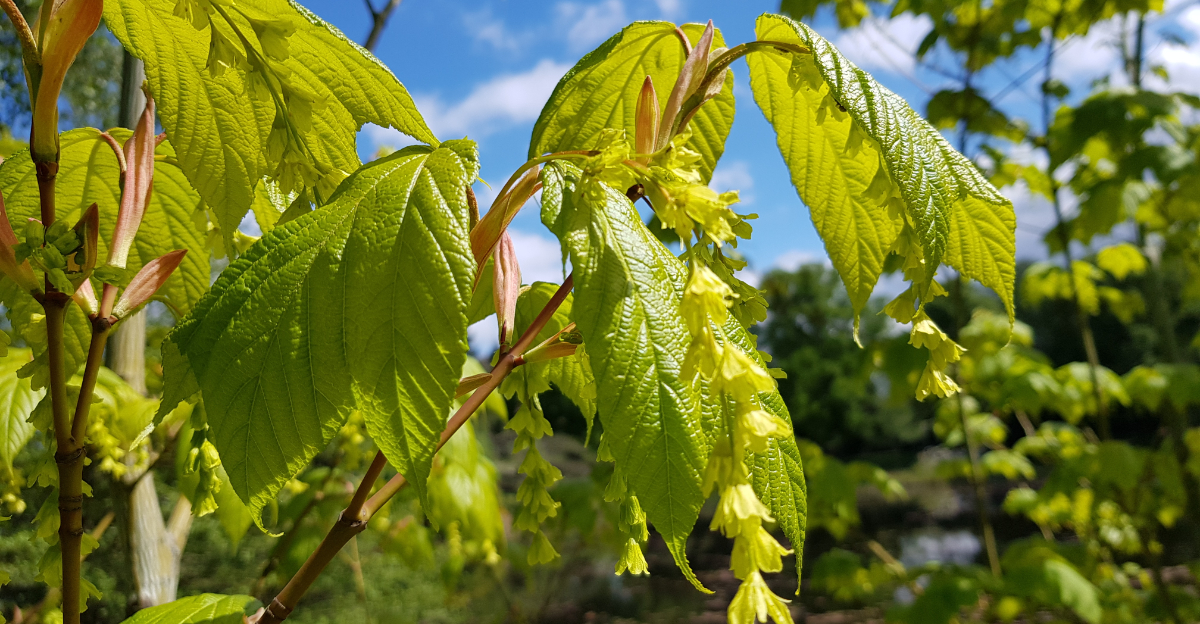
7. Mountain Maple (Acer spicatum)
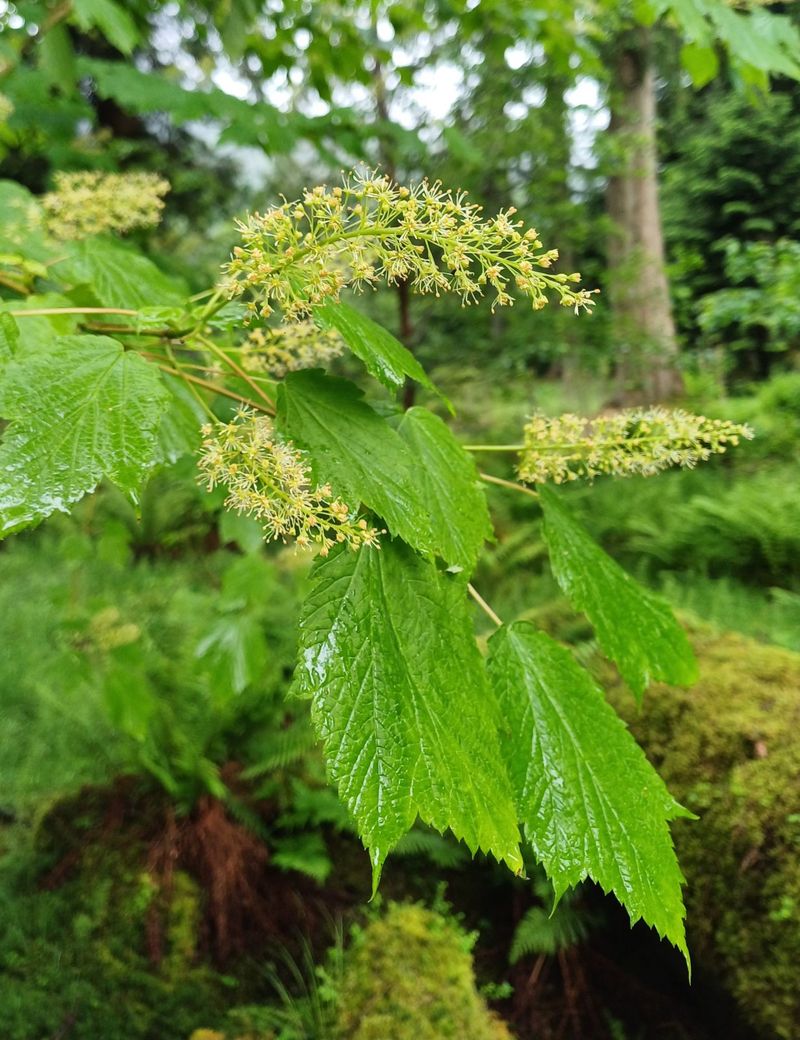
Mountain Maple is a quiet gem tucked into the cool forests of northern Michigan, and most gardeners have never even heard of it.
This small native tree or large multi-stemmed shrub grows naturally in moist, shaded woodland settings and rarely gets taller than 25 feet, making it a great fit for layered garden designs where you want something interesting beneath larger trees.
Its rough-textured leaves give it a bold, tactile quality that adds real visual depth to a planting.
Spring brings upright clusters of small yellow-green flowers that pollinators find attractive, and by late summer, paired samaras, the winged seed pods that maples are famous for, ripen to a bright red before fading to tan.
These add nice color during a season when many plants are winding down. Fall foliage follows with rich orange and red tones that feel perfectly matched to Michigan autumn landscapes.
Mountain Maple genuinely needs cool, moist conditions to perform well, so hot and dry spots are not a good match.
Think shaded north-facing slopes, stream edges, or the understory of established woodland gardens, especially in northern Michigan where the climate naturally suits it.
Planting in April while the ground is still cool and moist sets this tree up for a strong first season. It is easy to grow in the right spot and asks for very little attention once established.
For a rare, native, and truly underappreciated Michigan tree, Mountain Maple is a wonderful choice worth seeking out this spring.