What Late April Frost Really Does To Japanese Maples In Michigan
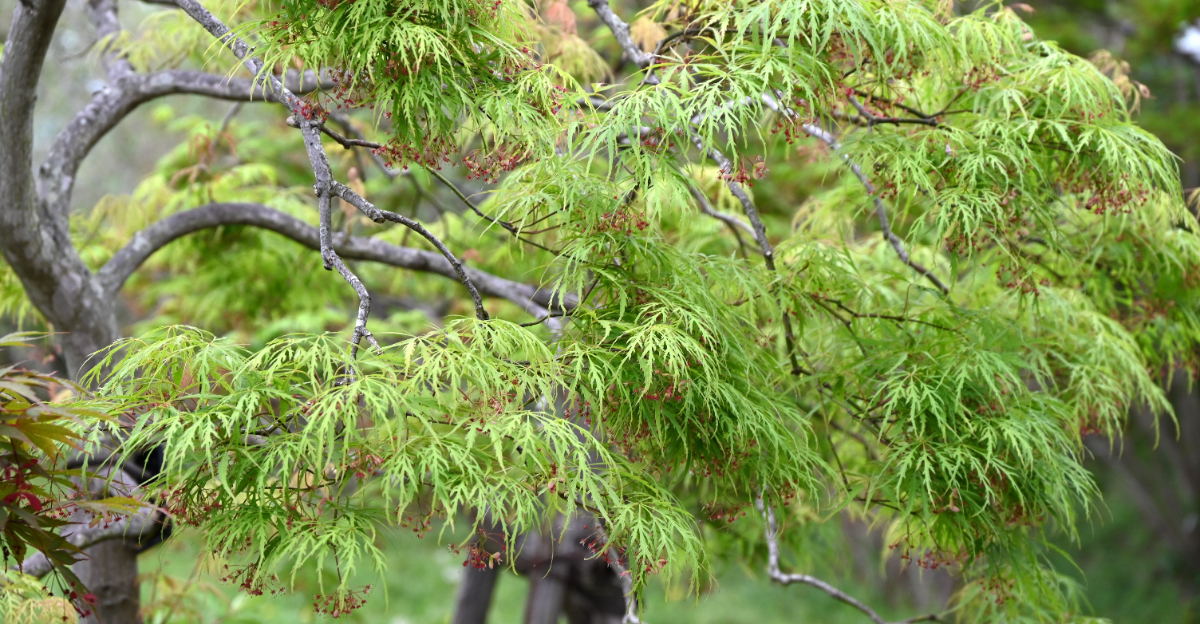
Late April in Michigan can feel calm and mild, just as Japanese maples begin to leaf out with soft, delicate growth. Then a sudden frost hits, and those tender leaves are put to the test.
These trees are especially sensitive during this stage, since their new growth has not fully hardened off yet.
A late frost can cause leaves to curl, darken, or look slightly burned, which can be alarming at first glance. While the damage may affect the tree’s appearance, it usually does not harm its long term health.
Michigan’s shifting spring weather makes this a common experience for gardeners who grow Japanese maples. In many cases, the tree will push out new growth as temperatures warm again.
Understanding what happens during these cold snaps can help you stay patient and know what your tree needs next.
1. Frost Damages Newly Emerged Leaves
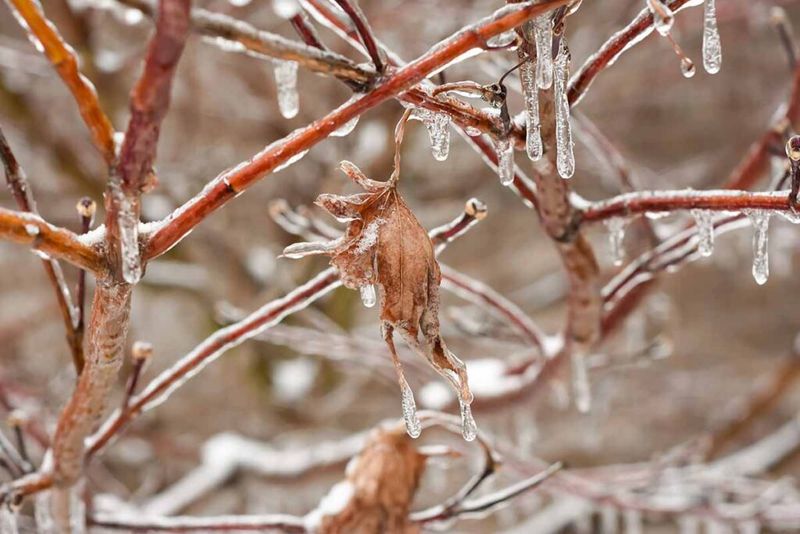
Picture this: your Japanese maple finally pushes out those gorgeous, paper-thin spring leaves, and then overnight temperatures in Michigan drop below freezing.
Those tender new leaves are almost entirely made of water, which makes them extremely vulnerable to frost.
When ice crystals form inside the leaf tissue, they rupture the cells from the inside out, causing visible damage almost immediately.
The leaves will start to look wilted, darkened, or almost translucent right after a frost event.
Within a day or two, you will notice the edges curling inward and turning a crispy brown or black color.
It can look alarming, especially if you were excited about your tree leafing out beautifully for the season.
The good news is that this kind of surface damage does not always mean the whole tree is in trouble. Michigan gardeners should check the buds and inner branches carefully before panicking.
If the stems are still flexible and green underneath the bark when you gently scratch them, the tree has a solid chance of bouncing back stronger than ever.
Keep an eye on the weather forecast during late April and be ready to act fast when another cold snap threatens your trees.
2. Leaf Burn Appears Within Hours
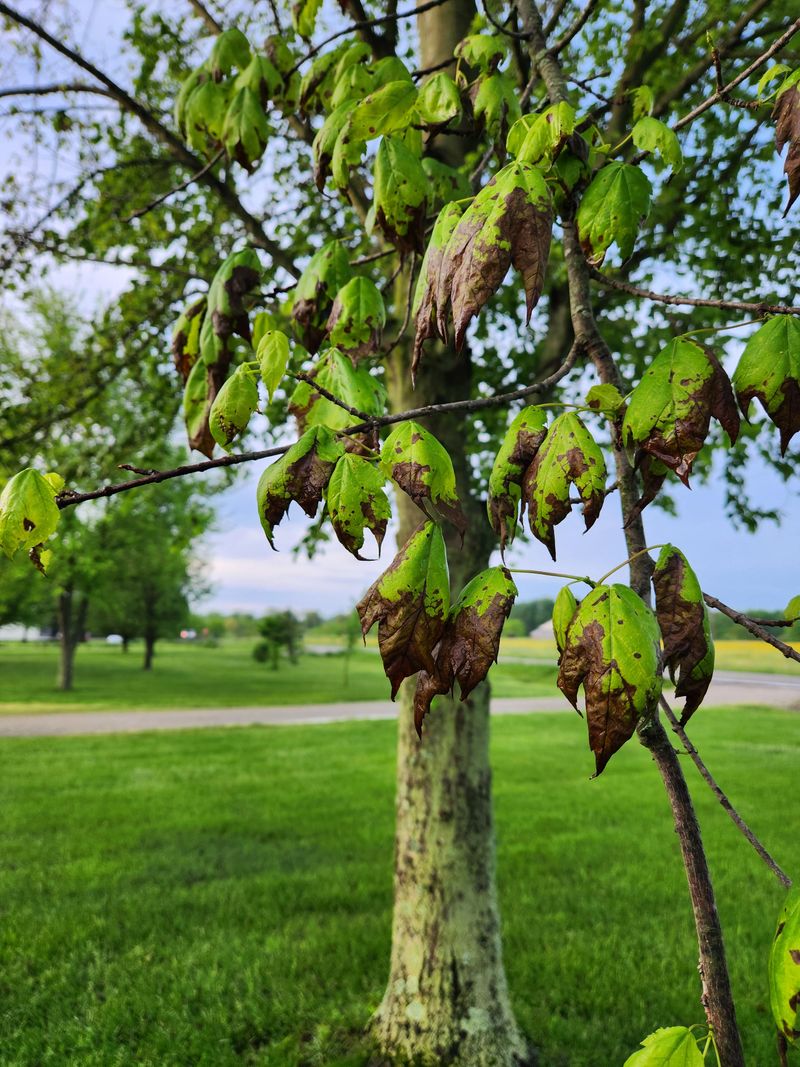
One of the most startling things about frost damage on Japanese maples is just how fast it shows up.
You might walk outside on a late April morning in Michigan and notice that leaves that looked perfectly fine yesterday now have brown, scorched-looking edges.
That rapid change happens because frost essentially freezes the water inside leaf cells, breaking them apart and leaving behind damaged tissue that cannot recover.
Gardeners often describe this as “leaf burn,” and it really does look like the leaves touched something hot, even though the cause is the exact opposite.
The damage tends to start at the outer edges and tips of the leaves first, since those parts are the most exposed to cold air.
Finely cut or lacy-leafed varieties, like laceleaf Japanese maples, tend to show burn more dramatically because they have more exposed surface area.
Seeing this kind of damage can feel discouraging, but try not to rush in and start pruning everything right away. Give the tree a little time before making any decisions about what to remove.
Your Michigan Garden Changes Every Week. Your Plan Should Too.
Gardening in Michigan changes quickly throughout the season. Every Friday you’ll receive a simple weekly plan showing exactly what to plant, prune, fertilize, harvest, and protect so you never miss the right timing.
In Michigan, late April cold snaps are not unusual, so experienced gardeners know to wait and watch.
New growth can emerge from backup buds, and the tree often looks much healthier within a few weeks if you give it patience and proper care.
3. Flower Buds Can Be Affected By Frost
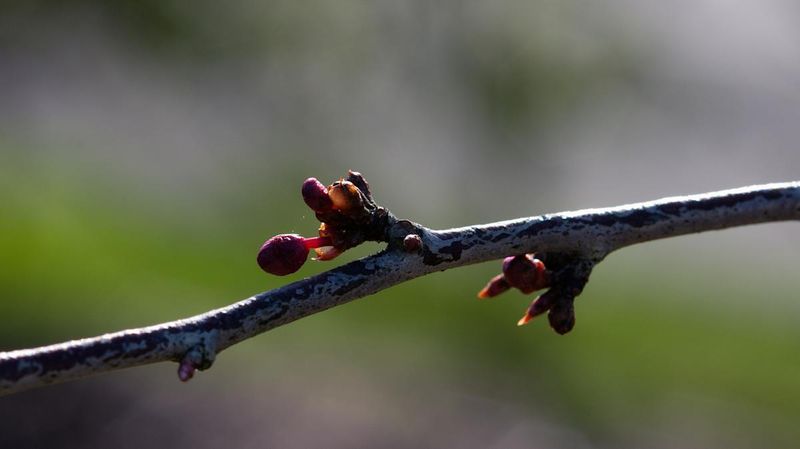
Most people grow Japanese maples for their stunning foliage, but these trees also produce small, delicate flowers in early spring.
Those flowers come from buds that form even before the leaves fully open, and they are just as vulnerable to late April frost as the leaves themselves.
When temperatures drop suddenly in Michigan, those buds can turn black, shrivel, and drop off before they ever get a chance to open.
While losing flowers might not seem like a huge deal for a tree grown mostly for its leaves, it does matter for the tree’s energy cycle.
Flowers, if successfully pollinated, produce seeds that help the tree complete its natural reproductive process for the season.
A hard frost that wipes out the flower buds disrupts that process entirely, though it rarely causes long-term harm to an otherwise healthy tree.
What gardeners in Michigan should watch for is whether the damage stops at the buds or spreads further into the branch tips.
Blackened branch tips after a frost event can indicate that the cold penetrated deeper than just the surface tissue.
Carefully scratch a small section of bark on any suspicious branches to check for green, moist tissue underneath. If you find it, the branch is still alive and well.
If not, you may need to prune back to healthier wood once the threat of frost has fully passed for the season.
4. Growth May Be Delayed, Not Stopped
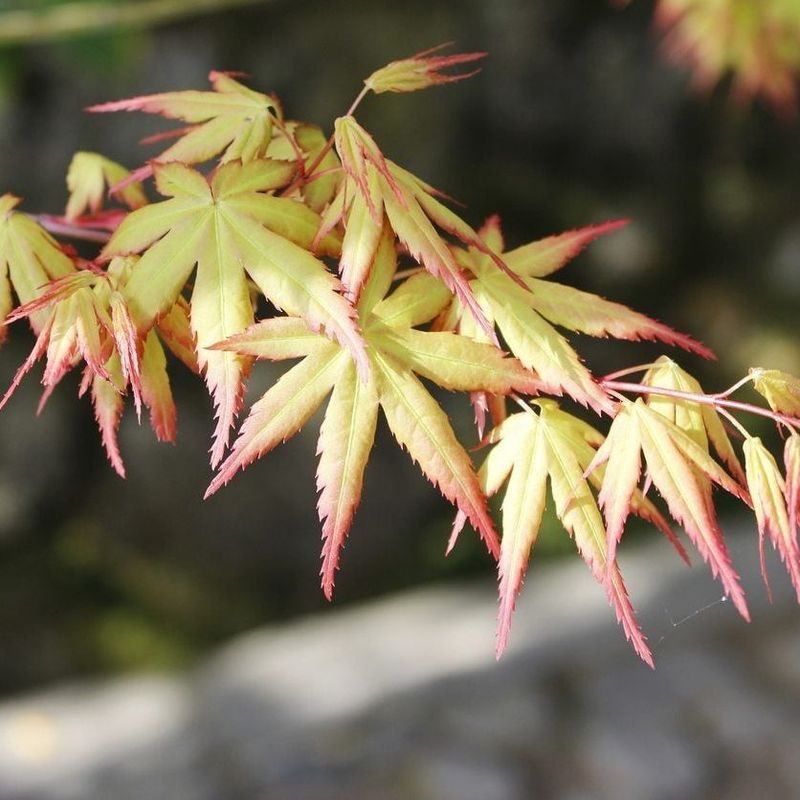
Here is something reassuring that many Michigan gardeners do not realize until they see it happen: a late April frost does not have to stop your Japanese maple from growing for the season.
Even when the first flush of leaves gets hit hard by cold temperatures, most healthy trees have a backup plan built right into their biology.
Secondary buds, sometimes called latent buds, sit quietly along the branches waiting for exactly this kind of situation.
When primary buds are damaged by frost, those secondary buds can activate and push out a brand new set of leaves. This process usually takes a few weeks to get going, so patience is really important here.
Michigan gardeners who see a frost-damaged tree and assume the worst often miss out on the joy of watching it slowly recover and fill back in with fresh, healthy foliage through May and into June.
The key to supporting this recovery is avoiding unnecessary stress during the regrowth period.
Hold off on heavy fertilizing right after a frost event, since pushing the tree too hard can overwhelm it while it is already working overtime.
Make sure the tree has consistent moisture, especially if spring rainfall is inconsistent, which is pretty common in Michigan.
A little extra care during this window goes a long way toward helping your Japanese maple bounce back faster and look its best heading into the summer months.
5. Younger Trees Are More Vulnerable
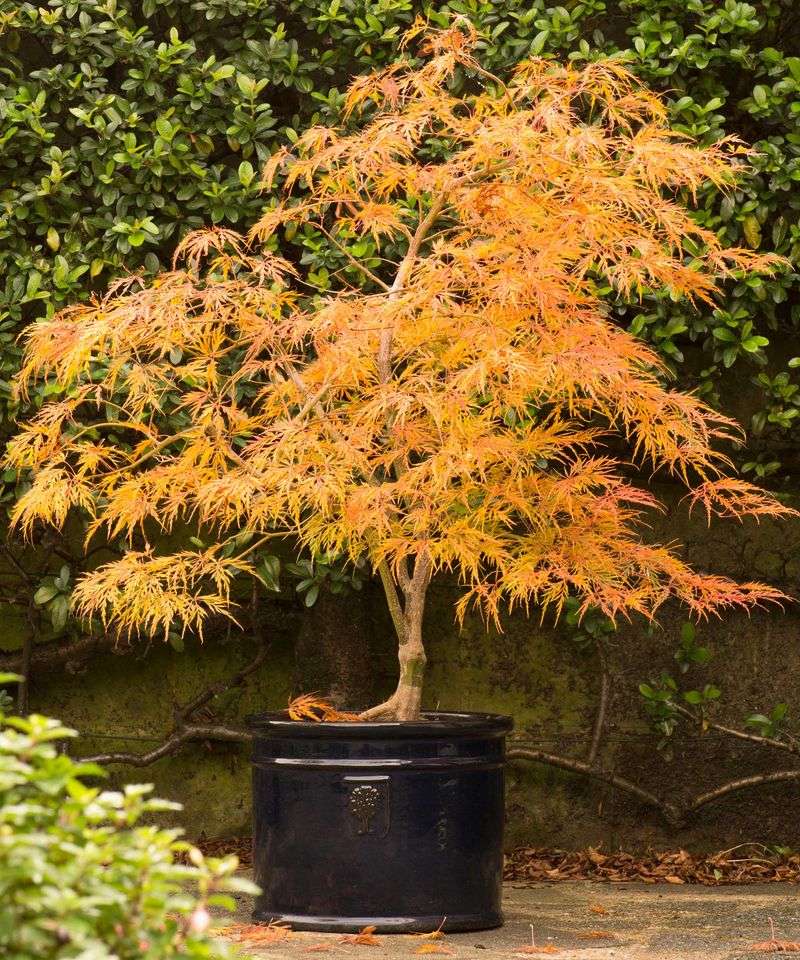
Age really does matter when it comes to surviving a late April frost in Michigan. Young Japanese maple saplings, especially those planted within the last year or two, have much smaller root systems and less stored energy than mature trees.
That combination makes them far more sensitive to sudden cold snaps, and the damage they experience can be more severe and take longer to recover from.
A well-established Japanese maple that has been growing in your Michigan yard for five or more years has developed a deep, wide root system that stores nutrients and moisture efficiently.
That stored energy acts like a buffer, giving the tree resources to draw on when frost strips away its first round of leaves.
A young sapling simply does not have that same reserve to fall back on, which is why it may struggle more visibly after a cold event.
If you have recently planted a Japanese maple, covering it with a frost cloth or even a light bedsheet on nights when temperatures are expected to drop below freezing can make a real difference.
Moving container-grown saplings into a garage or shed temporarily is another smart option.
Michigan gardeners who take these small protective steps with younger trees often see much better survival rates and faster recovery compared to those who leave young trees fully exposed.
Building that protective habit early on is one of the best investments you can make for a new tree.
6. Repeated Frosts Increase Stress On The Tree
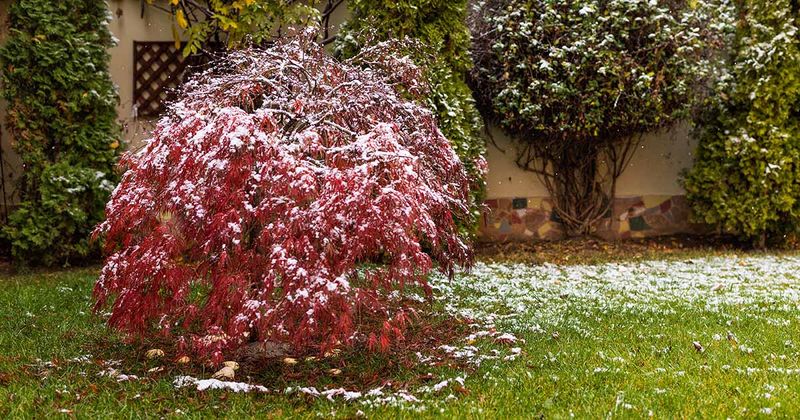
A single late April frost is tough on a Japanese maple, but repeated cold events throughout the spring season can add up to something much more serious.
Each time the tree pushes out new growth and then gets hit by frost again, it has to spend more energy regrowing leaves from its reserves.
Over time, that repeated cycle drains the tree and weakens its overall condition heading into summer.
Michigan is no stranger to unpredictable spring weather, and some years bring multiple frost events well into late April and even early May.
Japanese maples that face two or three frost hits in a single spring season may show signs of stress that go beyond just leaf damage.
You might notice reduced leaf density, smaller-than-normal leaves, or branches that seem slow to fill in even as the weather warms up.
Stressed trees are also more open to problems from insects and fungal diseases, since their natural defenses are running low.
Keeping the soil consistently moist, avoiding heavy pruning until the tree stabilizes, and skipping aggressive fertilizer applications can all help reduce additional stress during this time.
A light layer of mulch around the base of the tree helps regulate soil temperature and hold moisture through Michigan’s variable spring weather.
Giving the tree a calm, low-stress environment after repeated frosts is the most effective way to help it regain its strength before summer arrives.
7. Trees Usually Recover By Early Summer
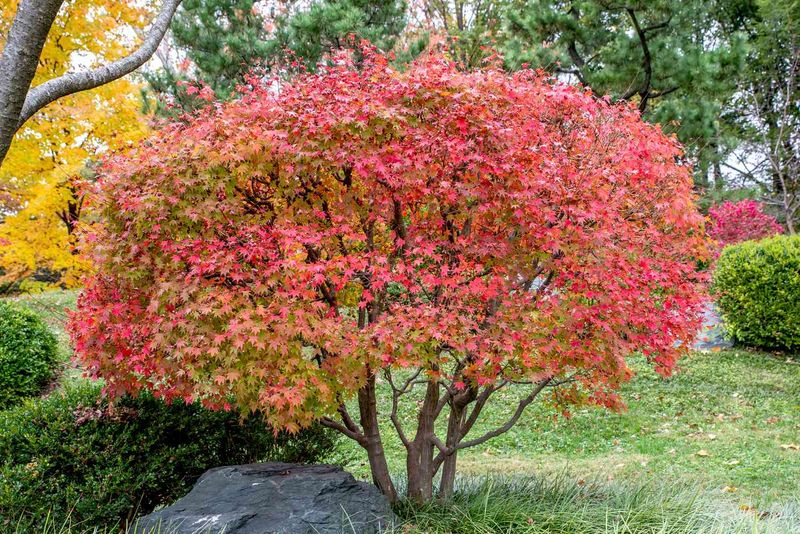
The most hopeful fact about late April frost and Japanese maples in Michigan is that most trees come back beautifully by the time early summer rolls around.
Once temperatures stabilize and the threat of frost is behind us, these resilient trees shift into high gear.
Secondary buds open up, new leaves unfurl, and within a few weeks the tree can look almost as full and lush as it would have without any frost damage at all.
Watching a Japanese maple recover from frost is genuinely one of the more satisfying experiences in gardening.
The fresh leaves that emerge after a cold setback often look especially vivid and healthy, partly because they are brand new growth coming in under warmer, more stable conditions.
By late June, many Michigan gardeners find it hard to even tell their tree went through any frost stress earlier in the season.
To give your tree the best shot at a full and speedy recovery, focus on the basics: consistent watering, a light organic mulch layer, and avoiding anything that adds more stress while the tree rebuilds.
Resist the urge to prune aggressively until you can clearly see which branches have fully recovered and which have not.
Japanese maples are tougher than they look, and with a little patience and thoughtful care, your tree will likely reward you with stunning color and full, healthy foliage all season long right through Michigan’s warm summer months.