The Best Edible Flowers To Plant In Your Texas Garden
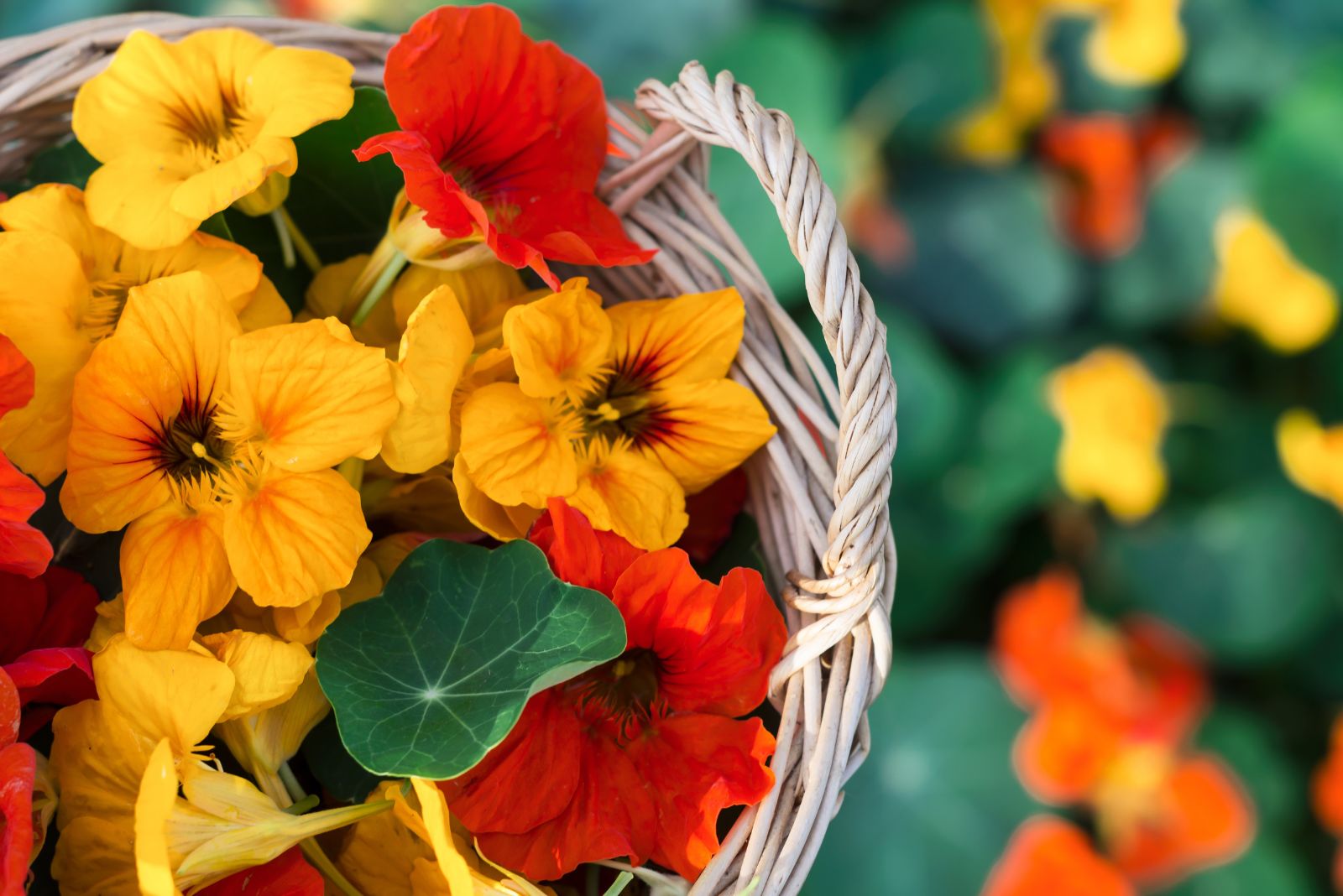
Some garden plants look good. Some taste good. Edible flowers manage to do both, which makes them a pretty fun addition to a Texas garden. They bring color to flower beds, charm to patios, and a little surprise to the kitchen once blooming season gets going.
A few petals can dress up a salad, brighten a drink, or make a simple dessert feel like something special. That alone is enough to get many gardeners interested.
In Texas, though, beauty is only part of the story. Plants also need to handle heat, strong sun, and the kind of weather that can change its mind in a hurry. That is why choosing the right edible flowers matters. The best ones are not just attractive.
They are productive, flavorful, and able to grow well without turning into a constant chore. For gardeners who want something useful as well as eye-catching, this is a smart place to start.
With the right picks, your garden can feel more colorful, more interesting, and a lot more rewarding every time you step outside.
1. Nasturtiums
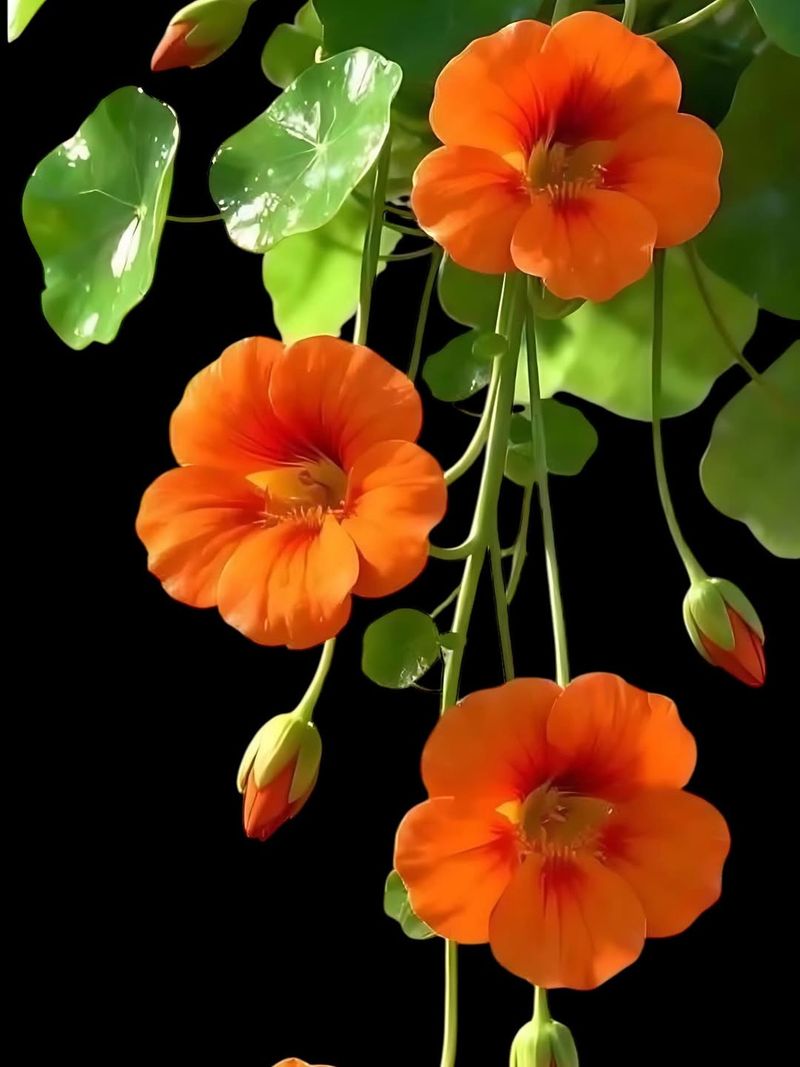
If you have never grown an edible flower before, nasturtiums are the perfect place to start. They are one of the easiest plants you can put in a Texas garden, and they reward you quickly with bold, cheerful blooms.
The flowers come in shades of red, orange, and yellow, making your garden look like a celebration.
Both the flowers and the leaves are edible. They taste a little like watercress, with a peppery kick that wakes up salads and sandwiches. You can also use them as a garnish to make any dish look fancy without much effort at all.
In Texas, nasturtiums grow best during spring and fall when temperatures are milder. The summer heat can slow them down, so plan your planting around cooler months for the best results. Sow seeds directly in the ground since nasturtiums do not love being transplanted.
They actually prefer poor soil. Adding too much fertilizer makes them grow lots of leaves but fewer flowers, so skip the extra feeding.
Give them full sun and a little water, and they will take care of themselves. Nasturtiums also attract aphids, which keeps those pests away from your other plants, making them a helpful neighbor in any Texas garden.
2. Calendula
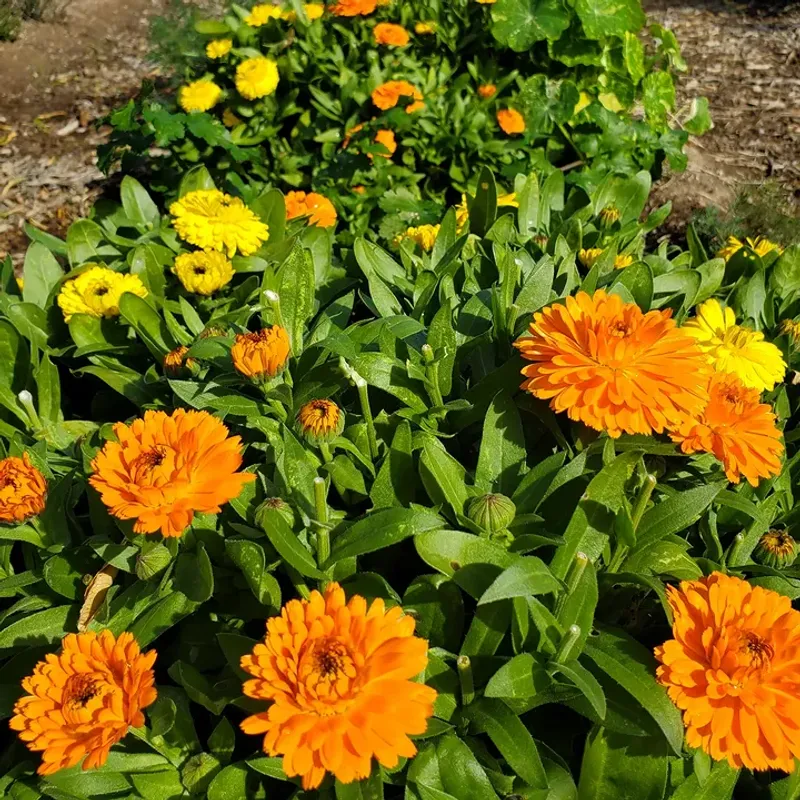
Calendula, often called pot marigold, is one of those flowers that looks almost too pretty to eat. But its bright orange and yellow petals are absolutely edible, and gardeners across Texas have been using them in kitchens for generations.
The flavor is mild and slightly peppery, making it easy to toss into salads or float on top of soups.
One of the coolest things about calendula is how useful it is beyond just eating. The petals can be dried and steeped in hot water to make a soothing tea.
They can also be used as a natural food coloring, giving rice, butter, and cheese a warm golden hue without any artificial ingredients.
Calendula is heat-tolerant, which makes it a great match for Texas weather. It prefers full sun and well-draining soil, both of which are easy to find in most Texas garden beds. Plant seeds in early spring or fall for the strongest blooms.
Your Texas Garden Changes Every Week. Your Plan Should Too.
Gardening in Texas changes quickly throughout the season. Every Friday you’ll receive a simple weekly plan showing exactly what to plant, prune, fertilize, harvest, and protect so you never miss the right timing.
Deadheading, which means removing spent flowers, keeps the plant producing new blooms all season long. The more you pick, the more it grows.
Calendula also has a long history of use in natural skincare and herbal medicine, which makes it a genuinely multitasking plant. For Texas gardeners looking for beauty and practicality, calendula checks every box.
3. Borage
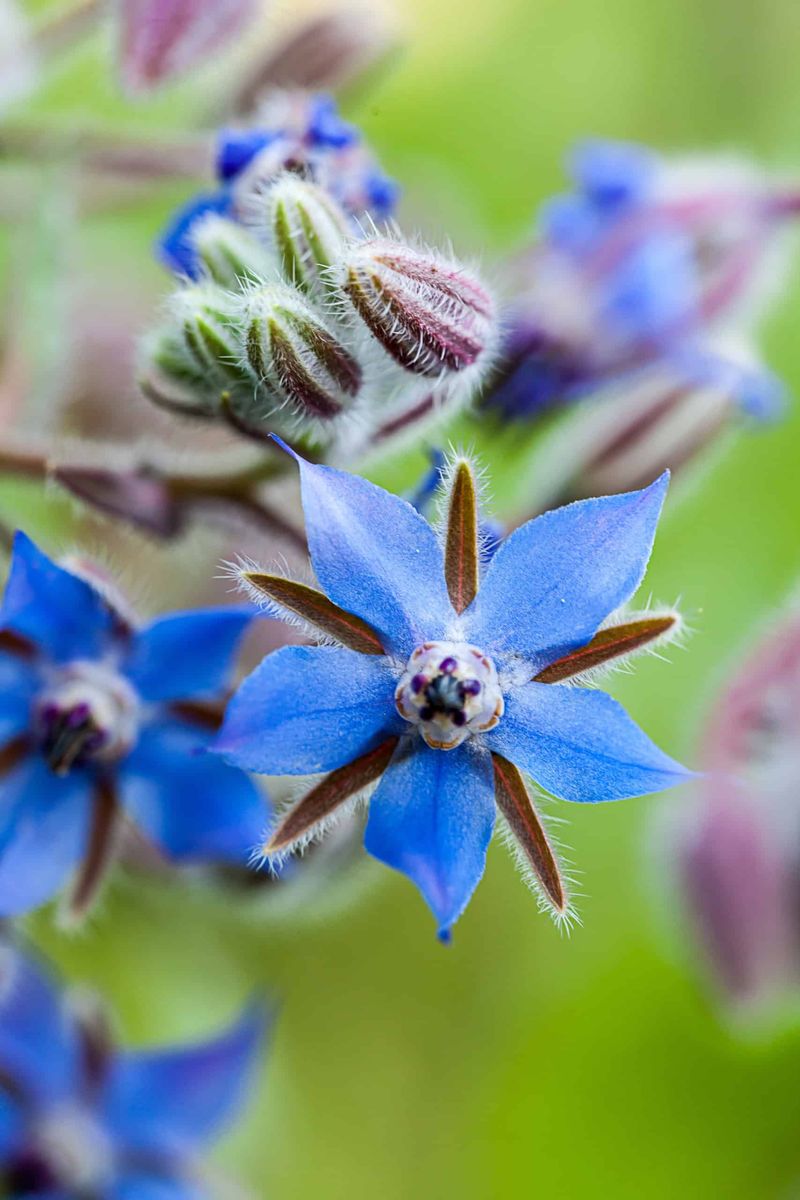
There is something almost magical about borage. Its tiny, star-shaped blue flowers look like they belong in a fairy tale, and the fact that they taste like fresh cucumber makes them even more special.
Drop a few blooms into a glass of lemonade or a pitcher of water, and you instantly have a drink that looks and tastes incredible.
Borage grows well in Texas during the cooler months of fall and spring. It can handle a light frost, which gives it an advantage over many other edible flowers.
Once it gets going, it grows fast and can reach up to three feet tall, so give it some space in your garden bed.
Pollinators absolutely love borage. Bees flock to the blue flowers, which makes it a fantastic companion plant for vegetables that need pollination, like tomatoes and squash.
Planting borage near your veggie patch is a smart move for any Texas gardener who wants a more productive garden overall.
The leaves are also edible, though they have a slightly rough texture. Young leaves have a milder flavor and work well in salads.
Borage self-seeds easily, meaning once you plant it, it will likely come back on its own the following season. That kind of low-maintenance charm is hard to beat in a busy Texas garden.
4. Hibiscus
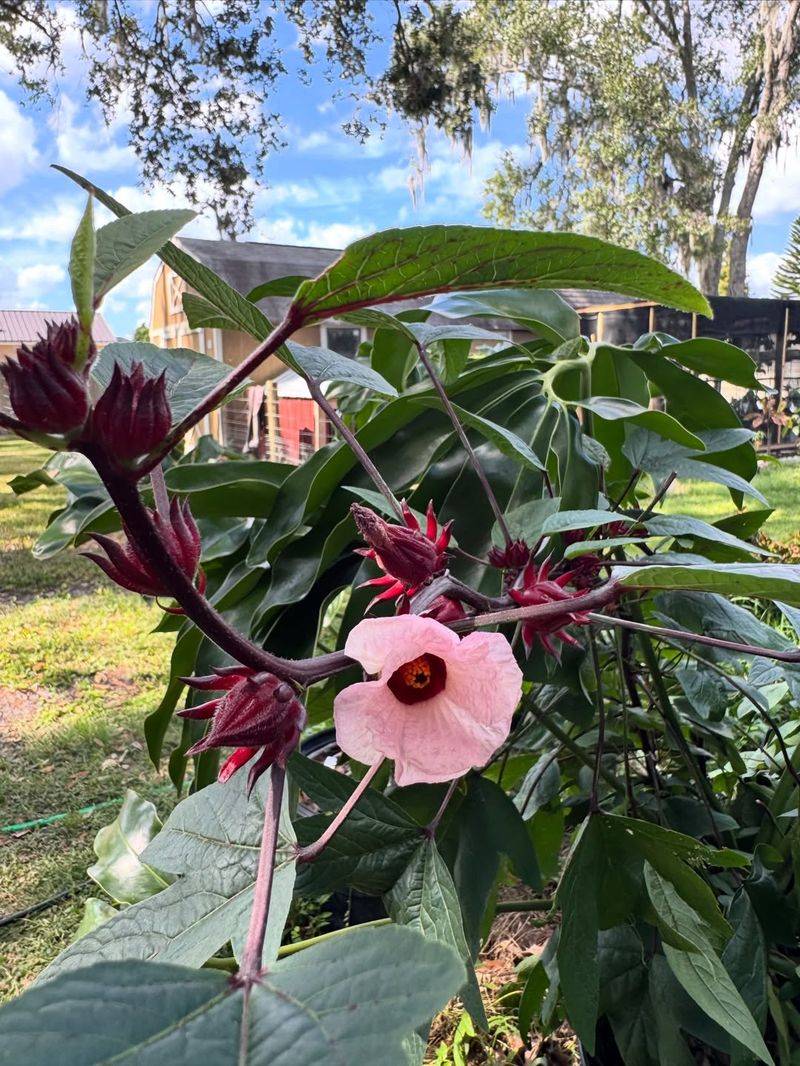
Ask anyone who has ever sipped a cold glass of agua de jamaica on a hot Texas afternoon, and they will tell you hibiscus is something special. Roselle hibiscus, also known as Hibiscus sabdariffa, is the variety most commonly used for food and drinks.
Its tart, cranberry-like flavor is bold, refreshing, and absolutely perfect for the Texas summer.
Unlike many other edible flowers, roselle hibiscus actually thrives in intense heat. Texas summers that would stress other plants just make this one stronger.
It can grow quite tall, sometimes reaching six feet or more, so plant it where it has room to spread out and show off.
The part most people use is actually the calyx, which is the fleshy red casing that surrounds the seed pod after the flower blooms. These calyxes are packed with vitamin C and antioxidants.
You can dry them for tea, simmer them into syrup, or use them fresh in salads and sauces. Roselle hibiscus is also beautiful enough to serve as a landscape plant. Its flowers are large and showy, and the deep red calyxes add dramatic color to any Texas garden.
Start seeds indoors about six weeks before your last frost date, then transplant once the weather is reliably warm. With enough sun and water, this plant will produce abundantly all the way through fall.
5. Bee Balm
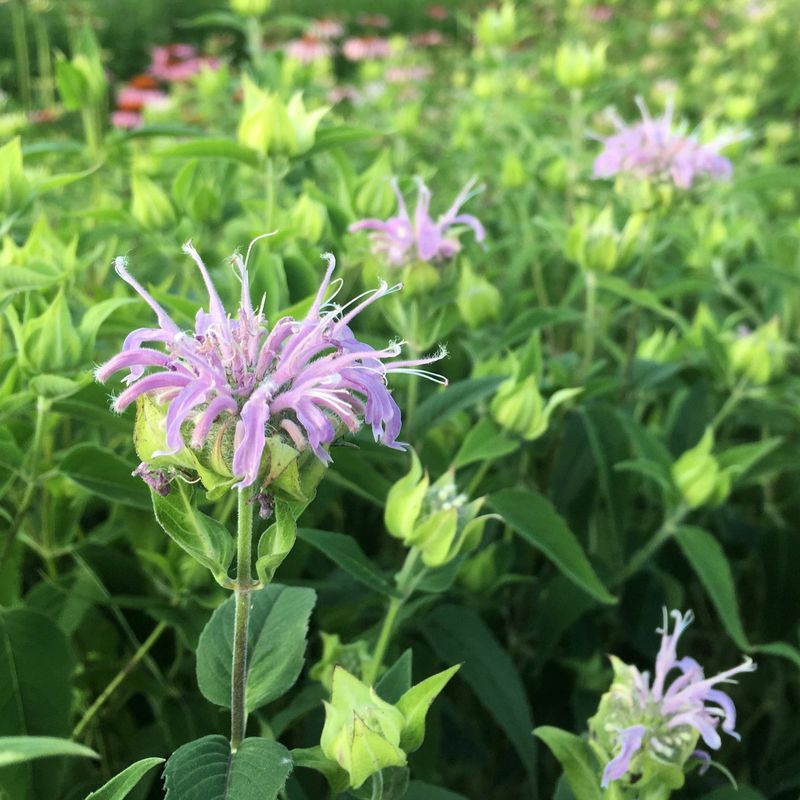
Lemon bee balm is one of those plants that feels like it was made specifically for Texas. Also called lemon beebalm or purple horsemint, Monarda citriodora is actually a Texas native wildflower, which means it already knows how to handle the heat, the dry spells, and the unpredictable weather that comes with living in the Lone Star State.
The flavor is bright and citrusy with a hint of oregano. It is a surprisingly versatile edible flower that works in both sweet and savory dishes.
Sprinkle the blooms over a fruit salad, steep them in hot water for an herbal tea, or use them to garnish grilled chicken or fish for a fresh, fragrant twist.
Bee balm is also a pollinator magnet. Bees, butterflies, and hummingbirds all visit the flowers regularly, which is great news for the rest of your Texas garden.
More pollinators mean more fruit and veggie production nearby, so planting bee balm is practically an investment in your whole yard.
Growing it is straightforward. Bee balm prefers well-drained soil and full sun, and once established, it is fairly drought-tolerant.
It spreads by seed and can naturalize in your garden over time, filling in bare spots with beautiful blooms. For Texas gardeners who want a native, edible, and pollinator-friendly plant, lemon bee balm is a genuinely unbeatable choice.
6. Squash Blossoms
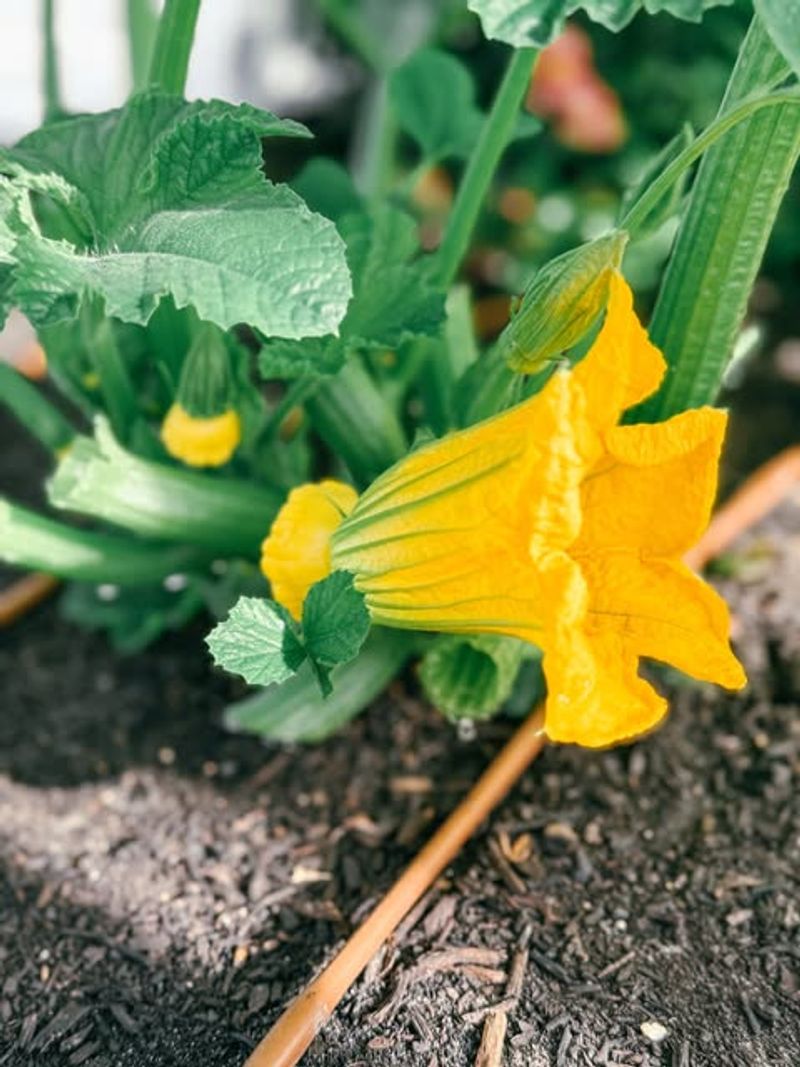
Growing squash in your Texas garden and not eating the flowers? That is a missed opportunity you will not want to repeat.
Squash blossoms are a celebrated ingredient in many cuisines around the world, and they are surprisingly easy to harvest right from your own backyard. The flavor is mild and slightly sweet, with a delicate texture that makes them incredibly versatile in the kitchen.
The most popular way to enjoy squash blossoms is to stuff them. Fill them with a mixture of ricotta cheese, herbs, and a pinch of salt, then lightly batter and fry them until golden.
They also work beautifully in quesadillas, pasta, and soups. The possibilities are wide open, and every option is delicious.
Texas summers are perfect for growing squash. The plants love heat and full sun, and they grow fast.
You can start harvesting blossoms within a few weeks of planting. Just make sure to pick mostly male flowers, which grow on straight stems, and leave the female flowers, which have a tiny squash at the base, to keep your harvest going.
Pick blossoms in the early morning when they are fully open and at their freshest. Use them right away or store them in the fridge for up to a day.
Squash plants are generous producers, so there will always be plenty of blooms to enjoy all season long in your Texas vegetable garden.
7. Rose
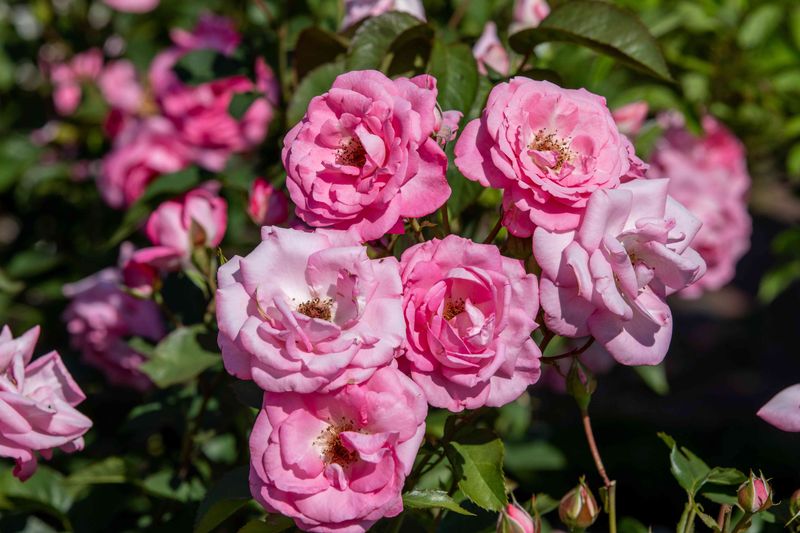
Roses have been loved for thousands of years, but most people do not realize they are also completely edible. Rose petals have a sweet, floral flavor that ranges from fruity to slightly spicy depending on the variety.
The more fragrant the rose, the stronger and more enjoyable the flavor tends to be, so sniff before you snip.
Texas is actually a great state for growing roses. Many varieties thrive in the warm climate, and there are also heat-tolerant roses called Earth-Kind roses that are specifically recommended for Texas conditions.
These varieties are low-maintenance, disease-resistant, and beautiful. Rose petals can be used in so many ways in the kitchen. Stir them into lemonade or iced tea for a floral twist.
Layer them into desserts, fold them into whipped cream, or simmer them with sugar to make a simple rose syrup. Dried petals are wonderful in herbal tea blends too.
One rule you absolutely must follow: only eat roses that have been grown without pesticides or chemical sprays. Many store-bought roses are treated with products that are not safe to consume.
Grow your own in your Texas garden or source them from a trusted organic grower. Remove the white base of each petal before eating, as that part can taste bitter. Once you try homegrown rose petals, you will wonder why it took you so long.
8. Chive Blossoms
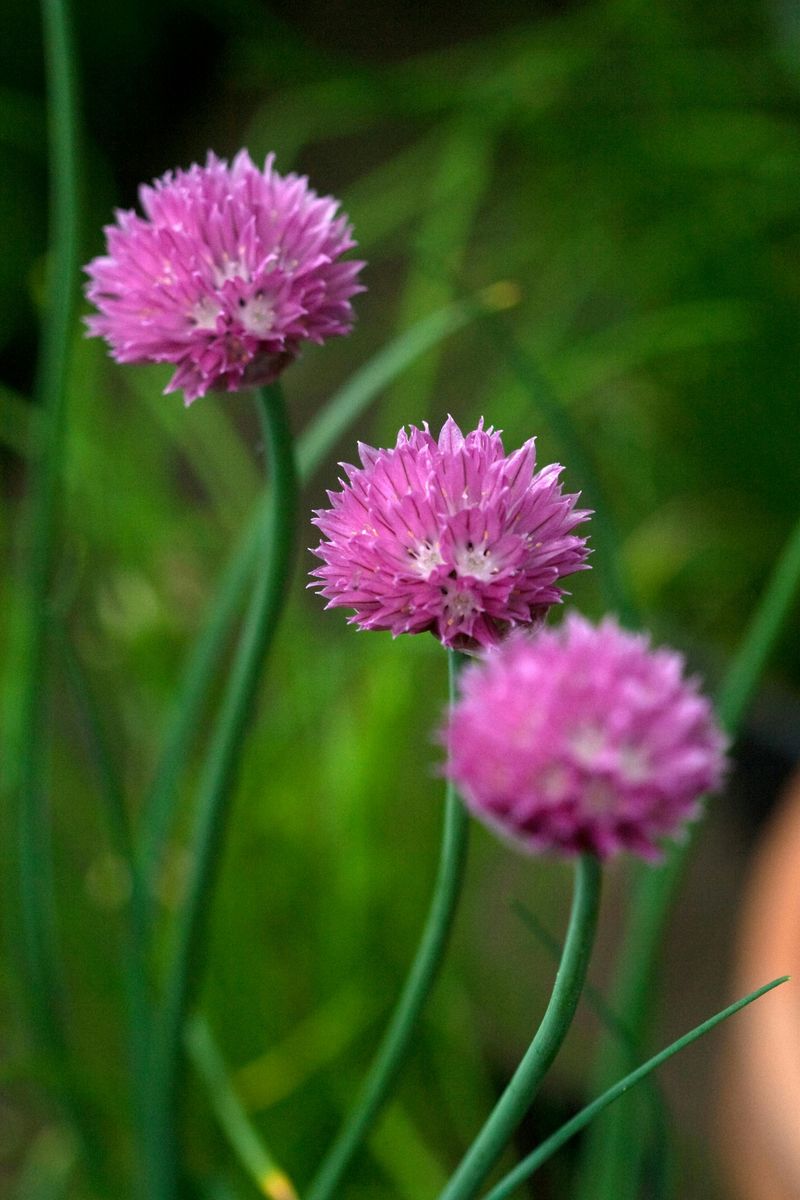
Chive blossoms are the unsung heroes of the edible flower world. These small, round, lavender-purple blooms sit on top of slender green stems and bring a mild onion flavor to anything they touch.
They are subtle enough to use freely without overpowering a dish, which makes them incredibly easy to cook with even for beginners.
Sprinkle chive blossoms over a bowl of creamy potato soup, mix them into softened butter for a compound butter that tastes gourmet, or toss them fresh into a green salad for a pop of color and flavor.
You can also steep them in white wine vinegar for about two weeks to make a gorgeous pink chive blossom vinegar that looks as good as it tastes.
Chives are perennial plants, meaning they come back year after year without needing to be replanted. That kind of reliability is really valuable in a Texas garden where summers can be tough on plants.
They handle the heat better than many other herbs as long as they get consistent watering and a little afternoon shade during the hottest months.
Plant chives in well-draining soil and give them at least six hours of sunlight each day. Once established, they are fairly low-maintenance and will reward you with both edible leaves and flowers.
Harvesting the blossoms regularly encourages the plant to keep producing, so do not be shy about picking them throughout the season.