Think Twice Before Pruning These Florida Plants Right Before Summer Heat
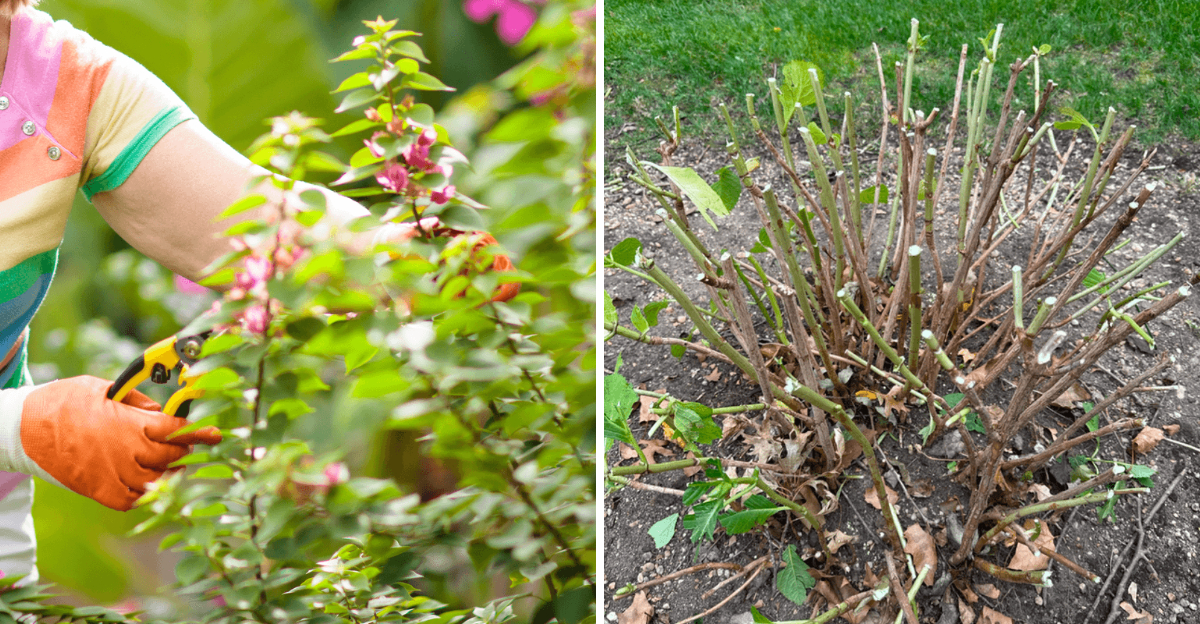
It feels productive to grab the pruners and tidy everything up before summer hits, but in Florida, that quick trim can come back to bite you.
Some plants take pruning as a green light to push fresh, tender growth at the worst possible time, right as heat, humidity, and intense sun start cranking up.
That new growth often struggles, leaving plants stressed, patchy, or slower to recover. Others set their flower buds earlier than expected, so one wrong cut can quietly wipe out an entire season of blooms.
Timing matters more than most gardeners realize, and a well-meaning cleanup can do more harm than good.
A few common landscape favorites fall into this category, and knowing which ones to leave alone for now can make the difference between plants that coast through summer and ones that never quite bounce back.
1. Hold Off On Pruning Azaleas After Spring Blooms
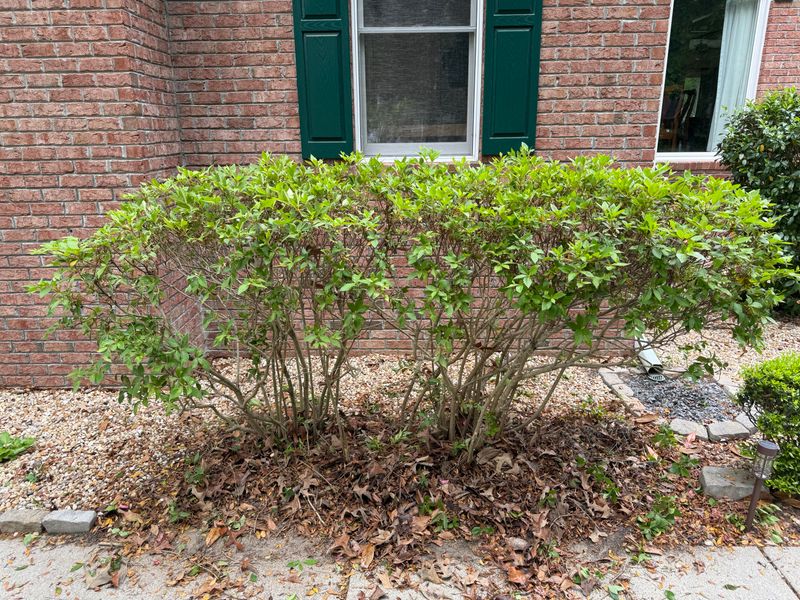
Walking through a Florida yard in March or April, it is hard to miss the explosion of color that azaleas put on every spring. Once those blooms fade, many homeowners reach for the shears, thinking it is time to tidy things up before the heat arrives.
That instinct, while understandable, can cost you next year’s entire flower show.
Azaleas in Florida bloom on old wood, which means the flower buds for next season begin forming on existing branches shortly after spring flowering ends.
If you prune too late, even by just a few weeks, you risk cutting off those developing buds before they have a chance to mature.
University of Florida IFAS Extension recommends pruning azaleas immediately after flowering, ideally by late April or very early May at the latest.
Waiting until late May or June, when summer heat is already building, creates a double problem. Fresh cuts stress the plant right when temperatures are climbing, and the new growth that pushes out afterward is tender and vulnerable to heat damage.
Light shaping right after blooms drop is the sweet spot. Avoid heavy cuts entirely during this window, and your azaleas will reward you with another spectacular spring display.
2. Avoid Cutting Back Gardenias Before Heat Sets In
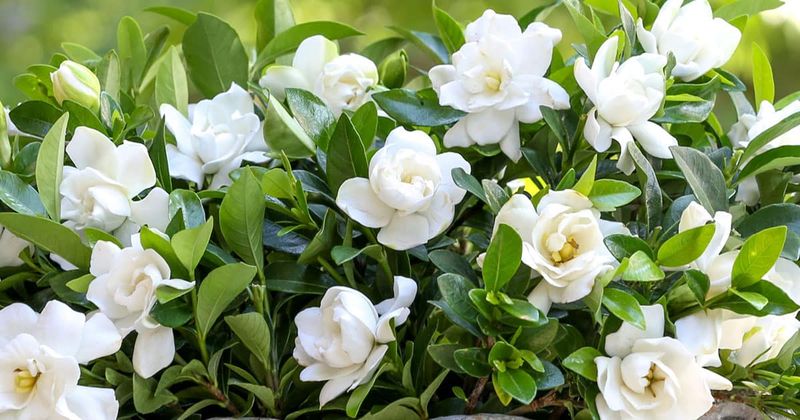
Few plants smell as incredible as a gardenia in full bloom on a humid Florida evening. That intoxicating fragrance makes gardenias a backyard favorite across the state, but they are also surprisingly sensitive to stress.
Pruning them at the wrong time can trigger a chain reaction that leaves them struggling all summer long.
Gardenias in Florida typically bloom from late spring into early summer. The best pruning window is right after that flowering period wraps up, usually by late June.
Cutting them back before they finish blooming, or worse, right as summer heat intensifies, encourages a flush of weak, soft new growth that the plant simply cannot sustain under high temperatures and humidity.
That tender new growth becomes a magnet for pests like whiteflies and aphids, which are already a serious issue for gardenias in Florida. Heat stress on top of pest pressure can cause leaf drop and bud failure, setting the plant back significantly.
Your Florida Garden Changes Every Week. Your Plan Should Too.
Gardening in Florida changes quickly throughout the season. Every Friday you’ll receive a simple weekly plan showing exactly what to plant, prune, fertilize, harvest, and protect so you never miss the right timing.
If your gardenia still has buds forming, hold off entirely. A light cleanup after blooming, removing spent flowers and crossing branches, is all that is needed.
Save any structural pruning for late summer or early fall when temperatures begin to ease.
3. Skip Heavy Pruning On Hibiscus Heading Into Summer
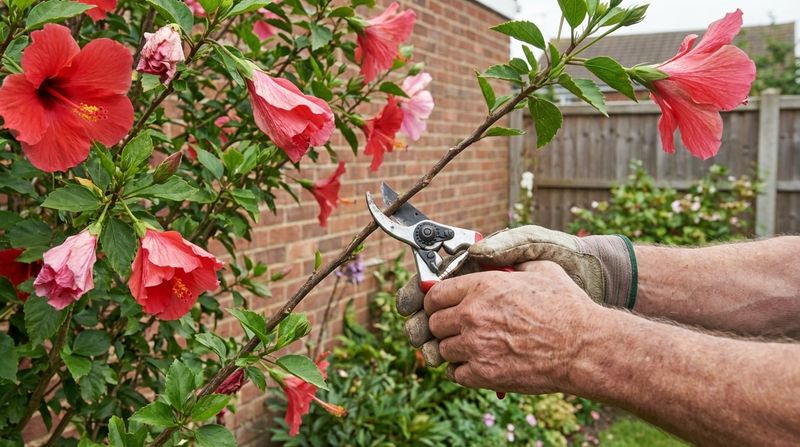
Tropical hibiscus is practically a symbol of Florida gardening, and it earns that reputation by blooming in bold, show-stopping colors for much of the year. Because it grows so fast, it can look overgrown by late spring, and the temptation to cut it back hard before summer is real.
Resist that urge if you want a healthy plant through the hottest months.
Heavy pruning on tropical hibiscus right before summer triggers a surge of new, tender growth. That soft growth is highly vulnerable to heat stress, sunscald, and pest damage, especially from hibiscus chili mite, which thrives in Florida’s warm conditions.
A plant that is pushing out lots of new growth during peak heat has to work overtime, and that extra effort can weaken it significantly.
Light shaping is perfectly fine throughout the growing season. Removing withered wood, trimming back a wayward branch, or pinching stem tips to encourage bushiness will not harm the plant.
What to avoid is removing more than one-third of the plant’s overall mass heading into June or July. If your hibiscus needs a more significant reshape, the better timing is late winter, around February or March, before the heat cycle begins.
That gives the plant time to recover and push healthy growth during milder temperatures.
4. Think Twice Before Trimming Bougainvillea Now
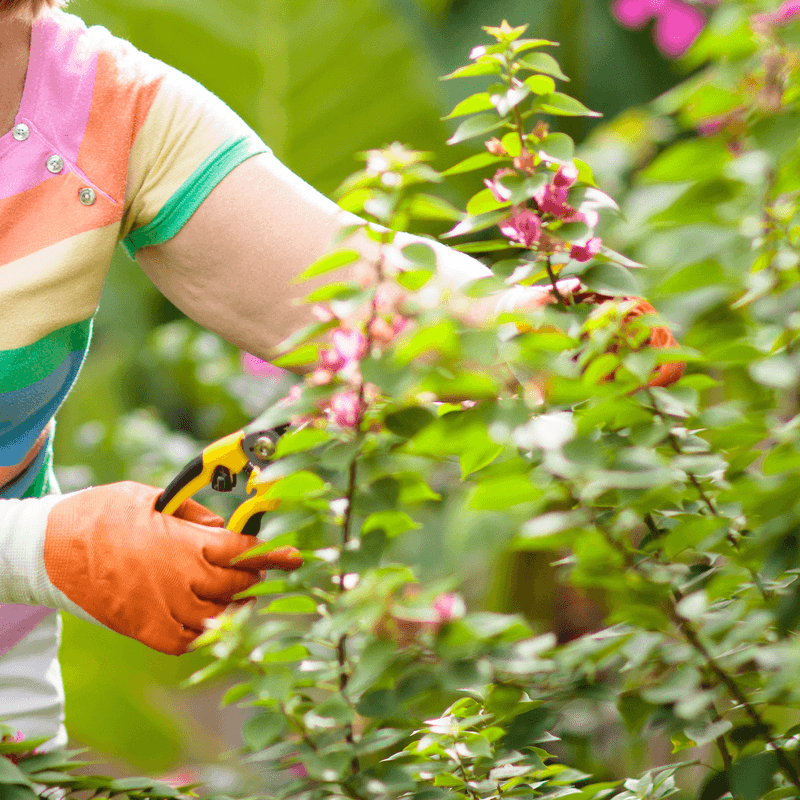
Bougainvillea is one of those plants that seems almost indestructible, and in many ways it is. Its vivid papery blooms in shades of magenta, orange, and red make it one of the most dramatic plants in any Florida landscape.
But even tough plants have their limits, and aggressive pruning before summer heat can seriously set back a bougainvillea’s flowering cycle.
Bougainvillea blooms best when it experiences a period of stress, specifically dry conditions followed by a growth flush.
Heavy pruning mimics that stress and triggers a growth response, but if that response happens right as temperatures spike into the 90s, the resulting new growth is soft and vulnerable.
Worse, aggressive cuts right before summer can reduce flowering significantly for the rest of the season.
Light pruning and tip trimming are fine at almost any time of year and can actually encourage more blooms by keeping the plant from getting too leggy. What you want to avoid is cutting back large portions of established growth in late spring.
The optimal time for heavier shaping is right after a major bloom cycle ends, typically in late winter or after the spring flowering push. That timing lets new growth harden off before the brutal summer heat arrives in full force.
5. Avoid Pruning Hydrangeas Before Summer Heat Arrives
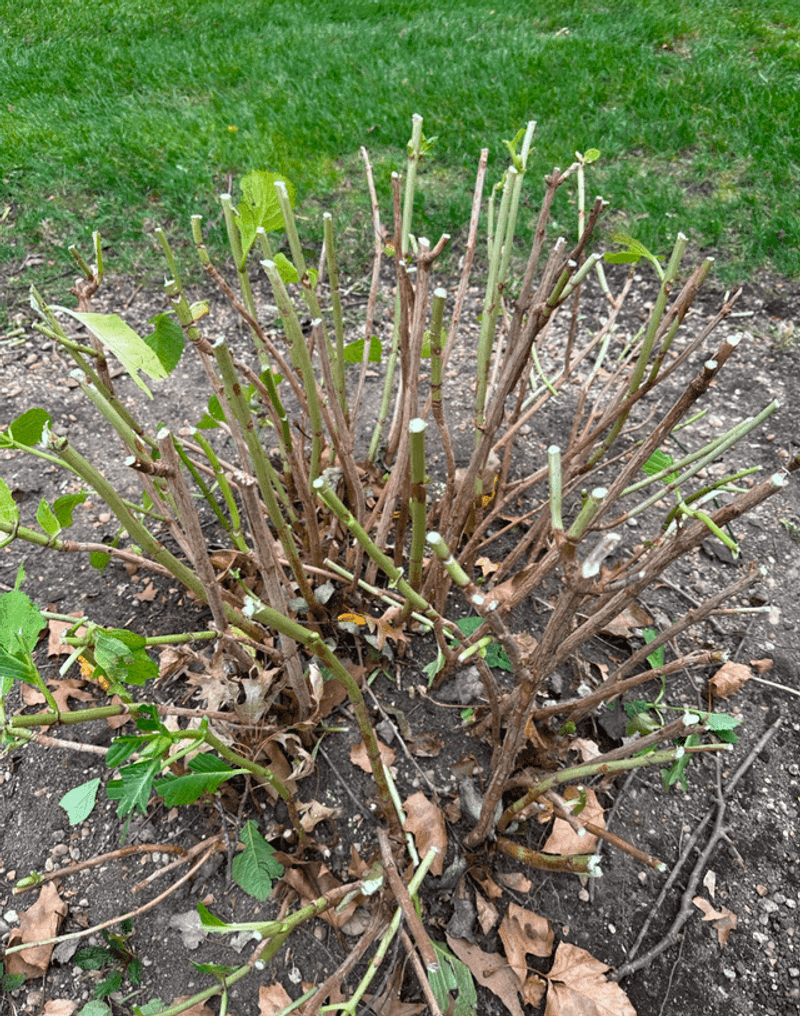
Hydrangeas can be a tricky plant to grow in Florida, but the gardeners who figure them out are fiercely devoted to them.
The most common type grown in Florida yards, bigleaf hydrangea, blooms on old wood, which is a critical detail that changes everything about how and when you should prune it.
Pruning a bigleaf hydrangea after the buds for next season have already formed means cutting off your blooms before they ever open. In Florida, those buds begin setting in late summer and remain on the plant through winter and into spring.
Any pruning done in late spring or early summer, right before the heat builds, can remove those buds entirely, leaving you with a full, leafy plant that produces zero flowers.
The correct pruning window for bigleaf hydrangeas in Florida is immediately after they finish blooming, which typically happens in late spring. Even then, keep cuts minimal and focused on removing spent flower heads and any withered or crossing branches.
Avoid cutting back into healthy green stems unless absolutely necessary. Putting these plants under additional stress from pruning wounds right before summer heat arrives compounds the challenge they already face in Florida’s intense conditions.
Patience here pays off with a much better bloom display the following year.
6. Avoid Cutting Back Camellias After Spring Ends
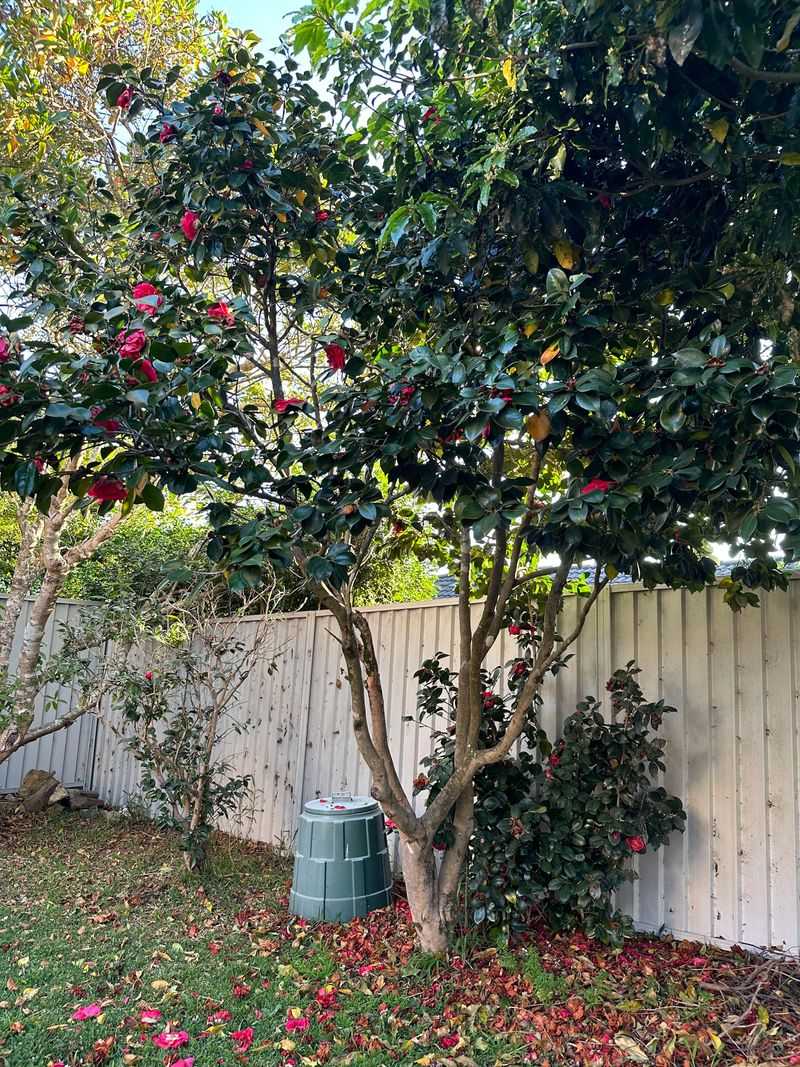
Camellias have a devoted following in North and Central Florida, where their elegant blooms from fall through early spring make them stand out in the landscape. What surprises many gardeners is how early camellias begin preparing for their next flowering season.
By the time spring ends, the process is already underway, making late pruning a costly mistake.
Camellias set their flower buds for the coming season during late spring and early summer. Pruning after this process begins means removing those developing buds along with the branches they sit on.
The result is fewer blooms, or in some cases, no blooms at all, the following season.
University of Florida IFAS Extension advises pruning camellias immediately after they finish flowering, which for most varieties falls between February and April depending on the cultivar.
Pruning in late May or into June also exposes fresh cuts to Florida’s intensifying heat and humidity, creating entry points for fungal issues that camellias are already prone to.
A light trim right after flowering to shape the plant and remove any withered or weak wood is all that is needed.
Heavy structural pruning should be reserved for the same immediate post-bloom window.
Mark your calendar for next year and you will protect both this season’s recovery and next season’s floral display.
7. Skip Pruning Star Jasmine Before The Heat Builds
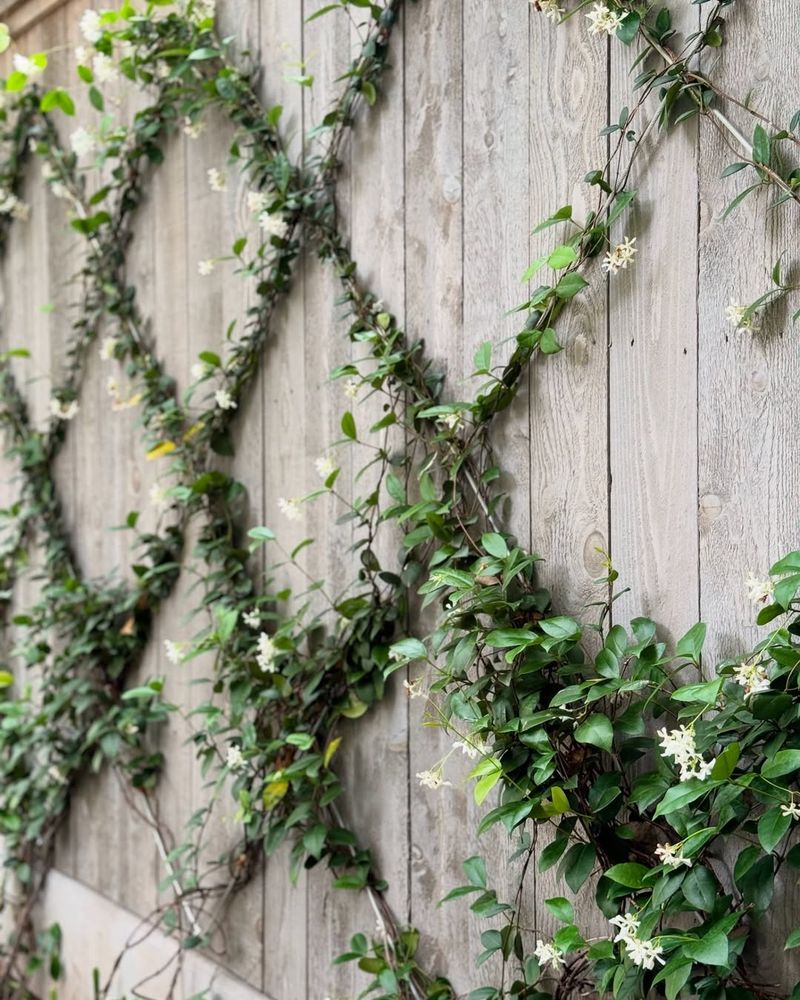
Star jasmine, known botanically as Trachelospermum jasminoides, is a reliable and fragrant vine or groundcover that thrives across much of Florida.
Its clusters of small white flowers fill the garden with a sweet scent in spring, and its dense evergreen foliage makes it a popular choice for fences, trellises, and slopes.
But cutting it back right before the heat arrives can undermine both its flowering and its overall vigor.
Star jasmine blooms on growth from the previous season. Pruning heavily in late spring removes not only current-season flowering wood but also reduces the plant’s ability to recover efficiently before summer stress sets in.
New growth pushed out after a late pruning is soft and unprepared for Florida’s intense June through August heat, leaving the plant more vulnerable to leaf scorch and moisture stress.
The ideal time to prune star jasmine in Florida is right after the main spring bloom period wraps up, typically by late April or early May. At that point, light shaping and trimming back any overly long runners is perfectly appropriate.
This approach allows the plant several weeks to push and harden new growth before the hottest temperatures arrive. Avoid cutting deeply into old woody stems during this period, as recovery from those cuts is slow when heat stress is already a factor.
8. Hold Back On Heavy Rose Pruning Before The Heat Builds

Growing roses in Florida is a labor of love, and anyone who has managed a healthy rose bush through a Florida summer deserves serious credit.
Roses here face a unique combination of heat, humidity, fungal pressure, and pest activity that makes timing every garden task critically important.
Pruning at the wrong moment before summer can tip the balance against you.
Heavy rose pruning in late spring triggers a flush of vigorous new growth, which sounds positive but creates a real problem when summer heat arrives shortly after.
That soft new growth is highly susceptible to heat stress, sunscald on exposed canes, and fungal diseases like black spot, which thrives in Florida’s humid summer conditions.
Putting a rose through a heavy pruning and then immediately into peak summer heat is a combination that can weaken even established plants.
Florida rose growers generally follow a pruning calendar that favors late January through February for major cuts, allowing plants to push healthy new growth during the more moderate spring temperatures.
Heading into summer, the focus should shift to light maintenance only, removing spent blooms, cutting out withered or diseased wood, and trimming back any canes that are crossing or rubbing.
This keeps the plant tidy and manageable without triggering the kind of aggressive regrowth that summer heat will punish. Your roses will hold up far better through the season with this restrained approach.
Latest info from the web: Pruning certain Florida plants just before the intense summer heat can be detrimental to their health and vitality. During this period, plants are already under stress due to high temperatures and humidity, and pruning can exacerbate these conditions.
It is advisable to avoid heavy pruning during the hottest months, typically from June through August, as fresh cuts are more susceptible to disease and pests.
Instead, focus on light maintenance pruning during summer, such as removing withered or damaged branches, to help plants recover from heat stress.
Major pruning should be reserved for late winter to early spring, before the growing season begins, allowing plants time to heal and prepare for new growth.
By timing your pruning appropriately, you can support the health and resilience of your Florida garden throughout the year.