This Tiny Pest Is Damaging Ohio Rose Bushes Right Now
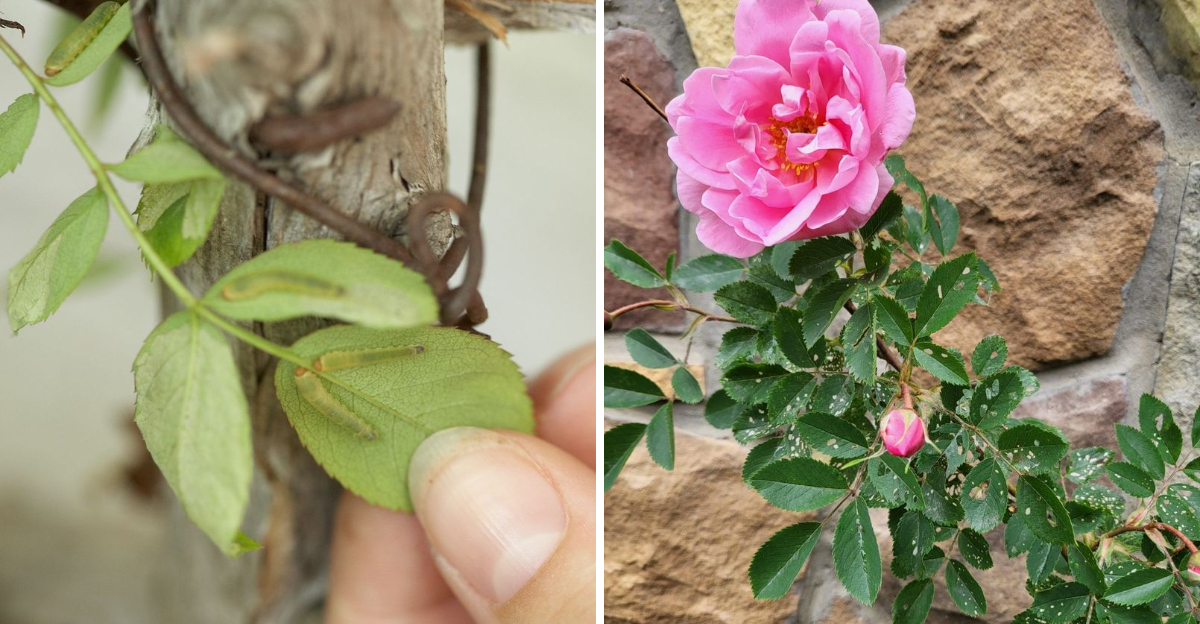
Your rose bush can look perfectly fine one day, then suddenly the leaves start turning into something that barely resembles a leaf at all. No obvious holes, no big insects in sight, just a strange, see-through skeleton left behind.
That is usually the first clue that something small is quietly feeding out of view.
In Ohio, this kind of damage tends to show up right as roses hit their stride in spring, catching gardeners off guard at the worst moment.
The culprit is easy to miss, but the damage adds up fast once it gets going. Knowing what to look for early makes all the difference, because once you spot the pattern, you can step in before your rose bushes lose their momentum for the season.
1. Rose Sawfly Larvae Damage Shows Up Before You Ever Spot Them
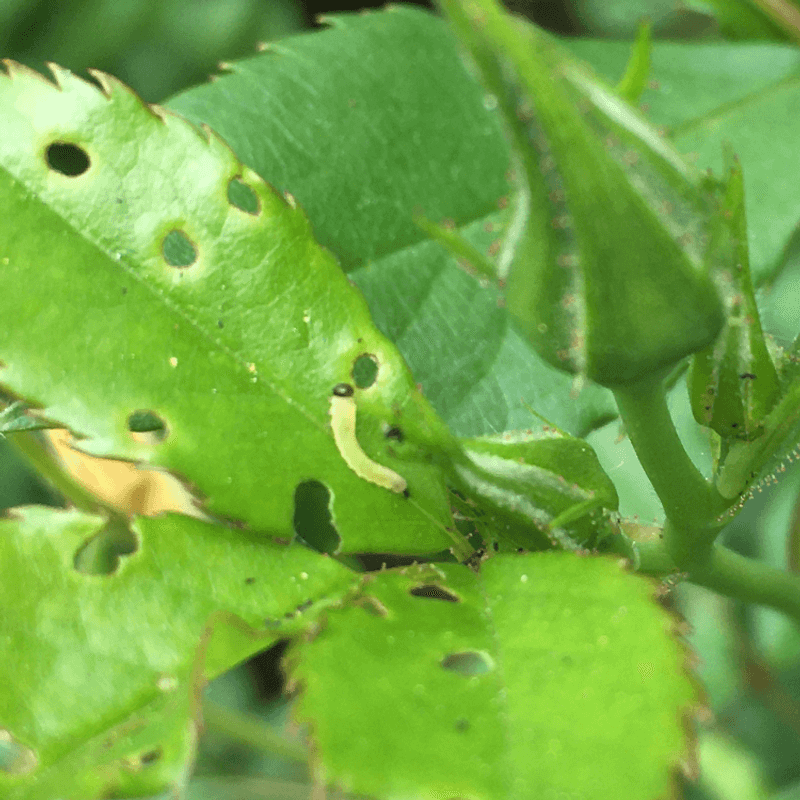
Something strange happens with rose sawfly damage: the leaves start showing signs of trouble well before most gardeners ever lay eyes on an actual larva. That is because young larvae feed in a way that removes only part of the leaf tissue, leaving the thin outer layer intact.
The result looks like a faded or papery patch on the leaf surface, almost like the color has been washed out in certain spots.
This early feeding style is called skeletonizing, and it tends to start small. A few patches here and there might not raise any alarms right away.
But because the larvae are feeding on the underside of leaves, the damage often goes unnoticed until it becomes more widespread.
Ohio gardeners should start checking their rose bushes in early to mid spring, especially after mild, rainy days when conditions favor larval activity. Running your fingers lightly along the undersides of leaves during a weekly garden walk can help you catch the problem early.
The sooner you notice unusual spots or transparent patches on your rose foliage, the better your chances of managing the situation before serious feeding sets in.
2. Leaves Start Looking See-Through Or Skeletonized Fast
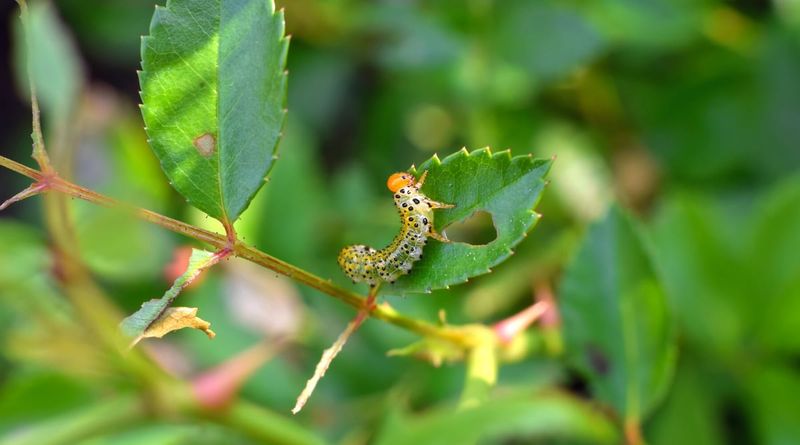
One of the most recognizable signs of a rose sawfly problem is what gardeners often call the windowpane effect. Healthy green leaves suddenly develop pale, almost translucent patches where the soft tissue has been eaten away.
Hold one of those damaged leaves up to the light and you can practically see through it, like a piece of thin tissue paper stretched over a frame.
As the larvae grow larger and their appetites increase, the damage shifts from windowpane patches to full skeletonization. That means the soft green tissue between the leaf veins gets consumed entirely, leaving behind only the dry, papery framework of the leaf.
The affected leaves eventually turn brown and crispy, making the whole rose bush look stressed and unhealthy.
This type of damage can spread across a plant surprisingly quickly when larval populations are high. What starts as a handful of pale spots on a few leaves can turn into widespread browning across multiple canes within a couple of weeks.
Your Ohio Garden Changes Every Week. Your Plan Should Too.
Gardening in Ohio changes quickly throughout the season. Every Friday you’ll receive a simple weekly plan showing exactly what to plant, prune, fertilize, harvest, and protect so you never miss the right timing.
Keeping a close eye on your roses throughout spring and acting when you first notice windowpane patches gives you the best shot at limiting how much of the plant gets affected.
3. Flip The Leaf And You Might Catch Them In Action
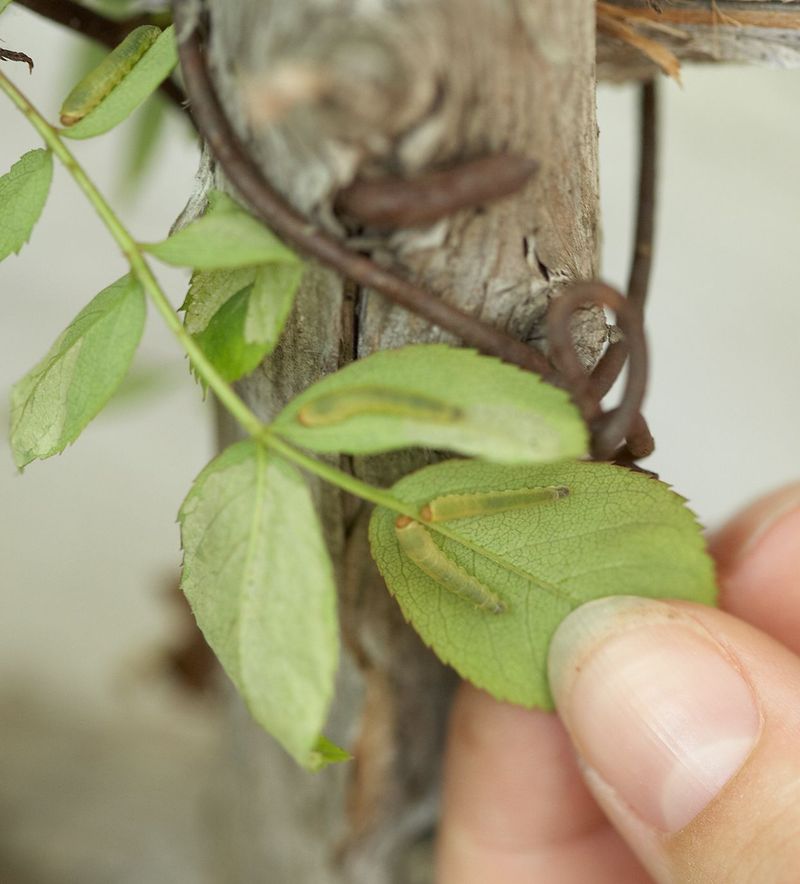
Most gardeners look at the tops of leaves when checking for pests, but with rose sawfly larvae, the real action happens underneath. Flipping a damaged leaf over is often the moment everything clicks.
There, clinging to the underside, you might find small, pale green larvae that look almost slug-like, moving slowly and feeding on the leaf tissue with quiet determination.
Rose sawfly larvae are usually light green to yellowish-green, with a soft, somewhat shiny body. Young larvae are tiny, sometimes less than a quarter inch long, which is part of why they are so easy to miss at first.
As they grow, they can reach about three quarters of an inch in length, and their feeding becomes noticeably more aggressive.
When you are doing your spring garden check, make it a habit to turn over leaves on any rose cane that looks a little off. Pay special attention to the newer, more tender growth since larvae tend to favor softer leaf tissue.
Checking in the morning or on overcast days can make spotting them easier since they tend to be more active in cooler, shadier conditions. A quick look under the leaves takes only a minute and can reveal a lot about what is going on with your roses.
4. They Look Like Caterpillars But Aren’t The Same Thing
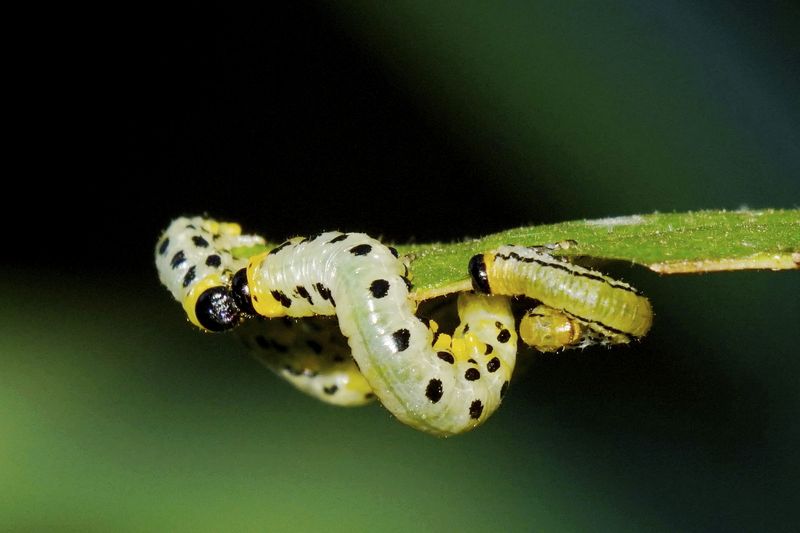
At first glance, rose sawfly larvae can fool even experienced gardeners into thinking they are dealing with caterpillars. Both are soft-bodied, roughly the same size, and found munching on plant foliage.
But they are actually quite different creatures, and that distinction matters when you are deciding how to manage them.
Caterpillars are the larvae of moths and butterflies, belonging to the insect order Lepidoptera. Rose sawfly larvae, on the other hand, are related to wasps and bees, belonging to the order Hymenoptera.
One easy way to tell them apart is by counting the prolegs, which are the stubby, fleshy leg-like structures along the abdomen. Caterpillars have two to five pairs of prolegs, while sawfly larvae have six or more pairs.
Why does this matter for control? Some products commonly used against caterpillars, such as Bacillus thuringiensis, commonly known as Bt, are not effective against sawfly larvae.
Using the wrong product wastes time and money while the feeding continues. Correctly identifying the pest before reaching for any treatment is always the smartest first step.
If you are unsure, Ohio State University Extension offices can help with identification and offer guidance tailored to your specific situation.
5. Spring Is When The First Wave Hits Hardest
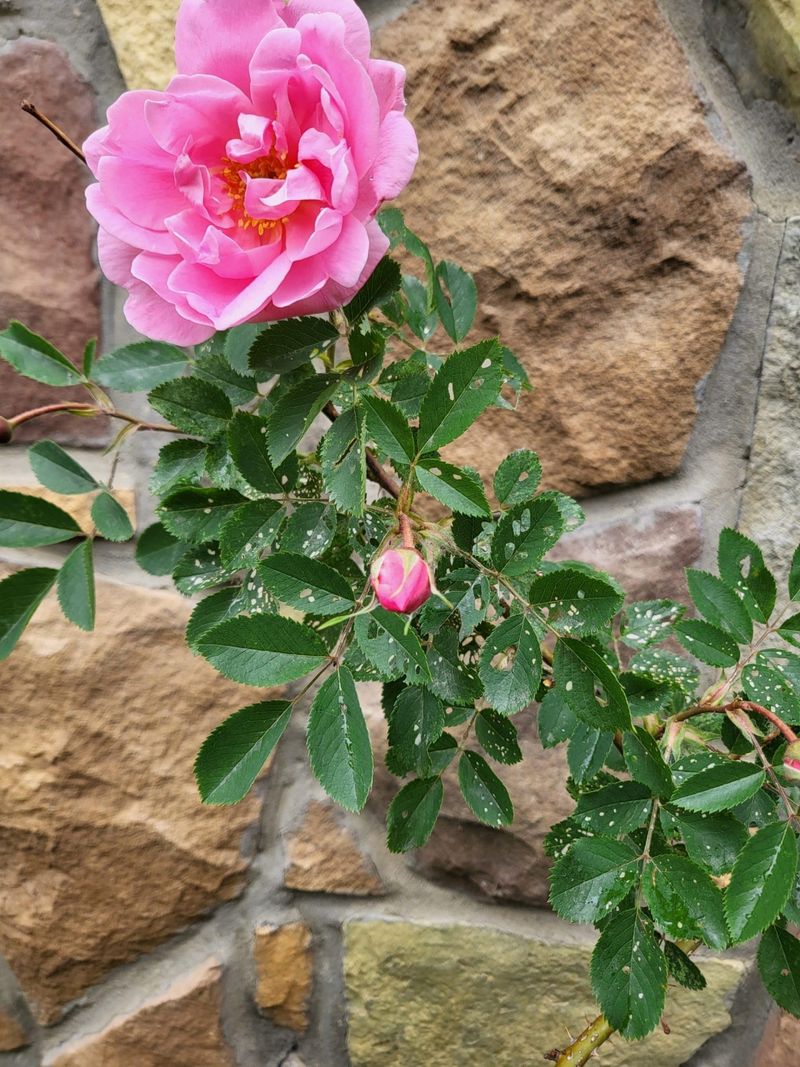
Timing is everything with rose sawfly larvae, and spring is when Ohio gardeners need to be most alert. Adult sawflies emerge in early spring and begin laying eggs directly into rose leaf tissue.
The eggs hatch within a couple of weeks, and the larvae start feeding almost immediately on the soft new growth that roses produce during this season.
Ohio’s cool spring temperatures actually create favorable conditions for larval activity. The larvae prefer mild weather and tend to feed more aggressively before the heat of summer arrives.
This is why the first wave of damage often catches gardeners off guard, showing up just as roses are leafing out and looking their most promising.
Paying attention to your rose bushes from late April through May is especially worthwhile. This is the window when the first generation of larvae is actively feeding and when catching them early has the biggest payoff.
According to guidance from Ohio State University Extension, monitoring during this period and acting promptly at the first signs of feeding can prevent the kind of widespread damage that stresses plants heading into the warmer months.
Staying proactive during spring garden walks makes a noticeable difference in how your roses look all season long.
6. A Second Generation Can Make Things Worse Later On
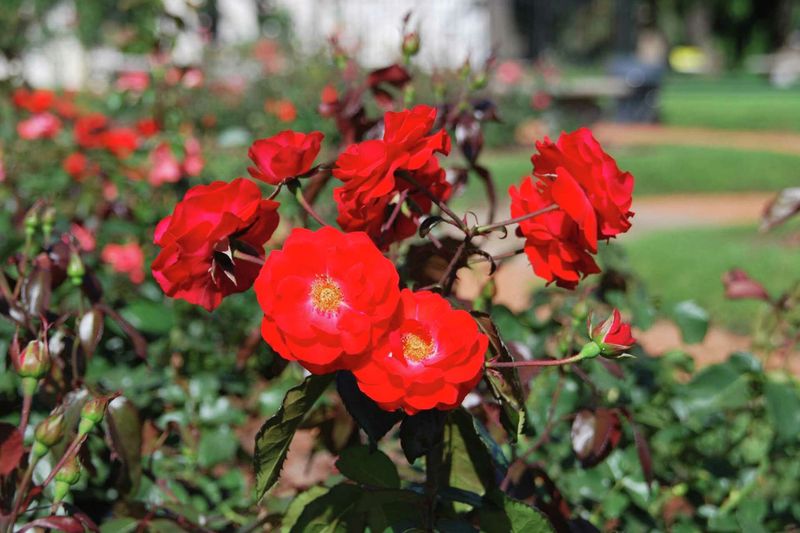
Just when you think the worst is over, rose sawfly larvae can make a comeback. Many sawfly species that affect roses are capable of producing more than one generation per season.
After the first wave of larvae feeds and pupates in the soil, a second generation of adults can emerge later in the summer and start the cycle all over again.
This second wave tends to arrive in mid to late summer, and it can catch gardeners off guard if they stopped monitoring after handling the spring damage.
Plants that were already stressed from earlier feeding are less equipped to handle another round, which is why the cumulative effect of multiple generations can be more significant than any single outbreak on its own.
Staying observant throughout the growing season, not just in spring, helps you catch a second generation before it gains momentum.
The same simple habits that work in spring, checking leaf undersides, looking for windowpane damage, and acting quickly when you spot larvae, apply just as well in summer.
Knowing that a second generation is possible keeps you from being caught off guard and gives your roses a much better chance of finishing the season looking healthy and full.
7. Light Damage Is Common But Heavy Feeding Adds Up
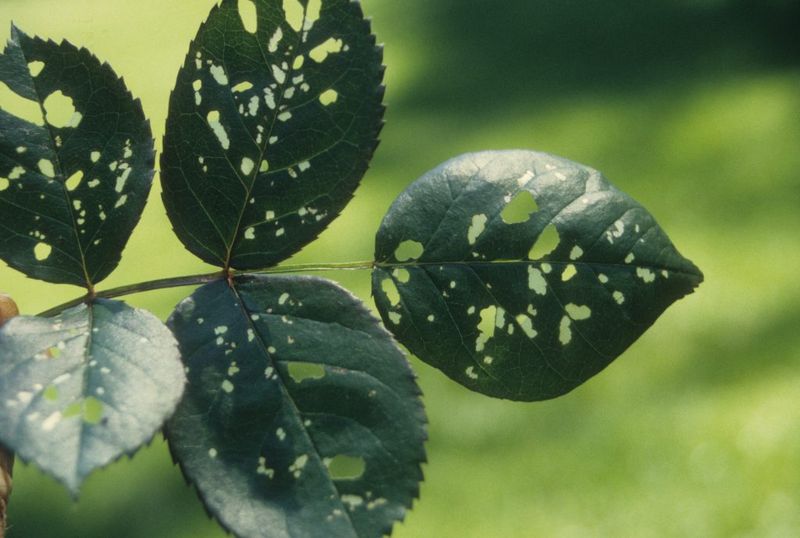
A few windowpane patches on a healthy, established rose bush are not usually cause for alarm. Rose plants are fairly resilient, and light feeding from a small number of larvae often does not cause lasting harm.
The plant may look a bit ragged for a while, but with good care it can recover and push out new growth without any lasting setback.
Heavy feeding is a different story. When larval populations are high and feeding goes unchecked across multiple canes, the plant loses a significant amount of its leaf surface area.
Leaves are essential for photosynthesis, the process by which plants convert sunlight into the energy they need to grow, bloom, and stay healthy. Repeated or severe defoliation can weaken a rose bush over time, making it more vulnerable to other stressors like drought, disease, or winter cold.
The key is knowing when to monitor and when to act. A general rule of thumb from extension resources is to consider intervention when feeding is noticeable across a significant portion of the plant or when populations appear to be growing.
You do not need to react to every single larva you find, but you should take action before damage becomes widespread and the plant starts showing signs of real stress.
8. Simple Garden Habits Help Keep Them In Check
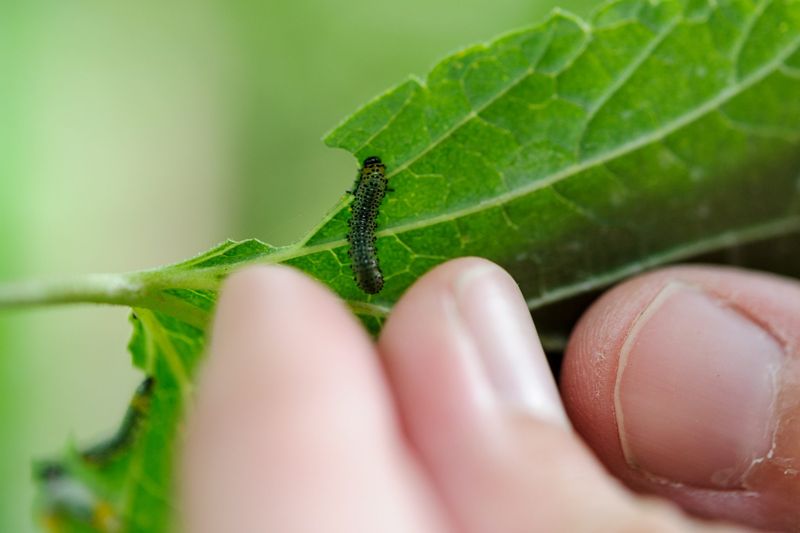
Good news: you do not need a cabinet full of chemicals to manage rose sawfly larvae effectively. Some of the most reliable approaches are also the simplest, and they work especially well when you catch the problem early in the season.
Hand removal is one of the most straightforward options. Put on a pair of gardening gloves, flip the leaves over, and pick off the larvae by hand, dropping them into a bucket of soapy water.
It takes a few minutes but can make a real dent in a small population. A strong spray of water from a garden hose is another practical technique.
Knocking larvae off the plant disrupts their feeding and many will not make it back onto the leaves, especially if the ground is dry.
Encouraging beneficial insects in your garden is a longer-term strategy worth investing in. Parasitic wasps and predatory beetles naturally help keep sawfly populations in balance.
Planting flowers that attract beneficial insects near your roses supports this natural control. If populations are high and manual methods are not keeping up, insecticidal soap applied directly to the larvae according to label directions is a low-impact option that extension sources consider appropriate for this pest.
Always follow product instructions carefully and avoid spraying during the heat of the day.