These 7 April Steps Help Georgia Hydrangeas Bloom Bigger
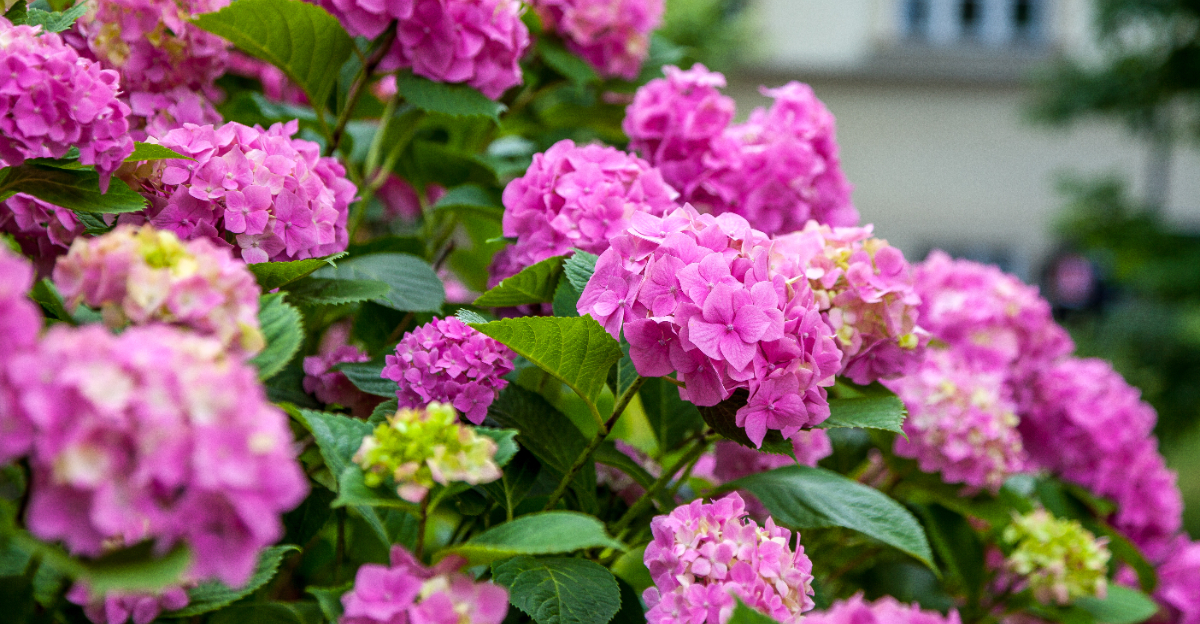
Hydrangeas in Georgia can look full of promise in April, yet the size and strength of their blooms depend on what happens right now.
Buds begin to develop along the stems, and small choices during this stage can shape how impressive the display becomes later.
Many plants carry last season’s growth, and it is not always clear which parts will support strong blooms and which will hold them back. What looks fine at a glance can lead to smaller or uneven flowers once the season moves forward.
A few well timed steps can guide the plant in the right direction without turning care into a constant task. Healthier growth, better structure, and stronger blooms all build from this short window.
April plays a bigger role than most expect when it comes to how hydrangeas perform through the rest of the season.
1. Prune Only New Wood Varieties At The Start Of The Month
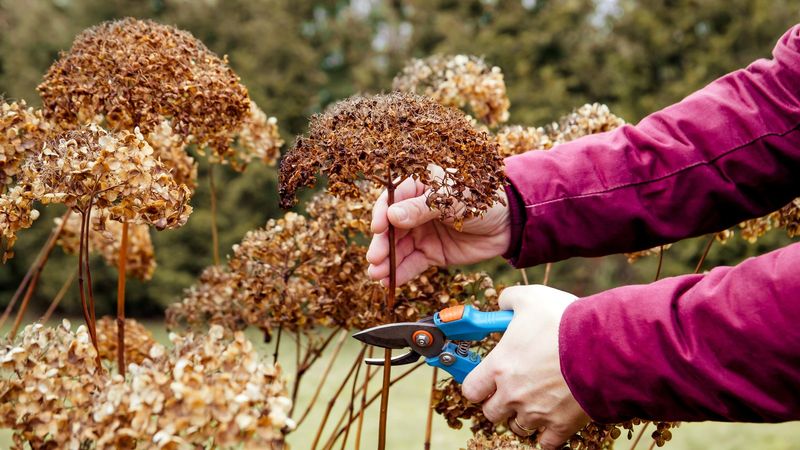
Not every hydrangea gets pruned the same way, and mixing that up is one of the most common mistakes Georgia gardeners make in spring.
Panicle and smooth hydrangeas bloom on new wood, meaning the stems they grow this year are the ones that will carry flowers.
Cutting them back by about one-third at the start of April gives the plant room to push out stronger, fuller growth before the heat sets in.
Bigleaf and oakleaf types are completely different. Those varieties bloom on old wood, the stems that grew last year.
If you cut those back hard in early spring, you are removing the very buds that would have opened into flowers. With those, stick to removing only what looks clearly damaged or hollow.
A clean, sharp pair of pruning shears makes a big difference here. Dull blades crush the stem instead of cutting it, which can slow healing and invite problems.
Wipe your blades with rubbing alcohol between plants if you have more than one shrub to work through.
Georgia springs can move fast, with temperatures climbing sooner than expected. Getting this task done in the first week or two of April means the plant has the full benefit of the warm growing season ahead.
2. Apply Fertilizer As New Growth Begins
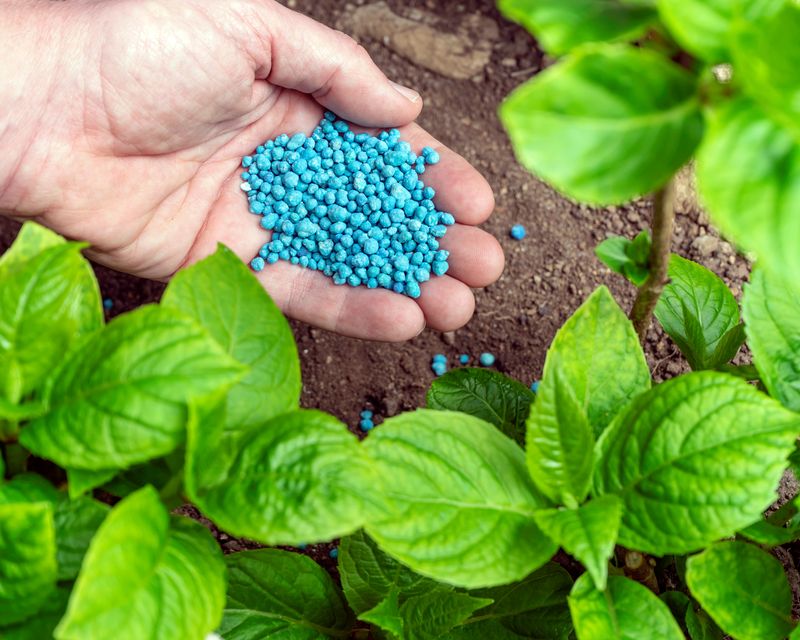
Seeing those first small leaves push out from the stems is your cue to feed. Hydrangeas in Georgia start putting on new growth in early April, and that is exactly when a balanced, slow-release granular fertilizer does the most good.
A 10-10-10 formula applied evenly around the base of the plant gives it steady nutrition without pushing too much too fast.
Avoid the temptation to overdo it. More fertilizer does not mean more blooms.
Excess nitrogen in particular pushes leafy growth at the expense of flowers, so following the package rate is genuinely important here, not just cautious advice. Spread the granules out to the edge of the drip line rather than piling them close to the base of the stem.
Water the fertilizer in after applying. Georgia April weather can be dry for stretches, and granules sitting on dry soil do very little.
Your Georgia Garden Changes Every Week. Your Plan Should Too.
Gardening in Georgia changes quickly throughout the season. Every Friday you’ll receive a simple weekly plan showing exactly what to plant, prune, fertilize, harvest, and protect so you never miss the right timing.
A good soak right after application helps move the nutrients down into the root zone where they can actually be used.
One application in early April is usually enough to carry the plant through its main blooming period. Some gardeners in Georgia do a second light feeding in June, but for April the goal is simply to support what is already starting to grow.
3. Increase Watering As Temperatures Rise
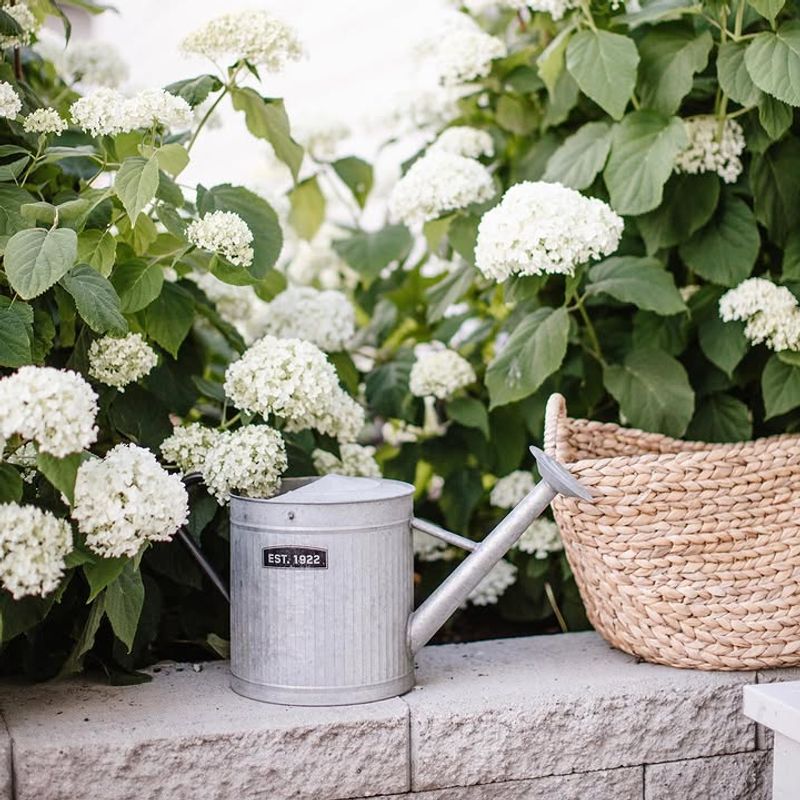
Georgia April temperatures can swing dramatically, going from mild mornings to warm afternoons within the same week. As those temperatures climb, hydrangeas need more water than they did sitting dormant through winter.
The soil dries out faster, and a plant pushing out new growth has a much higher demand for moisture than one that is still resting.
Deep, infrequent watering works better than light daily sprinkles. Aim to water slowly at the base of the plant, letting moisture soak several inches into the soil rather than just wetting the surface.
Shallow watering encourages roots to stay near the top of the soil, which makes them more vulnerable during dry or hot stretches later in summer.
Overhead watering is worth avoiding if you can manage it. Wet foliage sitting overnight creates conditions that can encourage fungal issues, which are already a concern in Georgia’s humid climate.
A soaker hose or a simple wand that directs water to the ground level works well and keeps the leaves dry.
Check the soil by pressing a finger about two inches down. If it feels dry at that depth, it is time to water.
If it still feels damp, hold off another day. Hydrangeas do not do well in soggy soil either, so the goal is consistent moisture, not saturation.
4. Refresh Mulch To Lock In Moisture Early
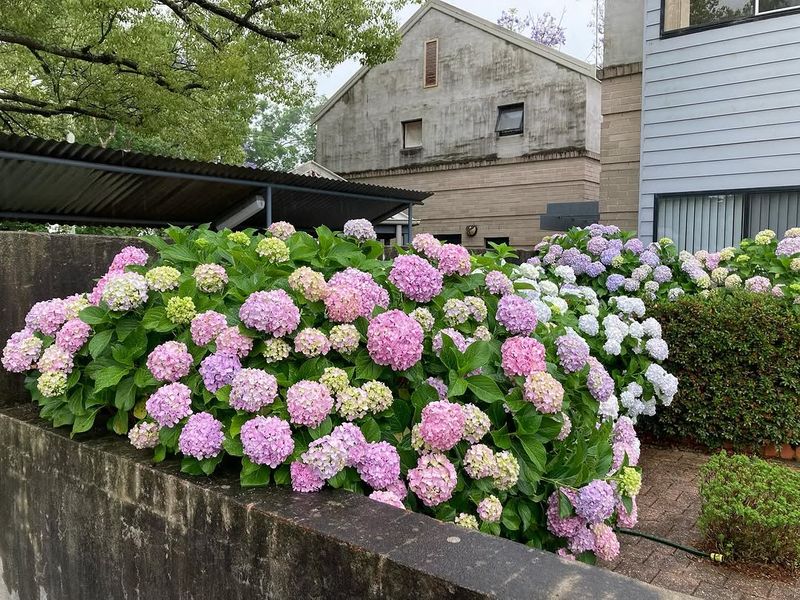
Old mulch breaks down over winter, and by April in Georgia it is often matted, thin in spots, and doing very little to hold moisture.
Pulling back what is left and replacing it with two to three inches of fresh shredded bark or wood chips makes a noticeable difference in how well the soil holds up through dry stretches.
Fresh mulch does several things at once. It slows evaporation from the soil surface, which helps keep roots consistently moist between waterings.
It also moderates soil temperature, which matters in Georgia because April afternoons can get warm enough to stress young roots if the ground heats up too quickly. As the mulch breaks down over the season, it adds organic material back into the soil as well.
Keep mulch pulled a few inches away from the main stem of the plant. Piling it right up against the wood traps moisture against the bark, which can cause problems over time.
A ring of mulch that starts a few inches out from the stem and extends to the drip line is the right approach.
One good refresh in early April tends to carry through the whole growing season without needing much attention. If you notice bare spots developing by midsummer, a light top-off is fine, but a proper layer applied now usually holds well.
5. Watch For Late Cold That Can Damage Buds
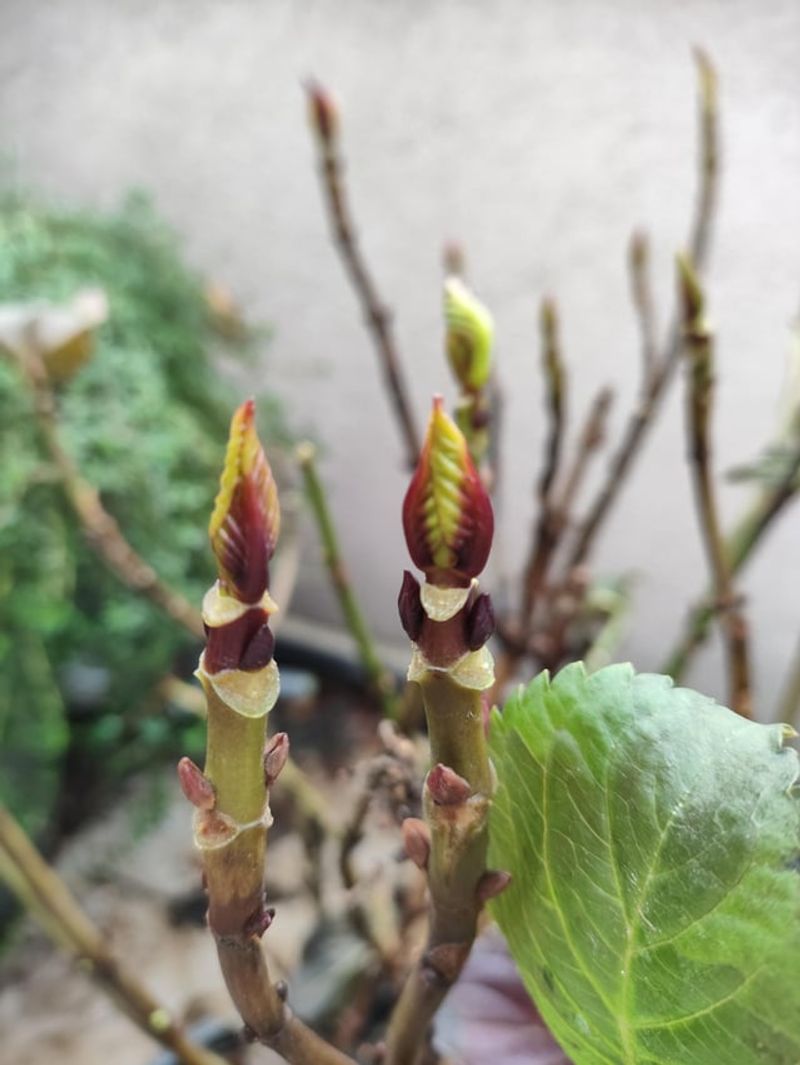
Georgia springs feel warm and settled until they suddenly are not.
A late cold snap in early to mid-April is not unusual across much of the state, and those overnight temperature drops can catch hydrangea buds right at their most vulnerable point.
Buds that have just begun to swell or open are far more sensitive to cold than dormant wood was just weeks earlier.
Watching the forecast during the first half of April is genuinely worth doing.
If temperatures are expected to drop below 32 degrees overnight, covering your plants with a breathable fabric row cover or even an old bedsheet can provide enough protection to make a difference.
Remove covers during the day so the plant gets light and air circulation.
Bigleaf hydrangeas are the most susceptible to late cold damage in Georgia. Their buds break early and have little tolerance for frost once they start opening.
Panicle varieties handle cold better because they bloom on new wood that has not yet emerged at the point when most late frosts occur.
If buds do get caught by a hard frost, do not assume the entire season is ruined. Assess the damage after a few days once temperatures stabilize.
Some plants will push secondary buds from lower on the stem, though the bloom count may be reduced compared to a normal year.
6. Check Soil And Adjust Nutrients If Needed
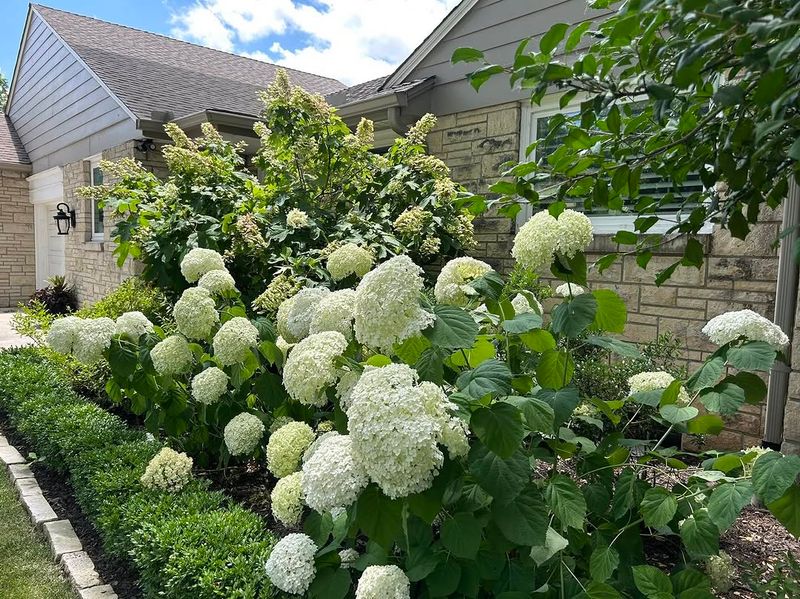
Soil chemistry affects hydrangeas more directly than most plants, especially when it comes to bloom color on bigleaf varieties. Acidic soil with a pH below 6.0 tends to produce blue or purple flowers, while soil trending more alkaline pushes blooms toward pink and red.
April is a good time to test because you still have enough of the growing season ahead to make gradual adjustments that actually take effect before flowering begins.
Inexpensive soil test kits from a local garden center give a reasonable reading and are easy to use. For a more detailed result, the University of Georgia Cooperative Extension offers soil testing services that include specific amendment recommendations for your exact conditions.
Either approach is more reliable than guessing based on what color the flowers were last year.
Aluminum sulfate can lower pH gradually in Georgia clay soils, while garden lime raises it. Both need to be worked into the soil and watered in well.
Neither one changes the pH overnight, so applying them in April gives the amendments time to move through the soil before the plant hits peak bloom.
Beyond pH, check whether the soil has adequate phosphorus and potassium, both of which support root development and flower production. A soil test will flag any obvious deficiencies.
7. Remove Winter Damage To Support Strong Blooms
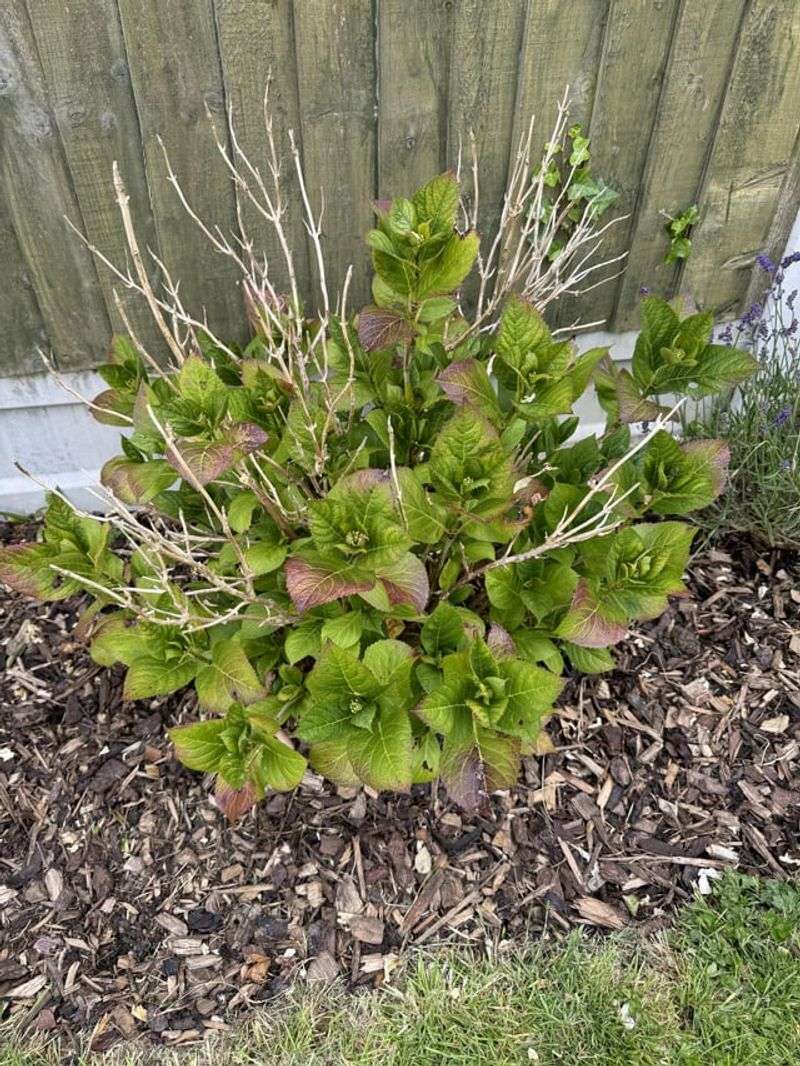
Brown, hollow stems from last winter are more than just an eyesore. Leaving damaged wood on the plant forces it to work around weak growth instead of directing energy toward healthy growth and flower production.
Early April in Georgia is the right time to take a close look and remove anything that clearly did not survive the winter.
Scratch the surface of a stem lightly with your fingernail. Green or white underneath means it is alive.
Brown and dry means it is not. Work your way down from the tip of each stem until you find living tissue, then cut just above a healthy bud or node.
If the entire stem is dry and hollow all the way to the base, remove it completely at the soil line.
On older shrubs, winter damage sometimes reveals that certain interior stems have been struggling for more than one season. Clearing those out improves air movement through the center of the plant, which can reduce fungal pressure during Georgia’s humid summer months.
A more open structure also lets sunlight reach interior growth more effectively.
Dispose of removed material rather than leaving it on the ground around the plant. Old stems and leaves left in place can harbor pests and disease spores over the season.
A clean base going into spring gives the plant a better starting point.