Why More Georgia Gardeners Are Planting Lavender Hedges
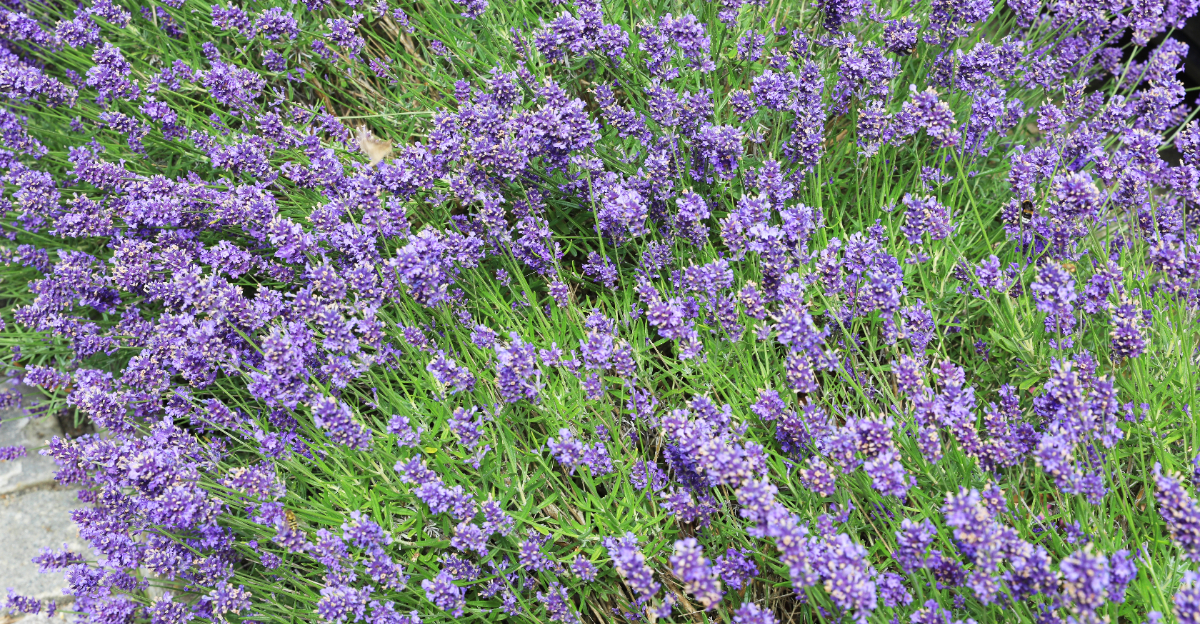
Front yards in Georgia are starting to look a little less predictable lately.
Thick evergreen hedges still exist everywhere, but more gardeners are swapping them out for something lighter, softer, and far more eye-catching once summer arrives. Lavender hedges keep standing out for exactly that reason.
The color alone changes the whole feel of a walkway or driveway. Then the flowers open, bees start hovering around constantly, and the scent hits every time someone passes by.
A mature lavender hedge ends up pulling attention without looking overly formal or overly wild at the same time.
The surprising part is how well lavender can fit into Southern landscapes when the placement is right. One healthy hedge often becomes the part of the yard guests notice first, especially during blooming season.
1. Lavender Hedges Keep Looking Neat With Less Trimming
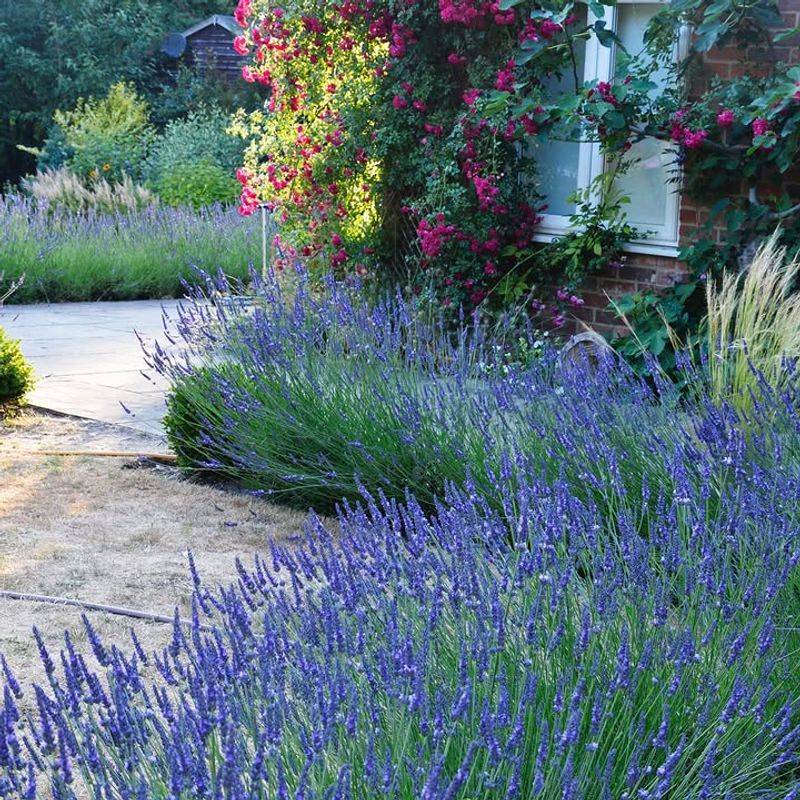
Lavender hedges practically style themselves. Once established, they hold a tidy, rounded shape without needing constant attention.
Most shrubby varieties naturally grow into a compact mound that looks intentional without heavy pruning.
A light trim after the first bloom flush keeps things tidy. Cut back about one-third of the stem length, but avoid cutting into the woody base.
That lower woody section does not regenerate well, so keep your cuts in the soft, green growth.
Varieties like Phenomenal and Provence are especially good at staying compact. They do not sprawl or flop the way some perennials do.
Their upright stems keep the hedge line clean through the whole growing season.
Compare that to boxwood, which needs shearing every few weeks during peak growth. Lavender just does not demand that kind of commitment.
One or two trims per season is usually enough to keep a hedge looking sharp.
Gardeners in the Atlanta suburbs have noticed that lavender hedges along driveways hold their structure better than expected through summer heat. The stems stiffen as the plant matures, which helps it resist flopping after heavy rain.
That natural stiffness is a real advantage in humid climates.
2. The Fragrance Carries Across The Yard
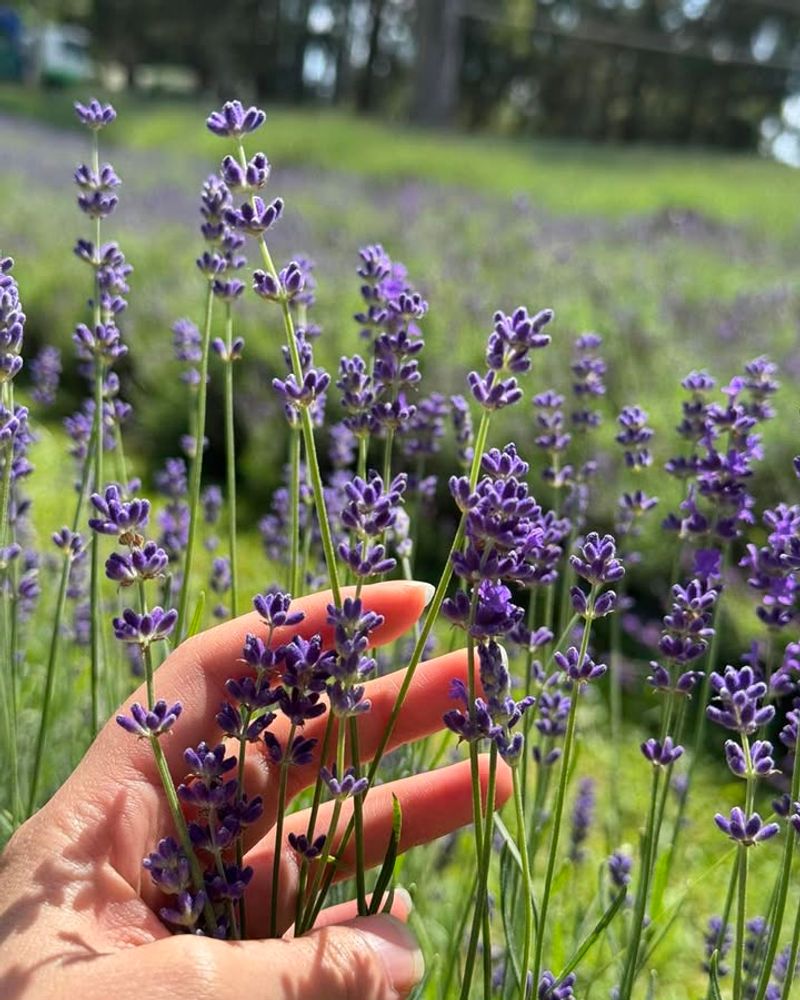
Walk past a lavender hedge on a warm afternoon and the scent stops you cold. It is strong, clean, and unmistakable.
No other flowering hedge comes close to that kind of aromatic impact.
Lavender fragrance is most intense when temperatures rise and the air is dry. On humid Southern mornings, the scent is softer but still noticeable from several feet away.
A breeze carries it even further across an open yard.
Planting lavender near a porch, patio, or outdoor seating area makes those spaces feel genuinely pleasant. Guests notice the fragrance right away.
It creates an atmosphere that feels intentional and inviting without any effort on your part.
The fragrance also has a practical side. Lavender naturally repels mosquitoes and some common garden pests.
Planting it near a seating area or along a garden entrance can reduce how often those pests linger nearby. Results vary depending on conditions, but many gardeners find it helpful.
Fresh-cut lavender bundles from your own hedge can be brought indoors. They dry beautifully and hold their scent for months.
Your Georgia Garden Changes Every Week. Your Plan Should Too.
Gardening in Georgia changes quickly throughout the season. Every Friday you’ll receive a simple weekly plan showing exactly what to plant, prune, fertilize, harvest, and protect so you never miss the right timing.
Sachets made from dried lavender are popular for closets and dresser drawers.
Phenomenal lavender tends to have a stronger, more resinous scent than some French varieties.
3. Pollinators Stay Around The Flowers For Weeks
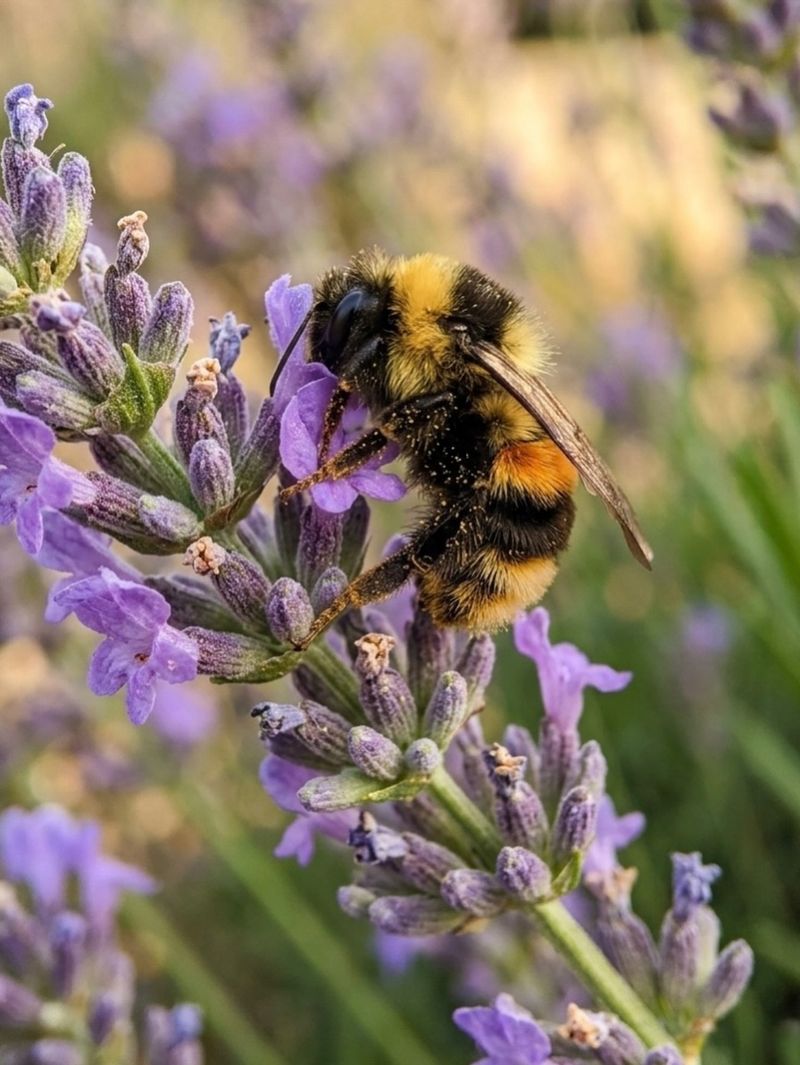
Bees absolutely love lavender. On a warm morning, a blooming lavender hedge can buzz with activity from dozens of bees at once.
Watching that kind of pollinator traffic is one of the most satisfying parts of having lavender in your garden.
Lavender blooms over a longer period than many flowering shrubs. Depending on the variety, a single plant can stay in bloom for six to eight weeks.
That extended bloom window gives pollinators a reliable food source well into summer.
Butterflies visit regularly too. Swallowtails and skippers are common visitors in Southern gardens.
Hummingbirds occasionally stop at lavender as well, especially when other nectar sources are running low late in the season.
Planting lavender near vegetable beds or fruit trees can improve pollination rates for those crops. More bees in the area means more visits to your tomatoes, squash, and peppers.
That is a practical benefit that goes well beyond just having a pretty hedge.
Phenomenal lavender tends to attract especially heavy pollinator traffic. Its long bloom spikes hold dozens of individual florets, giving bees more surface area to work.
Each spike can support multiple bees simultaneously without crowding.
4. Gray-Green Foliage Softens Garden Borders
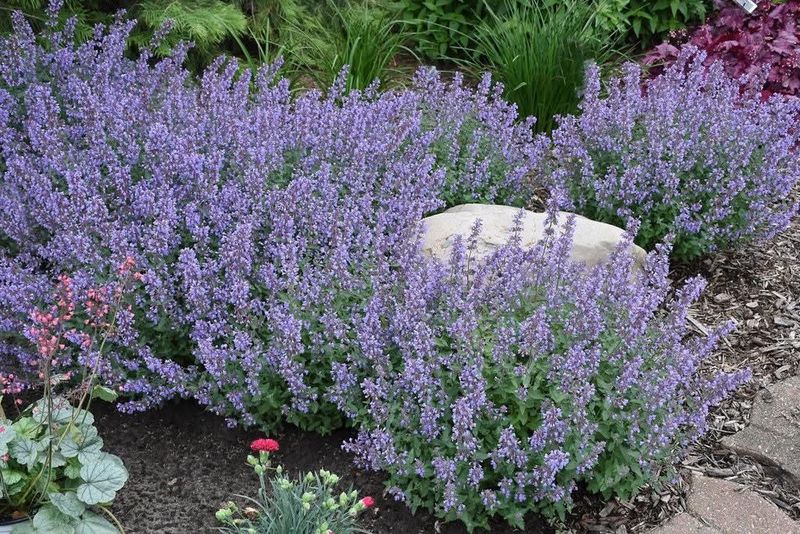
Before the blooms even appear, lavender earns its place in the garden. The silvery gray-green foliage creates a soft, calming contrast against darker plants and mulched beds.
That muted color palette works with almost any planting scheme.
Hard garden edges can feel stark, especially along driveways or walkways. Lavender softens those transitions without hiding the structure underneath.
It creates a gentle visual buffer between hardscape and planting beds.
Pairing lavender with deep green shrubs like rosemary or boxwood creates a layered look with real depth. The contrast between silver-gray and dark green is striking without being loud.
Add a few purple salvia plants nearby and the color story becomes even more cohesive.
Lavender also pairs well with ornamental grasses. The fine texture of grass blades plays nicely against lavender’s slightly fuzzy, narrow leaves.
Both plants move in a breeze, which adds a sense of life and motion to an otherwise static border.
In raised beds, lavender at the front edge creates a cascading softness as stems arch slightly outward. That gentle spill over the bed edge looks intentional and polished.
It is one of those combinations that looks like it took real planning but actually comes together naturally.
5. Raised Beds Help Prevent Root Rot
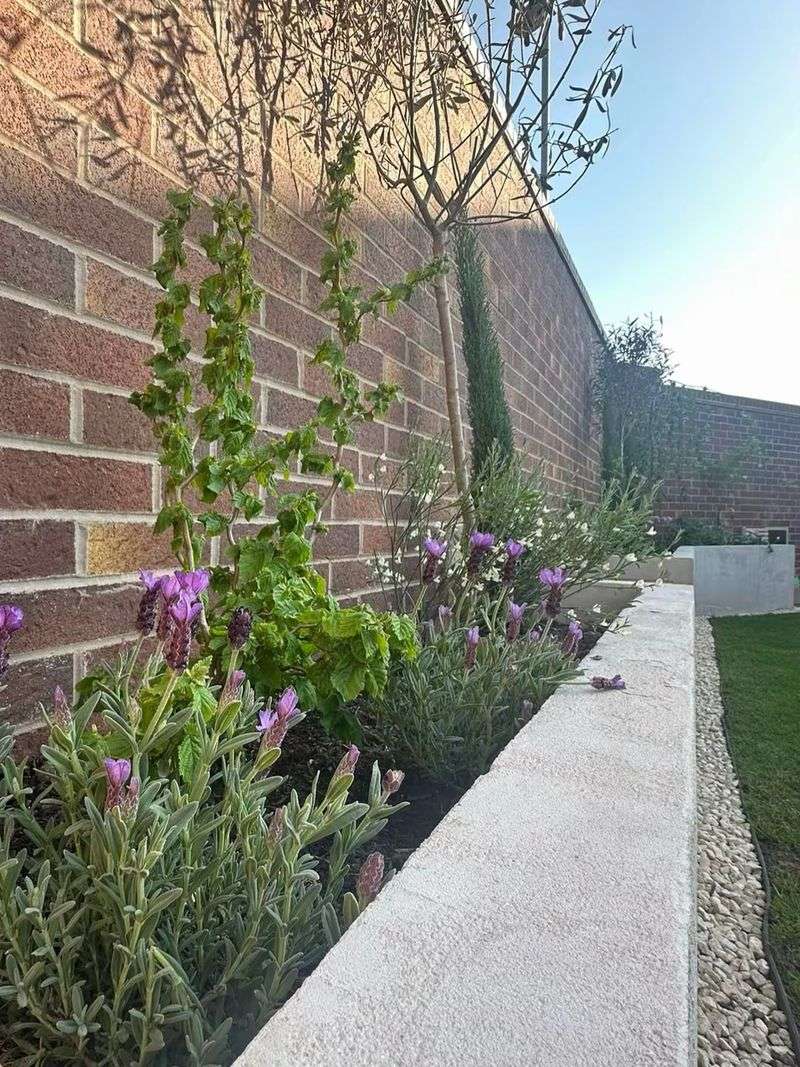
Root rot is the number one reason lavender struggles in heavy Southern soils. Clay-heavy ground holds moisture too long, and lavender roots sitting in wet soil will break down quickly.
Raised beds solve that problem before it starts.
Elevating the root zone even six to eight inches above ground level dramatically improves drainage. Water moves through and away from the roots instead of pooling around them.
That simple change makes a huge difference in how well lavender establishes and grows.
Fill raised beds with a mix of coarse sand, perlite, and a lean garden soil. Lavender does not need rich, amended soil.
In fact, overly fertile soil encourages soft, floppy growth that is more vulnerable to humidity and fungal pressure.
Raised beds also warm up faster in spring. That extra warmth encourages earlier root activity and earlier blooms.
In cooler parts of the South, that head start can extend the bloom season by a few weeks.
Gardeners in North Georgia, where clay soil is especially common, have had real success switching to raised beds for lavender. The improvement in plant health and bloom production is noticeable within the first season.
Raised beds also make it easier to control weeds around the base of the plants.
6. Full Sun Keeps Lavender Blooming Longer
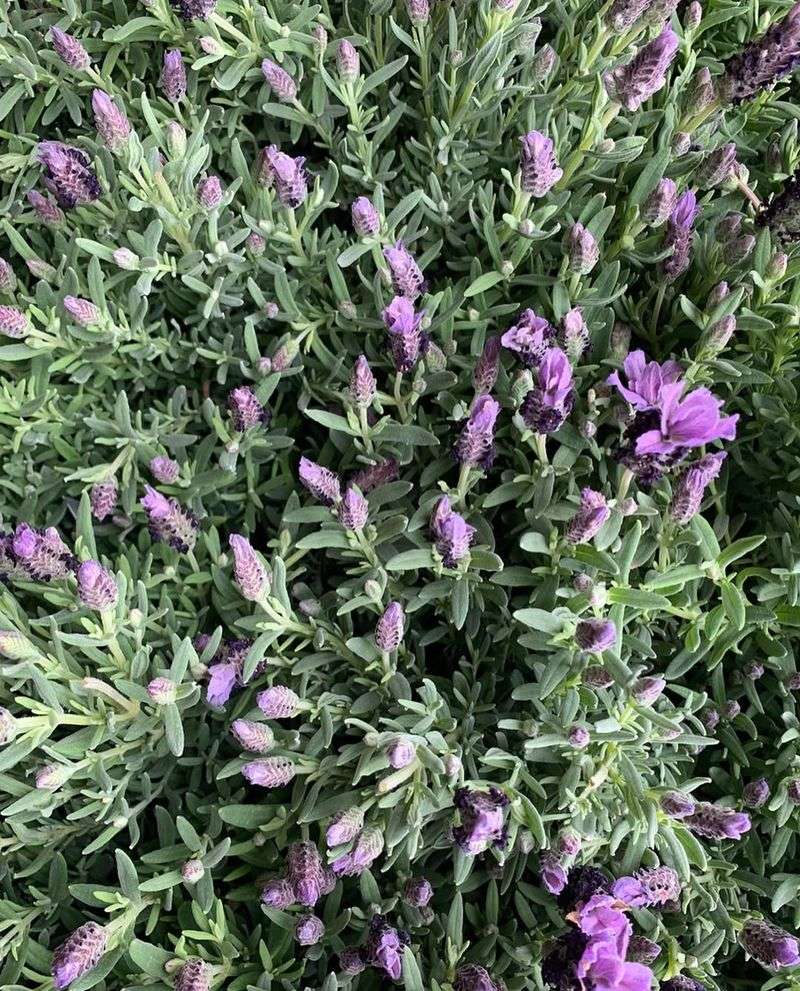
Shade is lavender’s quiet enemy. Even a few hours of shade per day can reduce bloom production noticeably.
Give lavender a spot with at least six to eight hours of direct sun and it will reward you generously.
Full sun does more than trigger blooms. It also dries out the foliage faster after rain, which reduces the chance of fungal issues.
Wet leaves and humid air are a rough combination for lavender, so sun exposure acts as a natural protective factor.
South-facing slopes and open beds away from tree canopies are ideal placement options. Avoid planting lavender on the north side of structures or fences where afternoon shade is likely.
Even partial shade from a nearby shrub can cut bloom production in half.
Lavender planted in full sun also tends to develop stronger, more fragrant oils in its leaves and flowers. Heat and light intensity drive essential oil production.
A sun-drenched plant simply smells better and holds its fragrance longer than one growing in marginal light.
Container lavender can be moved to follow the sun if your garden has shifting light patterns. A large pot on wheels makes it easy to reposition plants through the season.
That flexibility is especially useful in smaller yards where permanent sun exposure is limited.
7. Good Drainage Matters More Than Extra Water
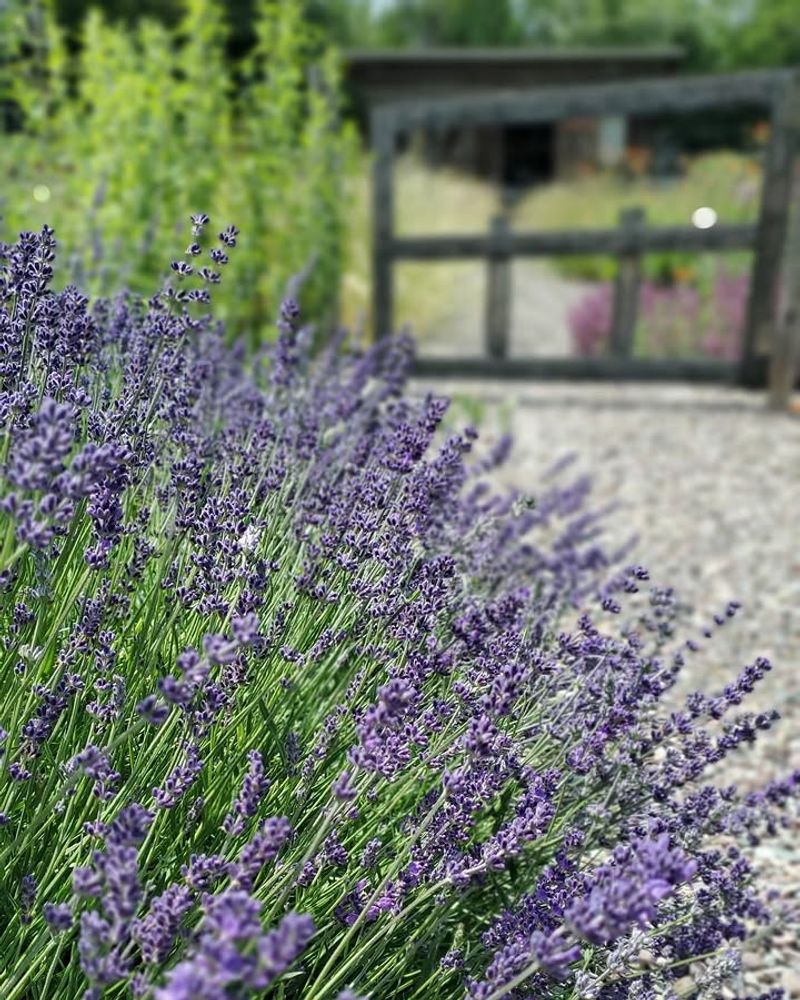
Overwatering lavender is far more common than underwatering it. Lavender evolved in dry Mediterranean hillsides, and its roots expect periods of dryness between waterings.
Keeping the soil constantly moist leads to root problems that are hard to reverse.
Once established, lavender needs very little supplemental irrigation. Rainfall alone is often sufficient through most of the growing season in the South.
During extended dry spells, a deep watering once every ten to fourteen days is usually enough for mature plants.
Newly planted lavender needs more frequent watering while roots get established. Water deeply but allow the soil to dry out between sessions.
Shallow, frequent watering encourages weak root systems that struggle during summer heat.
Soil texture matters as much as watering frequency. Sandy or gravelly soil drains fast and keeps roots healthy.
Amending heavy clay with coarse grit before planting improves drainage significantly, though raised beds remain the more reliable long-term solution in problem areas.
Avoid mulching too close to lavender stems. Organic mulch holds moisture near the crown, which is exactly where lavender is most vulnerable to rot.
Keep mulch pulled back at least a few inches from the base of each plant.