10 Texas Border Plants That Thrive With Minimal Care And Deliver Color
Ever plant something along your border in Texas only to watch it struggle a few weeks later? You are not alone.
Between intense summer heat, unpredictable rainfall, and soils that can be clay-heavy or rocky, keeping borders colorful can feel like a challenge.
The good news is that plenty of Texas-adapted plants are built for exactly these conditions.
With the right choices, it becomes possible to enjoy steady color without constant watering or upkeep.
From sun-soaked front yards to dry backyard beds, these plants bring reliable performance and help turn tough spaces into borders that actually hold up through the season.
1. Lantana Brings Bright Color Through Texas Heat
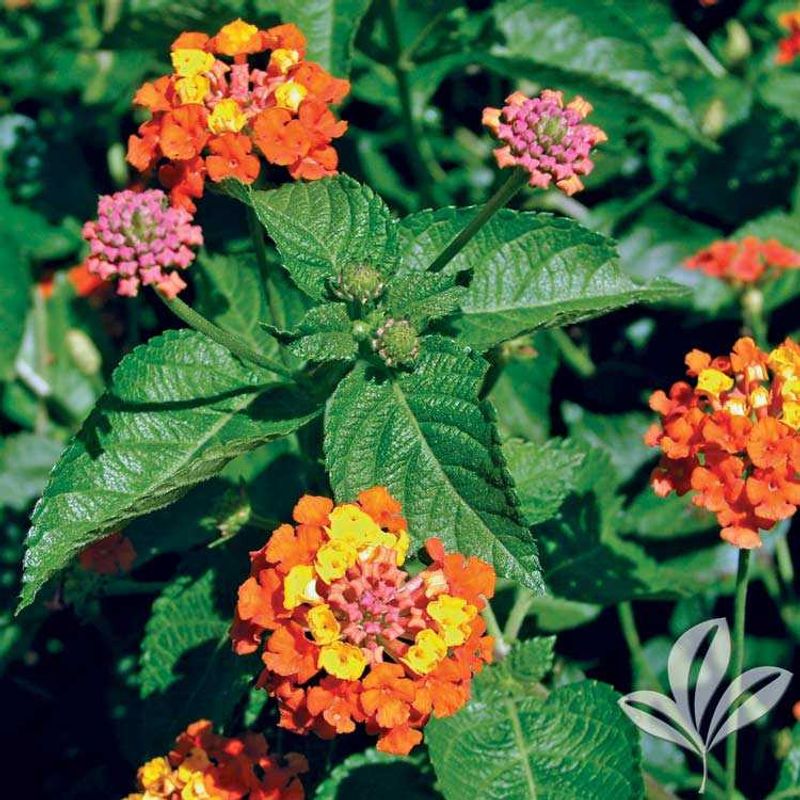
Few plants put on a show quite like lantana during the peak of a Texas summer. When temperatures climb into the triple digits and most flowering plants start to struggle, lantana just keeps going.
Its clustered blooms come in combinations of yellow, orange, red, pink, and purple, making borders look lively from late spring all the way through fall.
Lantana is drought-tolerant once it gets established, which usually takes one growing season with regular watering. After that, it handles dry spells without much fuss.
Plant it in full sun and give it well-drained soil, and it will reward you with consistent color and very little maintenance. Butterflies and bees are drawn to it reliably, which adds extra life to any garden space.
In the warmest parts of Texas, lantana may behave more like a perennial and return each year. In cooler zones, it tends to grow as an annual but still delivers a full season of color.
Trim it back occasionally to encourage fresh blooms and keep the shape tidy. For Texas gardeners who want bold, reliable color with minimal effort, lantana earns its spot in the border.
2. Blackfoot Daisy Thrives In Tough Dry Soil
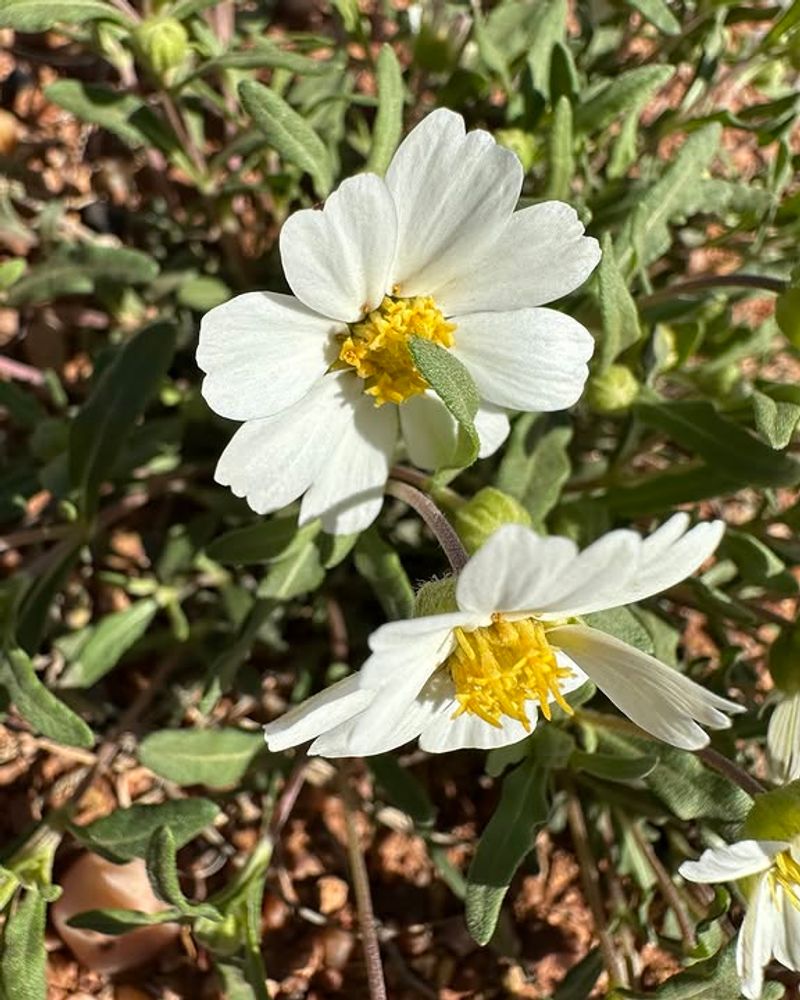
Rocky, thin, nearly impossible soil is where blackfoot daisy feels right at home. Native to the limestone-rich regions of central and west Texas, this cheerful little perennial produces small white flowers with bright yellow centers from early spring through fall.
It blooms so consistently that it rarely gives your border a dull moment during the growing season.
One of the best things about blackfoot daisy is how little it asks for. Once established, it needs almost no supplemental watering and actually does better in lean soil than in rich, amended beds.
Overwatering or overly fertile ground can cause it to get floppy and short-lived, so resist the urge to pamper it. Full sun is a must for the best flower production.
Plants tend to stay compact, usually reaching about one foot tall and wide, which makes them useful for edging paths or filling in the front of a border without overwhelming neighboring plants.
The light honey-like fragrance of the blooms is a pleasant bonus that most visitors notice.
For anyone gardening on challenging Texas soils where other plants refuse to cooperate, blackfoot daisy is a dependable and genuinely rewarding choice.
3. Autumn Sage Keeps Blooming With Little Effort
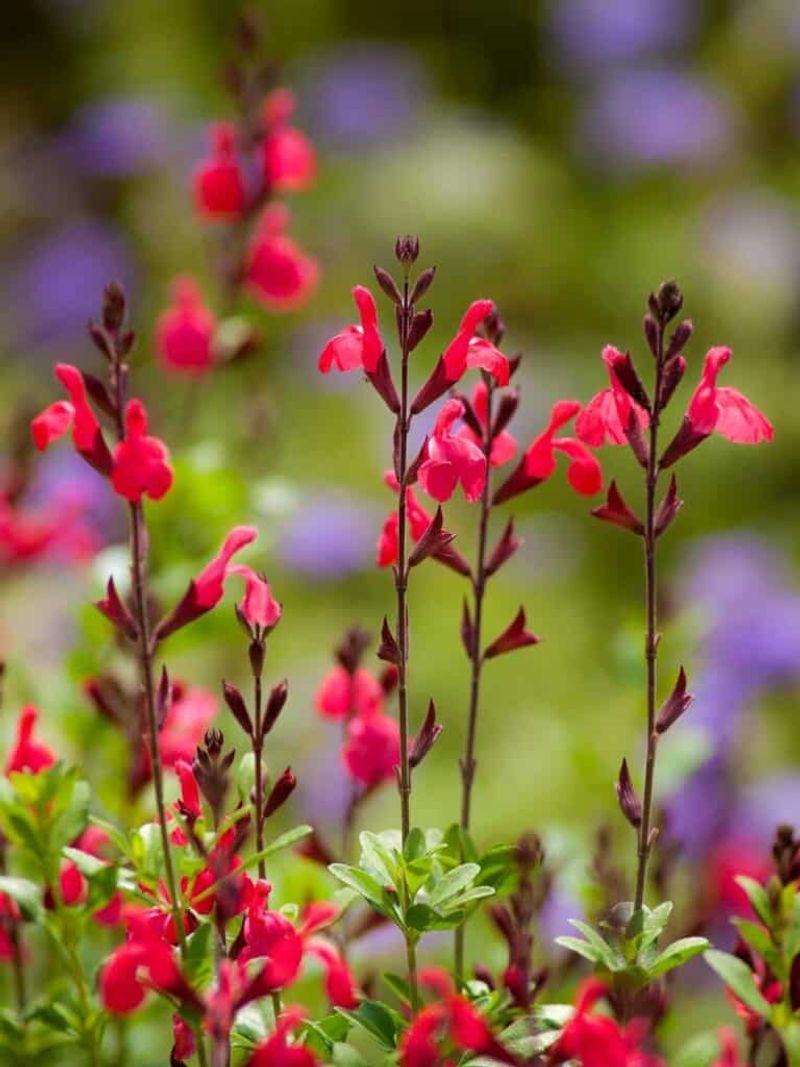
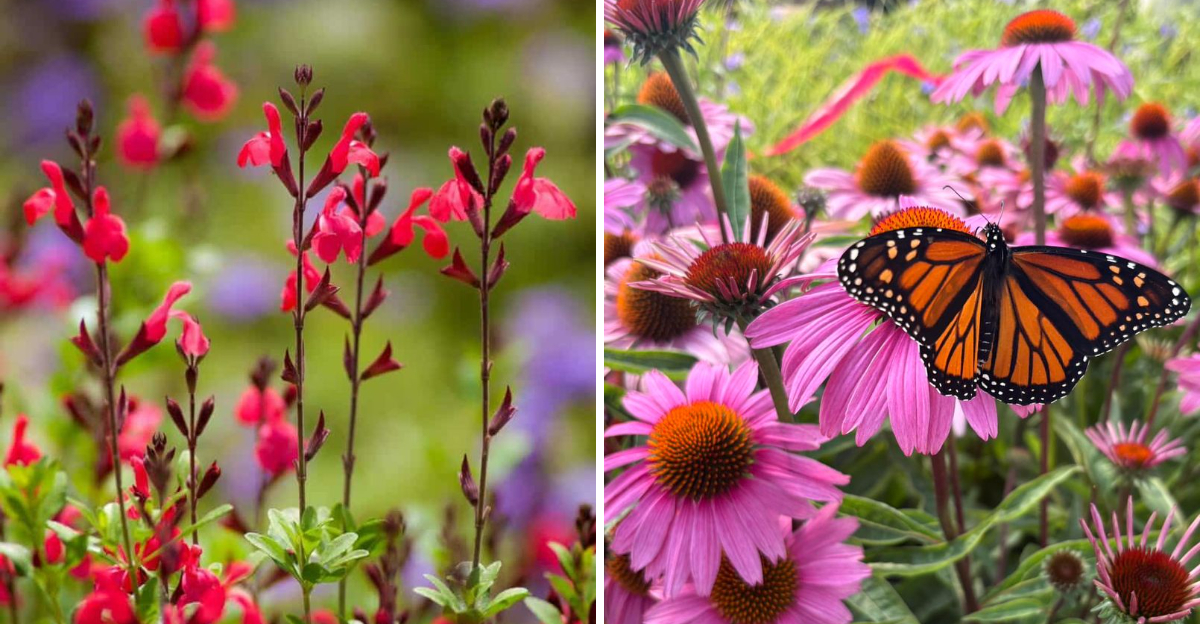
Hummingbirds in Texas seem to have a built-in radar for autumn sage. The tubular flowers, which come in shades of red, coral, pink, and white, are perfectly shaped for hummingbird feeding, and the plant blooms repeatedly from spring through the first frost.
Your Texas Garden Changes Every Week. Your Plan Should Too.
Gardening in Texas changes quickly throughout the season. Every Friday you’ll receive a simple weekly plan showing exactly what to plant, prune, fertilize, harvest, and protect so you never miss the right timing.
That long bloom season is one of the main reasons Texas gardeners keep coming back to it.
Autumn sage, known botanically as Salvia greggii, is native to the Trans-Pecos region of Texas and northern Mexico. It evolved in conditions that are hot, dry, and rocky, so it adapts easily to the demanding growing conditions found across much of the state.
Once established, it handles drought with ease and bounces back well after hard summers. Full sun to light shade both work, giving you some flexibility in placement.
Pruning is straightforward – cutting the plant back by about a third after each main flush of blooms encourages a fresh round of flowers and keeps growth from becoming too woody.
It typically reaches two to three feet tall and wide, making it a natural mid-border choice.
The low water needs, wildlife appeal, and extended bloom period make autumn sage one of the most practical and rewarding plants for Texas borders.
4. Coreopsis Adds Easy Color All Season
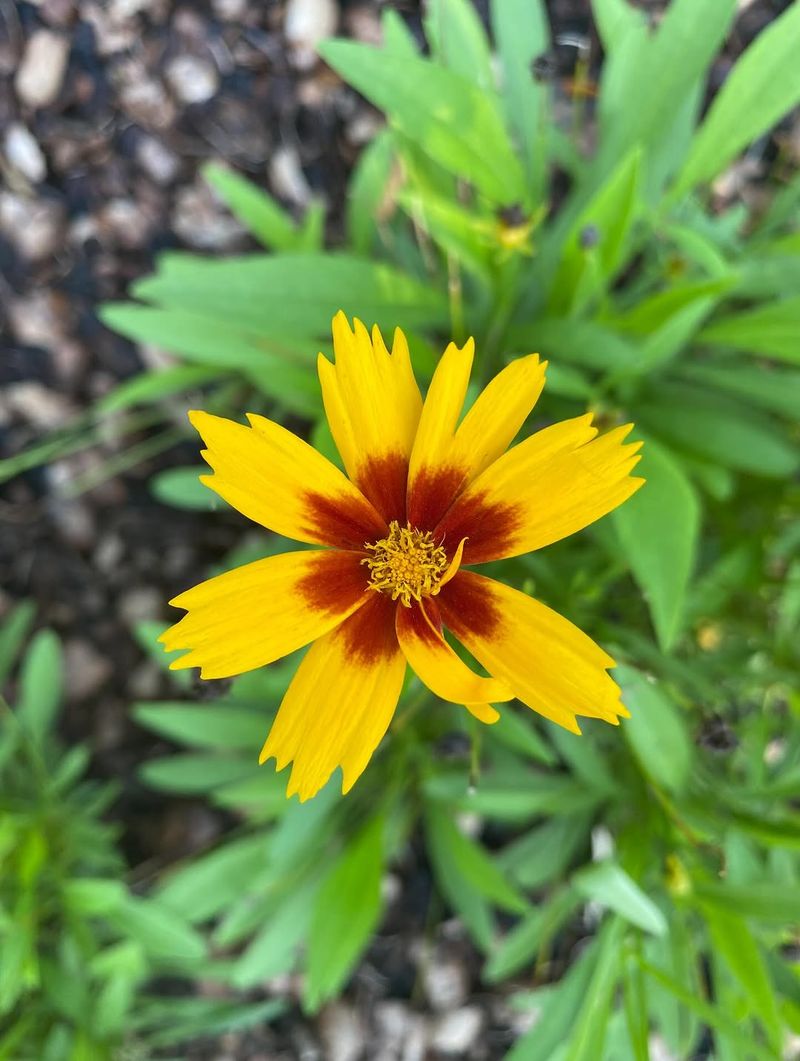
Sunny yellow blooms that just keep coming from late spring through summer – that is what coreopsis brings to a Texas border without requiring much in return.
Sometimes called tickseed, this cheerful perennial is one of the easier plants to grow successfully in Texas conditions, tolerating heat, drought, and poor soil far better than many of its flowering counterparts.
Coreopsis thrives in full sun and actually produces fewer flowers in shadier spots, so placing it where it gets at least six hours of direct sunlight daily makes a noticeable difference.
The plants stay relatively compact, usually topping out around one to two feet depending on the variety, which suits front-of-border placements well.
Removing spent flowers encourages additional blooms, though many varieties will rebloom even without regular deadheading.
Texas-adapted varieties hold up well through the long, hot summers the state is known for. The plants are also attractive to butterflies and native bees, which adds ecological value to your border beyond just the visual appeal.
Coreopsis can be grown from seed fairly easily, making it an affordable option for filling larger areas.
For gardeners who want consistent warm-season color without a complicated care routine, coreopsis is a practical and proven performer in Texas borders.
5. Mexican Feather Grass Adds Soft Movement To Borders
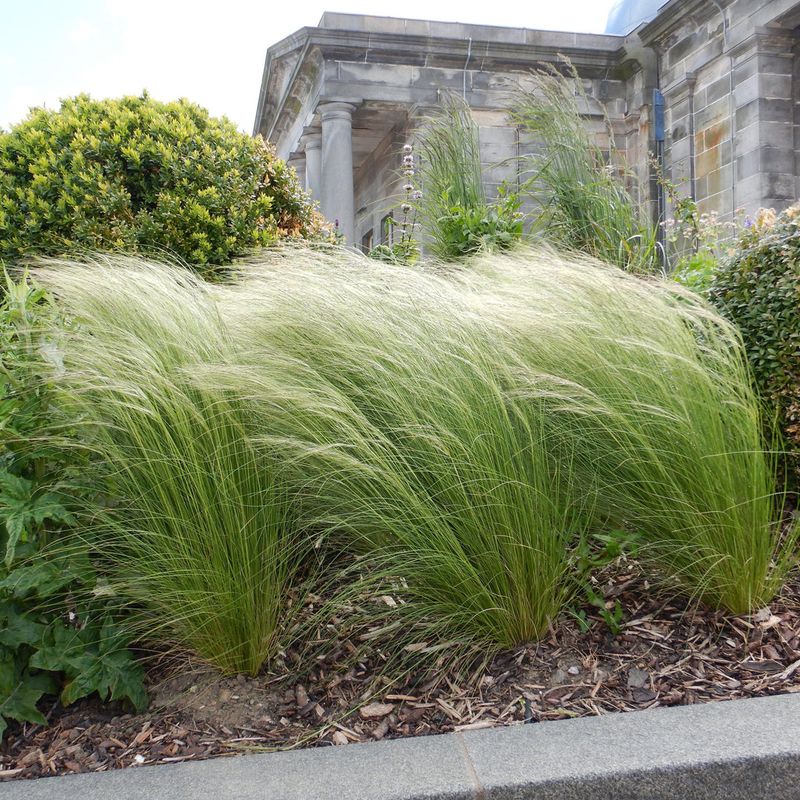
There is something almost hypnotic about watching Mexican feather grass move in a breeze.
The ultra-fine, hair-like blades catch even the lightest wind and create a flowing, rippling effect that adds a completely different kind of interest to a Texas border – one that is more about texture and movement than bold color.
It is a plant that makes a border feel alive.
Mexican feather grass, known botanically as Nassella tenuissima, thrives in full sun and well-drained soil. It is highly drought-tolerant once established and handles the heat of a Texas summer without much trouble.
The grass starts out bright green in spring, shifts to a golden-chartreuse tone through summer, and takes on warm straw tones as the season winds down, offering seasonal color changes that complement flowering neighbors in the border.
One thing worth knowing is that this grass self-seeds fairly readily in Texas conditions, so removing seed heads before they fully mature can help manage spread.
Despite that, many gardeners find the naturalistic look it creates well worth the occasional thinning.
It pairs especially well with bold-flowering plants like lantana or coneflower, where the contrast in texture makes both plants look better.
For borders that need softness and movement, Mexican feather grass delivers reliably.
6. Damianita Delivers Bright Yellow In Dry Conditions
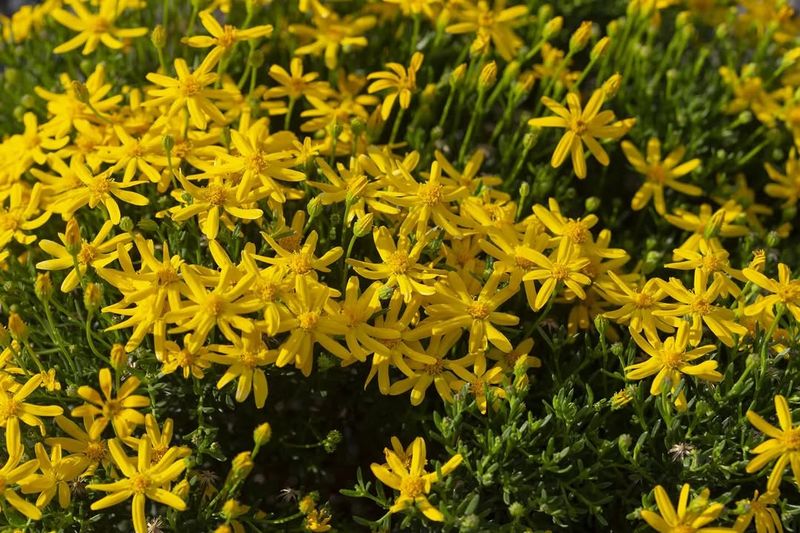
Out in the rocky hills and dry canyons of west Texas and the Trans-Pecos region, damianita grows wild and unbothered.
Bringing that same toughness into a garden border means you get a compact, mounding shrub that covers itself in bright yellow flowers in spring and often reblooms in fall, all while asking for very little water or attention.
Damianita, known scientifically as Chrysactinia mexicana, has aromatic foliage that releases a pleasant herbal scent when brushed or crushed.
The plant typically grows about one to two feet tall and wide, forming a tidy rounded shape that works well at the front of a border or along pathways.
It strongly prefers full sun and sharply drained soil – standing water or heavy clay can cause root problems, so good drainage is the most important factor in keeping it healthy.
Once established in the right conditions, damianita is remarkably self-sufficient. It rarely needs fertilizer and actually performs better in leaner soils that more closely mimic its native habitat.
The bright yellow blooms attract native bees and small butterflies, adding some pollinator activity to the border as well.
For Texas gardeners dealing with thin, rocky, or limestone-based soils where other plants struggle, damianita is a standout option that earns its place with minimal fuss.
7. Gulf Coast Muhly Adds Seasonal Color And Texture
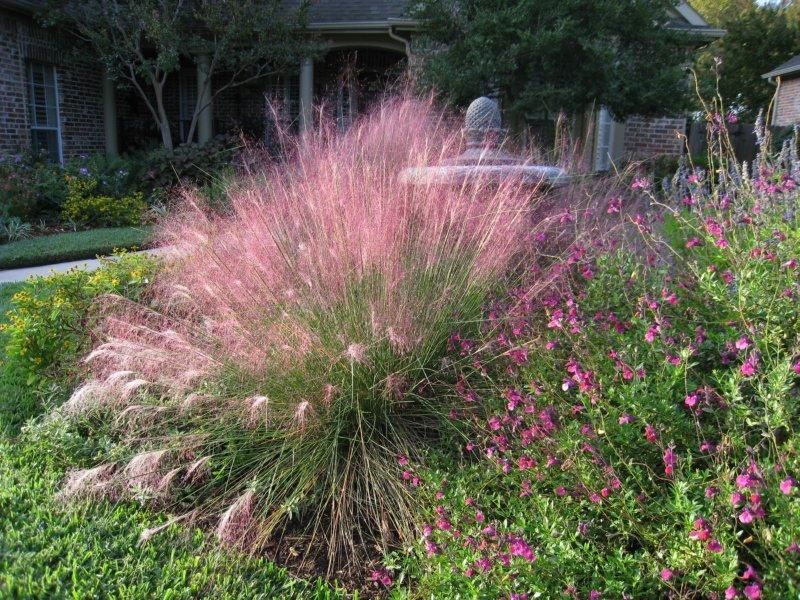
Every fall, Gulf Coast muhly puts on one of the most dramatic seasonal displays in the Texas landscape.
The plant spends most of the year as a tidy clump of fine green foliage, but when late September and October arrive, it erupts into billowing clouds of rosy-pink to reddish-purple plumes that seem to glow in the low autumn light.
Few ornamental grasses create that kind of visual impact.
Gulf Coast muhly, or Muhlenbergia capillaris, is native to the southeastern United States including parts of Texas. It thrives in full sun and handles a wide range of soil types, from sandy coastal soils to heavier inland clays.
Drought tolerance is solid once the plant is established, and it requires very little supplemental watering through Texas summers.
The clumps grow roughly two to three feet tall and can spread to a similar width, making them effective as mid-border accents.
Maintenance is minimal – cutting the plant back to a few inches in late winter before new growth emerges is really the main task. The rest of the year it largely takes care of itself.
Planting several together creates a sweeping, meadow-like effect that looks especially striking when backlit by morning or evening sun. For seasonal interest and low-effort texture, Gulf Coast muhly is a Texas garden standout.
8. Coneflower Brings Color And Pollinator Activity
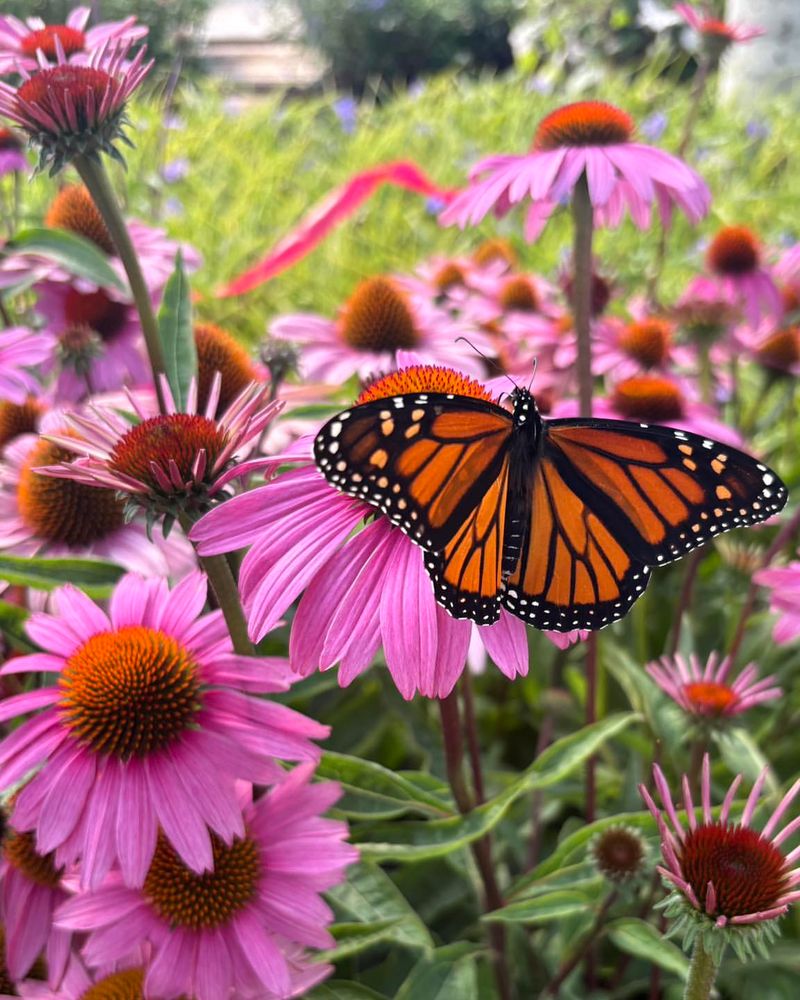
Walk past a coneflower in full bloom on a summer morning in Texas and you will likely spot at least a butterfly or two before you even stop to look at the flowers themselves.
Coneflowers are among the most reliable pollinator magnets available to Texas gardeners, drawing in butterflies, native bees, and even goldfinches that visit in fall to feed on the seed heads.
Purple coneflower, or Echinacea purpurea, is well-suited to Texas conditions. It handles heat and periodic drought reasonably well, especially once the root system has had a full season to develop.
Full sun produces the best flowering, though it can tolerate a bit of afternoon shade in the hottest parts of Texas.
The blooms typically arrive in early summer and continue for several weeks, with individual flowers lasting longer than many other summer perennials.
Leaving the seed heads standing through fall and winter serves double duty – it feeds birds and adds structural interest to the border during the quieter months.
Coneflowers tend to self-seed modestly, which means colonies can gradually expand over time without much effort on your part.
They pair naturally with grasses and other native perennials for a relaxed, naturalistic border style. For color, wildlife value, and season-long interest, coneflower is a dependable Texas border plant.
9. Zexmenia Blooms Reliably In Texas Heat
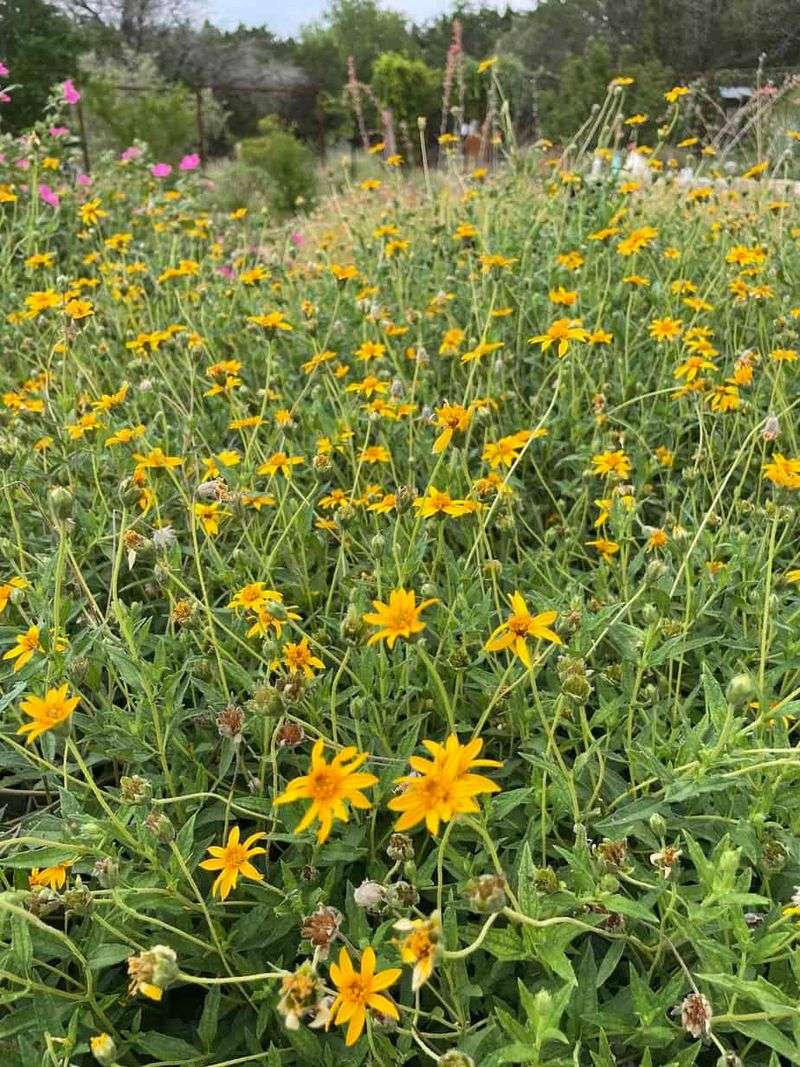
Not every plant in the Texas gardening world gets the recognition it deserves, and zexmenia is a good example of an underrated gem.
This native Texas perennial produces cheerful orange-yellow, daisy-like flowers from late spring through fall, blooming steadily through some of the hottest and driest stretches of the Texas summer when other plants are looking tired and spent.
Zexmenia, now often listed under the name Wedelia texana, is native to central and south Texas.
It grows naturally in rocky limestone soils and open sunny areas, which tells you a lot about what it needs in a garden setting – full sun, good drainage, and not too much water.
Once established, it is highly drought-tolerant and requires minimal supplemental irrigation even through extended dry periods.
The plant typically reaches about two to three feet tall and spreads into a loose, informal mound that works well in naturalistic borders or mixed native plant beds.
It attracts butterflies reliably throughout the bloom season and the foliage has a slightly rough texture that gives it a rugged, untamed look.
Light trimming after the main flush of blooms can refresh the plant and encourage additional flowering.
For dependable warm-season color in tough Texas conditions, zexmenia is a plant that consistently delivers without demanding much in return.
10. Society Garlic Adds Color With Minimal Care
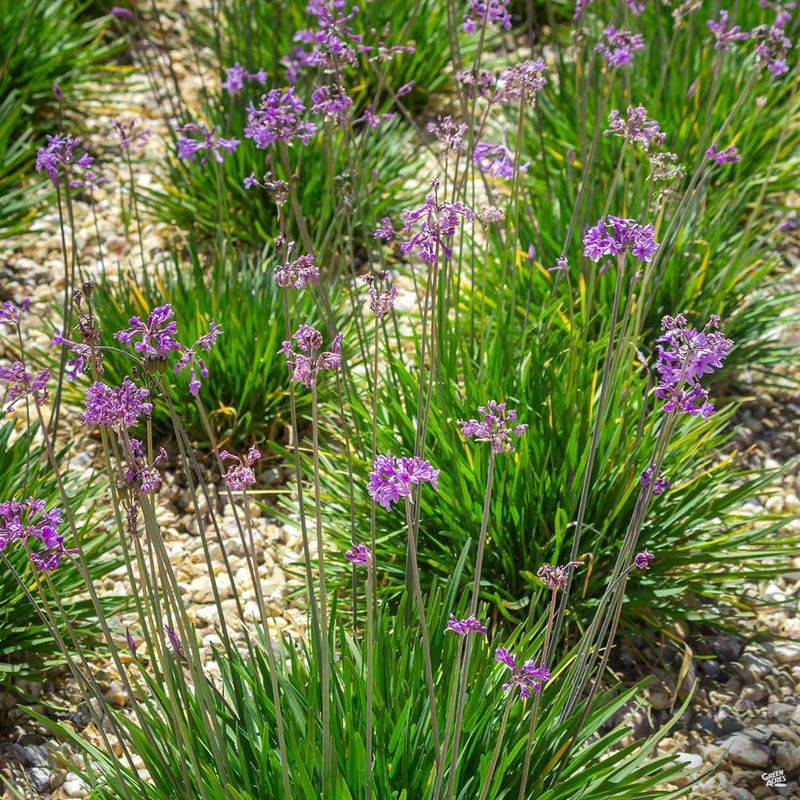
Lavender-purple flower clusters sitting atop slender green stems give society garlic a delicate, almost elegant look that feels a little surprising given how tough and unfussy the plant actually is.
Despite its refined appearance, society garlic handles Texas heat, drought, and poor soils with the kind of resilience you would expect from a much rougher-looking plant.
Society garlic, or Tulbaghia violacea, is not a true Texas native but has proven itself well-adapted to Texas growing conditions over many years of use in the state’s landscapes.
It blooms from spring through fall, producing repeated flushes of flowers that keep borders looking colorful over a long season.
The strap-like foliage has a mild garlic scent when crushed, which is said to deter some garden pests, though the flowers themselves have no noticeable odor.
Full sun produces the most vigorous flowering, though it tolerates partial shade reasonably well. Water needs are low to moderate once established, and the plant handles the dry stretches that are common across Texas in summer.
Clumps expand gradually over time and can be divided every few years to refresh the planting or spread it to other areas of the border. For low-maintenance color with a refined look, society garlic fits naturally into Texas borders of all styles.