The Low-Maintenance Flowers Oregon Gardeners Are Switching To
There is a reason more Oregon gardeners are getting picky about what earns a spot in the yard. People still want color, charm, and that satisfying moment when the border comes together, but fewer are interested in babysitting thirsty plants all summer or spending every weekend deadheading like it is a part-time job.
Low-maintenance flowers are winning people over for a very simple reason: life is busy enough already. Between work, errands, family obligations, and trying to grab a little peace outside, a flower that can hold its own feels like a smarter investment than ever.
Oregon’s mix of rainy seasons, dry stretches, and regional differences only adds to the appeal of reliable choices that do not throw a fit. Some of the flowers getting more attention lately are not newcomers.
They are the kinds of plants that quietly prove themselves, then make gardeners wonder why they waited so long.
1. Yarrow With Its Long-Lasting Summer Color
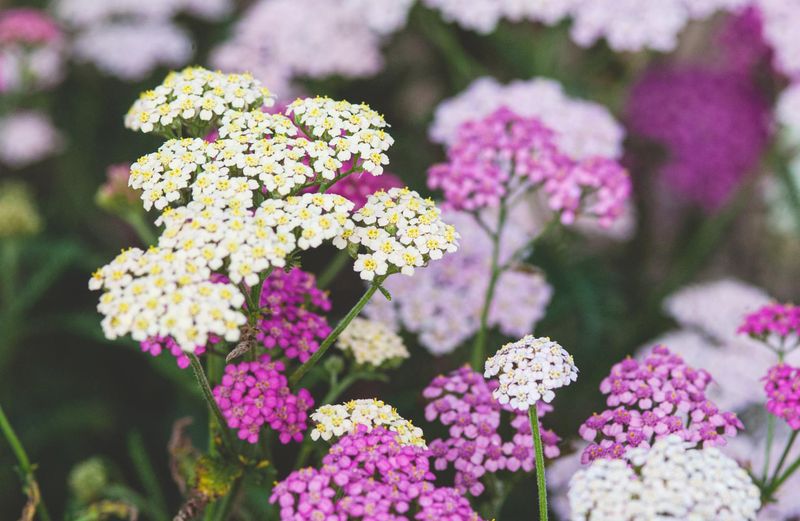
Few plants are as tough and cheerful as yarrow. Loved by Oregon gardeners for generations, this feathery-leaved perennial has a reputation for thriving where other flowers struggle.
Whether you plant it along a sunny border or tuck it into a dry corner of your yard, yarrow shows up and delivers bold, flat-topped flower clusters in shades of yellow, white, pink, and red.
One of the best things about yarrow is its deep drought tolerance. Once established in Oregon’s soil, it rarely needs extra watering, even during the dry summer months.
The plant spreads gradually on its own, filling in gaps in your garden without much help from you. It also attracts butterflies and beneficial insects, making your outdoor space feel alive and buzzing.
Yarrow grows well in full sun and prefers well-drained soil, which makes it a natural fit for many parts of Oregon, including the sunnier inland valleys. Cutting spent blooms encourages more flowers throughout the season.
You can even dry the flower clusters and use them in arrangements indoors. Yarrow is also deer-resistant, which is a big bonus for gardeners in rural parts of the state.
With almost no fuss required, it is easy to see why so many Oregon gardeners are adding yarrow to their landscapes every single year.
2. Lavender Filling The Air With Fragrance
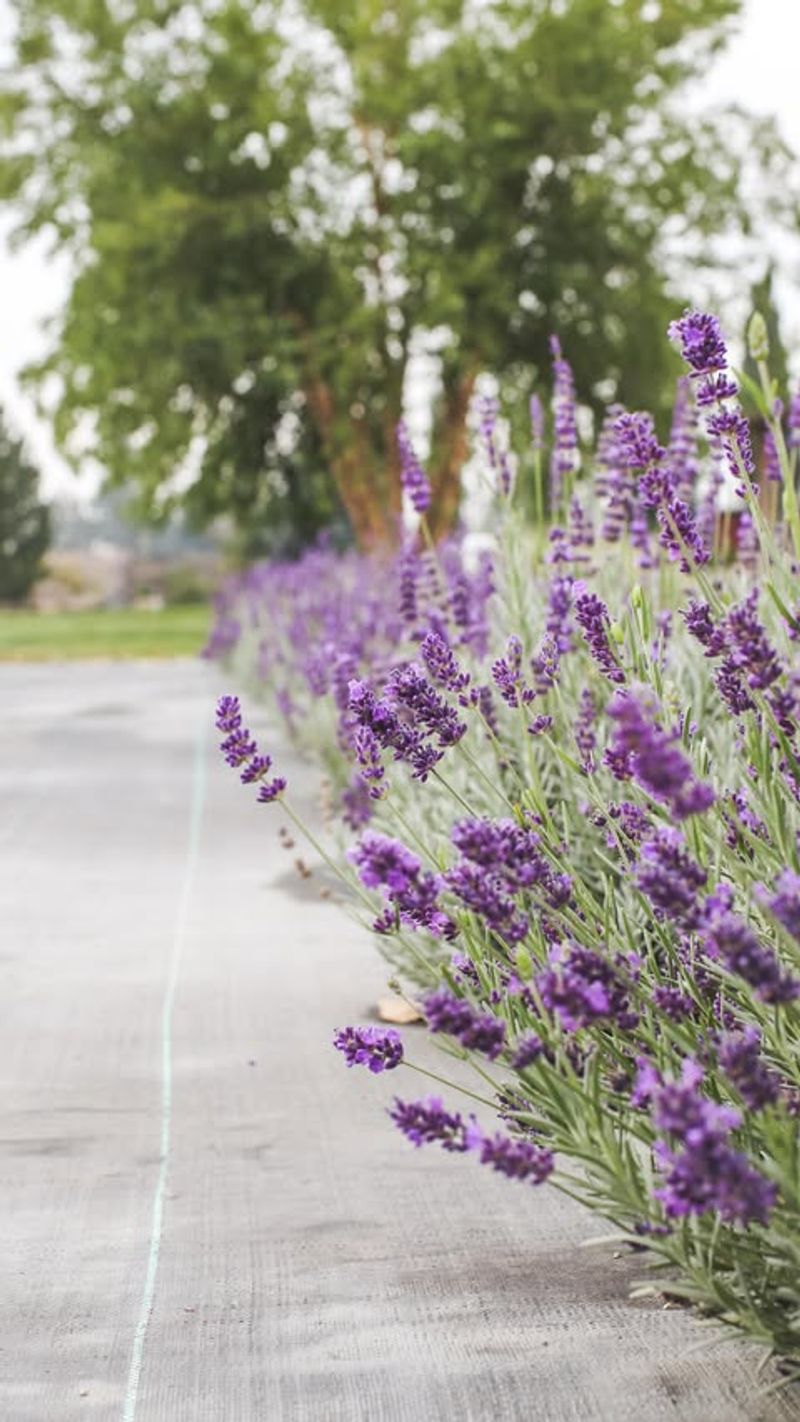
There is something almost magical about stepping outside and catching the sweet, calming scent of lavender drifting through the air. Oregon gardeners have a long love affair with this Mediterranean native, and it is not hard to understand why.
Lavender brings both beauty and fragrance to any garden while asking for very little in return.
Lavender thrives in sunny spots with well-drained soil, making it a great match for the drier parts of Oregon, including areas east of the Cascades. It handles drought conditions beautifully once its roots are settled in, and it does not need rich soil to perform well.
In fact, overly fertile soil can make lavender leggy and less fragrant, so lean soil is actually a plus here.
Your Oregon Garden Changes Every Week. Your Plan Should Too.
Gardening in Oregon changes quickly throughout the season. Every Friday you’ll receive a simple weekly plan showing exactly what to plant, prune, fertilize, harvest, and protect so you never miss the right timing.
Beyond its gorgeous purple flower spikes, lavender is a magnet for bees and butterflies, supporting local pollinators all season long. Deer tend to leave it alone, which gives Oregon gardeners in rural areas one less thing to worry about.
Trim the plant back lightly after blooming to keep it tidy and encourage fresh growth the following year. You can also harvest the flower stems and dry them for sachets, cooking, or homemade crafts.
Lavender pairs beautifully with roses, ornamental grasses, and other drought-tolerant plants, making it an incredibly versatile choice for Oregon landscapes of all sizes.
3. Coneflower That Keeps Blooming Through Heat
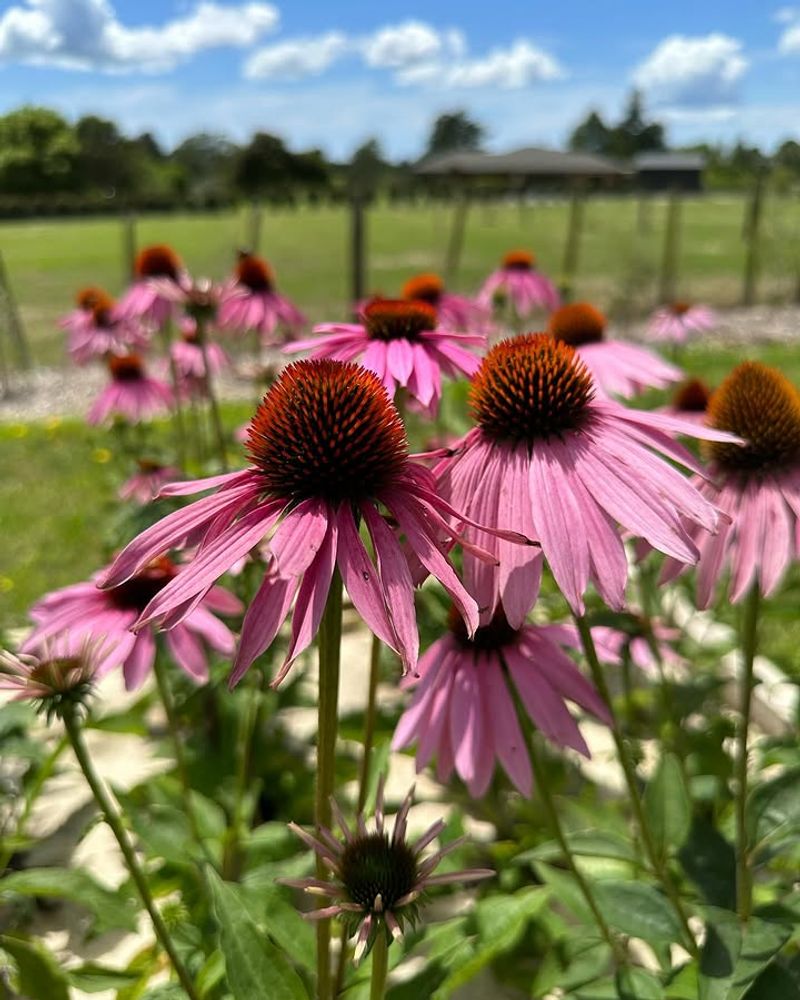
Bold, beautiful, and practically indestructible, coneflowers are one of the most popular perennials among Oregon gardeners for good reason. These native North American wildflowers produce striking daisy-like blooms with raised, spiky centers and petals in shades of purple, pink, white, orange, and yellow.
They bring a natural, wildflower feel to any garden space.
Coneflowers, also known as Echinacea, are incredibly adaptable. They grow well in full sun or partial shade and tolerate a wide range of soil types, including the clay-heavy soils found in parts of the Willamette Valley.
Once established, they are highly drought-resistant and require very little supplemental watering during Oregon’s warm, dry summers. Their dense, clumping growth habit also helps crowd out weeds naturally.
One of the most rewarding things about growing coneflowers is how much wildlife they attract. Butterflies and bees visit the blooms all summer long, while goldfinches and other birds flock to the seed heads in fall and winter.
Leaving the seed heads standing through the colder months provides food for birds and adds interesting texture to your winter garden. Coneflowers also spread slowly over time, filling in your garden beds without becoming invasive.
For Oregon gardeners who want a flower that looks stunning with almost no effort, coneflowers are genuinely hard to beat.
4. Black-Eyed Susan Bringing Bold Golden Color
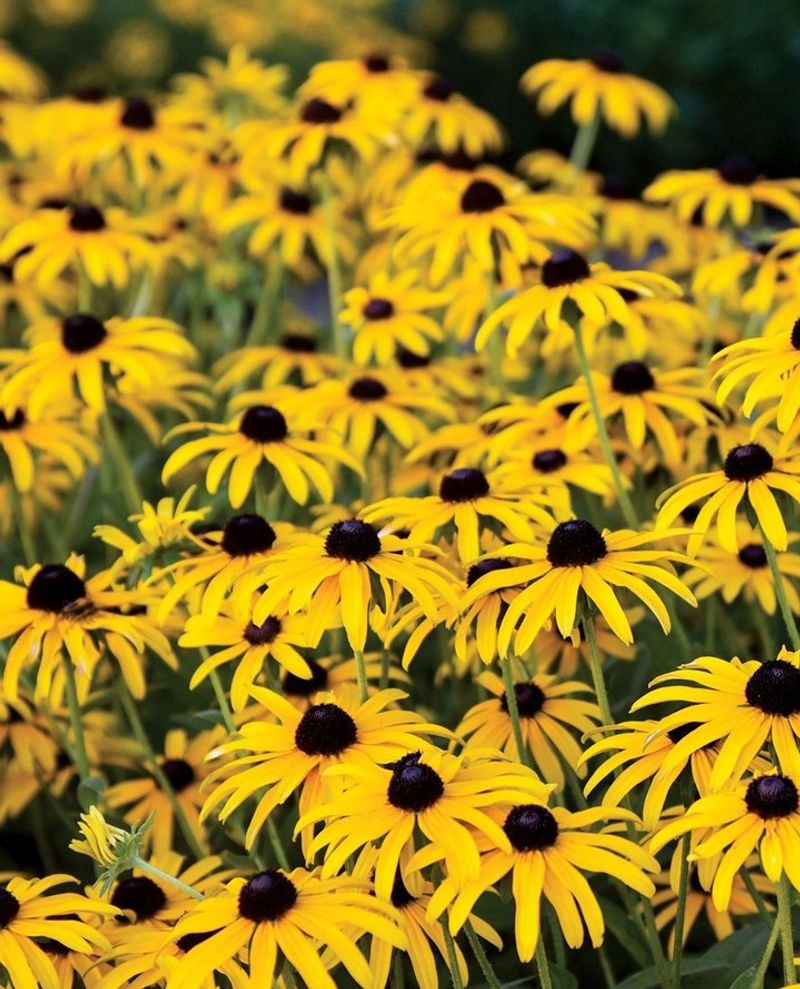
Walk past any thriving Oregon garden in midsummer and there is a good chance you will spot the sunny, golden-yellow blooms of Black-Eyed Susan nodding in the breeze. These cheerful wildflowers have a way of making any space feel warm and welcoming.
With their bold dark centers and bright petals, they bring a classic, cottage-garden look that never feels outdated.
Black-Eyed Susan, or Rudbeckia hirta, blooms from midsummer all the way through fall, giving Oregon gardens a long season of color. The plants form clumping mounds that naturally suppress weeds underneath them, which means less time on your knees pulling unwanted plants.
They grow well in full sun and adapt to a variety of soil conditions, including the heavier soils common in western Oregon.
Pollinators absolutely adore Black-Eyed Susan. Bees and butterflies visit the flowers regularly, turning your garden into a lively, buzzing ecosystem.
When the blooms fade in late fall, the seed heads attract birds like finches and sparrows, extending the garden’s usefulness well into winter. Black-Eyed Susan also pairs wonderfully with ornamental grasses, coneflowers, and lavender for a naturalistic planting style that looks intentional and beautiful.
For busy Oregon gardeners who want reliable color and wildlife activity without constant upkeep, this flower delivers season after season with very little effort required.
5. Coreopsis That Blooms Nonstop All Season
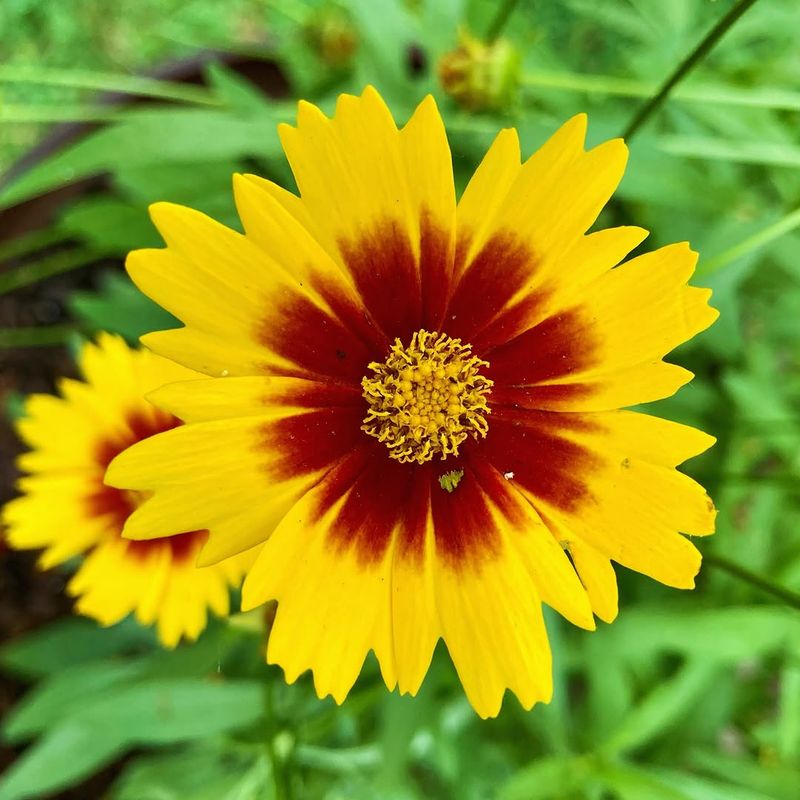
If sunshine had a flower, it would probably look a lot like coreopsis. Also called tickseed, this cheerful perennial produces a non-stop parade of small, daisy-like flowers in vivid shades of yellow, gold, and orange from late spring through early fall.
Oregon gardeners have been embracing coreopsis more and more as they look for plants that deliver big color with minimal effort.
Coreopsis is remarkably easy to grow. It thrives in full sun and well-drained soil, tolerates heat and drought, and rarely needs fertilizing.
In fact, too much fertilizer tends to produce more leaves than flowers, so coreopsis actually rewards a hands-off approach. Regular deadheading, which just means snipping off spent blooms, encourages the plant to keep producing fresh flowers all season long in Oregon’s warm summer months.
The fine, feathery foliage of coreopsis gives it an airy, delicate look that contrasts beautifully with bolder plants like Black-Eyed Susan and coneflower. It works well in borders, rock gardens, and even containers on patios and decks.
Pollinators love coreopsis, and the plant is generally deer-resistant, which is a welcome trait for gardeners in more rural corners of Oregon. Some varieties also self-seed lightly, meaning you may find new plants popping up nearby each spring.
For a flower that looks like it requires a lot of work but actually does not, coreopsis is an outstanding choice.
6. California Poppy Thriving In Dry, Sunny Spots
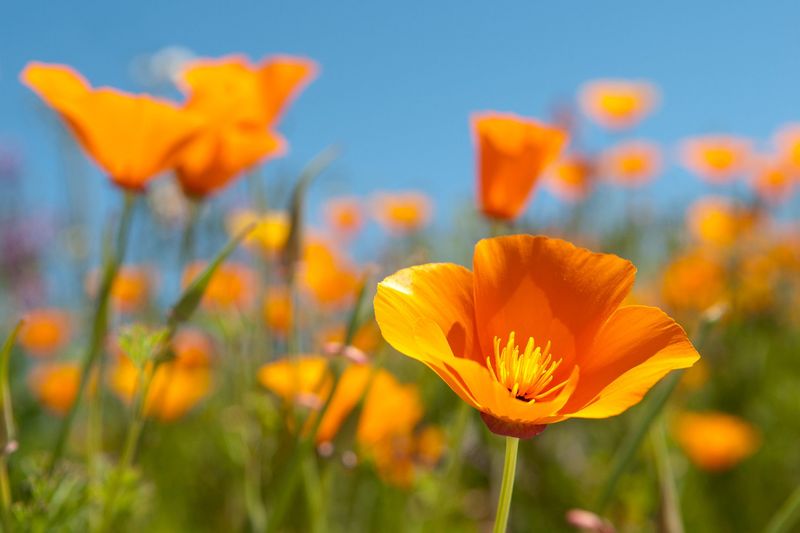
Do not let the name fool you. California poppy feels right at home in Oregon, especially in the sunnier, drier parts of the state.
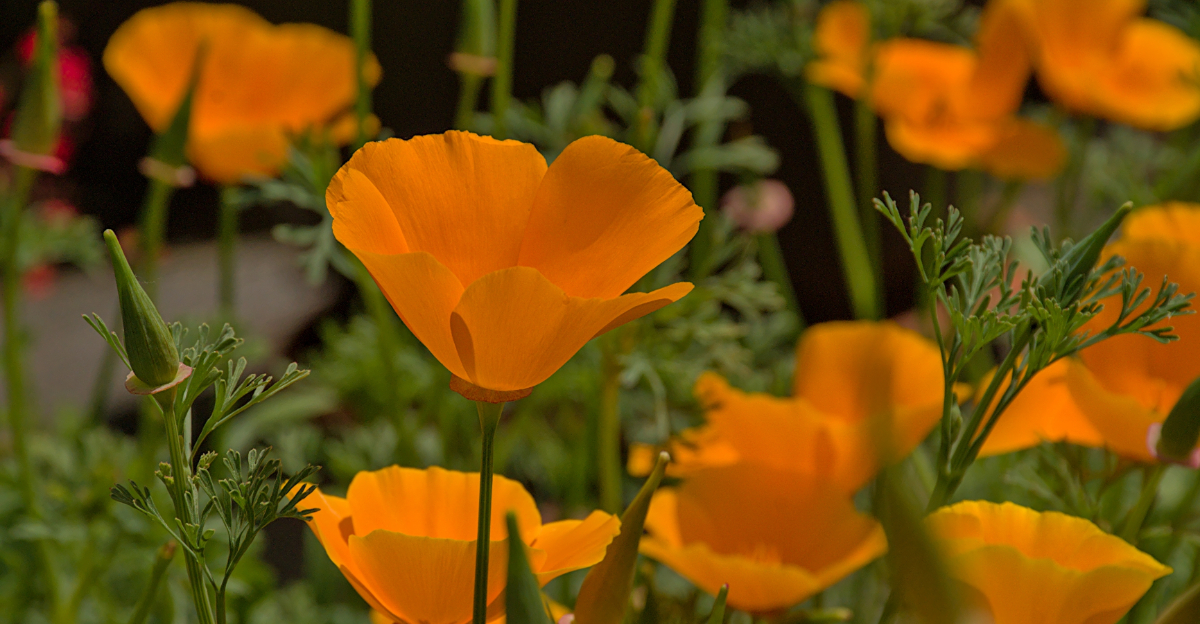
These silky, cup-shaped flowers in vivid shades of orange, yellow, and cream are one of the easiest plants you can grow from seed, and they bring a wild, carefree energy to any garden space.
California poppies are true self-starters. Scatter the seeds on bare soil in early spring or even in fall, and they will handle the rest on their own.
They prefer poor, well-drained soil and full sun, and they actually perform worse if you fuss over them with extra water or fertilizer. This makes them a natural fit for Oregon’s dry summer conditions, particularly in areas east of the Cascades where rainfall is limited.
One of the most delightful things about California poppies is that they self-seed freely, returning year after year without any replanting. They are technically annuals in Oregon, but their generous reseeding habit can make them feel like long-term garden residents.
The flowers close up at night and on cloudy days, which gives them a charming, almost shy personality. Bees and other pollinators visit the blooms regularly during sunny hours.
California poppies also look stunning planted in drifts or mixed with other wildflowers, creating a meadow-style display that takes almost no work to maintain across Oregon landscapes.
7. Sedum That Handles Drought Without Fuss
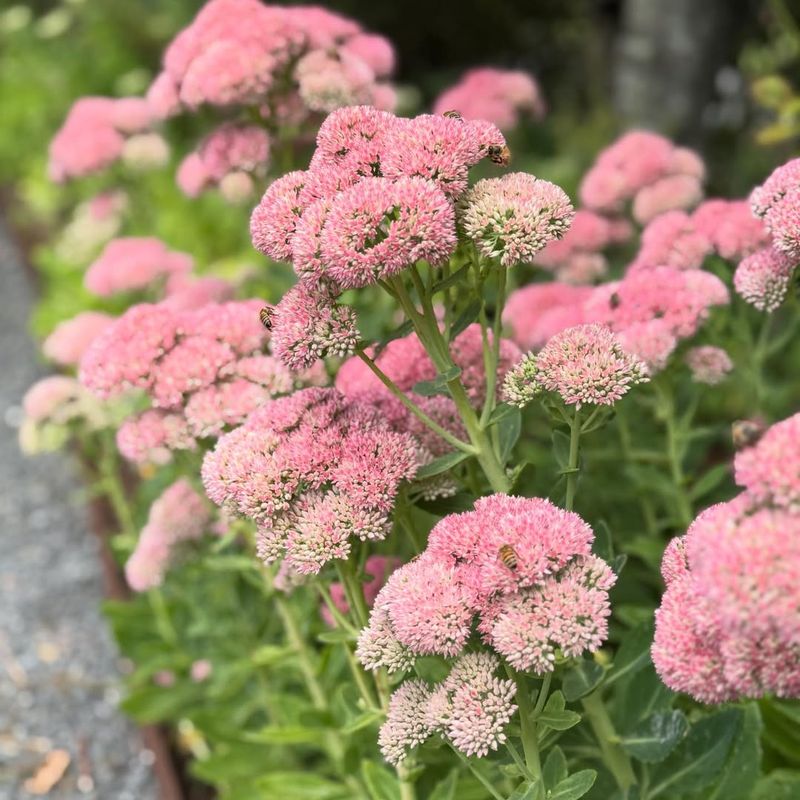
Tough, sculptural, and surprisingly beautiful, sedum is the kind of plant that makes gardeners look like they know exactly what they are doing. Also called stonecrop, sedum is a succulent that stores water in its thick, fleshy leaves, which means it can go long stretches without rainfall or irrigation.
For Oregon gardeners dealing with dry summers, this is a serious advantage.
Sedum comes in a wide range of sizes and styles, from low-growing ground covers that creep between rocks to tall, upright varieties like Autumn Joy that produce large, dome-shaped flower clusters in shades of pink, red, and bronze. The taller varieties bloom in late summer and fall, providing color at a time when many other flowers are winding down.
Bees absolutely flock to sedum blooms, making it a fantastic pollinator plant for Oregon gardens.
One of sedum’s most underrated qualities is its winter interest. Even after the flowers fade, the dried seed heads remain standing and add structure and texture to the garden during Oregon’s gray, rainy winter months.
Sedum grows well in full sun to partial shade and thrives in rocky, sandy, or poor soils where other plants struggle. It rarely needs fertilizing or pruning, and it is highly resistant to both deer and drought.
Whether you plant it in a border, a rock garden, or a container, sedum rewards you with beauty and almost no maintenance at all.
8. Blanket Flower Lighting Up The Garden Bed
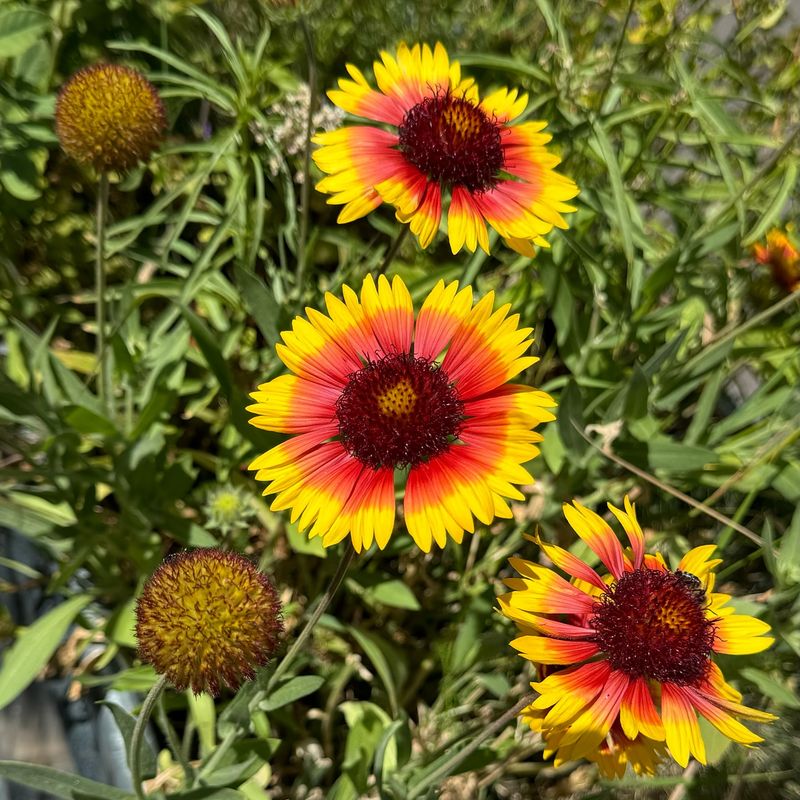
Named for its resemblance to the bold, vivid patterns found on Native American blankets, Gaillardia, commonly called blanket flower, is one of the most eye-catching additions you can make to an Oregon garden. The flowers feature fiery combinations of red, orange, and yellow that practically glow in the summer sun, and they bloom for months on end with very little care required.
Blanket flower is a heat-loving plant that thrives in full sun and well-drained soil. It handles drought conditions with ease once established, making it a smart choice for the drier regions of Oregon, including the Rogue Valley and areas east of the Cascades.
Unlike many flowering perennials, blanket flower actually prefers lean soil over rich, amended garden beds. Overwatering and overfertilizing tend to shorten the plant’s lifespan, so a relaxed approach works best here.
Regular deadheading keeps blanket flower blooming prolifically from early summer right into fall, giving Oregon gardens a long season of vivid color. The flowers are irresistible to bees and butterflies, and the seed heads attract birds as the season winds down.
Blanket flower pairs beautifully with grasses, lavender, and coneflower for a low-water, naturalistic planting scheme. It is also relatively short-lived as a perennial, typically lasting two to three years, but it self-seeds reliably, so new plants tend to appear each season without any extra effort on your part.
9. Penstemon Loved By Pollinators All Season
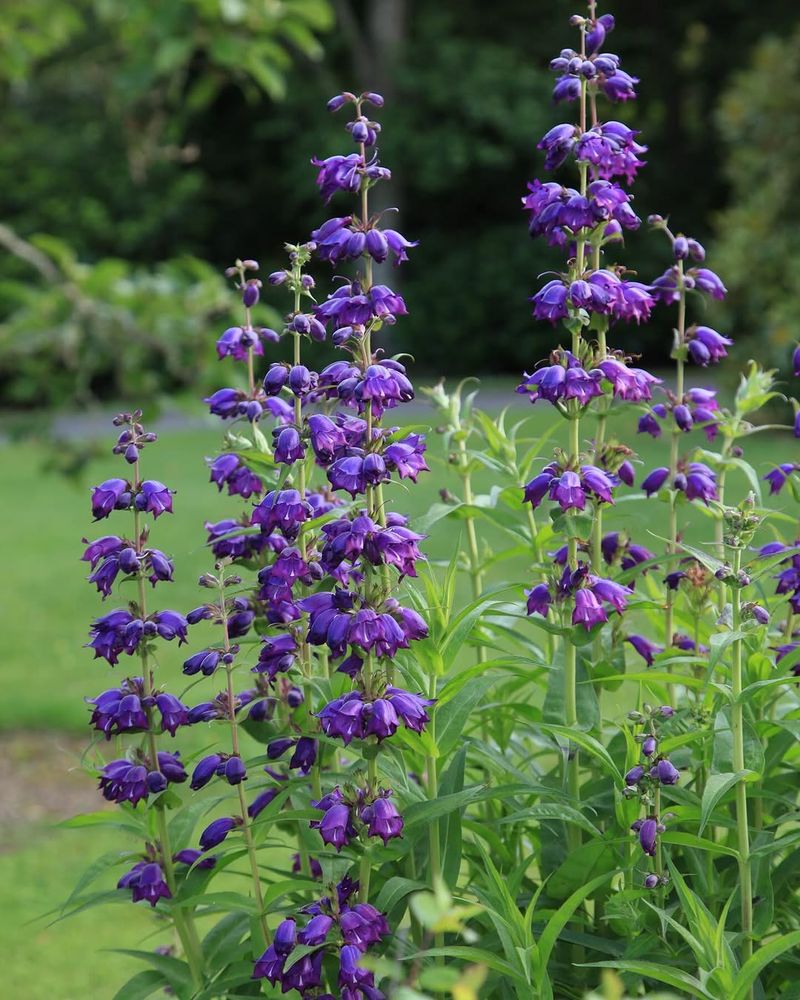
If there is one flower that truly belongs in an Oregon garden, it might just be penstemon. Several species of this tubular-flowered beauty are native to the Pacific Northwest, making it naturally adapted to Oregon’s soils, rainfall patterns, and temperature swings.
Gardeners across the state are discovering that penstemon delivers stunning color while asking for almost nothing in return.
Penstemon produces tall, elegant flower spikes covered in tubular blooms in shades of purple, pink, red, white, and blue. The flowers are a favorite of hummingbirds, which are drawn to the tubular shape and rich nectar.
Bees and butterflies also visit regularly, making penstemon a powerhouse plant for supporting local pollinators in Oregon gardens. The blooming season typically runs from late spring through midsummer, with some varieties reblooming if cut back lightly after the first flush of flowers.
Most penstemon varieties prefer full sun and excellent drainage, which makes them well-suited to Oregon’s rocky slopes, hillside gardens, and dry border plantings. They are highly drought-tolerant once established and do not need fertilizing.
In fact, rich, moist soil can actually weaken penstemon plants over time, so planting them in average or lean soil gives the best results. Native penstemon species can be especially well-suited to Oregon conditions, but the best choice depends on your region and site conditions within the state.