These Are The Best Plants That Thrive Under Shade Trees In Florida
That shady spot under your tree might look like the easiest place to plant, until nothing seems to thrive there.
In Florida, even with all that sunshine, areas beneath trees can be some of the toughest to work with.
The canopy limits light, while roots pull moisture and nutrients out of the soil faster than expected. Many homeowners try to fill these spaces only to see plants struggle over time.
The good news is that some plants are naturally suited to these conditions.
Once you choose the right ones, that shaded patch under your oak or magnolia can turn into one of the most attractive and low-maintenance parts of your yard.
1. Cast Iron Plant Thrives In Deep Shade
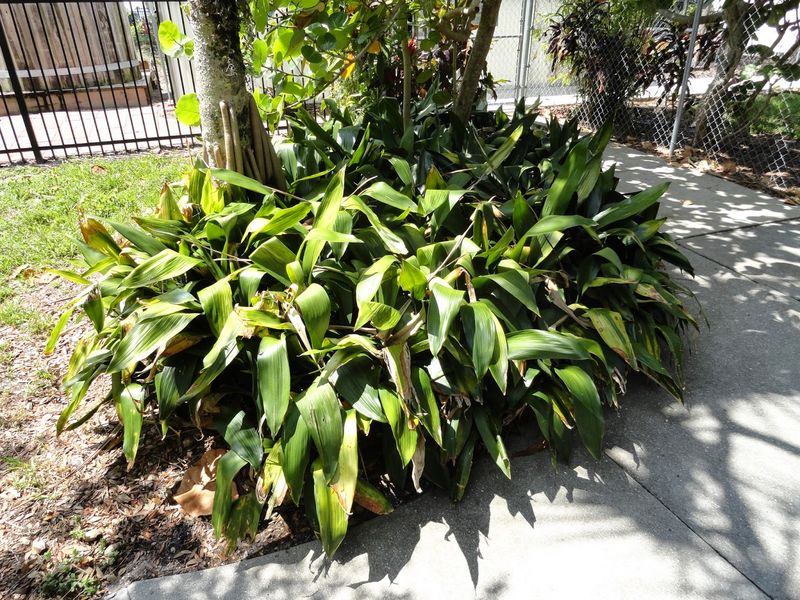
Some corners of a Florida yard are so shaded that almost nothing seems to grow there. That is precisely where the cast iron plant, known botanically as Aspidistra elatior, earns its reputation.
This plant has been a reliable standby in Southern landscapes for well over a century, and it handles neglect and low light better than nearly anything else you can put in the ground.
In Florida, the area directly beneath a large oak or magnolia can receive very little light and suffer from dry, root-packed soil. Cast iron plant tolerates these conditions with ease.
Its broad, arching, dark green leaves grow in dense clumps that reach roughly two feet tall, creating a tidy and attractive look even without any blooms.
Watering needs are minimal once this plant gets established. Adding a few inches of organic mulch around the base helps retain moisture in Florida’s sandy soil and keeps roots cool during the warmer months.
Avoid piling mulch directly against the stems to allow for good airflow.
Fertilizing once or twice a year with a slow-release balanced fertilizer is usually enough to keep cast iron plant looking full and healthy. It rarely attracts serious pests, and it holds its foliage year-round in Florida’s mild winters.
For a truly low-maintenance solution in deep shade, this plant is worth serious consideration.
2. Liriope Forms Tough Groundcover Under Trees
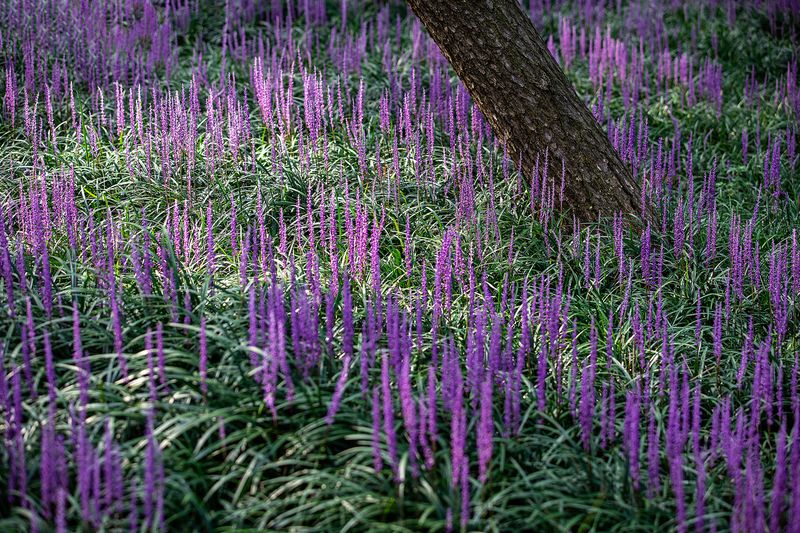
Walk through almost any established Florida neighborhood and you will likely spot liriope edging pathways, borders, and tree bases without missing a beat.
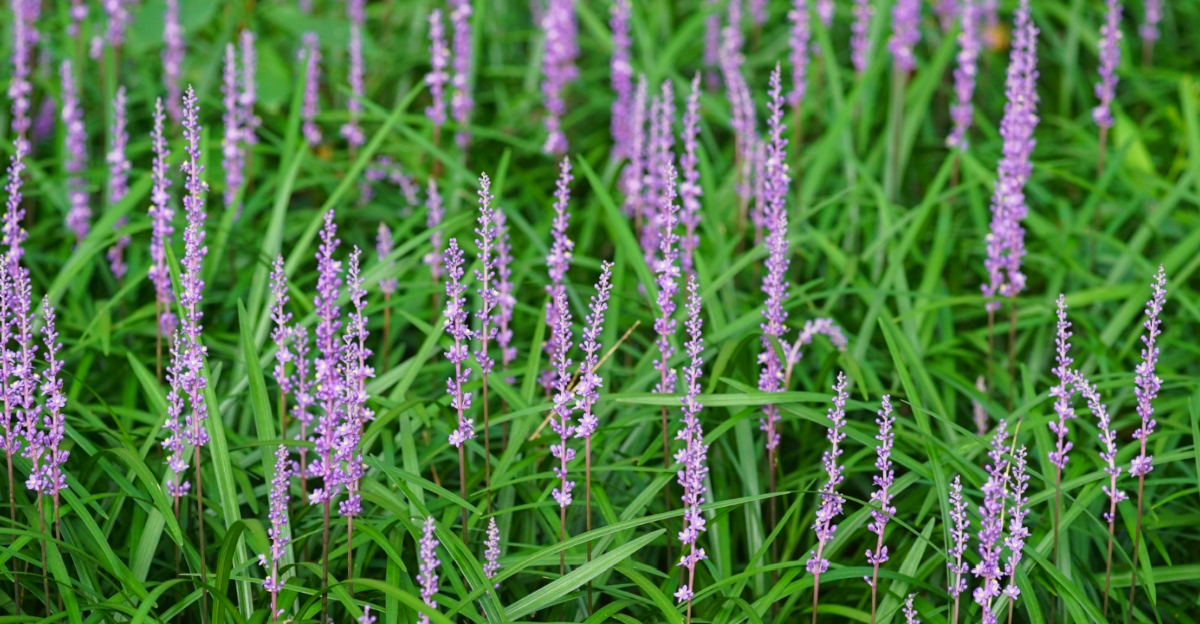
Commonly called lilyturf, liriope muscari is one of the most adaptable groundcovers available to Florida gardeners, and it handles the challenging root zones beneath shade trees remarkably well.
The grass-like foliage forms neat, arching clumps that typically reach about a foot to eighteen inches in height. In late summer, liriope sends up spikes of small purple or white flowers that add a pleasant pop of color even in low-light conditions.
Those blooms are followed by dark berries that provide a little extra visual interest through fall.
One of liriope’s standout qualities in Florida is its tolerance for both shade and dry spells. Once established, it can handle periods without rain reasonably well, which matters a lot when tree roots are pulling moisture from the surrounding soil.
Your Florida Garden Changes Every Week. Your Plan Should Too.
Gardening in Florida changes quickly throughout the season. Every Friday you’ll receive a simple weekly plan showing exactly what to plant, prune, fertilize, harvest, and protect so you never miss the right timing.
Planting in amended soil with added compost gives it a stronger start.
Liriope spreads gradually over time, filling in bare patches under trees without becoming invasive or difficult to manage. Cutting the foliage back to a few inches in late winter encourages fresh new growth in spring.
For Florida homeowners who want a low-effort, year-round solution under their trees, liriope consistently delivers reliable results across a wide range of soil and shade conditions.
3. Mondo Grass Creates A Soft Green Carpet
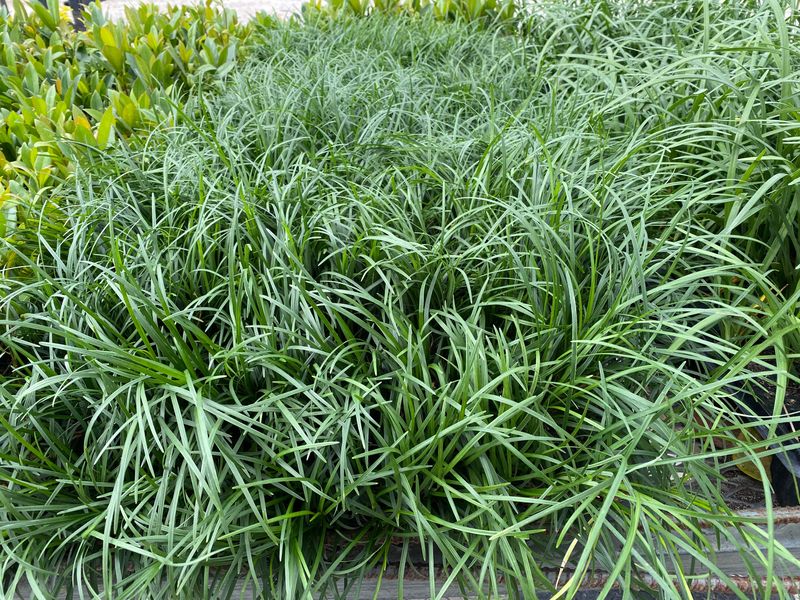
Mondo grass might look similar to liriope at first glance, but spend a little time with it and the differences become clear.
Ophiopogon japonicus grows much lower to the ground, usually reaching only three to four inches in height, and it forms a genuinely carpet-like layer of fine, dark green foliage that looks polished and intentional.
In Florida, this plant works especially well in the dry, compacted soil that often develops under large shade trees.
Its root system is surprisingly resilient, and once established, mondo grass spreads slowly but steadily through underground stolons to fill in gaps.
Patience is helpful here since it takes a season or two to really get going, but the result is worth the wait.
Dwarf mondo grass is an even smaller variety that stays under two inches tall, making it a popular choice for planting between stepping stones or as a fine-textured border beneath tree canopies.
Both standard and dwarf types handle Florida’s heat and humidity without much fuss, though they appreciate some supplemental watering during extended dry stretches.
Amending the soil with compost before planting gives mondo grass a much better start in sandy Florida conditions. Mulching around new plants helps hold moisture while the root system develops.
Mondo grass rarely needs trimming, stays green through Florida’s mild winters, and gives shaded areas a clean, refined appearance that works well with many landscape styles.
4. Coontie Adds Native Texture In Dry Shade
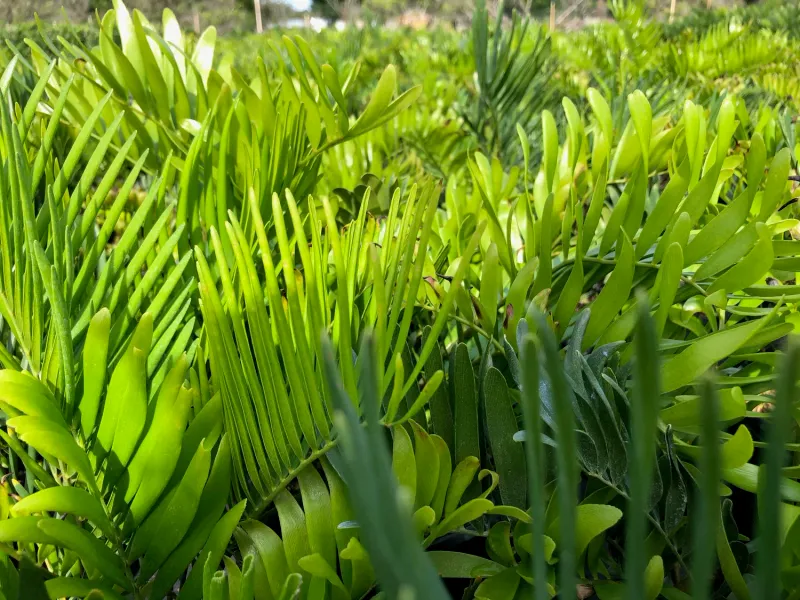
Florida has a handful of native plants that genuinely belong in shaded garden spaces, and coontie is one of the most underused among them.
Zamia integrifolia is the only cycad native to the continental United States, and it has been growing in Florida’s sandy soils long before anyone thought to cultivate it intentionally.
That long history in the Florida landscape means it is exceptionally well-suited to local conditions.
Coontie forms low, arching clumps of dark green, feathery foliage that reaches about two to three feet in height.
The textured leaves bring a rich, almost prehistoric quality to shaded areas, and the plant holds its appearance year-round without much attention.
It tolerates dry soil and deep shade, which makes it particularly useful in areas where other plants frequently struggle.
One ecological bonus worth mentioning is that coontie serves as the sole larval host plant for the atala butterfly, a striking species that was once nearly gone from Florida.
Planting coontie can help support local atala populations, which adds meaningful conservation value beyond simple aesthetics.
Established coontie plants rarely need supplemental watering and are quite resistant to pests and disease. They do best in well-drained soil, which suits Florida’s sandy conditions naturally.
Adding a light layer of mulch helps retain moisture while plants establish. Once settled in, coontie is about as low-maintenance as a landscape plant can reasonably get in Florida’s variable climate.
5. Ferns Fill Shady Spaces With Lush Foliage
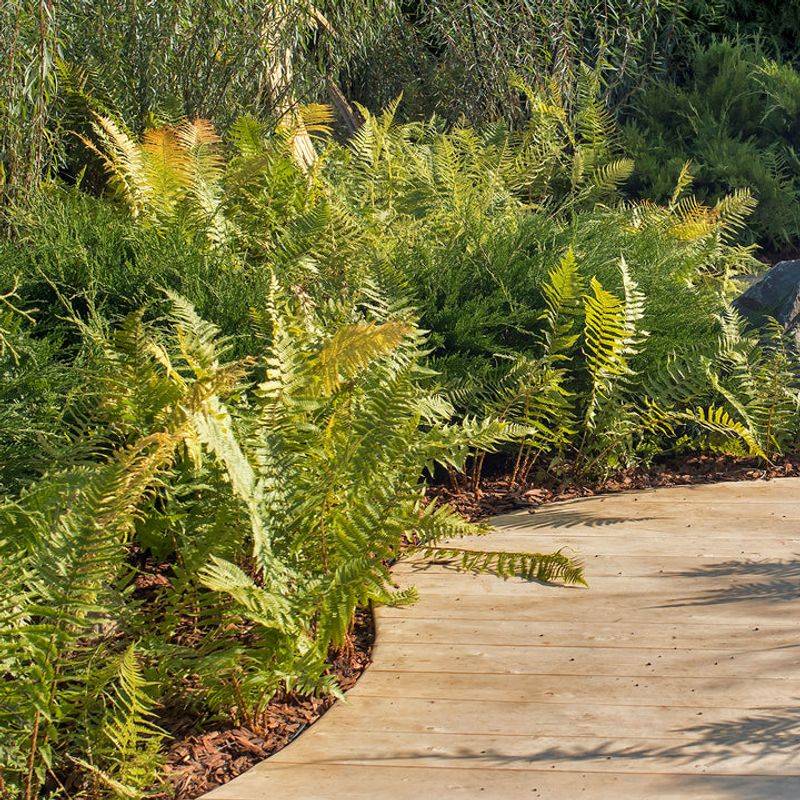
Few plants evoke the feeling of a cool, shaded retreat quite like a well-established clump of ferns. In Florida, several fern species thrive under tree canopies, bringing soft, feathery texture to spaces that might otherwise look bare or neglected.
Choosing the right variety for your specific conditions makes a meaningful difference in how well they perform over time.
The autumn fern, Dryopteris erythrosora, is a standout choice for Florida shade gardens because it tolerates drier root zones better than many other fern species.
New fronds emerge with a warm coppery color before maturing to deep green, giving the plant seasonal visual interest.
The holly fern, Cyrtomium falcatum, is another solid option with glossy, leathery fronds that hold up well in low-light conditions and handle occasional dry spells without much complaint.
For areas with consistently moist soil, the giant leather fern, Acrostichum danaeifolium, is a native Florida species that can grow quite large and creates a bold, tropical impression beneath tall trees. Soil preparation matters a great deal for ferns.
Working compost into the planting area improves moisture retention in Florida’s sandy soil and gives ferns a noticeably better start.
Mulching around fern clumps helps keep roots cool and reduces how often you need to water during Florida’s dry season. Most ferns respond well to light, occasional fertilization with a balanced slow-release product applied in spring.
6. Caladium Brings Color To Low-Light Beds
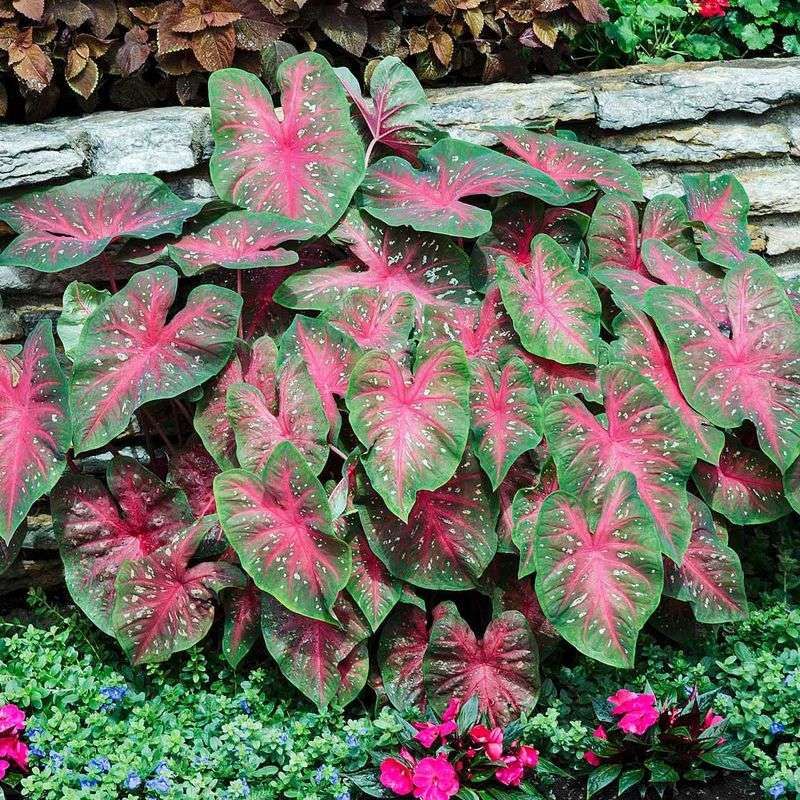
If there is one plant that Florida gardeners reach for when they want color in a shaded spot, it is almost certainly caladium.
These tropical plants produce large, heart-shaped leaves in striking combinations of red, pink, white, and green, and they do their best work in exactly the kind of filtered or low light found beneath shade trees.
Caladiums grow from tubers and are typically planted in spring after soil temperatures warm up. In Florida, that window comes relatively early compared to most of the country, which means a longer growing season and more time to enjoy the foliage display.
The leaves can reach twelve to twenty-four inches in length depending on the variety, creating a bold, colorful presence in shaded beds.
Soil moisture is an important factor for caladiums. They prefer consistently moist but well-drained soil, so working compost into sandy Florida soil before planting makes a real difference.
Mulching around the plants helps hold moisture and keeps the root zone from drying out too quickly during warm stretches.
Caladiums naturally go dormant in the fall when temperatures cool down. In Florida, tubers can often be left in the ground through mild winters, particularly in central and south Florida.
Fertilizing every few weeks with a balanced liquid fertilizer during the growing season encourages large, vibrant leaves. There are hundreds of named varieties available, so finding one that fits your color scheme is genuinely enjoyable.
7. Begonias Add Blooms In Shaded Areas
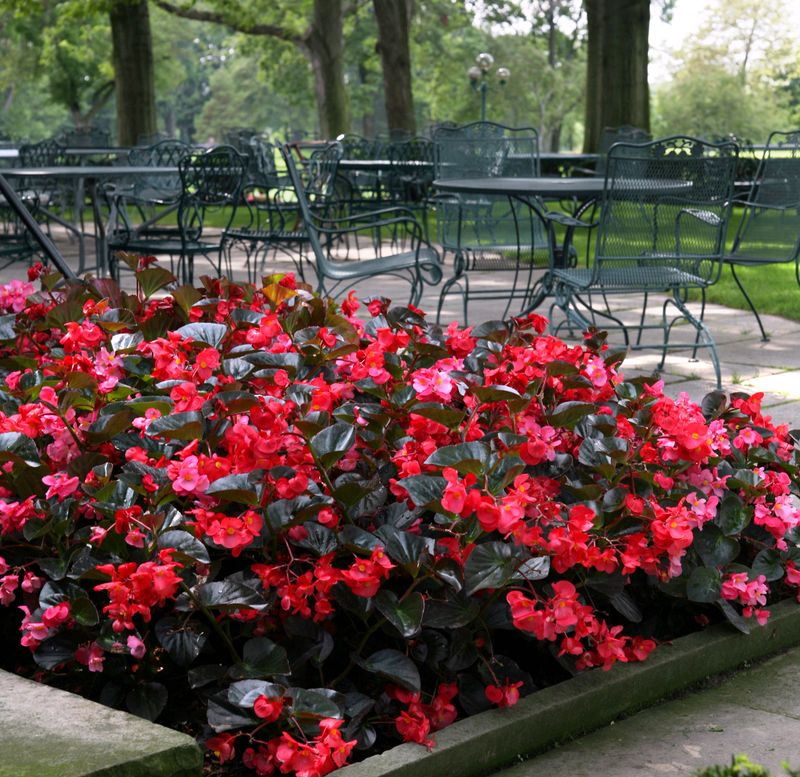
Shaded garden beds under Florida trees do not have to rely entirely on foliage for visual interest. Begonias bring actual blooms to low-light spaces, and they do it with impressive staying power throughout much of the Florida growing season.
Few flowering plants are as reliable and easy to manage in shaded conditions as a well-chosen begonia.
Wax begonias, Begonia semperflorens, are among the most commonly planted types in Florida because they handle heat, humidity, and shade with minimal fuss.
They produce clusters of small flowers in shades of red, pink, and white, and the blooms continue for months without much encouragement.
The foliage is attractive on its own, with a glossy, waxy texture that looks tidy even between bloom cycles.
Angel wing begonias offer a different look with larger, asymmetrical leaves that often feature silver spots and dangling clusters of flowers. They tend to grow taller and work nicely as a mid-height accent in shaded beds.
Both types prefer moist, well-drained soil, which means amending Florida’s sandy soil with organic matter before planting is a step worth taking.
Overwatering is one of the more common issues with begonias, so checking soil moisture before watering helps avoid root problems.
Fertilizing monthly with a balanced fertilizer during the growing season keeps plants looking full and encourages continued flowering.
Begonias generally perform well across much of Florida from late winter through early fall.
8. Elephant Ear Creates Bold Tropical Foliage
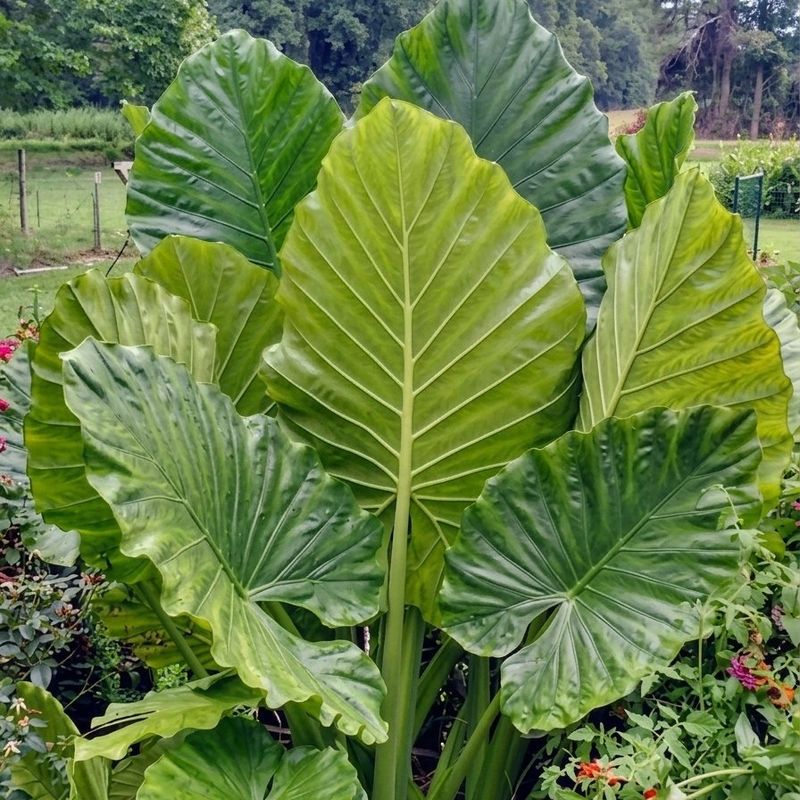
There is nothing subtle about elephant ear, and that is exactly the point.
These plants bring an unmistakably tropical drama to shaded areas beneath Florida’s large trees, with leaves that can grow to impressive sizes and create an almost jungle-like atmosphere in the right conditions.
For homeowners who want a bold statement in a low-light space, elephant ear delivers in a way that few other plants can match.
Several species fall under the common name elephant ear, including Colocasia esculenta and various Alocasia types. In Florida, Colocasia is among the most widely grown because it handles the state’s heat, humidity, and periods of moisture quite comfortably.
The leaves can reach two to four feet across on mature plants, creating striking focal points in shaded beds.
Elephant ear prefers consistently moist soil and does well in areas where water tends to collect, such as low spots beneath trees that funnel rainwater.
Mixing compost into the soil before planting improves moisture retention in Florida’s sandy conditions and gives the rhizomes a richer growing environment.
Mulching around the base helps maintain soil moisture between rain events.
In south and central Florida, elephant ear often persists year-round as a perennial. In north Florida, it may fade back in winter but typically returns from the rhizomes in spring.
Fertilizing a few times during the growing season with a balanced slow-release fertilizer encourages the largest, most impressive foliage and keeps plants looking their best through the warmer months.