Native North Carolina Plants That Add Color In Spring Without High Maintenance
Most people want the same thing from a spring garden: good color, less fuss, and plants that do not act dramatic every time the weather shifts.
In North Carolina, that can feel like a tall order when one week is warm and sunny and the next feels like somebody forgot to tell winter it was over. That is where native plants really start to shine.
They already know the rhythm of the place, which means they usually settle in with a lot less coaxing than fussier ornamentals.
You still get beautiful spring color, but without feeling like you signed up for a second job in the yard.
For busy homeowners, that is a pretty good bargain. Some native plants bring the kind of easy seasonal payoff that makes everything around them look more polished, and a few deserve far more attention than they usually get.
1. Wild Columbine With Nodding Spring Blooms
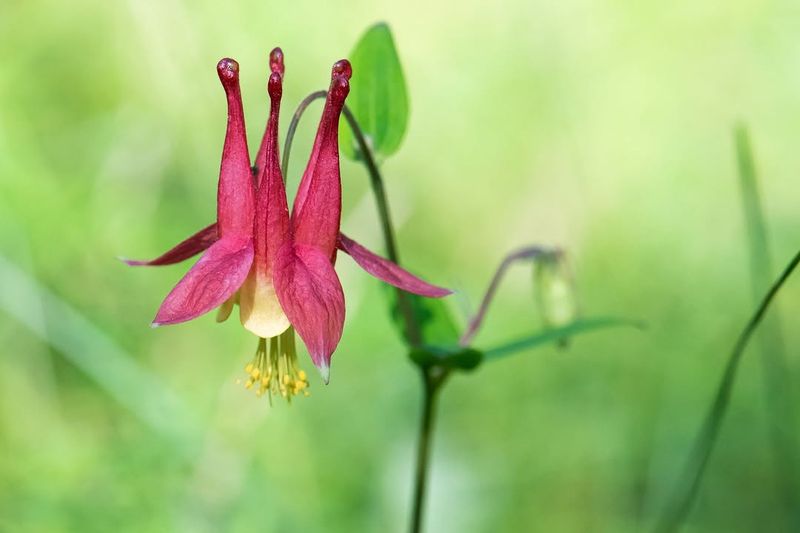
Few plants stop people in their tracks quite like Wild Columbine. With its bold red-and-yellow nodding flowers dangling like little lanterns from slender stems, this native perennial brings serious drama to any North Carolina garden without asking for much in return.
It typically blooms from March through May, making it one of the earliest showstoppers of the spring season. It is also native across much of eastern North America and adapts well to local conditions.
Wild Columbine, known scientifically as Aquilegia canadensis, grows best in partial shade with well-drained soil. It is perfectly suited to woodland edges, rock gardens, and shaded borders throughout North Carolina.
Once established, it needs very little watering and practically no fertilizing. It even self-seeds gently, meaning new plants pop up each year without any effort on your part.
One of the coolest things about this plant is how much hummingbirds love it. The long, spurred flowers are shaped perfectly for hummingbird beaks, so planting Wild Columbine near a window gives you a front-row seat to some incredible wildlife action.
Bees and butterflies also visit regularly, making your garden a buzzing, fluttering hub of activity. If you are looking for a low-effort plant that rewards you with color, wildlife visitors, and natural charm, Wild Columbine deserves a spot in your North Carolina spring garden without question.
2. Blue Star With Soft Sky-Blue Flowers
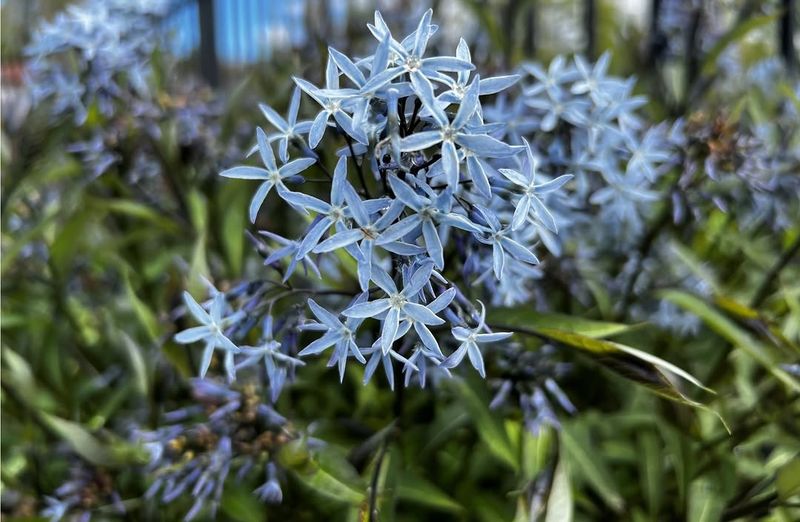
A quiet, understated charm sets this plant apart in the spring garden. Known botanically as Amsonia tabernaemontana, it produces clusters of soft, star-shaped blue flowers that seem to glow in the light.
It typically blooms in April and May throughout North Carolina, giving gardens a cool, calming color that pairs beautifully with warmer pinks and yellows. It is native to the eastern United States and well adapted.
Blue Star adapts well to a wide range of conditions, tolerating both full sun and partial shade. It grows best in average, well-drained soil and handles drought reasonably well once established.
Unlike many ornamental plants, Blue Star rarely needs staking, dividing, or heavy pruning. It simply grows, blooms, and looks good with very little interference from the gardener.
Your North Carolina Garden Changes Every Week. Your Plan Should Too.
Gardening in North Carolina changes quickly throughout the season. Every Friday you’ll receive a simple weekly plan showing exactly what to plant, prune, fertilize, harvest, and protect so you never miss the right timing.
What makes Blue Star even more exciting is its four-season appeal. After the blue spring flowers fade, the plant develops attractive narrow green leaves that create a lush, feathery backdrop for summer.
Then, in fall, those leaves turn a stunning golden yellow, giving you a second wave of visual interest without planting anything new. Deer tend to leave Blue Star alone, which is a huge bonus for North Carolina gardeners dealing with wildlife pressure.
If you want a plant that gives back more than you put in, Blue Star is an outstanding native choice that keeps surprising you all year long.
3. Carolina Spring Beauty A True Early Bloomer
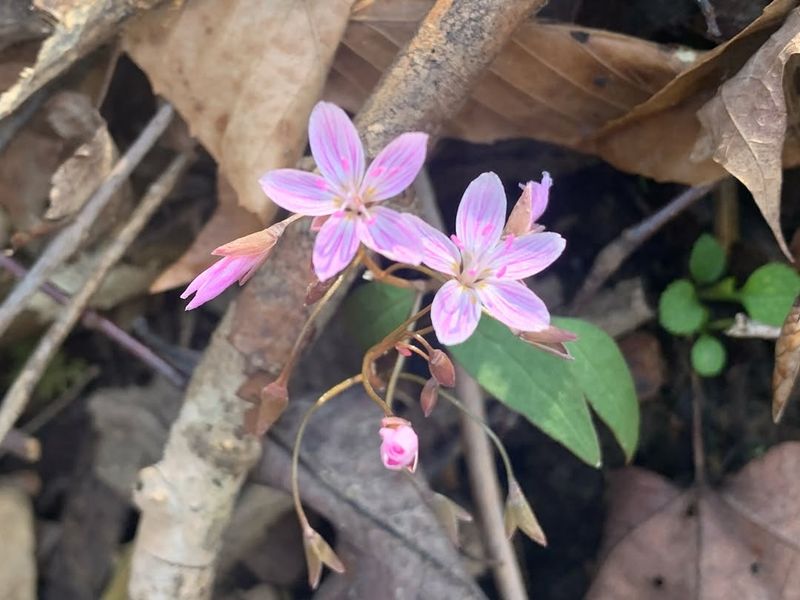
Carolina Spring Beauty is one of those wildflowers that feels like a secret handshake between nature lovers. Claytonia caroliniana pushes up through the soil in late winter and early spring, often while there is still a chill in the North Carolina air, producing dainty pale pink flowers with darker pink veins running through each petal.
The blooms are small but absolutely charming up close.
This plant is a true spring ephemeral, meaning it lives its entire above-ground life in just a few weeks. It blooms, sets seed, and then quietly goes dormant by late spring, disappearing underground until the following year.
Because of this, it works wonderfully when planted beneath deciduous trees or alongside other perennials that will fill in the space once the Spring Beauty fades away.
Carolina Spring Beauty grows best in moist, rich woodland soil with dappled shade, conditions that are easy to find in many North Carolina backyards. It spreads slowly by seed and small corms, forming gentle colonies over time without ever becoming a nuisance.
Pollinators, especially native bees emerging early in the season, absolutely flock to these flowers for their nectar and pollen. Planting Carolina Spring Beauty feels like giving your garden a little piece of the wild North Carolina forest floor, and once it settles in, it comes back faithfully every single year.
4. Wild Pink Bright And Full Of Spring Energy
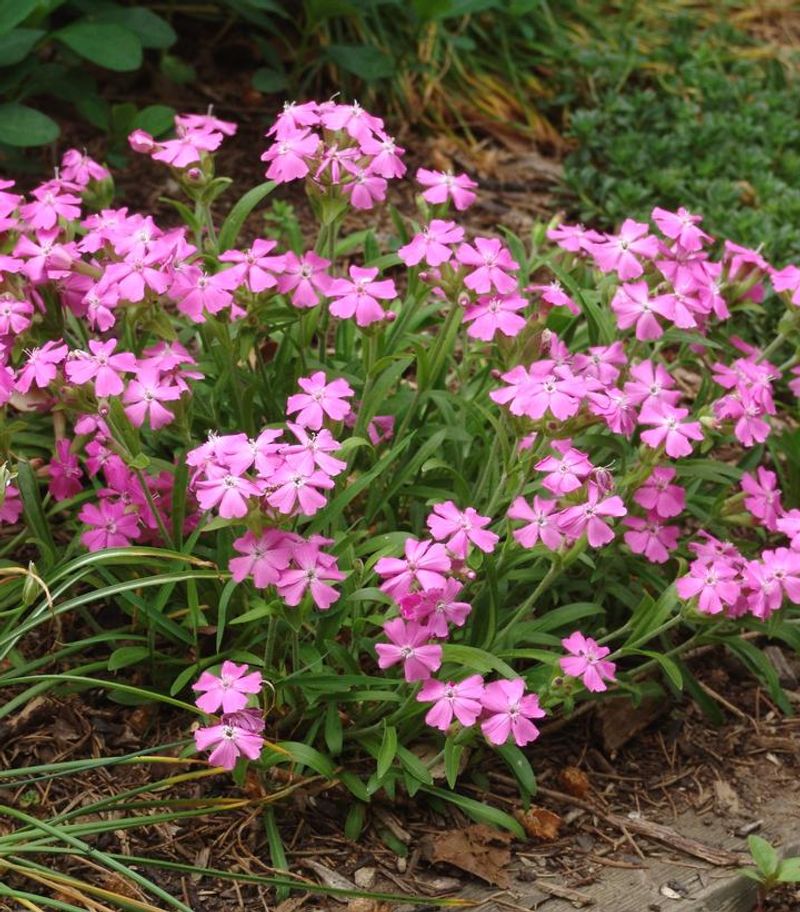
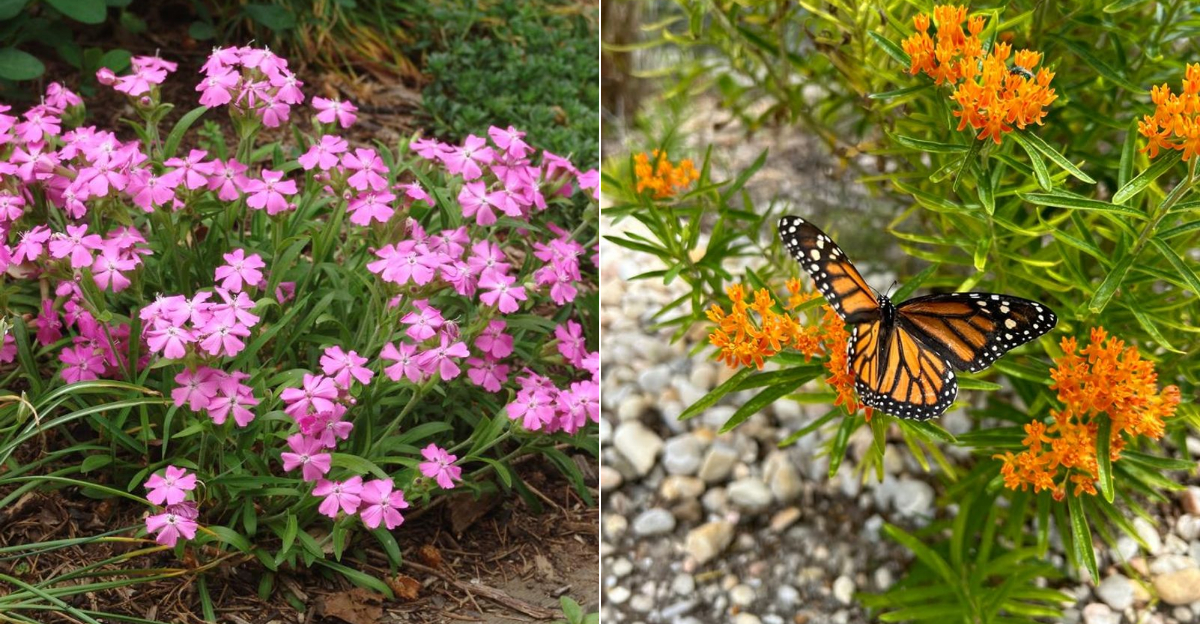
Bold, bright, and unapologetically cheerful, Wild Pink is the kind of plant that makes passersby stop and stare. Silene caroliniana, also known as Carolina Pink or Catchfly, produces clusters of vivid pink flowers with slightly fringed petals that bloom from April through June across North Carolina.
The color is intense and saturated, standing out even from a distance.
Wild Pink naturally grows in dry, rocky, or sandy soils in open woodlands and rocky outcrops throughout the Carolinas. That means it is perfectly adapted to tough garden spots where many other plants would struggle.
Give it full sun to partial shade and well-drained soil, and it will reward you with weeks of stunning color. Watering and fertilizing are rarely needed once the plant is established.
One fun detail about Wild Pink is how the stems and leaves are slightly sticky, which is how it earned the nickname Catchfly. Small insects sometimes get trapped on the surface, though the plant is not truly carnivorous.
Pollinators like butterflies and native bees visit the flowers frequently for nectar. Wild Pink stays relatively compact, making it an excellent choice for rock gardens, sloped areas, or the front edges of garden beds in North Carolina.
It is a plant with personality and presence, and it delivers that vivid spring color show without demanding anything complicated from the gardener who grows it.
5. Butterfly Weed Bold Color That Lasts
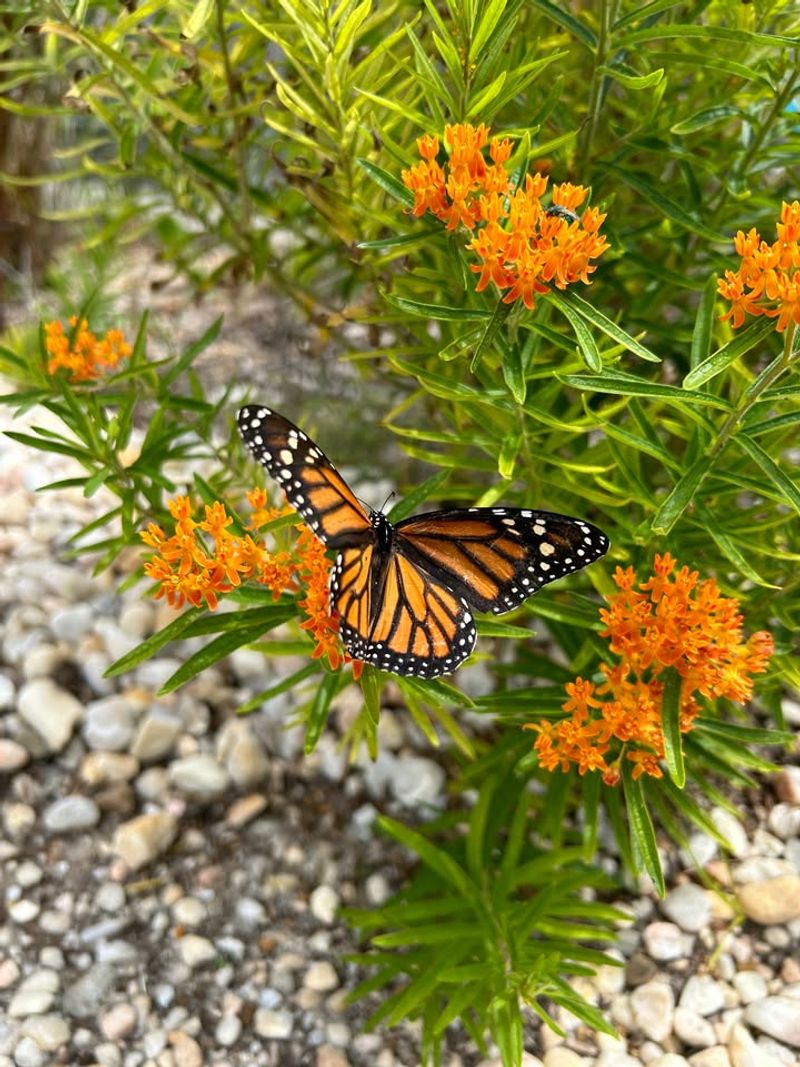
If your goal is to turn your North Carolina garden into a butterfly magnet, Butterfly Weed is your best ally. Asclepias tuberosa is a native milkweed that produces clusters of intensely vivid orange flowers from late spring into summer, creating one of the most eye-catching displays in any garden.
The color is almost electric, and it attracts monarchs, swallowtails, and many other butterfly species reliably every season. It is native to much of the eastern United States.
Unlike some milkweeds, Butterfly Weed does not spread aggressively or take over garden beds. It grows in clumps that stay tidy and manageable, reaching about one to two feet tall.
It thrives in full sun and dry to average, well-drained soil, making it ideal for North Carolina gardens that experience hot, dry summers. Once established, it is remarkably drought-tolerant and needs almost no supplemental watering.
Beyond butterflies, Butterfly Weed is also a critical host plant for monarch caterpillars, which depend on milkweed species to complete their life cycle. Planting it in your garden means you are actively supporting one of North America’s most beloved and threatened butterfly species.
The seed pods that form after flowering are also quite attractive, adding late-season interest to the garden. For North Carolina gardeners who want maximum wildlife impact with minimal effort, Butterfly Weed checks every single box and then some.
6. Woodland Phlox Lighting Up Shady Spots
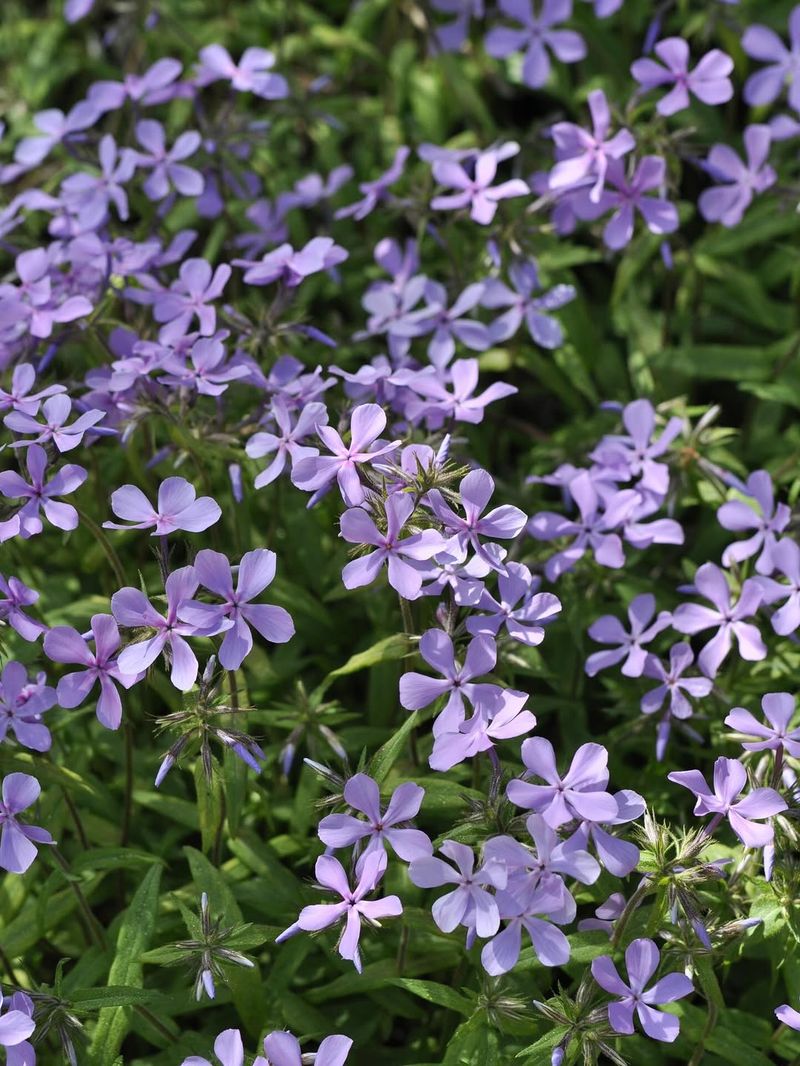
Walking through a North Carolina woodland in April and spotting a drift of Woodland Phlox in bloom is one of those simple, genuine pleasures that stays with you. Phlox divaricata, sometimes called Wild Blue Phlox, produces loose clusters of pale blue to lavender flowers that seem to float above the ground on slender stems.
The fragrance is light and sweet, making it a sensory treat as well as a visual one.
Woodland Phlox grows naturally in rich, moist soils under the shade of deciduous trees, which makes it a perfect fit for shaded garden beds or naturalized woodland areas in North Carolina. It spreads gently by runners to form soft, flowing colonies that fill in bare ground beautifully without becoming aggressive or invasive.
Very little pruning, watering, or fertilizing is needed to keep it looking its best.
Pollinators adore Woodland Phlox. Butterflies, hummingbird moths, and native bees all visit the flowers for nectar, turning a shaded corner of your garden into a lively little ecosystem.
The plant also pairs wonderfully with other spring natives like Wild Columbine and Carolina Spring Beauty, creating layered, naturalistic planting combinations that look effortless. For North Carolina gardeners working with shady spots that feel bare and uninspiring every spring, Woodland Phlox is a genuinely transformative plant that brings color, life, and fragrance to places that really need it.
7. Marsh Milkweed Loved By Pollinators
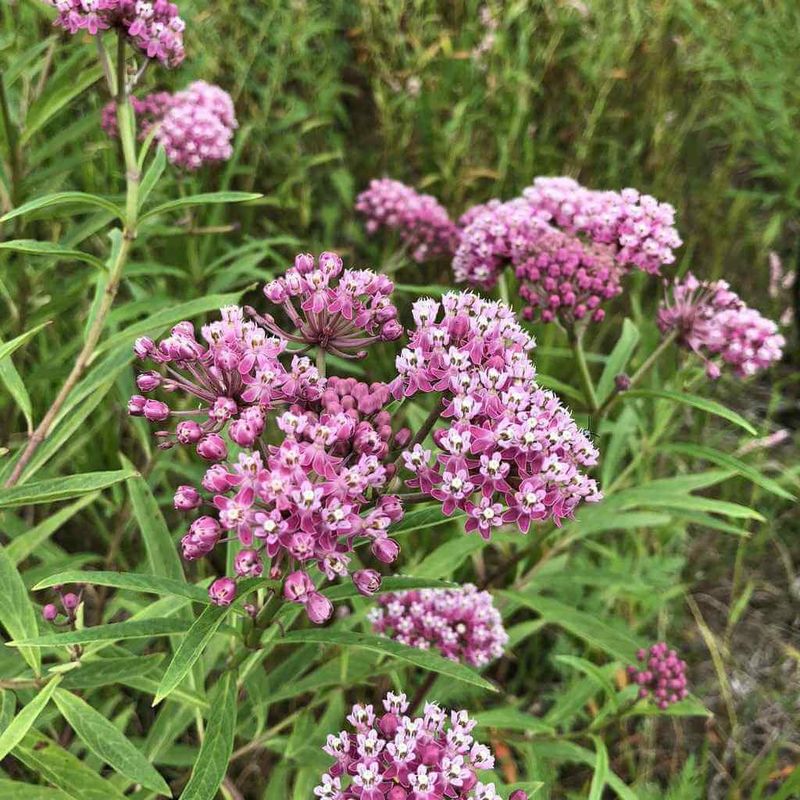
Most people think of milkweeds as dry-land plants, but Marsh Milkweed flips that assumption completely. Asclepias incarnata thrives in moist to wet soils and even tolerates standing water for short periods, making it the perfect native plant for rain gardens, pond edges, and low-lying areas of North Carolina yards that tend to stay soggy after rain.
Its rosy-pink flower clusters bloom from late spring through midsummer and are absolutely stunning.
Growing up to four feet tall, Marsh Milkweed has an upright, bold presence that works well in the back of garden borders or as a naturalistic planting along water features. Despite its impressive size, it is not a fussy plant.
Once established in a moist location, it needs no supplemental watering and very little attention beyond cutting back old stems in late fall or early spring.
Like its cousin Butterfly Weed, Marsh Milkweed is a vital host plant for monarch butterflies, and its flowers attract an extraordinary variety of pollinators including bees, wasps, and multiple butterfly species. The seed pods that develop after flowering split open dramatically in fall, releasing silky-tufted seeds that drift on the breeze.
For North Carolina gardeners dealing with wet, problematic areas that feel impossible to plant, Marsh Milkweed is a genuine game-changer that transforms a garden challenge into one of the most wildlife-friendly spots in the entire yard.
8. Creeping Phlox Spilling Over With Color
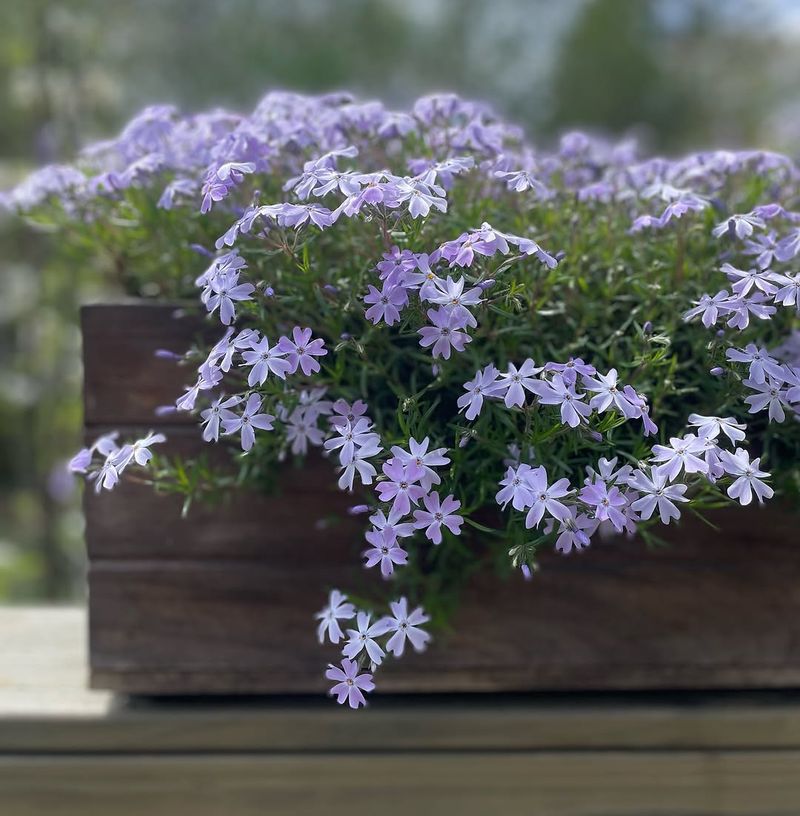
Creeping Phlox might just be the most satisfying plant a North Carolina gardener can grow. When spring arrives, this low-growing ground cover transforms completely, smothering itself in a thick blanket of flowers in shades of pink, purple, white, or red.
The display is so dense and colorful that the green foliage beneath practically disappears, leaving nothing but a stunning floral carpet for several weeks.
Phlox stolonifera, another plant commonly called Creeping Phlox, is tough and adaptable in the right North Carolina setting. It grows well in full sun with dry to average, well-drained soil, making it ideal for slopes, rock walls, borders, and any spot in North Carolina where erosion is a concern.
After blooming, the evergreen foliage stays attractive through fall and winter, giving the garden structure and color even in the colder months.
Maintenance for Creeping Phlox is about as minimal as it gets. A light shearing after the blooms fade encourages a compact, tidy shape and sometimes triggers a modest second flush of flowers later in the season.
Watering is rarely necessary once the plant is established. Pollinators, especially early-season bees, visit the flowers enthusiastically.
For North Carolina homeowners who want a plant that looks spectacular in spring, stays presentable year-round, and asks for almost nothing in return, Creeping Phlox is the ultimate low-maintenance garden overachiever that never lets you down.