8 Dwarf Sunflower Varieties Perfect For Compact Pennsylvania Gardens
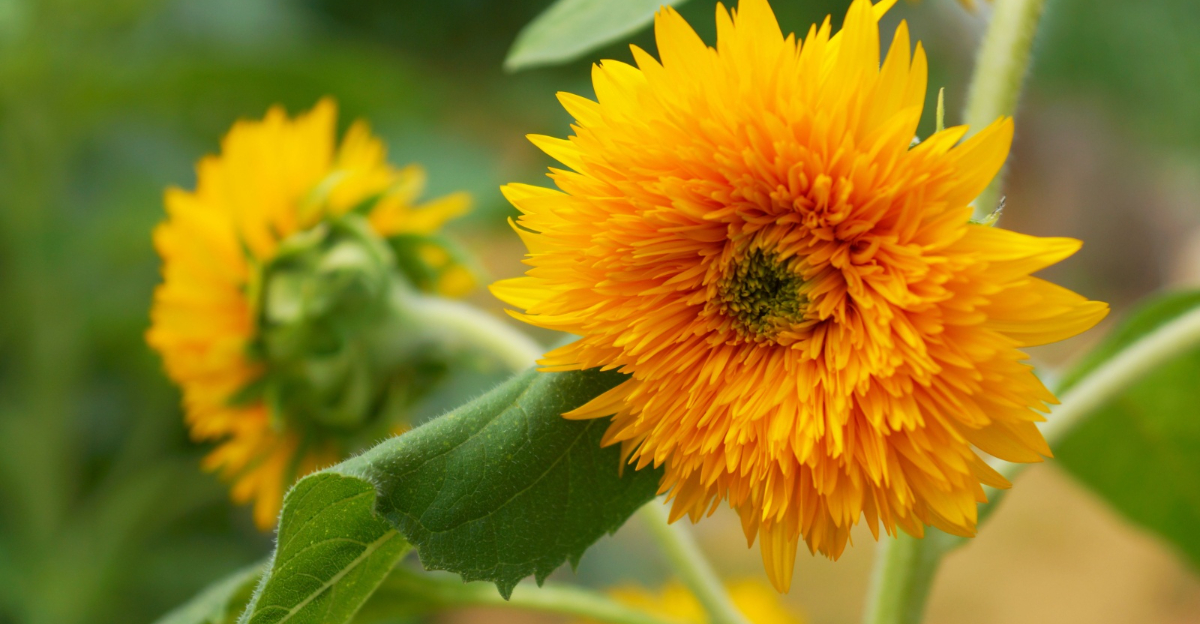
Think you need a big yard to grow sunflowers? Dwarf varieties prove otherwise.
In Pennsylvania, where many gardeners work with patios, raised beds, or compact spaces, these smaller sunflowers fit right in without feeling crowded.
They bring the same bold color and cheerful look as taller types, just in a more manageable size.
With the state’s warm summers and varied garden setups, dwarf sunflowers are a natural match for small-space growing.
Whether you’re working with a tight backyard or a sunny corner on a patio, these compact bloomers can add vibrant energy without overwhelming your space.
1. Sunspot Brings A Classic Look In A Compact Size
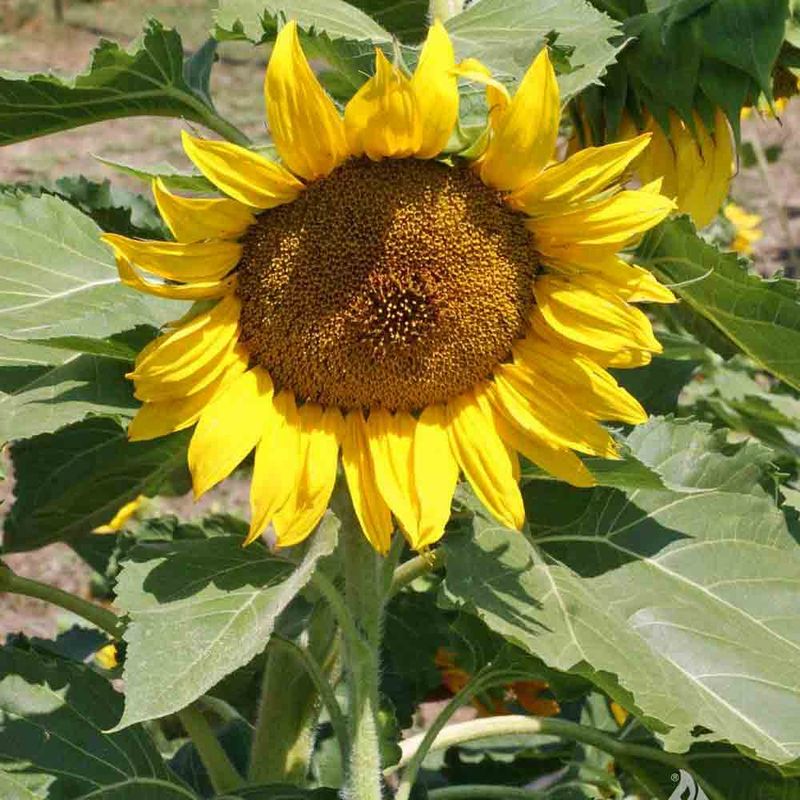
Big flowers on a small plant sounds like a contradiction, but Sunspot pulls it off with ease. This variety produces blooms that can reach up to 10 inches across while the plant itself stays between 18 and 24 inches tall.
For Pennsylvania gardeners who want that classic, wide-open sunflower look without the towering 6-foot stalk, Sunspot is a reliable go-to.
The blooms feature the familiar bright yellow petals surrounding a rich brown center, making them instantly recognizable and visually striking.
Because the flowers are so large relative to the plant’s height, Sunspot creates a bold statement in garden beds, borders, or even large containers placed near a sunny Pennsylvania porch or fence line.
Sunspot is a single-stemmed variety, meaning each plant typically produces one main bloom rather than branching out into multiple flowers. That makes spacing and planning a little more straightforward.
Sow seeds about 12 inches apart after the last frost date in your part of Pennsylvania, which usually falls between late April and mid-May depending on your county.
Full sun is non-negotiable for this variety. Six to eight hours of direct sunlight daily supports the best bloom development.
Keep soil evenly moist but not waterlogged, especially during hot Pennsylvania summers when container soil can dry out faster than expected. A layer of mulch helps retain moisture in garden beds.
2. Teddy Bear Adds Soft Texture With Fluffy Golden Blooms
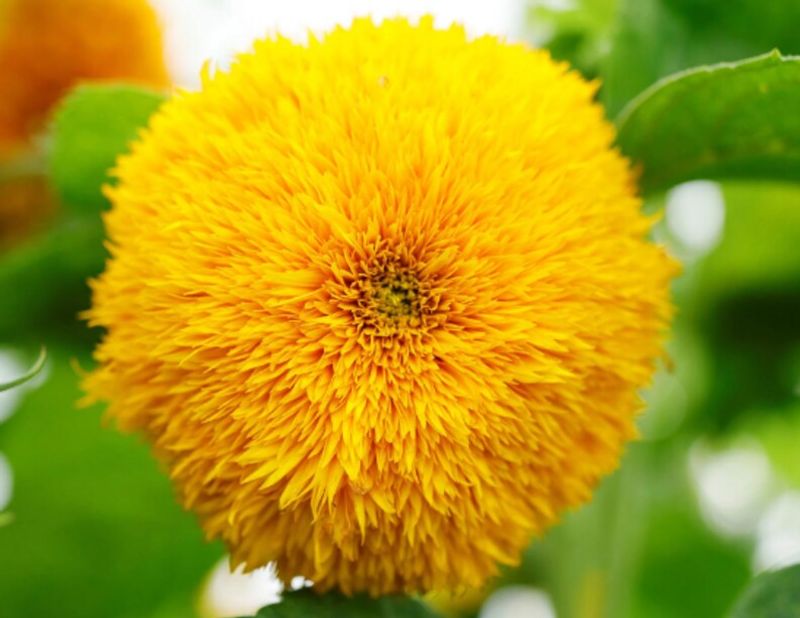
Some flowers stop you in your tracks, and the Teddy Bear sunflower is one of them. With its thick, fully double blooms packed with soft golden-yellow petals, it looks more like a decorative pom-pom than a traditional sunflower.
Growing to roughly 24 inches tall, it fits comfortably in containers, raised beds, and small border plantings across Pennsylvania.
What makes this variety stand out is its texture. Most sunflowers have a flat, open face, but the Teddy Bear layers petal upon petal to create something almost sculptural.
Gardeners in Pennsylvania often use it as a focal point in container arrangements on patios or decks where bold visuals matter most.
Plant seeds directly in the ground or in containers after Pennsylvania’s last frost, typically around mid-May in most regions. Choose a spot with at least 6 hours of direct sun daily.
Well-draining soil and consistent moisture help the plants develop strong stems that hold up those heavy blooms without flopping over.
Spacing plants about 12 inches apart gives each one enough room to branch and fill out naturally. Deadheading spent blooms can encourage additional flowering throughout the summer.
Your Pennsylvania Garden Changes Every Week. Your Plan Should Too.
Gardening in Pennsylvania changes quickly throughout the season. Every Friday you’ll receive a simple weekly plan showing exactly what to plant, prune, fertilize, harvest, and protect so you never miss the right timing.
For container growing, a pot at least 12 inches deep works well to support healthy root development and steady growth through the warm Pennsylvania months.
3. Little Becka Adds Warm Red And Gold Tones To Small Spaces
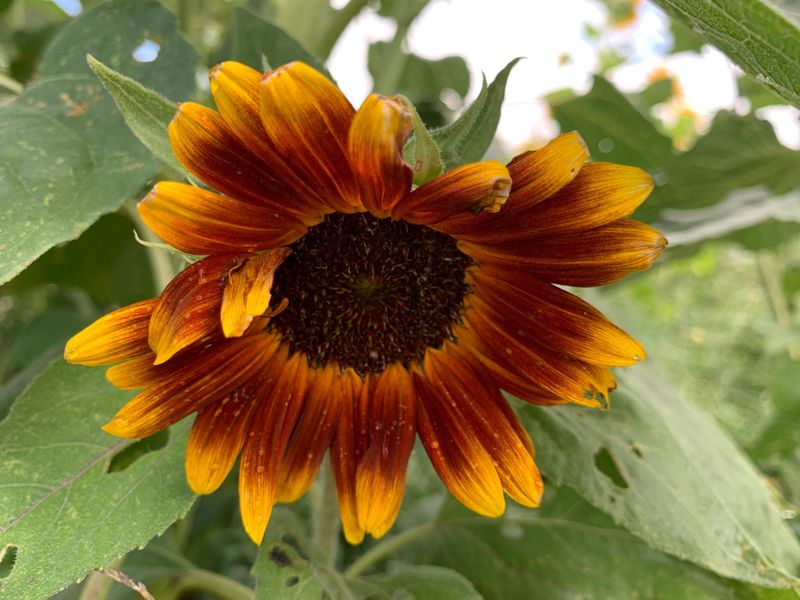
Not every sunflower needs to be yellow, and Little Becka proves that beautifully.
This eye-catching bi-colored variety features petals that shift from a deep red-orange near the center out to warm golden-yellow tips, creating a sunset-like effect that stands apart from most other compact sunflowers.
It is a branching variety, meaning one plant can produce multiple blooms over the course of the season.
For Pennsylvania gardeners working with raised beds, small borders, or mixed container plantings, Little Becka brings a level of color complexity that yellow-only varieties simply cannot match.
The warm tones pair naturally with late-summer perennials and ornamental grasses, making it a useful plant for adding depth to compact garden designs.
Plants typically reach 36 to 48 inches in height, which sits on the taller end of dwarf varieties but still works well in most small Pennsylvania garden spaces.
Direct sow seeds after the last frost or start them indoors about two to three weeks early to extend the growing season in cooler parts of the state like the Poconos or north-central Pennsylvania.
Little Becka thrives in full sun and well-draining soil. Water regularly during dry spells, as Pennsylvania summers can swing between wet stretches and dry periods.
Because it branches and produces multiple blooms, removing faded flowers encourages the plant to keep pushing out new buds through late summer and into early fall.
4. Elf Stays Small While Producing Multiple Bright Blooms
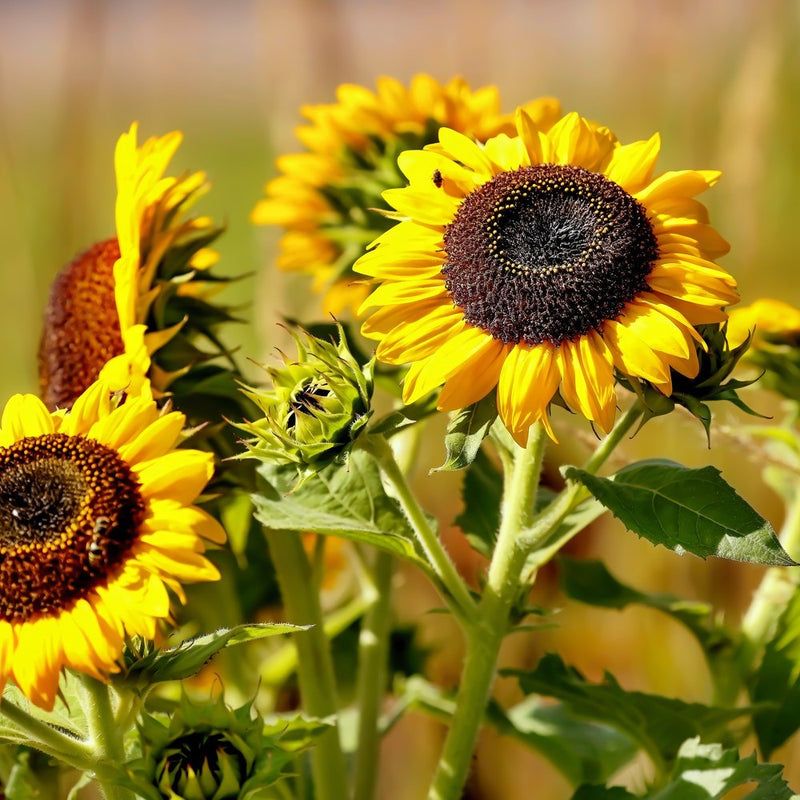
At just 16 inches tall, Elf is one of the most compact sunflower varieties available, and it earns its place in small Pennsylvania gardens by packing a surprising amount of floral energy into a tiny frame.
The blooms are classic bright yellow with dark centers, cheerful and straightforward in the best possible way.
What makes Elf especially useful is its branching habit, which means multiple flowers can appear on a single plant throughout the season.
Container gardeners in Pennsylvania will find Elf especially practical. Because of its short stature, it fits into 10 to 12 inch pots without overwhelming the space.
Place containers on a sunny balcony, deck railing area, or front step where the plant gets at least 6 hours of direct sun each day. Pennsylvania’s warm summers from June through August give Elf plenty of time to bloom consistently.
Plant seeds directly after the last frost or start them indoors a few weeks early for a head start. Elf does not require staking, which simplifies maintenance considerably.
The short stems are sturdy enough to handle mild Pennsylvania summer winds without bending or breaking.
Keep soil evenly moist and avoid letting containers dry out completely between waterings. A balanced, slow-release fertilizer applied at planting time can support steady growth and consistent blooming.
Removing spent flowers regularly encourages the plant to redirect energy into producing fresh buds rather than setting seed too early in the season.
5. Pacino Fills Containers With Dense Yellow Flowers
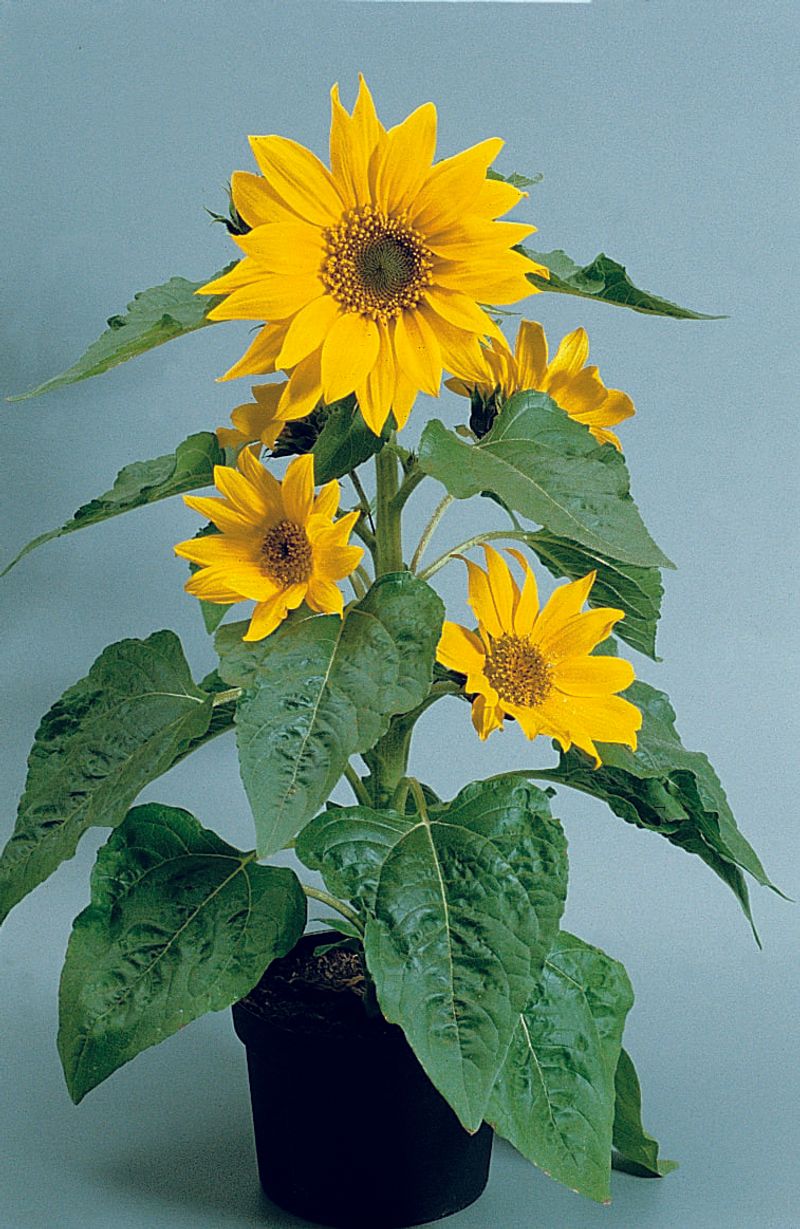
Container gardening has become increasingly popular across Pennsylvania, especially in urban neighborhoods where outdoor space is limited to a balcony or small patio. Pacino was practically bred for this lifestyle.
It is a branching dwarf variety that produces multiple golden-yellow blooms per plant, growing to about 12 to 16 inches tall and spreading out in a full, bushy shape that fills a container beautifully.
The flowers have a classic sunflower look with bright yellow petals and a slightly darker yellow center, giving them a warm, cohesive appearance that works well in mixed container arrangements.
Pacino pairs well with trailing annuals like lobularia or calibrachoa for a layered container design that looks intentional and polished on a Pennsylvania deck or porch.
One of the practical advantages of Pacino is its compact root system, which allows it to thrive in containers as small as 10 to 12 inches in diameter.
Use a high-quality potting mix with good drainage, and make sure containers have drainage holes to prevent waterlogging during Pennsylvania’s occasional heavy summer rain events.
Full sun is essential, so choose a container placement that gets 6 to 8 hours of direct sunlight daily. Water consistently, checking soil moisture every day or two during hot stretches.
Fertilizing every two to three weeks with a balanced liquid fertilizer supports the plant’s branching habit and keeps blooms coming from early summer through late August in most parts of Pennsylvania.
6. Big Smile Delivers Early Color In A Tiny Plant
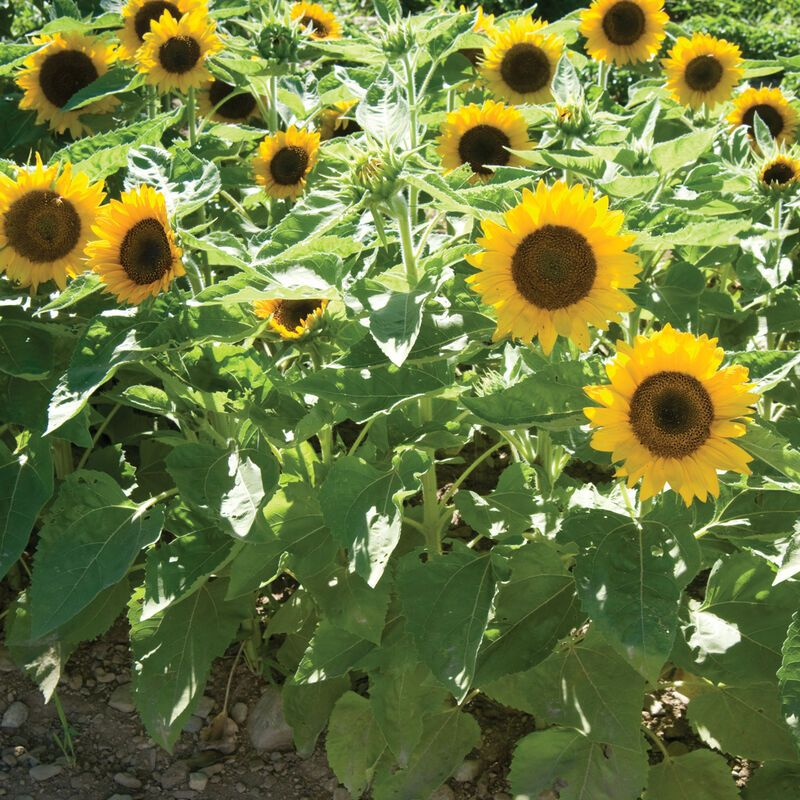
For gardeners who get impatient waiting for summer color to arrive, Big Smile is a welcome solution.
This compact variety blooms earlier than many other dwarf sunflowers, bringing cheerful yellow flowers to Pennsylvania gardens while other plants are still warming up.
The blooms feature classic bright yellow petals surrounding a dark brown center, and the plant stays between 10 and 14 inches tall, making it one of the shorter options in this group.
Big Smile works especially well along the front edges of garden borders, in window boxes, or tucked into small containers on a Pennsylvania porch railing.
Its low height means it will not block other plants behind it, and its early blooming habit makes it useful for filling color gaps in the early summer garden calendar.
Direct sow seeds after the last frost date for your area of Pennsylvania, which typically falls in late April to mid-May. Seeds germinate quickly in warm soil, often within 7 to 10 days.
Choose a location with full sun and well-draining soil for the best results. Big Smile handles the heat of Pennsylvania summers reasonably well as long as it receives consistent moisture.
Because the plant is single-stemmed, each one produces a primary bloom that commands attention. Planting several seeds a few inches apart and thinning to about 6 to 9 inches creates a dense, colorful cluster effect that reads as a fuller planting.
This approach works especially well in narrow Pennsylvania garden strips alongside walkways or driveways.
7. Sundance Kid Stands Out With Double Yellow Blooms
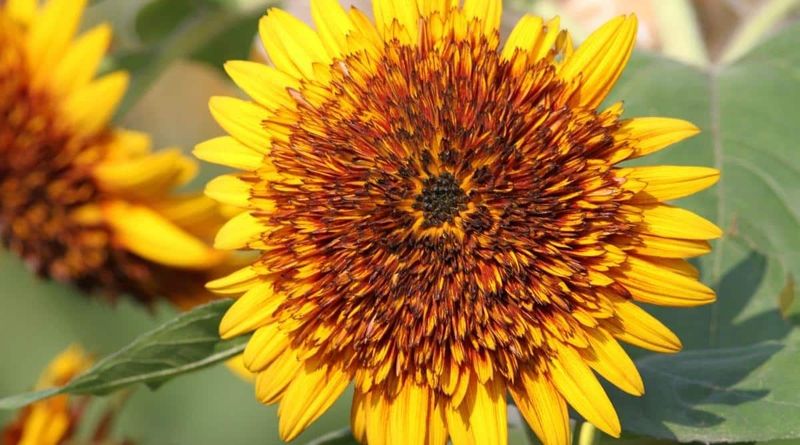
Named with some personality to match its looks, Sundance Kid is a double-flowered dwarf sunflower that brings extra visual weight to small garden spaces.
The blooms feature multiple layers of golden-yellow petals, giving them a fuller, more elaborate appearance than standard single-petaled varieties.
Plants typically grow to about 20 to 24 inches tall, which keeps them manageable in most compact Pennsylvania garden settings.
The double bloom structure gives Sundance Kid a slightly more formal appearance compared to the casual, open face of a traditional sunflower.
That quality makes it a natural fit for container arrangements on Pennsylvania patios where gardeners want something that looks a little more decorative.
It also works well in small cutting gardens since the stems are sturdy and the blooms hold up reasonably well in arrangements.
Plant seeds after the last frost, aiming for a sunny location with well-draining soil. Sundance Kid responds well to consistent moisture, especially during the warmest weeks of Pennsylvania’s summer.
Avoid overhead watering when possible, as wet petals on double-flowered varieties can sometimes lead to fungal issues during humid Pennsylvania summers.
Spacing plants about 12 inches apart gives each one adequate airflow and room to develop without crowding. A single application of balanced granular fertilizer at planting time is usually enough to support healthy growth.
Because this variety branches modestly, removing spent blooms can extend the overall flowering period and keep the plant looking tidy throughout the season.
8. Firecracker Adds Bold Color To Compact Garden Spaces
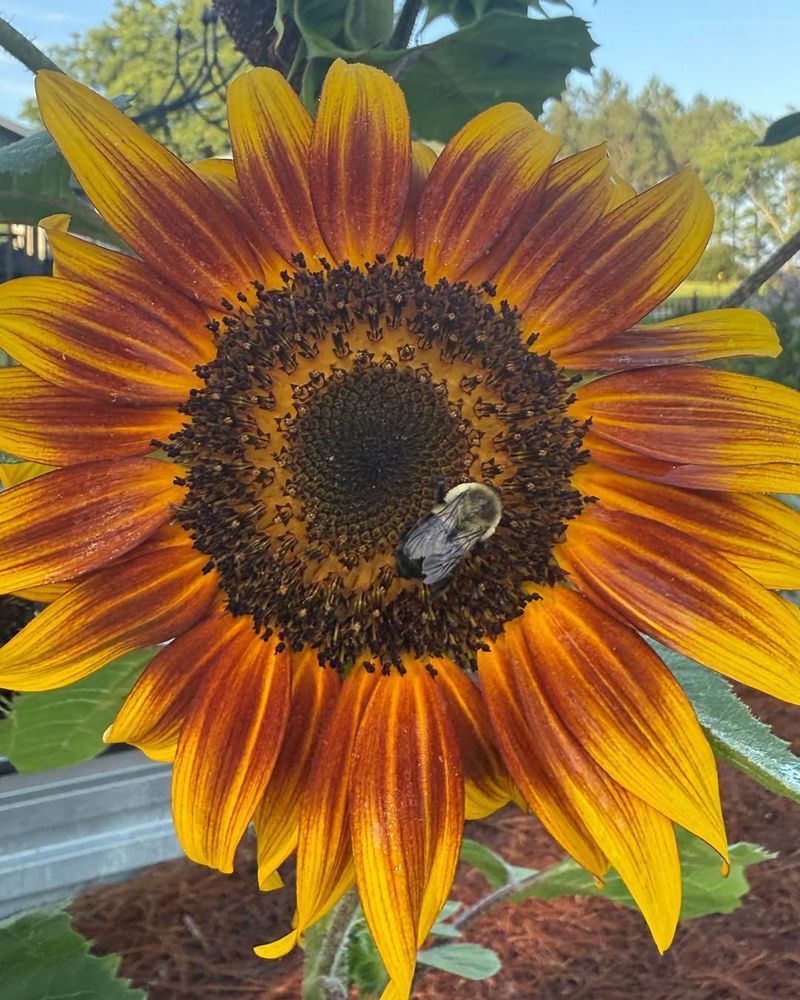
Few compact sunflowers command attention quite like Firecracker.
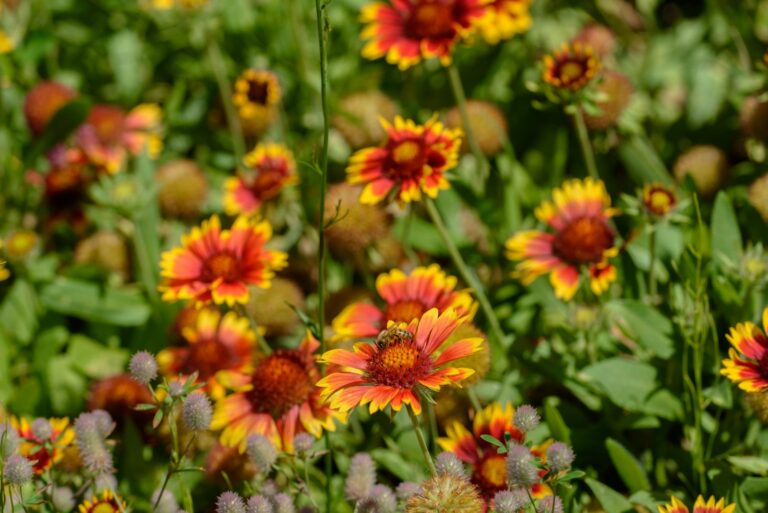
With petals that shift through shades of red, orange, and yellow, this bi-colored variety brings a level of warmth and energy to small garden spaces that solid-yellow sunflowers simply cannot replicate.
It is a branching type, so one plant can produce a steady stream of blooms from midsummer through early fall across most of Pennsylvania.
Pennsylvania gardeners who grow Firecracker often use it in raised beds, small mixed borders, or large containers where its vivid coloring can be appreciated up close.
The plant typically reaches 24 to 36 inches in height, which gives it enough presence to serve as a mid-border accent without overwhelming surrounding plants or taking up too much horizontal space.
Start seeds outdoors after the final frost date in your Pennsylvania region, or begin them indoors about two to three weeks early for an extended bloom window. Firecracker thrives in full sun and well-draining, moderately fertile soil.
Overly rich soil can sometimes push the plant toward leafy growth at the expense of flower production, so avoid heavy fertilization unless the soil is notably poor.
Water deeply but infrequently to encourage roots to reach down rather than staying near the surface. During dry stretches in a Pennsylvania summer, check container-grown plants daily since they lose moisture faster than ground plantings.
Removing faded blooms regularly keeps the plant producing new flowers and maintains a tidy, colorful appearance well into the season.