Why You Should Grow Eastern Red Cedar Along Your Fence In Ohio For Year-Round Privacy
A backyard can feel a lot more open than expected once the leaves drop or a new house goes up next door.
Many Ohio homeowners try to solve that with a fence, only to realize it does not provide the full sense of privacy they had in mind.
That is where the right planting choice can make a big difference. Eastern Red Cedar, a native evergreen, grows well along fence lines and keeps its dense green coverage through every season, even during Ohio winters.
With its ability to handle local soil conditions and provide long-term screening, it offers a natural way to create a more private and comfortable outdoor space.
1. Eastern Red Cedar Provides Year Round Evergreen Screening
Walk through almost any Ohio neighborhood in January and you will notice how bare most yards look once the leaves have fallen.
Deciduous trees and shrubs that looked lush in July suddenly offer zero screening, leaving fences and property lines fully exposed to neighbors and passersby.
Eastern Red Cedar does not have that problem.
Unlike maples, oaks, or ornamental grasses, Eastern Red Cedar holds onto its dense, scale-like foliage through every season.
The deep green to blue-green color stays visible through snow, ice, and Ohio’s long gray winters, giving your fence line a living wall that never goes bare.
Homeowners who plant a row of these trees often notice how dramatically different their yard feels within just a few growing seasons.
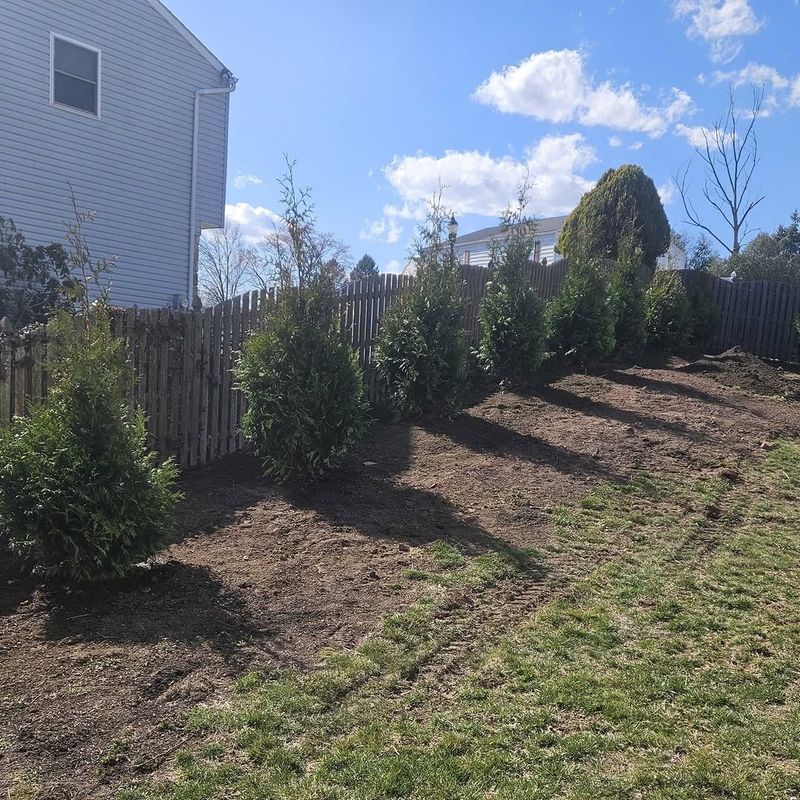
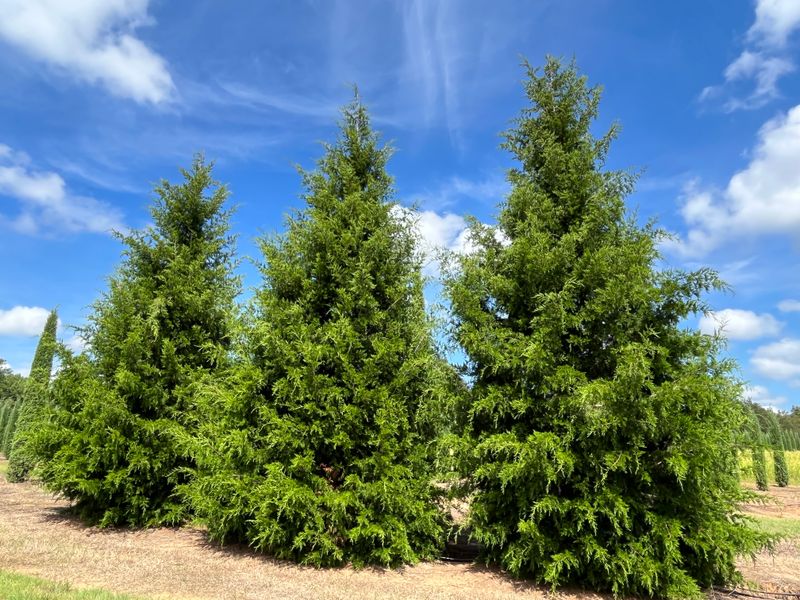
The tree’s conical or columnar shape works especially well along fence lines because it grows upward without spreading too far sideways in its early years. As the trees mature, their canopies fill in and connect, creating a continuous green screen.
For Ohio properties that face busy roads, noisy neighbors, or open fields, that unbroken wall of foliage provides both visual privacy and a sense of calm that no wooden fence can replicate.
Starting with young trees spaced thoughtfully gives you a natural screen that only improves with age.
2. Dense Growth Habit Creates Effective Natural Privacy
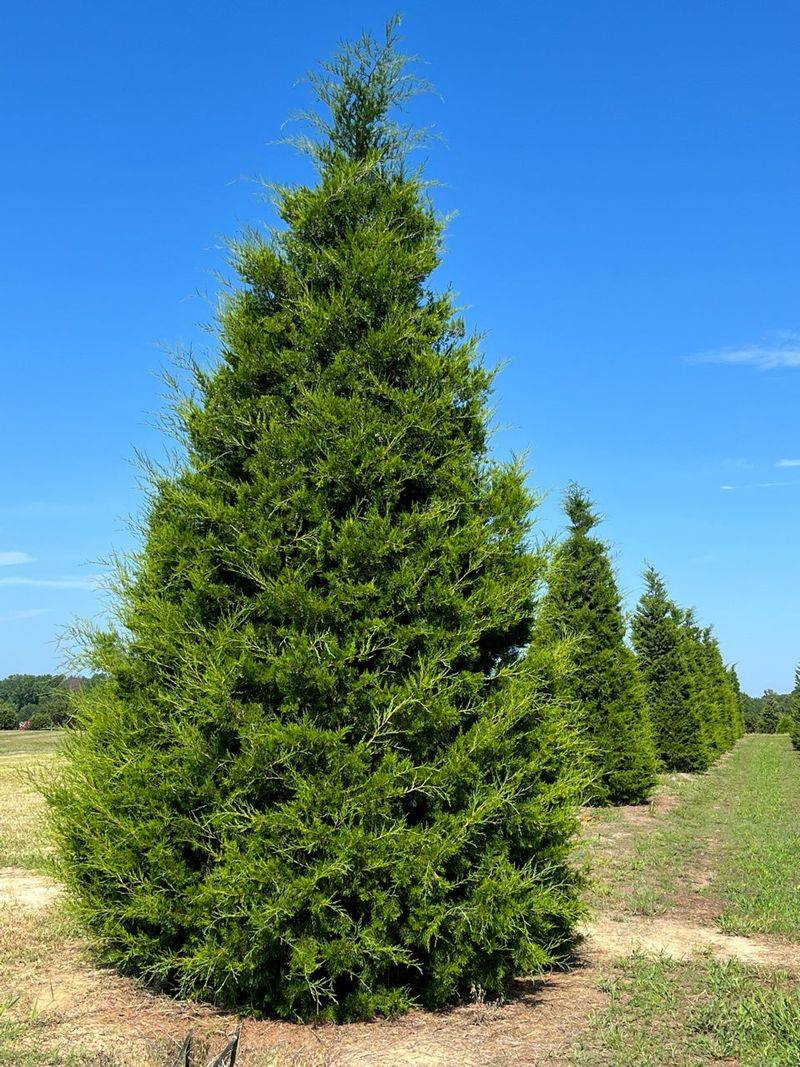
Some trees look full from a distance but reveal gaps and thin spots once you get close. Eastern Red Cedar is not one of them.
Its branching structure starts near the base of the trunk and works its way upward in tight, overlapping layers, producing a density that few other native trees can match along a fence line.
From the ground up, the foliage of a healthy Eastern Red Cedar fills in so thoroughly that light barely passes through, which is exactly what you want when screening a yard.
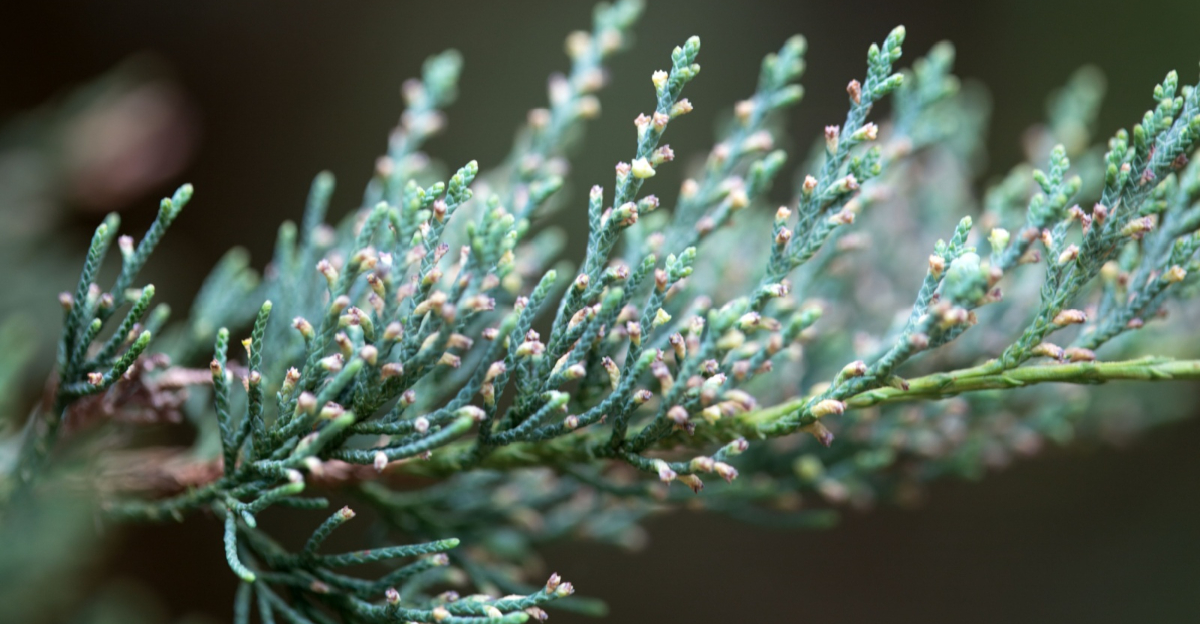
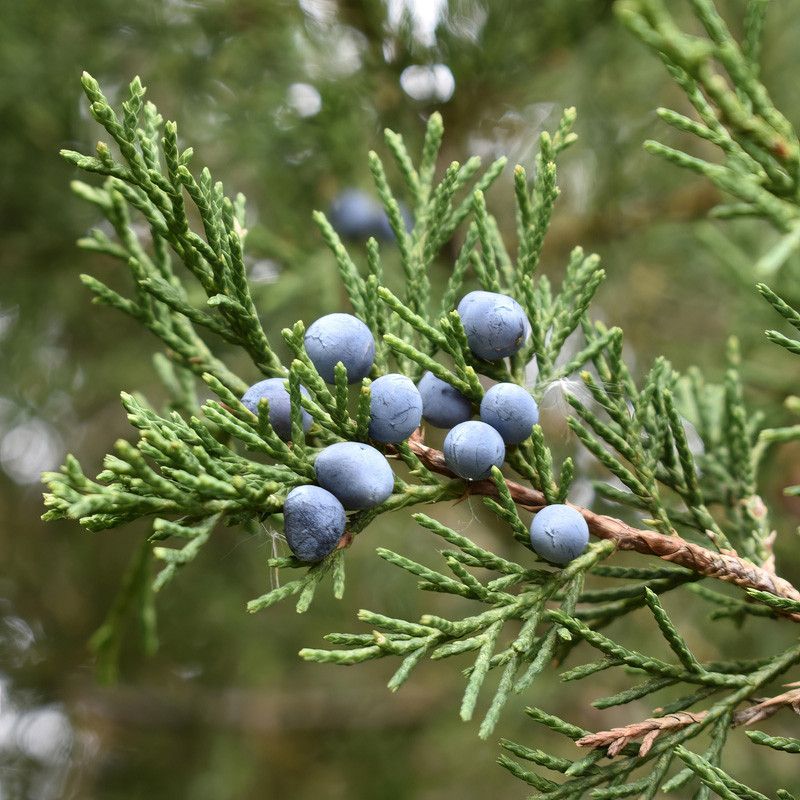
The branches hold small, berry-like cones and tightly packed scale-like leaves that weave together over time into a near-solid wall of greenery.
That structural thickness is what separates it from looser shrubs or ornamental trees that offer partial coverage at best.
In Ohio landscapes, this growth habit matters because properties often sit close together, and fence-line plantings need to work hard.
A single row of Eastern Red Cedars planted at appropriate spacing can transform an open, exposed yard into a genuinely private outdoor space within several years.
Your Ohio Garden Changes Every Week. Your Plan Should Too.
Gardening in Ohio changes quickly throughout the season. Every Friday you’ll receive a simple weekly plan showing exactly what to plant, prune, fertilize, harvest, and protect so you never miss the right timing.
The trees grow at a moderate rate, typically adding one to two feet per year under good conditions, so patience pays off. Over time, the visual result is a natural, layered privacy screen that looks far more inviting than any solid panel fence.
3. Native Adaptation Helps It Thrive In Ohio Conditions
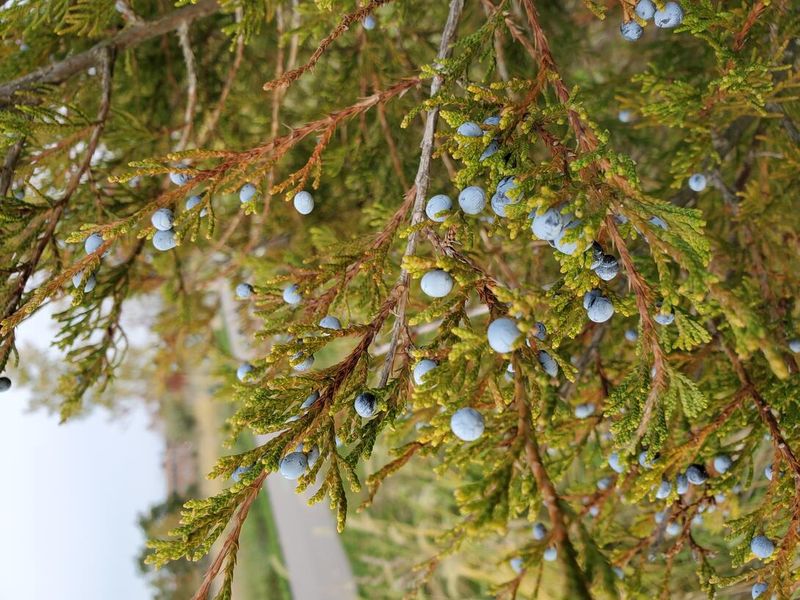
Ohio’s climate throws a lot at landscape plants. Summers can be hot and humid, winters can bring heavy snow and ice, and spring often arrives with unpredictable freezes that catch non-native plants off guard.
Eastern Red Cedar has spent thousands of years adapting to exactly these conditions, which gives it a significant advantage over many imported evergreens.
Found naturally across Ohio’s roadsides, old fields, and woodland edges, this tree is as native as it gets.
It evolved alongside Ohio’s soils, insects, and seasonal rhythms, which means it does not need coaxing, special fertilizers, or extra watering once it settles in.
Gardeners who have struggled to keep non-native arborvitae or Leyland cypress alive through Ohio’s harsh winters often find Eastern Red Cedar a refreshing and reliable change.
The tree handles Ohio’s USDA hardiness zones, which range from zone 5 in the northern part of the state to zone 6 in the south, without difficulty. It tolerates late spring frosts and summer dry spells with equal resilience.
Because it evolved in this region, it also supports local wildlife and fits naturally into the broader Ohio ecosystem.
Choosing a plant that belongs here, rather than one that merely survives here, means fewer problems, stronger growth, and a landscape that feels genuinely at home in Ohio’s ever-changing seasons.
4. Tolerates Poor Soil And Dry Conditions Along Fence Lines
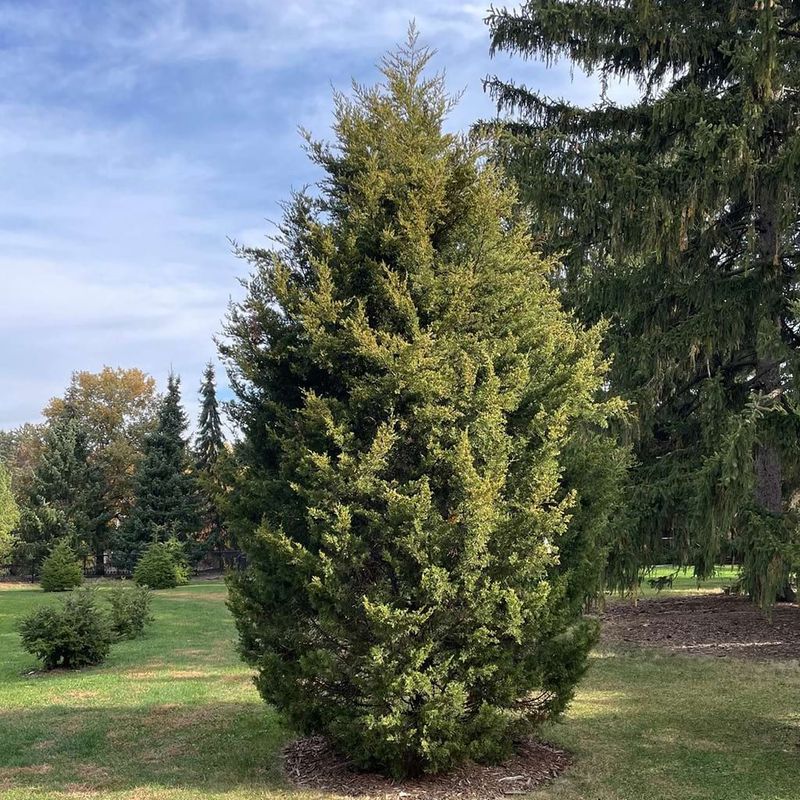
Fence lines are notoriously tough spots to grow plants. The soil along a property boundary is often compacted from foot traffic, depleted from years of neglect, or filled with construction debris left behind from when the fence was originally installed.
Most ornamental trees struggle in these conditions, but Eastern Red Cedar handles them with ease.
Rocky soil, sandy soil, heavy clay – Eastern Red Cedar grows in all of them across Ohio. It has a deep and spreading root system that seeks out moisture even when surface soil is dry and cracked.
During Ohio’s summer dry spells, when other plants wilt and drop leaves, established Eastern Red Cedars continue growing without missing a beat.
That drought tolerance is especially valuable along sunny, south-facing fence lines where soil dries out quickly.
The tree also tolerates slightly alkaline and slightly acidic soils, which covers most of the pH range found across Ohio’s diverse landscape.
It does not require rich, amended soil to perform well, and heavy fertilization is generally unnecessary once the tree is established.
This low-demand nature makes it an excellent choice for homeowners who want a privacy screen that does not require constant soil improvement or irrigation.
Planting along a neglected fence line becomes far less stressful when the tree you choose is built to handle tough spots with minimal intervention.
5. Supports Birds With Shelter And Winter Food
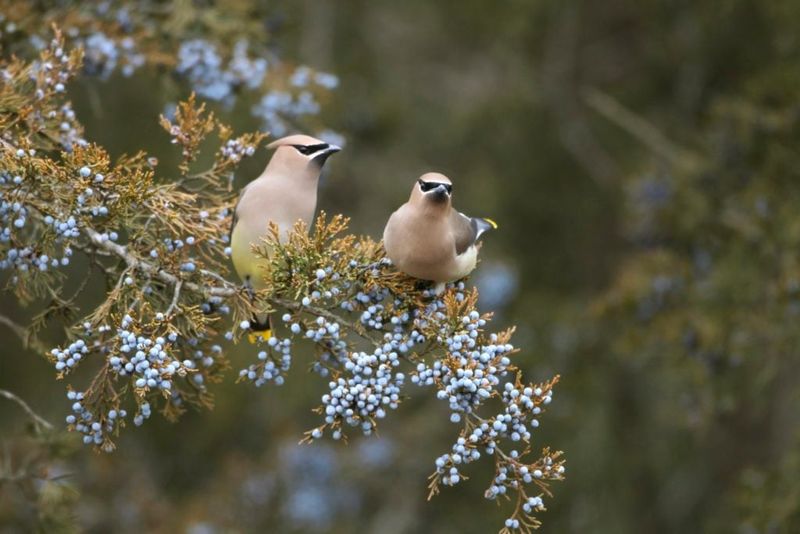
Few things make a backyard feel more alive than birds moving through the trees in the middle of February.
When most Ohio landscapes look bare and quiet, a row of Eastern Red Cedars along the fence becomes a hub of activity, drawing in species that rely on the tree for both food and shelter during the coldest months.
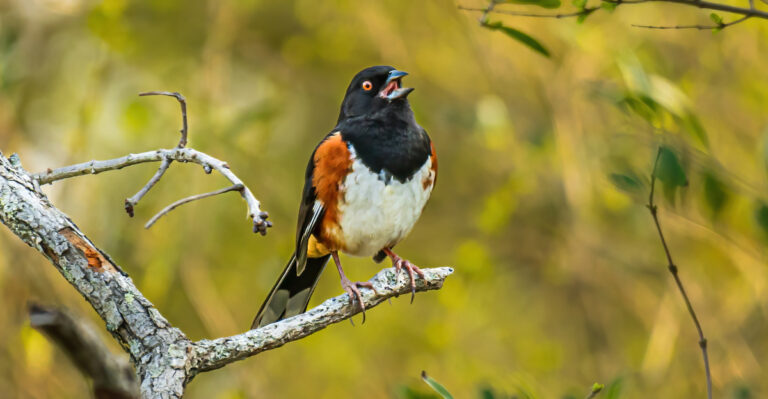
The small, waxy, blue-gray berry-like cones that Eastern Red Cedar produces are a critical winter food source for many bird species. Cedar waxwings, in particular, are so closely associated with this tree that the word cedar appears right in their name.
Bluebirds, robins, mockingbirds, and yellow-rumped warblers also feed on the cones during winter when other food sources are scarce across Ohio’s frozen landscape.
Beyond food, the thick branching structure of Eastern Red Cedar provides excellent nesting habitat and winter roosting cover. Small birds tuck into the dense interior branches to escape wind, predators, and cold temperatures.
Larger birds like American robins sometimes roost in groups within a row of cedars on frigid Ohio nights.
For homeowners who enjoy watching wildlife, this tree delivers a consistent, season-long show that ornamental shrubs simply cannot match.
Adding Eastern Red Cedar to your fence line means investing in a living ecosystem, not just a visual screen, and the birds will thank you for it year after year.
6. Windbreak Benefits Help Protect Yards And Gardens
Ohio winters can be brutally windy, especially in the northern and western parts of the state where open farmland allows cold air to sweep across the landscape without interruption.
A well-placed row of Eastern Red Cedars along a fence line does more than block the view – it significantly reduces wind speed on the sheltered side of the planting.
Windbreaks work by slowing air movement and redirecting it upward and around the protected area. Eastern Red Cedar’s dense, low-branching form makes it one of the more effective native trees for this purpose in Ohio.
Homeowners who plant a row along the north or northwest side of their property often notice warmer, calmer conditions in the yard and garden during winter months.
Heating costs can even drop when a windbreak reduces cold air infiltration near the home.
In spring and summer, the same windbreak effect helps protect vegetable gardens and flower beds from drying winds that can stress plants and dry out soil faster than normal.
Young transplants that might otherwise struggle in exposed beds tend to do better when a cedar row softens the wind before it reaches them.
The dual purpose of privacy screening and wind protection makes Eastern Red Cedar an especially practical choice for Ohio homeowners looking to get multiple benefits from a single planting along their fence line.
7. Requires Minimal Maintenance Once Established
Busy Ohio homeowners do not always have time for high-maintenance landscaping. Between work, family, and everything else that fills a week, the last thing most people want is a row of trees that demands constant attention.
Eastern Red Cedar earns its reputation as one of the lower-maintenance native evergreens available for Ohio landscapes.
Once the trees are established, which typically takes two to three growing seasons after planting, they require very little intervention.
Watering during the first year helps roots develop, but after that, rainfall across most of Ohio is generally sufficient to keep them healthy.
Fertilizing is rarely necessary, and the tree shows strong natural resistance to many common pests and fungal issues that trouble other evergreens.
Pruning is optional rather than required. Eastern Red Cedar develops a naturally attractive form without shaping, though light trimming can encourage a denser habit or keep a row looking tidy along a fence line.
One thing worth noting is that Eastern Red Cedar does not respond well to heavy pruning into old wood, so light, regular shaping is far preferable to drastic cuts.
For homeowners who want a privacy screen that largely takes care of itself after the first couple of years, few options match the low-demand nature of Eastern Red Cedar.
It rewards basic care with steady, reliable growth season after season across Ohio properties.
8. Mature Size And Spacing Considerations For Fence Plantings
Planning ahead before planting a row of Eastern Red Cedars along your fence is one of the most important steps you can take.
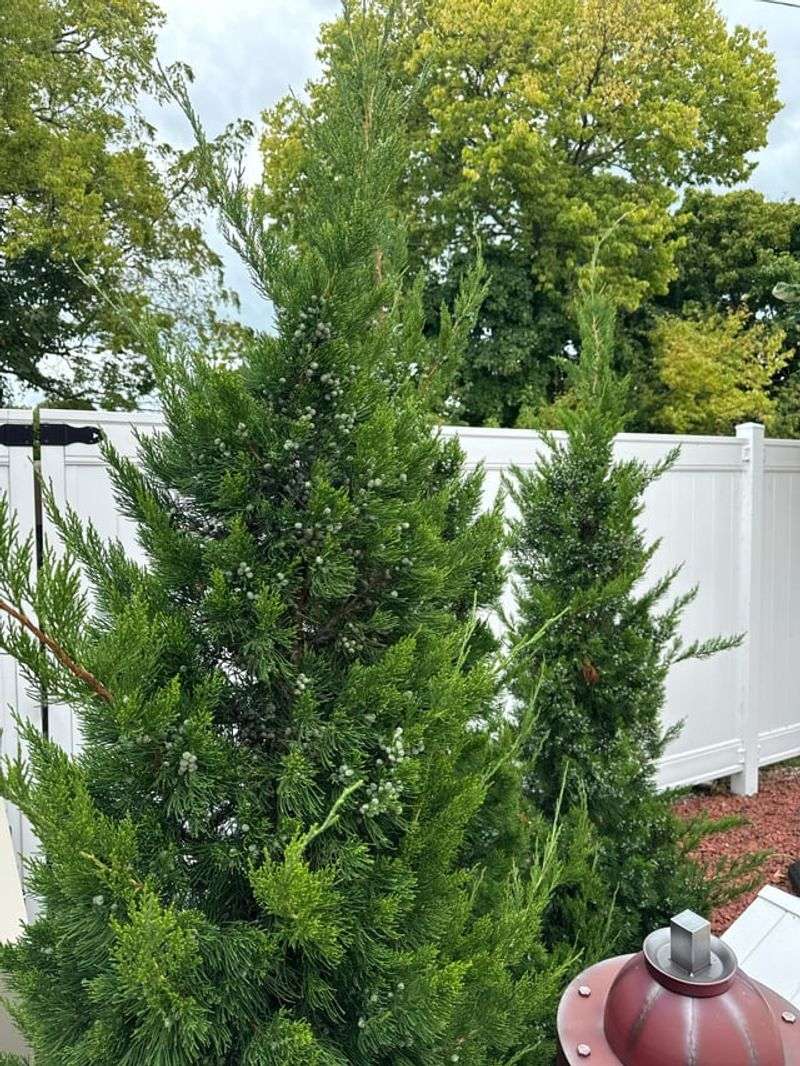
These trees can reach heights of 30 to 50 feet at full maturity, and their canopy spread can range from 8 to 20 feet depending on the individual tree and growing conditions.
Knowing that before you plant saves a lot of headaches later.
For a solid privacy screen along a fence line in Ohio, spacing trees roughly 6 to 10 feet apart is a commonly recommended range.
Closer spacing, around 6 feet, creates a denser screen more quickly but may require thinning as the trees mature and canopies begin to compete.
Wider spacing, around 10 feet, allows each tree more room to develop its natural form but takes longer for the row to close in and provide full coverage.
Homeowners should also consider proximity to structures, overhead utility lines, and neighboring properties before planting.
Eastern Red Cedar’s mature height means it should not be planted directly beneath power lines, and its roots, while generally not aggressive, need space to spread comfortably.
Choosing a columnar cultivar rather than a standard tree can help manage width in tighter spaces while still achieving impressive height.
Taking a few minutes to map out spacing and mature dimensions before planting helps ensure your Ohio privacy screen grows exactly the way you envisioned it.