Why Arizona Pepper Plants Stop Growing In Spring And What Helps
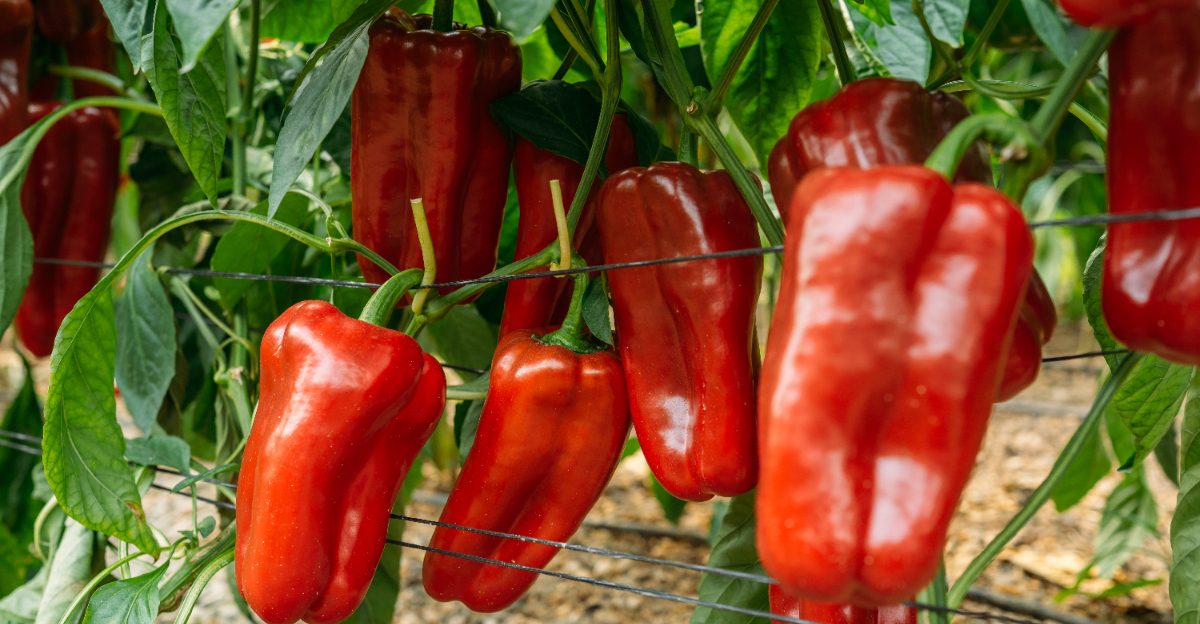
Pepper plants in Arizona can look like they are doing everything right, then suddenly slow down just as spring gets going. Leaves stay in place, growth stalls, and new flowers barely show up.
It feels off, especially when the weather seems perfect for growing.
This is the point where a lot of gardeners start second guessing watering, feeding, or even the plant itself.
But peppers are reacting to a mix of things that shift quickly in spring, and some of them are easy to miss if not watched closely.
In Arizona, warm days, cooler nights, and dry air can throw off growth without much warning. Even small changes in temperature or soil conditions can pause progress for a while.
Once the real cause is clear, getting peppers moving again becomes much more manageable, and the plants usually respond faster than expected.
1. Temperature Swings Still Stress Plants In Spring
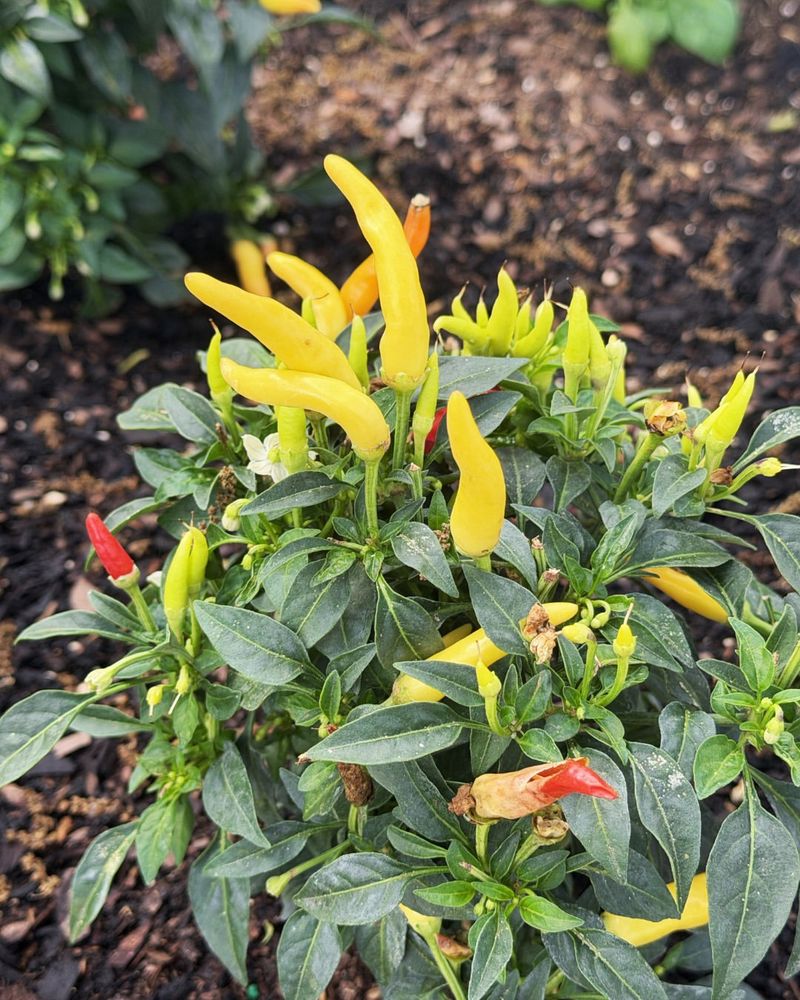
Spring in Arizona can fool you. Afternoons push into the high 80s and even touch 90°F, but nights still drop into the low 50s or even the upper 40s in places like Flagstaff or higher-elevation parts of Tucson.
Pepper plants sitting in that kind of range every single day are dealing with a lot more stress than most people realize.
Peppers grow best when daytime temperatures stay between 70 and 85°F. Once the heat climbs past that window, the plant starts redirecting energy away from new growth.
Blossoms drop before they can set fruit. Leaves may look fine on the outside, but the plant is essentially pumping the brakes until conditions feel safer.
At night, when temps fall below 55°F, the roots slow their nutrient uptake considerably. So even if you are watering and feeding on schedule, the plant may not be absorbing much of it.
Cold soil is one of the most underrated reasons for stalled growth in Arizona spring gardens.
A simple shade cloth rated at 30 to 40 percent can help buffer afternoon heat without blocking too much light. For cooler nights, a lightweight row cover draped loosely over plants traps enough warmth to keep roots more active.
Neither fix is complicated, but both can meaningfully reduce the temperature stress your peppers are dealing with in those unpredictable spring weeks.
2. Transplant Shock Slows Growth After Planting
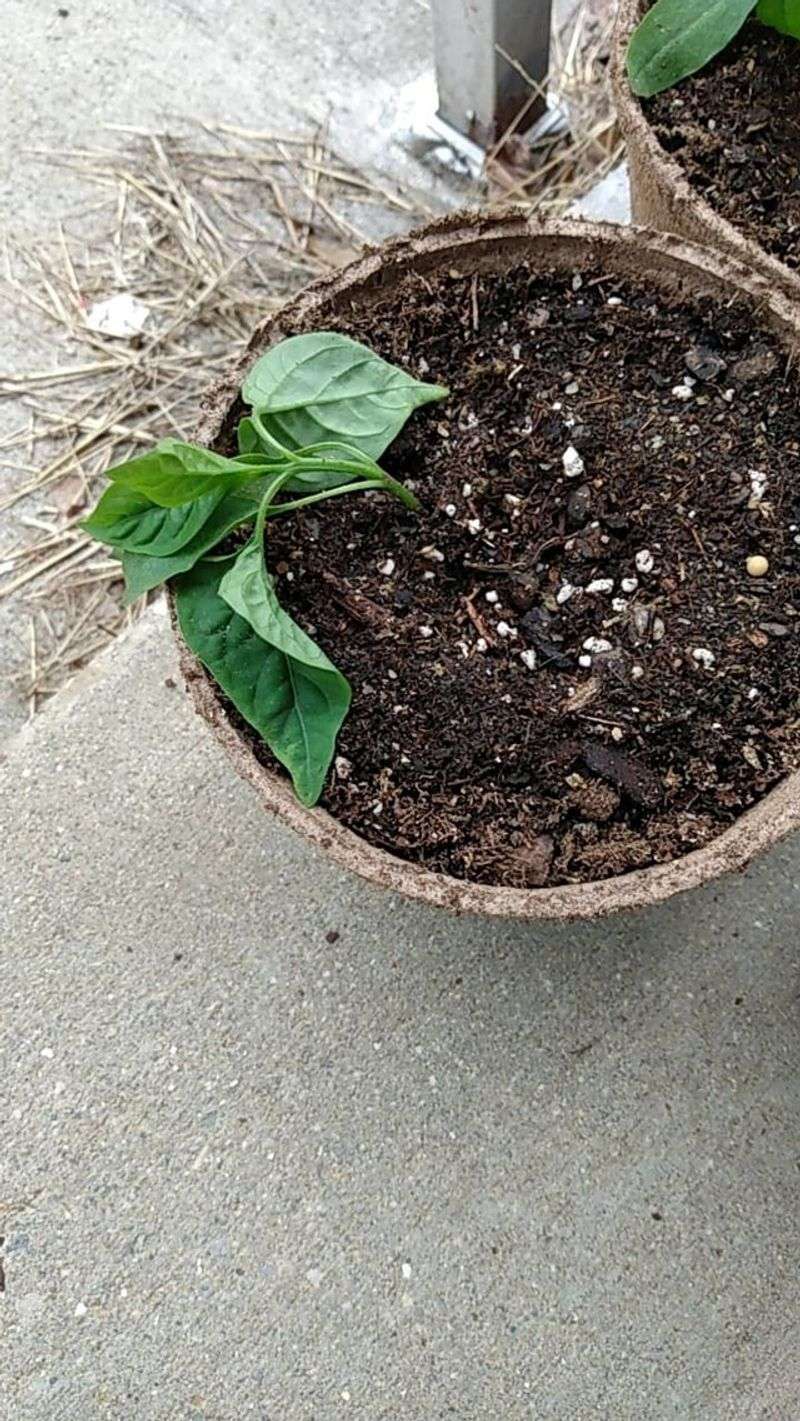
Putting a seedling in the ground is not the finish line. For a lot of Arizona gardeners, it is actually where the real challenge begins.
Plants started indoors under grow lights have been living in a controlled bubble, and moving them straight outside into full desert sun and dry wind is a hard transition.
Transplant shock is not just about wilting on the first day. It can stretch out for two to three weeks, during which the plant barely grows at all.
Roots that were snug in a small container now have to push into unfamiliar soil. The leaves are adjusting to real sunlight, which is much more intense than any indoor setup.
All of that adjustment takes energy the plant would otherwise spend on new growth.
Your Arizona Garden Changes Every Week. Your Plan Should Too.
Gardening in Arizona changes quickly throughout the season. Every Friday you’ll receive a simple weekly plan showing exactly what to plant, prune, fertilize, harvest, and protect so you never miss the right timing.
Hardening off is the step that most beginner growers skip. It means taking your seedlings outside for just a few hours a day for about a week before transplanting them for good.
Start in a shaded spot and gradually increase sun exposure. It sounds slow, but it genuinely cuts down on the shock a plant experiences.
When you do transplant, try to do it in the early morning or late afternoon rather than midday. Water the seedling in well, and consider giving the root zone a little shade for the first few days.
Roots that are not stressed settle in faster, and you will likely see new growth resume sooner than if you had rushed the process.
3. Overwatering Causes Root Stress In Warming Soil
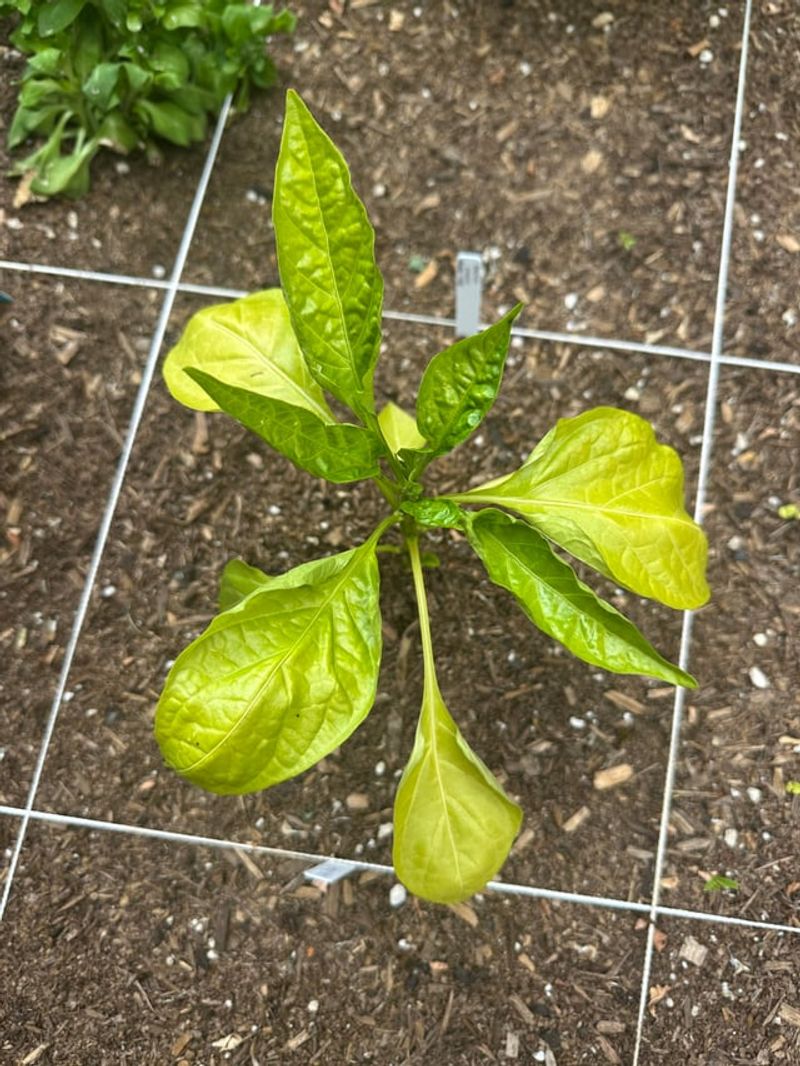
Wet soil and warming temperatures are a rough combination for pepper roots. As Arizona’s spring soil heats up, any excess moisture sitting around the root zone creates conditions where roots struggle to get the oxygen they need.
Roots that cannot breathe stop taking up water and nutrients properly, which ironically causes the plant to look like it needs more water.
A lot of gardeners respond to slow growth by watering more often, which only makes things worse.
Yellowing lower leaves, a general lack of perkiness even in the morning, and soil that feels wet an inch or two down after several days without rain are all signs that the plant is getting too much water too frequently.
Arizona’s native soil, especially in the Phoenix and Tucson areas, can be quite dense and slow-draining. Even if you are not watering heavily, water can pool around roots longer than you expect.
Adding perlite or coarse sand when planting in raised beds or containers can improve drainage noticeably.
A practical habit is to stick your finger about two inches into the soil before watering. If it still feels damp, wait another day.
Pepper roots in warm soil need air as much as they need moisture. Cutting back on watering frequency while increasing the depth of each watering session tends to produce healthier roots and steadier growth over the course of the spring season in Arizona.
4. Poor Pollination Delays Flower And Fruit Set
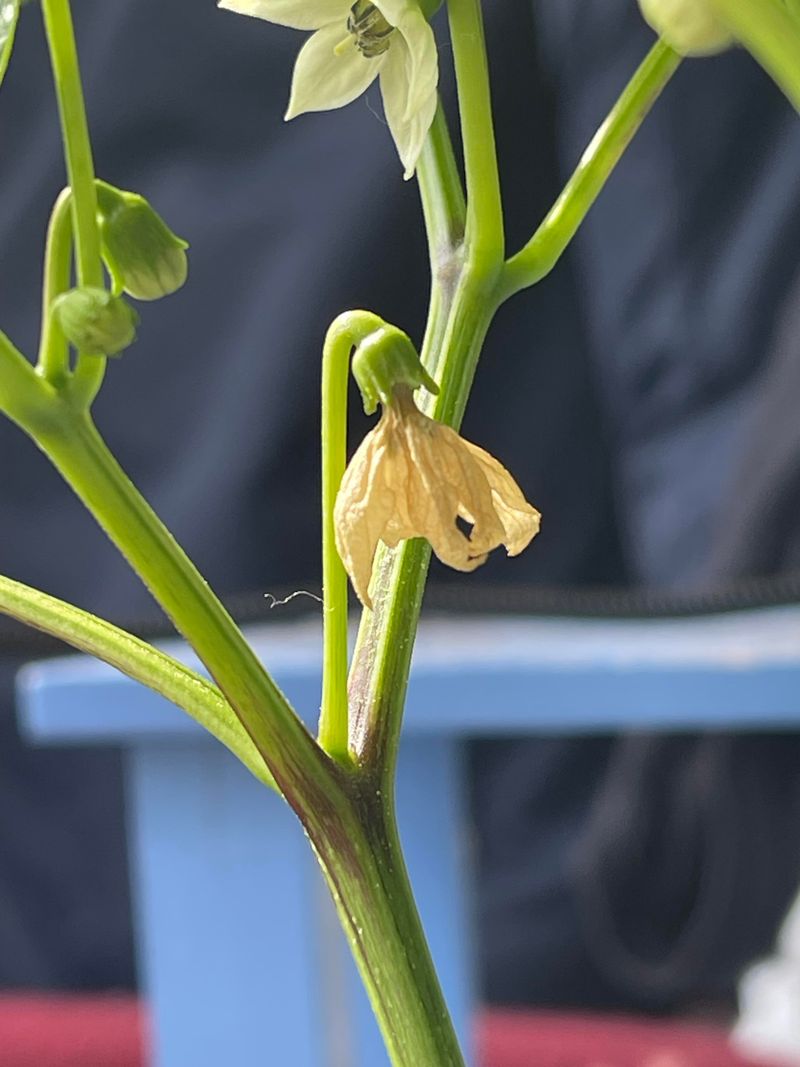
Flowers showing up on your pepper plant is exciting, but flowers that drop off without turning into fruit are frustrating.
Poor pollination is a surprisingly common reason for this, especially during Arizona’s spring when conditions are not always ideal for the bees and other insects that peppers depend on.
Pepper flowers are self-fertile, meaning each flower carries both male and female parts. But pollen still needs to move around to make fertilization happen.
Wind helps, and so do bees. When spring winds are calm and pollinator activity is low, pollen can sit in the flower without going anywhere useful.
High heat above 90°F can also reduce pollen viability, meaning even if it does move, it may not fertilize effectively.
Blossom drop in early spring is not always about pollination either. It can happen when night temperatures are still too cool or when the plant is stressed from transplanting or inconsistent watering.
Ruling out those factors first makes sense before assuming pollination is the issue.
One straightforward approach that many Arizona gardeners use is gently shaking the plant or individual flower clusters every couple of days during the morning hours.
A soft electric toothbrush pressed against the stem near the flowers can mimic the vibration that bees naturally produce.
Neither method is a guaranteed fix, but both can improve fruit set when pollinators are scarce or conditions are not ideal for natural pollination to happen on its own.
5. Wait For Stable Warm Conditions To Support Growth
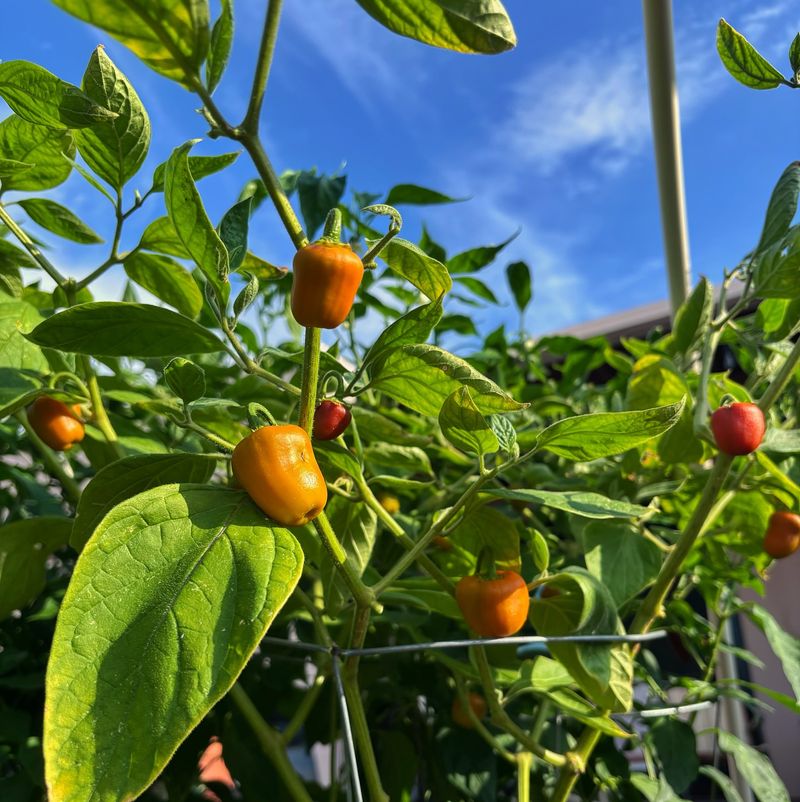
Patience feels like bad advice when your plants are just sitting there, but timing genuinely matters with peppers in Arizona. Planting out too early, even when the days feel warm, often means the plants spend weeks just surviving rather than growing.
Waiting for nighttime temperatures to consistently stay above 55°F before transplanting can make a noticeable difference.
In the low desert around Phoenix, that window typically opens up somewhere in late February to mid-March. In higher elevations like Prescott or Flagstaff, the reliable warm stretch may not arrive until April or even May.
Checking a two-week forecast before committing your seedlings to the ground is a reasonable habit, not an overcautious one.
Soil temperature matters just as much as air temperature. Pepper roots become much more active once the soil reaches around 65°F.
A simple soil thermometer, which costs just a few dollars, takes the guesswork out of timing. Planting into soil that is still cold often results in plants that just stall for weeks even if the air above feels warm.
Some gardeners in Arizona use black plastic mulch early in the season to warm the soil faster. Dark-colored containers can do something similar.
Both approaches help bring the root zone up to a productive temperature sooner than bare soil would on its own.
Waiting for the right conditions feels slow, but plants put in at the right time often catch up to and outperform ones planted weeks earlier under poor conditions.
6. Water Deeply But Let Soil Dry Between Watering
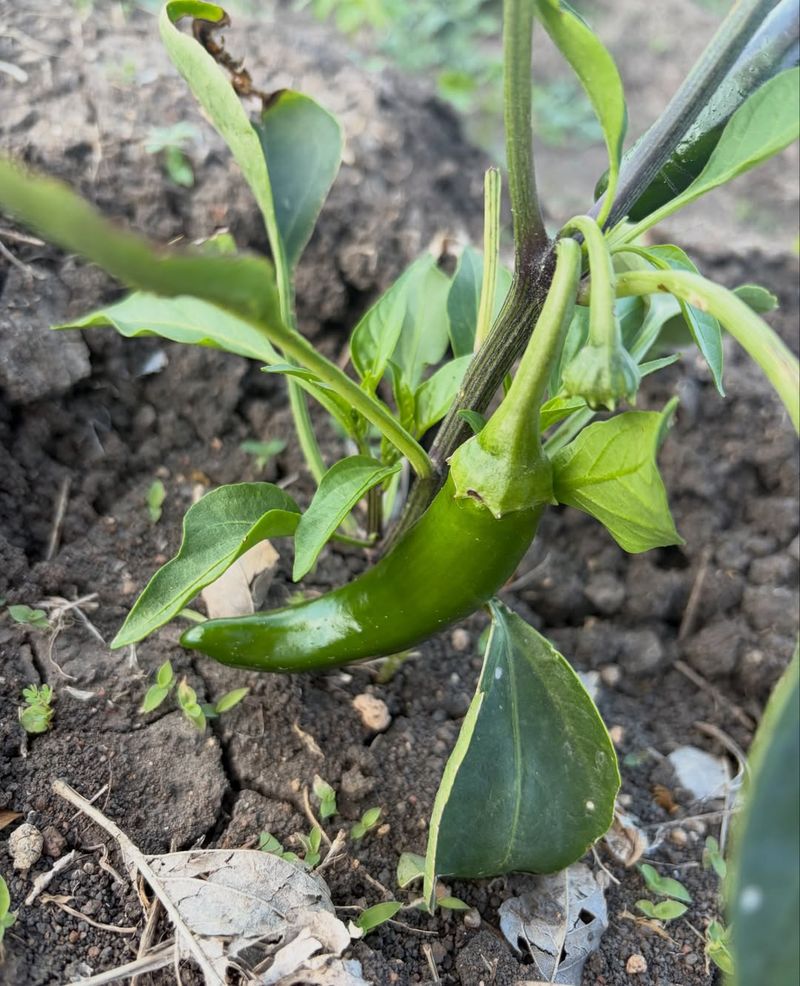
Shallow, frequent watering is one of the most common habits that holds pepper plants back in Arizona. When water only reaches the top inch or two of soil, roots stay near the surface where they are more exposed to heat and dry air.
Deep watering encourages roots to push down into cooler, more stable soil layers, which builds a stronger plant overall.
What deep watering actually looks like in practice depends on your setup. For in-ground beds, watering slowly for a longer period so moisture soaks down six to eight inches is the goal.
For containers, water until it drains freely from the bottom. Drip systems set to run for longer intervals rather than short, frequent bursts tend to encourage deeper rooting than overhead watering does.
Letting the soil dry out somewhat between watering sessions is equally important. A little stress from mild dryness actually prompts roots to grow outward and downward in search of moisture.
It is a different kind of stress than what comes from extreme drought, and it tends to produce a more resilient root system than soil that stays constantly moist.
In Arizona’s spring heat, containers can dry out faster than in-ground beds, so checking them more frequently makes sense. Mulching the soil surface with straw or wood chips helps slow evaporation between watering sessions.
Getting the watering rhythm right takes some trial and adjustment, but it is one of the most impactful changes you can make for healthier, more productive pepper plants.
7. Gently Shake Flowers To Improve Pollination
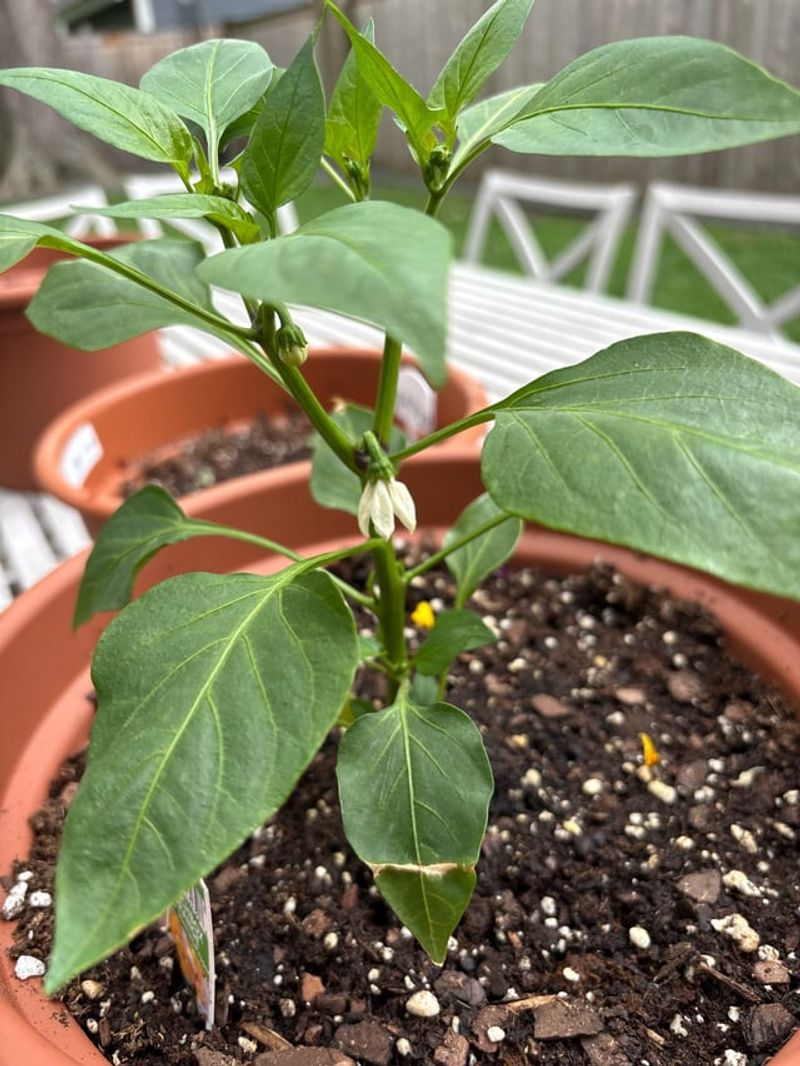
Hand pollination sounds more technical than it actually is. All you are really doing is giving the pollen inside the flower a little nudge so it can reach where it needs to go.
Pepper flowers hold their pollen in structures called anthers, and a small vibration is usually enough to release it onto the stigma just below.
The simplest method is to use your fingertip or a soft artist’s paintbrush to gently touch the inside of each open flower. Some growers prefer a battery-powered toothbrush held against the stem near the flower cluster.
Either approach creates enough movement to dislodge pollen without harming the flower. Morning is the best time to do this because pollen tends to be most viable earlier in the day before afternoon heat builds up.
During Arizona’s spring, bee activity can be inconsistent. Early mornings are cool enough that insects are less active, and by the time midday heat arrives, the flowers themselves may already be stressed.
Hand pollination fills in that gap reasonably well during weeks when natural pollinator visits are not reliable enough on their own.
Planting a few flowering herbs or companion plants nearby can also attract more pollinators over time. Basil, cilantro going to seed, and marigolds are all relatively easy to grow alongside peppers in Arizona and do attract bees and other beneficial insects.
Hand pollination combined with a pollinator-friendly garden gives your pepper plants the best realistic shot at consistent fruit set through the spring season.