8 Mistakes That Lead To Weak Calathea Growth Indoors In Georgia
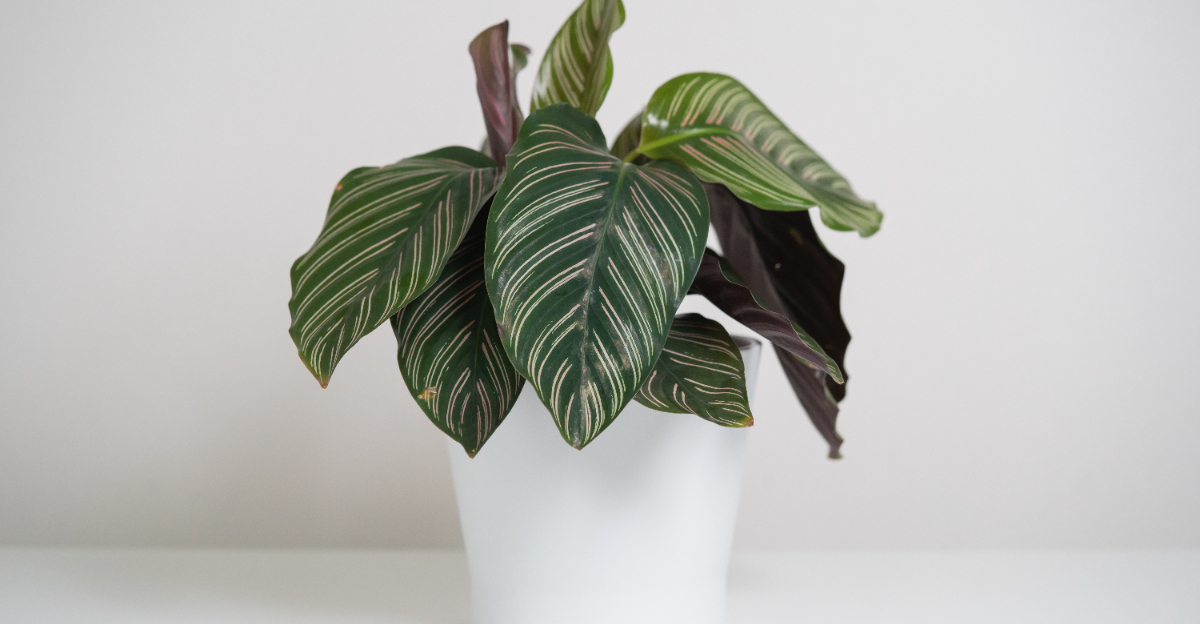
Calathea can look beautiful in a Georgia home, then slowly lose its strength in ways that are hard to catch at first. Leaves may curl, edges turn dry, and the plant starts to look less full even when care seems consistent.
It can feel confusing because nothing obvious stands out as the cause. Light looks fine, watering feels regular, yet the plant does not respond the way it should.
Indoor conditions play a bigger role than most expect, especially when small imbalances build up over time. What seems like a healthy setup can still hold the plant back from growing properly.
Once those issues are understood, the difference becomes clear, and the plant begins to regain its shape, color, and steady growth.
1. Using Tap Water That Causes Leaf Damage Over Time
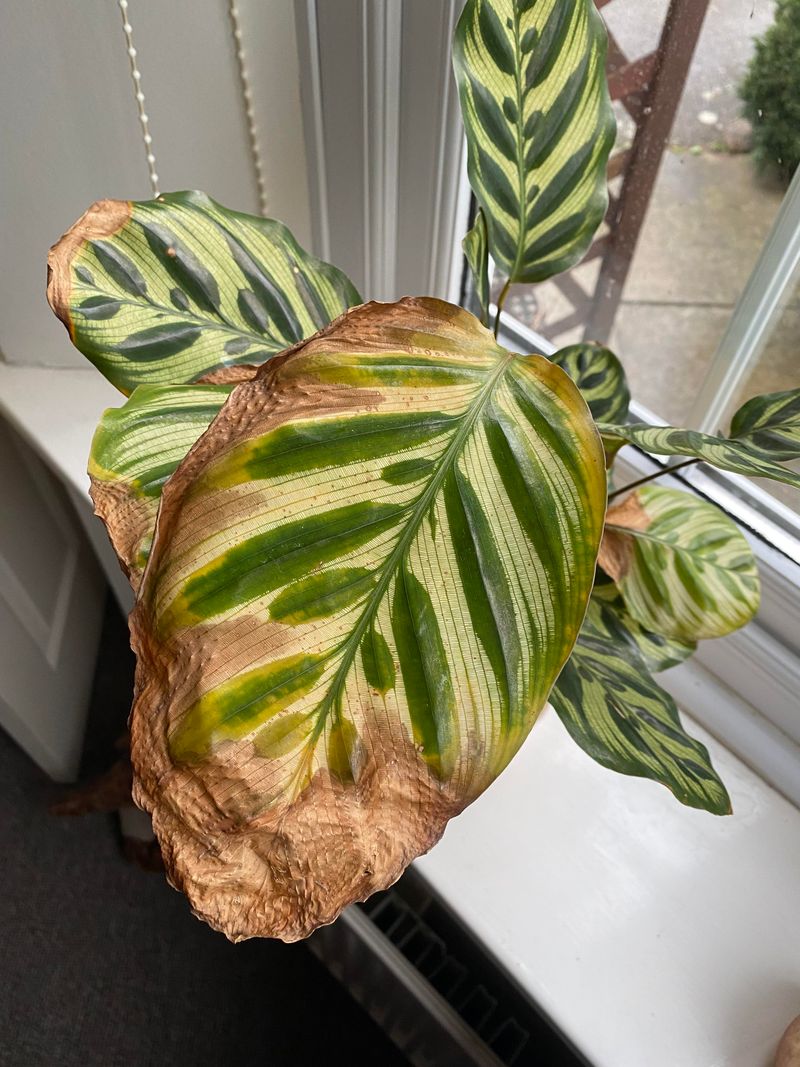
Tap water is sneaky. It looks perfectly fine, but inside it carries chlorine, fluoride, and other minerals that slowly build up in your soil and show up as brown, crispy leaf tips on your Calathea.
Most Georgia homeowners do not realize the water is the problem until the damage is already spreading across multiple leaves.
Fluoride is especially rough on Calathea. Over time, it accumulates in the root zone and interferes with how the plant absorbs nutrients.
You might notice the edges of leaves going brown even when your watering schedule seems right and the humidity feels decent. The water itself is quietly causing the issue.
Switching to filtered water, collected rainwater, or distilled water makes a real difference. Rainwater is actually ideal and costs nothing if you set out a simple collection container outside.
If you use tap water, let it sit uncovered overnight to allow some of the chlorine to evaporate before watering. It is a small change, but your Calathea will respond noticeably within a few weeks.
Healthy new growth with clean, unmarked edges is a good sign the water quality has improved.
2. Letting Soil Dry Out Too Much Between Watering
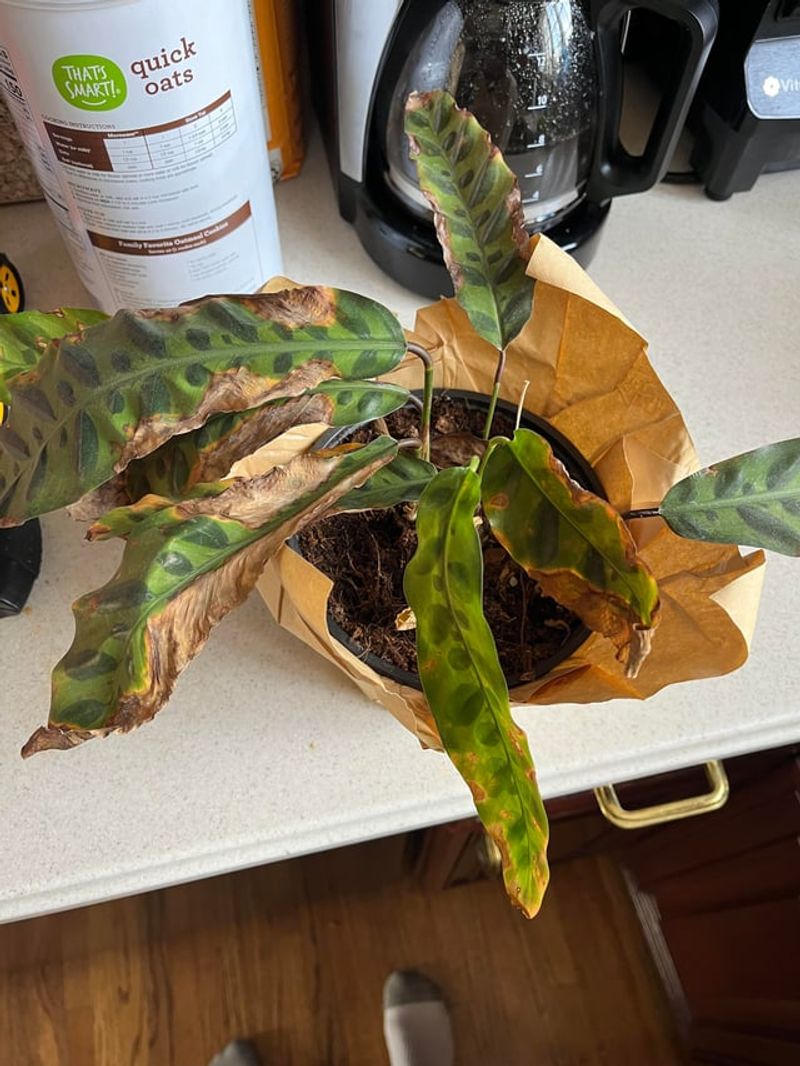
Calathea leaves curling inward like little tubes is usually the first sign that the soil has gotten too dry. Unlike drought-tolerant houseplants, Calathea does not bounce back easily from extended dry spells.
Once the stress sets in, even a good watering does not always fix the damage that has already happened to the leaves.
In Georgia, air conditioning runs hard from late spring through early fall, and that dry indoor air pulls moisture out of the soil faster than you might expect. A pot that stayed moist for five days in March might dry out in just two or three days by July.
Sticking to a fixed watering schedule without checking the soil first is where a lot of people go wrong.
A simple finger test works well here. Push your finger about an inch into the soil, and if it feels dry at that depth, it is time to water.
Aim to keep the soil consistently moist but never soggy. Using a pot with good drainage helps avoid the opposite problem.
Calathea does best when moisture stays relatively steady rather than swinging between soaked and bone dry. Small, regular waterings tend to work better than large, infrequent ones for keeping growth steady.
Your Georgia Garden Changes Every Week. Your Plan Should Too.
Gardening in Georgia changes quickly throughout the season. Every Friday you’ll receive a simple weekly plan showing exactly what to plant, prune, fertilize, harvest, and protect so you never miss the right timing.
3. Keeping Plants In Air That Is Too Dry
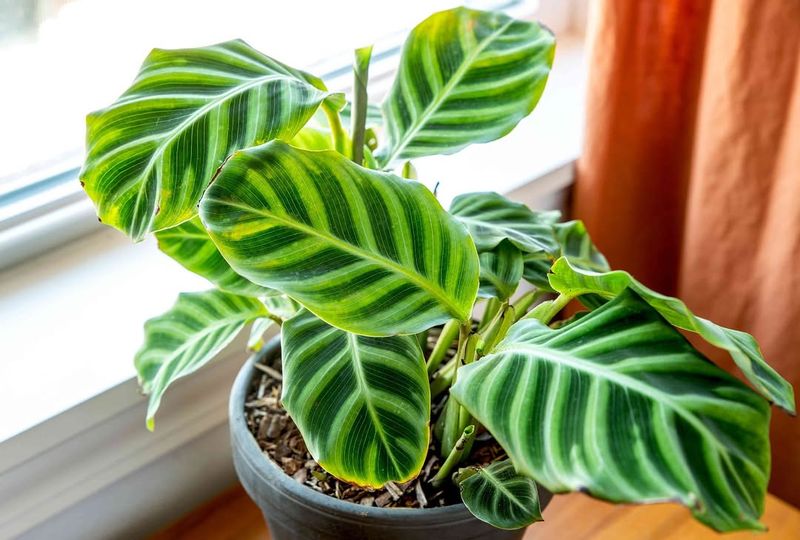
Calathea originally comes from tropical forest floors where humidity rarely drops below 60 percent. Georgia summers are naturally humid outside, but the moment the AC kicks on indoors, that moisture gets stripped right out of the air.
Heating systems in winter do the same thing, and that dry indoor air hits Calathea hard.
Brown leaf edges that spread inward are the classic sign of low humidity stress. The plant is essentially losing moisture through its leaves faster than the roots can replace it.
No amount of extra watering fully compensates for air that is just too dry around the foliage itself.
A small humidifier placed near your plant is the most reliable fix. Running it for a few hours each day can keep the local humidity high enough for Calathea to stay comfortable.
Grouping plants together also helps since they release moisture into the air around each other. Pebble trays filled with water and set under the pot provide some passive humidity as the water evaporates.
Misting directly on the leaves is less effective and can sometimes encourage fungal issues, so it is better to stick with one of the other methods. Consistent humidity above 50 percent gives Calathea in Georgia homes a much better chance at steady, healthy growth.
4. Placing Calathea In Direct Sunlight Instead Of Indirect Light
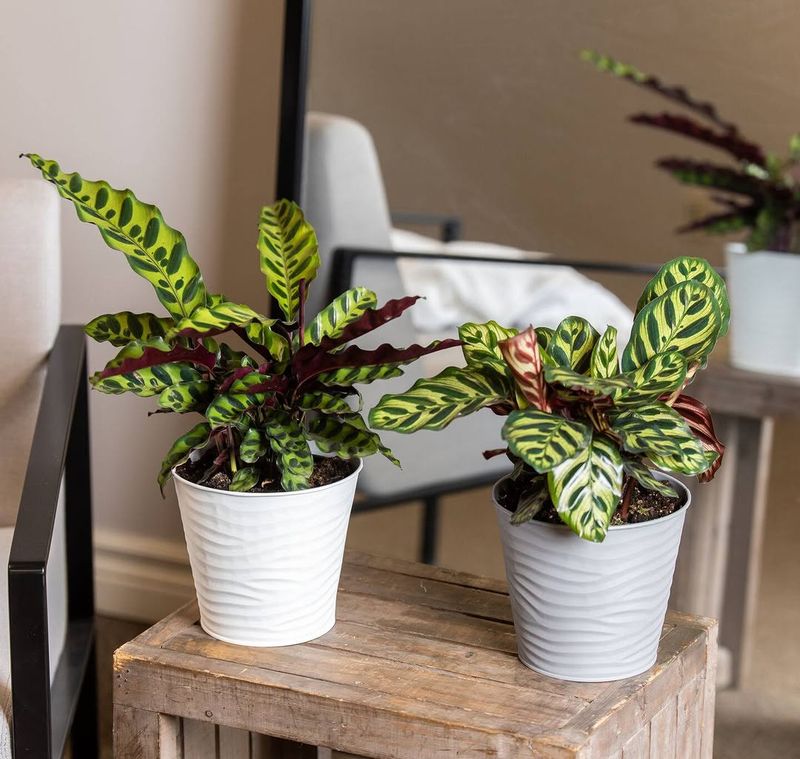
Scorched Calathea leaves have a washed-out, pale look that no amount of watering or fertilizing will fix. Direct sun exposure bleaches the color right out of those beautiful leaf patterns, and the damage is permanent on the affected leaves.
Georgia summers bring intense sunlight, and a south or west-facing window without a sheer curtain can do real harm.
Calathea evolved under a dense forest canopy where light was filtered and soft. Bright indirect light is what it actually needs, not hours of direct rays hitting the leaves.
A spot near an east-facing window works well in most Georgia homes. North-facing windows can work too, though the light is often lower, which may slow growth.
If your only good window faces south or west, hanging a sheer curtain diffuses the light enough to protect the plant. You can also move the plant a few feet back from the window so it gets brightness without direct exposure.
Grow lights are another option for rooms where natural light is limited, and full-spectrum LED bulbs placed 12 to 18 inches above the plant can support healthy leaf development.
Getting the light balance right is honestly one of the bigger factors in keeping Calathea looking sharp indoors in Georgia.
5. Using Soil That Holds Too Much Water Around Roots
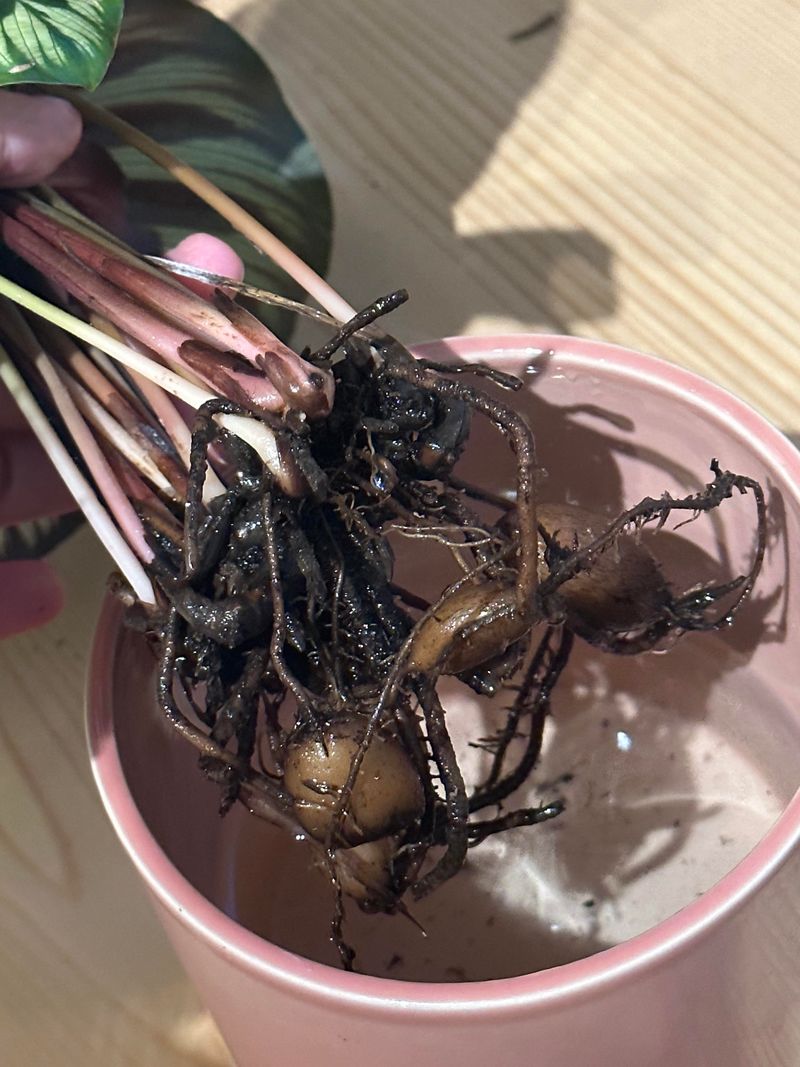
Heavy potting soil is one of those quiet problems that builds up slowly. Standard garden soil or dense potting mixes compact over time and hold moisture around the roots far longer than Calathea can handle.
Roots sitting in wet, airless soil start to soften and break down, and the plant above begins to look limp and sad without any obvious reason.
A lot of all-purpose potting mixes sold at big box stores in Georgia are designed for outdoor containers and are too dense for tropical houseplants.
They retain moisture well, which sounds good, but for Calathea it tips into overwatering territory even when you are watering correctly.
Mixing perlite into your potting medium at roughly a 1:3 ratio improves drainage significantly. Some growers also add orchid bark or coarse sand to open up the texture even more.
The goal is a mix that stays moist but drains freely so roots get both water and oxygen. Repotting every year or two also helps because soil breaks down and compacts over time regardless of its original quality.
When you repot, shake off the old soil and check the roots before adding fresh mix. Healthy roots are firm and light-colored, which tells you the soil situation has been working in your favor.
6. Ignoring Drainage And Letting Pots Sit In Water
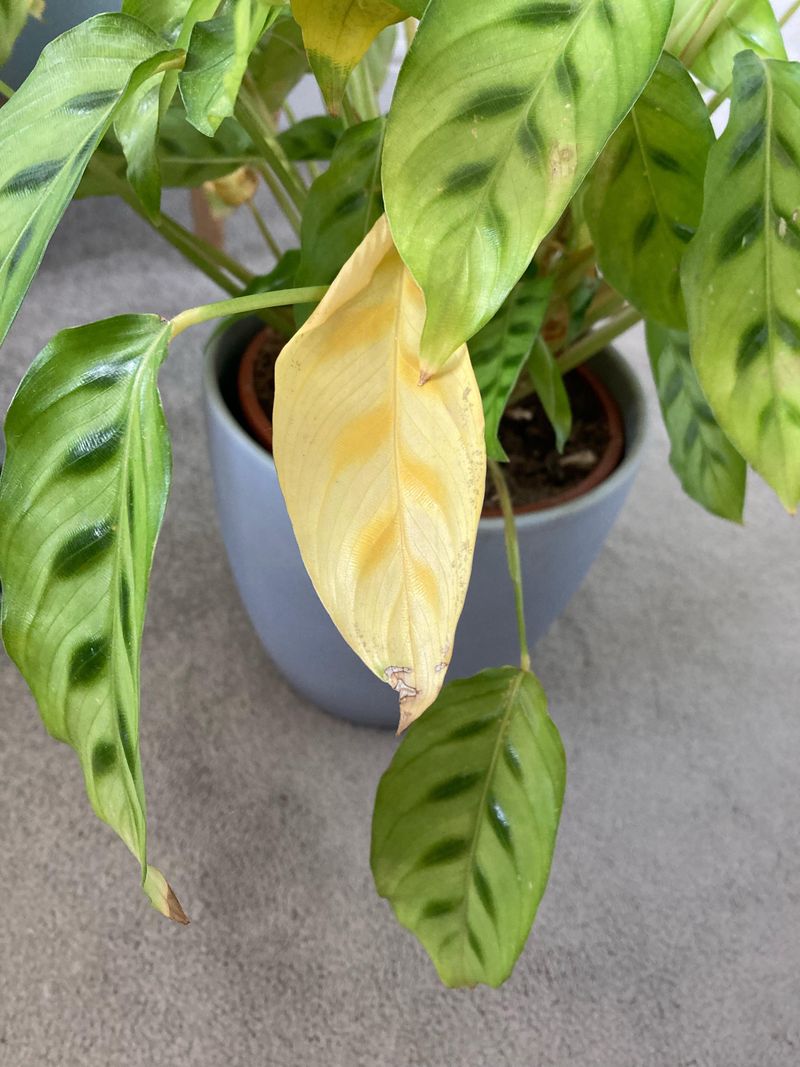
Standing water in the saucer under a pot seems harmless, but it creates a slow-moving problem that shows up as yellowing leaves and soft, mushy stems near the base.
Roots sitting above a pool of water essentially stay wet around the clock, and that is the kind of condition that weakens a Calathea faster than most other mistakes.
Decorative pots without drainage holes are popular for a reason, they look clean and polished indoors. But using one as the actual growing container for Calathea is risky.
Water has nowhere to go, and even careful watering leads to accumulation at the bottom of the pot where roots eventually reach.
A simple workaround is to keep your Calathea in a plain nursery pot with drainage holes and set that inside the decorative pot. After watering, wait about 20 to 30 minutes and then empty the saucer.
It is a small habit that prevents a lot of root trouble. In Georgia, where indoor humidity already keeps soil from drying out quickly during cooler months, removing that excess water from the saucer matters even more.
Good drainage is not complicated, but skipping it is one of the most common reasons Calathea plants in Georgia homes stay weak and struggle to put out new growth consistently.
7. Feeding Too Often With Strong Fertilizer
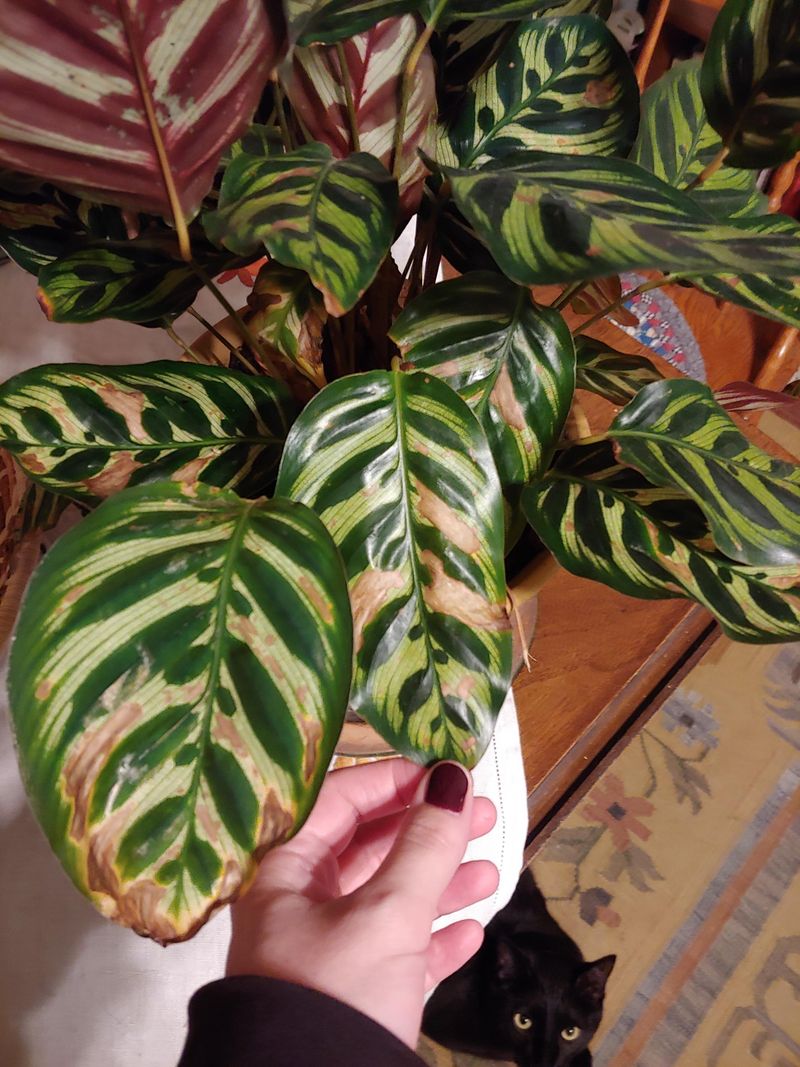
More fertilizer does not equal faster growth with Calathea. Feeding too often or using a full-strength dose builds up mineral salts in the soil that burn the roots and show up on the leaves as brown edges and yellowing patches.
It is one of those mistakes that looks a lot like underwatering or low humidity, which makes it easy to misdiagnose.
Calathea is not a heavy feeder. During the active growing season in spring and summer, a balanced liquid fertilizer diluted to half strength every four to six weeks is usually enough.
Pushing beyond that does not accelerate growth, it just stresses the plant. In fall and winter, when growth slows down noticeably in Georgia homes, fertilizing can stop almost entirely.
If you suspect salt buildup from overfeeding, flushing the soil helps. Pour water slowly through the pot several times until it runs clear out the drainage holes, and let the soil dry slightly before the next watering.
Repotting into fresh soil is another option if the buildup seems severe. Going forward, a lighter touch with fertilizer tends to produce steadier results.
Calathea responds better to consistent, minimal feeding than to irregular bursts of heavy nutrition, and that approach keeps the roots in much better shape long term.
8. Exposing Plants To Cold Drafts And Temperature Swings
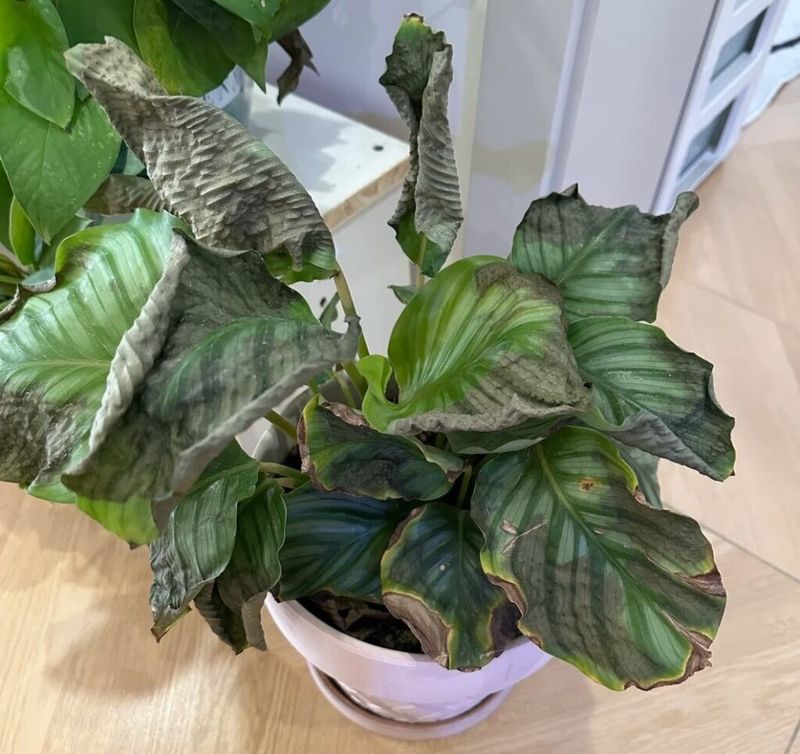
Cold air hitting a Calathea directly is a fast way to trigger leaf drop and stunted growth.
Georgia winters are mild compared to states further north, but indoor temperatures still swing around more than people realize, especially near exterior walls, drafty windows, or air vents that blast cold air in the summer.
Calathea notices those fluctuations quickly.
Ideal indoor temperatures for Calathea sit between 65 and 80 degrees Fahrenheit. Anything below 60 degrees causes the plant to slow down noticeably, and repeated cold exposure leads to curling, darkening leaves that do not recover well.
Placing a Calathea near a door that opens frequently to outside air in January is a setup for trouble, even here in Georgia.
Moving the plant away from air conditioning vents during summer and away from cold windows in winter makes a bigger difference than most people expect.
Interior walls tend to stay more temperature-stable than exterior ones, so positioning your plant there is a practical choice.
Also watch out for ceiling fans set too high directly above the plant, as constant airflow can dry out leaves and stress the plant even at comfortable temperatures.
Stable, warm conditions with good indirect light give Calathea the environment it needs to push out new leaves and hold onto its color through every season in Georgia.