10 Stunning Ways To Landscape Around Trees In Ohio Yards
Trees can make an Ohio yard feel established, shady, and full of character, but the space beneath them often turns into a head-scratcher fast.
Grass thins out, roots start calling the shots, and that ring around the trunk can end up looking more like a problem zone than part of the landscape.
That is exactly where good design can change everything. The area around a tree does not need to stay bare, awkward, or stuck with the same tired mulch circle year after year.
With the right approach, it can become one of the most eye-catching parts of the yard, adding texture, colour, and a more polished look without fighting the tree itself. In Ohio, the best ideas work with shade, roots, and changing seasons instead of trying to beat them.
Get that balance right, and the ground around a tree can go from overlooked to absolutely gorgeous.
1. Build A Wide Mulch Ring That Looks Polished

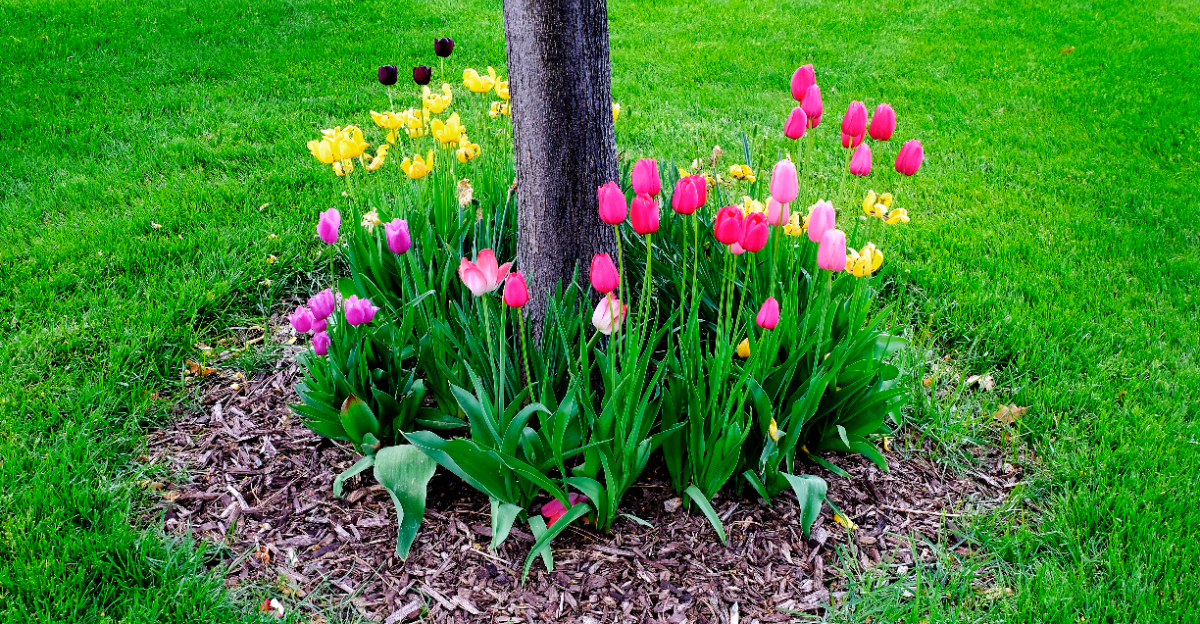
A wide mulch ring is one of the simplest upgrades you can give any tree in your yard, and the results are immediate. According to Ohio State University Extension, mulch rings should extend at least three to four feet from the trunk, ideally reaching out to the drip line.
That generous spread does more than look tidy. It keeps moisture in the soil, regulates soil temperature through Ohio’s unpredictable seasons, and protects surface roots from lawn mower damage.
Proper depth matters more than most people realize. Aim for two to three inches of organic mulch like shredded hardwood or wood chips.
Going deeper than four inches can actually block oxygen from reaching the roots, which creates more problems than it solves.
One of the most common mistakes homeowners make is piling mulch right up against the bark. Always leave a gap of several inches around the trunk so the root flare stays fully exposed.
Covering that flare traps moisture against the bark and invites rot and pest pressure over time. When done correctly, a wide, evenly spread mulch ring looks clean, intentional, and polished, instantly making the entire yard feel more cared for.
2. Swap Patchy Grass For A Cleaner Tree Bed
Most grass varieties simply cannot compete under a dense tree canopy.
Between the shade, the root competition, and the dry soil that forms under big trees, you end up with thin, patchy, disappointing turf that takes constant effort to maintain and still never looks great.
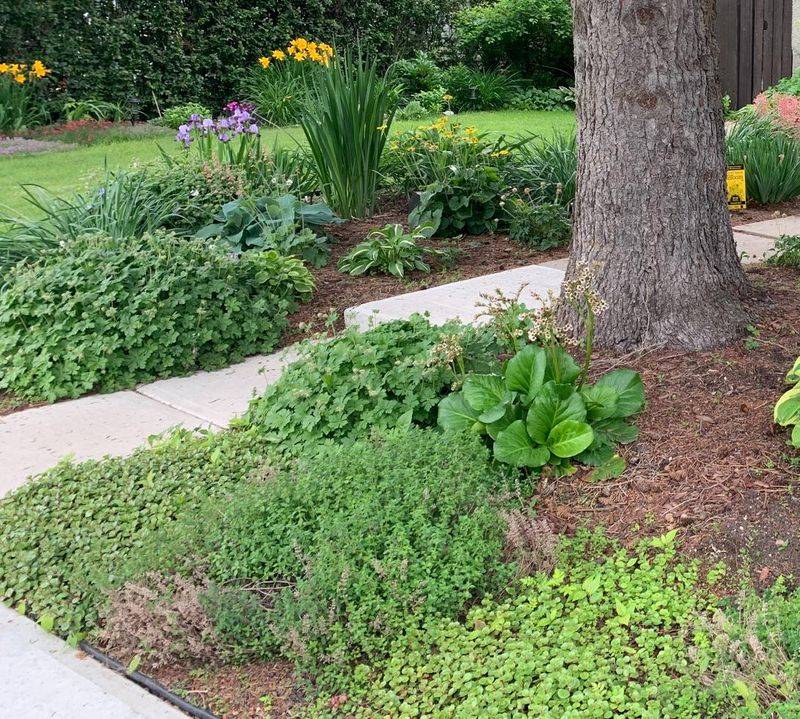
Replacing that struggling grass with a defined planting bed is one of the smartest moves you can make for both appearance and practicality. A clean, well-shaped bed removes the visual clutter of bare or uneven turf and gives the base of the tree a finished, intentional look.
It also reduces the need to maneuver a mower around the trunk, which protects the bark from accidental nicks and scrapes.
When creating the bed, use a flat spade or half-moon edger to carve a smooth, flowing outline rather than a perfect circle, which can look overly rigid.
Your Ohio Garden Changes Every Week. Your Plan Should Too.
Gardening in Ohio changes quickly throughout the season. Every Friday you’ll receive a simple weekly plan showing exactly what to plant, prune, fertilize, harvest, and protect so you never miss the right timing.
Remove the grass by cutting it away at the surface rather than deep digging, which risks disturbing shallow roots.
Layer two to three inches of mulch to suppress weeds and hold moisture. The transformation from patchy grass to a clean, defined bed makes a noticeable difference in how put-together your entire yard looks.
3. Plant Shade Lovers That Won’t Fight The Roots
Shopping for plants to go under a tree requires a different mindset than filling a sunny border bed. The conditions are tougher, the soil is drier and more root-filled, and the light is limited.
Choosing plants that genuinely thrive in those conditions rather than just tolerating them is the key to a bed that looks lush all season long.
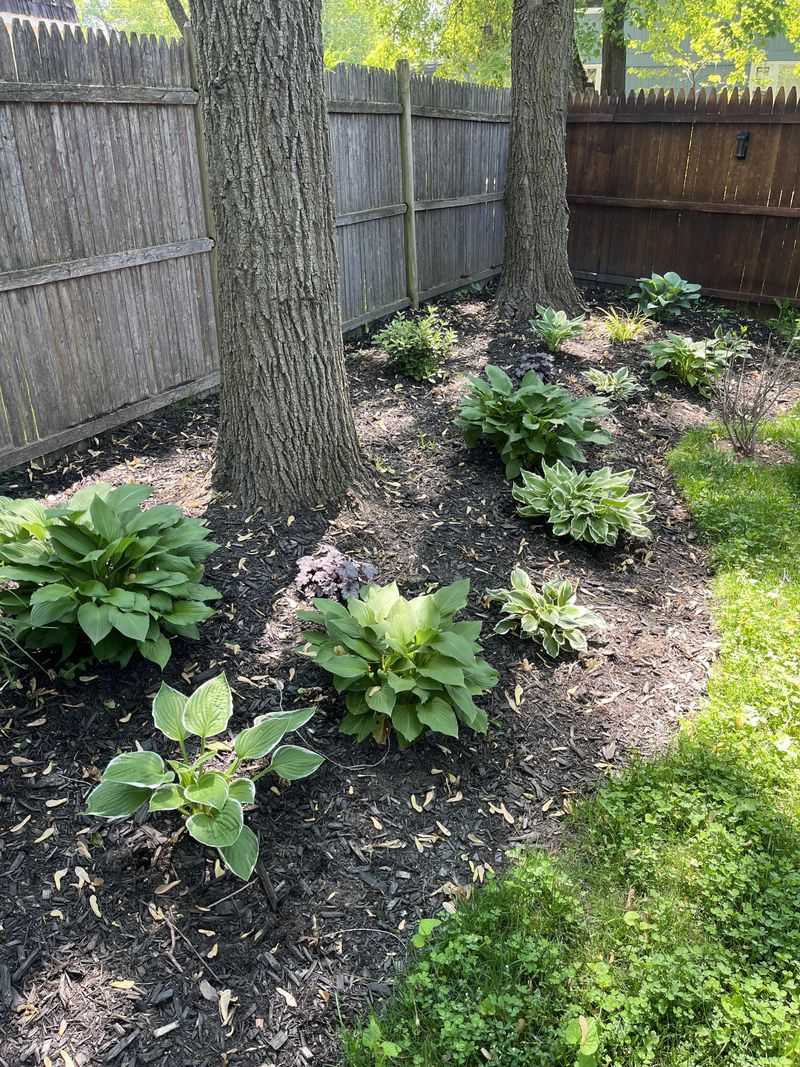
For Ohio yards, hostas are a reliable favorite. They come in dozens of sizes and colors, handle deep shade well, and their bold foliage looks clean and full from spring through fall.
Ferns like the native ostrich fern or Christmas fern add a graceful, airy texture that feels perfectly at home in a shaded setting. Astilbe offers feathery plumes in pink, white, or red and performs beautifully in the filtered light under deciduous trees.
When planting, avoid aggressive digging that cuts through large roots. Instead, work carefully between roots with hand tools and use compost to improve the soil in the spots where you plant.
Setting plants in clusters rather than scattering them individually creates a more natural and finished look. Give each plant enough room to spread naturally without crowding the trunk or pressing against neighboring plants.
4. Layer Low Growers For A Softer Fuller Look
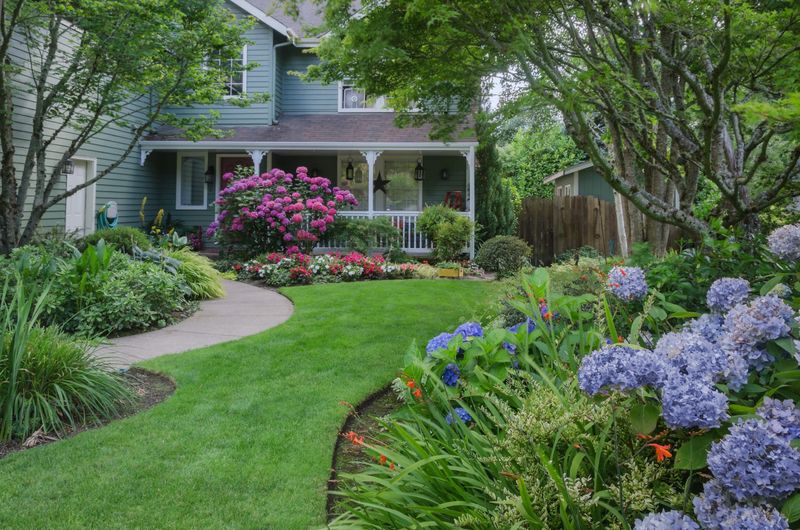
Flat, bare mulch under a tree gets the job done but does not do much for visual interest. Adding a layer of low-growing plants between the mulch and the lower canopy creates a sense of depth and fullness that makes the whole bed feel alive and intentional rather than just maintained.
Low growers work especially well because they stay close to the ground, avoiding competition with the tree canopy above and leaving the trunk visually clear. Creeping phlox is a cheerful choice that blooms in early spring and forms a soft carpet of color.
Sweet woodruff is a native-friendly option that spreads gently, tolerates shade well, and produces tiny white flowers in spring. Liriope, also known as lilyturf, is another tough performer that holds its strappy green foliage through most of the Ohio growing season.
Layering works best when you mix plants with different foliage textures. Pairing something fine and delicate with something broader and bolder creates contrast that the eye finds naturally appealing.
Keep plantings away from the immediate base of the trunk and avoid any plant that spreads aggressively enough to mat up against the bark. The goal is a soft, full look that frames the tree without overwhelming it.
5. Add Spring Bulbs For An Easy Burst Of Color
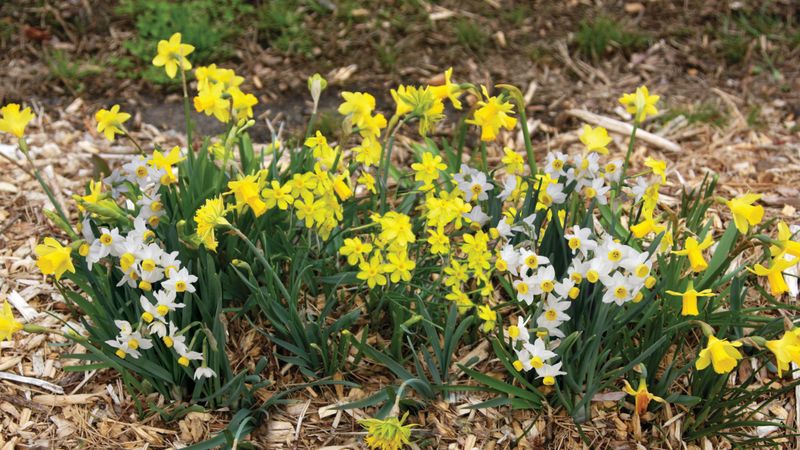
Before most trees in Ohio even begin to leaf out, spring bulbs can put on a spectacular show.
Planting bulbs under deciduous trees takes advantage of a narrow but beautiful window of time when sunlight still reaches the ground, the soil is moist from winter, and color is exactly what every tired winter yard needs.
Daffodils are especially well suited to life under trees because squirrels and other critters tend to leave them alone. They naturalize easily, meaning they spread and multiply year after year with almost no effort on your part.
Crocuses are another excellent choice. They push up early, often while snow is still possible, and their jewel-toned purples and yellows are a welcome sight after a gray Ohio winter.
Snowdrops are even earlier and work beautifully in clusters near the base of the bed.
Plant bulbs in fall before the ground freezes, typically between late September and early November in most parts of Ohio.
Set them at the right depth according to the package directions and tuck them between existing roots rather than forcing them through dense root masses.
As the tree leafs out and shade increases, the bulb foliage quietly fades back, leaving the rest of the bed to carry the season forward.
6. Use Woodland-Style Planting For A Natural Ohio Feel
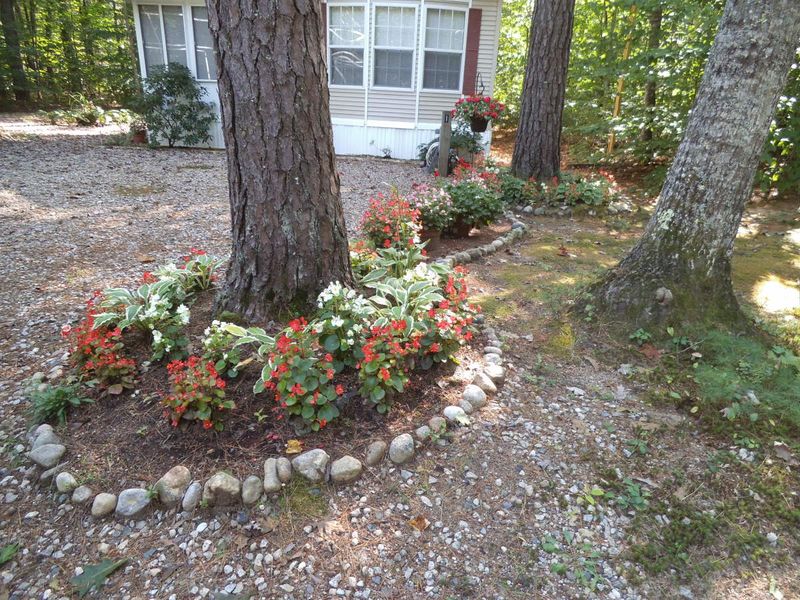
Ohio has a rich native woodland heritage, and that gives homeowners a wonderful opportunity to create tree beds that feel genuinely at home in the local landscape.
A woodland-style planting uses layered, loosely arranged plants that mimic the way plants grow naturally on the forest floor rather than in stiff, formal rows.
Virginia bluebells are a showstopper in early spring, producing clusters of sky-blue tubular flowers that emerge just as trees are beginning to wake up. Wild ginger is a native groundcover with attractive, heart-shaped leaves that spreads slowly and handles deep shade with ease.
Trillium, though slow to establish, is an iconic Ohio woodland plant that adds real character to a naturalistic bed. Jack-in-the-pulpit is another native worth including for its unusual, architectural form.
The key to making a woodland planting look right is arrangement. Rather than planting in straight lines or symmetrical clusters, place plants in organic, flowing drifts that overlap slightly at the edges.
Vary the heights so taller plants sit farther from the trunk and lower ones fill the front. Using mostly native plants also means less watering, less fertilizing, and better support for local pollinators and wildlife.
The result looks effortless but genuinely beautiful throughout the growing season.
7. Edge The Bed To Make The Whole Yard Look Sharper
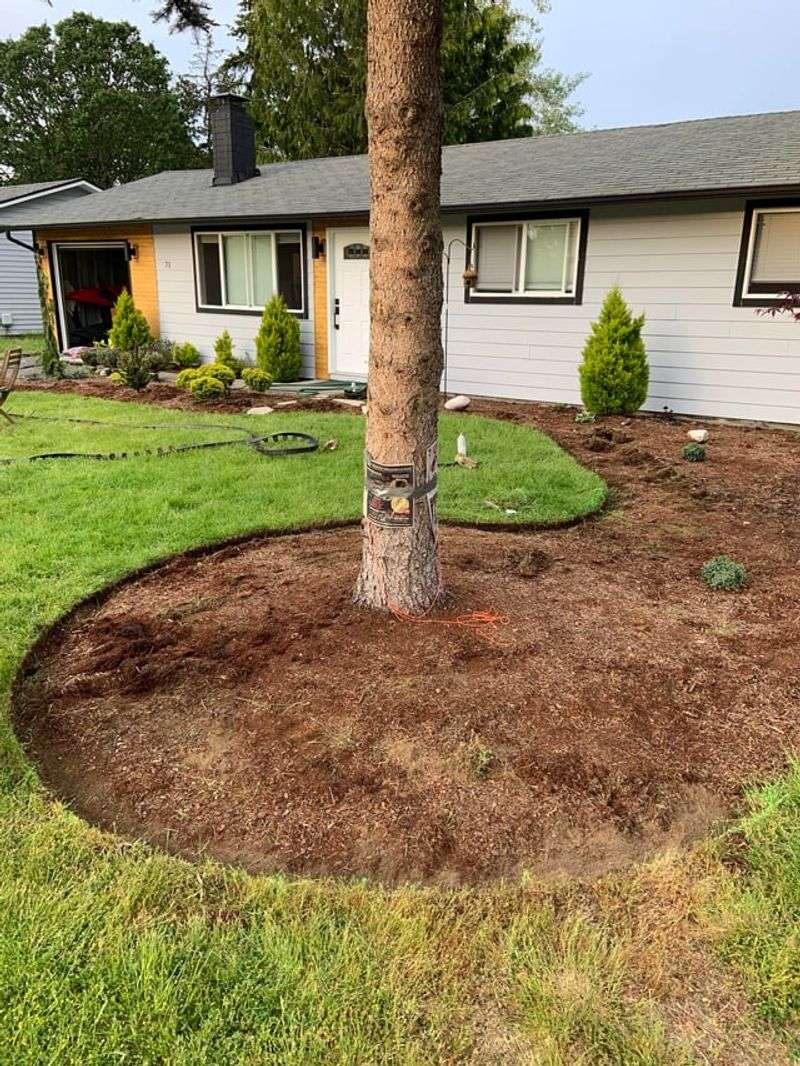
Few things upgrade a yard as quickly and affordably as a clean bed edge. You can have beautiful plants, fresh mulch, and healthy trees, but if the border between the bed and the lawn is ragged or undefined, the whole area looks unfinished.
A sharp edge signals that someone cares about the space and takes pride in how it looks.
Edging around a tree bed can be done with a simple flat spade or a half-moon edging tool. Cut straight down into the soil at the bed boundary to create a clean vertical line that separates the lawn grass from the mulched area.
Aim for a consistent depth of two to three inches around the entire perimeter. After cutting, remove the displaced soil and grass and use it to fill low spots elsewhere in the yard.
For a more permanent solution, consider installing a physical edging material. Steel edging gives a sleek, modern look and holds its line well through Ohio’s freeze-thaw cycles.
Natural stone or brick creates a more traditional feel and can be arranged in curves that complement organic bed shapes. Whichever method you choose, plan to re-edge at least once or twice per growing season to keep the border crisp.
That small maintenance effort pays off visually every single day.
8. Let Fallen Leaves Work Like Free Mulch
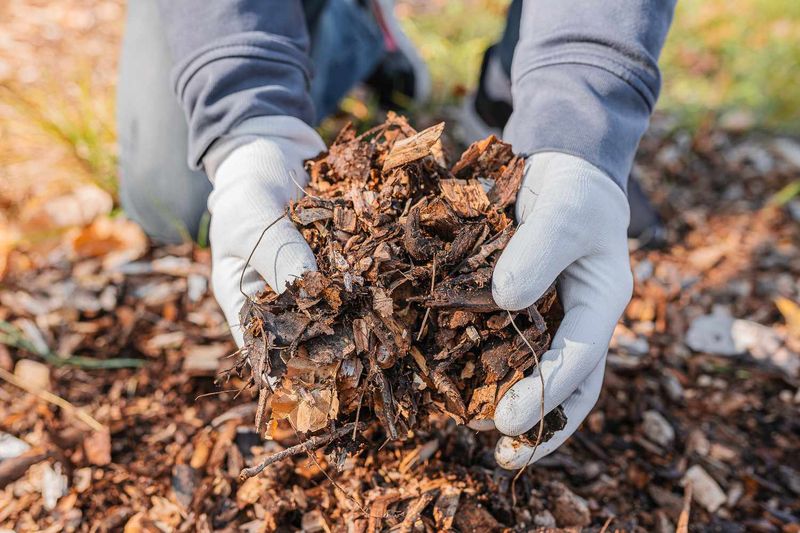
Every fall, Ohio yards produce an enormous supply of free organic material that most homeowners rake up and haul away without a second thought.
Fallen leaves, especially when shredded, can serve as an excellent natural mulch layer around trees, feeding the soil, retaining moisture, and supporting the kind of microbial activity that benefits root health.
The trick is to use them thoughtfully rather than just letting whole leaves pile up in deep, matted layers. A thick mat of unshredded leaves can block air and water from reaching the soil, which creates more problems than it solves.
Running a lawn mower over the leaves before spreading them breaks them into smaller pieces that settle evenly and decompose much more readily. A two-inch layer of shredded leaves around the tree bed is ideal.
Keep the same rules in mind as you would with any mulch. Leave a clear gap around the trunk so the root flare stays exposed.
Maintain the bed edges so the leaf mulch stays contained within the bed rather than spreading across the lawn. Mixing shredded leaves with a small amount of wood chip mulch can improve the appearance while still delivering the same soil benefits.
Using what your yard already produces is both smart and genuinely sustainable.
9. Skip The Mulch Volcano And Keep The Flare Clear
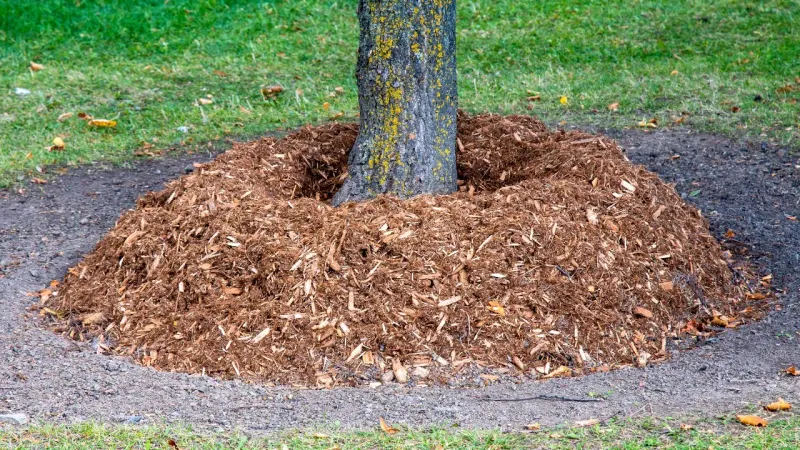
Walk through almost any Ohio neighborhood and you will spot them: trees with mulch piled up high against the trunk in a cone shape that looks like a little volcano.
It is one of the most widespread landscaping mistakes in residential yards, and it causes real, long-term harm to trees that could otherwise thrive for decades.
The root flare is the widened, flared area at the very base of the trunk where it transitions into the root system. That flare is meant to be above ground and exposed to air.
When mulch covers it, moisture gets trapped against the bark, which can lead to fungal problems, bark decay, and root issues that weaken the tree over many years. Insects and rodents are also more likely to nest in deep mulch piled against the trunk.
Fixing a mulch volcano is straightforward. Pull the excess mulch back away from the trunk until the root flare is clearly visible.
You may need to remove several inches of accumulated material that has built up over time. Going forward, keep mulch at a consistent depth of two to three inches across the bed and maintain that clear gap of several inches around the base of the trunk.
Exposed flares look better and the tree will benefit noticeably from the improved air circulation around its base.
10. Mix Texture And Color Without Crowding The Tree
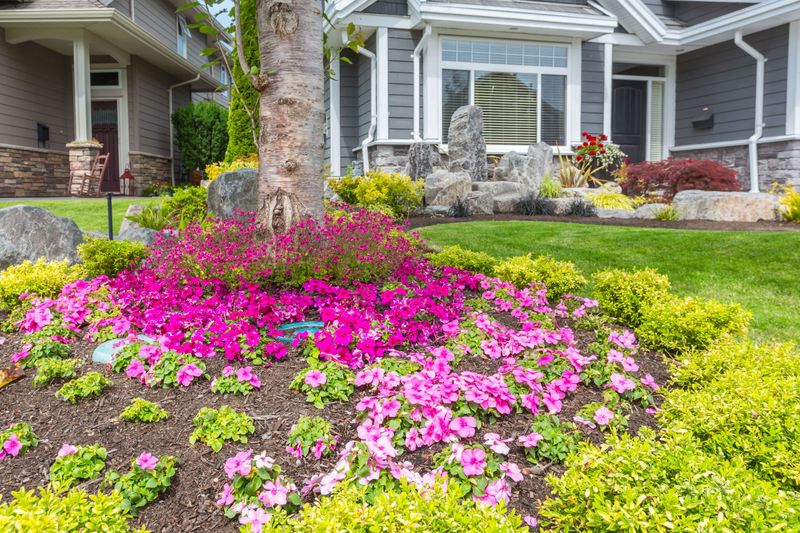
Putting together a tree bed that looks genuinely attractive takes more than just filling the space with whatever plants happen to be on sale.
Thoughtful combinations of texture, color, and height are what make a planting feel designed rather than random, and getting that balance right is easier than most people expect.
Start by thinking in contrasts. Pair the broad, smooth leaves of hostas with the fine, feathery texture of ferns or ornamental grasses.
Place something with vertical structure, like a clump of liriope or a compact astilbe, alongside something that spreads horizontally, like creeping phlox or sweet woodruff.
Adding a plant with interesting foliage color, such as a golden or blue-toned hosta, gives the bed a focal point without relying entirely on flowers.
Color works best when it is layered through the seasons rather than concentrated in one big bloom. Choose plants that take turns contributing visual interest so the bed looks appealing from early spring through late fall.
Avoid cramming too many plants close to the trunk. Give everything room to grow to its natural size so the bed fills in gracefully over time rather than immediately becoming overcrowded.
A well-balanced tree bed respects the tree’s space while making the most of the area it anchors in your yard.