6 Pruning Mistakes Some Floridians Make Every April
April in Florida is one of the most active months in the garden. Temperatures are climbing, rain is picking up, and plants are pushing out new growth faster than most homeowners can keep up.
Many Floridians head outside with their pruning shears feeling motivated, but good intentions do not always lead to good results.
Some of the most common pruning mistakes happen right now, and they can cost you a full season of blooms or slow down plants that were just hitting their stride.
1. Pruning Spring-Flowering Shrubs After Buds Have Formed
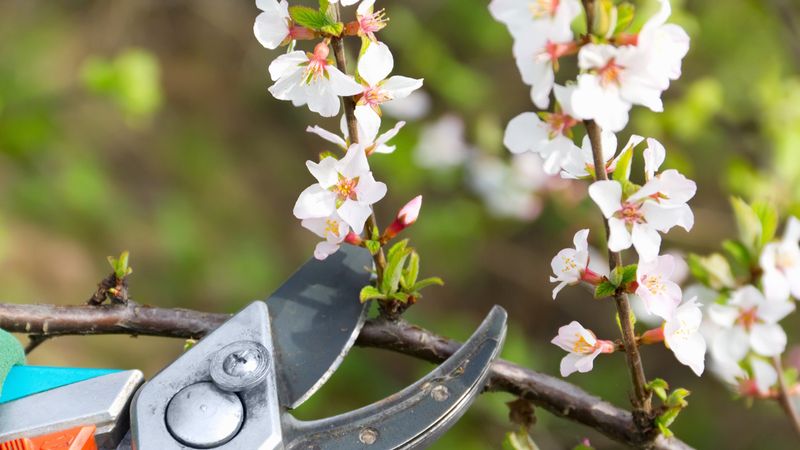
Walk through almost any Florida neighborhood in April and you will spot azaleas, Indian hawthorn, and other spring-blooming shrubs covered in swollen buds just waiting to open.
Reaching for the pruning shears at this moment is one of the most common and costly mistakes Florida gardeners make each spring.
Those buds carry the season’s entire floral display, and cutting them off means waiting a full year before seeing blooms again.
Spring-flowering shrubs set their buds on what horticulturists call “old wood,” meaning growth from the previous season. By the time April rolls around in Florida’s warm climate, that old wood is loaded with color that is just days away from opening.
Pruning now removes exactly what you have been waiting months to see.
For best results, prune spring-flowering plants right after blooming rather than beforehand. That short window right after flowering allows the shrub to grow new stems throughout summer, which then mature into next year’s flower-bearing wood.
Waiting just a few weeks makes a significant difference. If a shrub looks a little overgrown heading into April, resist the urge to tidy it up and let it bloom first.
You will be glad you waited once the flowers open, and your plants will reward the patience with a fuller display next season.
2. Cutting Back Crape Myrtles Too Late
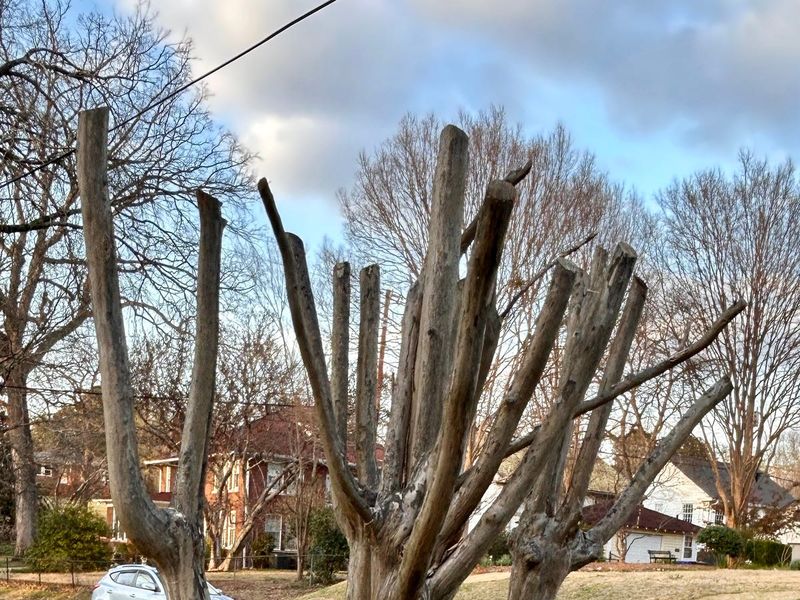
Crape myrtles are one of the most beloved trees in Florida landscapes, and they are also one of the most mismanaged.
By April, crape myrtles across Florida are already pushing out fresh green leaves and, in many cases, beginning to form the buds that will become their signature summer blooms.
Pruning at this stage sets those plants back in a way that is hard to recover from before the heat of summer arrives.
Florida’s mild winters mean crape myrtles break dormancy earlier than they would in cooler states. Late winter, roughly between January and early March, is the recommended window for any structural pruning.
During that period, the tree is still resting, cuts heal more efficiently, and the plant can redirect its energy into producing strong flowering wood for the coming season.
Cutting back crape myrtles in April does more than reduce blooms. It also encourages a flush of weak, fast-growing shoots called water sprouts, which crowd the canopy and reduce airflow.
Florida’s humid summers make good airflow especially valuable for keeping fungal issues at bay. If your crape myrtle has already leafed out this April, the kindest thing you can do is leave it alone.
Your Florida Garden Changes Every Week. Your Plan Should Too.
Gardening in Florida changes quickly throughout the season. Every Friday you’ll receive a simple weekly plan showing exactly what to plant, prune, fertilize, harvest, and protect so you never miss the right timing.
Light removal of crossing or rubbing branches is acceptable, but heavy cuts are worth saving for next late winter when the timing actually works in the plant’s favor.
3. Over-Pruning Shrubs Into Tight Shapes
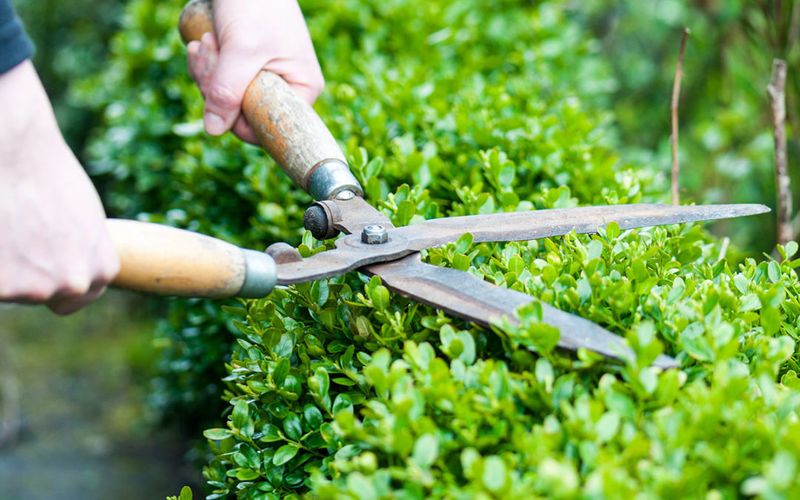
Florida’s fast-growing landscape plants can make a yard feel like it needs constant trimming, and April’s burst of new growth often pushes homeowners to reach for the hedge trimmers.
Shearing shrubs into tight, rounded, or boxy shapes might look tidy at first glance, but doing it repeatedly, especially in spring, leads to some real problems down the line.
When shrubs are sheared repeatedly into dense outer shells, most of the foliage ends up concentrated at the tips of the branches. The interior of the plant becomes shadowed and bare over time.
New growth is always forced outward, creating a hollow structure that is more fragile and less healthy than a naturally shaped shrub.
In Florida’s heat and humidity, that dense outer layer can also trap moisture and reduce the airflow that plants need to stay healthy through summer.
Using selective hand pruning instead of mechanical shearing helps maintain healthier ornamental shrubs.
Removing individual branches back to a natural fork or junction point encourages the plant to grow with more internal structure and better light penetration.
Some Florida shrubs, like podocarpus or ficus hedges, do tolerate regular shearing, but even those benefit from occasional thinning cuts.
Giving shrubs room to breathe and grow in a more natural form generally results in stronger, more resilient plants that look better through the long Florida summer and into fall.
4. Removing Too Much New Spring Growth
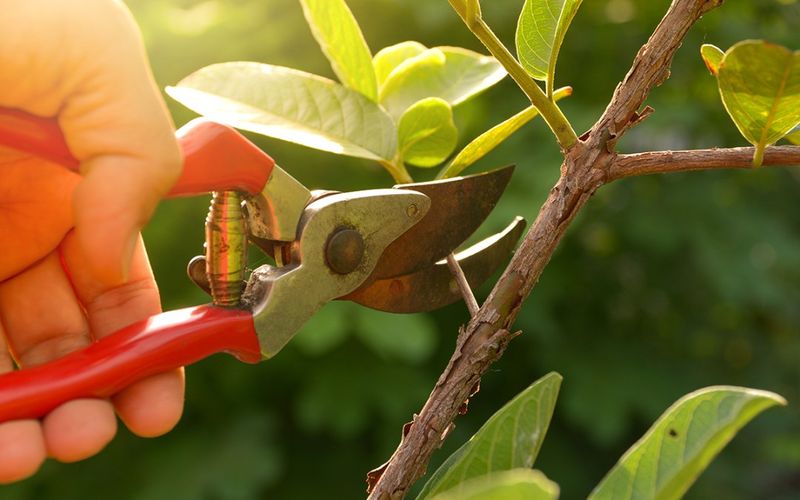
Spring growth in Florida comes on fast. One week a plant looks dormant and the next it is covered in bright, tender new leaves reaching in every direction.
Seeing that sudden burst of growth can feel like an invitation to cut things back, but removing a large portion of that fresh growth in April can set plants back more than most homeowners expect.
New spring growth is the plant’s primary engine for photosynthesis during the growing season.
Those fresh leaves are busy capturing sunlight and producing the energy the plant needs to build roots, establish new stems, and prepare for Florida’s demanding summer heat.
Cutting away too much of that growth at once reduces the plant’s ability to feed itself at exactly the moment it needs the most energy.
A commonly cited guideline from horticulture professionals is to avoid removing more than about one-third of a plant’s foliage at a single time.
In Florida, where the growing season is long and plants can recover more quickly than in northern states, some flexibility exists, but April is still a sensitive window.
Plants are investing heavily in new growth, and significant cuts interrupt that investment. If shaping is necessary, light touch-ups that remove only the longest, most unruly stems are far less disruptive than a heavy overall trim.
Letting the plant gain some size and strength before any major pruning gives it a much better foundation heading into the hotter months ahead.
5. Pruning Palms Instead Of Removing Only Old Fronds
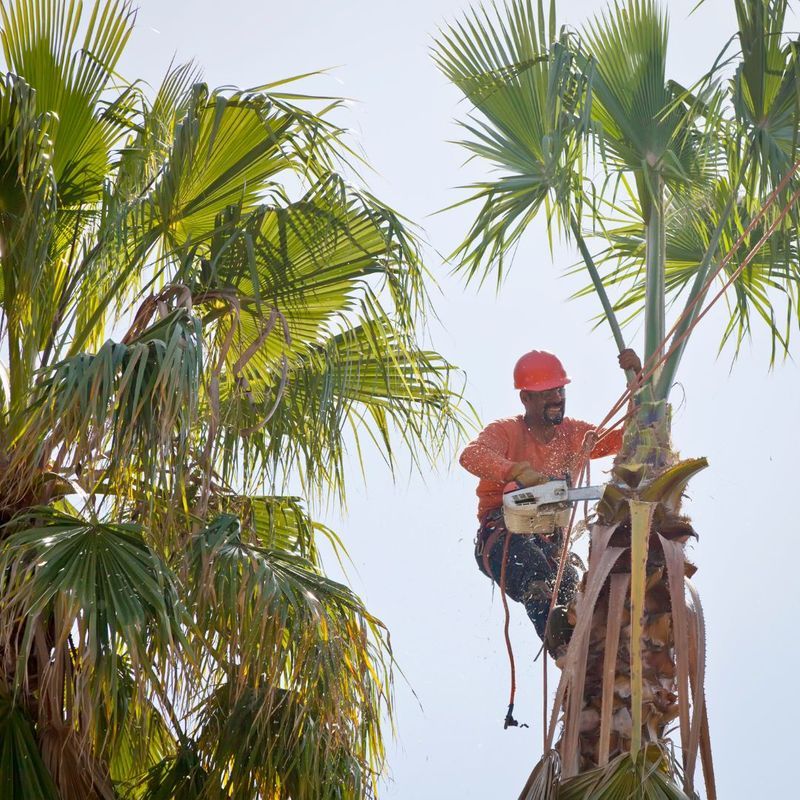
Palms are a defining feature of Florida’s landscape, and keeping them tidy is something most homeowners think about regularly.
The problem is that well-meaning pruning often goes further than it should, removing green fronds that the palm still needs in order to stay healthy and maintain its natural structure.
Palms work differently from most other landscape plants. They cannot generate new growth from the sides of their trunk the way a typical tree or shrub does.
All growth comes from a single central point called the terminal bud at the top of the trunk. When too many fronds are removed, the palm is left with a sparse, thin canopy that cannot support adequate photosynthesis.
Over time, heavily over-pruned palms develop a condition sometimes called “hurricane cut” or pencil-pointing, where the canopy becomes so reduced that the palm struggles to maintain healthy growth.
Remove only fronds that have turned fully brown or yellow and hang below a horizontal line from the trunk. Green fronds pointing upward or outward should stay in place.
In April, as palms in Florida are heading into their active growing season, removing green fronds is especially counterproductive.
Fronds that are just beginning to show some yellowing at the tips may still be contributing to the plant’s energy production and are worth leaving a little longer.
Less is genuinely more when it comes to palm pruning, and restraint pays off in healthier, more attractive trees throughout the year.
6. Pruning During Active Bird Nesting Season
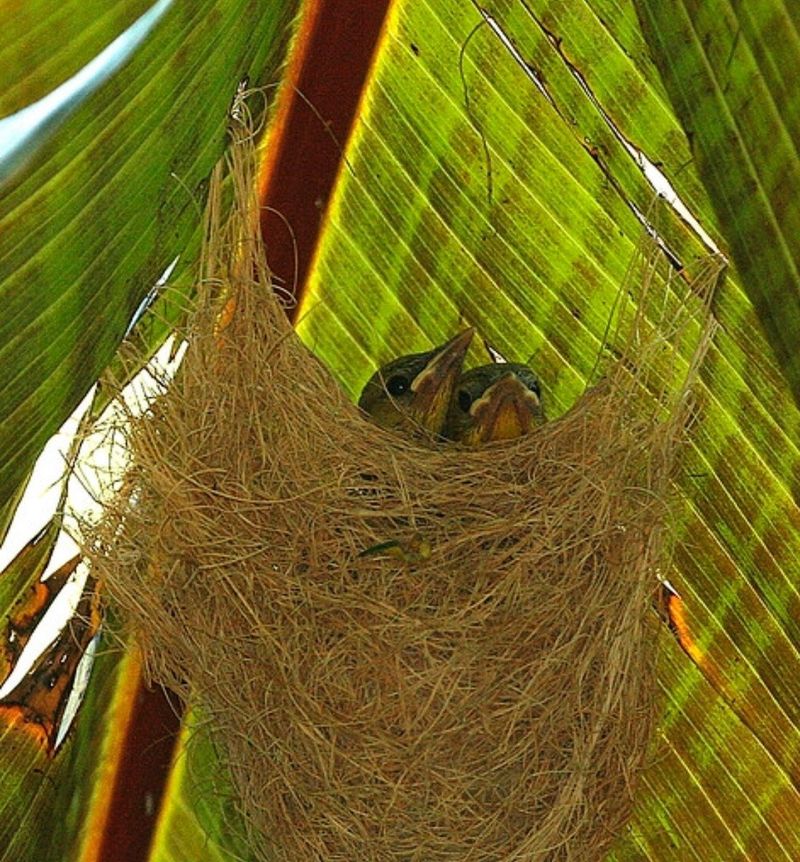
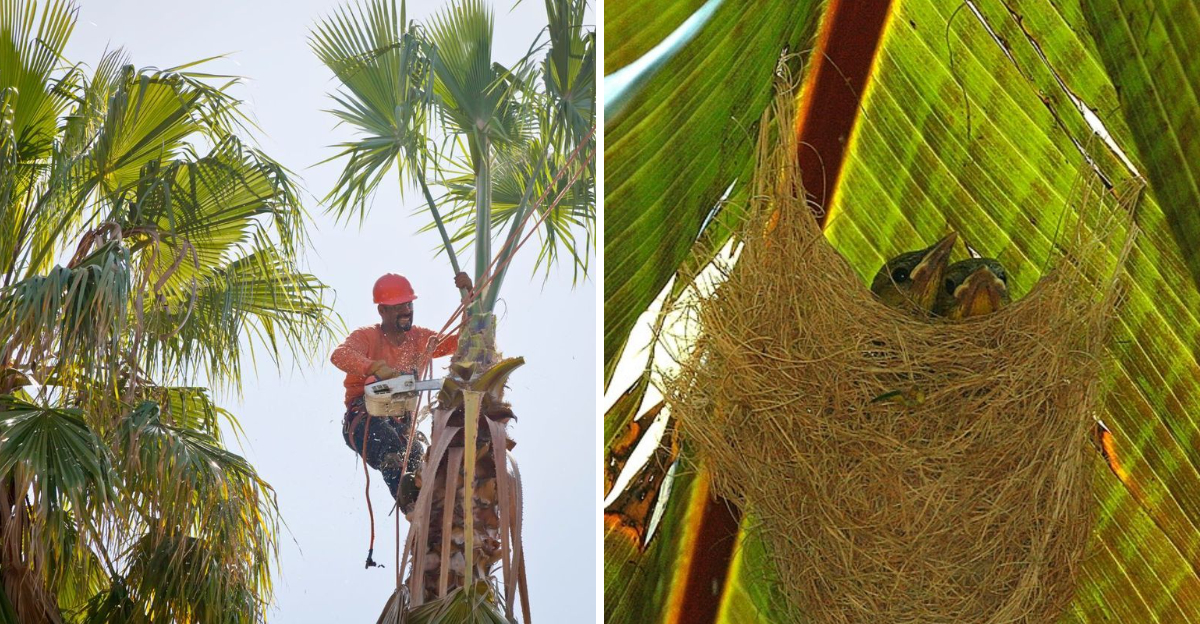
April is one of the busiest months for nesting birds across Florida, and most homeowners have no idea that the shrub they are about to trim may be sheltering an active nest tucked inside its branches.
Florida is home to an impressive variety of resident and migratory bird species, and spring is peak nesting season for many of them, from mockingbirds and cardinals to blue jays and mourning doves.
Before any pruning begins in April, it is worth taking a slow, careful look through the plant’s interior. Nests can be surprisingly well hidden, tucked into forks between branches or nestled deep in dense foliage.
Disturbing an active nest can cause parent birds to abandon their eggs or young, which is both an ecological loss and, in many cases, a legal issue.
The Migratory Bird Treaty Act provides federal protection for most wild bird species and their nests, making it important to proceed with awareness.
If a nest is found, the most practical approach is to simply delay pruning that particular plant until the nesting cycle is complete, which typically takes between two and six weeks depending on the species.
Marking the plant with a small flag or tag can serve as a helpful reminder to check back later.
Florida’s long growing season means a few weeks of delay rarely causes any real landscape problems, and the reward of watching a family of birds successfully fledge from your yard makes the patience feel entirely worthwhile.