Fix Orchids That Stop Blooming In Pennsylvania Homes And Get More Blooms
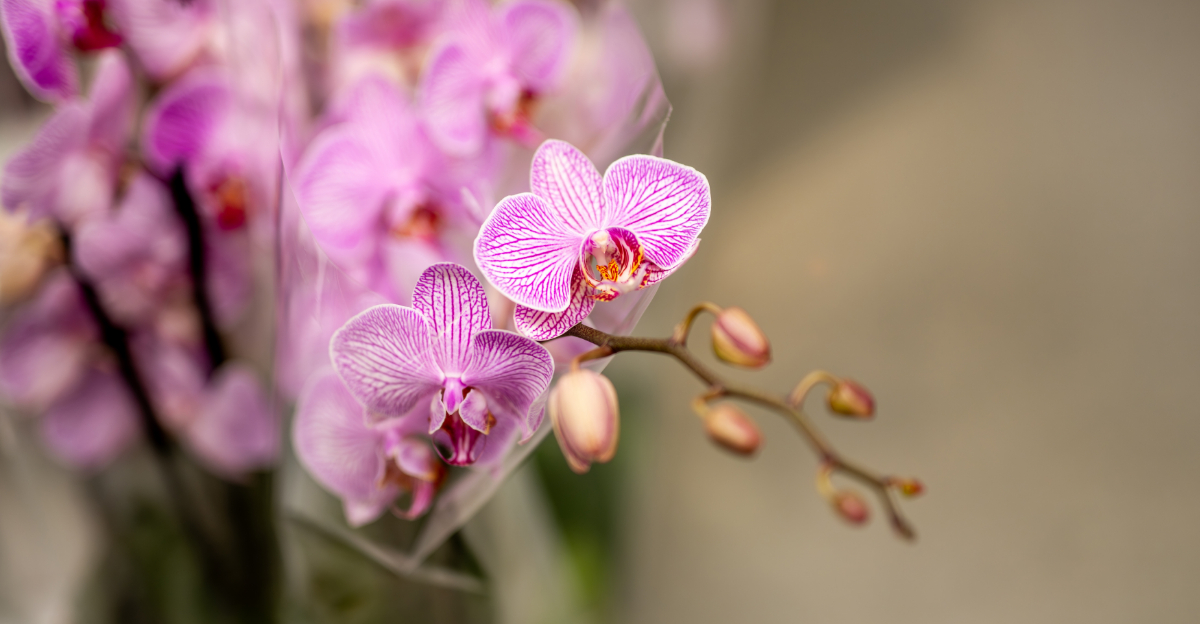
Orchids have a funny way of making people take their bloom drought personally. You water them, move them, admire the leaves, and wait like a loyal fan at a concert that keeps getting delayed.
In plenty of Pennsylvania homes, orchids look healthy for months but refuse to flower again, which is where the real frustration sets in.
The problem is usually not bad luck. Most of the time, an orchid that has stopped blooming is reacting to something small but important, like light, temperature, watering habits, or the way it is potted.
None of that sounds dramatic, but these plants can be surprisingly particular about the little things.
The encouraging part is that a bloomless orchid is not necessarily a failing orchid. It may simply need the right nudge.
A few common household habits tend to stall the show, and the next one catches more people than you would think.
1. Give Them Adequate Light
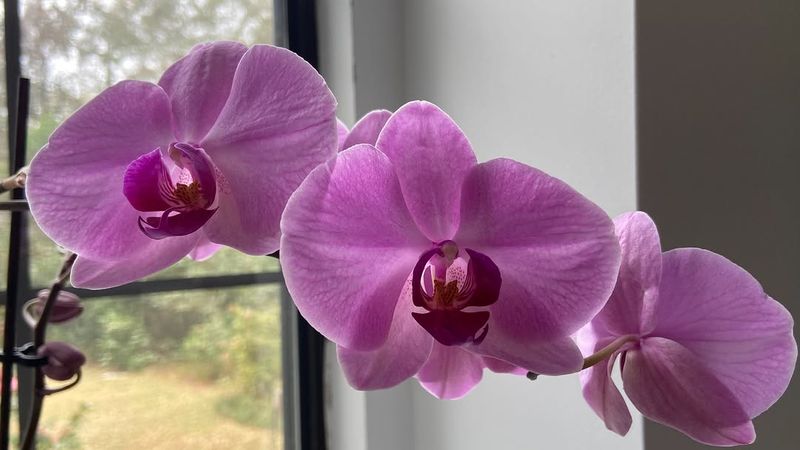
Light is honestly one of the biggest reasons orchids refuse to bloom indoors, and it is one of the easiest things to fix. Phalaenopsis orchids need bright, indirect light to trigger new flower spikes.
In Pennsylvania, especially from November through February, the days get short and the sun hangs low in the sky, which means your orchid might not be getting nearly enough light even when it sits right next to a window.
The best spots in a Pennsylvania home are east-facing or south-facing windows. East windows provide gentle morning light that orchids absolutely love without the harsh afternoon rays that can scorch the leaves.
South-facing windows work well too, but hanging a sheer curtain helps diffuse the stronger light.
If natural light is just not cutting it, a grow light designed for houseplants can make a huge difference. Set it on a timer for about 12 to 14 hours per day to mimic a longer growing season.
Look for a light that emits a full spectrum, as orchids respond well to both blue and red wavelengths. You will know your orchid is getting the right amount of light when the leaves are a medium green color, not dark green or yellowish.
Dark green leaves mean the plant is reaching for more light, while yellow leaves can signal too much direct sun.
Getting this balance right is the first real step toward seeing new blooms appear on your plant.
2. Water Them Correctly
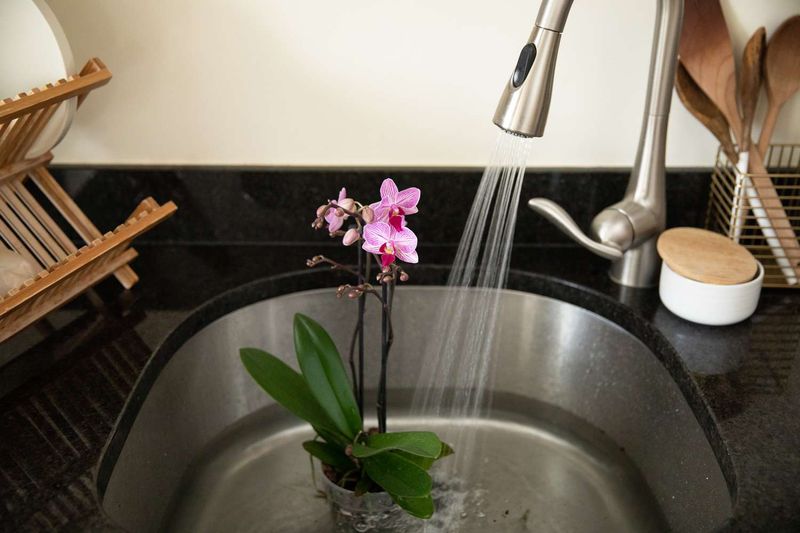
Watering mistakes are probably the most common reason orchids stop blooming, and the tricky part is that both too much and too little water cause problems. Most Pennsylvania homeowners tend to overwater, which leads to soggy roots that cannot absorb nutrients properly.
When roots are waterlogged, the plant focuses all its energy on surviving rather than producing new flowers.
A good rule of thumb is to water your orchid about once a week during spring and summer, and every ten to fourteen days during fall and winter. Always water thoroughly by taking the pot to the sink and letting room-temperature water run through the potting medium for about thirty seconds.
Your Pennsylvania Garden Changes Every Week. Your Plan Should Too.
Gardening in Pennsylvania changes quickly throughout the season. Every Friday you’ll receive a simple weekly plan showing exactly what to plant, prune, fertilize, harvest, and protect so you never miss the right timing.
Then let every drop drain out completely before putting the pot back in its decorative container. Never let your orchid sit in standing water.
Pennsylvania winters bring dry indoor air from heating systems, which can cause the potting medium to dry out faster than expected. Check the roots through the pot if you are using a clear plastic nursery pot.
Healthy roots look silver-green or bright green when moist and turn a silvery-gray when they need water. Mushy brown roots are a sign of overwatering and need to be trimmed away with clean scissors.
Adjusting your watering schedule based on the actual condition of the roots rather than a fixed calendar schedule is one of the smartest habits you can build as an orchid grower in Pennsylvania.
3. Fertilize Lightly But Regularly
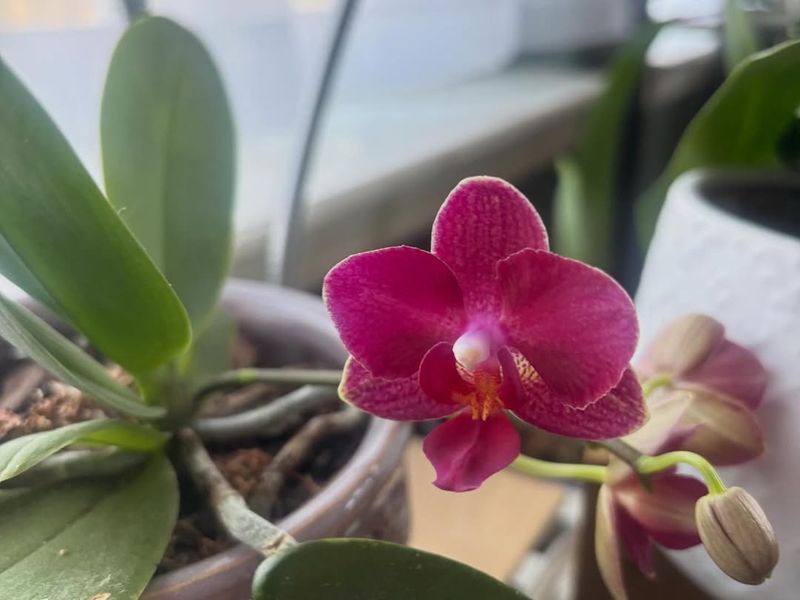
Many orchid owners in Pennsylvania either forget to fertilize entirely or overdo it, and both habits slow down blooming. Orchids are light feeders, meaning they prefer small, steady doses of nutrients rather than large occasional feedings.
Think of it like snacking throughout the day versus eating one enormous meal, your orchid processes nutrients better in smaller amounts.
During the growing season, which runs roughly from spring through summer, fertilize your orchid every other watering with a balanced, water-soluble fertilizer formulated specifically for orchids. A popular approach among growers is to follow the phrase “weakly, weekly,” meaning you use a diluted dose more frequently rather than a full-strength dose once a month.
Mix the fertilizer at about one-quarter of the recommended strength to avoid burning the roots.
As fall arrives and Pennsylvania days shorten, pull back to fertilizing just once a month. This slight reduction in nutrients signals to the plant that a resting period is coming, which can actually help trigger blooming later on.
Always water your orchid before applying fertilizer so the nutrients are absorbed into moist roots rather than dry ones. Dry roots can get damaged by even diluted fertilizer.
Flush the pot with plain water every fourth watering to prevent salt buildup in the potting medium, which can block nutrient absorption over time and make it harder for your orchid to push out those gorgeous long-lasting flower spikes you are waiting for.
4. Keep Humidity In A Better Range
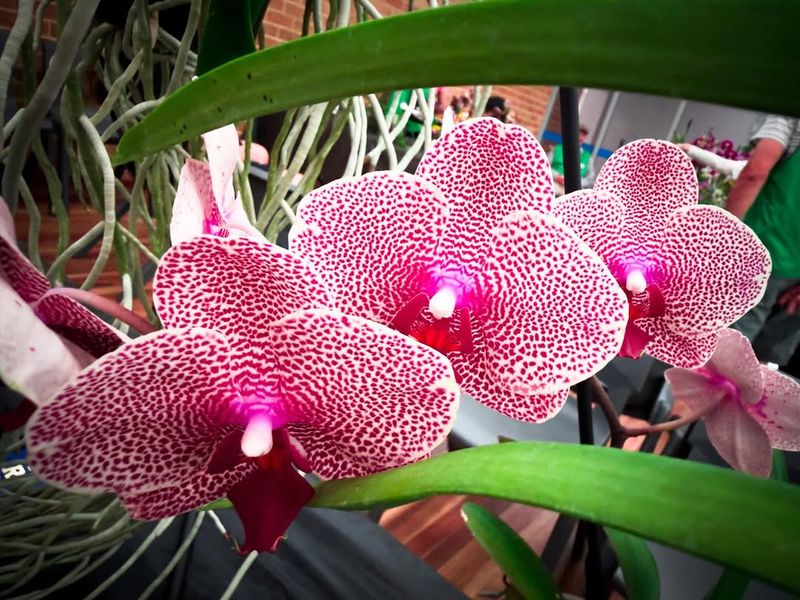
Pennsylvania winters are tough on orchids for one sneaky reason most people overlook: indoor heating systems pull a tremendous amount of moisture out of the air. When indoor humidity drops below 30 percent, orchids struggle.
Their roots and leaves begin to lose moisture faster than the plant can replace it, and blooming becomes the last priority for a stressed plant.
Orchids thrive when humidity stays between 40 and 70 percent. You do not need to turn your living room into a greenhouse to hit that range.
A small cool-mist humidifier placed near your orchid collection works beautifully. If you prefer a low-tech solution, place your orchid pot on a shallow tray filled with pebbles and water.
As the water evaporates, it creates a little pocket of humidity right around the plant. Just make sure the bottom of the pot sits above the water line so the roots are not soaking.
Grouping orchids together also helps because plants naturally release moisture through their leaves, and a cluster of plants raises the local humidity slightly. A simple digital hygrometer, which is an inexpensive tool available at most hardware stores across Pennsylvania, lets you monitor the humidity level in the room without guessing.
Misting the leaves directly is generally not recommended because it can encourage fungal spots on the foliage.
Consistent, steady humidity around the plant is far more beneficial than occasional misting and will make a noticeable difference in how often your orchid blooms.
5. Improve Air Movement Around The Plant
Fresh air circulation is something orchid growers often forget about, but it matters more than most people realize. In their natural tropical habitats, orchids grow on tree branches where breezes pass through constantly.
That gentle airflow keeps their roots and leaves dry between waterings and helps prevent the buildup of moisture that leads to fungal and bacterial problems. Inside a Pennsylvania home, stagnant air can work against your orchid in several ways.
Poor air circulation allows moisture to sit on leaves and in the crown of the plant, which creates conditions where rot can develop. It also makes temperature pockets more extreme near windows, where cold drafts from Pennsylvania winters can stress the plant significantly.
A small fan set on the lowest speed and positioned a few feet away from your orchid does wonders. You want a gentle, indirect breeze rather than a direct blast of air that would dry out the roots too quickly.
Opening a window on mild Pennsylvania spring or fall days for an hour or two gives your orchid a refreshing dose of natural outdoor air. Just keep the plant away from heating vents, air conditioning units, and cold drafty window sills during winter.
Those spots create wild temperature swings that confuse the plant.
Steady, gentle airflow encourages strong root growth, healthier leaves, and a plant that is far more likely to reward you with a new flower spike when growing conditions are right.
6. Repot In Fresh Medium When The Mix Breaks Down
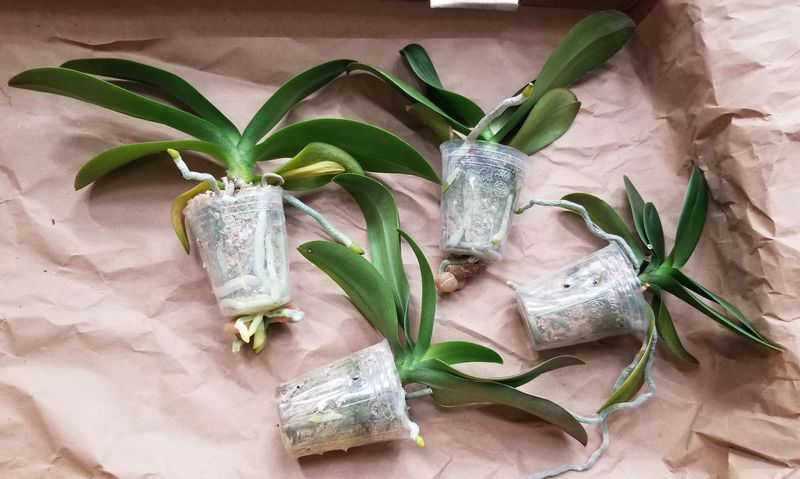
Over time, the bark-based potting mix that orchids grow in begins to break down and decompose. What starts as chunky, airy pieces of bark gradually turns into a dense, soggy mass that holds too much water and cuts off oxygen to the roots.
When the roots cannot breathe properly, the plant stops blooming and starts to decline. Repotting every one to two years keeps things fresh and gives your orchid a real boost.
Spring is the best time to repot orchids in Pennsylvania, right after the last blooms have faded. Choose a clear plastic pot that is just slightly larger than the current one, as orchids actually bloom better when their roots are a little snug.
Use a fresh orchid-specific potting mix made from bark, perlite, or sphagnum moss rather than regular potting soil, which stays too wet and suffocates the roots.
When you remove the orchid from its old pot, take a close look at the roots. Trim away any that are brown, mushy, or hollow using clean, sharp scissors.
Healthy roots are firm and white or green. After repotting, water the orchid thoroughly to settle the mix around the roots, then let it drain completely before returning it to its spot.
This small step helps prevent rot from setting in at the wound sites. Pennsylvania orchid growers who repot on a regular schedule consistently report healthier plants and more frequent blooming cycles compared to those who leave their orchids in the same medium for years.
7. Keep Water Out Of The Crown
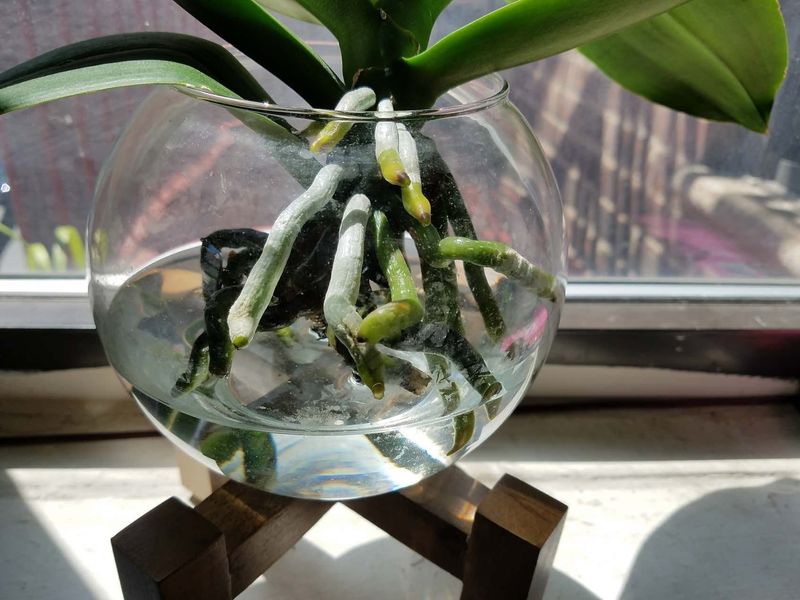
One of the most overlooked but genuinely damaging mistakes orchid owners make is letting water pool in the crown of the plant, which is the central point where the leaves meet. That small cup-shaped area collects water easily, and when moisture sits there for too long, especially in cooler Pennsylvania homes during winter, it creates the perfect environment for crown rot to develop.
Crown rot is fast-moving and can wipe out an otherwise healthy plant quickly.
Every time you water your orchid, take a moment to check the crown afterward. If you see water sitting in that central area, gently blot it out with a paper towel or a cotton swab.
You can also tilt the pot slightly after watering to help any pooled water roll out naturally. Some growers in Pennsylvania keep a small squeeze bottle of plain water nearby specifically for rinsing the crown and immediately blotting it dry, which gives precise control over where the water goes.
Watering in the morning rather than the evening is a smart habit because it gives any accidental crown moisture time to evaporate during the warmer part of the day. Evening watering leaves the plant sitting in cool, damp conditions overnight, which raises the risk of rot significantly.
Keeping the crown clean and dry is one of those small, consistent habits that adds up to a much healthier orchid over time, and a healthy orchid is always a blooming orchid waiting to happen in your Pennsylvania home.