Georgia April Tips For Boxwood Care
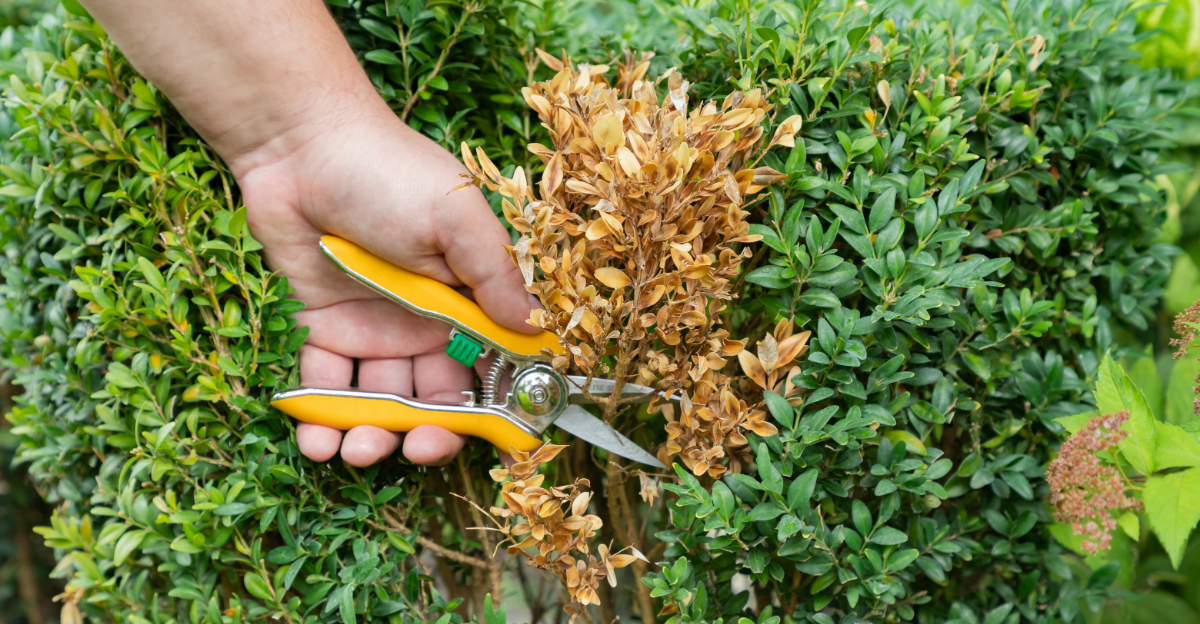
Boxwoods have been doing steady, dependable work in Georgia yards for years. They frame front walks, anchor foundation beds, and give the whole place that tidy, pulled-together look people love.
Then April rolls around, new growth starts pushing in, and suddenly it is time to pay attention before heat, pests, and spring growth get ahead of you.
This is the month when boxwoods can either settle into the season nicely or start showing the effects of stress, rough pruning, poor watering, or overlooked pest problems. Georgia weather does not waste much time warming up, so little issues can turn into bigger ones faster than many homeowners expect.
The good news is that April is a very useful checkpoint. A few smart moves can help boxwoods hold their shape and stay greener.
Start with what your shrub is showing right now, because the first clue is often sitting on outer leaves.
1. Watch Closely For Boxwood Blight
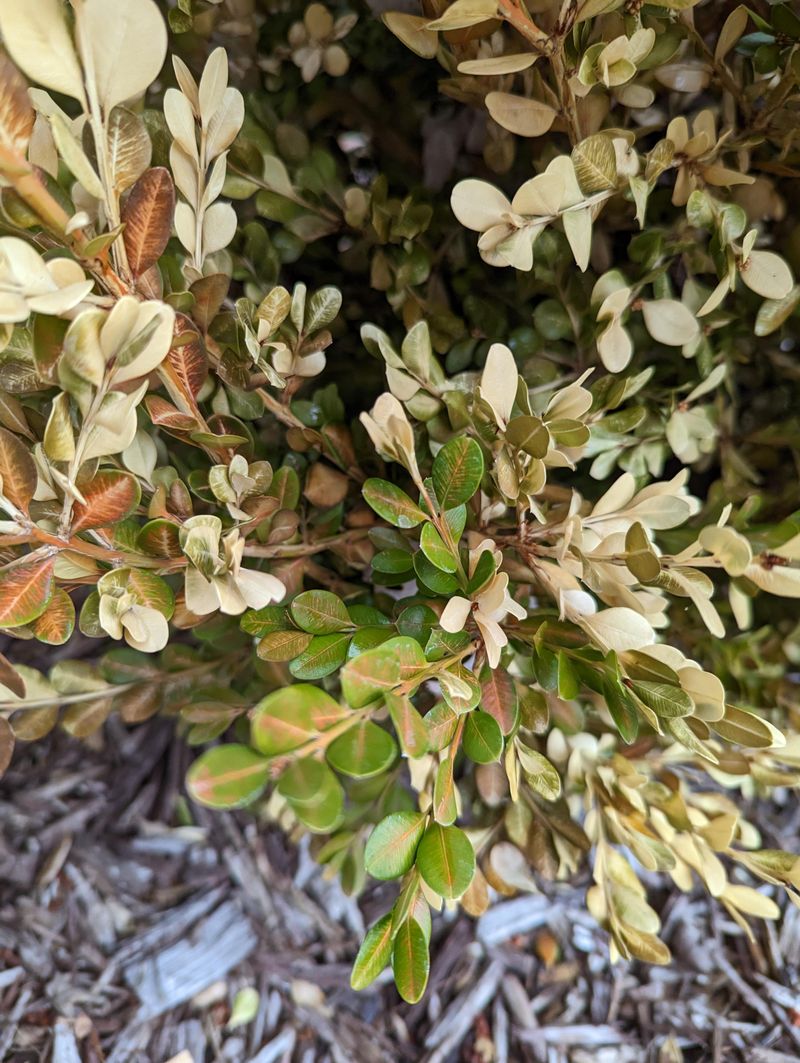
Boxwood blight is one of the most serious threats facing boxwood shrubs across Georgia, and April is the time to start watching for it carefully. This fungal disease spreads quickly and can wipe out entire hedges if it goes unnoticed.
Knowing what to look for is your first line of defense.
The disease shows up as dark brown or tan spots on the leaves, often with darker borders. You may also notice black streaks on the stems and rapid leaf drop, which can leave your shrubs looking bare and patchy in a matter of weeks.
In Georgia’s warm, humid spring climate, conditions are ideal for this fungus to spread fast.
Walk around your yard and inspect each shrub closely at least once a week. Pay extra attention after rainy periods, since moisture is what really helps the fungus thrive.
If you catch early signs, remove infected branches immediately and bag them up before disposing of them away from your garden.
Avoid composting any infected material, as this can spread spores throughout your yard. Fungicide sprays containing chlorothalonil or thiophanate-methyl can help protect healthy plants when applied correctly.
Always follow label directions and consider contacting your local Georgia Cooperative Extension office for guidance on the best products for your area.
Keeping your boxwoods well-spaced also helps by improving airflow around the leaves, which reduces the damp conditions the fungus loves. Staying proactive during April gives you the best shot at keeping your Georgia landscape healthy and thriving through the rest of the growing season.
2. Never Prune Boxwoods When They Are Wet
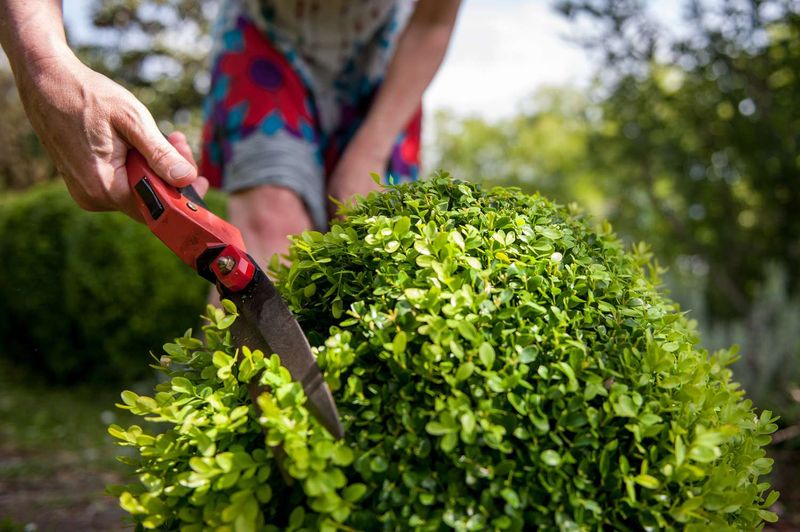
One of the biggest mistakes Georgia gardeners make is heading out to trim their shrubs right after a rainstorm. Wet foliage and wet stems create the perfect environment for fungal spores to spread from plant to plant on your tools and hands.
When you cut into wet wood, moisture gets trapped inside the fresh cut, making it harder for the wound to heal properly. This opens the door for disease and rot to set in before the plant has a chance to recover.
Your Georgia Garden Changes Every Week. Your Plan Should Too.
Gardening in Georgia changes quickly throughout the season. Every Friday you’ll receive a simple weekly plan showing exactly what to plant, prune, fertilize, harvest, and protect so you never miss the right timing.
Georgia’s spring weather can be unpredictable, with rain showers popping up frequently, so patience really matters here.
Always wait until the leaves and stems are completely dry before you pick up your pruning shears. A good rule of thumb is to wait at least 24 hours after rain before pruning.
If you are unsure whether the foliage is dry enough, run your hand along a few branches and check for any lingering moisture.
Pruning during dry conditions also gives you a cleaner cut, which helps the plant seal off the wound faster. Sharp, clean cuts cause less stress to the shrub than ragged ones, so make sure your tools are in good shape before you start.
Dull blades crush the tissue instead of cutting it cleanly, which can slow down the healing process.
April mornings in Georgia can bring heavy dew, so afternoon pruning on a sunny day is often the safest bet. Taking this small extra step protects your boxwoods and keeps your entire landscape looking its best all season long.
3. Skip Overhead Watering
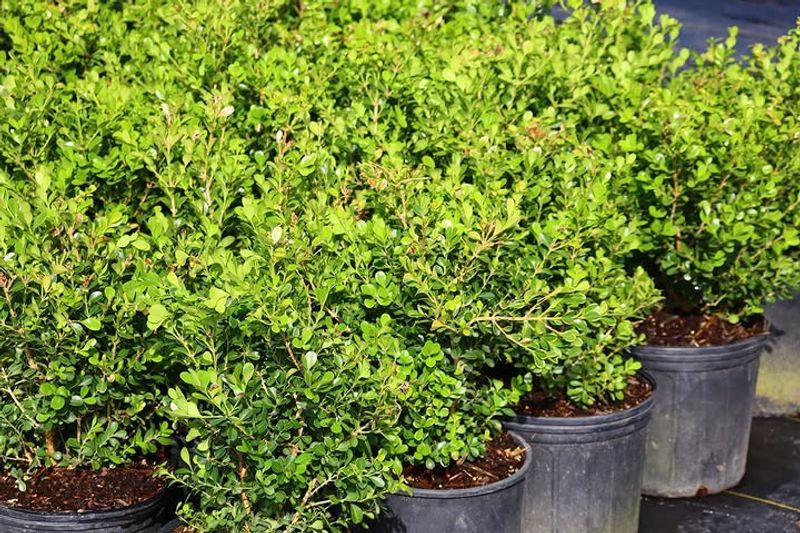
Watering your boxwoods the right way can make a huge difference in how healthy they stay throughout the spring and summer. Many Georgia homeowners rely on overhead sprinkler systems, but for boxwoods, that method can actually cause more harm than good.
Wet leaves sitting in Georgia’s warm April air create ideal conditions for fungal diseases like boxwood blight to spread rapidly.
Soaker hoses or drip irrigation systems are a much better choice for boxwoods. These methods deliver water directly to the root zone, where the plant actually needs it, without wetting the foliage at all.
Your shrubs get the hydration they need while the leaves stay dry and much less vulnerable to disease.
Deep, infrequent watering is the way to go with boxwoods. Watering deeply encourages roots to grow down into the soil rather than staying shallow near the surface.
Shallow roots make shrubs more vulnerable during hot, dry Georgia summers, so building strong root systems in spring is a smart investment in your landscape.
Try to water in the morning if possible, so any accidental splash on the leaves has time to dry before evening temperatures drop. Evening watering leaves moisture on foliage overnight, which is exactly the kind of condition that invites fungal problems.
Morning watering also gives the soil time to absorb moisture before the afternoon heat kicks in.
Check the soil moisture before watering by pressing your finger about an inch into the ground near the base of the shrub. If it still feels moist, hold off for another day or two.
Overwatering is just as problematic as underwatering, and boxwoods in Georgia’s clay-heavy soils can suffer from poor drainage if they get too much water at once.
4. Sanitize Tools Before Moving Between Plants
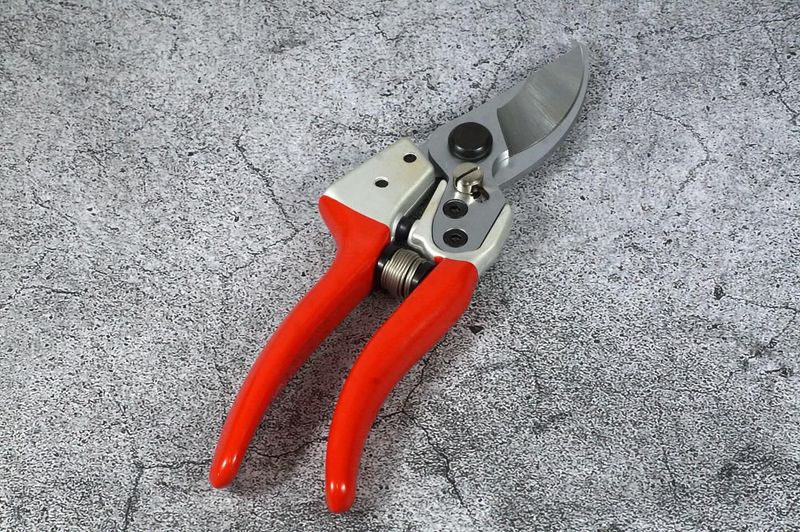
Your pruning tools can be one of the fastest ways to spread disease from one boxwood to another without even realizing it. A single infected plant touched by an unsanitized blade can pass fungal spores or bacterial pathogens to every healthy shrub you prune afterward.
In Georgia, where spring humidity already creates favorable conditions for plant diseases, skipping this step is a risk not worth taking.
Sanitizing your tools between plants is a simple habit that takes only a few seconds but can save your entire boxwood hedge. A solution of 70 percent isopropyl alcohol works well for wiping down blades between cuts.
Some gardeners keep a small spray bottle filled with the solution in their back pocket while working so it is always within reach.
Bleach solutions also work, but they can be harder on your tools over time, causing corrosion if not rinsed off properly. Whatever sanitizing method you choose, make sure the blade is fully coated and allowed to air dry for at least 30 seconds before making the next cut.
This gives the solution time to do its job effectively.
It is also a good practice to sanitize your tools before you start working for the day, not just between plants. Tools that have been stored in a shed or garage can pick up soil, mold, or debris that carries pathogens.
A quick wipe-down at the start of your gardening session adds another layer of protection for your Georgia landscape.
Clean gloves matter too. If you handle an infected plant and then touch a healthy one, you can transfer spores just as easily as a dirty blade can.
Keeping a dedicated pair of gloves for your boxwoods and washing them regularly is a smart, low-effort way to protect your investment.
5. Quarantine New Boxwoods Before Planting
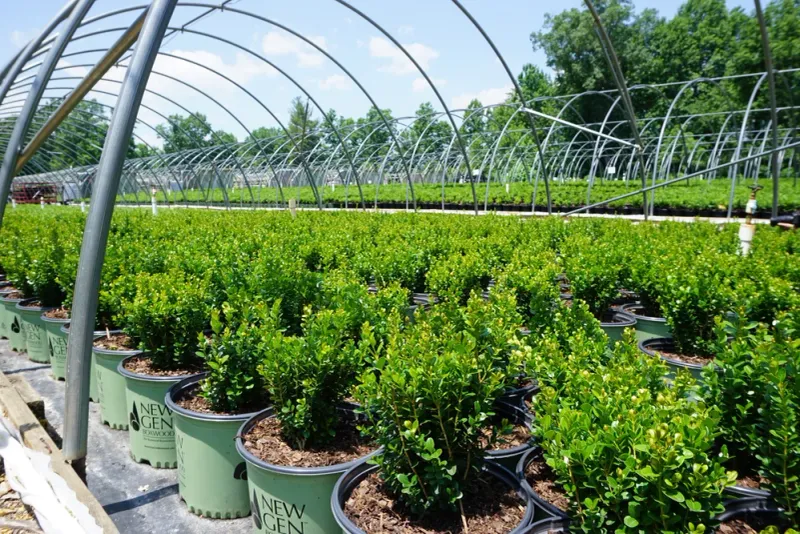
It is easy to want newly bought boxwoods in the ground right away, but planting them immediately without a quarantine period is a risk Georgia gardeners should not take. Boxwood blight and other diseases can hitch a ride on nursery plants without showing any visible symptoms right away.
By the time signs appear, the disease may have already spread to your established shrubs nearby.
A quarantine period of two to four weeks gives you time to observe the new plants before introducing them to your landscape. Keep them in a separate area of your yard, away from any existing boxwoods or other susceptible plants.
Water and care for them normally during this time, and check the leaves and stems regularly for any warning signs like spots, discoloration, or unusual leaf drop.
Georgia’s April weather is warm enough that new plants will not suffer during a short quarantine outdoors. Place them in a spot that gets similar light to where you plan to eventually plant them so they can start adjusting to your yard’s conditions.
This also gives the roots time to settle and the plant to recover from any transplant stress before going into the ground.
If you notice anything concerning during the quarantine period, contact your local Georgia Cooperative Extension office for advice before proceeding. It is far better to hold off on planting than to risk spreading a disease throughout your entire landscape.
Extension agents in Georgia are a fantastic and free resource for identifying plant problems accurately.
Buying plants from reputable, certified nurseries also lowers your risk significantly. Look for growers who follow best management practices for boxwood blight, as many now offer certified disease-free stock.
Taking this extra step upfront protects the time, money, and effort you have already put into your Georgia garden.
6. Check For Leafminer In Early Spring
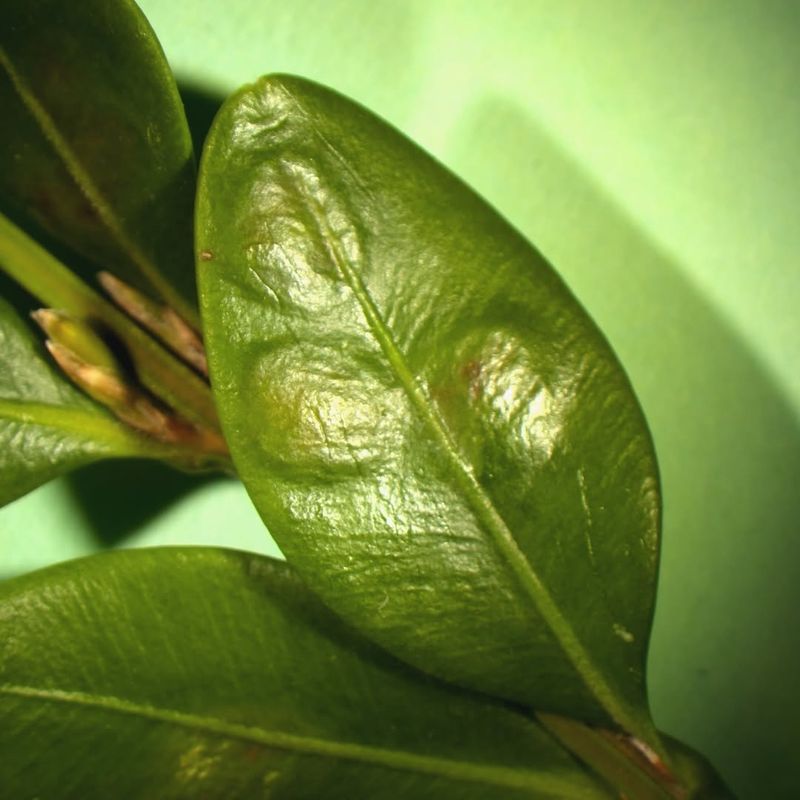
April is prime time to scout your boxwoods for boxwood leafminer, one of the most common and damaging pests found in Georgia landscapes. This tiny insect lays its eggs inside boxwood leaves in spring, and the larvae feed on the tissue inside the leaf throughout the season.
The result is a blotchy, blistered appearance that makes your shrubs look stressed and unhealthy even if they are otherwise well cared for.
Adult leafminers are small, orange flies that emerge and lay eggs around mid-April in Georgia, roughly when forsythia finishes blooming. This timing gives you a reliable natural signal to start watching closely.
Once eggs are laid and larvae burrow into the leaves, they become much harder to control, so catching the adults early is your best opportunity to act.
Look for tiny blisters or bubbles on the surface of the leaves, which indicate larvae are feeding inside. Heavily infested leaves may turn yellow or drop prematurely, weakening the overall appearance and health of the shrub over time.
Consistent infestations year after year can significantly weaken your boxwoods and make them more vulnerable to other stressors.
Systemic insecticides applied to the soil can be effective because they are absorbed by the roots and transported throughout the plant. Contact your local Georgia Cooperative Extension office to find out which products are currently recommended and safe for use in your area.
Timing the application correctly is essential for the best results.
Natural predators like parasitic wasps do help keep leafminer populations in check, so avoiding broad-spectrum pesticides when possible is a good strategy. Encouraging a healthy garden ecosystem in your Georgia yard gives nature a chance to assist in managing pest populations alongside your other care efforts.
7. Mulch Carefully And Keep It Off The Base
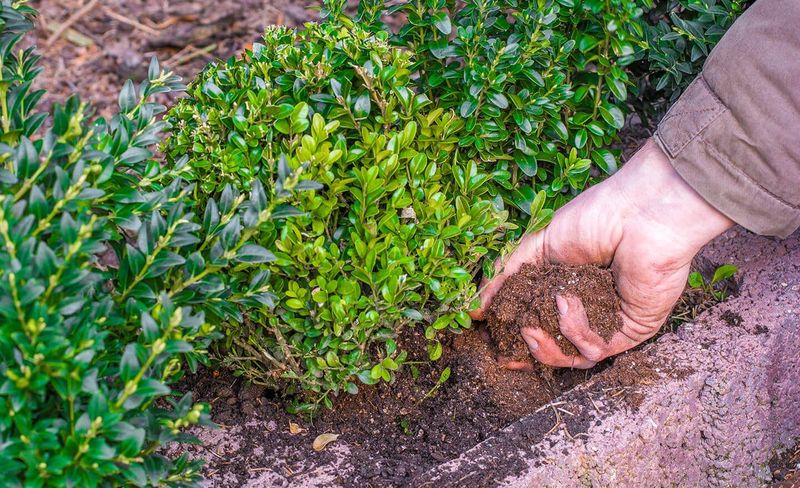
Mulching your boxwoods in April is one of the best things you can do to set them up for a strong growing season in Georgia. A good layer of mulch helps the soil hold onto moisture during dry spells, keeps soil temperatures from swinging too wildly, and suppresses weeds that compete with your shrubs for nutrients.
It is a simple step with a big payoff for the health of your landscape.
Apply a two to three inch layer of organic mulch around the base of each shrub, spreading it out to the drip line if possible. Pine straw, shredded bark, and wood chips are all popular choices for Georgia gardens and work well around boxwoods.
Each of these options breaks down gradually, adding organic matter back into the soil over time.
Here is where many gardeners go wrong: piling mulch right up against the stems of the shrub. This is called volcano mulching, and it traps moisture against the base of the plant, which can encourage rot and disease right at the crown.
Always leave a gap of at least two to three inches between the mulch and the main stems of your boxwood.
Keeping mulch pulled back from the base also reduces the risk of pests and rodents nesting close to the shrub. Mice and voles sometimes burrow into thick mulch piles near the base of plants and can cause damage to the bark and roots over time.
A little breathing room around the base goes a long way toward keeping your Georgia boxwoods healthy and protected.
Refresh your mulch layer each spring rather than piling new material on top of old layers year after year. Over time, old mulch compacts and can block water and air from reaching the roots.
A fresh, loose layer each April keeps everything working the way it should throughout the growing season.