Plants That Fill Arizona Gardens With Hummingbirds And Butterflies
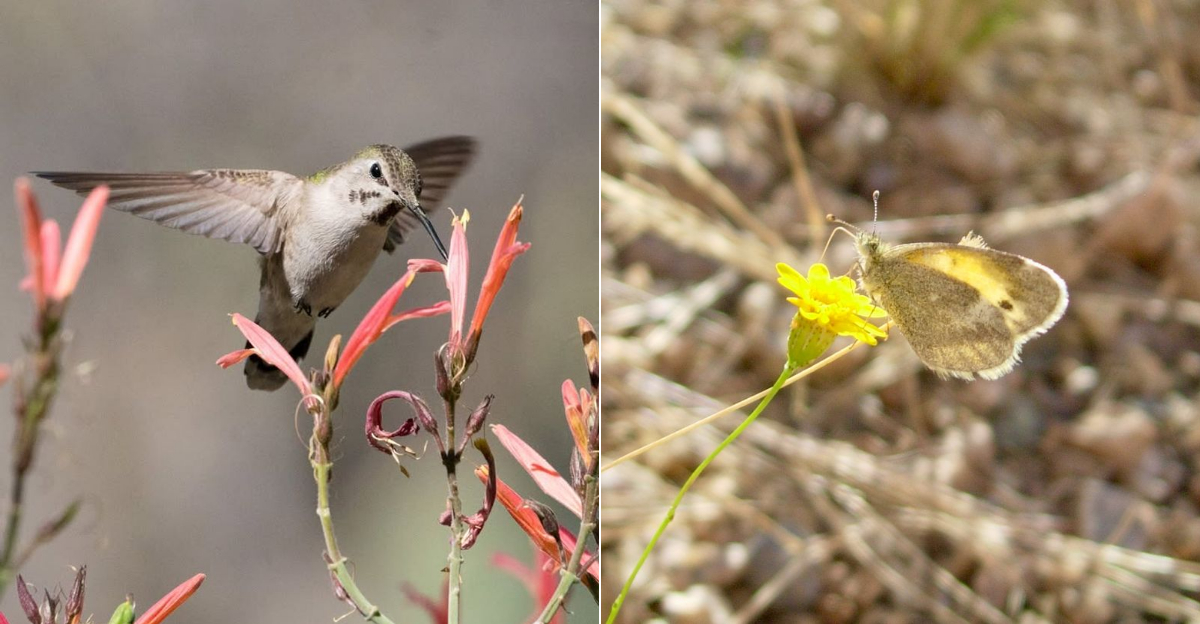
Arizona gardens can feel quiet in the wrong plant palette. You water, mulch, tidy things up, and the space still seems to be waiting for something exciting to happen.
Then the right flowers go in, and suddenly hummingbirds start zipping through like tiny regulars and butterflies begin turning the yard into a moving picture.
That is the magic of choosing plants that do more than just survive the heat. In Arizona, the best picks for pollinators need to handle sun, dry air, and long warm stretches while still offering the color, nectar, and flower shapes these visitors actually want.
A garden that attracts both hummingbirds and butterflies can feel more cheerful almost overnight, even in a small space. Containers, borders, and desert-friendly beds can all get in on it.
A few plants on this list are real attention-getters, and the first one earns that reputation every blooming season ahead there.
1. Baja Fairy Duster Brings Soft Color And Buzz
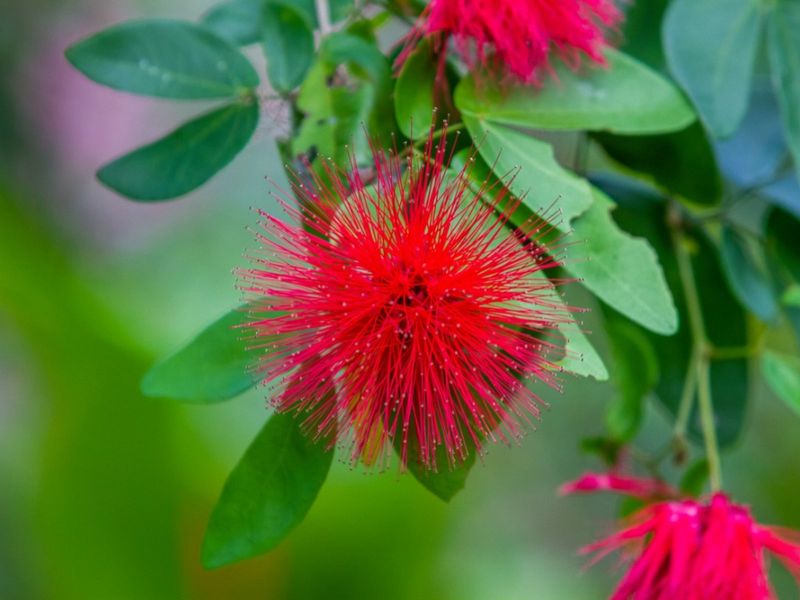
Some plants barely blend into the background, but Baja Fairy Duster tends to do the opposite. In Arizona gardens, its soft, fluffy blooms can turn into a steady gathering spot for hummingbirds and butterflies alike.
Known scientifically as Calliandra californica, this shrub produces brilliant red, powder-puff blooms that practically glow in the Arizona sunshine. Its flowers are shaped perfectly to deliver nectar deep inside, making it a top-tier food source for hummingbirds in particular.
Baja Fairy Duster is a tough plant that thrives in the dry, rocky soil common across southern Arizona. It handles heat and drought like a champion, needing very little extra water once it gets established.
Gardeners who want low-maintenance beauty will appreciate how this shrub keeps blooming through much of the year, especially from late winter into spring and again in fall.
Planting it along a sunny border or near a garden path gives pollinators easy access while giving you a front-row seat to the action. In Arizona landscapes, this plant pairs wonderfully with other desert natives.
It grows to about four feet tall and wide, making it a great mid-size shrub for filling in garden spaces with color and wildlife value.
2. Pink Fairy Duster Keeps The Garden Busy
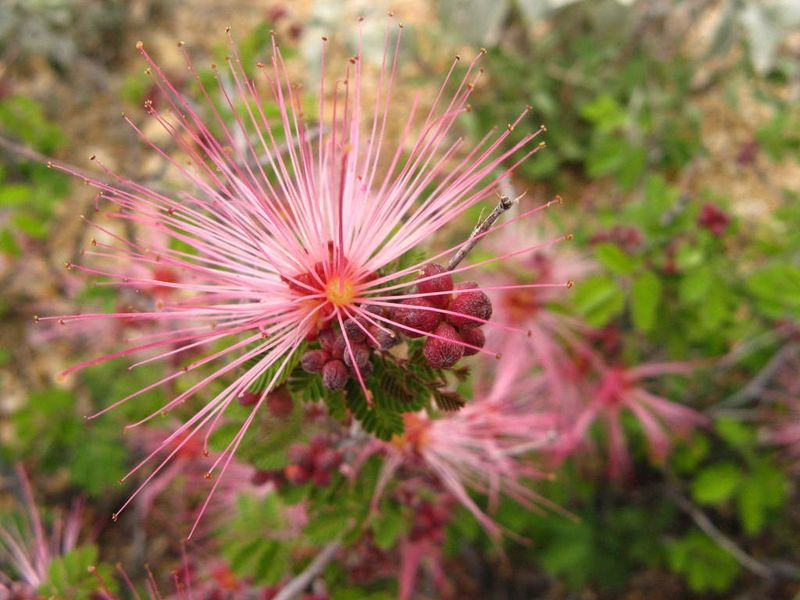
Soft, feathery, and absolutely charming, Pink Fairy Duster is one of those plants that makes people stop and stare. Calliandra eriophylla, its scientific name, is a native Arizona shrub that produces delicate pink pom-pom flowers in late winter and early spring.
Those fluffy blooms are packed with nectar, drawing in butterflies and hummingbirds from surprising distances across the desert landscape.
What makes this plant especially appealing is how well it fits into the natural Arizona environment. It grows naturally in rocky desert slopes and dry washes, so it is perfectly adapted to the intense summer heat and scarce rainfall that challenge so many garden plants.
Once established, Pink Fairy Duster needs almost no irrigation, making it a water-wise choice for Arizona homeowners who want wildlife-friendly landscaping without a big water bill.
The plant stays relatively compact, usually reaching two to four feet in height, which makes it a great choice for smaller garden beds or as a low border plant. Pair it with desert marigold or penstemon for a stunning pollinator garden that blooms across multiple seasons.
Your Arizona Garden Changes Every Week. Your Plan Should Too.
Gardening in Arizona changes quickly throughout the season. Every Friday you’ll receive a simple weekly plan showing exactly what to plant, prune, fertilize, harvest, and protect so you never miss the right timing.
Watching a hummingbird hover over those pink blooms on a crisp Arizona morning is truly one of the best gardening rewards imaginable.
3. Mexican Bird Of Paradise Brings Heat And Drama
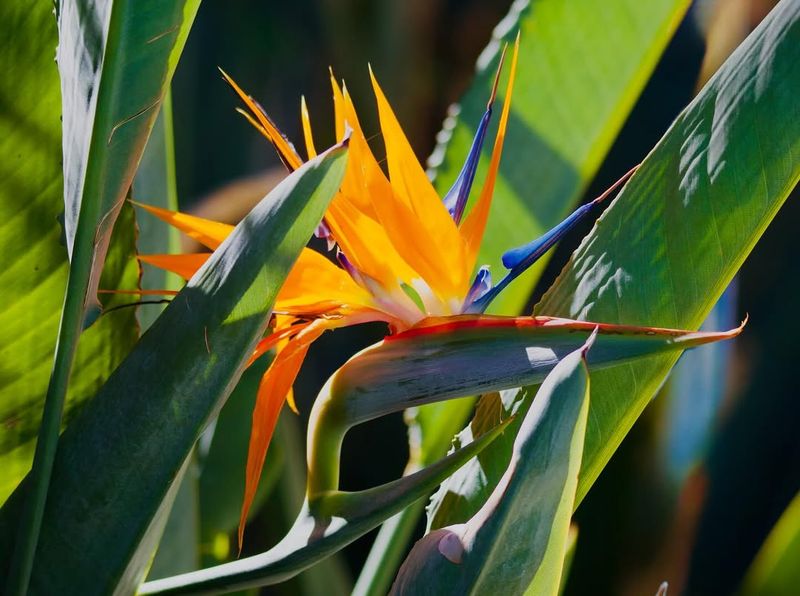
In an Arizona garden, Mexican Bird Of Paradise rarely fades into the background. Caesalpinia mexicana bursts into bloom with clusters of golden-yellow flowers that look almost tropical against the rugged desert backdrop.
Butterflies flock to these blossoms for their generous nectar supply, and hummingbirds visit the flowers regularly for nectar as well.
This fast-growing shrub or small tree can reach eight to twelve feet tall in warm Arizona climates, making it a bold statement plant for larger garden spaces. It thrives in full sun and well-drained soil, two conditions that Arizona provides in abundance.
During the hottest months, Mexican Bird of Paradise keeps blooming when many other plants take a break, making it an especially valuable source of food for pollinators during the grueling Arizona summer.
Gardeners in the Phoenix metro area and Tucson have embraced this plant for its toughness and non-stop color. It works beautifully as a natural screen or backdrop plant, and its feathery green leaves add a lush texture that contrasts nicely with spikier desert plants.
Pruning it lightly in late winter encourages fresh growth and even more flowers come spring, keeping your garden lively and full of winged visitors all season long.
4. Mexican Honeysuckle Keeps The Nectar Flowing
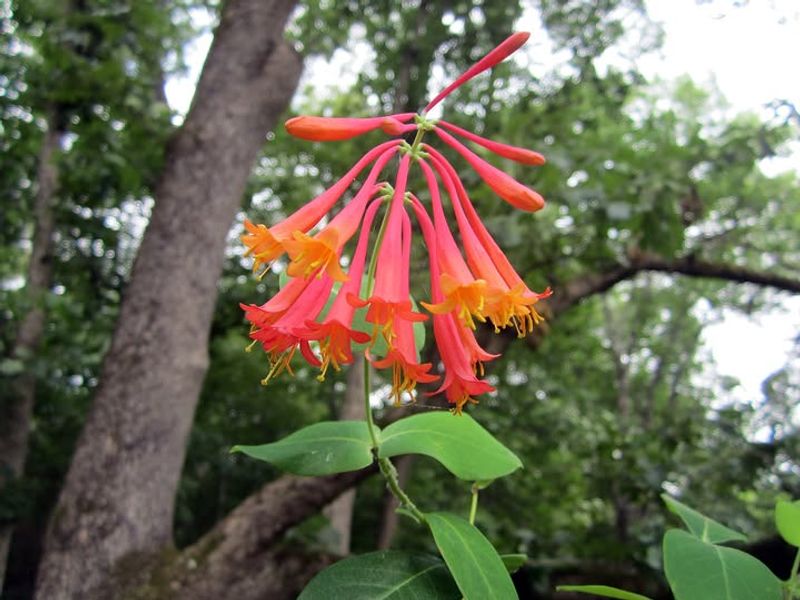
There is something almost magical about Mexican Honeysuckle. Justicia spicigera produces clusters of vivid orange tubular flowers that hummingbirds find completely irresistible.
The plant blooms heavily in spring and fall, with scattered flowers appearing throughout the rest of the year in warmer parts of Arizona, giving pollinators a reliable food source across multiple seasons.
One of the best things about Mexican Honeysuckle is how easy it is to grow in Arizona gardens. It tolerates both full sun and partial shade, which gives gardeners flexibility when planning their pollinator-friendly spaces.
The plant grows to about three to four feet tall and spreads into a nicely rounded shrub. Its soft green leaves provide a lush backdrop that makes those brilliant orange blooms pop with color.
Butterflies also visit Mexican Honeysuckle regularly, drawn in by the same bright color signals that attract hummingbirds. Planting it near a patio or seating area means you get to enjoy the show up close.
In low-desert regions of Arizona like the Tucson and Phoenix areas, this plant can stay evergreen through mild winters, giving your garden year-round structure and beauty. It pairs especially well with purple-flowering plants like Cleveland Sage for a stunning color contrast that pollinators love.
5. Chuparosa Was Made For Hummingbirds
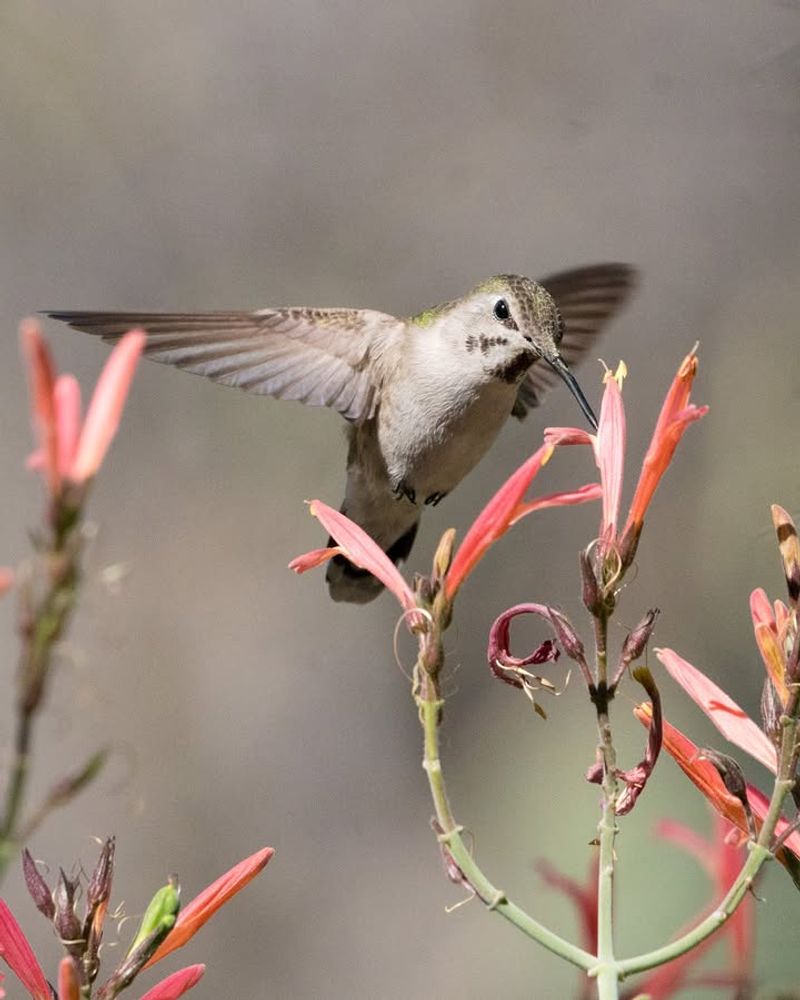
Its name literally means hummingbird in Spanish, and Chuparosa lives up to that name every single day. Justicia californica is a native Sonoran Desert shrub that produces slender, bright red tubular flowers almost perfectly designed for hummingbird feeding.
The flowers appear in late winter and spring, sometimes before the leaves even emerge, giving early-season hummingbirds one of their first important nectar sources in the Arizona desert.
Chuparosa grows naturally in dry washes and rocky desert slopes throughout the Sonoran Desert, which means it is extraordinarily well-suited to Arizona gardening conditions. It thrives with minimal water, tolerates extreme heat, and actually looks better when left to grow in its natural, somewhat wild shape.
Plants typically reach three to five feet tall and wide, creating a nice mid-size shrub that fits into many garden styles.
Beyond hummingbirds, Chuparosa also attracts several species of butterflies and native bees, making it a true pollinator powerhouse. For Arizona gardeners focused on creating wildlife habitat, this plant is practically a must-have.
It looks stunning when planted alongside other desert natives like Baja Fairy Duster or Penstemon. Watching a broad-billed hummingbird sip from a Chuparosa flower on a warm Arizona February morning is an experience that never gets old.
6. Cleveland Sage Adds Fragrance And Pollinator Appeal
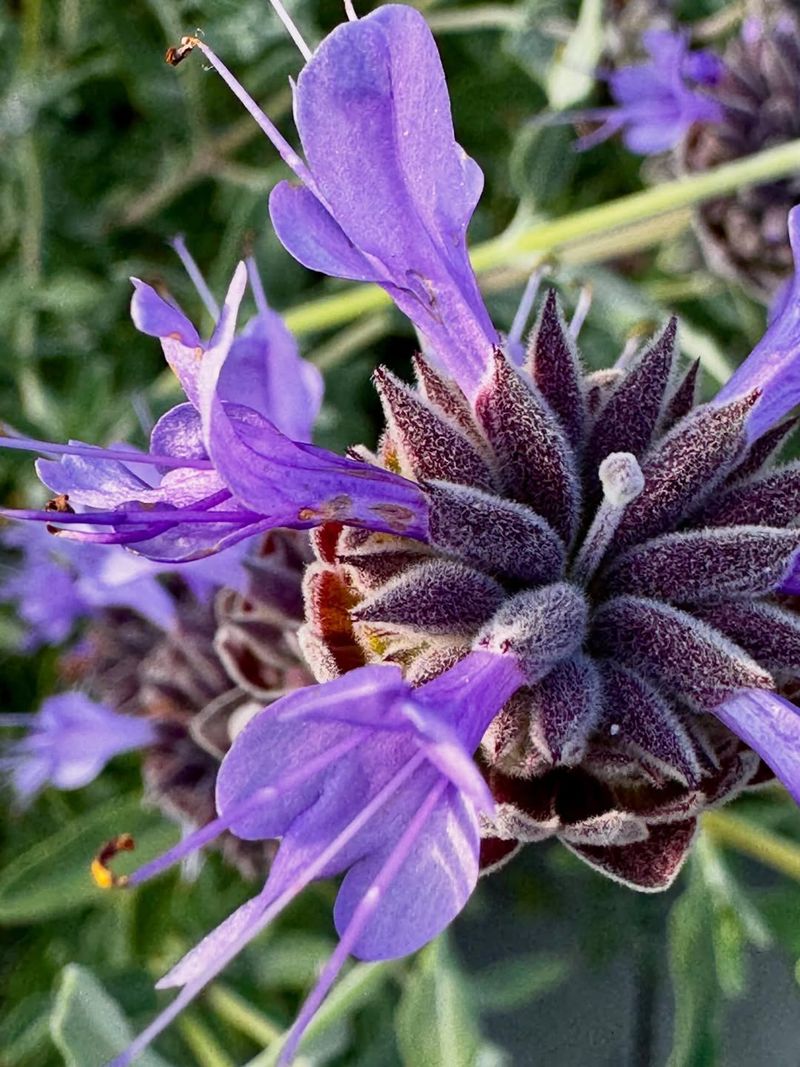
Walk past a Cleveland Sage plant on a warm Arizona afternoon and the fragrance alone will make you stop. Salvia clevelandii fills the air with a deep, herbal scent that feels like the essence of the Southwest itself.
But the real magic happens when butterflies and hummingbirds discover its tall spikes of violet-blue flowers, which bloom heavily in late spring and early summer and attract an impressive variety of pollinators.
Cleveland Sage is a California native that has found a very happy home in Arizona gardens. It prefers full sun and excellent drainage, making it a natural fit for the rocky, well-drained soils found across much of the state.
Once established, it is remarkably drought-tolerant, thriving through Arizona summers with very little supplemental irrigation. The plant typically grows to about three to five feet tall and wide, giving it a solid presence in the garden.
Hummingbirds are especially drawn to the tubular flower structure, which allows them to hover and feed with ease. Butterflies like swallowtails and painted ladies love it too.
Beyond its wildlife value, Cleveland Sage is just a gorgeous plant that adds incredible color and texture to any Arizona garden. Cutting it back after flowering encourages fresh growth and keeps the plant looking tidy and healthy through the rest of the season.
7. Autumn Sage Keeps The Blooms Coming
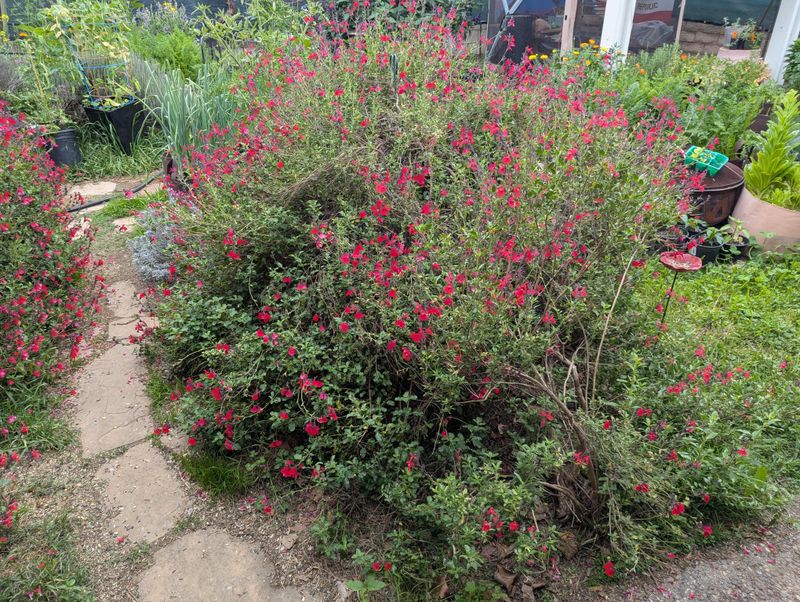
Autumn Sage might just be the hardest-working plant in an Arizona pollinator garden. Salvia greggii earns its place by blooming almost continuously from late spring all the way through fall, and sometimes even into winter in the warmer parts of the state.
That extended bloom season makes it an extraordinarily reliable nectar source for hummingbirds, which need consistent food supplies as they move through Arizona during migration seasons.
The flowers come in a range of colors, from classic red to pink, coral, and even white, but the red varieties are especially magnetic to hummingbirds. Butterflies love the plant too, visiting regularly for nectar throughout those long blooming months.
Autumn Sage grows to about two to four feet tall and handles both heat and mild cold very well, making it one of the most adaptable sages for Arizona gardens across different elevations.
Gardeners appreciate Autumn Sage for its toughness and low-water needs once established. It looks great in borders, rock gardens, and mixed pollinator plantings.
Trimming the plant back lightly after each heavy bloom cycle encourages fresh flower production and keeps the shrub looking full and attractive. For anyone in Arizona who wants a plant that delivers non-stop color and wildlife action with minimal fuss, Autumn Sage is an outstanding choice that rarely disappoints.
8. Golden Dyssodia Brings Bright Tough Color
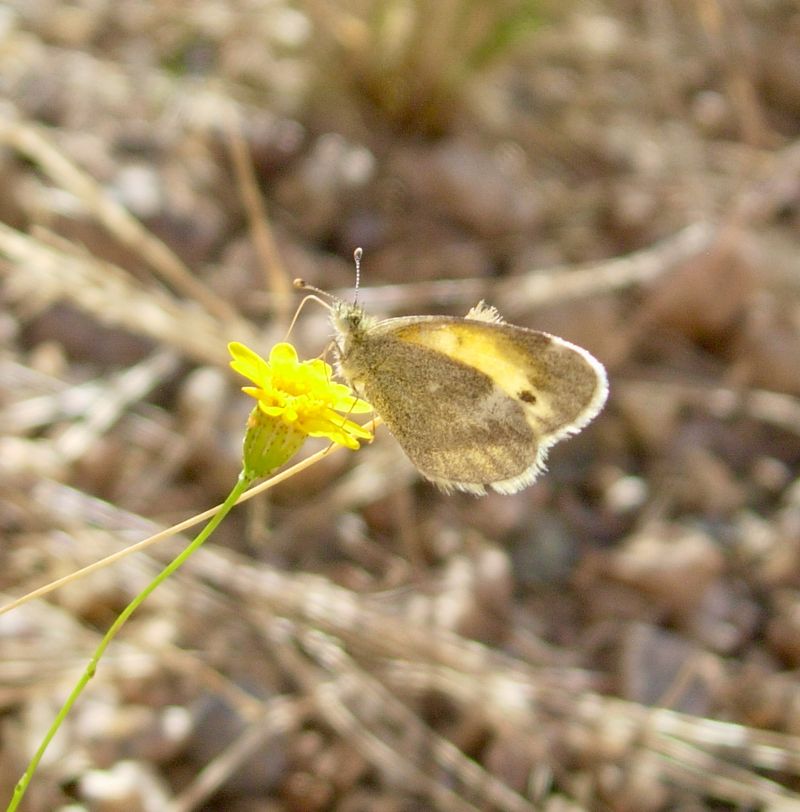
Bright, cheerful, and surprisingly tough, Golden Dyssodia brings a burst of sunshine-yellow color to Arizona gardens with very little effort. Thymophylla pentachaeta, sometimes called Dogweed or Prickleaf Dogweed, is a compact native perennial that covers itself in tiny golden daisy-like flowers for much of the year.
Butterflies are wild about this plant, visiting the cheerful blooms constantly to sip nectar and bask in the Arizona sunshine.
One of the most appealing things about Golden Dyssodia is how perfectly suited it is to the Arizona climate. It loves hot, dry conditions and thrives in rocky, sandy, or gravelly soils that would challenge less-adapted plants.
This makes it ideal for low-water landscaping projects and naturalistic desert gardens throughout southern and central Arizona. The plant stays small, usually under a foot tall, making it a fantastic ground-level filler between larger shrubs.
While hummingbirds are more attracted to tubular flowers, they will occasionally visit Golden Dyssodia gardens because the butterflies it attracts create a lively, busy environment that signals a healthy food source is nearby. Planting Golden Dyssodia in masses creates a stunning golden carpet effect that looks beautiful and functions as an important pollinator resource.
It reseeds itself gently, helping to fill in bare spots in the garden naturally over time without becoming invasive.
9. Golden Currant Gets Wildlife Attention Fast
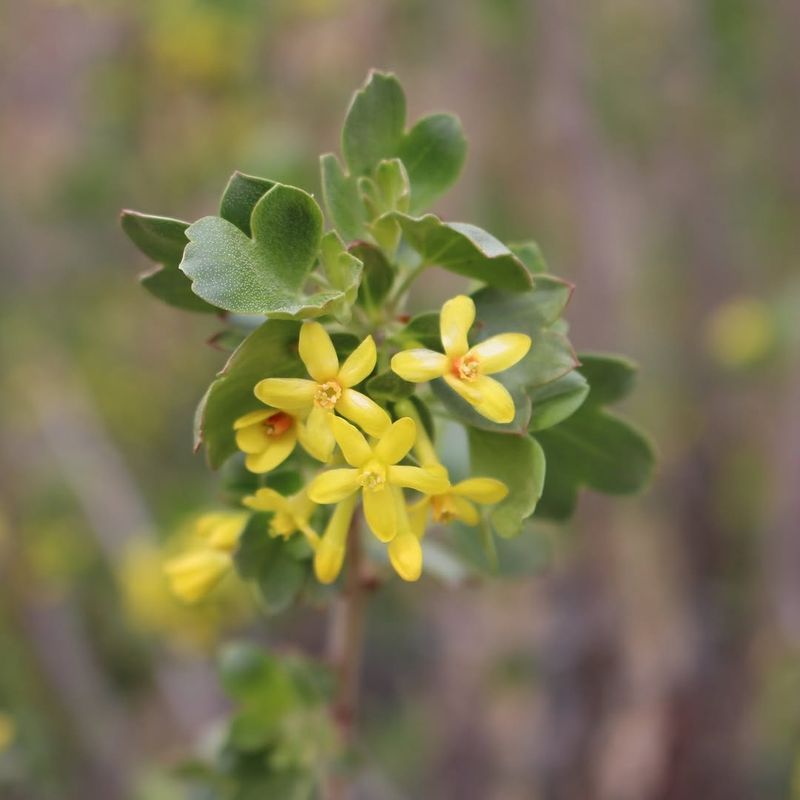
Up in the cooler, higher-elevation gardens of Arizona, Golden Currant is a true standout for attracting pollinators. Ribes aureum is a deciduous native shrub that produces clusters of fragrant yellow flowers in early spring, making it one of the first plants to feed hummingbirds and butterflies after the cold winter months.
The sweet scent of the blooms is noticeable from several feet away, which helps attract pollinators from across the garden.
Golden Currant grows naturally in canyons and along streams at higher elevations in Arizona, and it appreciates a bit more moisture than many of the low-desert plants on this list. In gardens around Flagstaff, Prescott, and other higher-elevation Arizona communities, it is a natural fit that requires only moderate watering once established.
The shrub typically reaches four to six feet tall and produces small, edible berries in summer that birds absolutely love.
For butterflies, the early spring flowers are a critical food source at a time when few other plants are blooming. Hummingbirds returning from their winter range often encounter Golden Currant flowers among the first available nectar sources in upland Arizona gardens.
The fall foliage adds another layer of seasonal interest, turning golden and orange before the leaves drop. It is a four-season plant that gives back to the garden in multiple ways.
10. Hummingbird Trumpet Steals The Show
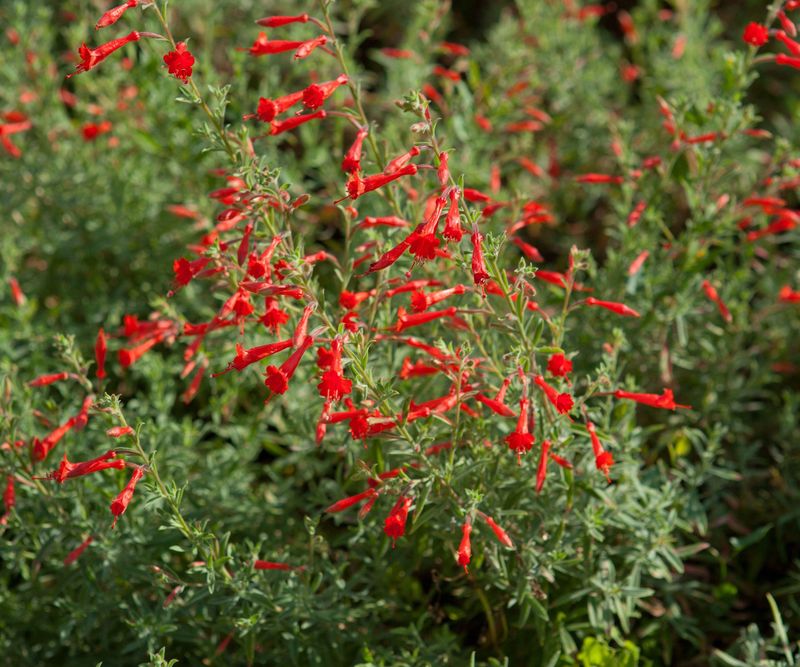
Few plants are as perfectly named as Hummingbird Trumpet. Epilobium canum, also known as California Fuchsia, produces a spectacular show of vivid scarlet-orange tubular flowers that hummingbirds find almost impossible to resist.
What makes this plant especially valuable in Arizona gardens is its late-season blooming, which peaks in late summer and fall, exactly when hummingbirds are fueling up for their long southward migration.
Hummingbird Trumpet is a spreading perennial that works wonderfully as a ground cover or low border plant in sunny Arizona garden spots. It handles heat and drought with ease, asking for very little water once its roots are established.
The plant spreads through underground runners to form a low, dense mat of gray-green foliage covered in those dazzling orange-red flowers, creating a living carpet of color that stops people in their tracks.
Butterflies also visit Hummingbird Trumpet regularly, attracted by the same vivid color signals that bring hummingbirds rushing in. Gardeners in Arizona who want to create a layered pollinator garden will find this plant works beautifully as a low-growing companion to taller shrubs like Autumn Sage or Mexican Honeysuckle.
Cutting plants back hard in late winter encourages vigorous new growth and an even more impressive flower display when the blooming season returns each year.