6 Hard To Find Native Texas Shrubs That Are Worth The Hunt
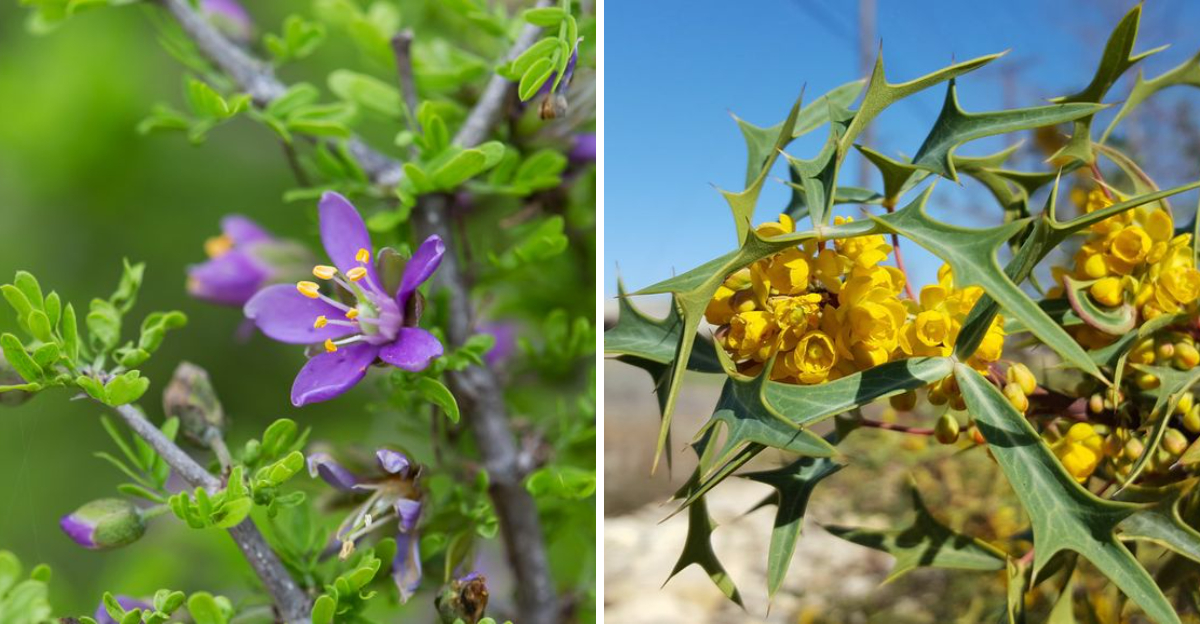
Some plants are easy to spot at every garden center, and then there are the ones that make plant lovers stop in their tracks and ask, “Wait, where did you find that?” Native Texas shrubs can be full of those hidden gems.
They may not always be stacked front and center alongside the usual landscaping staples, but the ones that take a little extra effort to track down often bring something special to the yard.
It could be unusual blooms, striking texture, better wildlife value, or the simple fact that they feel more connected to the Texas landscape.
Part of the fun is knowing you are planting something with real local character instead of the same shrubs everyone else already has. Many of these harder-to-find natives are well adapted to Texas heat, soil, and weather, which makes them more than just interesting choices.
They can also be practical ones. For gardeners who enjoy the thrill of finding standout plants with a story behind them, these shrubs are worth every bit of searching, asking around, and nursery hunting it takes to bring them home.
1. Texas Lignum Vitae
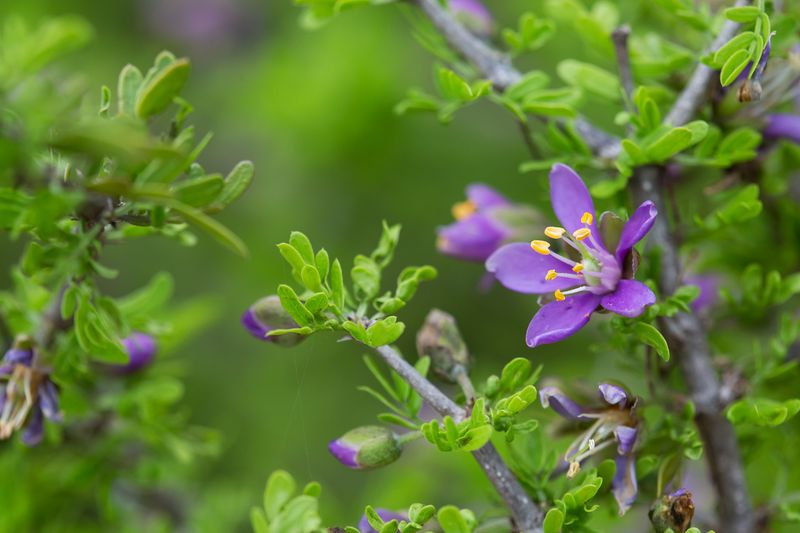
Few shrubs in Texas can match the quiet toughness of Texas Lignum Vitae. Native to the rocky, sun-baked soils of South and West Texas, this evergreen shrub earns its reputation as one of the most drought-tolerant plants in the Lone Star State.
The name “Lignum Vitae” means “wood of life” in Latin, and once you see how this plant thrives in brutal heat, that name starts to make a lot of sense.
The glossy, dark green leaves stay on the plant year-round, giving your landscape structure even in the driest months. When spring arrives, the shrub bursts into clusters of vivid purple-blue flowers that are almost electric in color.
These blooms attract bees and other pollinators, making it a smart choice for anyone who wants to support local wildlife in Texas.
Growing slowly and steadily, Texas Lignum Vitae typically reaches four to eight feet tall. Because it grows at a relaxed pace, it rarely needs heavy pruning.
It does best in full sun and well-drained, rocky or sandy soils, which makes it ideal for the challenging conditions found across South and West Texas.
Finding this shrub at a nursery can take some patience. Look for it at native plant sales or specialty nurseries that focus on South Texas plants.
It is worth every bit of effort to track down. Once established in your yard, it asks for almost nothing in return.
No extra watering, no fussing over soil, just steady, beautiful growth season after season. It is a true survivor and a stunning addition to any Texas landscape.
2. Woolly Butterfly Bush
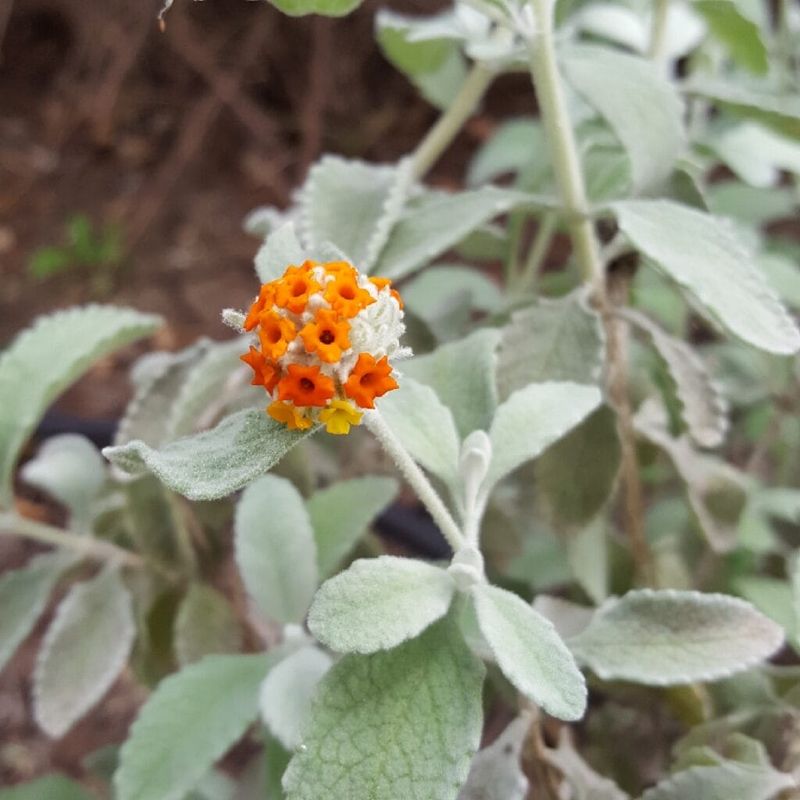
Imagine a shrub that looks like it is covered in soft silver velvet and then tops itself off with bold, bright orange pompom flowers. That is exactly what you get with the Woolly Butterfly Bush, one of the most eye-catching native shrubs you can grow in Texas.
Your Texas Garden Changes Every Week. Your Plan Should Too.
Gardening in Texas changes quickly throughout the season. Every Friday you’ll receive a simple weekly plan showing exactly what to plant, prune, fertilize, harvest, and protect so you never miss the right timing.
Native to the Trans-Pecos and Chihuahuan Desert regions of West Texas, this plant is built for heat, drought, and poor soils. The silvery foliage is not just pretty. It is actually a survival tool.
Those tiny, woolly hairs on the leaves reflect intense sunlight and help the plant hold onto moisture during dry spells. The orange, ball-shaped blooms appear from spring through fall, drawing in butterflies, bees, and even hummingbirds.
If you want a garden that buzzes and flutters with life, this shrub delivers. Woolly Butterfly Bush grows three to five feet tall and wide, forming a rounded, compact mound. It thrives in full sun and needs very little water once it gets settled in.
In fact, overwatering is one of the few things that can cause problems for this tough plant. Planting it in fast-draining soil is the key to keeping it healthy and happy.
Tracking down this native gem can be a challenge in Texas, but specialty nurseries that carry West Texas or desert-adapted plants are your best bet. Some native plant societies in Texas also hold annual sales where you might score one.
The wait is worth it. Once planted, this shrub rewards you with season-long color and almost zero maintenance. It is a standout plant for any dry Texas garden.
3. Agarito
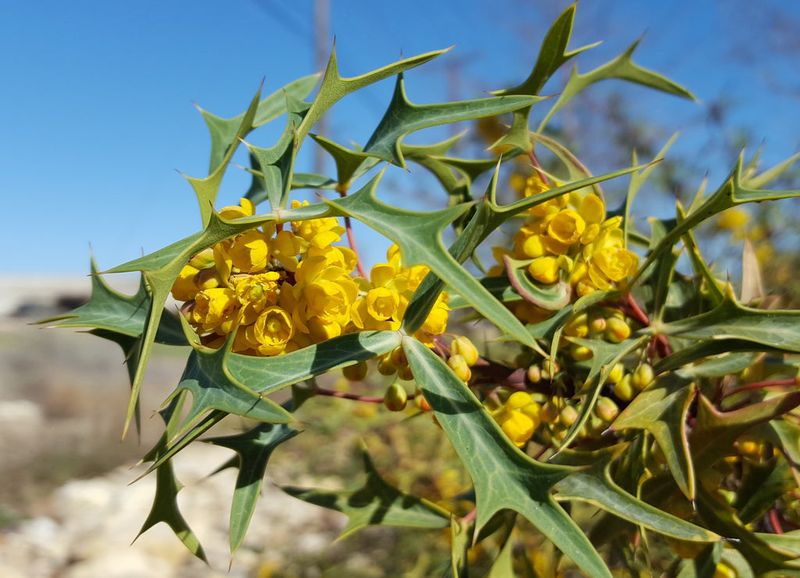
Walk through the Texas Hill Country in late winter and you might catch a faint, sweet smell drifting through the air. Follow it, and there is a good chance you will find an Agarito in bloom.
This tough, spiny shrub is one of the earliest plants to flower in Texas each year, often pushing out fragrant yellow blooms while winter still has a grip on the land.
Agarito is native to central, south, and west Texas, and it is a powerhouse for wildlife. The bright red berries that follow the yellow flowers are a favorite food source for birds, foxes, and deer.
People have also used the berries for generations to make jams and jellies. The tart, fruity flavor is surprisingly good once you get past the work of harvesting them around all those sharp, spiny leaves.
Speaking of those leaves, the blue-green, holly-like foliage makes Agarito a great natural barrier plant. Nothing is sneaking through a hedge of Agarito without thinking twice.
It grows four to eight feet tall and wide, stays evergreen, and handles drought like a champion. Full sun to part shade works well, and the plant asks for almost no supplemental water once established.
Nurseries do not always carry Agarito, which is a real shame because it deserves far more attention. Check native plant sales hosted by Texas gardening groups or reach out to specialty growers who focus on Hill Country and South Texas natives.
When you find one, grab it. Agarito brings early-season color, wildlife value, and rugged beauty to any Texas yard, and it never asks for much in return.
4. Texas Barometer Bush
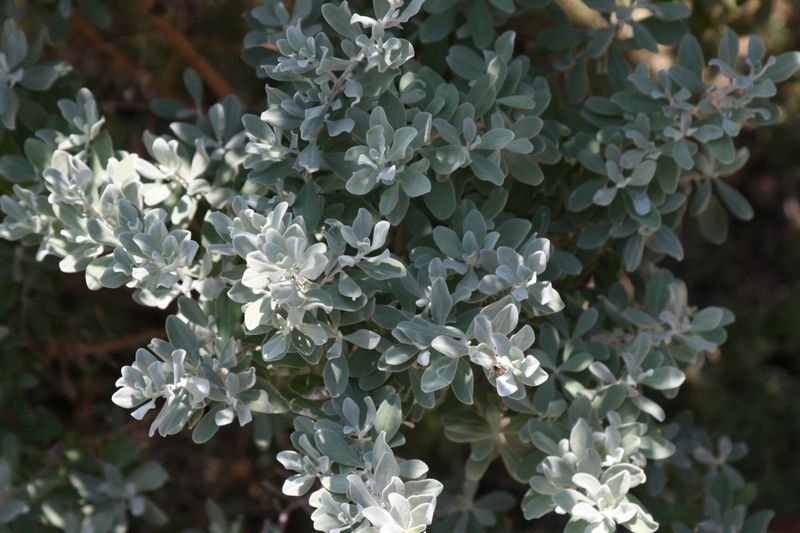
Most people in Texas have heard of Texas Sage, but its lesser-known cousin, the Texas Barometer Bush, deserves just as much attention. Leucophyllum candidum is a compact, silver-leaved shrub that puts on a spectacular show of purple blooms, usually right after a rise in humidity or a good rain.
Gardeners in Texas have long used it as a natural weather predictor, saying that when the Barometer Bush blooms, rain is on the way.
The silver foliage is stunning on its own, even when the plant is not in flower. It catches light beautifully and gives your landscape a cool, almost luminous look during the hottest months of summer.
When those purple flowers do appear, they cover the entire plant and create a breathtaking contrast against the silver leaves. The blooms attract bees and butterflies, adding even more life to your outdoor space.
Texas Barometer Bush stays smaller and more compact than common Texas Sage, usually topping out around three to four feet tall and wide. It is a great choice for tight spaces, borders, or low hedges.
Full sun and excellent drainage are must-haves for this plant. It handles heat and drought with ease, making it a natural fit for the dry conditions found across central and west Texas.
Finding Leucophyllum candidum specifically can be tricky since most nurseries only stock the more common Leucophyllum frutescens. Look for it at native plant sales or ask specialty growers who focus on Texas natives.
Once you get your hands on one, you will wonder why it took so long to discover this silver-leafed gem. It is a low-fuss, high-reward shrub that earns its place in any Texas garden.
5. Evergreen Sumac
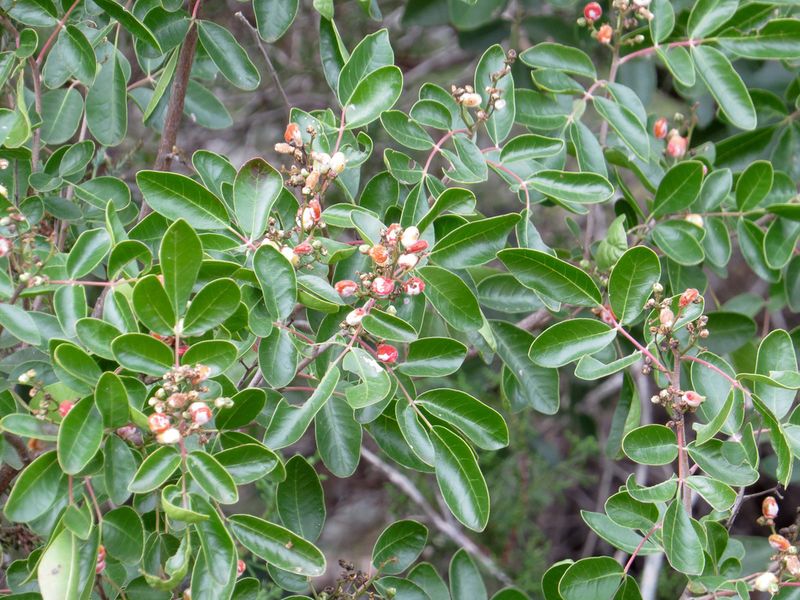
Evergreen Sumac is one of those plants that does everything right but somehow never gets the credit it deserves.
Native to the limestone hills and canyons of central and west Texas, this dense shrub holds its dark, leathery leaves through the entire year, even during the coldest winters the region throws at it.
For anyone looking for reliable year-round privacy or a windbreak, Rhus virens is a serious contender.
The small white flower clusters that appear in late summer are modest but attractive, and they give way to red berries that birds absolutely love. Cedar waxwings, mockingbirds, and robins are among the many Texas species that flock to Evergreen Sumac when the berries ripen.
Planting one near a window or patio gives you a front-row seat to some fantastic backyard birdwatching.
Size-wise, Evergreen Sumac can grow anywhere from six to twelve feet tall, depending on conditions. It responds well to pruning if you want to keep it tidy or shaped as a hedge.
Full sun is preferred, though it can handle some shade. Dry, rocky, or sandy soils suit it just fine, and it is highly drought-tolerant once established.
These traits make it a natural fit for the tough growing conditions common across much of Texas.
Specialty native plant nurseries in Texas are your best bet for finding this shrub. It pops up occasionally at native plant sales held by local gardening clubs and conservation groups.
The search is worth it. Evergreen Sumac brings year-round structure, wildlife value, and quiet elegance to Texas landscapes without demanding much care at all. It is a plant that truly earns its keep through every season.
6. Anacahuita
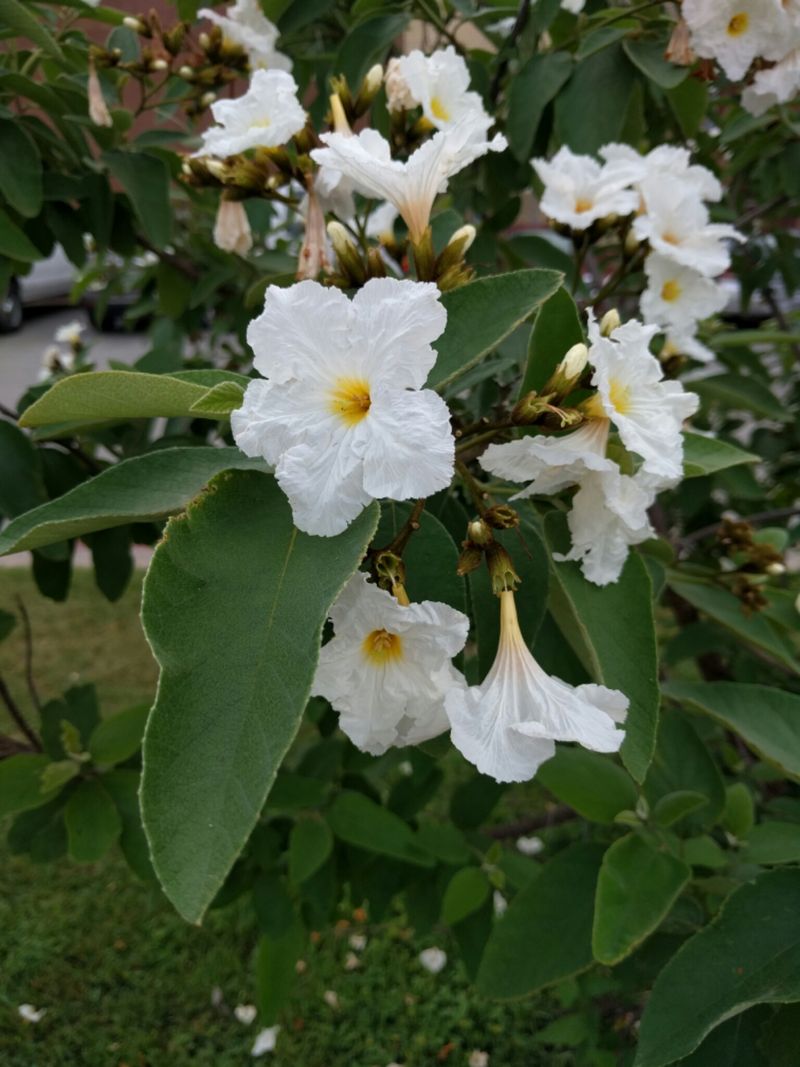
There is something almost tropical about the Anacahuita that feels surprising in a Texas plant.
Also known as Texas Olive, this large native shrub produces stunning white flowers with soft yellow centers, and they keep coming back in waves from spring all the way through fall.
The blooms are big, showy, and fragrant, making this one of the most visually impressive native shrubs you can grow in the southern part of the state.
Anacahuita is native to the Rio Grande Plains of South Texas and into Mexico, where it grows along arroyos, brushy hillsides, and open flats.
The olive-like fruits that follow the flowers attract birds and other wildlife, adding ecological value on top of the already impressive ornamental appeal.
Hummingbirds and large butterflies also visit the flowers regularly, making this shrub a wildlife magnet from the moment it starts blooming.
Growing eight to fifteen feet tall, Anacahuita works beautifully as a large specimen shrub or a small accent tree. It loves full sun and well-drained soil, and once established it handles drought reasonably well.
However, it does prefer warmer winters, so it is best suited for South Texas and the warmest microclimates in central Texas. A hard freeze can set it back, though established plants usually bounce back from the roots when temperatures rise again.
Finding Anacahuita outside of South Texas nurseries can be a real challenge. Native plant sales in the Rio Grande Valley and specialty growers focused on South Texas flora are the most reliable sources.
If you live in a warm enough part of Texas, hunting down this shrub is absolutely worth the effort. Few plants bring the same level of drama, beauty, and wildlife value to a Texas garden as the magnificent Anacahuita.