7 Best Plants For Hanging Baskets In Arizona Full Sun Gardens
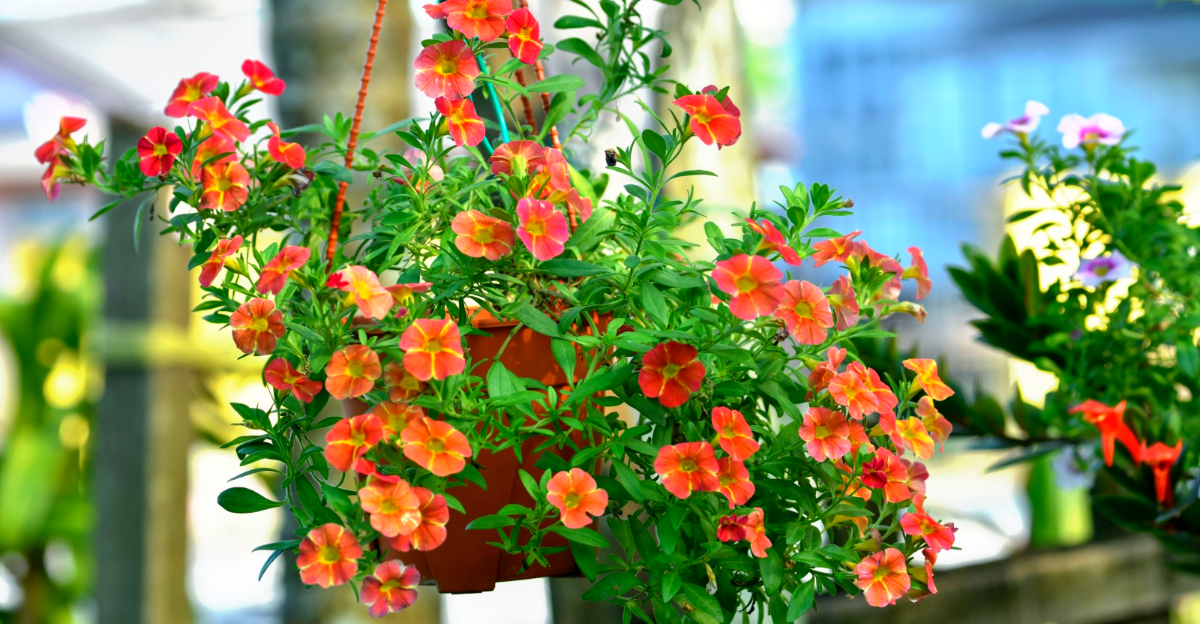
Arizona gardeners know the challenge of keeping hanging baskets vibrant under blazing sun, scorching summer heat, and dry desert air that can drain containers in hours.
Choosing the right plants makes the difference between baskets that flourish and ones that fade by mid-summer.
Luckily, Arizona’s abundant sunlight is an advantage when you pick heat- and sun-loving plants designed for desert conditions.
From the low desert valleys of Phoenix and Tucson to slightly cooler elevations near Prescott, these 7 plants are proven performers, delivering bold color, trailing foliage, and healthy growth from spring through the long, hot Arizona summer with minimal stress.
1. Portulaca Brings Bright, Heat-Loving Blooms To Your Baskets
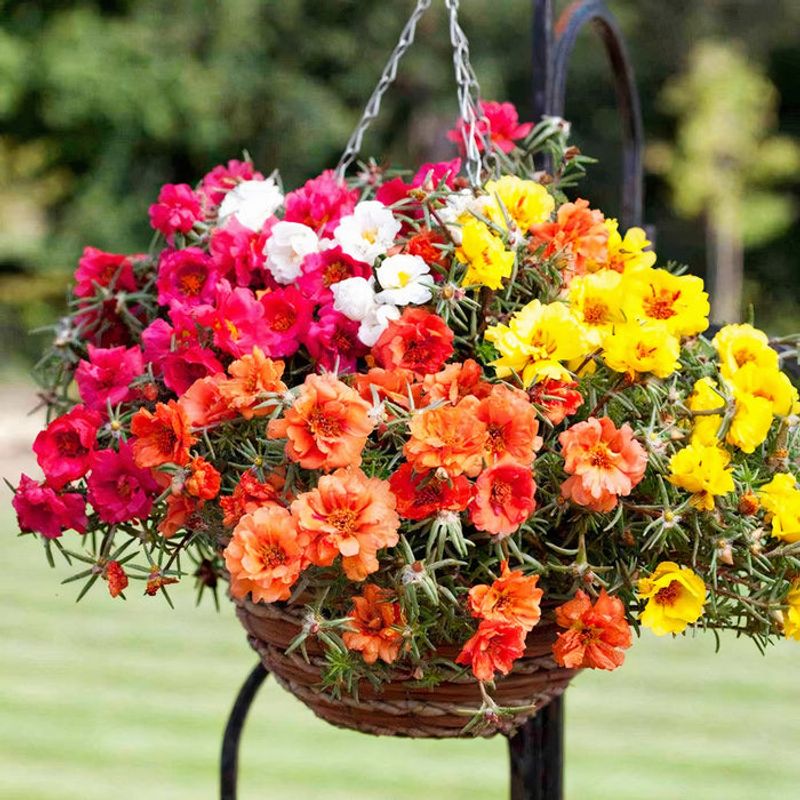
Few plants laugh in the face of an Arizona summer quite like portulaca, also known as moss rose. When temperatures in Phoenix push past 105 degrees and the sun bakes everything in sight, portulaca opens its jewel-toned blooms and keeps right on growing.
This cheerful annual thrives in the exact conditions that cause most plants to struggle – intense heat, dry air, and fast-draining soil.
Portulaca has thick, succulent-like leaves that store moisture, which means it handles short dry spells in hanging baskets far better than many flowering annuals.
Use a well-draining potting mix in your basket, since waterlogged roots are the main threat to healthy portulaca.
Water deeply when the top inch of soil is dry, then let the mix dry slightly before watering again.
Blooms typically open in shades of magenta, yellow, coral, orange, white, and red, often with silky, rose-like petals that shimmer in full sun.
In Arizona, portulaca generally starts blooming in spring and continues through the hottest months, making it one of the most reliable warm-season choices available.
Flowers tend to close at night and on very cloudy days, which is completely normal behavior for this plant.
Feed portulaca with a balanced, water-soluble fertilizer every two to three weeks to keep blooms coming. Minimal deadheading is needed since spent flowers drop cleanly.
Portulaca works beautifully as a trailing plant in hanging baskets, spilling color over the sides all season long.
2. Purslane Produces Colorful Flowers And Fleshy, Drought-Tolerant Foliage
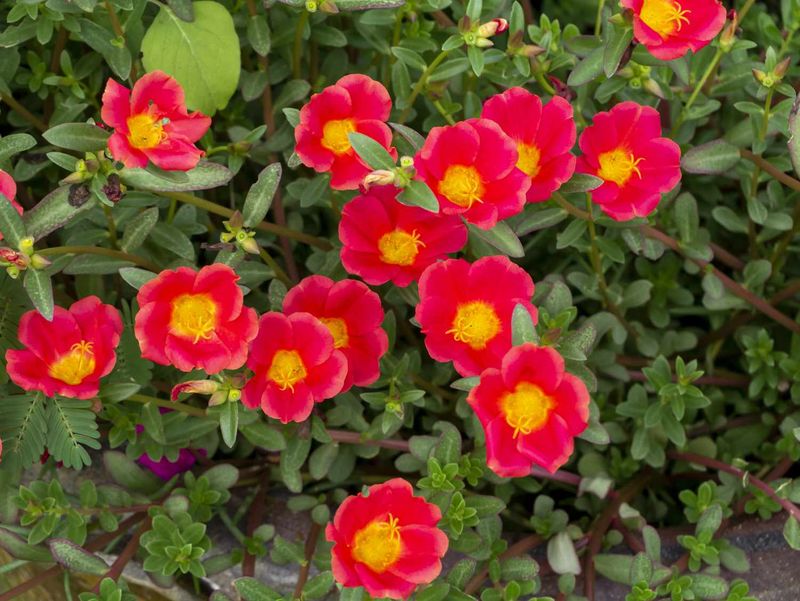
Ornamental purslane is one of those plants that seems tailor-made for Arizona container gardening. Related to portulaca but with slightly larger blooms and broader, fleshier leaves, it handles full desert sun with impressive ease.
Gardeners in the Phoenix area and the Tucson basin have long appreciated how purslane shrugs off heat that would stress most flowering annuals.
The fleshy foliage is more than just attractive – it actually functions as a water reservoir, helping the plant stay hydrated between watering sessions. In a hanging basket, which dries out faster than an in-ground planting, this trait is genuinely useful.
During Arizona’s hottest stretches, you may still need to water once daily, but purslane is far more forgiving than petunias or impatiens if you miss a session.
Blooms come in vivid shades of pink, orange, yellow, red, and white, and they tend to stay open longer in the day compared to standard portulaca. The trailing stems make an attractive display as they spill over basket edges.
Your Arizona Garden Changes Every Week. Your Plan Should Too.
Gardening in Arizona changes quickly throughout the season. Every Friday you’ll receive a simple weekly plan showing exactly what to plant, prune, fertilize, harvest, and protect so you never miss the right timing.
Ornamental purslane is typically available at Arizona nurseries in spring, and it performs strongly from March through September in low desert areas.
A light-feeding schedule using a diluted liquid fertilizer every two to three weeks supports steady flowering. No serious pest issues are commonly associated with purslane in Arizona.
The combination of bold color, drought tolerance, and minimal fuss makes it a standout choice for full-sun hanging baskets throughout the state.
3. Lantana Trails With Continuous Blooms In Arizona Sun
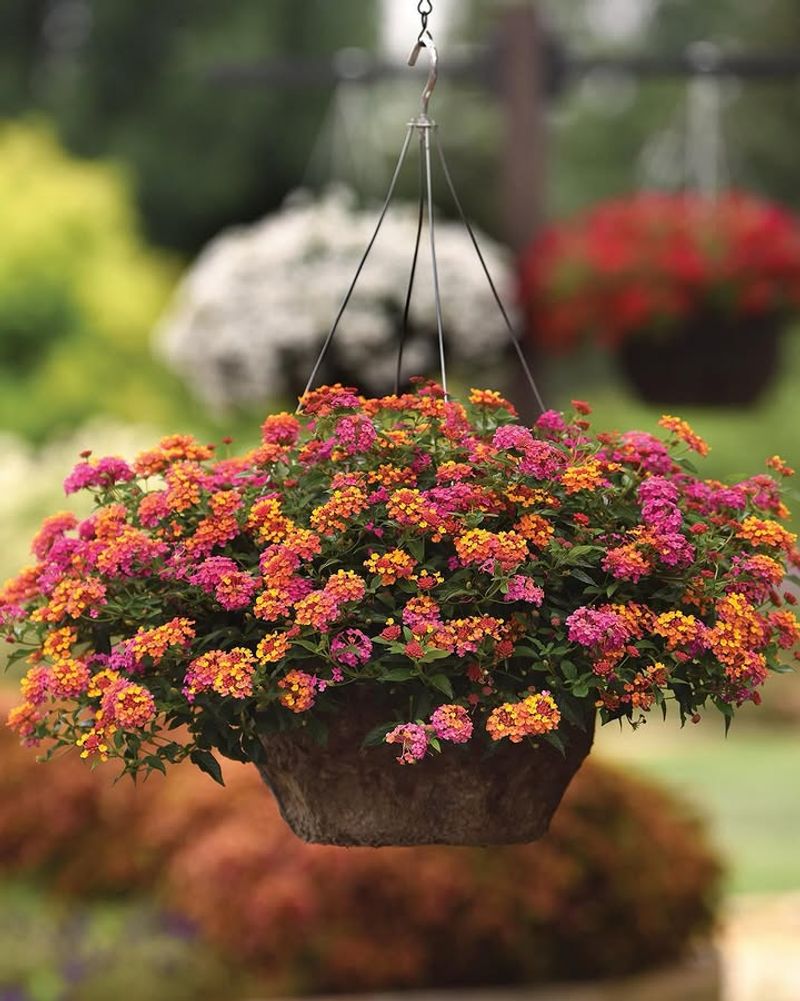
Walk through almost any established Arizona neighborhood in summer and you will spot lantana thriving in the heat like it owns the place.
As a hanging basket plant, trailing lantana varieties produce cascading stems loaded with tight, rounded flower clusters that shift color as they age – often moving from yellow to orange to pink on a single bloom head.
That color-changing quality gives baskets a layered, lively look that few other plants can match.
Lantana is drought-tolerant once established, but in a hanging basket it benefits from consistent watering since containers dry out quickly in Arizona’s low humidity. Water thoroughly when the top inch of the potting mix feels dry.
During monsoon season, reduce supplemental watering if your basket receives natural rainfall, though covered patios may still need regular attention.
In Phoenix and other low desert areas, lantana typically blooms from early spring through late fall, making it one of the longest-flowering options for Arizona gardeners.
Butterflies and hummingbirds visit lantana blooms regularly, adding wildlife interest to your patio or entryway display.
At higher elevations like Prescott, lantana performs as a warm-season annual with a slightly shorter season.
Prune stems back by about one-third if the plant becomes leggy mid-season. This encourages fresh branching and a new flush of blooms.
Use a well-draining potting mix and feed every two to three weeks with a balanced fertilizer. Lantana is generally resistant to most common pests, which makes it a low-maintenance star in Arizona’s summer garden.
4. Verbena Offers Colorful Cascades Perfect For Hanging Baskets
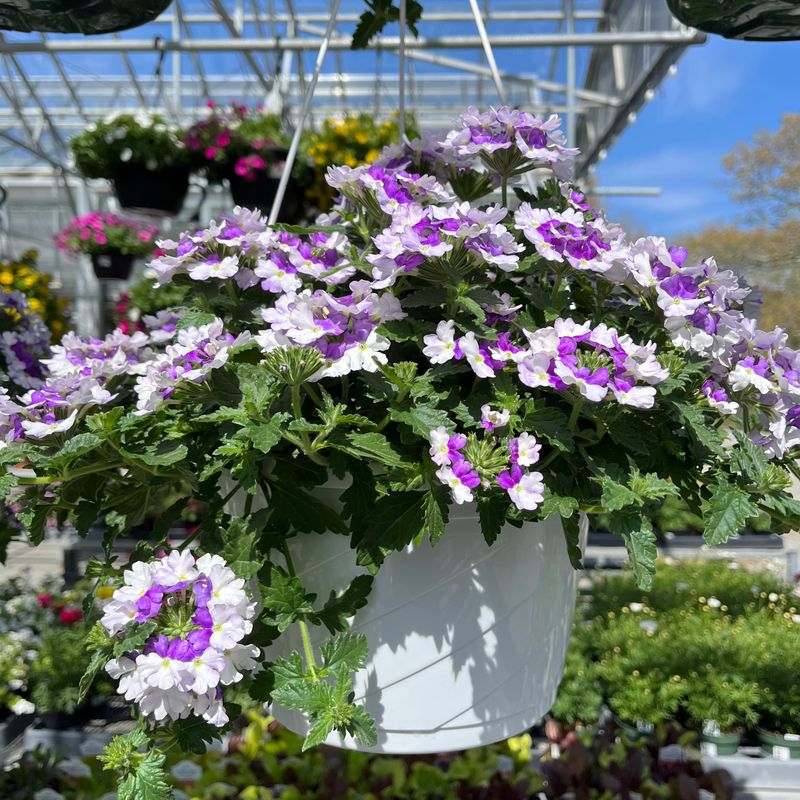
Trailing verbena brings a certain exuberance to Arizona hanging baskets that is hard to match. The stems spill generously over basket edges, creating a waterfall of clustered blooms in shades of purple, red, pink, coral, white, and bicolor combinations.
In full sun, verbena flowers with impressive consistency, which makes it a popular choice among Arizona gardeners looking for season-long color without constant fuss.
Heat-tolerant verbena varieties handle Arizona’s low desert summers reasonably well, though they may slow their bloom production during the most extreme heat spikes in July and August.
A little afternoon shade – even just an hour or two – can help baskets in the hottest Phoenix microclimates maintain better flower production through peak summer.
At elevations around Prescott, verbena typically performs strongly from spring through early fall without needing any afternoon protection.
Good air circulation around the basket helps reduce the risk of powdery mildew, which can occasionally appear on verbena foliage during Arizona’s humid monsoon season.
Avoid wetting the foliage when watering, and choose disease-resistant varieties when available.
Water regularly, as verbena in containers dries out quickly under direct sun.
Deadheading spent flower clusters encourages fresh blooms and keeps baskets looking tidy. Feed every two to three weeks with a balanced, water-soluble fertilizer.
Verbena also attracts butterflies reliably, which adds an extra layer of garden enjoyment. With the right care, verbena delivers cascading color from spring planting right through Arizona’s long, warm growing season.
5. Million Bells Deliver Vibrant Flowers That Handle Desert Heat
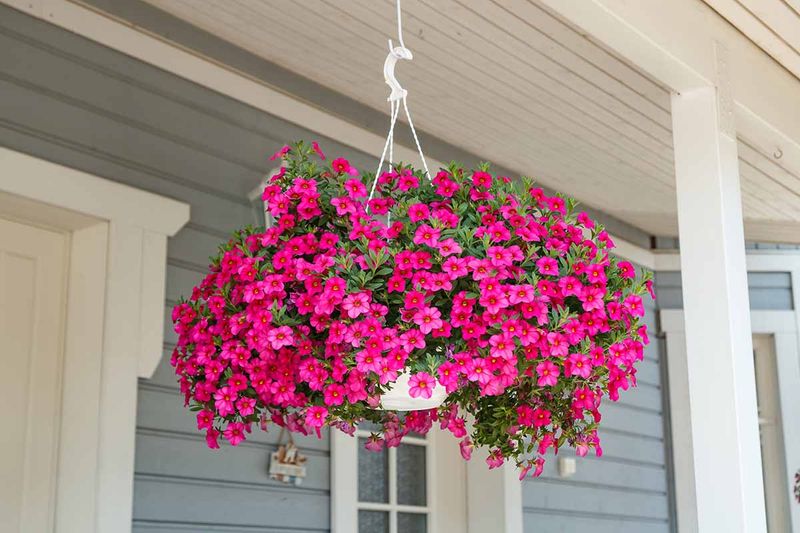
Calibrachoa, commonly sold under the trade name Million Bells, earns its nickname by producing what seems like an endless stream of small, petunia-like flowers throughout the growing season.
Each bloom is roughly the size of a quarter, but when dozens open simultaneously across trailing stems, the effect is genuinely striking.
Arizona gardeners have embraced calibrachoa as a go-to hanging basket plant because it combines heat tolerance with outstanding visual impact.
Million Bells performs best in full sun with well-draining potting mix. In Arizona’s dry climate, containers can lose moisture rapidly, so checking soil moisture daily during peak summer is a smart habit.
Water thoroughly when the top inch feels dry, and make sure your basket has adequate drainage holes to prevent root problems. Calibrachoa is sensitive to overwatering, so aim for consistent moisture rather than soggy conditions.
Blooms come in an extraordinary range of colors including yellow, orange, pink, red, purple, white, and multicolored patterns.
Unlike some annuals, calibrachoa is self-cleaning, meaning spent flowers drop on their own without requiring regular deadheading.
This makes it especially appealing for gardeners who want vibrant baskets without a lot of daily maintenance.
Feed calibrachoa with a fertilizer formulated for acid-loving plants, or use a balanced water-soluble fertilizer every one to two weeks.
Iron deficiency can occasionally cause yellowing leaves in containers, so watch for that and address it with a chelated iron supplement if needed.
In Arizona’s low desert, Million Bells typically performs well from early spring through the hottest summer months.
6. Nemesia Adds Compact, Sun-Loving Blooms To Any Basket
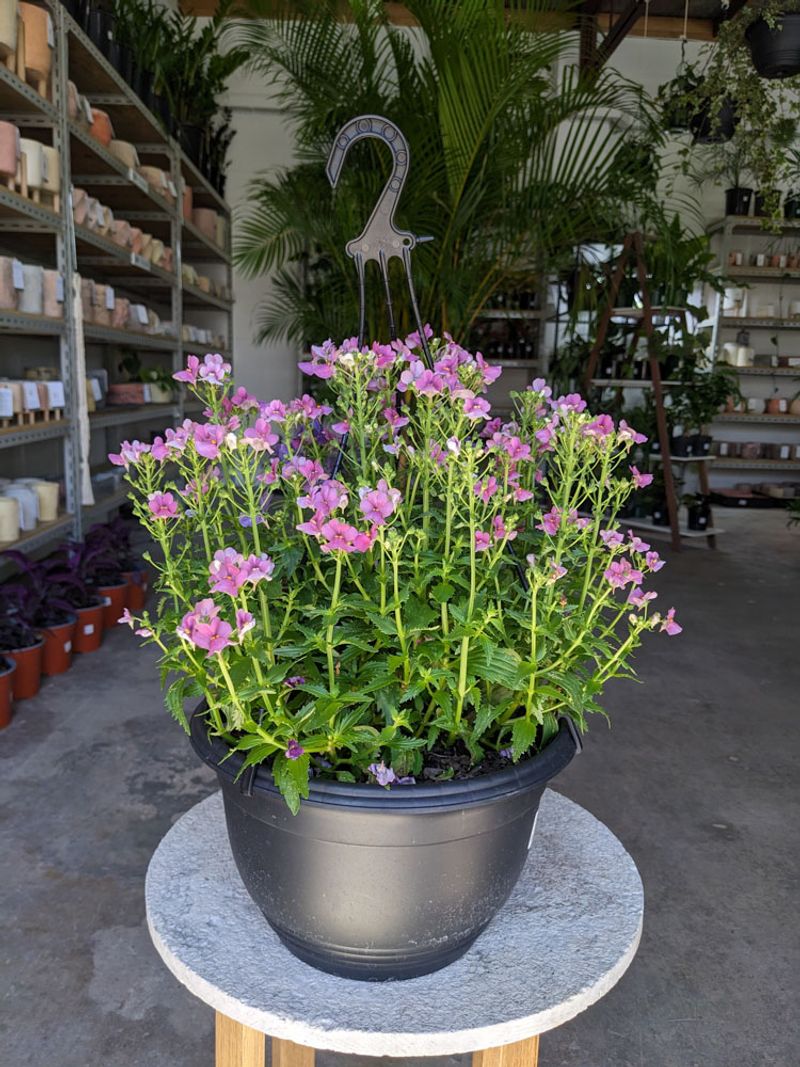
Nemesia might not be the first plant that comes to mind for Arizona hanging baskets, but it deserves a closer look from gardeners who want something a little different.
Native to South Africa, nemesia is built for warm, sunny climates and produces small, orchid-like blooms in a remarkable range of two-toned and solid color combinations including yellow, orange, pink, purple, red, and white.
The flowers have a light, sweet fragrance that adds sensory appeal to a patio or entryway basket.
In Arizona, nemesia works best during the cooler ends of the warm season – early spring and fall – when temperatures are consistently warm but not yet reaching extreme summer highs.
In Phoenix, spring planting in February or March allows nemesia to establish and bloom well before intense summer heat arrives.
At higher elevations like Prescott or Flagstaff, the season extends naturally due to milder temperatures.
Plant nemesia in a well-draining potting mix and place the basket where it receives full sun in the morning with some protection from the harshest afternoon rays.
Water consistently, since the shallow root system in containers dries out faster than in-ground plantings.
Feed every two weeks with a balanced liquid fertilizer to support steady bloom production.
If nemesia slows during the hottest weeks, cut stems back by about one-third and the plant often rebounds with fresh growth and blooms as temperatures moderate in early fall.
Aphids can occasionally visit nemesia, so check the undersides of leaves regularly and rinse them off with a steady stream of water if spotted.
7. Angelonia Sends Up Summer-Long Spikes Of Heat-Tolerant Flowers
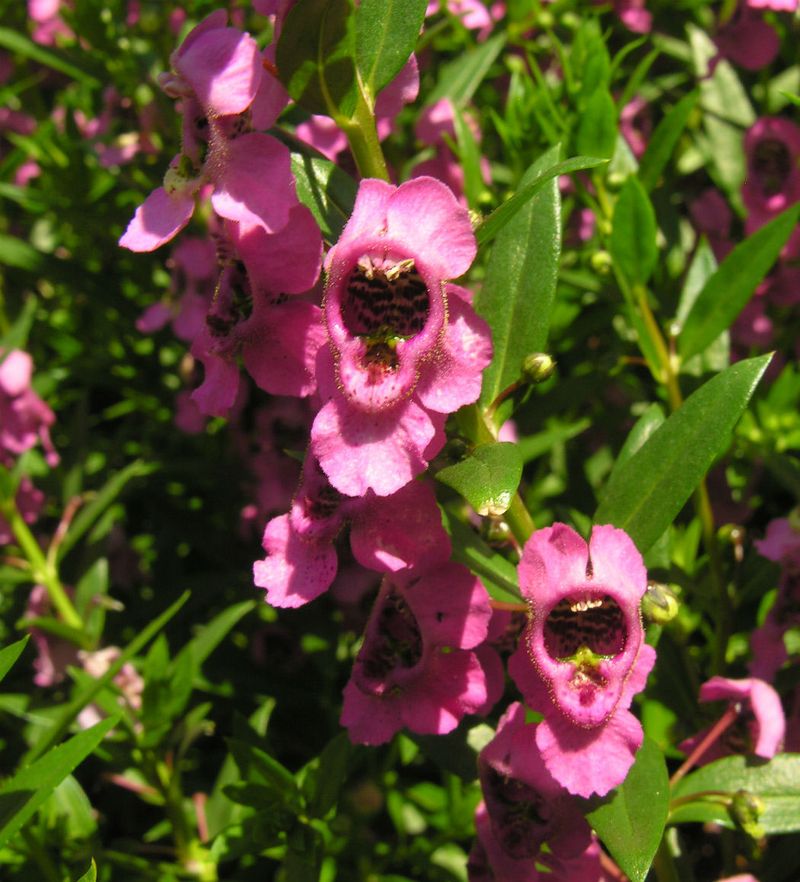
On a blazing Arizona afternoon when most annuals look wilted and worn, angelonia stands upright and blooms without complaint.
Sometimes called summer snapdragon, angelonia produces slender, vertical flower spikes covered in small blooms that resemble snapdragons but handle desert heat far better.
The flowers carry a light, grape-like fragrance that becomes especially noticeable on warm evenings, which makes baskets near seating areas a particularly rewarding placement choice.
Angelonia thrives in full sun and actually intensifies its bloom production as temperatures rise, which is exactly what Arizona gardeners need during the long stretch between May and September.
In Phoenix and Tucson, angelonia typically blooms from spring planting through the end of the warm season, providing months of reliable color.
The upright growth habit adds vertical interest to baskets, especially when combined with trailing plants like verbena or portulaca along the basket edges.
Use a well-draining potting mix and water consistently – angelonia prefers evenly moist soil rather than alternating between very wet and very dry.
During Arizona’s monsoon season, natural rainfall may reduce how often you need to water, but baskets on covered patios will still need regular attention.
Feed every two to three weeks with a balanced, water-soluble fertilizer.
Deadheading is optional since angelonia is fairly self-cleaning, but trimming spent spikes back slightly encourages bushier growth. Pest pressure on angelonia is generally low in Arizona.
Bloom colors range from deep purple and lavender to pink, white, and bicolor combinations, giving gardeners plenty of variety to work with when designing a basket display.