The 8 Overlooked Native Oregon Shrubs That Deserve More Love
Some of the best shrubs for Oregon yards are not the flashy ones lined up at every garden center. They are the quieter native picks that have been handling Oregon’s wet winters, dry summers, and shifting conditions all along.
While many gardeners keep reaching for the same familiar ornamentals, native shrubs often bring just as much beauty with the bonus of being better adapted, more useful for wildlife, and surprisingly easy to live with once established.
That makes them a smart choice for gardeners who want a yard that feels more rooted in place.
Many offer spring flowers, berries, fall color, evergreen structure, or food and shelter for birds and pollinators.
Some can handle tough sites that popular nonnative shrubs complain about. Others simply deserve more attention because they are beautiful and dependable without asking for much fuss.
Once you start looking beyond the usual picks, Oregon has some truly impressive native shrubs that are hard not to love.
1. Red Flowering Currant
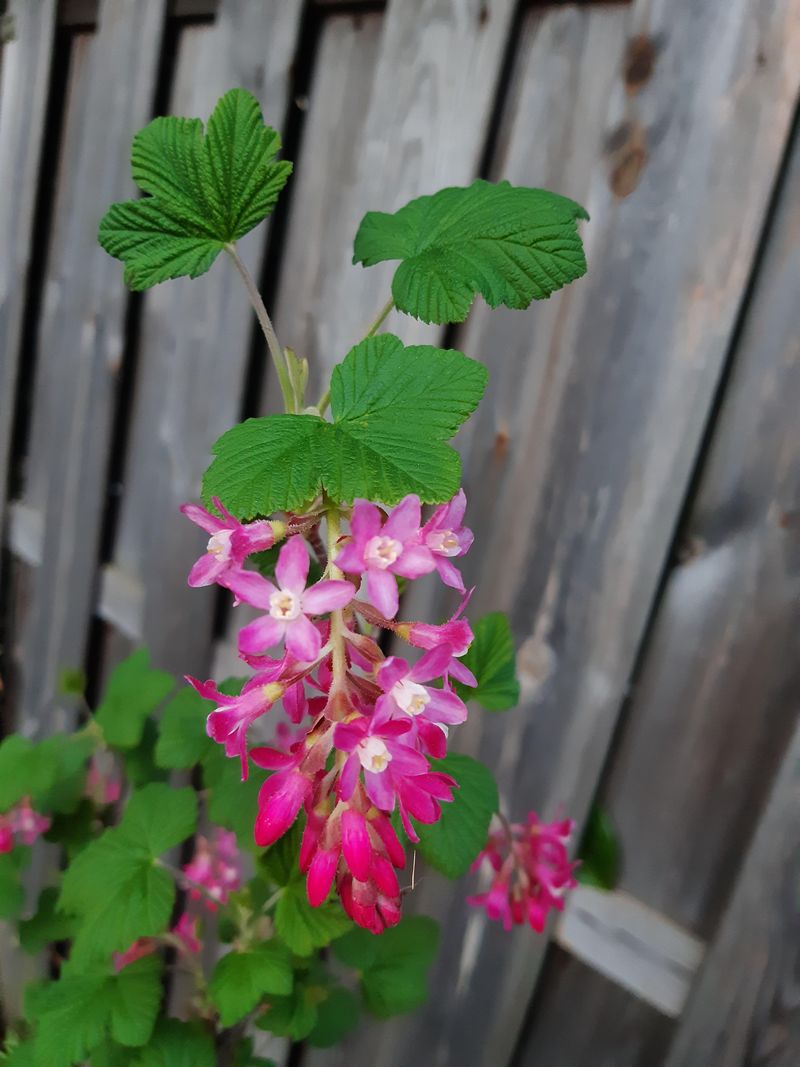
Every spring in Oregon, something magical happens along roadsides, forest edges, and garden borders. Red Flowering Currant bursts into bloom before most other plants even wake up.
Its drooping clusters of deep pink and red flowers are hard to miss, and hummingbirds absolutely love them.
Ribes sanguineum is the scientific name, and it grows naturally throughout western Oregon. It can handle a wide range of soil types, which makes it easy to plant almost anywhere in your yard.
It does well in both sunny spots and partial shade.
After the flowers fade, small dark blue-black berries appear. Birds eat these berries eagerly throughout summer.
The berries are edible for people too, though they are quite tart on their own.
Growing this shrub is straightforward. Once established, it needs very little water and almost no fertilizer.
It typically reaches six to ten feet tall, making it a great natural privacy screen. Pruning right after flowering keeps it looking neat and encourages stronger blooms the following year.
If you want to bring more pollinators into your Oregon garden, Red Flowering Currant is one of the best choices you can make.
2. Mock Orange
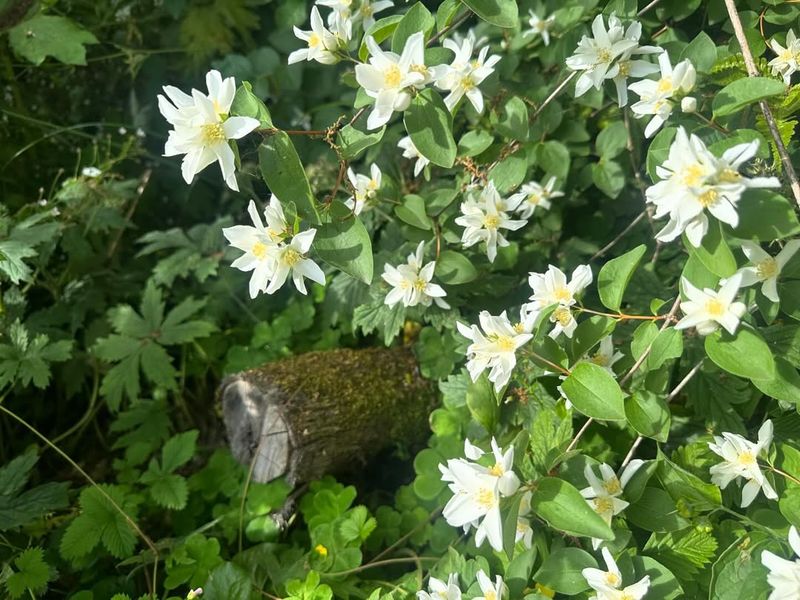
Few things smell as wonderful as a Mock Orange shrub in full bloom. Walk past one on a warm Oregon evening and the sweet, citrusy fragrance will stop you right in your tracks.
That scent is exactly why this shrub earned its common name.
Philadelphus lewisii is Oregon’s official state flower, which is pretty impressive for a shrub that most gardeners overlook. It grows naturally in rocky slopes, open woodlands, and along stream banks across the state.
The large white flowers bloom in late spring and early summer, creating a stunning display.
Mock Orange grows well in full sun or light shade. It tolerates dry conditions once it gets established, making it a smart choice for Oregon’s drier eastern regions.
In wetter western Oregon, it grows vigorously with little help at all.
Wildlife benefits from this shrub too. Dense branches provide excellent nesting cover for small birds.
Your Oregon Garden Changes Every Week. Your Plan Should Too.
Gardening in Oregon changes quickly throughout the season. Every Friday you’ll receive a simple weekly plan showing exactly what to plant, prune, fertilize, harvest, and protect so you never miss the right timing.
The flowers attract native bees and other pollinators. Mock Orange can grow anywhere from five to ten feet tall depending on conditions.
Pruning older stems after flowering keeps the plant healthy and encourages fresh, blooming growth each season. It is a truly underrated Oregon native worth celebrating.
3. Oceanspray
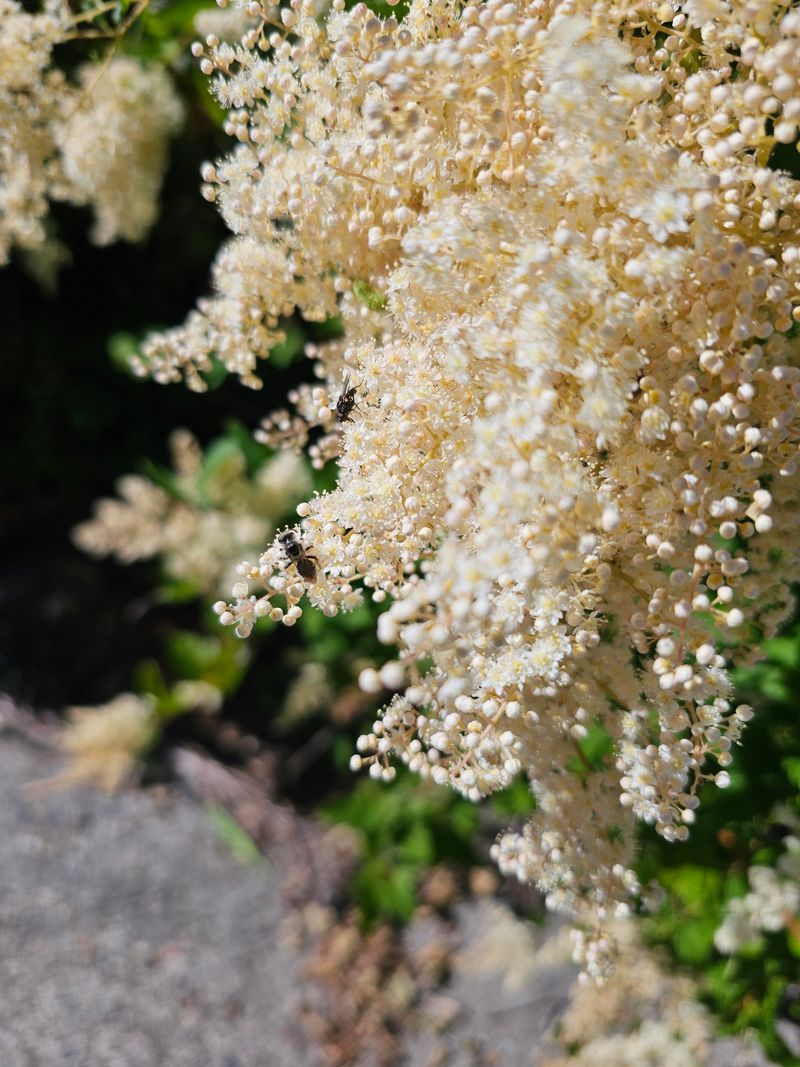
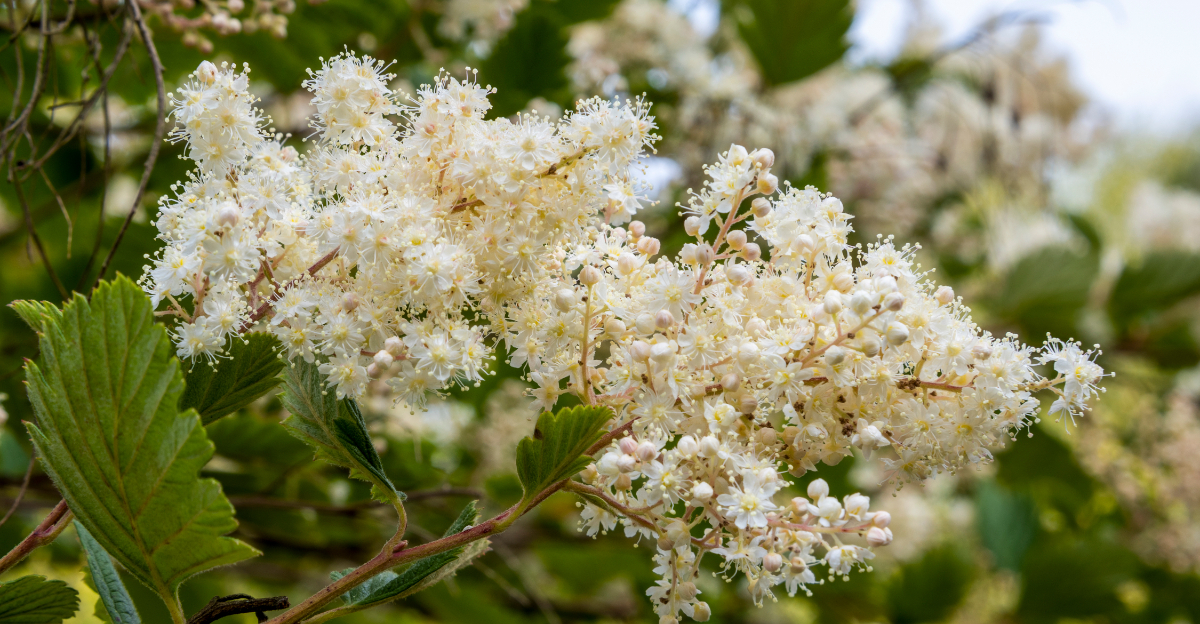
Picture long, feathery plumes of creamy white flowers cascading off arching branches like a frozen waterfall. That is exactly what Oceanspray looks like when it blooms in early summer across Oregon’s hillsides and open woodlands.
The name fits perfectly.
Holodiscus discolor is a native Oregon shrub that thrives in full sun to partial shade. It handles poor, rocky soils without complaint, which is rare for a shrub that looks so elegant.
Once established, it is surprisingly drought-tolerant, making it valuable in drier parts of the state.
The dried flower clusters stick around well into winter, giving the shrub a rustic, textured look even after the blooms are gone. Birds use these seed clusters as a food source during colder months.
That makes Oceanspray useful year-round in a wildlife-friendly garden.
Native peoples in Oregon historically used the extremely hard wood of this shrub to make tools and arrows. That history adds an extra layer of meaning to planting it today.
Oceanspray can grow up to fifteen feet tall in ideal conditions. It works beautifully as a tall hedge or a naturalized planting along a fence line.
Pollinators swarm the flowers during bloom time, making it a lively, buzzing addition to any Oregon yard.
4. Tall Oregon Grape
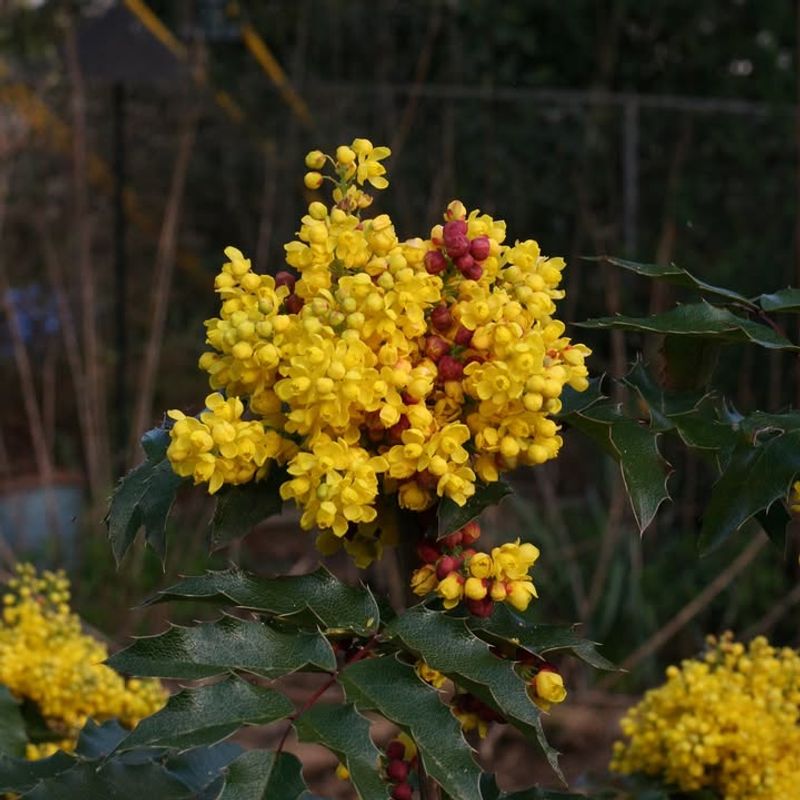
Oregon Grape is right there in the name, so it is a little surprising how often this plant gets passed over in favor of non-native shrubs. Mahonia aquifolium is actually Oregon’s state flower and grows wild across much of the state, from dense coastal forests to dry inland slopes.
The leaves look strikingly similar to holly, with glossy, spiny-edged leaflets that stay green all year long. In late winter and early spring, bright yellow flower clusters appear near the tops of the stems.
These early blooms are incredibly important for native bees waking up after winter.
By summer, clusters of dusty blue-purple berries develop. These berries are tart but edible and have been used for centuries in jams, juices, and natural dyes.
Wildlife loves them too, especially songbirds and small mammals throughout Oregon.
Tall Oregon Grape can reach up to six feet in height. It grows well in shade, which makes it one of the few shrubs that thrives under large trees where other plants struggle.
The roots contain berberine, a compound with known medicinal properties. Planting it along shady paths or woodland garden edges shows off its beauty perfectly.
It is rugged, reliable, and truly Oregonian in every sense.
5. Snowberry
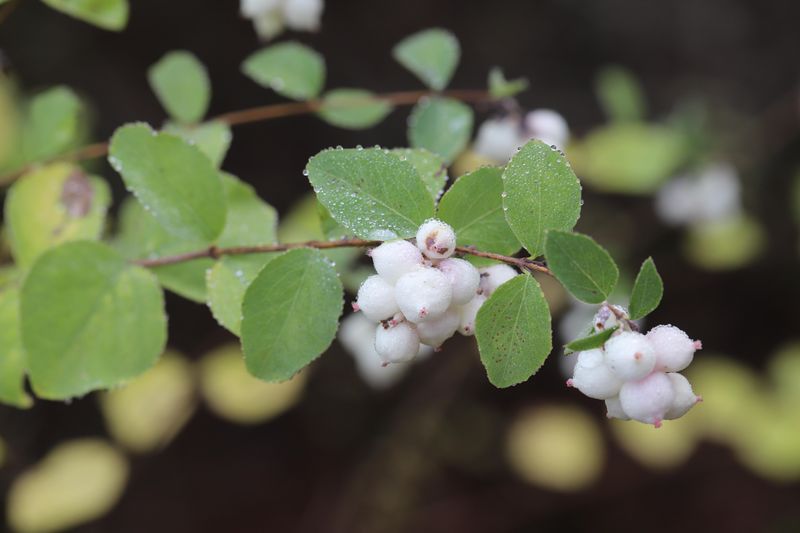
Most garden shrubs put on their best show in spring or summer, but Snowberry saves its most striking feature for fall and winter. Clusters of pure white, waxy berries cling to the slender branches long after the leaves have dropped, creating a ghost-like beauty that stands out against Oregon’s gray autumn skies.
Symphoricarpos albus grows naturally throughout Oregon in a wide range of habitats. It thrives along stream banks, forest edges, and open slopes.
The shrub spreads by underground runners, forming dense thickets that provide excellent cover for ground-nesting birds and small animals.
The berries are mildly toxic to humans, so they are best left for wildlife. Quail, grouse, and other birds rely on them as a winter food source when other options are scarce.
That makes Snowberry a genuinely valuable addition to any Oregon wildlife garden.
Snowberry grows about three to six feet tall and handles shade remarkably well. It also tolerates dry soils and slopes where other shrubs might struggle.
The small pink flowers that bloom in summer are subtle but attract native bees. Because it spreads on its own, it works well as a low-maintenance ground cover for steep or hard-to-plant areas.
It is tougher than it looks.
6. Nootka Rose
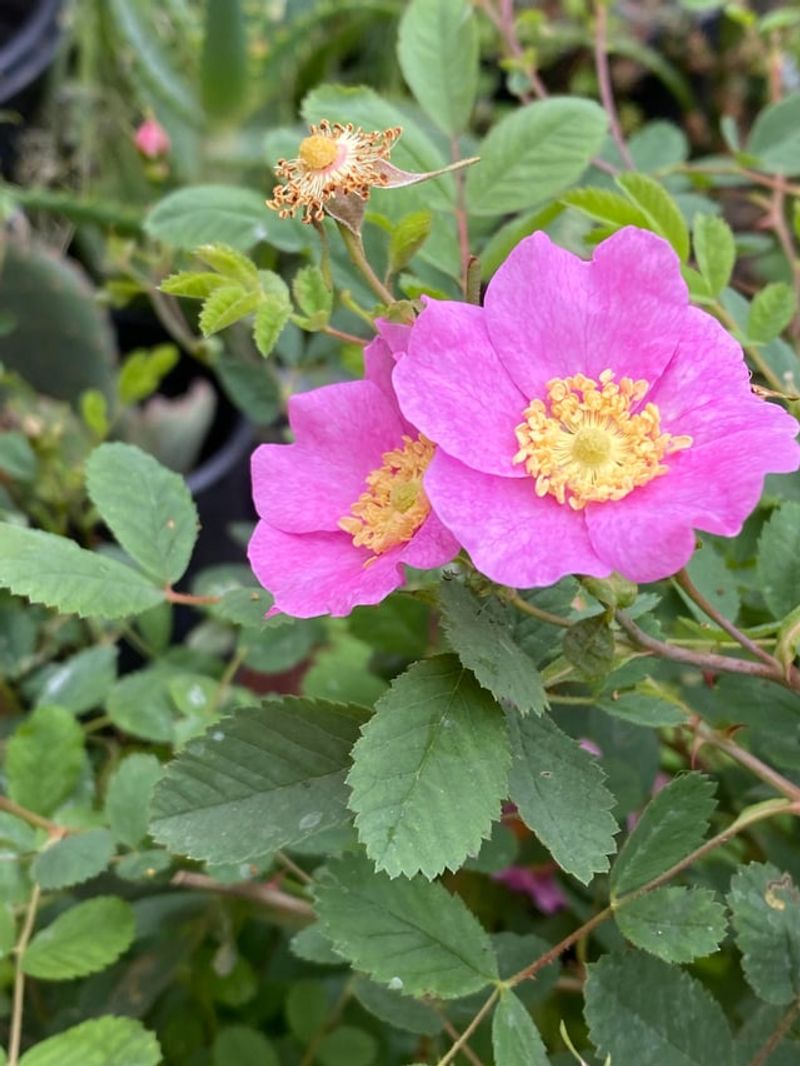
There is something wonderfully wild about a Nootka Rose in full bloom. Rosa nutkana produces large, single pink flowers with bright yellow centers that look almost too perfect to be real.
Unlike cultivated roses, this native Oregon shrub asks for almost nothing in return for its stunning seasonal display.
Nootka Rose grows naturally along stream banks, meadow edges, and open woodlands throughout Oregon. It loves moist soils but adapts well to average garden conditions.
The thorny canes grow in dense thickets that offer excellent shelter for songbirds and small mammals.
After the flowers fade, large red rose hips develop and ripen by late summer. These hips are packed with vitamin C and have been used in teas, jellies, and natural remedies for generations.
Birds and deer browse on them throughout fall and winter across Oregon’s landscapes.
Nootka Rose typically grows four to eight feet tall and spreads gradually by root suckers. This spreading habit makes it ideal for naturalizing along fences, slopes, or stream edges where you want living coverage.
The fragrance of the flowers is light and sweet, nothing overpowering. It is a tough, generous shrub that rewards patience with beauty, wildlife activity, and seasonal interest that lasts well beyond the bloom.
7. Douglas Spiraea
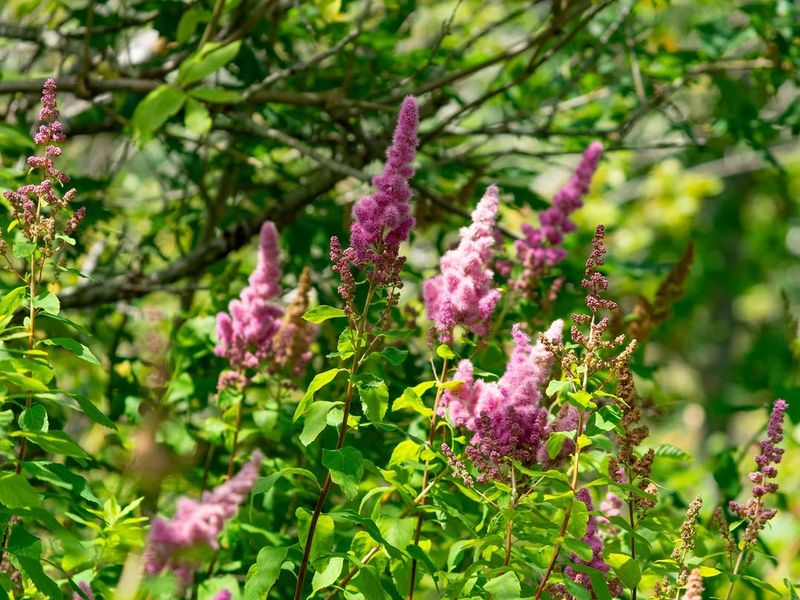
Roadsides and wetland edges in western Oregon often hide one of the state’s most cheerful native shrubs without most people ever noticing it. Douglas Spiraea, known scientifically as Spiraea douglasii, produces dense, fuzzy clusters of rosy-pink flowers on upright stems throughout summer.
It is genuinely hard not to smile when you see a patch of it in full bloom.
This shrub has a strong preference for wet conditions. It thrives along stream banks, pond edges, bogs, and moist meadows.
If you have a low-lying or poorly drained area in your Oregon yard, Douglas Spiraea could be exactly what that space needs.
The fluffy flower clusters attract butterflies, native bees, and other pollinators in large numbers. Even after the blooms fade, the dried seed heads provide texture and visual interest well into winter.
Birds occasionally use the stems for nesting material too.
Douglas Spiraea spreads by underground rhizomes, forming dense colonies over time. This spreading habit is great for erosion control along slopes or stream edges.
It grows three to six feet tall and does best in full sun to partial shade. Pruning it back hard in late winter encourages vigorous, fresh growth and better flowering each season.
For wet spots in Oregon gardens, few native shrubs perform as reliably or look as cheerful.
8. Salal
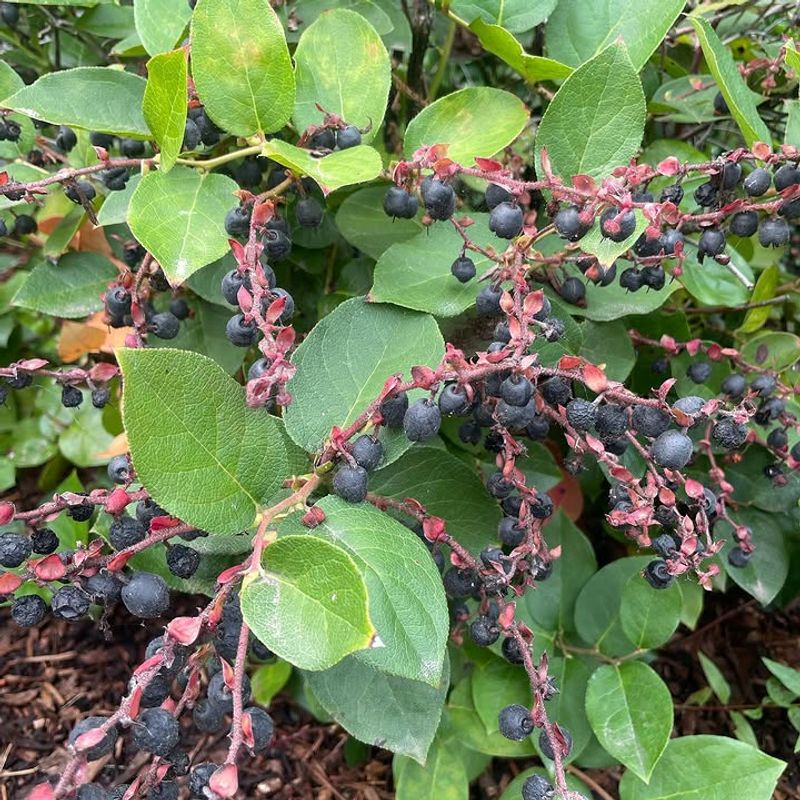
Walk through almost any coastal Oregon forest and you will find Salal growing in thick, glossy mats beneath the towering conifers. Gaultheria shallon is one of the most common native shrubs in the Pacific Northwest, yet most people walk right past it without giving it a second look.
That is a real shame.
Salal has some of the most attractive foliage of any native Oregon shrub. The thick, leathery leaves stay deep green all year long.
In late spring, small urn-shaped flowers in white to soft pink dangle from reddish stems, adding delicate charm to the understory.
By late summer, dark purple-black berries ripen in clusters. These berries were a staple food for many Indigenous peoples throughout Oregon and the broader Pacific Northwest.
They can be eaten fresh, dried, or cooked into sauces and baked goods. Bears, deer, and birds also rely on them heavily.
Salal grows well in shade and handles dry to moderately moist soils with ease. It typically reaches two to five feet tall, though it can grow taller in ideal coastal conditions.
Florists actually prize Salal leaves for floral arrangements because they last so long after cutting. Planting it under trees or on shaded slopes gives you year-round greenery with almost no maintenance required in Oregon gardens.