6 Shrubs To Prune In April In Pennsylvania For More Blooms
April in Pennsylvania feels like the garden is waking up all at once. Buds are swelling, leaves are popping out, and shrubs that looked plain a few weeks ago are suddenly full of promise.
It is also the time when many gardeners start reaching for the pruners, hoping to shape things up and set the stage for a season packed with color. That can be a smart move, but only if you know which shrubs actually benefit from an April trim.
Cut the right plant at the right time, and you can encourage healthier growth and more flowers. Cut the wrong one, and you might end up removing the very buds you were waiting to see.
That is what makes spring pruning a little more important than it seems. Some Pennsylvania shrubs respond beautifully to an April haircut, especially those that bloom on new growth.
With a few careful snips, you can help them grow fuller, stay tidier, and put on a better show later in the season. For anyone chasing bigger blooms and a more polished yard, this is one garden job worth getting right.
1. Butterfly Bush (Buddleja Davidii)
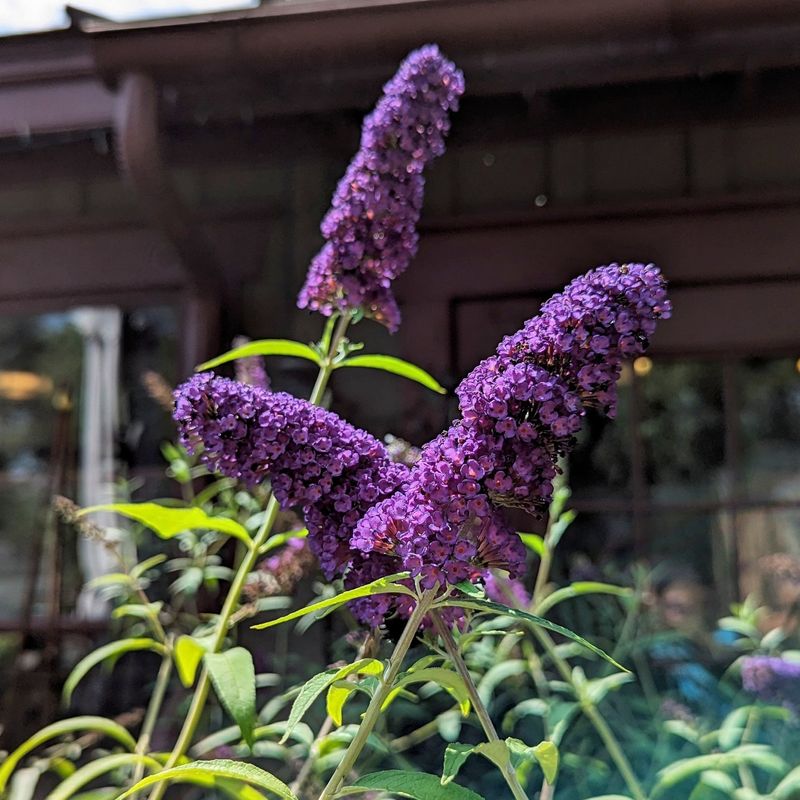
Few plants put on a show quite like the Butterfly Bush. Its long, cone-shaped flower spikes come in shades of purple, pink, white, and lavender, and they attract butterflies like a magnet all summer long.
If you grow one in Pennsylvania, April is the perfect time to prune it back hard. Butterfly Bush blooms on new wood, meaning the flowers grow on branches that the plant produces during the current growing season.
If you skip pruning, the plant may still bloom, but the flowers will be smaller and fewer. Cutting it back in April encourages the shrub to push out fresh, strong new growth that eventually turns into those gorgeous flower spikes you love to see.
Prune the stems down to about 12 inches from the ground. Use sharp, clean pruning shears to make smooth cuts just above a healthy bud or node.
This keeps the plant tidy and gives it a strong foundation to grow from. Do not worry about cutting too much.
Butterfly Bush is a tough, resilient plant that bounces back quickly after a hard prune. After pruning, give the plant a light dose of balanced fertilizer to fuel its new growth. Water it regularly during dry spells.
By midsummer, your Butterfly Bush will be covered in fragrant flower clusters that both you and local butterflies will appreciate.
Pennsylvania gardeners who prune in April consistently report fuller plants and more blooms compared to those who skip the spring cut. It is a simple step with a big payoff.
2. Rose Of Sharon (Hibiscus Syriacus)
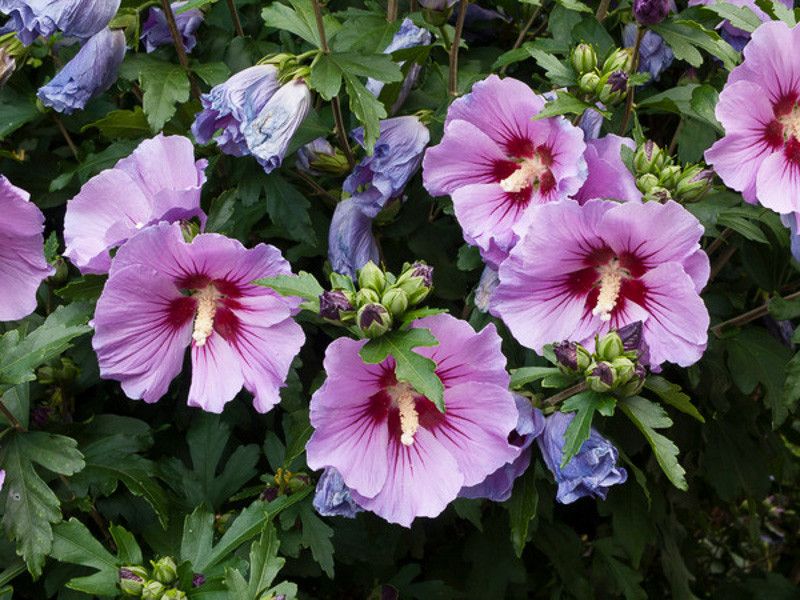
Rose of Sharon is one of those old-fashioned shrubs that never goes out of style. It produces beautiful hibiscus-like flowers in shades of pink, purple, white, and blue, and it blooms reliably every summer even in Pennsylvania’s variable climate.
The best part? A little pruning in April goes a long way toward making those blooms even better.
Your Pennsylvania Garden Changes Every Week. Your Plan Should Too.
Gardening in Pennsylvania changes quickly throughout the season. Every Friday you’ll receive a simple weekly plan showing exactly what to plant, prune, fertilize, harvest, and protect so you never miss the right timing.
Like Butterfly Bush, Rose of Sharon blooms on new wood. That means the flowers appear on branches that grow fresh each spring.
Pruning in April, before new growth really takes off, helps the plant focus its energy on producing vigorous new shoots. More new shoots mean more flowers later in the season.
To prune Rose of Sharon, cut back the previous year’s growth by about one-third to one-half. You can also shape the plant at this time, removing any crossing or awkward branches.
Sharp, clean shears are a must. Dull blades can crush stems and invite disease, so always start with well-maintained tools.
One thing to keep in mind with Rose of Sharon in Pennsylvania is that it can self-seed aggressively if you let the seed pods stay on the plant. Deadheading spent flowers during summer can help manage this.
Some newer varieties are sterile and produce far fewer seeds, which makes maintenance easier overall. After your April prune, mulch around the base of the plant to retain moisture and keep weeds down.
With consistent care, Rose of Sharon will reward you with weeks of stunning blooms that light up your yard from midsummer into early fall.
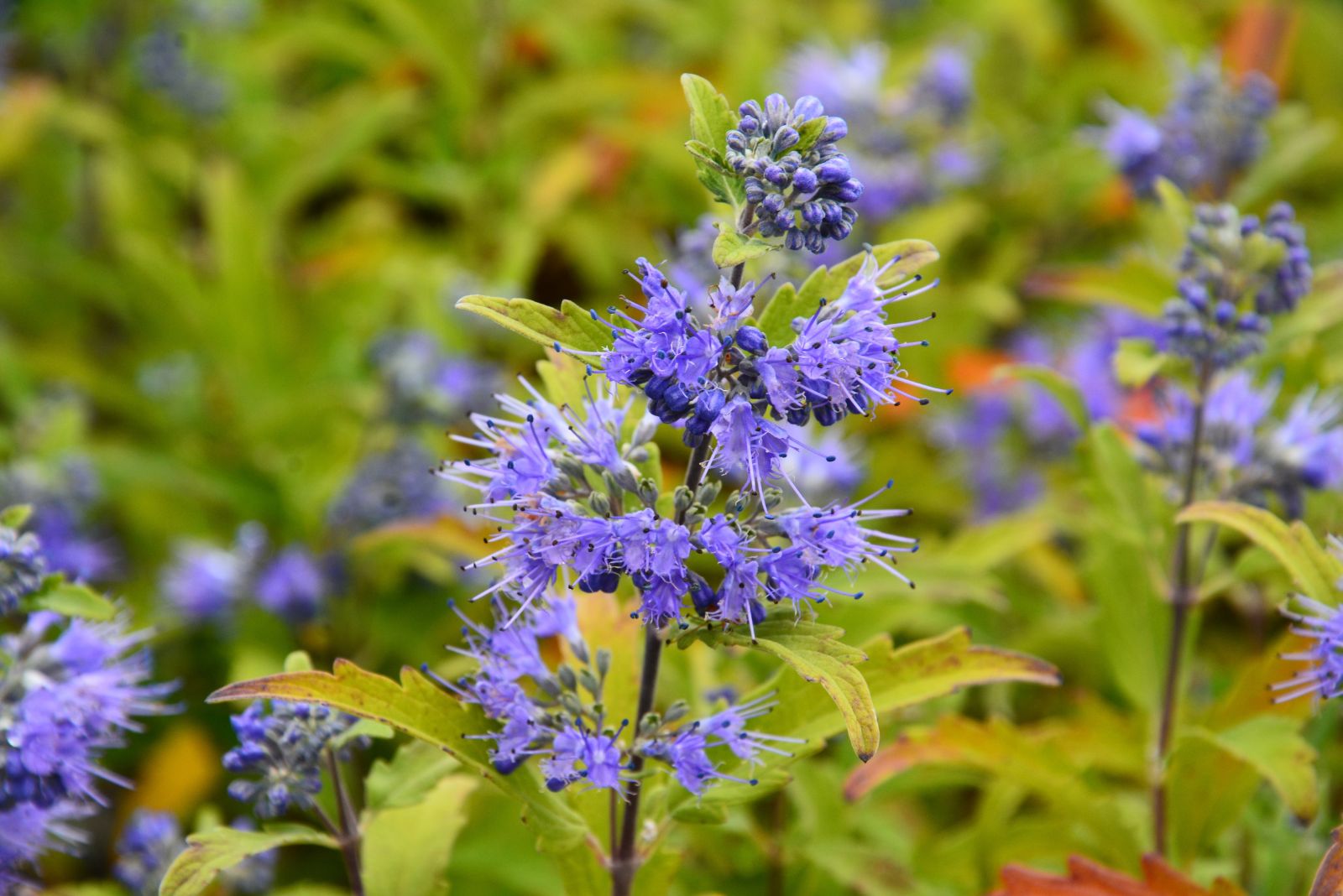
3. Bluebeard (Caryopteris × Clandonensis)
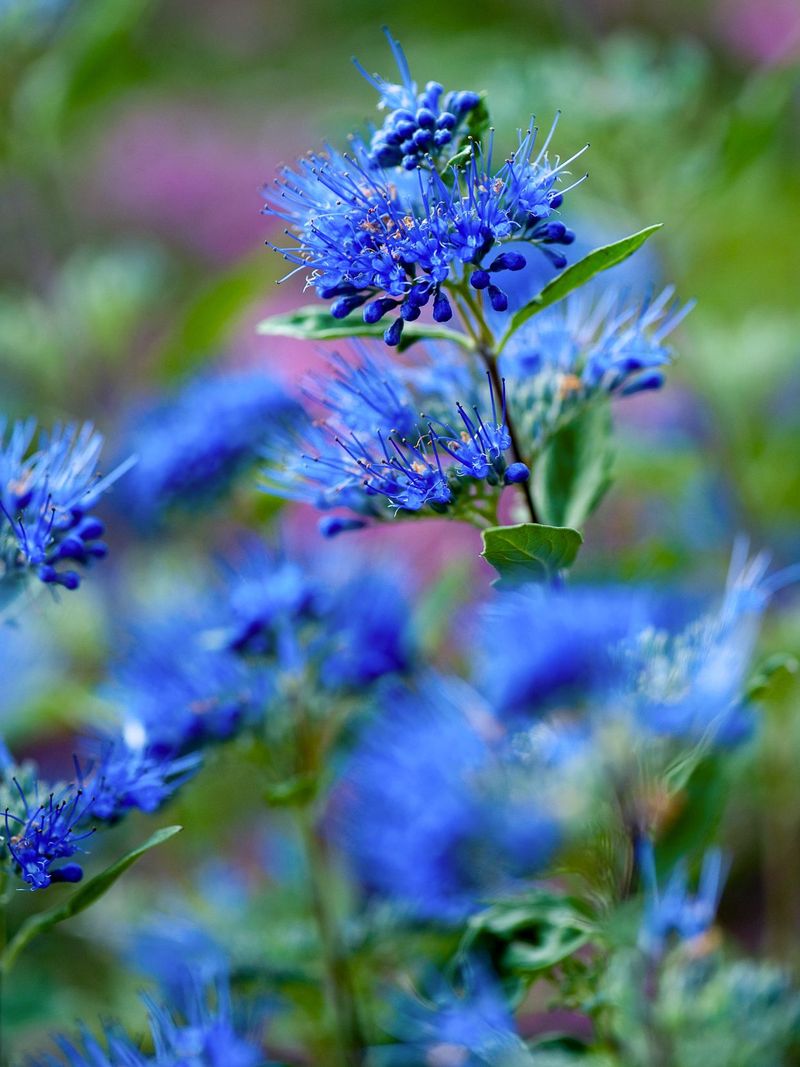
Bluebeard might not be the most well-known shrub in Pennsylvania gardens, but gardeners who grow it absolutely love it. Its small, intensely blue-purple flowers appear in late summer when many other plants have already finished blooming.
That late-season color is a rare and welcome treat, especially for pollinators like bees and butterflies that are still active in August and September.
Here is the secret to getting the most out of Bluebeard: prune it hard in April. Cut the stems back to just 3 to 6 inches from the ground.
This might feel drastic, but Bluebeard handles it beautifully. Since it blooms on new wood, cutting it back hard encourages the plant to push out a dense flush of fresh growth.
That new growth is what carries all those gorgeous blue flower clusters later in the season. If you skip the April prune or only cut lightly, Bluebeard tends to become woody and leggy over time. The blooms get fewer and the plant loses its tidy, rounded shape.
A hard prune every spring keeps it compact, healthy, and loaded with flowers year after year.
Bluebeard thrives in full sun and well-drained soil, which makes it a great fit for many Pennsylvania landscapes. It is also quite drought-tolerant once established, so it does not need a lot of extra watering.
After pruning in April, you can add a slow-release fertilizer to give it a boost. By late July or August, your Bluebeard will be buzzing with pollinators and adding a splash of cool blue color to your garden at a time when it really stands out.
4. Smooth Hydrangea (Hydrangea Arborescens)
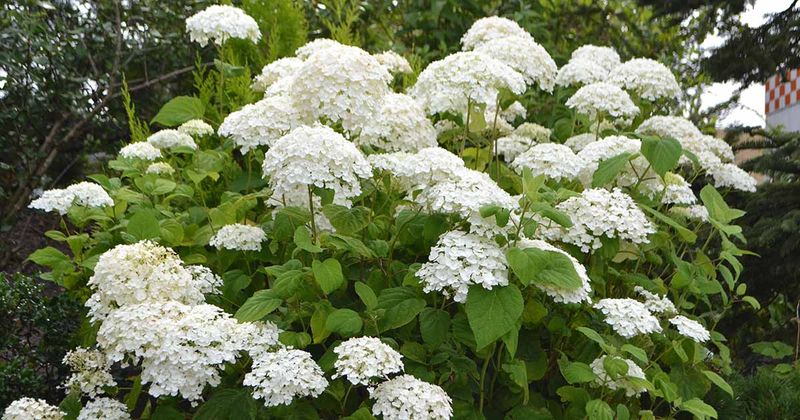
Walk through almost any established Pennsylvania garden and you are likely to spot a Smooth Hydrangea. The variety called Annabelle is especially popular, and for good reason.
It produces enormous, round white flower heads that can grow as large as a dinner plate. They are stunning in the garden and even beautiful when cut and dried for indoor arrangements.
Smooth Hydrangea blooms on new wood, which means April is your window to prune it and set it up for its best bloom season. Cut the stems back to about knee height, roughly 18 to 24 inches from the ground.
Some gardeners prune even harder, cutting almost to the ground, and that approach works well too. The trade-off with a very hard prune is that the new stems may be thinner and the heavy flower heads can flop over.
Leaving a bit more stem height gives the plant stronger support. After pruning, the plant wastes no time sending up fresh new shoots. Those shoots grow quickly through spring and early summer, and by July they are topped with those iconic white blooms.
Over time, the flowers transition to a soft green or pinkish tone as the season progresses, adding even more visual interest to your yard.
Pennsylvania summers can bring heavy rain and wind, so it helps to stake larger plants or use a grow-through support ring to keep those big flower heads upright. Smooth Hydrangea also appreciates consistent moisture, so water during dry stretches.
With an April prune and a little seasonal care, this shrub will be one of the standout stars of your summer garden.
5. Panicle Hydrangea (Hydrangea Paniculata)
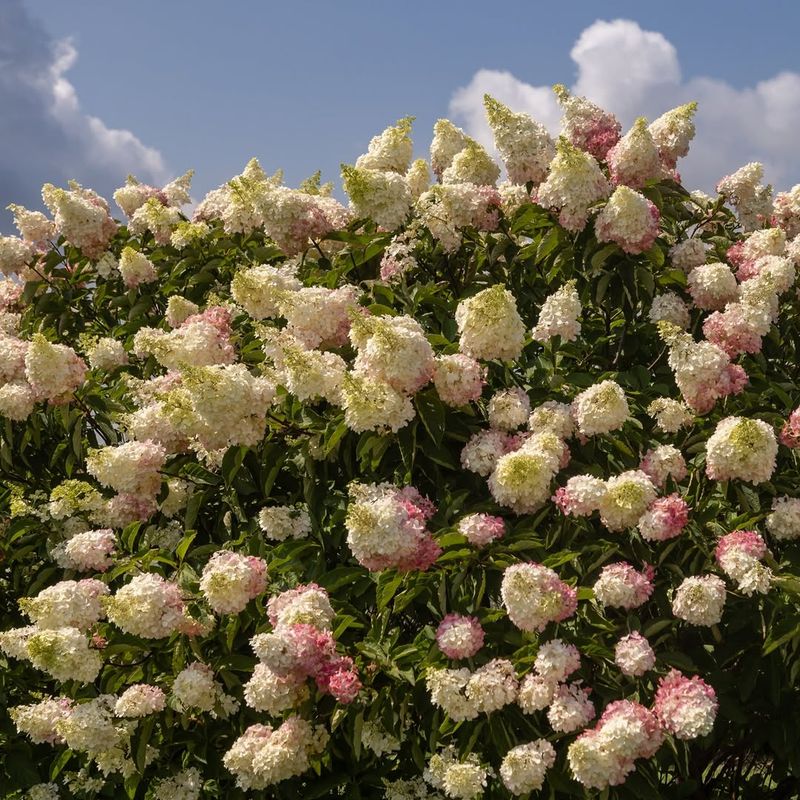
Panicle Hydrangea is one of the most adaptable and reliable shrubs you can grow in Pennsylvania.
Unlike some hydrangeas that struggle with late frosts, Panicle Hydrangea handles cold snaps with ease and still delivers a spectacular show of cone-shaped flower clusters every summer. Varieties like Limelight and Quick Fire are especially popular in the state.
Since Panicle Hydrangea blooms on new wood, pruning in April is completely safe and actually very beneficial. Last year’s woody stems can be cut back by one-third to one-half.
This helps control the plant’s size, keeps it looking neat, and encourages strong new growth that supports bigger and more abundant blooms. If you want a smaller, tidier plant, prune more aggressively.
If you prefer a larger shrub with slightly smaller flower clusters, prune less. One of the great things about Panicle Hydrangea is how the flowers change color as the season goes on. They start out creamy white, then shift to shades of pink and even deep rose by late summer and fall.
That color change adds months of visual interest to any Pennsylvania landscape without any extra effort on your part.
Panicle Hydrangea grows best in full sun to partial shade and prefers moist, well-drained soil. After your April prune, apply a balanced slow-release fertilizer to support the plant’s growth through spring and summer.
Mulching around the base helps lock in soil moisture, which is especially helpful during Pennsylvania’s sometimes dry summer months. With proper pruning and care, Panicle Hydrangea will grow into a stunning focal point in your garden that gets better every single year.
6. Spirea (Summer-Blooming Varieties)
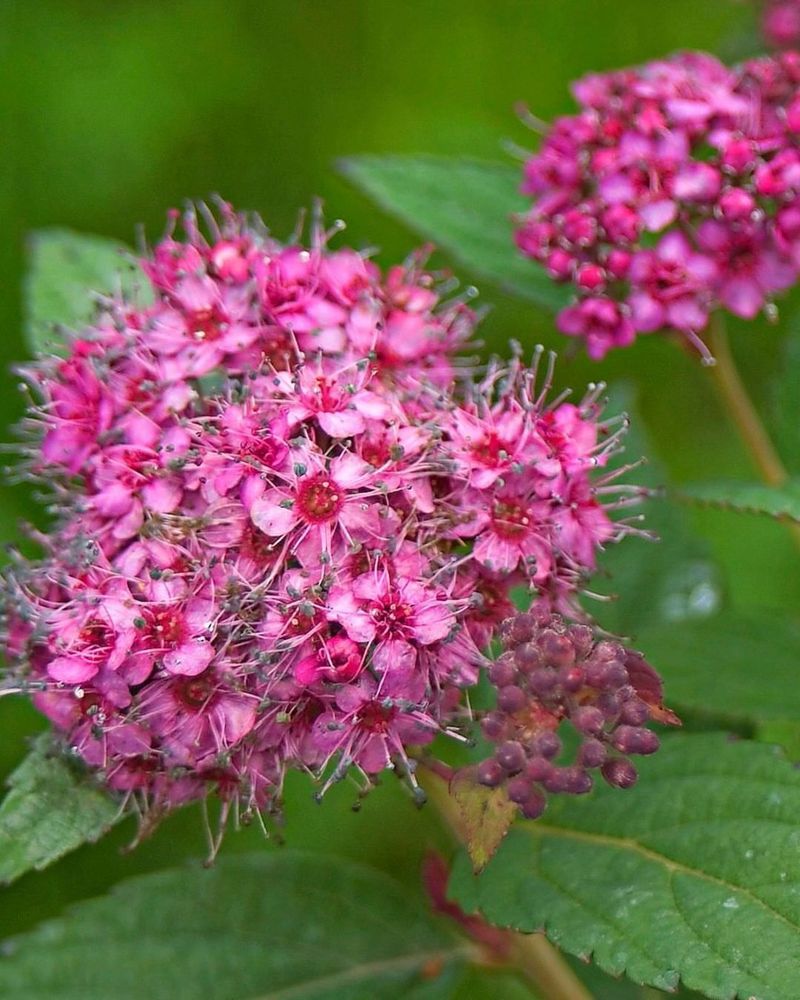
Spirea is one of those workhouse shrubs that earns its place in the garden every single year. Summer-blooming varieties like Spiraea japonica are especially popular in Pennsylvania because they are tough, low-maintenance, and produce cheerful clusters of pink or red flowers from early to midsummer.
And here is the thing most gardeners do not realize: pruning in April can dramatically improve how many flowers you get.
Summer-blooming spireas bloom on new wood, so cutting them back in early spring encourages a fresh flush of vigorous growth. Prune the stems back by about one-third to one-half of their total height.
You can also cut the entire plant back close to the ground if it has become overgrown or woody over the years. It will come back strong and look better than ever.
Beyond just boosting blooms, an April prune also helps spirea maintain a full, rounded shape. Left unpruned, these shrubs tend to get woody in the center and sparse on the outside.
Regular pruning keeps the growth even and the plant looking tidy throughout the growing season.
Many summer-blooming spirea varieties also offer bonus color in the form of colorful foliage. Some have golden-yellow leaves in spring that deepen to green in summer, while others hold their color all season long.
That means even when the flowers are not in bloom, the plant still adds visual interest to your Pennsylvania yard. After your April prune, water the plant well and add a light layer of mulch around the base.
Come July, you will be rewarded with a spirea that is absolutely covered in blooms from top to bottom.