These 11 Shade Perennials Thrive With Neglect In Oregon
Shady spots in Oregon can be a little misleading. At first, they seem like the hardest parts of the yard to fill, especially when sun-loving flowers get all the attention in spring.
But once you start working with the right perennials, those cooler, quieter spaces can turn into the easiest parts of the garden to manage. In fact, some shade plants seem almost happier when you stop fussing over them so much.
That is part of their charm. They do not need constant pampering, endless deadheading, or perfect conditions to look good.
Many settle in beautifully with Oregon’s mild springs, damp seasons, and tree-filled landscapes, then keep showing up year after year with very little drama. For busy gardeners, low-effort plants like these can feel like a small miracle.
A neglected shady corner can end up becoming one of the prettiest parts of the whole yard when the right perennials are doing the work.
1. Pacific Bleeding Heart
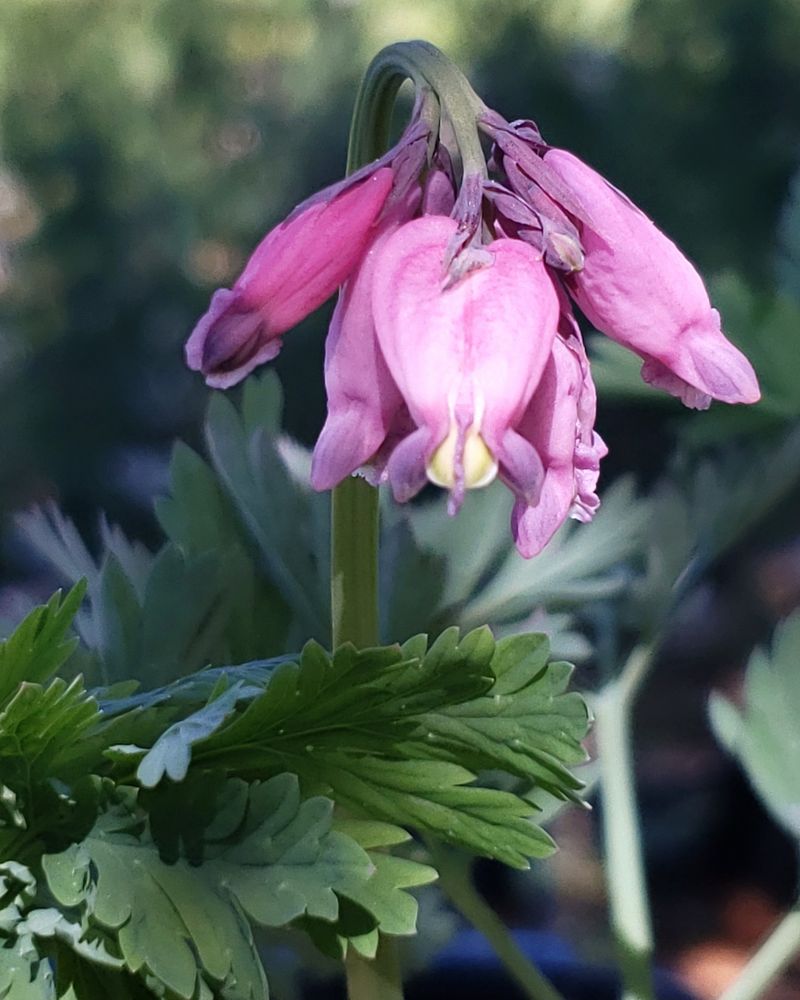
Few plants capture the magic of an Oregon woodland quite like the Pacific Bleeding Heart. Its rosy-pink, heart-shaped blooms dangle from arching stems like tiny lanterns swaying in a gentle breeze.
Native to the Pacific Northwest, this plant feels completely at home beneath Douglas firs and big-leaf maples across Oregon.
Pacific Bleeding Heart thrives in moist, well-drained soil and does best in dappled or deep shade. Once established, it barely needs watering because Oregon’s rainy seasons handle most of that work naturally.
You can essentially plant it and walk away.
It spreads gradually by seed, slowly filling in bare shaded patches without becoming invasive. The ferny, blue-green foliage stays attractive even after the blooms fade.
Come late spring, the flowers return reliably without any help from you. Gardeners in western Oregon especially love this plant because it fits so naturally into the local landscape.
It pairs beautifully with ferns and trilliums for a full native woodland look. If you want effortless charm in a shady corner, this native gem is a perfect starting point.
2. Fringecup
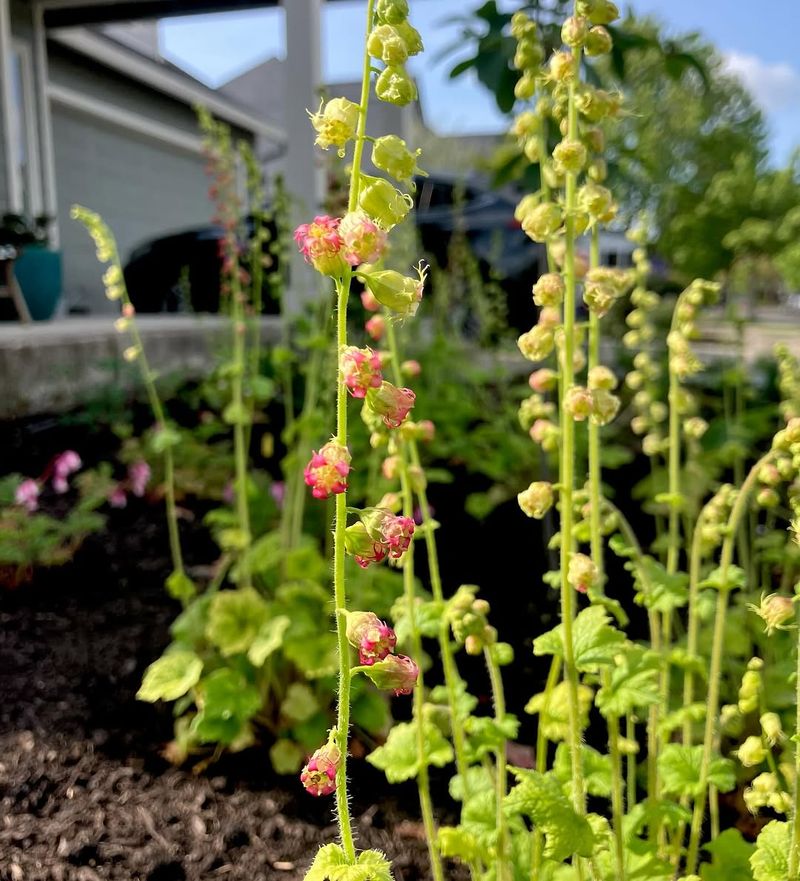
Fringecup is one of those quietly stunning plants that does not shout for attention but always gets a second look. Its tall, slender flower spikes carry rows of tiny, fringed blooms that shift from creamy white to soft pink as the season moves along.
This Oregon native grows naturally along stream banks and forest edges throughout the state.
One of Fringecup’s biggest strengths is its toughness. It handles deep shade, poor soil, and dry summer conditions better than most perennials.
Once you plant it, it self-seeds gently and fills shaded spots without becoming a problem. That makes it a wonderful low-effort ground cover for difficult areas under trees.
The rounded, scalloped leaves form a tidy rosette at the base and stay green through much of Oregon’s mild winters. Pollinators love the flowers in spring, making Fringecup a helpful addition to any wildlife-friendly yard.
It grows well alongside sword ferns, bleeding heart, and other native companions. Gardeners in the Willamette Valley and along the Oregon coast find it especially reliable.
Your Oregon Garden Changes Every Week. Your Plan Should Too.
Gardening in Oregon changes quickly throughout the season. Every Friday you’ll receive a simple weekly plan showing exactly what to plant, prune, fertilize, harvest, and protect so you never miss the right timing.
For a no-fuss plant that rewards patience with quiet beauty, Fringecup is a standout choice.
3. Sword Fern
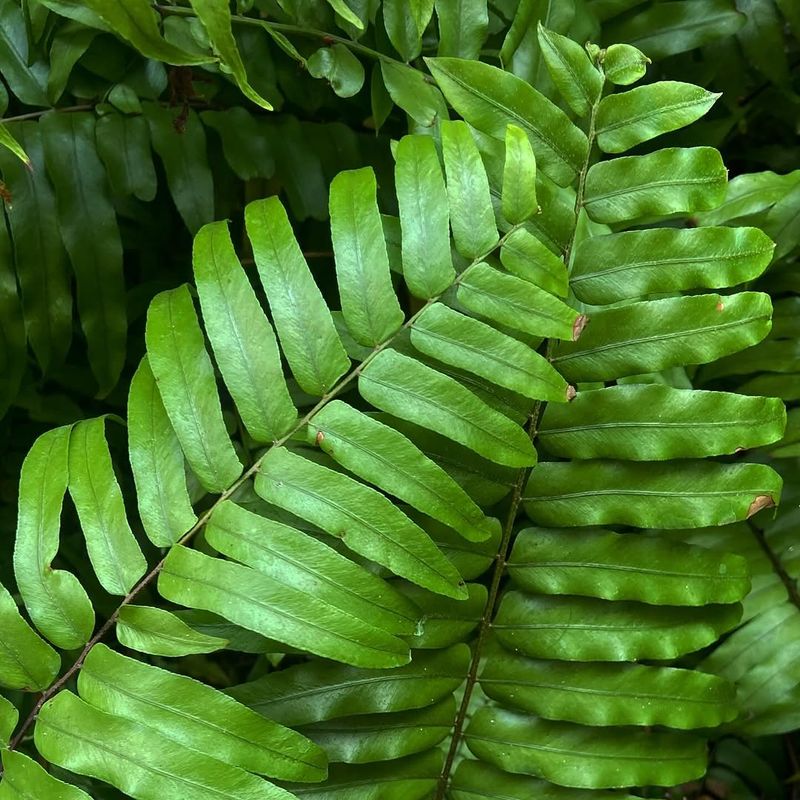
Walk into almost any Oregon forest and you will find Sword Fern growing in thick, lush clusters at the base of towering trees. This iconic Pacific Northwest native is practically indestructible.
Its bold, dark green fronds can reach up to four feet long, creating a dramatic and satisfying look in any shaded garden space.
Sword Fern is incredibly drought-tolerant once established, which surprises many gardeners. It thrives in deep shade where other plants simply give up.
Rocky slopes, dry hillsides, and dense woodland beds all suit it well. Minimal watering and zero fertilizing are all it asks of you after the first season.
The plant forms a handsome, fountain-like clump that grows slowly wider each year. It stays evergreen through Oregon’s winters, providing structure and color when other plants have gone dormant.
Birds and small animals use the thick clumps as shelter, adding wildlife value to your yard. Sword Fern pairs naturally with bleeding heart, trillium, and Oregon grape for a classic Pacific Northwest look.
If you have a tricky dry shade spot that nothing else will fill, this fern is your answer. It is truly one of Oregon’s most dependable garden workhorses.
4. Deer Fern
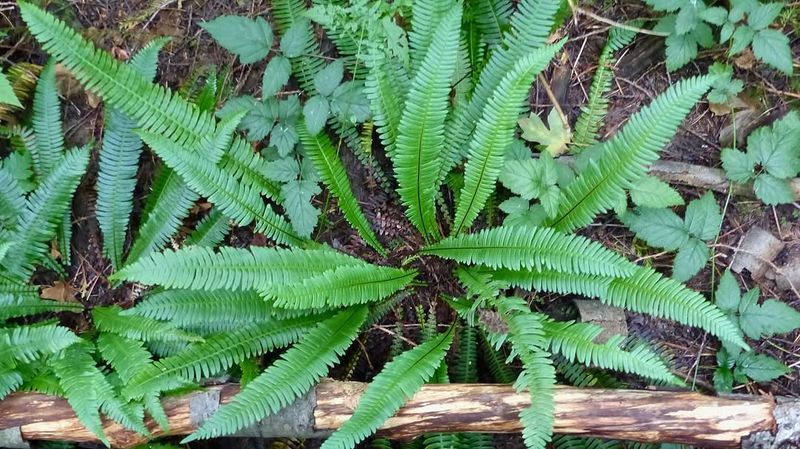
Deer Fern has a fascinating trick that sets it apart from other ferns. It grows two completely different types of fronds.
The outer fronds lie flat and spread wide in a dark, glossy rosette, while the inner fertile fronds stand upright and tall. This two-layer structure gives the plant an elegant, architectural quality that looks intentional even in wild spaces.
Found naturally in moist forests across western Oregon, Deer Fern loves cool, shaded conditions and consistently damp soil. It handles Oregon’s rainy winters beautifully and stays evergreen through most of the year.
Once planted in the right spot, it rarely needs any attention at all.
Deer Fern grows slowly and steadily, making it a great long-term addition to a shaded bed. It works well as a ground cover under tall trees where little else will grow.
The glossy fronds catch and reflect light in a way that brightens dark corners without needing any sun at all. It pairs well with stream violet, inside-out flower, and other moisture-loving natives.
Gardeners in Oregon’s Coast Range and Cascade foothills find it especially at home. For a plant that is both functional and quietly beautiful, Deer Fern delivers every single season.
5. Inside-Out Flower
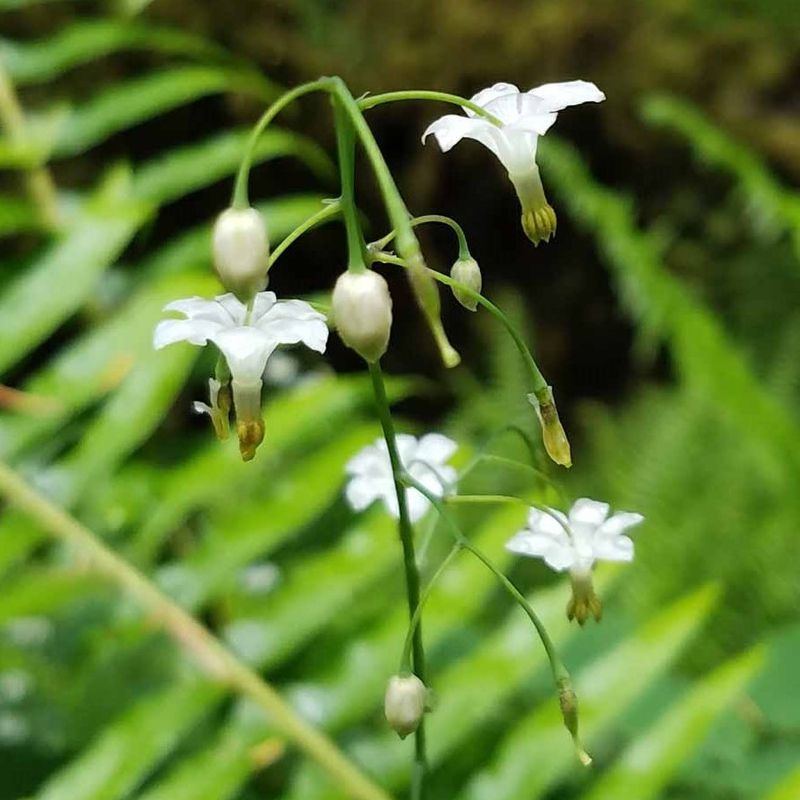
Here is a plant with one of the most curious names in the native plant world. Inside-Out Flower gets its name from the way its tiny white petals sweep sharply backward, making each bloom look like it has been flipped inside out.
Up close, the flowers are surprisingly intricate and charming. From a distance, the plant creates a soft, airy cloud of white blooms in spring.
Botanically known as Vancouveria hexandra, this Oregon native grows naturally in coastal and valley forests throughout the Pacific Northwest. It spreads by underground rhizomes, slowly forming a dense, weed-smothering carpet in shaded spots.
That spreading habit makes it excellent as a low-maintenance ground cover under trees and shrubs.
The three-lobed leaflets are delicate-looking but surprisingly tough. They handle dry shade during Oregon’s summer months without complaint.
Once established, Inside-Out Flower needs almost no care at all. No watering, no fertilizing, and no dividing required.
It simply grows and spreads on its own schedule. The plant pairs well with sword fern and bleeding heart for a layered native garden look.
Gardeners across the Willamette Valley love using it to fill tricky shaded areas where grass refuses to grow. It is a genuinely effortless and rewarding plant.
6. Oregon Wood Sorrel
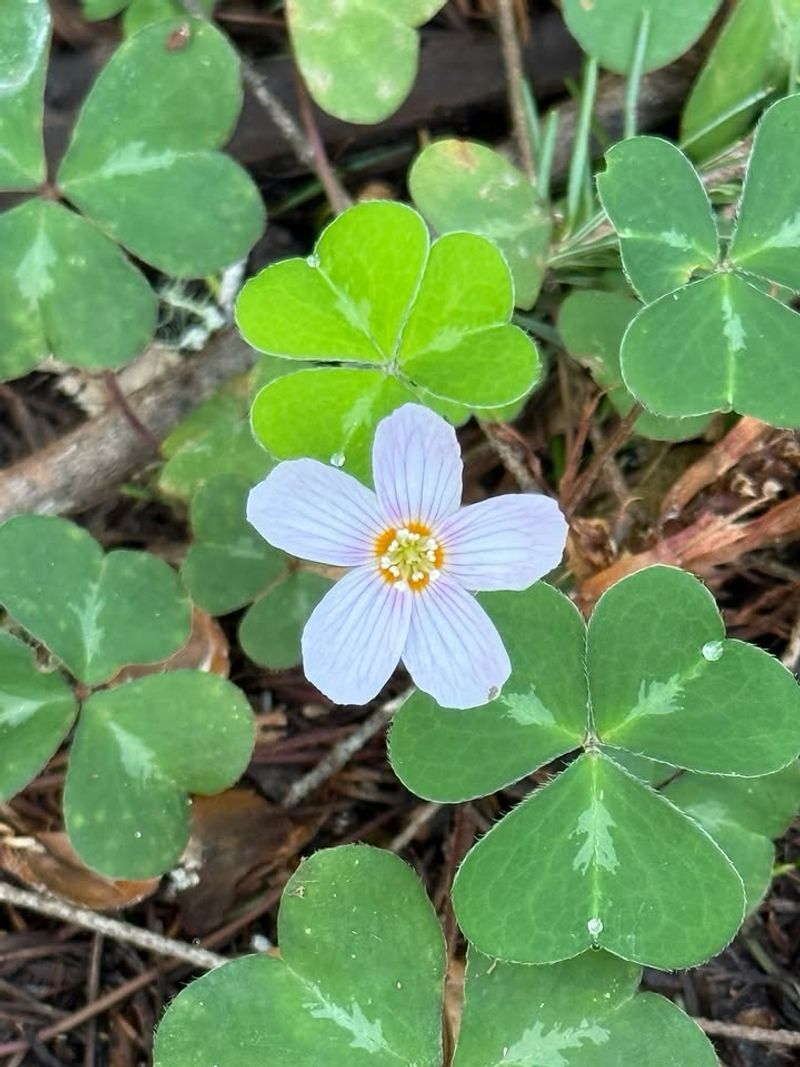
Oregon Wood Sorrel is the soft, green carpet of the Pacific Northwest forest floor. Its clover-like leaves are bright and fresh, and its small white or pale pink flowers add a delicate sweetness to shaded beds.
What makes this plant truly special is how it responds to light. The leaves fold up at night and on cloudy days, then open wide when the light returns.
Naturally found across western Oregon’s forests, this perennial spreads eagerly by rhizomes to form a thick, weed-suppressing mat. It handles everything from deep shade to dappled light and thrives in the cool, moist conditions that Oregon’s climate provides so generously.
Summer dry spells slow it down a little, but it bounces back fast once the fall rains arrive.
Oregon Wood Sorrel is completely edible and has a pleasant, lemony flavor. Many hikers and foragers in Oregon enjoy nibbling on the leaves during trail walks.
In the garden, it works beautifully as a living mulch around larger shade plants like ferns and trilliums. It needs no fertilizer, no pruning, and very little water once established.
Few plants offer this much charm with this little effort. For shaded spots in Oregon gardens, it is genuinely one of the easiest choices you can make.
7. Stream Violet
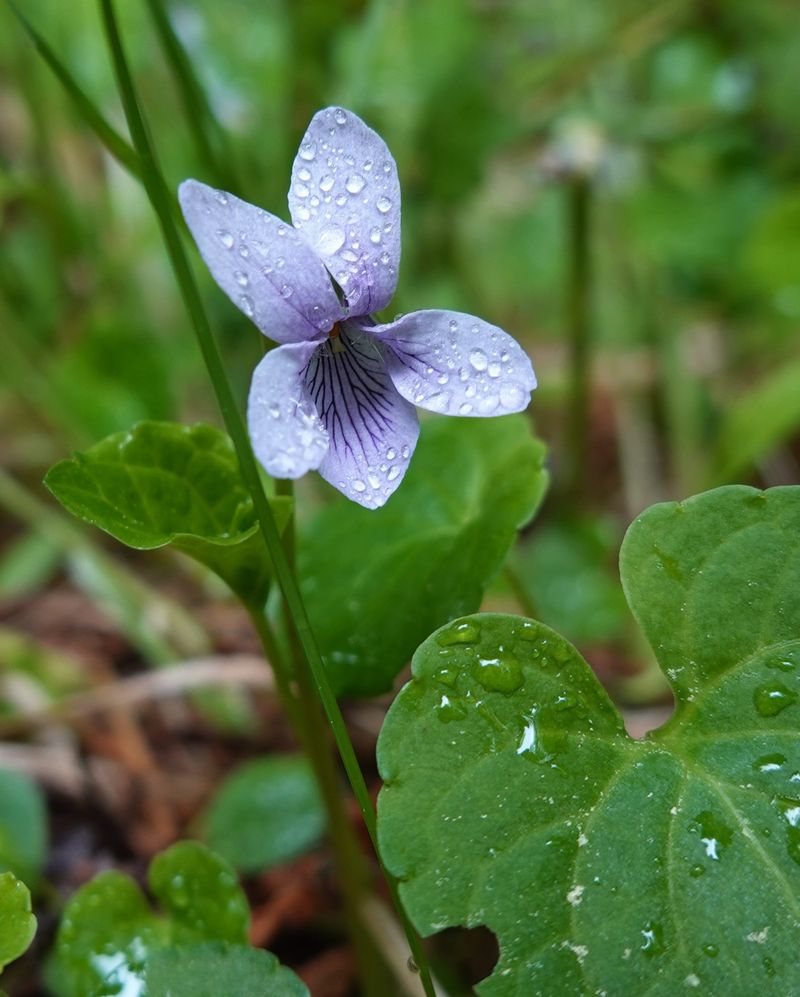
Bright yellow flowers might be the last thing you expect from a shade-loving plant, but Stream Violet delivers exactly that. Its cheerful, sunny blooms pop up in early spring, often while snow is still melting in Oregon’s mountain valleys.
The heart-shaped leaves are lush and fresh, creating a tidy, attractive mat even after the flowers fade for the season.
Stream Violet, or Viola glabella, grows naturally along stream banks, seeps, and moist forest floors throughout Oregon. It loves consistently damp soil and thrives in spots that stay shaded and cool all summer long.
In the right conditions, it spreads readily by seed and runners, slowly filling shaded areas with no effort from you.
This plant is a favorite of native bee species that emerge early in spring when food sources are scarce. Planting Stream Violet supports local pollinators right when they need the most help.
It pairs naturally with Deer Fern, Oregon Wood Sorrel, and other moisture-loving natives for a layered, naturalistic garden style. Gardeners along Oregon’s Coast Range and in the Cascades find it thrives with almost zero maintenance once settled in.
For a bold splash of early color in a dark, damp corner, Stream Violet is a genuinely exciting choice.
8. Small-Flowered Alumroot
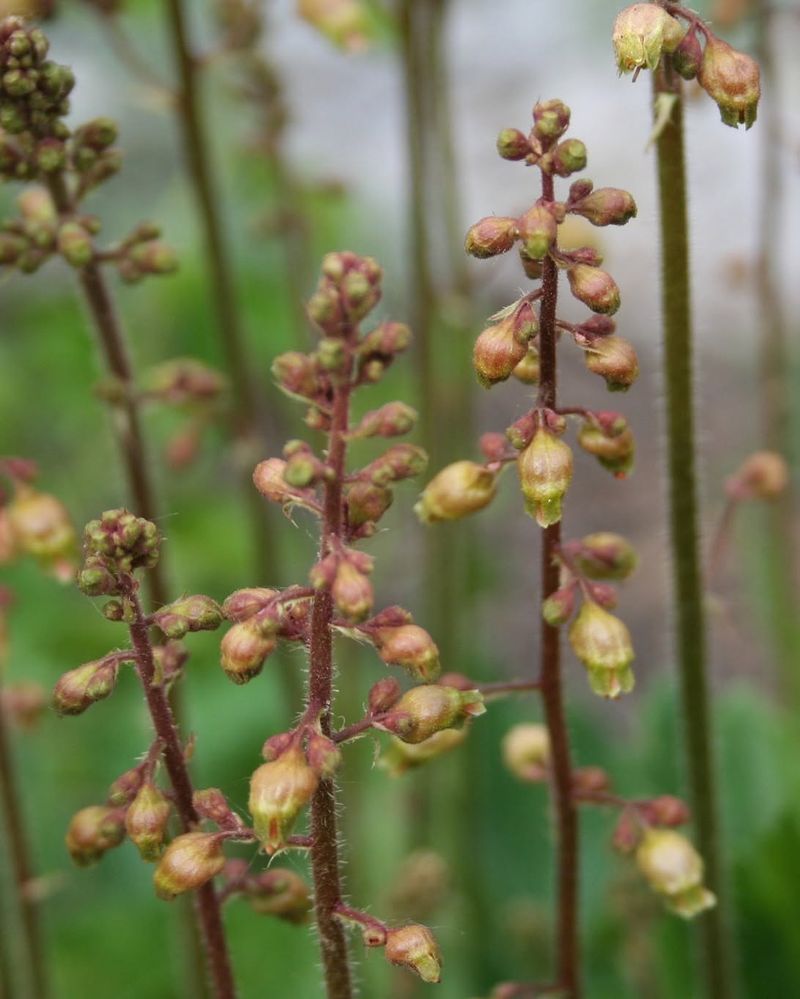
Tough, compact, and quietly beautiful, Small-Flowered Alumroot is a native Heuchera that earns its place in any Oregon shade garden. Tiny white flowers float above the foliage on wiry, branching stems in late spring and early summer.
The lobed, maple-like leaves stay attractive all season and often develop reddish or bronze tones as temperatures change.
This plant is a natural rock garden dweller in Oregon, often found clinging to shaded cliff faces, rocky slopes, and forest margins throughout the state. That rugged background means it handles poor, thin soils and dry summer conditions far better than most perennials.
Once established, it is remarkably self-sufficient and rarely needs any supplemental watering.
Small-Flowered Alumroot works wonderfully as an edging plant along shaded paths or as a filler between larger ferns and shrubs. Hummingbirds and native bees visit the flowers regularly, adding life and movement to quiet shaded spaces.
Unlike many ornamental Heucheras sold at garden centers, this native species truly belongs in Oregon’s landscape and supports local wildlife. It rarely needs dividing or any special care.
Simply plant it in a well-drained shaded spot and let it settle in. Over time, it rewards that patience with steady, reliable beauty season after season.
9. Goatsbeard
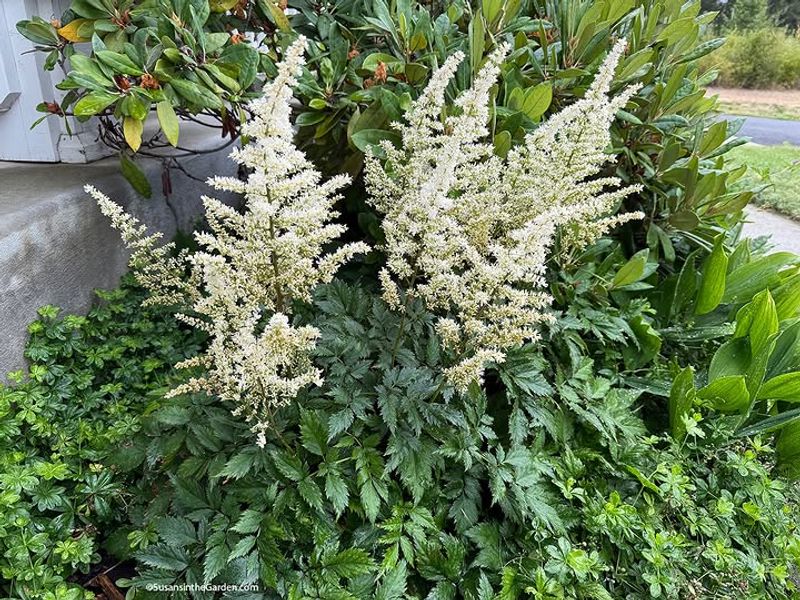
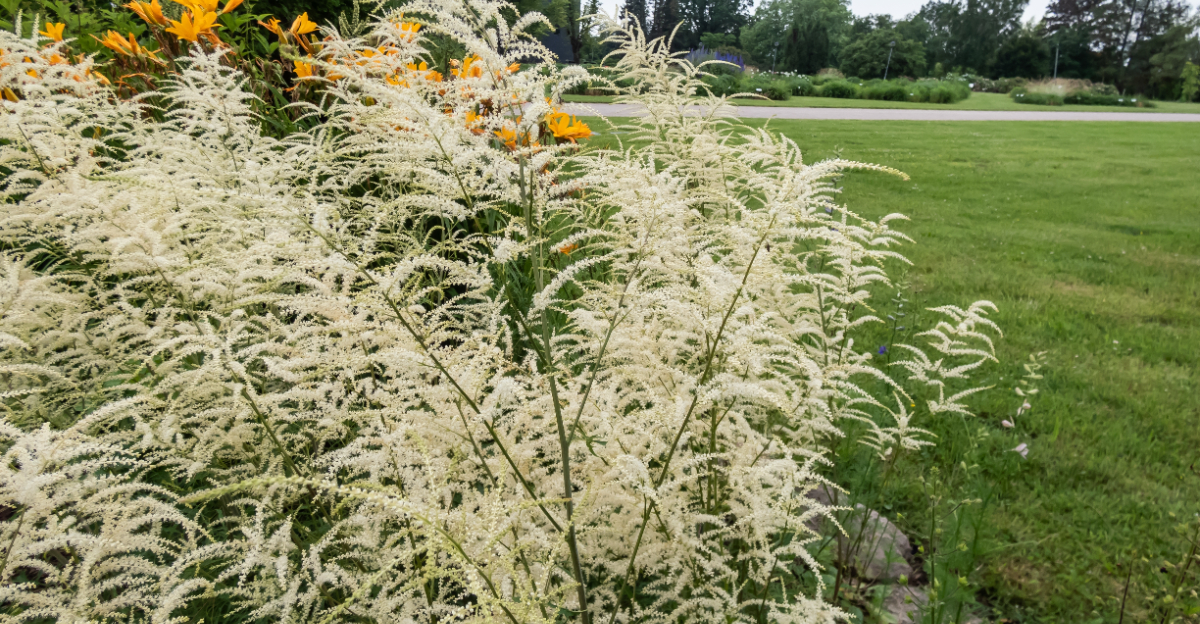
When you need a bold, dramatic presence in a shaded garden space, Goatsbeard is the plant to call on. This large native perennial can grow five or six feet tall, sending up massive, creamy white plumes in early summer that resemble giant astilbes.
The effect is genuinely breathtaking, especially planted in groups along the edge of a woodland garden.
Aruncus dioicus grows naturally in moist forests and along stream banks across the Pacific Northwest, including many parts of Oregon. It loves rich, consistently moist soil and full to partial shade.
Oregon’s naturally wet winters and cool springs create ideal conditions for this plant to thrive with almost no gardener involvement required.
The large, compound leaves stay handsome all season and provide excellent texture contrast alongside ferns and hostas. After the flowers fade, the seed heads dry attractively and add winter interest to the garden.
Goatsbeard is also a host plant for certain native butterfly species, giving it extra ecological value. It does not need dividing often and can live in the same spot for many years.
Few shade perennials make as much visual impact with as little effort. For Oregon gardeners wanting a showstopper that practically takes care of itself, Goatsbeard is an outstanding answer.
10. Western White Trillium
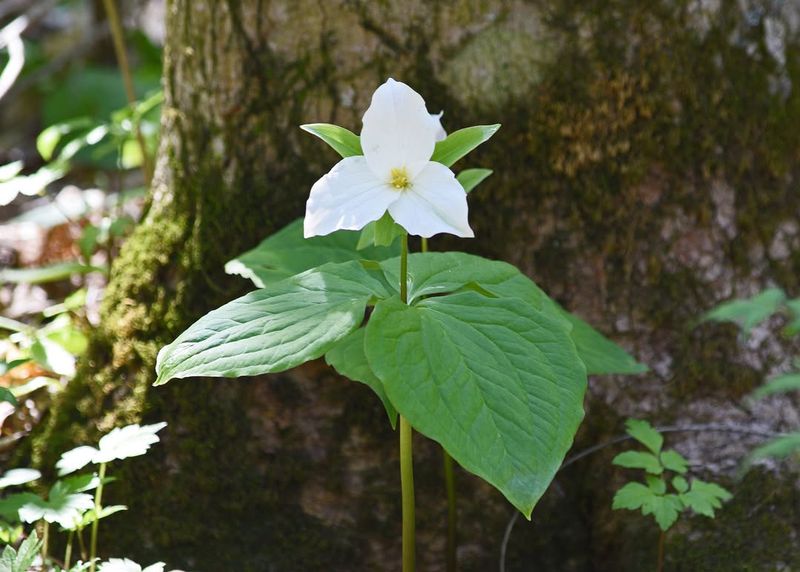
Few wildflowers carry the same sense of wonder as Trillium. Spotting Western White Trillium blooming on a spring hike through Oregon’s forests feels like discovering something secret and precious.
Each plant produces exactly three broad leaves and one three-petaled white flower that slowly turns pink or deep rose as it ages. The whole process feels like watching a slow, beautiful transformation unfold.
Trillium ovatum grows naturally in Oregon’s forests from the coast to the Cascades. It prefers rich, moist, well-drained soil and deep shade beneath mature trees.
Patience is required because this plant grows slowly from seed and may take several years to bloom. But once established, it comes back faithfully every spring for decades without any care at all.
Western White Trillium is best grown from nursery-propagated plants rather than collected from the wild, where populations need protection. In the garden, it pairs naturally with sword fern, bleeding heart, and Oregon Wood Sorrel for an authentic Pacific Northwest woodland scene.
Once settled in, it self-seeds slowly and gradually multiplies on its own. No fertilizing, no watering during summer dormancy, and no dividing needed.
For gardeners in Oregon who want a plant with genuine ecological and emotional depth, Western White Trillium is absolutely worth the wait.
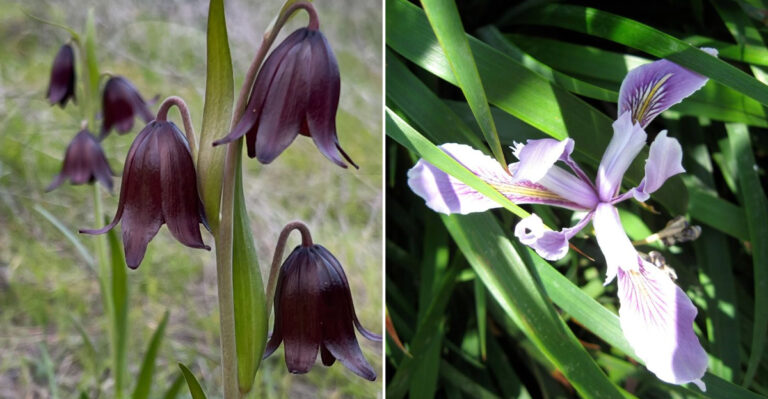
11. Oregon Iris
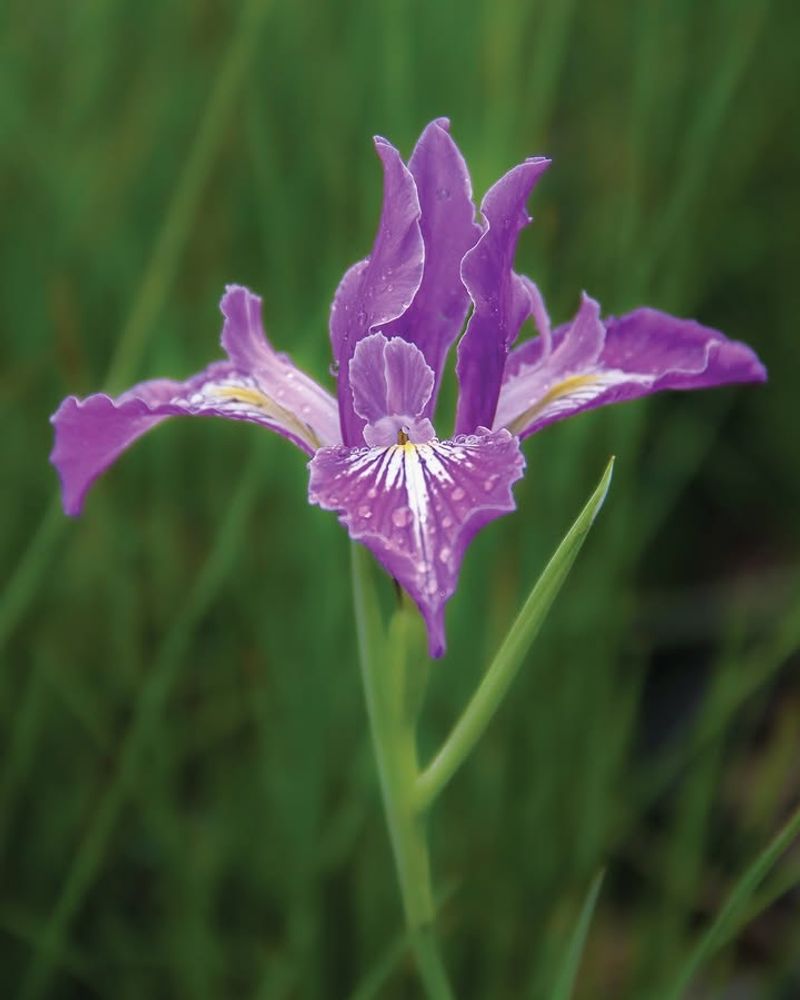
Oregon Iris is the state’s own native iris, and it wears that title with pride. Slender, grass-like leaves rise from the ground in early spring, followed by stunning blooms in shades of purple, lavender, white, and even pale yellow.
The flowers are intricate and elegant, rivaling any fancy hybrid iris sold at a garden center. Best of all, this one belongs here.
Iris tenax grows naturally in open woodlands, meadow edges, and partially shaded slopes throughout western Oregon. It handles a wide range of conditions, from full sun to light shade, making it one of the most adaptable native perennials available.
Dry summers do not bother it much once it is well established in the garden.
Oregon Iris spreads slowly by rhizomes and seed, gradually forming attractive clumps that need little to no dividing. It thrives in well-drained soil and actually prefers lean conditions over rich, heavily amended beds.
Too much fertilizer and water can reduce flowering. Native bees absolutely love the blooms, and the plant supports early spring pollinators when few other flowers are available.
Pair it with fringecup, small-flowered alumroot, and stream violet for a stunning all-native planting. For Oregon gardeners wanting beauty, resilience, and ecological value in one plant, Oregon Iris checks every single box.