10 Veggies To Add To Your South Florida Garden Before April Ends
South Florida gardeners know this feeling: one minute the garden still has a hint of spring left in it, and the next, the heat starts pressing down like it has already made up its mind. Late April sits right in that tricky middle.
It is not too late to plant, but it is definitely too late to be casual about what goes in the ground. This is where smart choices separate a garden that fizzles out from one that keeps pulling its weight.
The vegetables worth planting now are not the ones that panic at the first real blast of heat. They are the ones ready to stretch into the warmer, stickier weeks ahead without acting offended by South Florida weather.
That is the opportunity hiding in this moment. Before April closes the door, there is still time to fill your garden with crops that actually make sense for what comes next.
1. Boniato Is A South Florida Favorite For A Reason
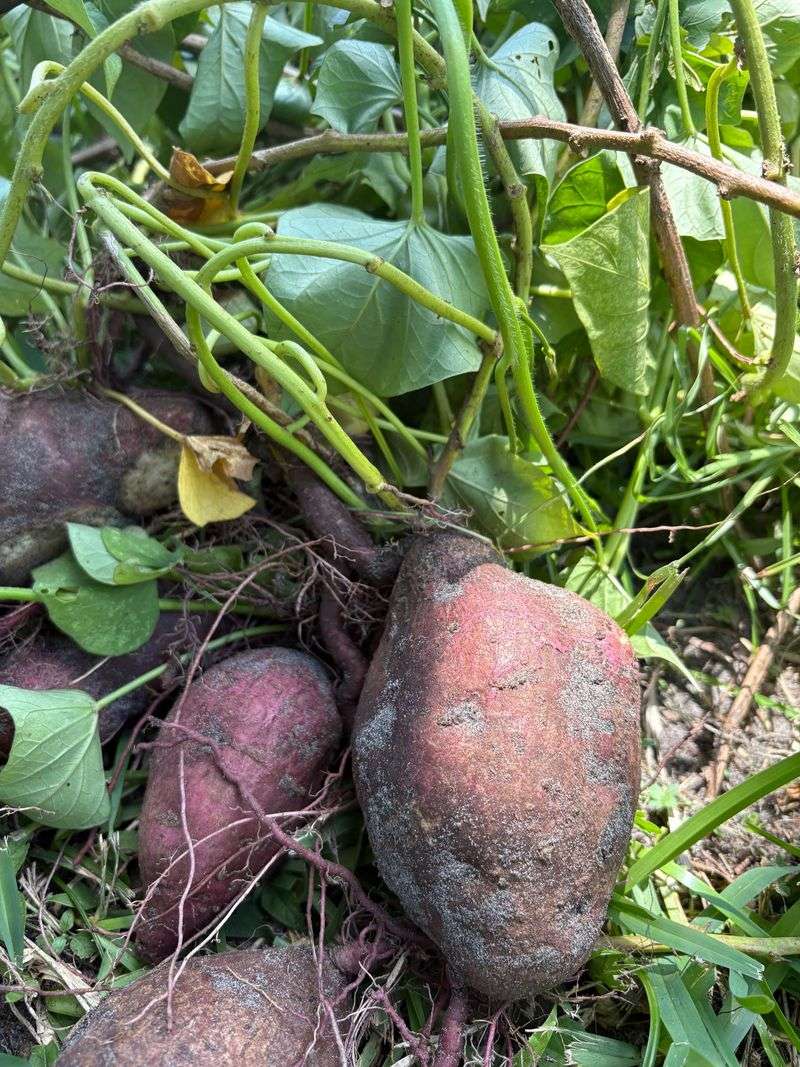
Walk through any South Florida farmers market and you will almost certainly spot boniato piled high near the entrance.
This tropical sweet potato has been a staple in Cuban and Caribbean cooking for generations, and South Florida gardeners have long understood why it belongs in the home garden too.
Unlike the orange-fleshed sweet potatoes common in supermarkets, boniato has a drier, fluffier texture and a mildly sweet flavor that works well in both savory and sweet dishes.
Late April is an ideal time to get boniato slips into the ground. The soil is warm, and the long growing season ahead gives the tubers plenty of time to develop.
Boniato thrives in well-drained, sandy soil, which is exactly what much of South Florida has in abundance. Plant slips about 12 to 18 inches apart in rows, and make sure the bed gets full sun throughout the day.
One practical advantage boniato has over other root crops is its tolerance for the hot, humid conditions that define South Florida summers. It does not need constant attention once it gets established.
Mulching around the plants helps retain moisture and keeps weeds from taking over. Expect to harvest around 90 to 120 days after planting.
2. Chinese Cabbage Still Has Time To Shine
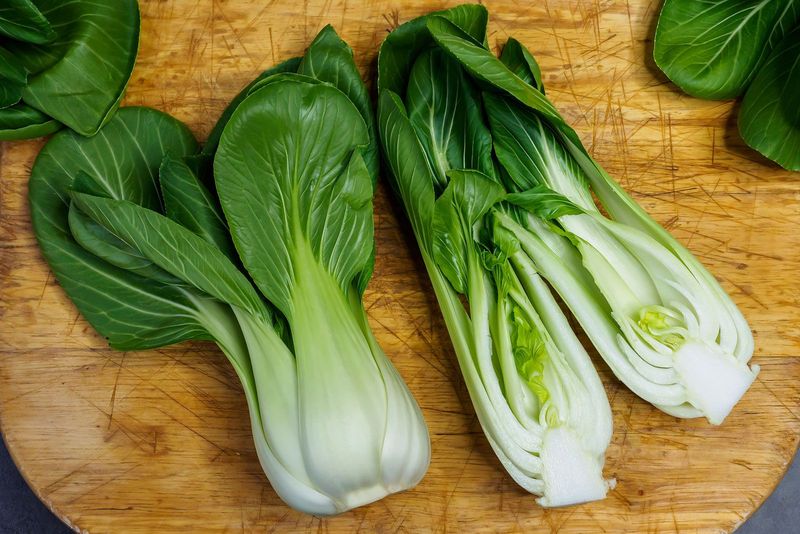
Most gardeners assume that cabbage season is long over by late April, and for many cool-season varieties, that is true. Chinese cabbage, though, plays by slightly different rules.
Varieties like Napa cabbage and bok choy are more adaptable than standard heading cabbages, and if you move quickly, you can still get a productive planting in before South Florida’s heat becomes truly punishing.
The honest advice here is to be realistic about the window. Chinese cabbage planted in late April will face rising temperatures within a few weeks, which can push plants toward bolting.
The goal is not a long, drawn-out harvest but a fast, focused one. Choose bolt-resistant varieties whenever possible, and look for transplants rather than starting from seed at this stage.
Getting a head start with established seedlings gives you a better shot at harvesting before the heat sets in.
Your Florida Garden Changes Every Week. Your Plan Should Too.
Gardening in Florida changes quickly throughout the season. Every Friday you’ll receive a simple weekly plan showing exactly what to plant, prune, fertilize, harvest, and protect so you never miss the right timing.
Plant in a spot that gets some afternoon shade to help slow bolting. Keep the soil consistently moist and add a layer of mulch to moderate soil temperature.
Bok choy tends to be the more forgiving option this late in the season since it matures faster than full Napa heads. With the right variety and a little urgency, late April is still workable.
3. Tropical Spinach Keeps Going When Heat Picks Up
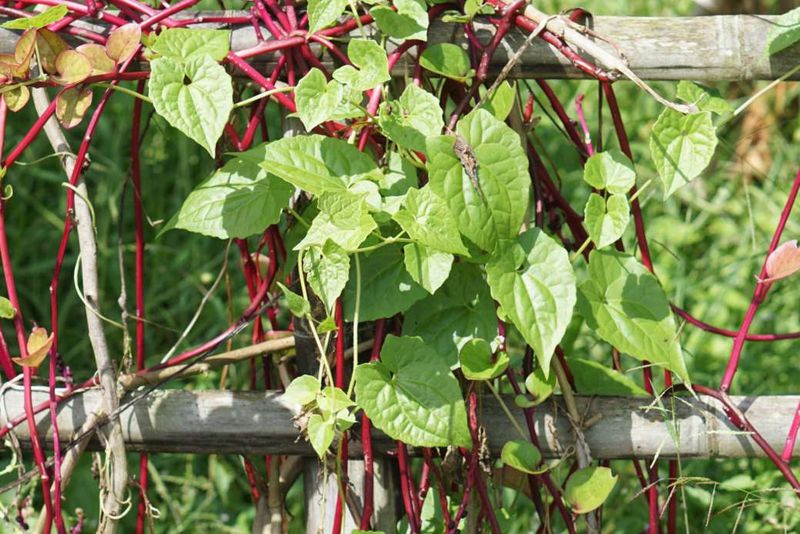
Regular spinach throws in the towel the moment South Florida temperatures start climbing, which is exactly why tropical spinach deserves a spot in every warm-season garden here.
Also known as Malabar spinach or Basella, this climbing plant is not actually related to common spinach, but it fills the same culinary role beautifully.
The thick, glossy leaves can be used fresh in salads, sauteed as a side dish, or added to soups and stews.
Tropical spinach genuinely thrives in heat and humidity, making late April a perfect planting time. It grows as a vine, so giving it a trellis or fence to climb will help it stay productive and easy to harvest.
Plants can reach impressive heights over a full South Florida summer, and the more you harvest the leaves, the more the plant continues to push out new growth.
Start from cuttings or transplants for faster results, though seeds work fine if you have a few extra weeks. Give it rich, well-amended soil and consistent moisture, especially while it is getting established.
Full sun is preferred, but tropical spinach can handle partial shade better than most warm-season vegetables. For gardeners who miss having fresh greens through the summer, this plant is the practical answer.
4. Amaranth Is Built For South Florida Warmth
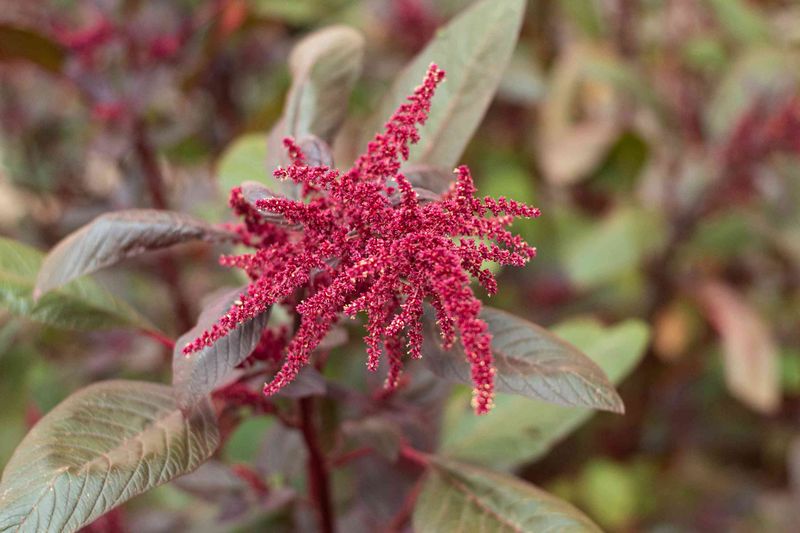
Few vegetables are as unapologetically suited to South Florida heat as amaranth. This plant has been grown for food across tropical and subtropical regions for thousands of years, and it shows in how confidently it handles warm, humid conditions.
Both the leaves and the seeds are edible, giving gardeners two reasons to grow it. Young leaves are tender enough for salads, while more mature leaves work well cooked, similar to collard greens or spinach.
Planting amaranth before April ends gives it a strong head start into the growing season. Direct sow seeds into a prepared bed with full sun and well-drained soil.
Seeds are tiny, so scatter them lightly and thin seedlings to about 12 inches apart once they are a few inches tall. Amaranth grows fast once it gets going, and some varieties can reach four to six feet tall under good conditions.
One thing worth knowing is that amaranth is drought-tolerant once established, which makes it a smart choice for gardeners who do not always have time for daily watering. It does not demand rich soil and actually performs well in average garden conditions.
The colorful foliage also adds visual interest to the garden, which is a small bonus on top of all the practical benefits. Harvest outer leaves regularly to keep production going.
5. Cassava Can Reward Patient Gardeners In A Big Way
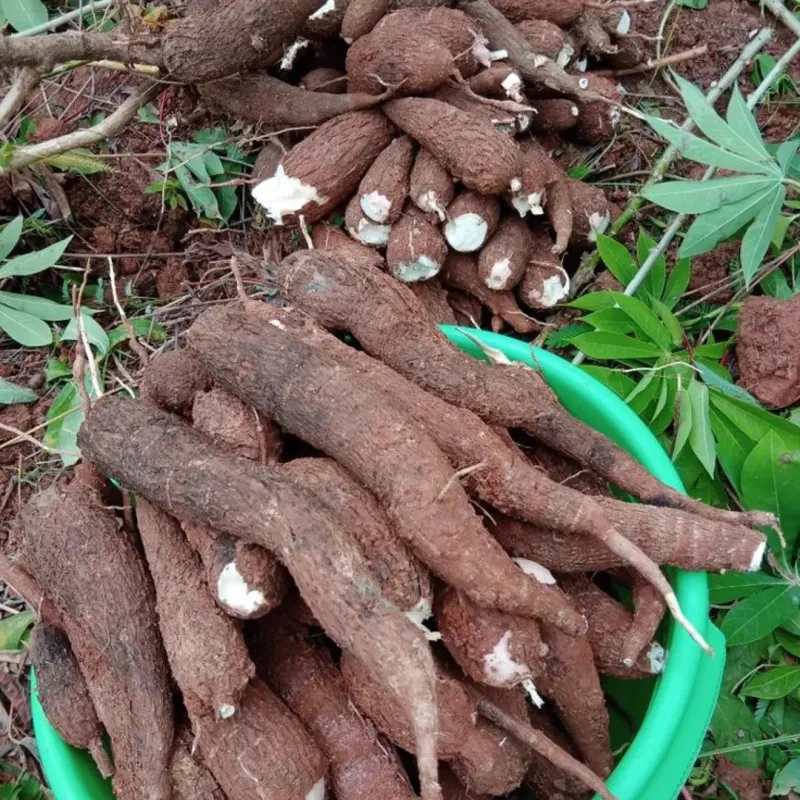
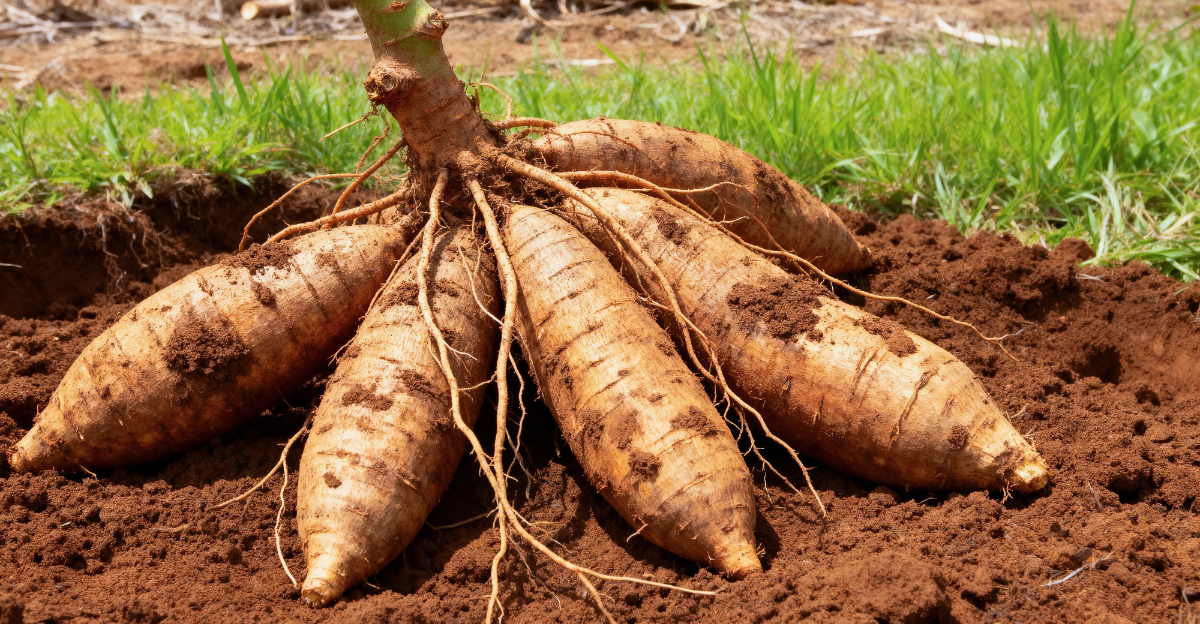
Cassava, also called yuca, is not a crop for gardeners who want results in a few weeks. This is a long-term investment, typically taking eight to twelve months to produce a harvestable root.
But for South Florida gardeners willing to be patient, the payoff is substantial. A single plant can yield several large, starchy roots that are incredibly versatile in the kitchen, used in everything from fried yuca to cassava cake to flour.
Note that cassava and ornamental yucca are two completely different plants. Cassava is the tropical root vegetable widely eaten across Latin America, the Caribbean, and Africa.
It is planted from stem cuttings, not seeds or slips. Cut sections about 8 to 12 inches long from a mature stem, and plant them at a slight angle in well-drained soil with full sun exposure.
Late April planting works well because cassava needs a long warm season to develop properly, and South Florida’s climate delivers exactly that. The plant is notably drought-tolerant once established and does not need much fertilizing to grow.
It handles sandy Florida soils without complaint. The leafy, tropical appearance of the plant also makes it fit naturally into a Florida landscape.
Just mark where you plant it since the roots develop underground and out of sight for many months.
6. Bush Beans Are A Quick Win Before April Ends
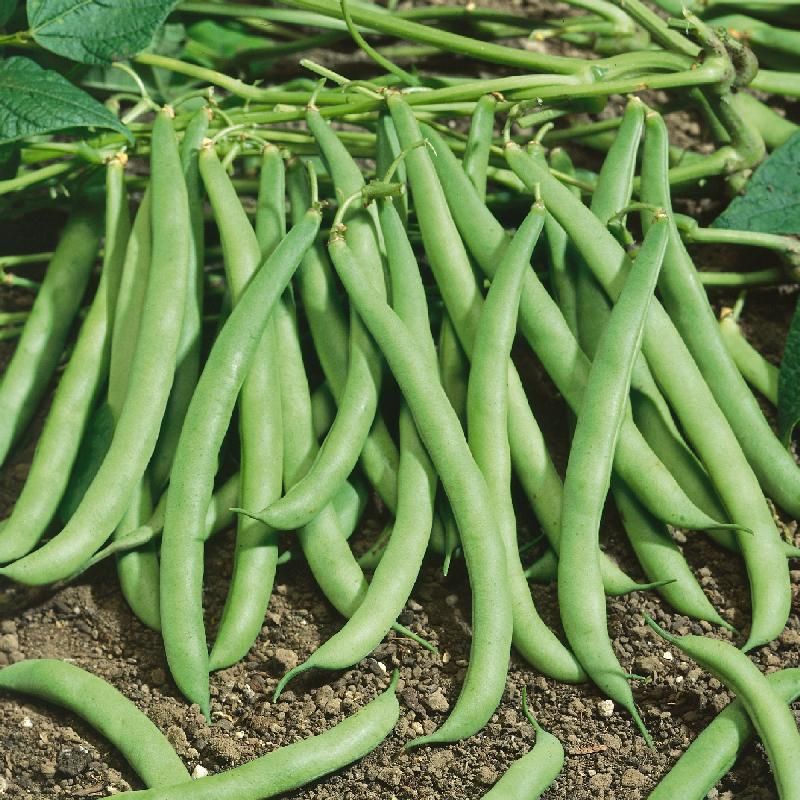
For gardeners who want something fast and satisfying, bush beans might be the smartest late-April choice on this list.
They go from seed to harvest in roughly 50 to 60 days, which means you could be picking fresh beans by early to mid June even if you plant right at the end of April.
That kind of quick turnaround is genuinely motivating, especially when you are up against a tightening seasonal window.
Bush beans do not need staking or trellising, which makes them easier to manage than their climbing cousins. Direct sow seeds about one inch deep and two to three inches apart in rows, giving rows about 18 inches of space between them.
They prefer full sun and well-drained soil, and they appreciate consistent moisture while pods are forming. Avoid overwatering, though, since soggy soil can cause root issues.
One practical advantage to growing beans in South Florida is that they are also nitrogen-fixing plants. They actually improve soil health as they grow by pulling nitrogen from the air and storing it in root nodules.
That means after your harvest is finished, the bed is in better shape than when you started. For a late-April planting, varieties like Contender or Provider tend to perform reliably in Florida heat.
Check with your local extension office for the latest variety recommendations.
7. Lima Beans Deserve More Love In South Florida Gardens
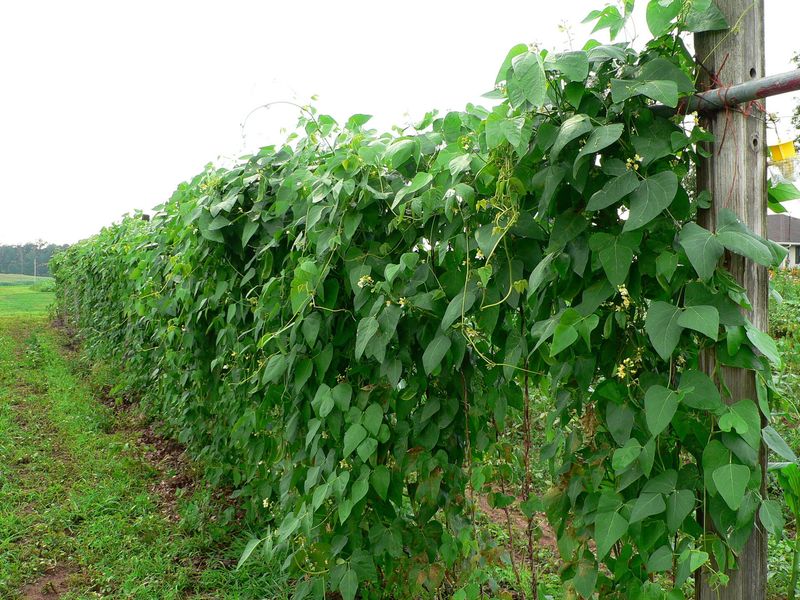
Lima beans tend to get overlooked in favor of snap beans and southern peas, but that undersells how well they actually perform in South Florida conditions. They are warm-season legumes that genuinely enjoy heat, and late April planting gives them the long, warm growing season they need to produce well.
If you have only ever had canned lima beans, growing your own fresh ones is a completely different experience in terms of flavor and texture.
Plant lima bean seeds directly in the garden about one inch deep and three to four inches apart. Like other beans, they prefer full sun and well-drained soil.
Lima beans are sensitive to cold, which is not a concern at this point in the South Florida calendar. What you do want to watch for is consistent moisture during flowering and pod fill, since dry spells at those stages can reduce your yield noticeably.
Both bush-type and pole-type lima beans are available, and either can work in a late-April South Florida garden. The Florida Speckled Butterpea is a well-known regional variety that has proven itself in local conditions for years.
Harvest pods when they are plump and fully filled out but before the seeds start to dry. Fresh lima beans cooked simply with butter and a little seasoning are a reminder of why growing your own food is worth the effort.
8. Pole Beans Make The Most Of Every Bit Of Space
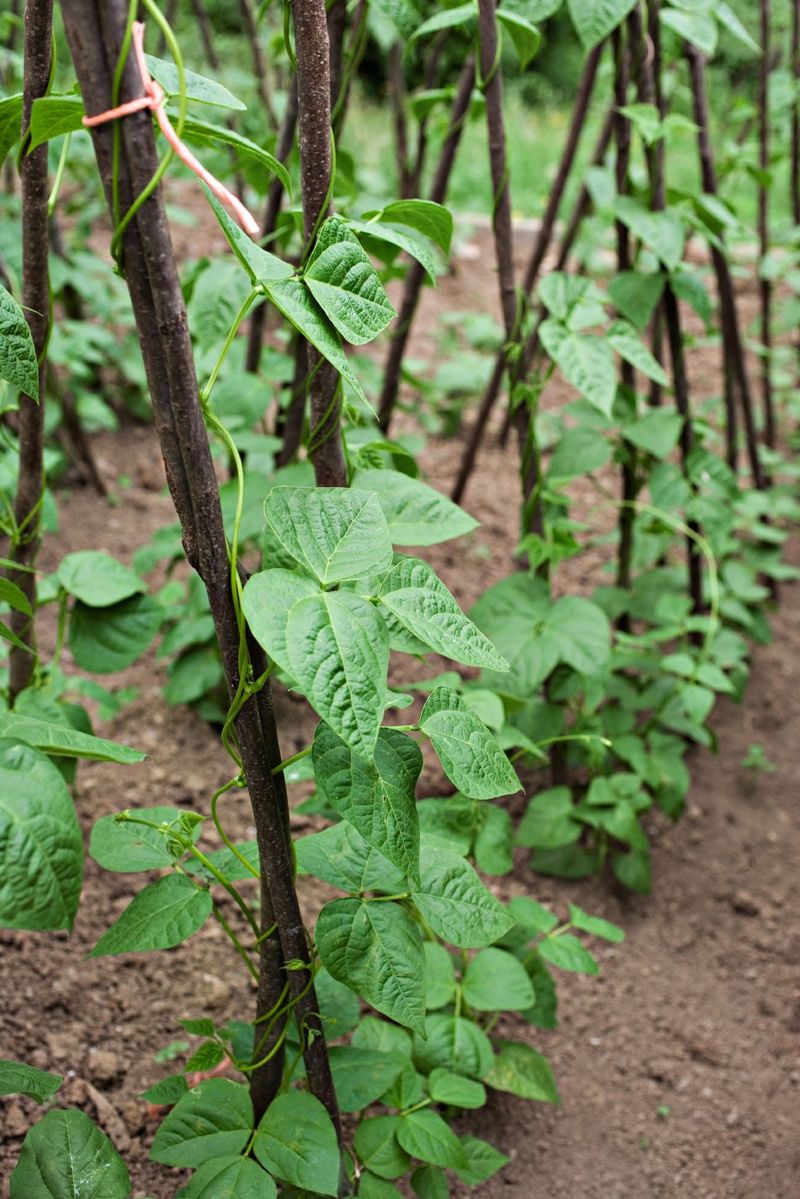
Gardening in South Florida often means working with less space than you would like. Lots tend to be smaller, and fitting a productive vegetable garden into a compact backyard takes some creative thinking.
Pole beans are a natural solution to this problem because they grow vertically, turning a small footprint of ground into a surprisingly productive growing space. A single row of pole beans climbing a sturdy trellis can yield a generous harvest from very little square footage.
Plant seeds directly at the base of your trellis, fence, or teepee-style support structure. Sow seeds about one inch deep and four to six inches apart.
Pole beans take a bit longer to start producing than bush beans, typically 60 to 70 days, but they make up for it by producing over a longer stretch of time. Regular harvesting actually encourages more pod production, so do not let mature pods linger on the vine.
Varieties like Kentucky Wonder and Blue Lake Pole have long track records in Florida gardens. Full sun is essential, and consistent watering helps keep production steady once plants start climbing.
One thing pole beans do not like is being transplanted, so always direct sow. The vertical structure they grow on also creates a natural visual divider in the garden, which can help organize your growing space while making harvest time easy and accessible.
9. Chayote Can Turn One Plant Into Plenty
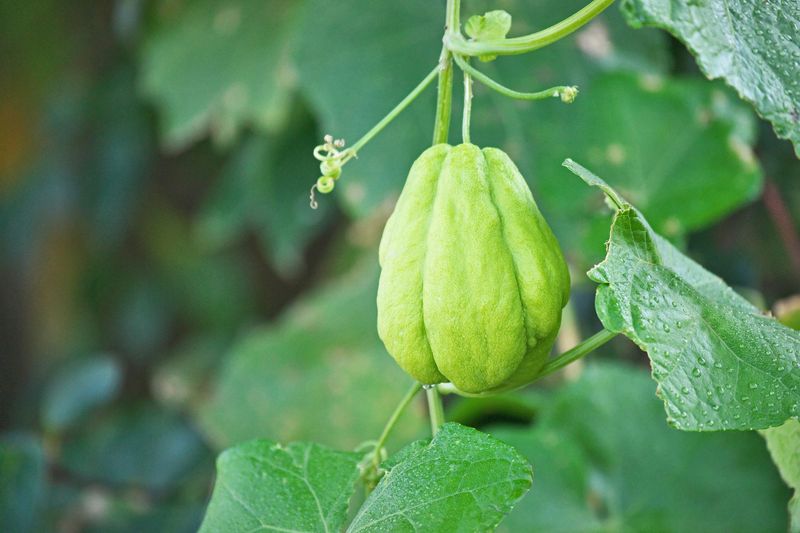
A single chayote plant, given enough room and the right conditions, can produce an astonishing amount of fruit. Gardeners who have grown it in South Florida often describe it as one of the most generous producers in their yard.
The fruit, which looks something like a wrinkled pear and has a mild, slightly crisp flavor, is popular in Latin American and Caribbean cooking and can be prepared in more ways than most people expect, from soups and stews to stir-fries and gratins.
Chayote is planted differently than most vegetables. You plant the entire fruit, not seeds or cuttings.
Place a mature chayote fruit slightly angled in the soil with the stem end pointing slightly upward. It will sprout from the seed inside.
Give it a strong trellis or fence to climb since the vine can grow quite large over a full South Florida growing season.
Late April planting takes advantage of the warm, wet months ahead. Chayote loves the heat and humidity that define South Florida summers.
It needs full sun, well-drained soil, and regular watering, especially while the vine is getting established. Fruits typically begin appearing several months after planting, but once production starts, it tends to continue at a steady pace.
For gardeners with space and a little patience, chayote delivers real value.
10. Southern Peas Are One Of The Smartest Late-April Picks
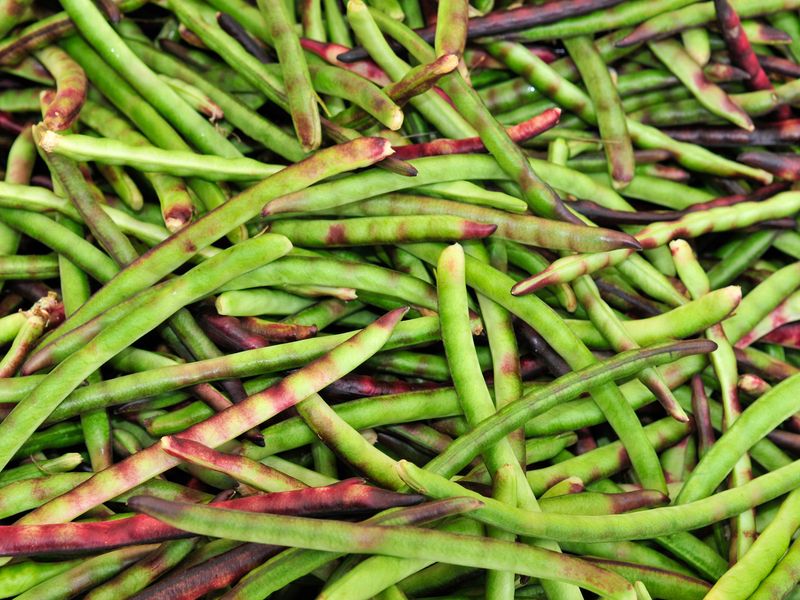
If you could design the perfect vegetable for South Florida’s late-spring and summer conditions, it would look a lot like southern peas. Also known as cowpeas, this group includes black-eyed peas, crowder peas, and cream peas, among others.
They are heat-loving, drought-tolerant, and remarkably productive under the kind of conditions that cause other vegetables to struggle. Planting them before April ends sets them up perfectly for the season ahead.
Southern peas are direct-sown from seed, planted about one inch deep and three to four inches apart in rows with full sun exposure. They are not heavy feeders and actually improve soil fertility the same way other legumes do, by fixing nitrogen.
That makes them a smart choice for beds that have already been through a winter growing season and could use some natural replenishment.
Harvest timing depends on how you want to use them. Pick pods while still green and the peas inside are tender for fresh eating.
Let pods dry on the plant if you want dried peas for long-term storage. Either way, the plants will keep producing as long as you keep harvesting.
Varieties like Iron and Clay, Whippoorwill, and California Blackeye No. 5 are known to perform well in Florida. For a late-April planting that delivers through the summer, southern peas are a genuinely reliable and rewarding choice.