What Pennsylvania Gardenias Need In Spring Before Summer Heat Arrives
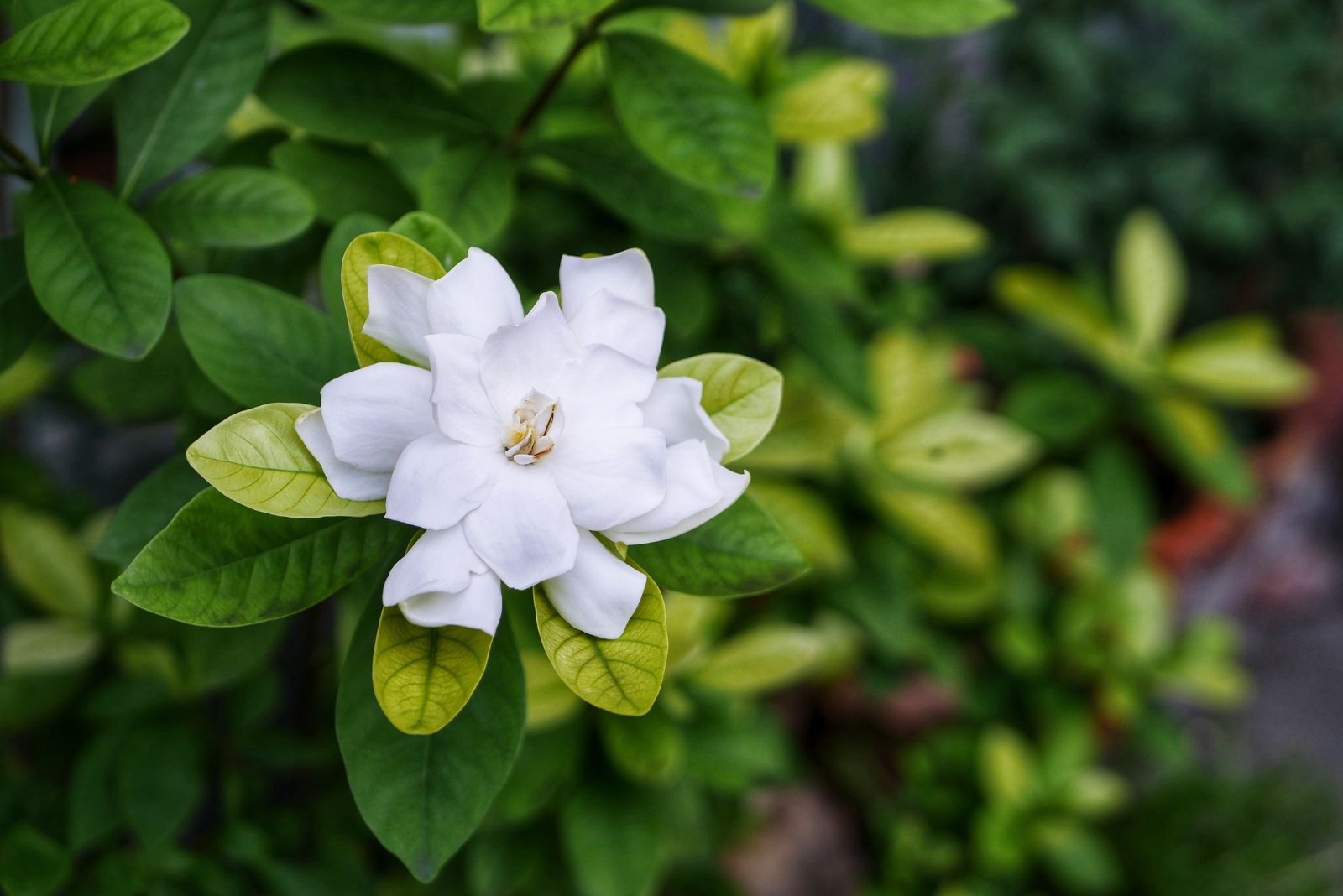
Gardenias can be a little dramatic, but that is part of their charm. When they are happy, they reward Pennsylvania gardeners with glossy green leaves, creamy white blooms, and that rich fragrance people notice the moment they step into the yard.
When they are not happy, they tend to make it obvious. Yellowing leaves, dropped buds, and weak growth can show up fast, especially if spring care gets overlooked.
That is why this season matters so much. Before summer heat arrives, gardenias need the right attention to settle in and build the strength they will rely on later.
Spring is the window for getting ahead of problems instead of reacting to them once temperatures climb. Soil, sunlight, moisture, feeding, and even a little cleanup all play a part in how well gardenias handle the months ahead.
In Pennsylvania, where spring can be mild one week and unpredictable the next, those details matter even more. A few smart steps now can help these shrubs stay healthy, bloom better, and face summer with a lot less stress.
1. Check Soil Acidity Early
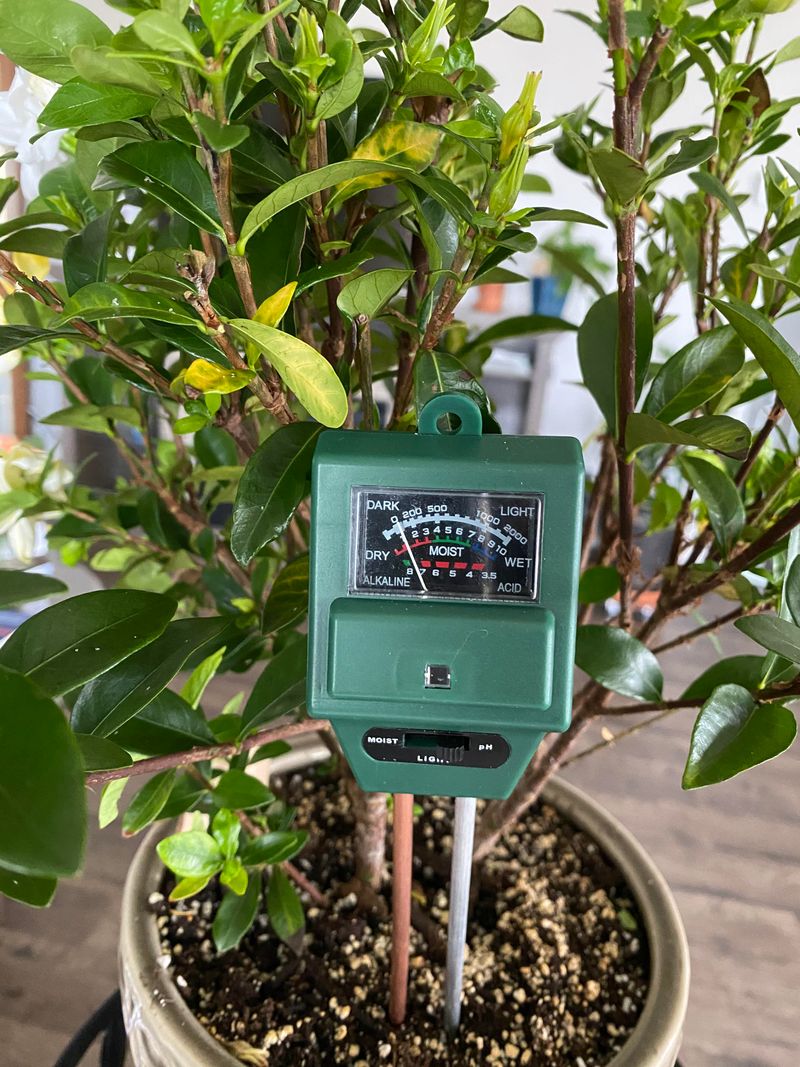
Most gardeners are surprised to learn that gardenias are picky about one thing above almost everything else: soil acidity. Without the right pH, your gardenia simply cannot absorb the nutrients it needs, no matter how much fertilizer you add.
In Pennsylvania, soil pH can vary widely from yard to yard, so testing early in spring is a smart first step.
You can pick up an affordable soil test kit at most garden centers or your local cooperative extension office. Aim for a pH between 5.0 and 6.0 for gardenias. If your soil reads higher than 6.0, it is too alkaline, and your plant will struggle to thrive.
Amending the soil is easier than most people think. Adding elemental sulfur is one of the most common and effective ways to lower pH over time.
You can also use fertilizers specifically made for acid-loving plants, which help maintain the right balance while feeding your gardenia at the same time.
Work any amendments into the top few inches of soil and water them in well. Give the soil a few weeks to adjust before retesting.
Early spring is the perfect window to do this in Pennsylvania because the ground has thawed but summer heat has not yet arrived.
Checking soil acidity every year is a habit worth building. Soil pH can creep upward over time, especially if you use tap water, which tends to be slightly alkaline.
Staying on top of this one detail keeps your gardenias happy, healthy, and blooming beautifully all season long.
2. Refresh Mulch For Moisture Control
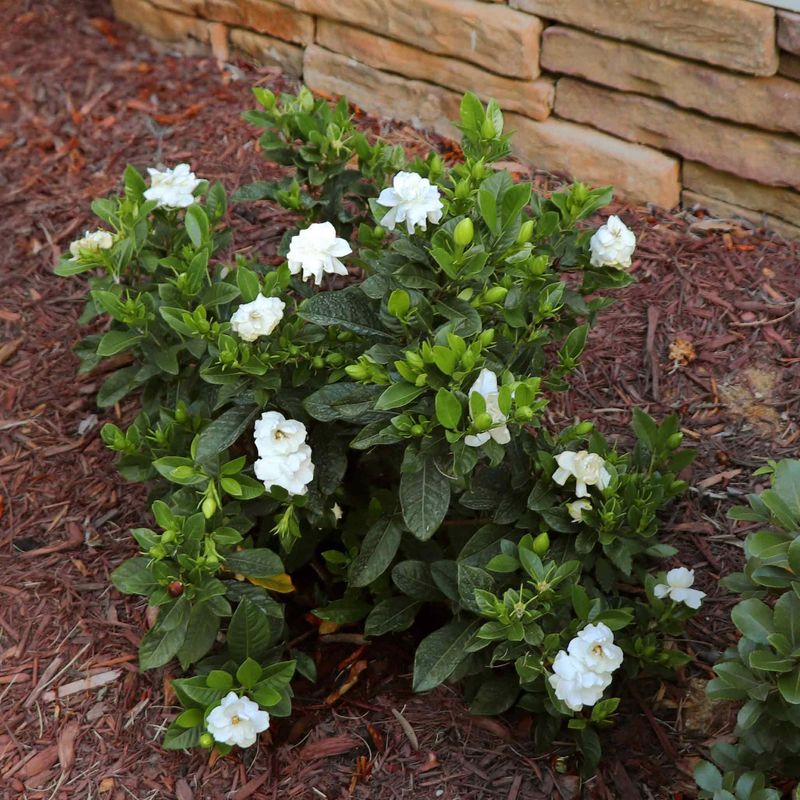
Spring is mulch season, and for Pennsylvania gardenia growers, refreshing that layer around your plants is one of the easiest and most impactful things you can do. Old mulch breaks down over winter, becoming thin and less effective at doing its job.
A fresh layer gives your gardenias a protective shield going into the warmer months. Aim for a 2 to 3 inch layer of mulch spread evenly around the base of each plant.
Your Pennsylvania Garden Changes Every Week. Your Plan Should Too.
Gardening in Pennsylvania changes quickly throughout the season. Every Friday you’ll receive a simple weekly plan showing exactly what to plant, prune, fertilize, harvest, and protect so you never miss the right timing.
Keep it a couple of inches away from the main stem so moisture does not collect right against the trunk, which can lead to rot and other problems. Spread it out to the drip line of the plant for the best coverage.
Pine bark and pine needles are excellent choices for gardenias in Pennsylvania. Both materials break down slowly and actually help acidify the soil as they decompose, which is a bonus for these acid-loving plants.
They also look attractive in garden beds, giving your yard a neat and tidy appearance. Mulch does more than just hold moisture. It regulates soil temperature, keeping roots cooler when Pennsylvania summers heat up fast in June and July.
It also suppresses weeds that would otherwise compete with your gardenia for water and nutrients.
Refreshing your mulch in early spring means your gardenias go into the season with a strong foundation.
It reduces how often you need to water and gives roots a stable environment to grow. Such a simple step, but the results it delivers for your gardenias are genuinely impressive.
3. Start A Consistent Watering Routine
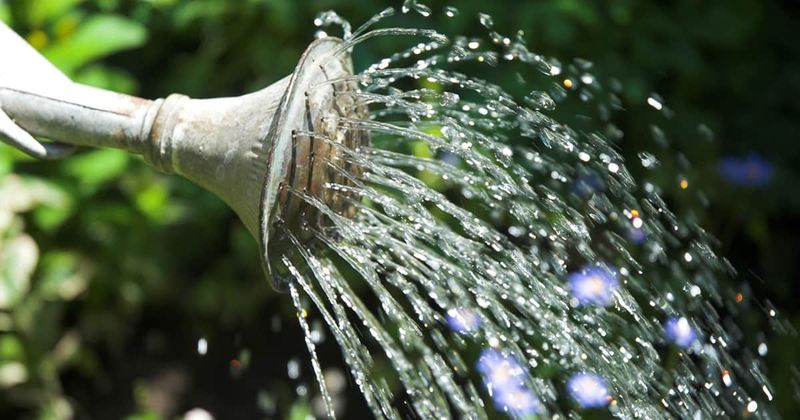
Watering gardenias sounds simple, but getting it right takes a little practice. Too much water and roots can rot.
Too little and the plant gets stressed, causing buds to drop before they even open. Spring is actually the ideal time to build good watering habits because temperatures are still mild and forgiving.
Gardenias prefer soil that stays evenly moist at all times. Think of it like a wrung-out sponge: damp but never dripping.
In Pennsylvania, spring rains can sometimes do most of the work for you, but do not count on rain alone. Check the soil a couple of inches down with your finger every few days.
Always water at the base of the plant rather than overhead. Wetting the leaves can encourage fungal problems and leaf spots, which are already common in humid Pennsylvania summers.
A soaker hose or drip irrigation system works wonderfully for gardenias and keeps the foliage dry.
Watering in the morning is best. It gives any moisture that does splash onto leaves time to evaporate before evening, reducing the risk of fungal issues.
Morning watering also ensures roots have plenty of moisture available heading into the warmest part of the day.
Building a consistent routine now pays off big when summer heat arrives. Gardenias that have been watered well through spring develop stronger, deeper root systems.
Those roots are far better equipped to handle the heat and occasional dry spells that Pennsylvania summers can bring. Consistency is truly the key to keeping these beautiful plants thriving.
4. Fertilize With Acid-Loving Plant Food
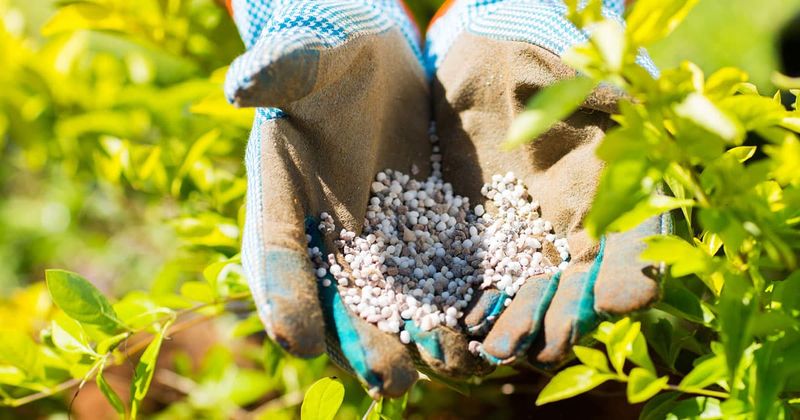
Feeding your gardenias the right fertilizer in spring is like giving them a turbo boost right when they need it most.
After a long Pennsylvania winter, the soil has been depleted of many nutrients, and your gardenias are waking up hungry and ready to grow. Choosing the right fertilizer makes all the difference.
Look for fertilizers labeled for azaleas, camellias, or acid-loving plants. These blends are specially formulated with the nutrients gardenias need, including iron and magnesium, which are essential for deep green leaves and strong bud development.
Regular all-purpose fertilizers often lack these specific nutrients and can actually push soil pH in the wrong direction.
Apply fertilizer in early to mid-spring, ideally once the danger of frost has passed in your part of Pennsylvania. Follow the package directions carefully and avoid over-fertilizing, which can burn roots and cause more harm than good.
A slow-release granular fertilizer is a great option because it feeds plants gradually over several weeks.
Water your gardenias well after applying any fertilizer. This helps carry nutrients down into the root zone where they can actually be used.
It also prevents fertilizer salts from sitting on the soil surface and potentially burning plant roots.
You can apply a second round of fertilizer in late June to keep the momentum going through summer. After that, hold off until next spring.
Fertilizing too late in the season encourages tender new growth that is vulnerable when Pennsylvania temperatures cool down in fall. Timing your feedings right keeps gardenias strong from spring all the way through bloom season.
5. Protect From Late Cold Snaps
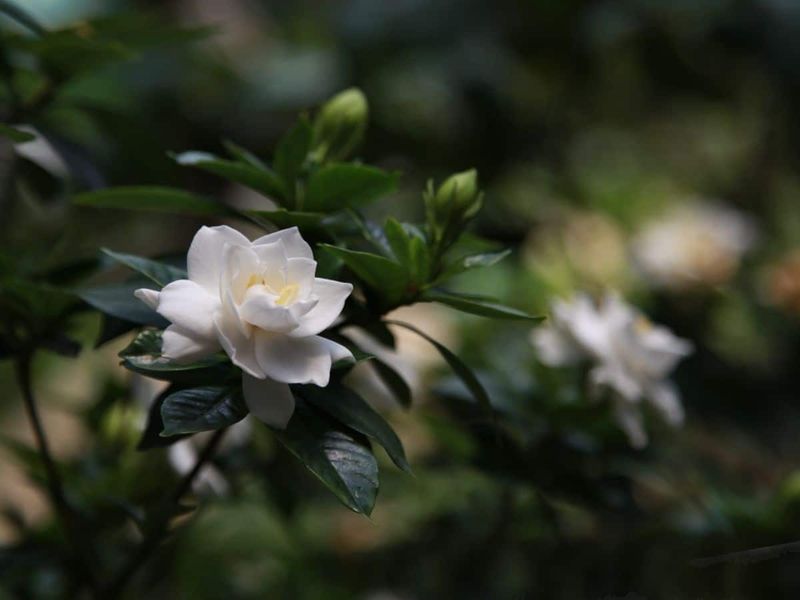
Pennsylvania spring weather has a reputation for being unpredictable, and anyone who has gardened here for a few years knows exactly what that means. You can have a warm stretch of days in March or April and then wake up to frost warnings overnight.
For gardenias, which are sensitive to cold, this kind of surprise can cause real damage to new growth and developing buds.
Keep an eye on your local weather forecast throughout spring, especially in April and early May. In many parts of Pennsylvania, late frosts can occur well past what most people consider the end of winter.
If temperatures are expected to drop below 32 degrees Fahrenheit overnight, take action before the sun goes down.
Covering your gardenias with a frost cloth or old bedsheet traps ground heat and protects tender growth from freezing temperatures. Drape the cover loosely over the entire plant and weight the edges down so wind does not blow it off.
Remove the covering in the morning once temperatures rise above freezing again. If you are growing gardenias in containers, you have an easier solution available. Simply bring the pot indoors or into a garage for the night.
Container gardenias are especially popular in Pennsylvania because they can be moved around as needed, giving growers much more flexibility during unpredictable spring weather.
Staying prepared for late cold snaps is one of the most underrated parts of spring gardenia care in Pennsylvania. A little preparation on a cold night can save months of careful growing.
Keep your frost cloth handy and your weather app open, and your gardenias will thank you with gorgeous blooms all season.
6. Choose The Right Light Exposure
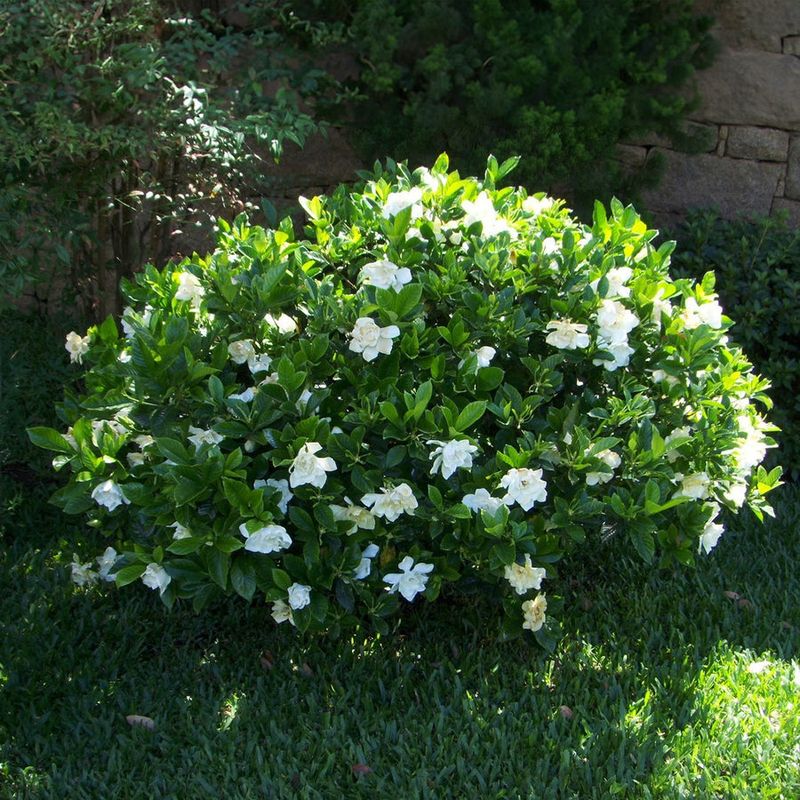
Light placement is one gardening decision that is surprisingly easy to get wrong. Gardenias need sunlight to bloom, but too much of the wrong kind of sun can stress them out quickly, especially as Pennsylvania summers heat up and temperatures climb into the 80s and 90s.
Getting this right in spring sets your plant up for a much better summer. The sweet spot for gardenias is morning sun with afternoon shade. Morning light is gentler and helps the plant photosynthesize and develop strong buds.
Afternoon shade protects the plant from the harshest rays of the day, which can scorch leaves and cause bud drop when heat is combined with intense direct sunlight.
Look around your yard for spots that naturally receive sun from the east in the morning and are shaded by a fence, tree, or structure by midday or early afternoon. These locations are gardenia gold in Pennsylvania.
A spot under a tall deciduous tree can work beautifully, as it provides filtered light and afternoon coverage.
If your gardenias are already planted somewhere too sunny, you can create shade by adding a shade cloth during the hottest months. For container plants, simply move them to a more sheltered spot as summer approaches.
Flexibility is one of the great advantages of growing gardenias in pots. Taking time in spring to evaluate your light situation before the heat arrives is a proactive move that pays off.
Gardenias growing in the right light are more likely to bloom heavily, hold their buds, and stay vibrant green all season long throughout your Pennsylvania garden.