This Yard Upgrade Is Replacing Patchy Grass In Georgia Front Yards
Your lawn can look fine from a distance, then fall apart the moment you take a closer look. Thin spots keep coming back in the same places, color never stays even, and no amount of quick fixes seems to last in a Georgia yard.
After a while, it stops feeling like a simple lawn issue and starts to feel like something that just does not respond the way it should. You put in the effort, yet the results never stay consistent through the season.
That is why some homeowners have started to change how those problem areas are handled instead of trying to keep up the same routine.
Once that shift happens, the yard begins to look more complete, and the constant cycle of patching finally starts to ease.
1. White Clover Creates Dense Ground Cover That Fills Bare Spots Fast
Bare patches in a Georgia front yard can spread faster than most people expect, especially after a dry summer.
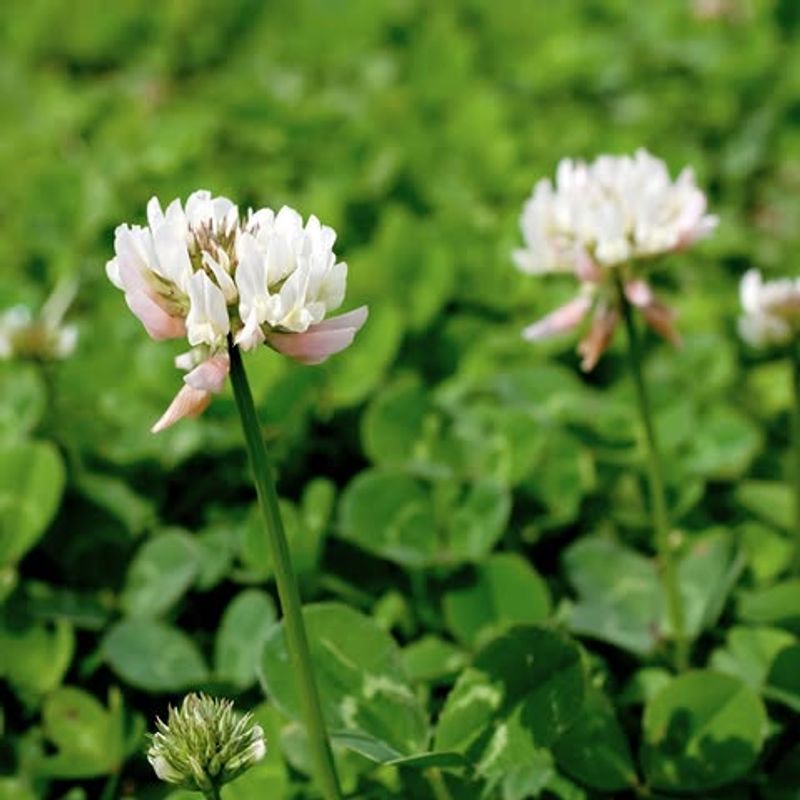
White clover takes a different approach to the problem by spreading horizontally through runners called stolons, which creep along the soil surface and root down wherever they touch bare ground.
Within a few weeks of germination, you can actually watch the coverage expand.
Unlike traditional turf grass that grows in clumps and leaves gaps, clover forms a dense mat that crowds out weeds naturally over time. The leaves overlap and shade the soil underneath, which slows moisture loss during Georgia’s warmer months.
That shade layer also makes it harder for weed seeds to get the sunlight they need to sprout.
Clover seeds are small and inexpensive, which means covering a larger bare area does not require a big investment.
Soil quality does play a role in how quickly clover fills in. Compacted clay soils common in many Georgia neighborhoods may slow initial root development, so loosening the top inch or two before seeding can improve results.
Adding a light layer of compost over freshly seeded areas helps retain moisture during the critical germination window. Clover is not a miracle fix, but with reasonable prep, bare spots can see meaningful coverage within a single growing season.
2. Why Clover Holds Color Better During Dry Periods
Anyone who has watched a Georgia front yard turn brown by mid-July knows how discouraging summer drought stress can be. Grass varieties like fescue and bermuda both struggle in different ways when rain stops showing up for weeks at a time.
Clover handles dry stretches differently, and the reasons are rooted in how it grows.
Clover roots tend to go deeper than typical lawn grass roots, which allows the plant to pull moisture from lower soil layers that dry out more slowly.
Shallow-rooted grasses lose access to water quickly once the top few inches dry out, but clover keeps drawing on reserves that grass simply cannot reach.
That deeper root system is a real advantage during Georgia’s unpredictable summer dry spells.
The leaf structure of clover also plays a role in moisture retention. Clover leaves close slightly during the hottest parts of the day, which reduces the surface area exposed to direct sun and slows water loss through the leaves.
Your Georgia Garden Changes Every Week. Your Plan Should Too.
Gardening in Georgia changes quickly throughout the season. Every Friday you’ll receive a simple weekly plan showing exactly what to plant, prune, fertilize, harvest, and protect so you never miss the right timing.
It is a subtle adaptation, but it adds up over long hot stretches when every bit of water conservation matters.
Color retention is not absolute, and extended drought without any irrigation will eventually stress clover just like anything else.
In Georgia’s hardiness zones, most areas receive enough rainfall through spring and early summer to support strong clover growth before the dry season hits.
3. How Clover Feeds The Soil Through Natural Nitrogen Fixing
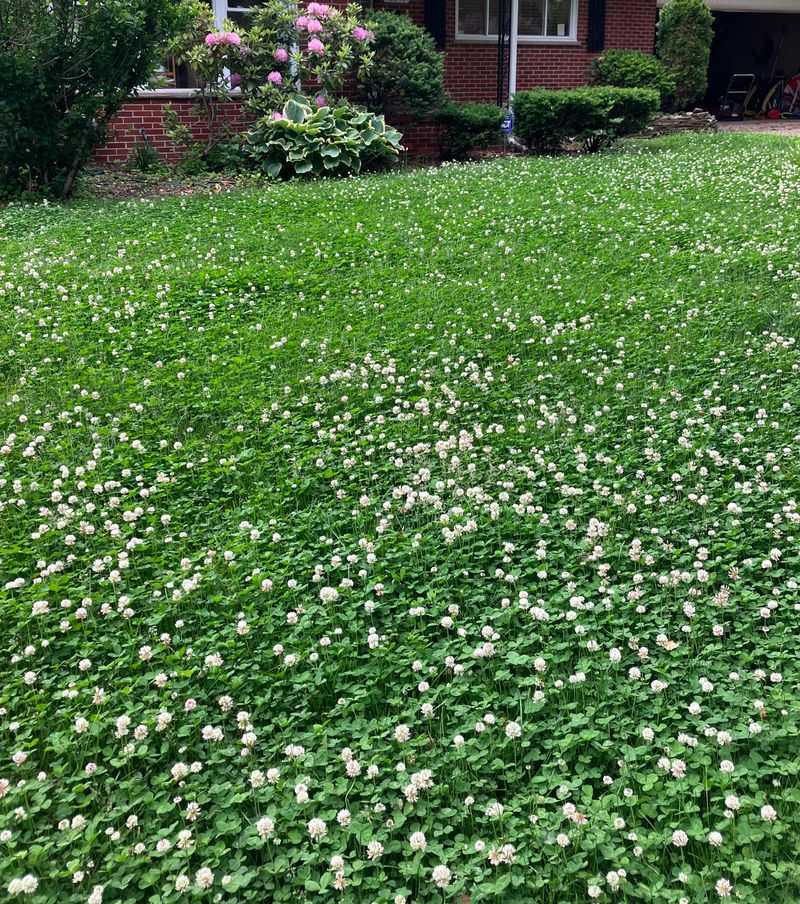
Grass lawns need regular fertilizer applications to stay green, and that cost adds up season after season. Clover works differently because it has a built-in relationship with soil bacteria that most plants simply do not have.
Those bacteria live in small nodules attached directly to clover roots, and they pull nitrogen gas out of the air and convert it into a form the plant and surrounding soil can use.
Nitrogen is the nutrient most responsible for green, leafy growth in plants. When clover fixes its own nitrogen and releases excess into the surrounding soil, nearby grass and plants benefit too.
Yards that mix clover into thin turf often see the surrounding grass green up without any added fertilizer, though results depend on soil conditions and how established the clover becomes.
In Georgia’s red clay soils, which tend to be naturally low in organic matter and nutrients, this nitrogen contribution can make a noticeable difference over time. Clover essentially acts as a slow, steady soil amendment that does not require you to buy anything extra.
A yard with a healthy clover population can reduce fertilizer needs significantly over multiple growing seasons.
Clover does not replace good soil management entirely. If your Georgia yard has severely compacted or nutrient-depleted soil, clover will help over time but is not an overnight correction.
4. The Right Time To Seed Clover For Reliable Germination
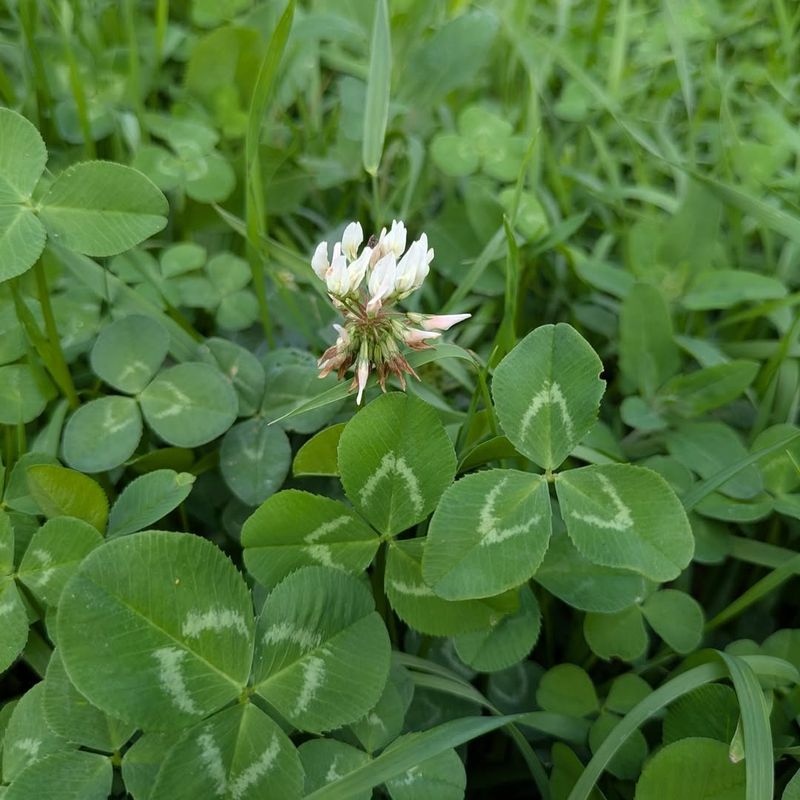
Timing a clover seeding wrong is one of the most common reasons people see poor germination results.
Soil temperature matters more than calendar date, and in Georgia that distinction is important because spring warmth arrives at different times depending on whether you are in Atlanta, Savannah, or somewhere in between.
Clover germinates most reliably when soil temperatures are consistently between 50 and 65 degrees Fahrenheit.
Early spring, typically late February through April in most of Georgia, hits that sweet spot before summer heat sets in. Seeding during this window gives clover time to establish roots before the intense heat of June and July arrives.
Fall seeding is also an option, with September and early October offering soil temperatures that support germination before the first frost slows growth.
Summer seeding in Georgia is generally a poor choice. Soil temperatures above 75 degrees stress young clover seedlings significantly, and the combination of heat and dry conditions makes it hard for seeds to stay moist long enough to sprout.
Many people try seeding in summer out of frustration with their patchy lawn and end up disappointed with the results.
Soil moisture during the germination window is critical regardless of when you seed. Clover seeds are tiny and sit close to the surface, which means they dry out quickly between rain events.
5. Simple Way To Introduce Clover Into Existing Thin Turf
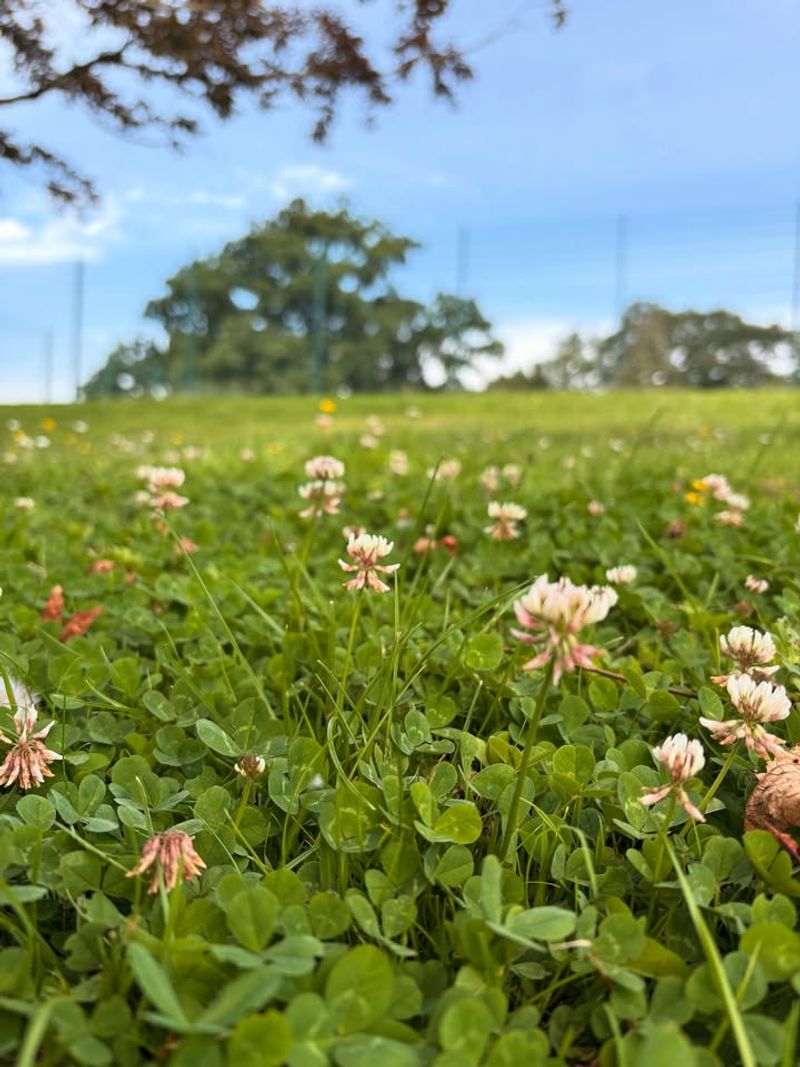
You do not need to tear out your existing lawn to get clover established. Overseeding directly into thin turf is a practical approach that works well in Georgia yards where the grass is patchy but not completely bare.
The key is giving the clover seed good contact with the soil, which means a little prep work goes a long way.
Mowing existing grass short before overseeding helps clover seed reach the soil surface instead of getting stuck on top of long grass blades.
Raking the area lightly after mowing to rough up the surface gives seeds a better chance to settle into small crevices where they can stay moist.
In yards with heavy thatch buildup, a dethatching pass before seeding can significantly improve seed-to-soil contact.
Mixing clover seed with a small amount of damp sand or fine compost before spreading makes it easier to distribute evenly, especially by hand over smaller areas.
Clover seeds are light and can clump together or blow around if spread dry on a windy day.
Keeping the mix slightly moist helps with even distribution across the patchy spots you are targeting.
After spreading, a light pass with a lawn roller or even just walking over the area helps press seeds into the soil surface.
Watering gently immediately after seeding and then keeping the area consistently moist for the first two to three weeks gives germination the best chance.
6. What Moderate Foot Traffic Does To Clover Growth
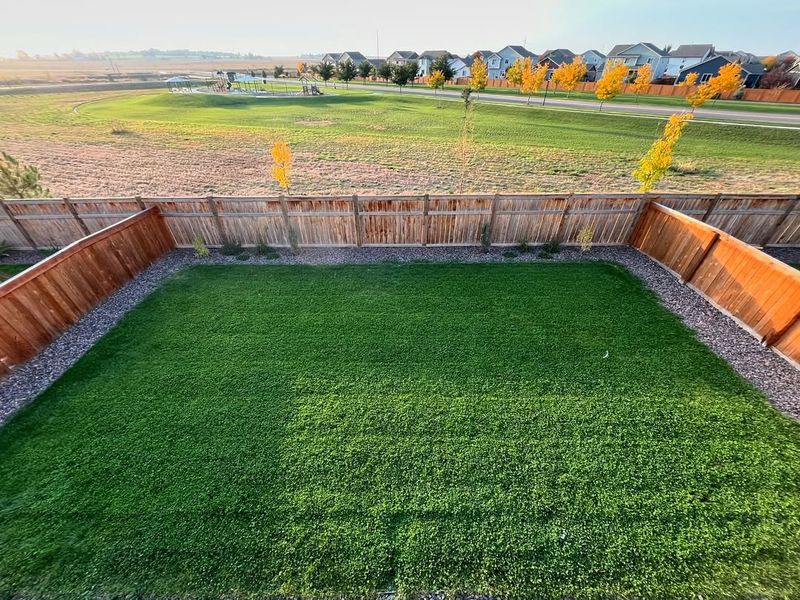
Clover is not fragile, but it is also not indestructible. Regular moderate foot traffic, like kids cutting across the yard or people walking a consistent path to the door, creates worn areas over time just like it does with grass.
Understanding how clover responds to that kind of use helps set realistic expectations before you commit to a full front yard conversion.
White clover handles occasional foot traffic reasonably well compared to some other ground covers.
Its low-growing habit means it does not snap or bruise as easily as taller plants, and the horizontal spreading growth pattern allows it to recover and fill back into lightly worn areas when traffic lets up.
Yards in Georgia that see occasional use rather than heavy daily traffic tend to maintain decent coverage through the growing season.
High-traffic areas, like a direct path from the sidewalk to the front door, will show wear regardless of what you plant there. Clover in those zones may thin out or develop bare patches, especially during dry stretches when the plant is already under stress.
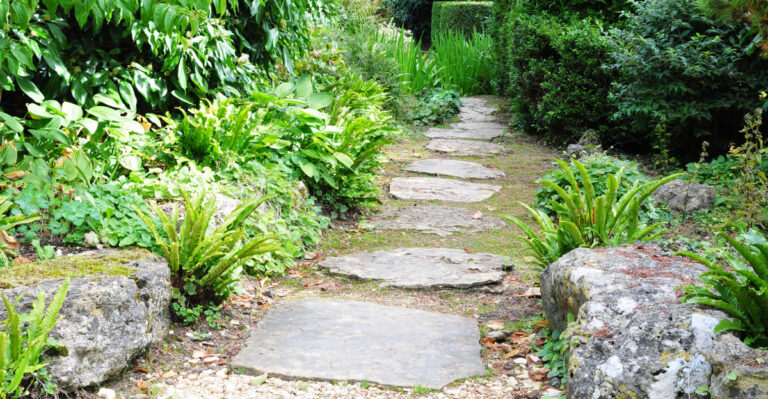
Placing stepping stones or pavers along frequently used paths protects the clover and gives the yard a cleaner look at the same time.
Recovery speed after traffic damage depends on how healthy the surrounding clover is and how much rain or irrigation the yard receives. In Georgia’s spring and early fall, clover can fill back into lightly worn spots within a few weeks if conditions are favorable.
7. Why Clover Stays Full With Minimal Mowing And Feeding
Grass lawns in Georgia can feel like a full-time job between spring green-up and the end of summer. Weekly mowing, fertilizer applications, weed control, and irrigation schedules stack up quickly in terms of both time and cost.
Clover sidesteps a lot of that routine because of how it naturally grows and feeds itself.
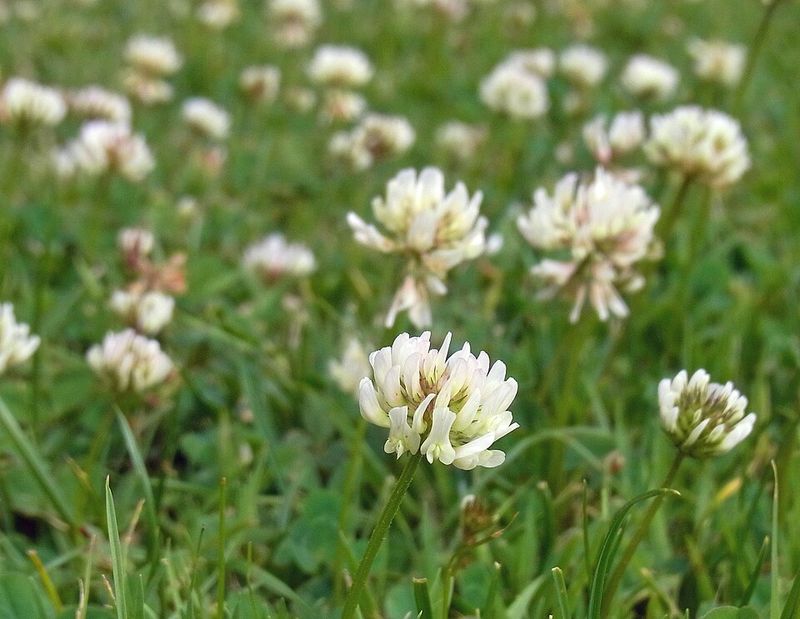
White clover stays naturally low, typically reaching two to four inches in height before it starts to spread outward rather than upward. That growth habit means mowing frequency drops considerably compared to a traditional turf lawn.
Many Georgia homeowners with clover yards mow just once every three to four weeks during the growing season, mainly to keep the yard looking tidy rather than out of necessity.
Feeding clover is largely unnecessary once it establishes a healthy root system with active nitrogen-fixing bacteria. Applying heavy synthetic nitrogen fertilizer to a clover lawn can actually disrupt the nitrogen-fixing process by making the bacteria less active.
Light compost applications in early spring support soil health without interfering with how clover naturally sustains itself.
Weed pressure in a dense clover lawn tends to be lower than in thin grass because the clover canopy shades out many common weed seeds before they can sprout.
Bare spots, if they develop, should be addressed by reseeding rather than using herbicides, since most broadleaf weed killers will also affect clover.