8 Fast-Growing Summer Crops You Can Still Start In Arizona
April in Arizona does not close the door on planting, even when heat starts to build and it feels like the season is already moving too fast. There is still a window where certain crops can take off quickly and make up for lost time.
Some seeds respond almost immediately once they hit warm soil, and that early push can lead to steady growth even as temperatures continue to climb. Others struggle to catch up, which is why timing and crop choice matter more than it seems at this stage.
You might feel like planting should have happened earlier, yet this point in the season still offers real potential for strong results.
Choosing the right fast growers can turn a late start into a productive stretch and keep your garden moving forward without feeling behind.
1. Bush Beans Grow Quickly And Produce Before Extreme Heat Hits
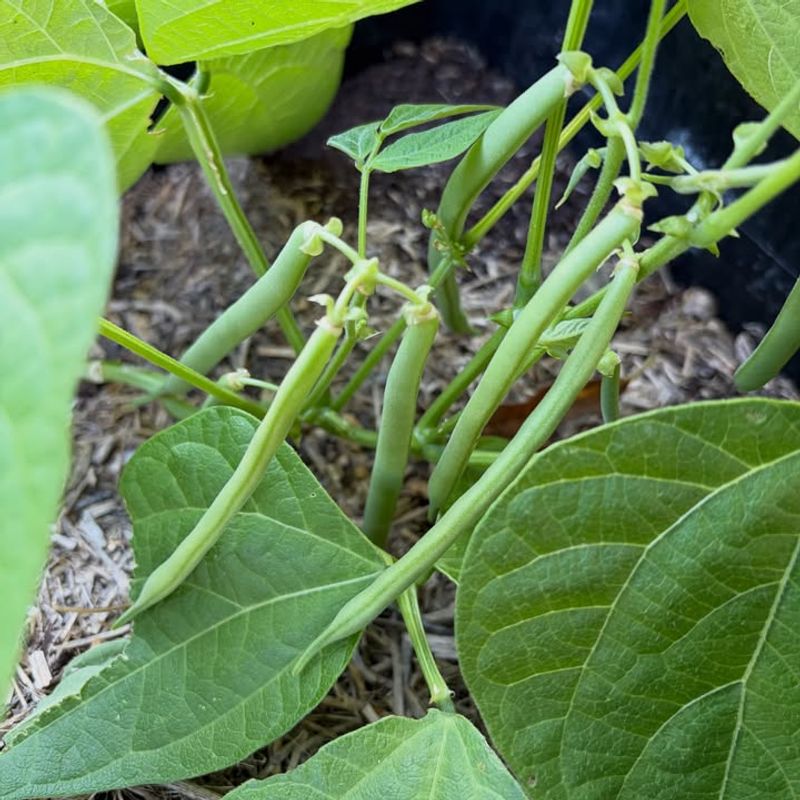
Bush beans are one of the most underrated choices for Arizona spring gardens, and April is genuinely a good time to get them going. Seeds germinate fast when soil temperatures sit between 60 and 85 degrees Fahrenheit, which is right where Arizona soil lands in April.
You can go from seed to first harvest in roughly 50 to 60 days under good conditions.
Sow seeds about an inch deep and space them around four to six inches apart in rows. Watering consistently matters a lot here — uneven moisture leads to tough, stringy pods.
A drip line or soaker hose works well and keeps water off the foliage, which helps reduce fungal issues during humid monsoon buildups.
Bush beans do not need a trellis, which makes them easy to manage in tight spaces. Full sun is necessary, so pick a spot that gets at least six hours of direct light each day.
In low desert areas like the Phoenix metro, planting in early April gives beans time to flower and set pods before daytime highs push consistently past 100 degrees.
Harvesting regularly actually encourages more pod production, so check plants every couple of days once they start producing. Pods left too long on the plant get tough and signal the plant to slow down.
A light layer of mulch around the base of the plants helps retain moisture and keeps the root zone cooler as temperatures rise through May.
2. Armenian Cucumber Handles Heat Better Than Standard Varieties
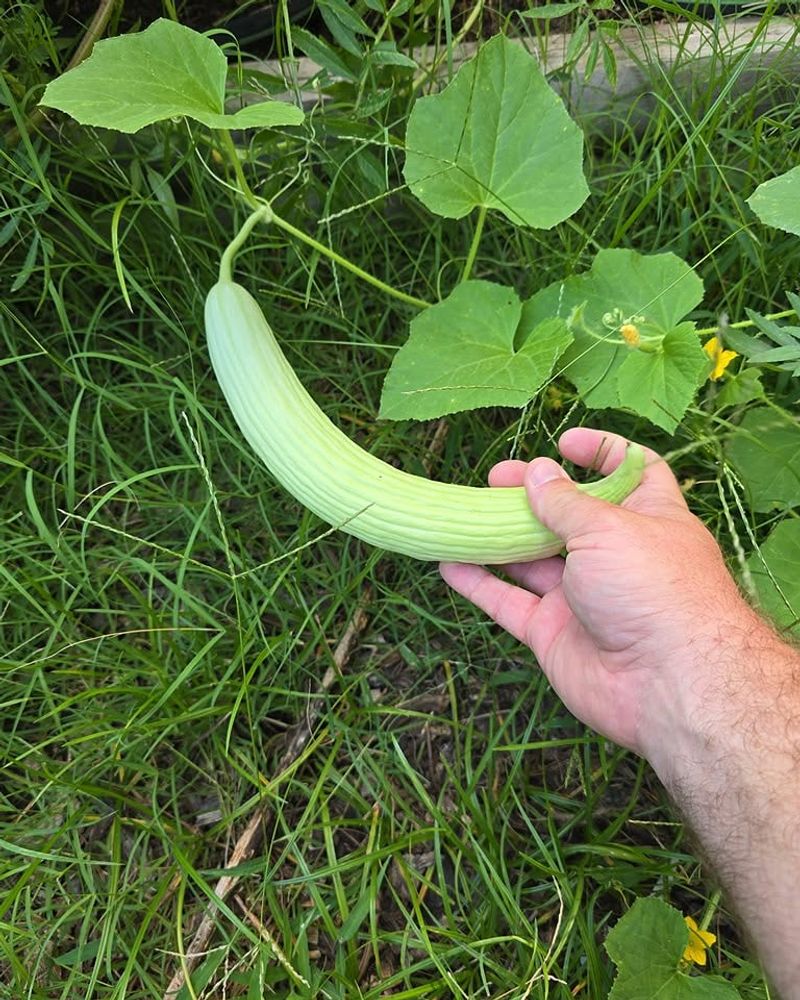
Botanically speaking, Armenian cucumber is actually a type of muskmelon, which explains a lot about how well it handles Arizona summers. Standard slicing cucumbers tend to struggle when temperatures climb above 90 degrees, but Armenian cucumber keeps producing even when things get uncomfortably hot.
That alone makes it worth planting in April across low desert regions.
Direct sow seeds about half an inch to an inch deep in a sunny spot with well-draining soil. Germination usually happens within seven to ten days when soil is warm.
Setting up a trellis before planting saves a lot of hassle later — these vines can stretch six feet or more and the fruit stays cleaner when it hangs rather than sits on the soil.
Your Arizona Garden Changes Every Week. Your Plan Should Too.
Gardening in Arizona changes quickly throughout the season. Every Friday you’ll receive a simple weekly plan showing exactly what to plant, prune, fertilize, harvest, and protect so you never miss the right timing.
Water at the base of the plant rather than overhead. Wet foliage combined with warm nights creates conditions where powdery mildew can develop, and that can spread across the whole vine quickly.
Drip irrigation is the most practical setup for consistent moisture without the leaf problems.
Fruits are typically ready to harvest when they reach about 12 to 18 inches long and are still pale green. Left on the vine too long, they turn yellow and the texture gets less pleasant.
In Arizona heat, checking vines every two to three days during peak production keeps quality high. Flavor is mild and slightly sweet, closer to a melon than a cucumber, which catches a lot of first-time growers off guard in the best possible way.
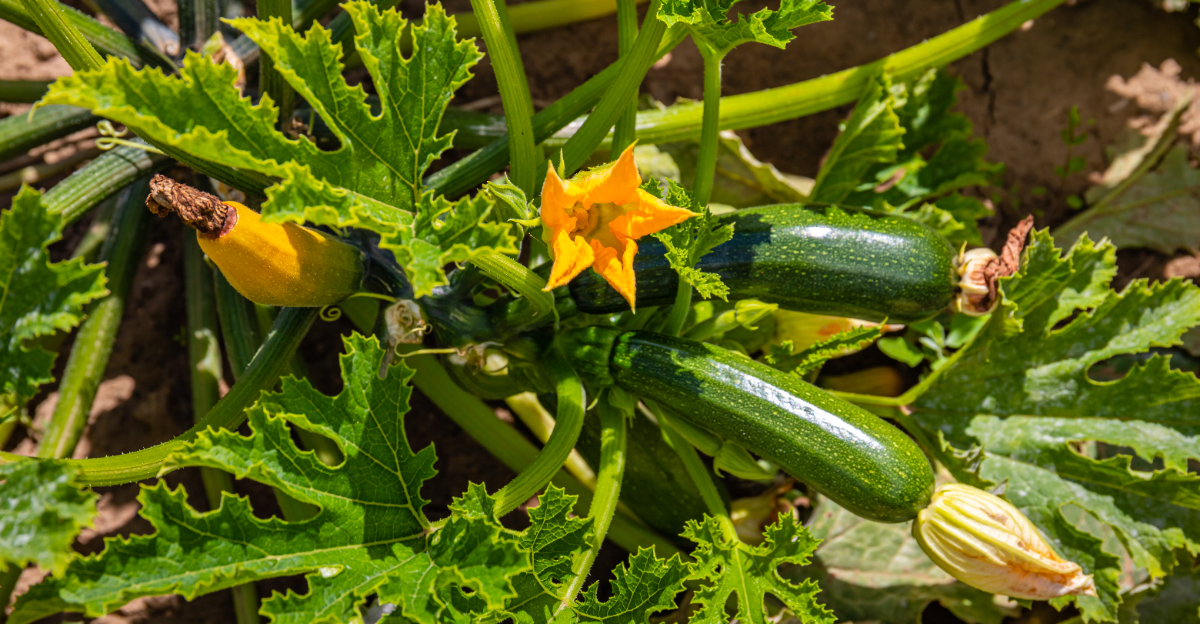
3. Zucchini Produces Fast Harvests With Warm Soil
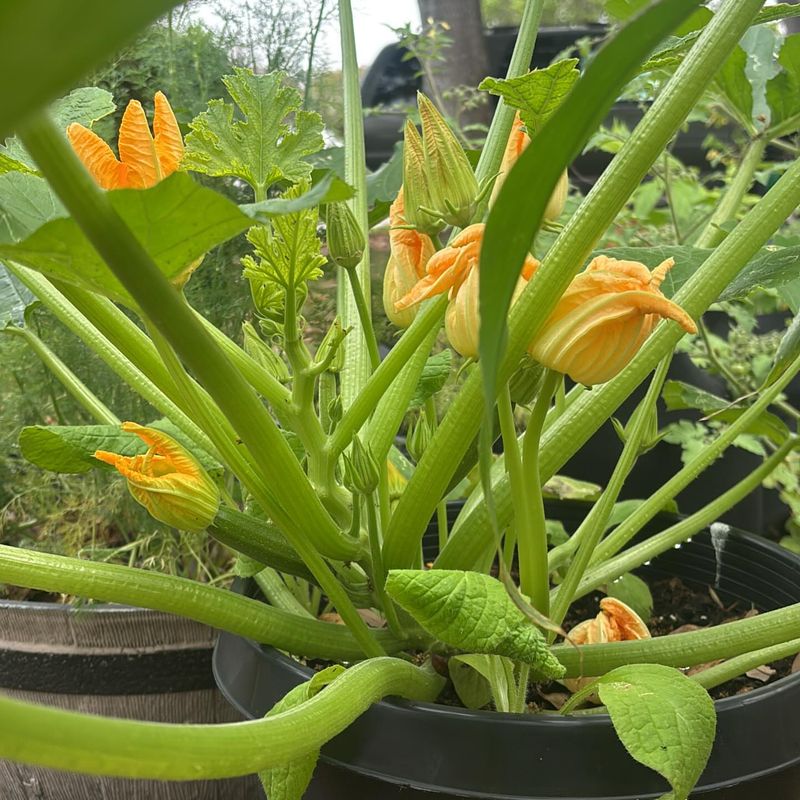
Few vegetables move from seed to table faster than zucchini when the soil is warm. In Arizona, April soil temperatures give zucchini seeds exactly what they need to germinate quickly and push into strong growth.
Expect seedlings within five to seven days and your first harvestable fruit in roughly 45 to 55 days depending on the variety and care.
Plant seeds about an inch deep in hills or rows, spacing plants at least two to three feet apart. Zucchini plants get big fast, and crowding them leads to poor airflow, which can invite fungal problems as summer humidity builds ahead of monsoon season.
Full sun is non-negotiable for good fruit production.
Consistent watering is key, but avoid soaking the leaves. Deep, infrequent watering encourages roots to go deeper, which helps plants handle heat stress better.
Mulching around the base of each plant keeps soil moisture from evaporating too quickly under Arizona’s intense afternoon sun.
Harvesting zucchini when fruits are small — around six to eight inches — produces the best flavor and texture. Plants that are allowed to carry oversized fruit tend to slow down production noticeably.
Checking every day or two during peak season is worth the habit. Zucchini planted in early April in places like Mesa or Chandler can start producing by mid-May, giving you a solid harvest window before summer heat peaks in June and July.
Consistent feeding with a balanced fertilizer every few weeks supports steady output through the growing season.
4. Yellow Squash Starts Yielding In A Short Time Frame
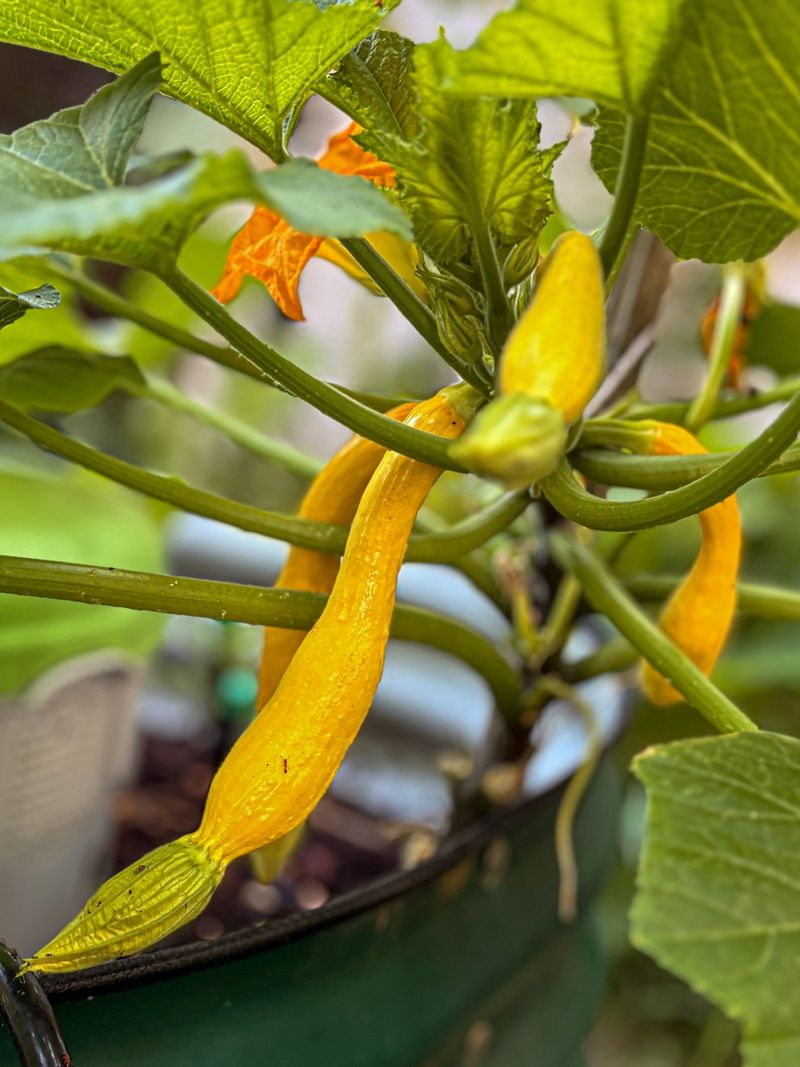
Yellow squash behaves almost identically to zucchini in the garden, but it brings a slightly different flavor and texture that a lot of cooks prefer for certain dishes. April planting in Arizona lines up well with its temperature preferences, and warm soil pushes germination along quickly.
Seeds typically sprout within a week when soil is consistently above 65 degrees Fahrenheit.
Spacing matters more than most new gardeners realize with yellow squash. Give each plant at least 24 to 36 inches of space so air can move freely around the foliage.
In tight spots, powdery mildew tends to show up, especially as Arizona humidity builds in late spring and early summer before monsoon season fully arrives.
Watering at the base rather than overhead keeps foliage dry and reduces disease pressure. A drip system or hand watering directly at the root zone is ideal.
Adding a few inches of straw or wood chip mulch around each plant does a real job of keeping the soil from drying out too fast between waterings under intense Arizona sun.
Yellow squash is typically ready to harvest around 50 days after planting, sometimes a bit sooner under ideal conditions. Picking fruits when they are six to eight inches long keeps production moving and quality high.
Leaving fruit on the plant past its prime signals the plant to put energy into seed development rather than new fruit.
In southern Arizona especially, getting plants in the ground by mid-April gives you a productive window before heat becomes the dominant factor.
5. Okra Thrives As Temperatures Rise And Grows Rapidly
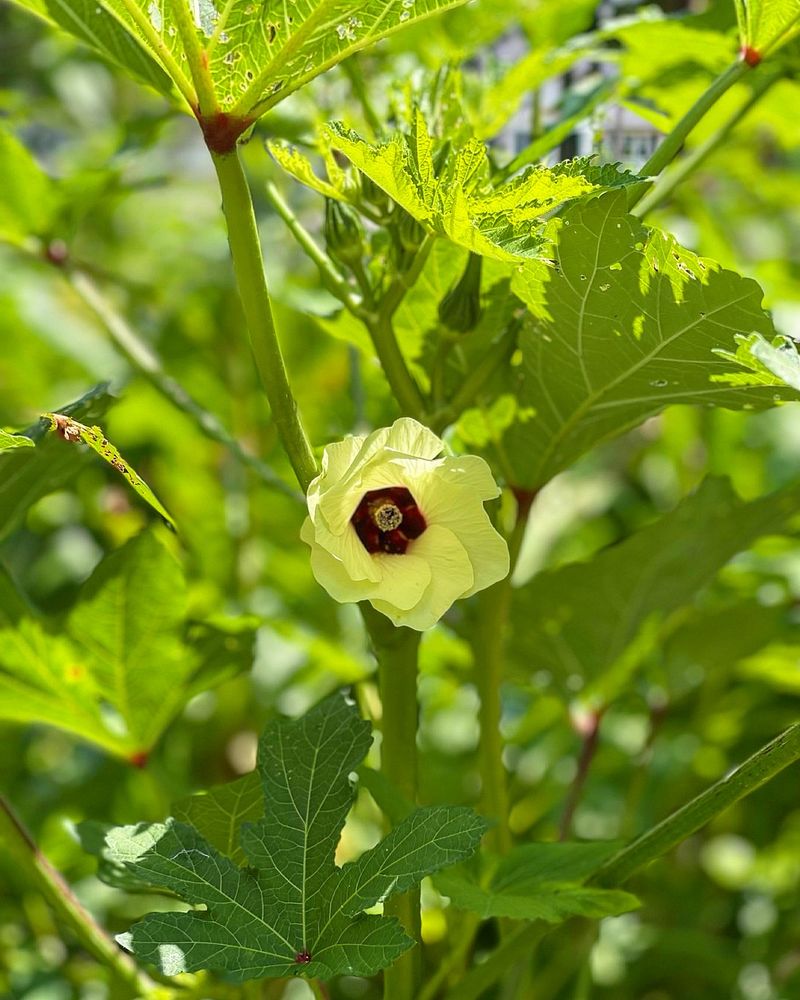
Okra might be the most heat-tolerant vegetable on this list, which makes it practically built for Arizona summers. Unlike crops that slow down or stop producing when temperatures climb past 95 degrees, okra tends to accelerate.
Getting seeds in the ground in April gives plants time to establish before the real heat arrives, and by June they are typically in full swing.
Soak seeds overnight before planting to help speed up germination. Press them about an inch deep into warm, well-draining soil in a full-sun location.
Soil temperature should be at least 65 degrees Fahrenheit for reliable germination, which is easy to hit in most Arizona locations by April. Space plants around 18 inches apart to give each one room to develop properly.
Okra does not need as much water as other summer crops once it gets going, but consistent irrigation during the first few weeks of establishment helps roots develop well.
After plants are a foot or so tall, they handle dry stretches better than most vegetables in the garden.
Still, deep watering once or twice a week during peak summer is a good baseline to maintain.
Pods grow fast in heat and are best harvested when they reach two to four inches long. At that size, texture is tender and flavor is at its best.
Larger pods get tough and fibrous quickly. Wearing gloves when harvesting is a smart move because okra stems and leaves have fine bristles that can irritate skin.
Varieties like Clemson Spineless perform consistently well across Arizona growing zones.
6. Sweet Corn Grows Fast In Warm Soil With Consistent Water
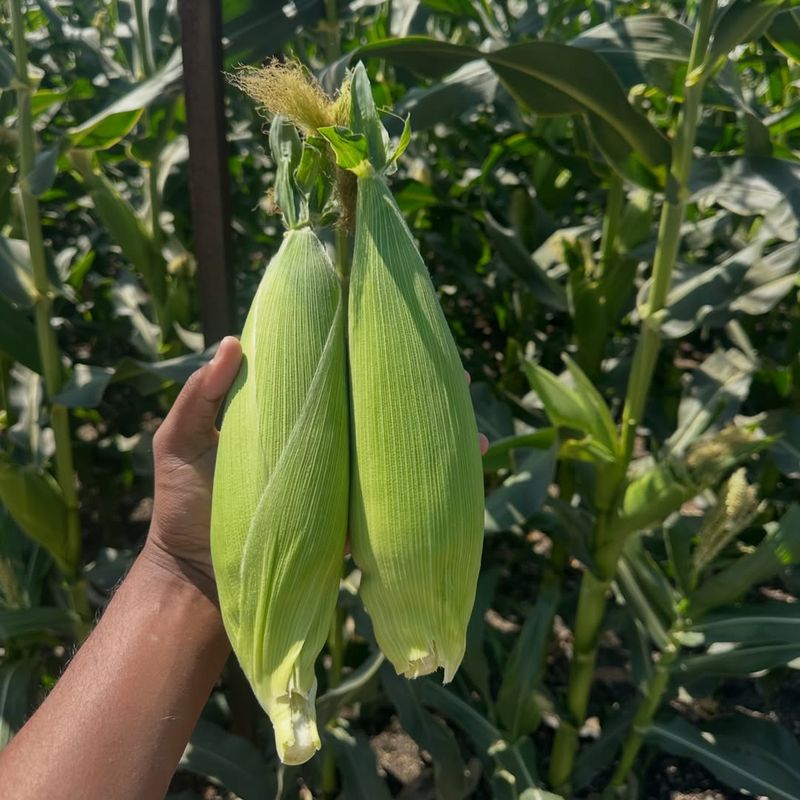
Sweet corn in Arizona is a bit of a time puzzle — get the timing right, and you can pull ears in midsummer. April planting in the low desert hits that window well, giving stalks time to develop before the most brutal heat arrives.
Corn is a warm-season crop that genuinely benefits from the soil warmth Arizona delivers in spring.
Plant seeds about an inch deep in blocks rather than single rows. Corn is wind-pollinated, so planting in a grid pattern — at least four rows wide — improves the chances of good ear development.
Spacing seeds about nine to twelve inches apart within rows and keeping rows around 30 inches apart gives each stalk adequate room and airflow.
Water is where Arizona corn growers need to pay close attention. Corn is a thirsty crop, and dry desert air pulls moisture out of soil faster than most gardeners expect.
Deep watering two to three times per week during active growth keeps stress low. Letting soil dry out significantly during tasseling and silking stages can reduce ear quality noticeably.
Sweet corn typically matures in 60 to 90 days depending on the variety. Shorter-season varieties like Early Sunglow or Honey Select work well for Arizona gardeners trying to beat the heat.
Check for ripeness by pulling back the husk slightly and pressing a kernel — a milky juice means it is ready. Harvesting at peak ripeness and eating corn the same day it comes off the stalk delivers the best flavor by a wide margin.
7. Malabar Spinach Handles Heat While Growing Vigorously
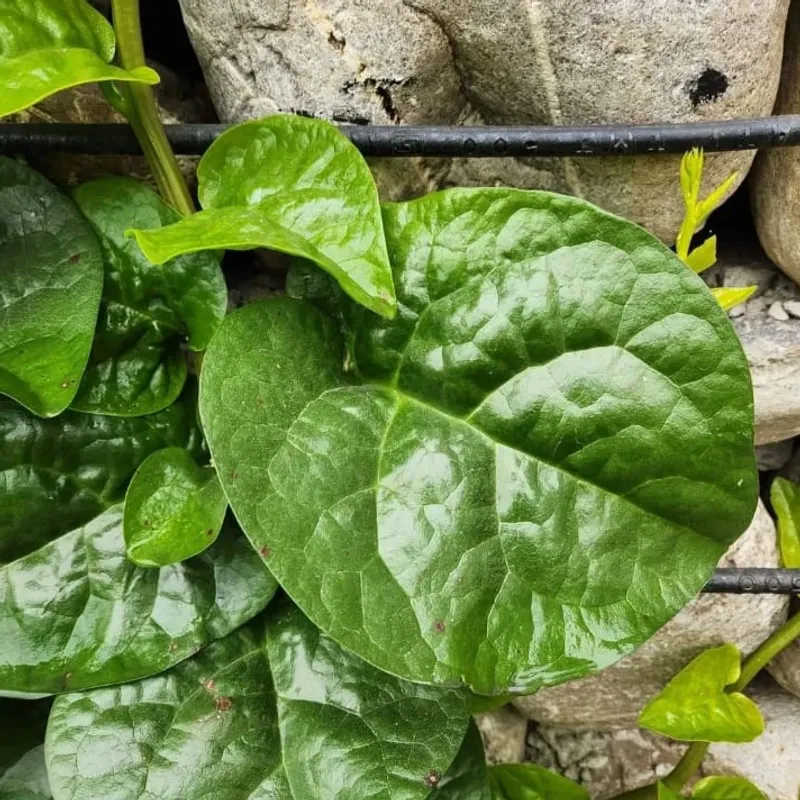
Regular spinach gives up completely when Arizona summer arrives, but Malabar spinach operates on a completely different schedule. Warm temperatures are actually what this plant needs to thrive, which flips the usual spinach logic on its head.
April is an ideal time to start it in Arizona because warming soil gets seeds or transplants off to a strong start.
Malabar spinach is a vine, so it needs something to climb. A simple trellis, fence panel, or wire frame works fine.
Plants can climb six feet or more by midsummer, so giving them vertical space pays off in terms of leaf production and easier harvesting. Direct sowing seeds works well once soil hits around 65 to 70 degrees Fahrenheit, or you can start seeds indoors a few weeks earlier and transplant after hardening off.
Watering needs are moderate compared to some summer crops. Deep, consistent moisture supports steady vine growth, but Malabar spinach is more forgiving during brief dry spells than standard leafy greens.
Partial afternoon shade in Phoenix or other low desert areas can reduce heat stress on leaves during the peak of summer, though plants will still produce in full sun with adequate water.
Leaves are thick and slightly mucilaginous when cooked, similar to a combination of spinach and okra in texture. Raw leaves work well in salads when young and tender.
Picking leaves regularly encourages continuous new growth throughout the season. Malabar spinach keeps producing well into fall in Arizona, long after most summer crops have wrapped up for the year.
8. New Zealand Spinach Produces Leaves Even In Hot Conditions
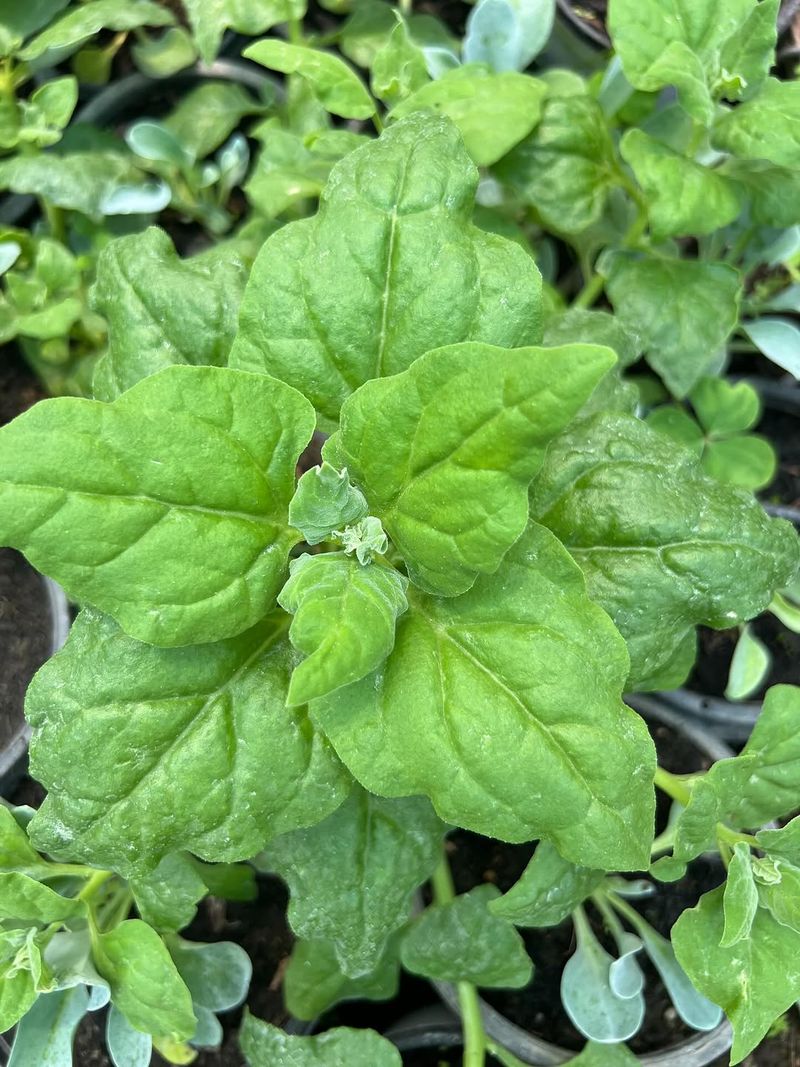
New Zealand spinach is not related to regular spinach at all, but it fills the same role in the kitchen and handles Arizona’s dry, hot conditions far better than its name-twin.
April is the right time to get seeds in the ground in Arizona — soil is warm enough to support germination, and plants have a few weeks to settle in before summer fully takes over.
Soaking seeds for several hours before planting helps soften the hard seed coat and speeds up germination. Press seeds about half an inch deep in well-draining soil with full sun exposure.
Spacing plants around 18 to 24 inches apart gives them room to spread, because New Zealand spinach grows as a low, sprawling plant that can cover a good amount of ground by midsummer.
Watering needs are lower than most summer vegetables, which is one practical advantage in a desert climate. Once established, plants handle dry stretches with more resilience than many leafy greens.
That said, consistent moisture during the first few weeks of growth helps roots develop and gives plants a better foundation for handling summer stress later on.
Harvest by snipping young shoot tips rather than pulling whole leaves. New growth follows quickly after each harvest, keeping production going steadily through the hottest months.
Flavor is mild and slightly earthy, very close to regular spinach when cooked.
In Arizona gardens from Tucson to Flagstaff’s lower elevations, New Zealand spinach can remain productive well into fall, making it one of the longer-producing leafy options available for warm-season planting.