The Helpful And Harmful Bugs You’ll Find In Pennsylvania Gardens
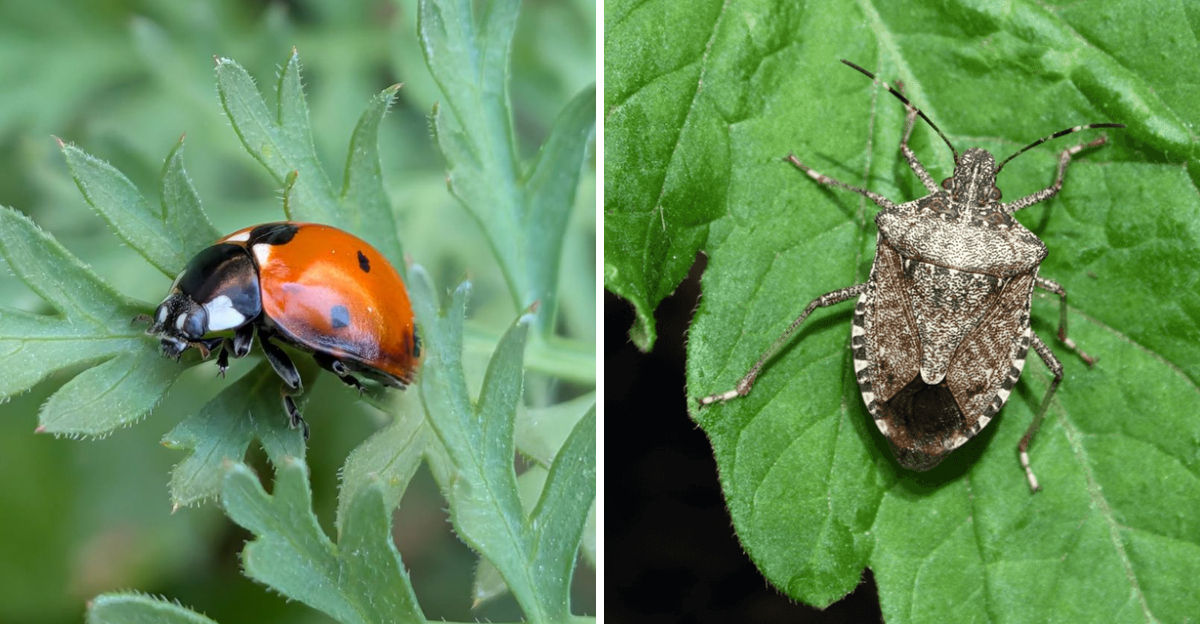
Pennsylvania gardens are never as quiet as they look. Beneath the flowers, around the tomato plants, and under the leaves, there is always something crawling, buzzing, chewing, or pollinating.
Some of those tiny visitors are doing your garden a huge favor. Others are quietly turning healthy plants into their next meal.
That is part of what makes gardening so interesting. Not every bug is a bad sign, and not every insect deserves to stay.
It is easy to panic when you spot holes in leaves or clusters of bugs on your stems, but a closer look can change the whole story. Some insects help control pests, pollinate blooms, and keep the garden working the way it should.
Others can damage vegetables, weaken flowers, and spread fast before you even realize there is a problem. In a Pennsylvania garden, knowing the difference matters.
It can save your plants and keep you from getting rid of the insects that are actually helping. Once you know who is doing what, the garden starts to make a lot more sense.
1. Lady Beetles (Ladybugs)
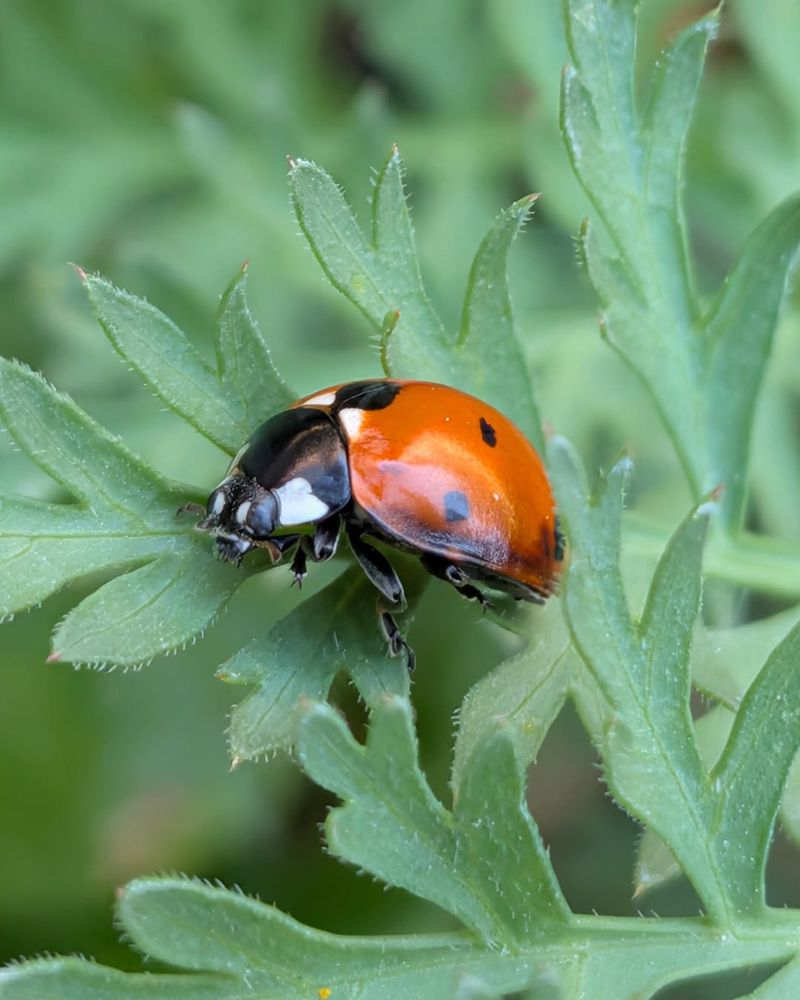
Few garden insects are as instantly recognizable or as welcome as the ladybug. Those cheerful red wings with black spots signal something wonderful: a natural pest fighter is on the job.
Lady beetles are among the most helpful insects you can find in any Pennsylvania garden, and for very good reason.
Both adult ladybugs and their larvae feed heavily on aphids, mites, and other soft-bodied pests that love to attack vegetable and flower gardens. A single ladybug can eat up to 5,000 aphids during its lifetime.
That is a lot of pest control happening for free, without any chemicals needed. Gardeners in Pennsylvania can attract more ladybugs by planting flowers like dill, fennel, and marigolds. These plants provide nectar and shelter that ladybugs love.
Avoiding broad-spectrum pesticides also helps keep their populations strong. If you spot a cluster of tiny orange eggs on the underside of a leaf, do not disturb them. Those are likely ladybug eggs, and the larvae that hatch look like tiny alligators.
They are just as hungry as the adults and just as helpful to your garden. Welcoming these little beetles is always a smart move for any Pennsylvania gardener looking for natural pest control solutions.
2. Ground Beetles
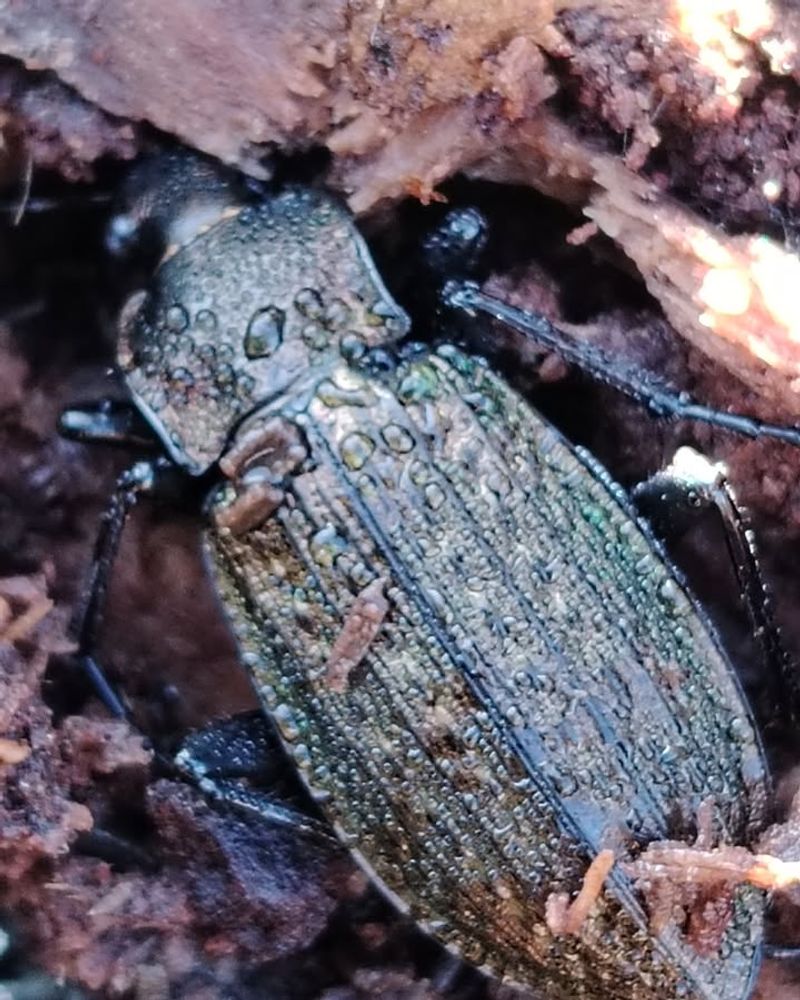
Most gardeners never even see ground beetles because these insects do their best work after dark.
While you are sleeping, ground beetles are out in your Pennsylvania garden hunting down slugs, cutworms, and other soil-dwelling pests that can seriously damage your plants overnight.
Ground beetles are fast-moving, dark-colored insects that live under rocks, logs, and leaf litter during the day. At night, they come out and patrol the soil surface.
They are natural predators, and a healthy population of ground beetles can make a noticeable difference in how much pest damage your garden experiences.
To encourage ground beetles in your Pennsylvania yard, try leaving some areas of bare soil or mulch where they can hide and nest. Adding a border of low ground cover plants also gives them shelter during daylight hours.
Your Pennsylvania Garden Changes Every Week. Your Plan Should Too.
Gardening in Pennsylvania changes quickly throughout the season. Every Friday you’ll receive a simple weekly plan showing exactly what to plant, prune, fertilize, harvest, and protect so you never miss the right timing.
Reducing tilling helps too, since excessive soil disturbance can disrupt their habitat and lower their numbers.
One fun fact: some ground beetle species can run surprisingly fast for their size, which makes them very efficient hunters. They use strong jaws to catch and eat their prey.
Because they target so many common garden pests, ground beetles are considered one of the most valuable yet underappreciated beneficial insects found throughout Pennsylvania gardens every single growing season.
3. Hoverflies (Syrphid Flies)
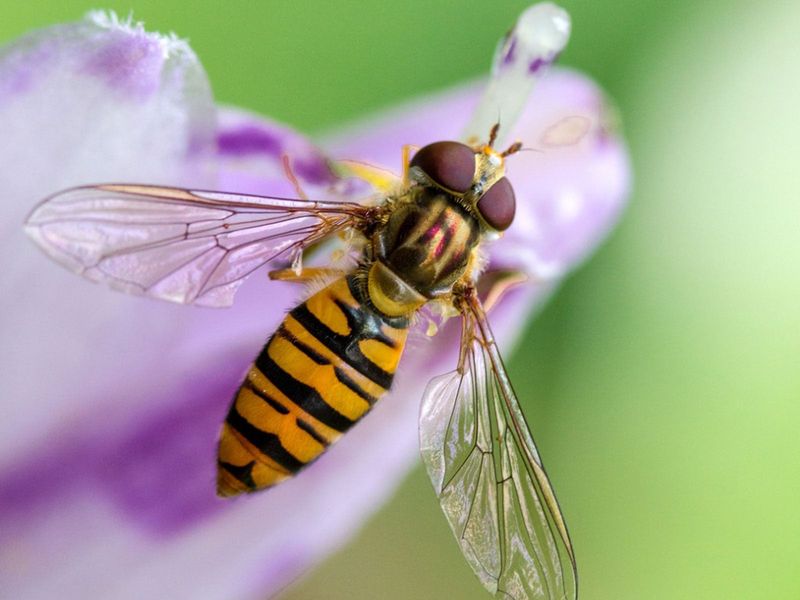
At first glance, hoverflies might make you nervous because they look a lot like bees or wasps. But here is the good news: they cannot sting you.
Hoverflies are completely harmless to people and are actually one of the most underrated helpful insects in Pennsylvania gardens.
Adult hoverflies feed on nectar and pollen, which makes them excellent pollinators. They visit a wide range of flowers and help plants produce fruit and seeds.
While bees often get all the credit for pollination, hoverflies are quietly doing a huge share of that work across Pennsylvania gardens every summer.
What makes hoverflies especially valuable is their larvae. Hoverfly larvae are voracious predators of aphids.
A single larva can consume hundreds of aphids before it matures. Since aphids are one of the most damaging pests in any garden, having hoverfly larvae around is like having a tiny cleanup crew working around the clock.
You can attract more hoverflies to your Pennsylvania garden by planting flat, open flowers like yarrow, sweet alyssum, and zinnias. These flowers make it easy for hoverflies to access nectar.
Keeping a variety of blooming plants throughout the season ensures hoverflies have reasons to stick around. Once you start noticing them, you will appreciate just how much these small flies contribute to a thriving, balanced garden environment.
4. Parasitic Wasps
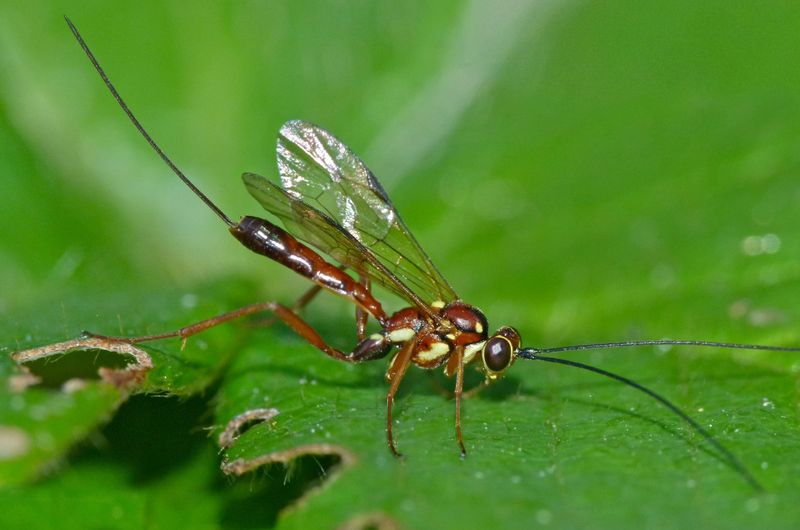
Parasitic wasps sound scary, but they are actually one of the gardener’s best friends. These tiny insects are so small that most people never notice them buzzing around.
Unlike yellowjackets or hornets, parasitic wasps are non-stinging and pose zero threat to people working in Pennsylvania gardens.
What makes them so remarkable is how they control pest populations. Female parasitic wasps lay their eggs inside or on top of pest insects like caterpillars, aphids, and whiteflies.
When the eggs hatch, the larvae feed on the pest from the inside, eventually stopping the pest from causing further plant damage. It is nature’s version of built-in pest management.
Several species of parasitic wasps are active throughout Pennsylvania. They target common garden troublemakers, helping gardeners avoid the need for chemical sprays.
Because they are so tiny, they often go unnoticed, but their impact on garden health is enormous. Farmers and gardeners sometimes even purchase parasitic wasps to release in problem areas.
Attracting them naturally is simple. Plant herbs like parsley, cilantro, and dill, and let some of them go to flower.
The small, delicate blooms attract parasitic wasps looking for nectar. Reducing pesticide use is also critical, since many pesticides harm these helpful wasps along with the pests.
Protecting parasitic wasps means protecting your entire Pennsylvania garden ecosystem in a natural, sustainable way.
5. Japanese Beetles
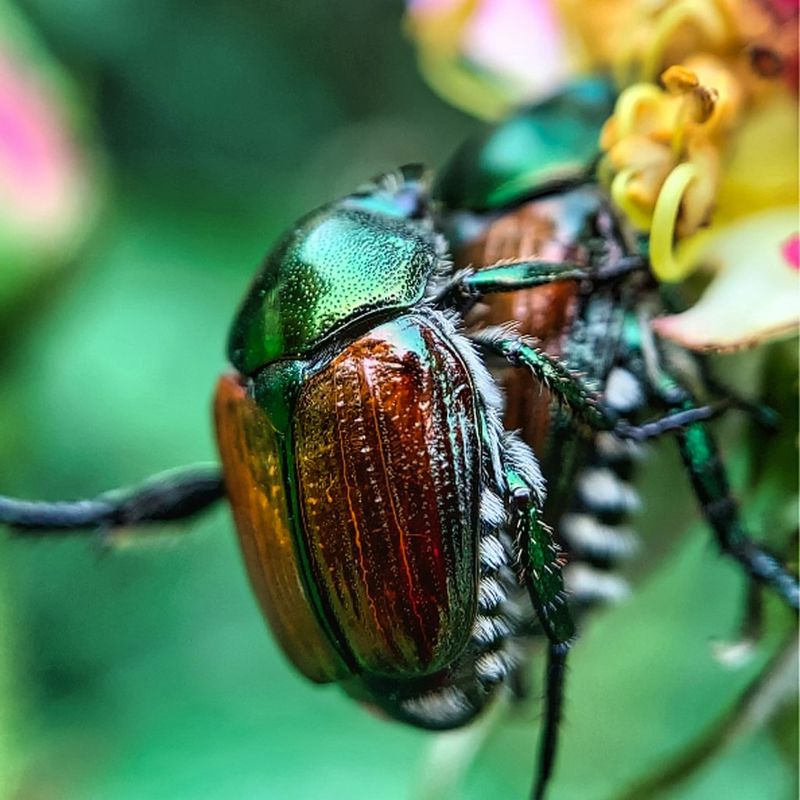
Walk through almost any Pennsylvania garden in midsummer and you are likely to spot Japanese beetles doing serious damage.
These beetles have shiny green heads and copper-brown wing covers, and they tend to feed in groups, which makes their destruction even faster and more noticeable.
Japanese beetles skeletonize leaves by eating the soft tissue between the veins, leaving behind a lacy, brown mess. They attack over 300 plant species, including roses, beans, grapes, corn, and many ornamental shrubs.
Once they show up in a Pennsylvania garden, they can spread quickly from plant to plant throughout the season.
The best approach to managing Japanese beetles combines several methods. Hand-picking beetles off plants in the early morning is effective because they are slower when temperatures are cool.
Drop them into a bucket of soapy water to stop them from returning. Neem oil and pyrethrin sprays can also help reduce feeding damage on heavily affected plants.
Avoid using Japanese beetle traps near your garden. Research has shown that traps attract more beetles to the area than they actually capture, which can make your problem worse.
Instead, focus on treating the lawn with beneficial nematodes to target grub populations in the soil. Reducing grubs means fewer adult beetles the following season.
Staying consistent with control efforts across your Pennsylvania garden is the key to managing this persistent pest effectively.
6. Squash Bugs
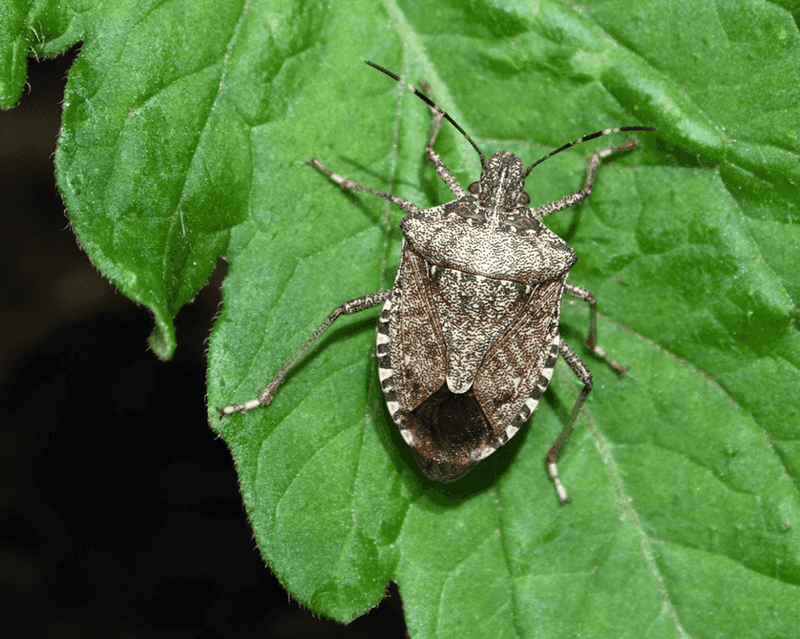
Squash bugs are a frustrating reality for anyone growing squash, pumpkins, or zucchini in Pennsylvania. These flat, brownish-gray insects hide under leaves and along the base of plants, making them tricky to spot until the damage is already well underway.
Squash bugs feed by piercing plant tissue and sucking out the sap. Over time, this causes leaves to wilt, turn yellow, and eventually collapse.
Young plants are especially vulnerable. A heavy squash bug infestation can take down an entire plant in just a few weeks if left unchecked, which is deeply discouraging after all the work of planting and tending a garden.
Checking the undersides of squash leaves regularly is one of the most effective ways to catch squash bugs early. Look for small, bronze-colored egg clusters and remove them by hand.
Crushing the eggs before they hatch prevents the next generation from taking hold. Adult bugs can also be removed by hand or knocked into soapy water.
Row covers placed over young squash plants can provide protection during the early part of the growing season. Remove them once flowers appear so pollinators can access the blooms.
Cleaning up garden debris at the end of the season is also important. Squash bugs overwinter in dry plant material, so clearing it away reduces the number that survive to cause problems in your Pennsylvania garden the following year.
7. Aphids
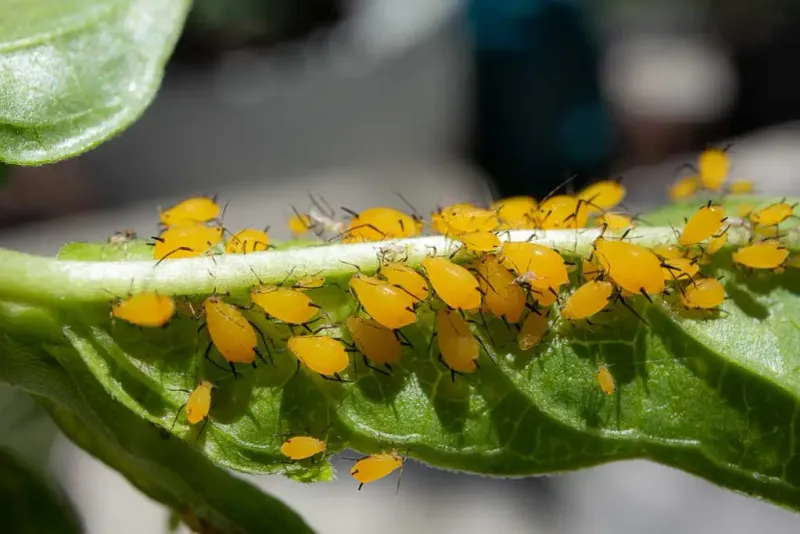
Tiny but troublesome, aphids are one of the most common pest problems in Pennsylvania gardens. These soft-bodied insects come in many colors, including green, yellow, black, and red.
They cluster on new growth, stems, and the undersides of leaves, where they feed by sucking plant sap continuously.
Over time, aphid feeding weakens plants, stunts new growth, and causes leaves to curl and distort. Aphids also produce a sticky substance called honeydew, which coats leaves and encourages the growth of black sooty mold.
To make things worse, aphids can spread plant viruses as they move from one plant to another throughout your garden.
The good news is that aphids have many natural predators, including ladybugs, hoverfly larvae, and parasitic wasps.
Encouraging these beneficial insects in your Pennsylvania garden is one of the best long-term strategies for keeping aphid numbers under control without reaching for chemical sprays.
For immediate relief, a strong spray of water from a garden hose can knock aphids off plants and significantly reduce their numbers in minutes. Insecticidal soap is another low-impact option that works well against soft-bodied pests like aphids without harming most beneficial insects.
Checking your plants regularly, especially during warm spring and summer months, allows you to catch aphid problems early before populations explode and cause widespread damage across your Pennsylvania garden beds.
8. Colorado Potato Beetles
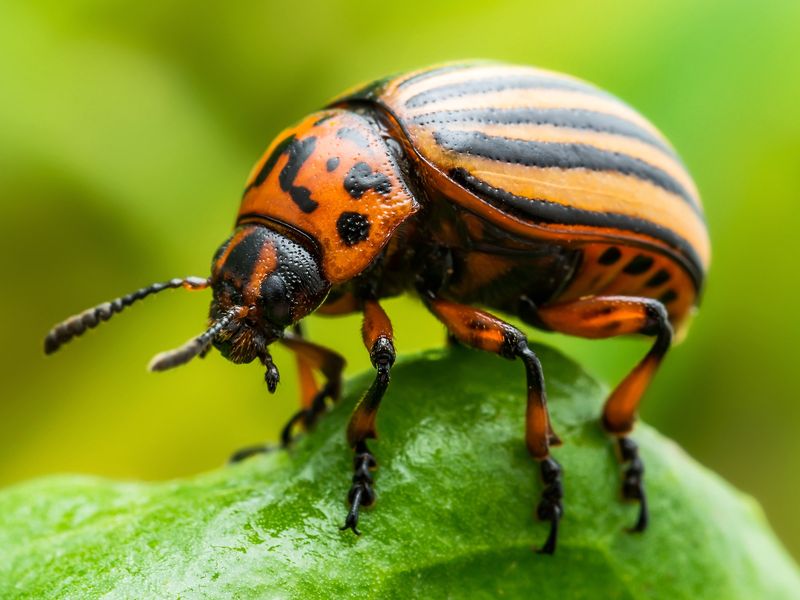
Potato growers across Pennsylvania know the Colorado potato beetle all too well. With its bold yellow and black striped body, this beetle is hard to miss.
Unfortunately, it is just as hard to manage once it settles into your vegetable garden and starts reproducing.
Colorado potato beetles attack potatoes, tomatoes, eggplants, and peppers. Both the adult beetles and their bright orange larvae feed on plant foliage.
They can strip a plant of its leaves with alarming speed. A heavily infested plant loses its ability to produce energy through photosynthesis, which leads to poor yields or complete crop failure.
One reason this pest is so challenging is that it develops resistance to pesticides quickly. Over the years, Colorado potato beetles in many parts of Pennsylvania have become resistant to several common chemical treatments.
This makes non-chemical strategies even more important for long-term management success.
Rotating crops each season is one of the most effective tools against Colorado potato beetles. Moving your potato or tomato plants to a different part of the garden each year disrupts the beetle’s life cycle.
Hand-picking adults, larvae, and egg masses off plants works well for smaller gardens. Straw mulch can also deter adult beetles from reaching plants.
Beneficial insects like parasitic wasps and spined soldier bugs prey on Colorado potato beetle larvae, so protecting those allies in your Pennsylvania garden gives you a natural, lasting advantage.