Plant These 11 Perennials In California This April For Summer Color
April is one of those golden planting windows in California that can make summer color feel almost effortless.
The soil is warming, the days are getting longer, and garden centers suddenly become very hard to resist.
It is also the moment when smart planting pays off in a big way. Get the right perennials in now, and by summer your beds, borders, and containers can look full, bright, and beautifully settled instead of rushed and patchy.
That head start matters more than many gardeners realize. Perennials planted in April have time to root in before intense heat, dry spells, and blazing afternoon sun start putting real pressure on the garden.
Instead of scrambling later with tired plants and fading spring color, you can set up a yard that keeps going strong into the hottest part of the season.
For California gardeners craving bold blooms and a longer-lasting show, this is the kind of timing that makes the whole garden look smarter.
1. California Fuchsia
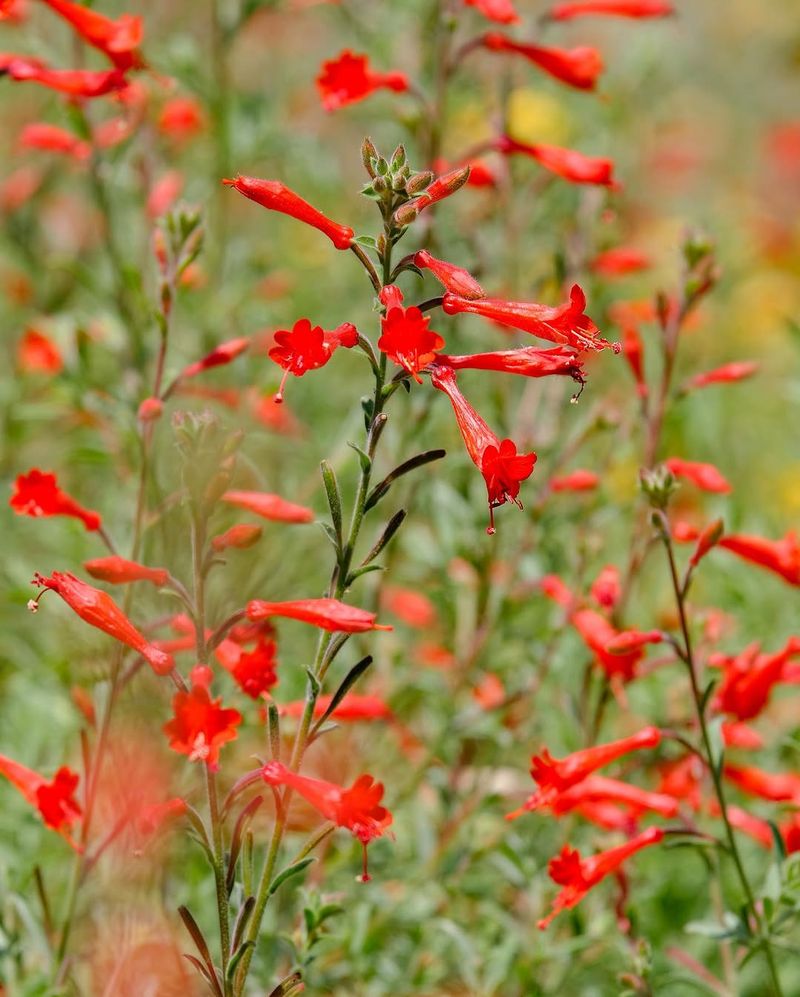
Few plants put on a show like California Fuchsia does in the heat of summer. With its brilliant red-orange tubular flowers, this native perennial is practically made for California gardens.
Hummingbirds absolutely love it, so planting it near a window or patio is a smart move.
April is the perfect time to get it in the ground across California. The roots will establish during the cooler spring weeks, making the plant much stronger by July and August.
It handles dry summers well and actually prefers soil that is not too rich.
Water it regularly at first, then ease off once it looks settled and healthy. Full sun brings out the best blooms, though it can handle a little afternoon shade in hotter inland areas.
Trim it back in late winter each year to keep it bushy and full.
This plant spreads slowly over time, filling in garden edges nicely. It works great along slopes and dry hillsides too, which is a bonus for many California homeowners dealing with erosion.
Once established, it is one of the lowest-maintenance perennials you can grow.
2. Yarrow
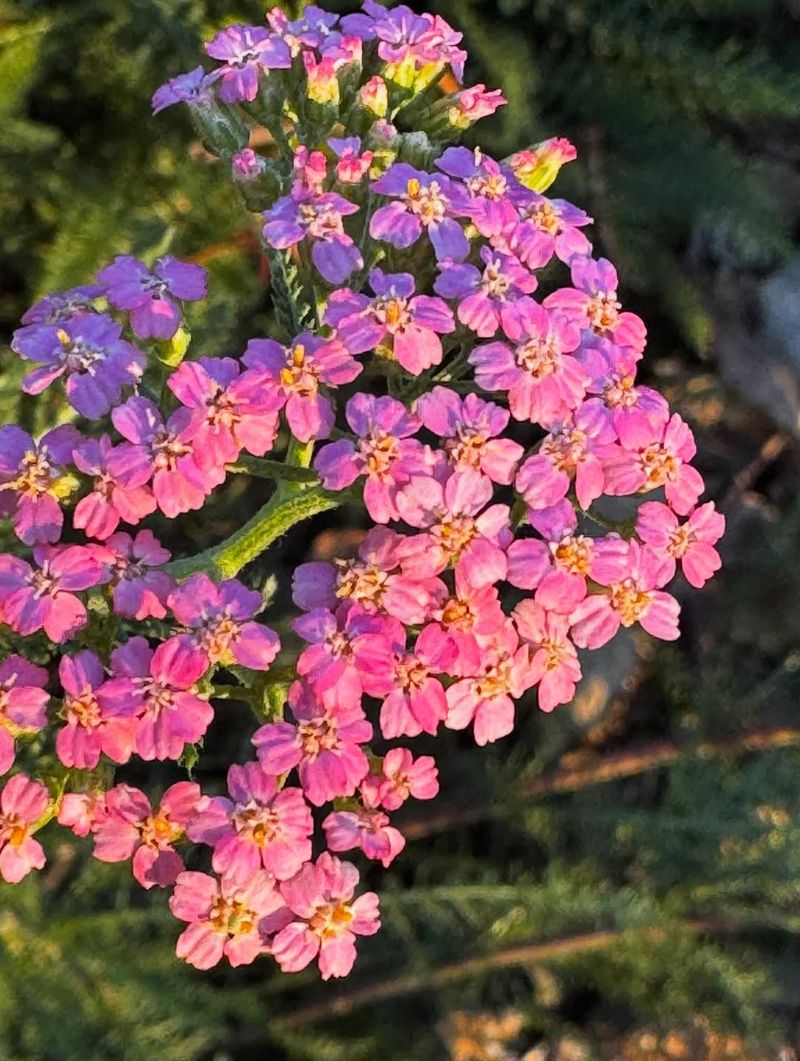
Yarrow has been growing wild across California for centuries, and for good reason. It is tough, colorful, and incredibly easy to care for.
Plant it in April and you will have cheerful flat-topped flower clusters in yellow, white, pink, or red by early summer.
One of the best things about yarrow is how little water it needs once it is established. This makes it a fantastic choice for gardeners in drier parts of California, like the Inland Empire or the Sacramento Valley.
It thrives in full sun and well-drained soil.
Yarrow attracts a huge number of pollinators, including bees and butterflies. If you want a garden that buzzes with life all summer, this plant delivers.
The flowers also hold their color well when dried, so you can bring them indoors for arrangements.
Plant yarrow in groups of three or more for the most visual impact. Space them about 18 inches apart so they have room to spread.
Your California Garden Changes Every Week. Your Plan Should Too.
Gardening in California changes quickly throughout the season. Every Friday you’ll receive a simple weekly plan showing exactly what to plant, prune, fertilize, harvest, and protect so you never miss the right timing.
Deadheading spent blooms will keep new flowers coming throughout the season. It is a plant that rewards even the most casual gardener with very little effort required.
3. Blanket Flower
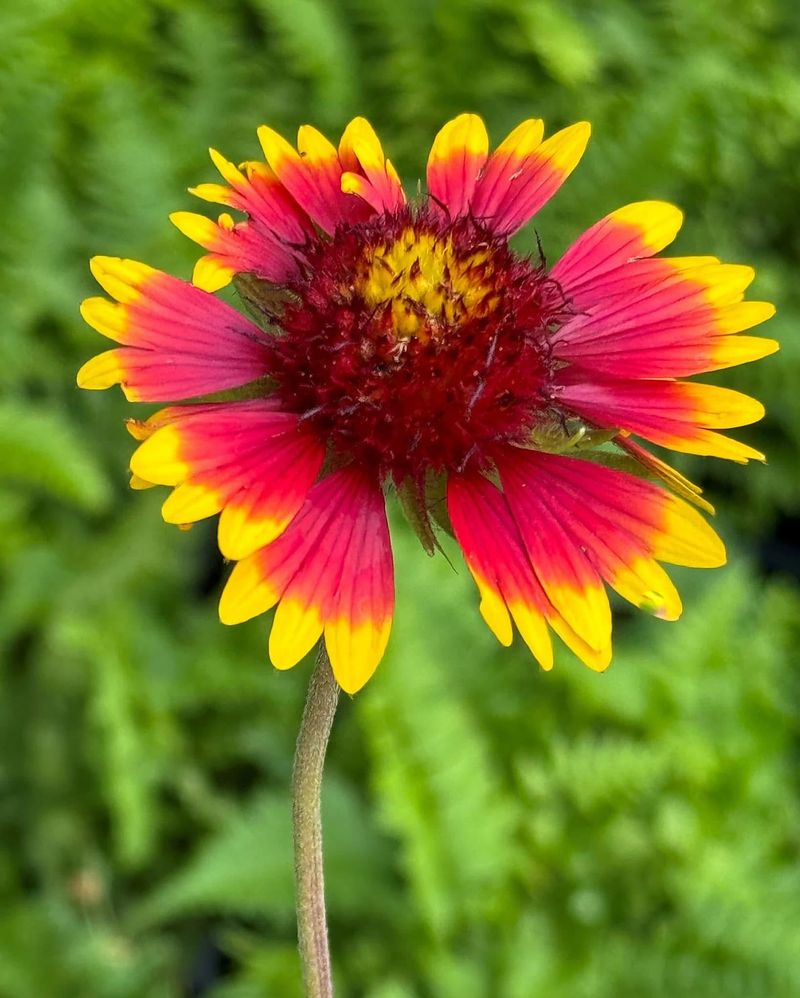
Blanket Flower is one of those plants that looks like it belongs on a summer postcard. The blooms are bold, fiery, and almost impossibly cheerful, with petals in red, orange, and yellow radiating out from a dark center.
Planted in April, it will be blooming strong by June across most of California.
This perennial loves full sun and is very forgiving when it comes to soil quality. It actually does better in slightly poor, sandy, or gravelly soil than in rich garden beds.
Overwatering is the one thing to avoid, especially in areas with heavy clay soil.
Blanket Flower is a long bloomer, often going strong from early summer all the way through fall. Regular deadheading keeps the flower show going and prevents the plant from getting too leggy.
Cutting back by about one-third in midsummer can also encourage a fresh round of blooms.
It is a great choice for borders, containers, and sunny hillside plantings throughout California. Butterflies and bees are drawn to it constantly.
The plant self-seeds lightly, so you may find new plants popping up nearby the following spring, which is always a pleasant surprise.
4. Coral Bells
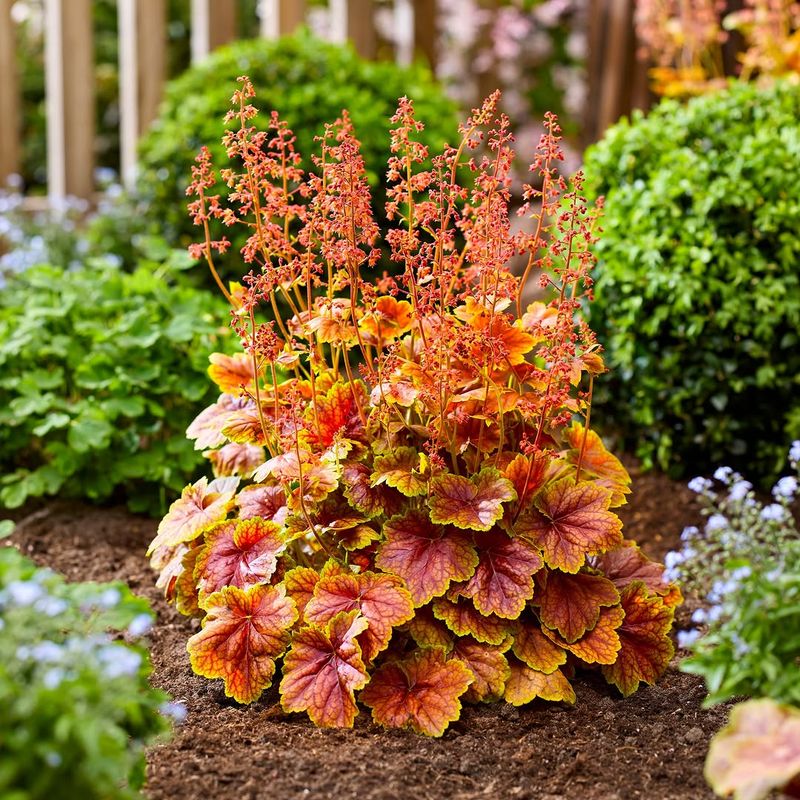
Coral Bells might just be the most underrated perennial for California gardens. Most people think of it only for its flowers, but the foliage is just as stunning.
Leaves come in deep burgundy, bright lime green, caramel orange, and even silvery purple, giving the garden color even when nothing is blooming.
Planting in April gives Coral Bells a head start before the summer heat arrives. It prefers partial shade, especially in hotter parts of California like the Central Valley or the Coachella area.
In coastal regions, it can handle more sun without much trouble.
The small bell-shaped flowers rise on tall, slender stems in late spring and early summer, attracting hummingbirds like a magnet. The blooms last for several weeks and add a delicate texture above the bold foliage below.
After flowering, the plant continues to look great for the rest of the season.
Water Coral Bells consistently during its first growing season, then it becomes fairly drought-tolerant. Good drainage is key, as soggy roots can cause problems.
Pair it with ferns or hostas in shady spots, or use it as a colorful border edging along walkways and garden paths throughout California.
5. Columbine
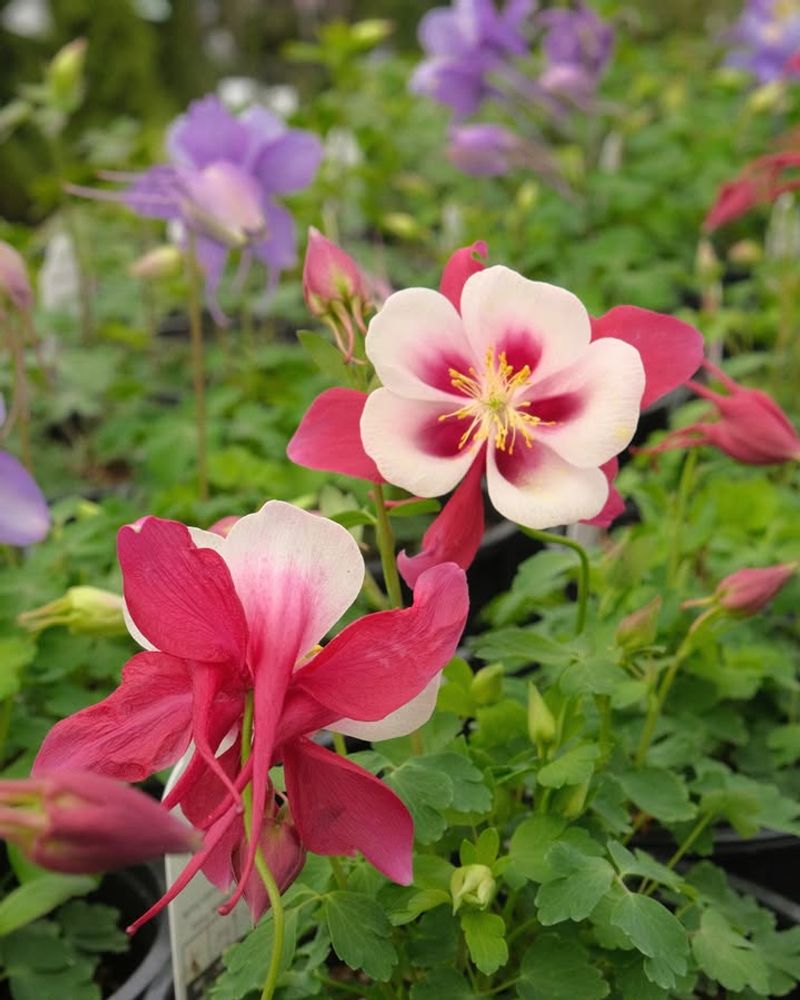
There is something almost magical about Columbine flowers. The blooms have a unique spurred shape that looks like it belongs in a fairy tale garden.
Colors range from deep purple and blue to soft pink, white, yellow, and red, often with two contrasting shades on a single flower.
April planting in California works beautifully for Columbine because the cool soil helps the roots settle in before summer heat arrives. It grows well in partial shade, making it a great option for spots under trees or along north-facing fences.
In cooler coastal areas of California, it can handle more direct sun.
Columbine attracts hummingbirds and long-tongued bees, which are drawn to the nectar-rich spurs. The plant blooms in late spring and early summer, providing a colorful bridge between spring bulbs and summer perennials.
Once it finishes blooming, the seed pods are attractive on their own.
Let a few seed pods dry on the plant at the end of the season. Columbine self-seeds easily and will come back year after year, often in new and unexpected color combinations.
It is a low-maintenance plant that adds real charm to any California garden bed or woodland-style planting area.
6. Penstemon
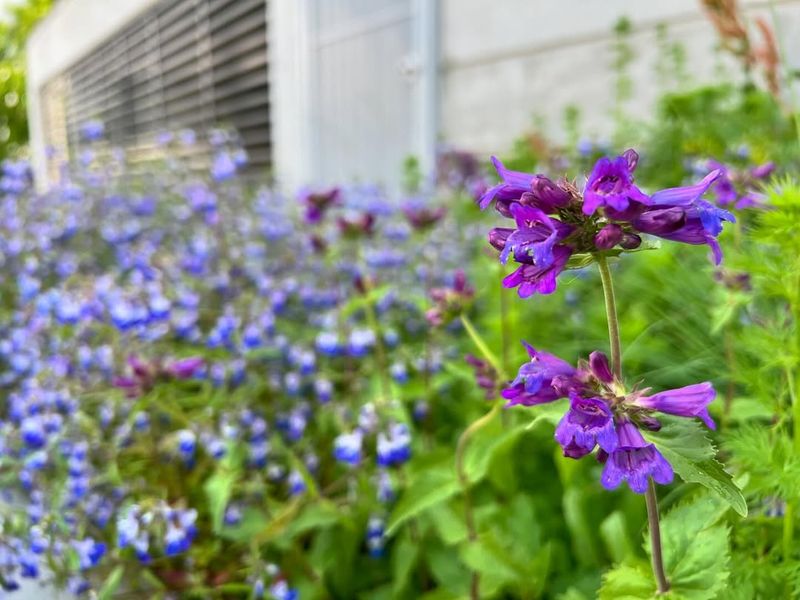
Penstemon is one of California’s true garden heroes. With tall spikes of tubular flowers in red, pink, purple, and white, it brings vertical interest and vivid color to any garden space.
Hummingbirds cannot resist it, and once you see them hovering around the blooms, you will understand why gardeners love this plant so much.
Planting Penstemon in April across California gives it time to establish a solid root system before the dry summer months set in. It is native to the western United States and is built to handle California’s hot, dry summers with very little extra water once established.
Full sun and good drainage are its two main needs.
There are many species to choose from, including Penstemon heterophyllus, which is a California native with stunning blue-purple flowers. All varieties perform well in garden beds, along pathways, and on slopes where other plants might struggle.
The blooms typically appear from late spring through midsummer.
Cut the flower stalks back after blooming to encourage a second flush of color. Avoid heavy clay soil and overwatering, which are the most common issues with this plant.
With the right conditions, Penstemon can be one of the most rewarding and long-lived perennials in your California garden.
7. Salvia
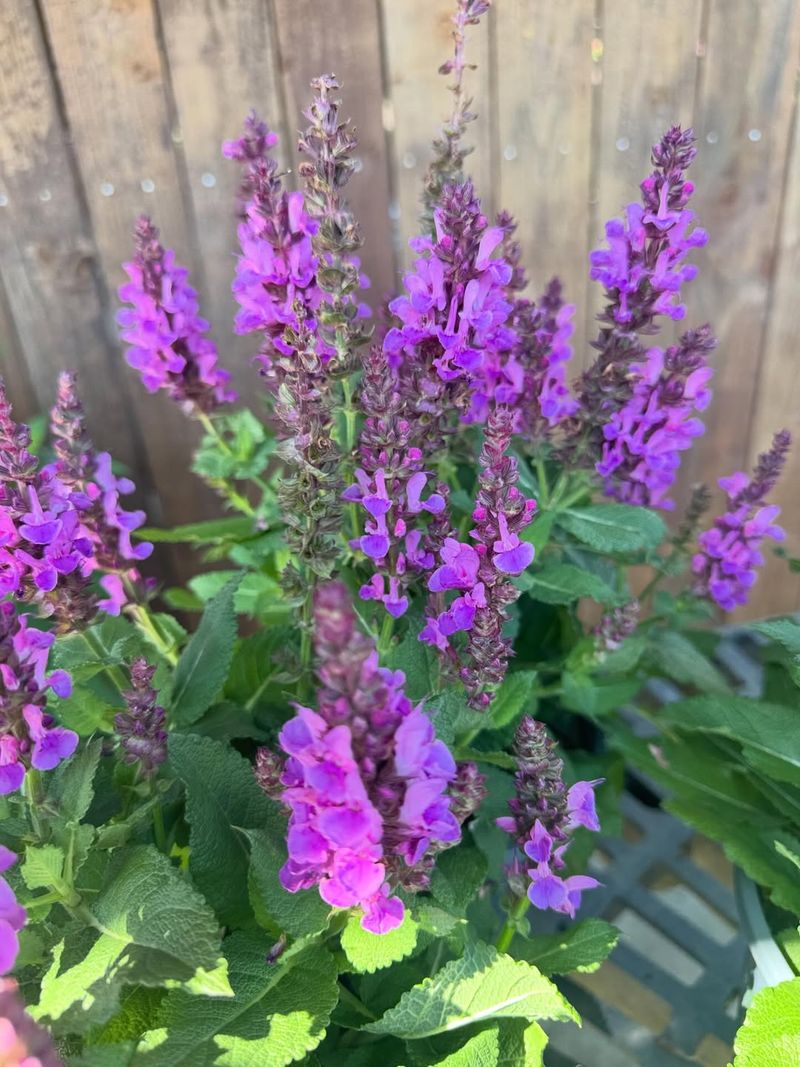
Walk past a blooming Salvia on a warm California afternoon and you will catch a wonderful herbal scent in the air. This perennial is beloved for its spiky flower stalks in purple, blue, red, and pink, and it blooms from late spring well into fall with very little fuss.
It is a workhorse plant that earns its space in any garden.
Planting Salvia in April sets it up for a spectacular first summer. It thrives in full sun and well-drained soil, conditions that are easy to find across most of California.
Once established, it handles heat and drought like a champion, making it ideal for water-conscious gardeners in Southern California and the Bay Area alike.
Pollinators go absolutely wild for Salvia. Bees, butterflies, and hummingbirds visit constantly throughout the blooming season.
This makes it a fantastic choice if you want to support local wildlife while also creating a beautiful garden display.
Cut the flower stalks back by about half after the first big bloom wave. This simple step encourages the plant to push out fresh growth and another round of flowers within a few weeks.
Salvia is also deer-resistant, which is a big plus for gardeners in foothill and rural areas of California.
8. Coyote Mint
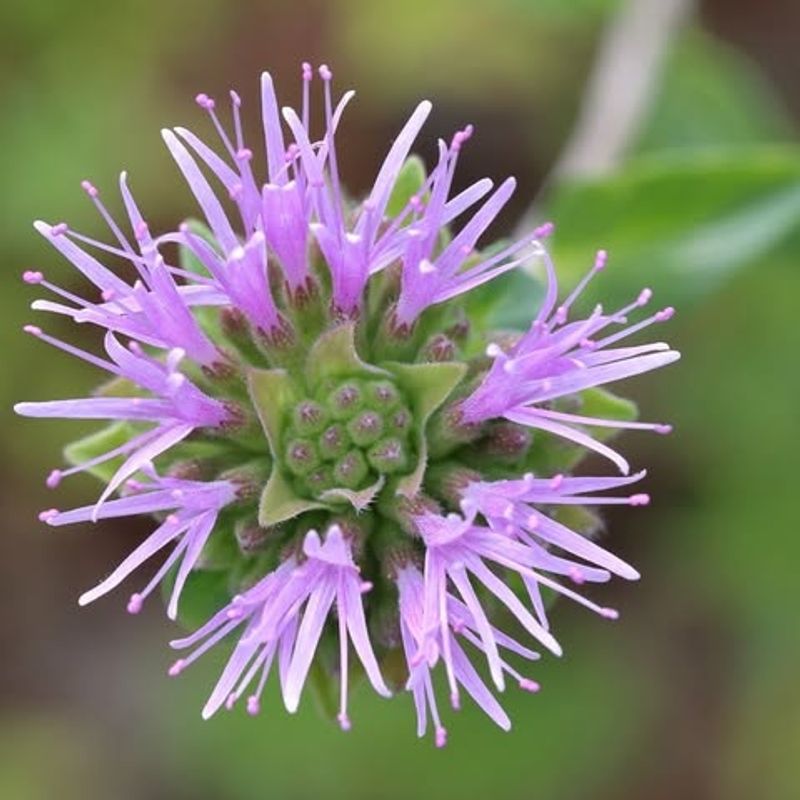
If you have ever hiked through a California chaparral and caught a sharp, refreshing minty scent in the breeze, you have probably walked past Coyote Mint. This tough little native perennial is perfectly adapted to California’s dry summers and rocky soils.
It brings a soft lavender-purple color to the garden that is both subtle and striking at the same time.
April is a great month to get Coyote Mint into the ground throughout California. It establishes quickly in spring and is ready to bloom by early summer.
Full sun and excellent drainage are essential, as this plant does not like wet feet at all.
The rounded flower clusters attract an impressive variety of native bees, butterflies, and other beneficial insects. Planting it in a wildlife-friendly garden or a California native plant garden makes a lot of sense.
It also works well tucked between rocks in a dry garden or along the edges of a gravel pathway.
Water it occasionally during the first season to help it get established, then pull back significantly once it is growing well. Coyote Mint is one of those plants that actually looks better and blooms more when left a little on the dry side.
It is a genuine low-water hero for California gardeners.
9. Pacific Aster
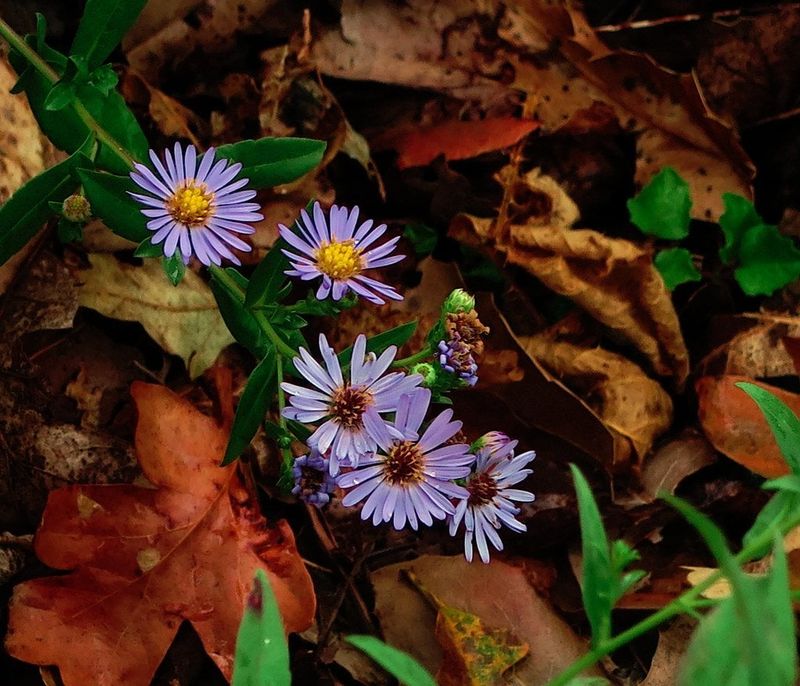
Late summer can feel like a quiet time in the garden when many spring and early summer bloomers have faded. Pacific Aster steps in to fill that gap beautifully.
This California native perennial produces clouds of small daisy-like flowers in lavender-blue and white, keeping the garden looking alive and colorful well into fall.
Planting Pacific Aster in April gives it a full growing season to build up before its main bloom period. It adapts well to a wide range of conditions found across California, from coastal gardens in the Bay Area to inland valley landscapes.
It prefers full sun to partial shade and moderate moisture.
Bees and butterflies are especially active on Pacific Aster during late summer, when other nectar sources are starting to wind down. Having this plant in your garden during that time makes it a real hub of pollinator activity.
It is a meaningful addition to any California wildlife garden.
Pinch back the growing tips once or twice in spring to encourage bushier growth and more flowers. Without pinching, the plant can get a little leggy by midsummer.
Pacific Aster looks wonderful planted in drifts or mixed with ornamental grasses, adding movement and texture to the late-season California garden.
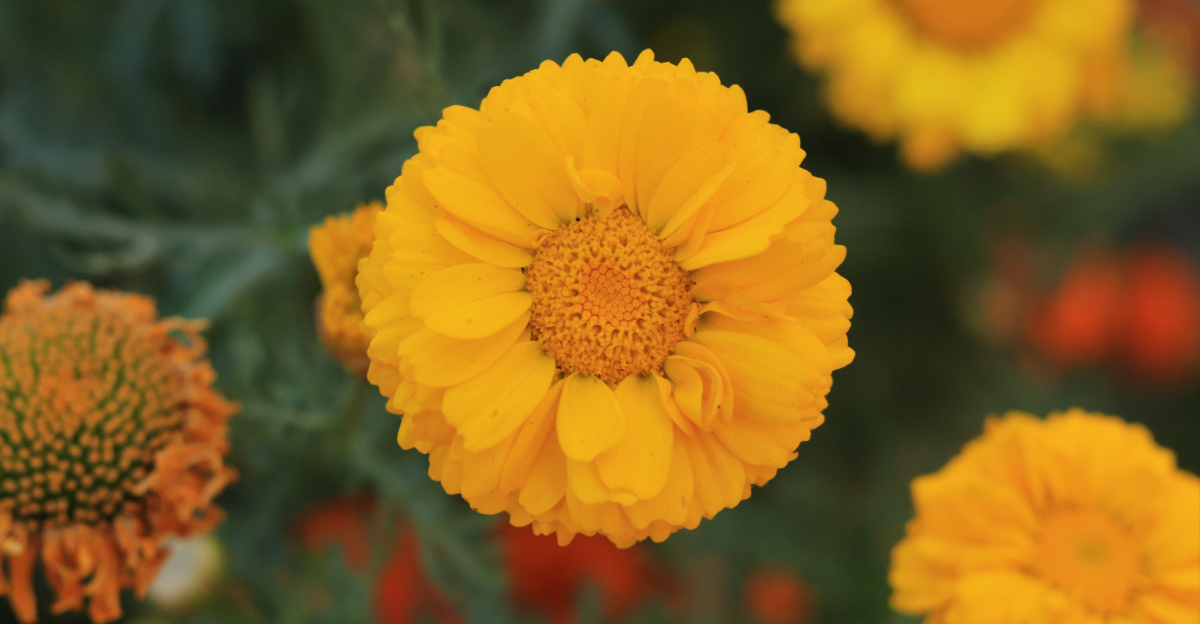
10. Desert Marigold
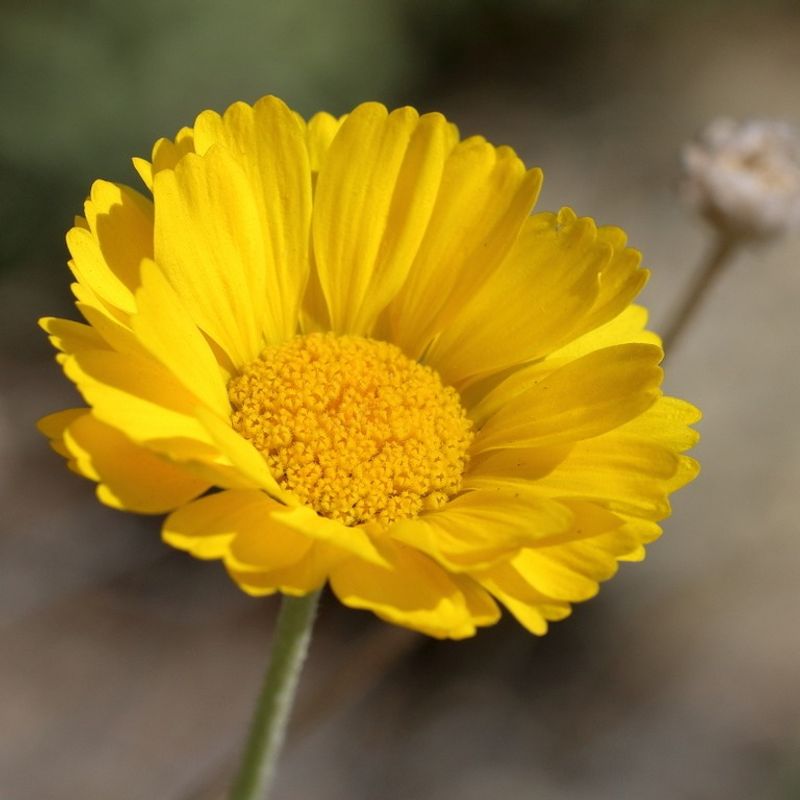
Bright yellow flowers against a backdrop of silver-gray foliage make Desert Marigold one of the most eye-catching perennials for dry California gardens. Native to the Mojave and Sonoran Desert regions, it is perfectly suited for low-water landscapes in Southern California and other warm, arid parts of the state.
April planting gives Desert Marigold enough time to root in before the real desert heat arrives. It loves full sun and thrives in sandy or gravelly, well-drained soil.
Rich, heavy soil is not its friend, so skip the compost amendments for this one and let it grow lean.
The cheerful blooms appear from spring through fall, with the heaviest flowering happening in early summer. Each flower head sits on a long stem above the woolly gray-green foliage, catching the breeze and adding movement to the garden.
The silvery leaves look attractive even when the plant is not in bloom.
Desert Marigold is a natural fit for rock gardens, xeriscapes, and dry borders throughout California. It needs almost no supplemental watering once established and is rarely bothered by pests.
If you are looking for a bold splash of yellow that practically takes care of itself all summer, this is your plant.
11. Desert Mallow
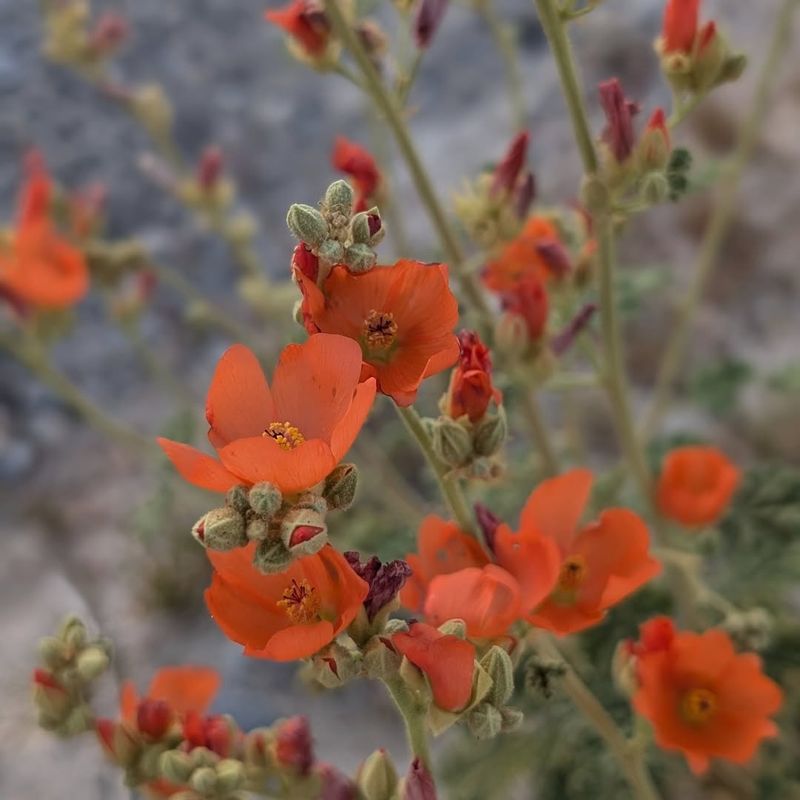
Orange is not a color you see in the garden every day, which is exactly what makes Desert Mallow so exciting. The blooms are a warm, glowing orange, shaped like small cups, and they cover the plant in generous clusters from spring through summer.
In parts of Southern California, it can bloom for months at a stretch.
Planting Desert Mallow in April works well across California’s warmer regions. It is native to dry, open areas of the American Southwest and is built for heat, drought, and poor soils.
Give it a spot in full sun with fast-draining soil, and it will reward you generously.
This plant is remarkably tough and needs very little attention once it is settled in. Occasional deep watering during the first summer is helpful, but after that, it mostly takes care of itself.
It is a great choice for water-wise gardens, hellstrip plantings, and any spot in California that gets baking afternoon sun.
Bees and butterflies visit the flowers regularly throughout the blooming season. The gray-green foliage has a slightly fuzzy texture that looks attractive year-round.
Cutting the plant back by about one-third in late fall or early spring keeps it from getting too woody and encourages fresh, vigorous growth the following season.