5 Best Low-Growing Plants For Ohio Front Borders That Stay Tidy And 3 That Can Get Messy
Nothing ruins a neat front border faster than a plant that looks well-behaved in May and starts acting like it owns the place by July. Ohio gardeners know how this story goes.
A tidy edge can turn shaggy, floppy, or downright chaotic before summer really hits its stride. That is exactly why plant choice matters so much in that front row.
The best low-growing plants hold their shape, keep the border looking polished, and do not ask for constant trimming just to stay in line. A few others may start out cute, then sprawl, self-seed, or puff up into a scruffy mess that throws off the whole look.
That contrast can make or break curb appeal. A smart planting mix keeps the front of the bed looking crisp, welcoming, and easy to manage through Ohio’s ups and downs, while the wrong one can open a real can of worms before the season is over.
1. Creeping Phlox Steals The Show

Few plants put on a spring performance quite like creeping phlox. When it blooms in mid to late April through May in Ohio, the effect is almost electric, with waves of pink, purple, white, or lavender flowers covering a dense evergreen mat just four to six inches tall.
Planted along a sunny front border, it creates a clean, colorful edge that looks intentional and polished right from the start.
Phlox subulata thrives in full sun and well-drained soil, making it well-suited to the kind of sloped or raised front borders common in Ohio residential landscapes. It handles clay soil poorly, so amending with compost or planting in a raised edge helps it perform better over time.
The foliage stays evergreen through winter, which means the border never looks completely bare.
After bloom, a light trim with hand shears keeps the mat compact and prevents it from getting woody or sprawling too loosely. Ohio State University Extension notes that creeping phlox is a reliable, low-maintenance perennial for sunny spots.
It does not spread aggressively, so it stays largely where you put it, making it one of the most trustworthy edging plants available to Ohio home gardeners.
2. Crested Iris Brings A Clean Finish
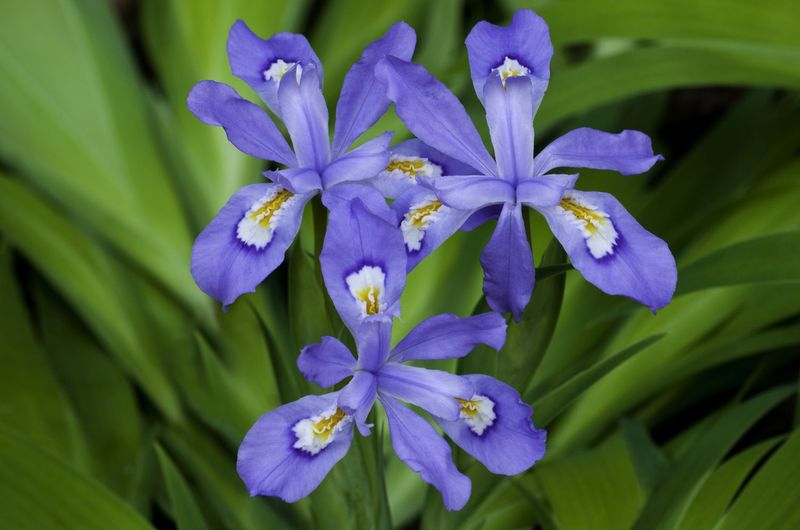
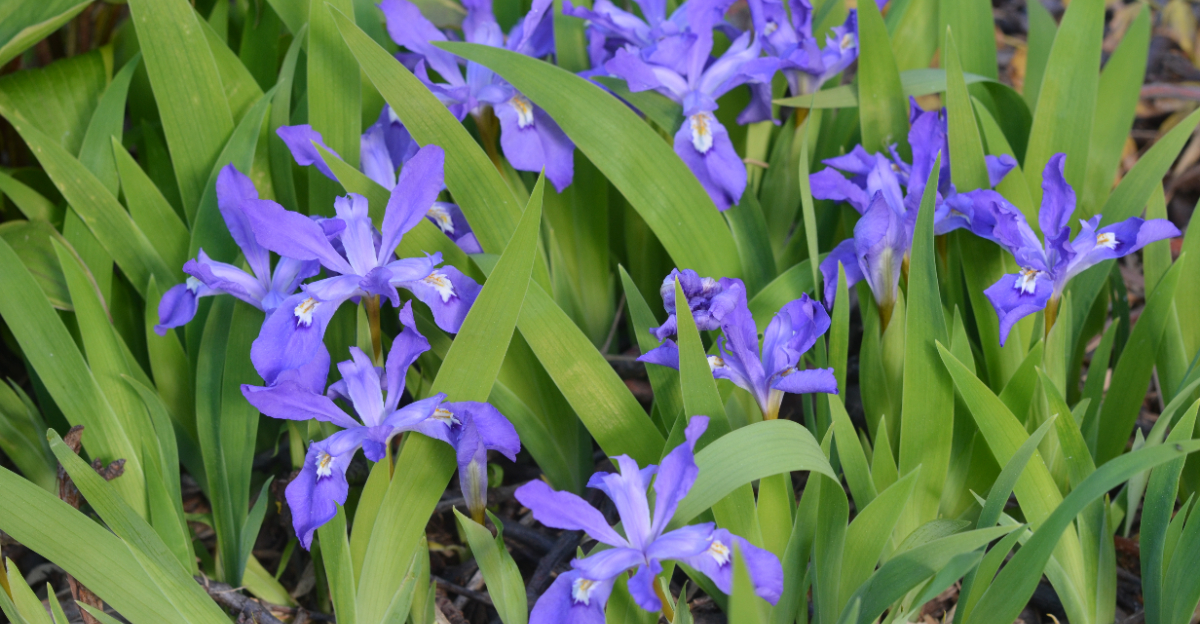
There is something quietly elegant about crested iris growing along the front of a shaded Ohio border. Iris cristata, native to Ohio and much of the eastern United States, stays low at just four to nine inches tall and forms tidy clumps or slowly spreading mats that never look out of control.
Its small, orchid-like blooms appear in April and May in shades of pale blue, violet, or white, often with a cheerful yellow or orange crest at the center of each petal.
This plant performs best in partial to full shade with moist, well-drained soil rich in organic matter. It suits the kind of dappled light found under deciduous trees, which are common in Ohio front yards.
Because it is native, it supports local pollinators and fits naturally into the landscape without looking forced or overly ornamental.
Your Ohio Garden Changes Every Week. Your Plan Should Too.
Gardening in Ohio changes quickly throughout the season. Every Friday you’ll receive a simple weekly plan showing exactly what to plant, prune, fertilize, harvest, and protect so you never miss the right timing.
After flowering, the foliage stays low and neat through the growing season before going dormant in winter. Dividing clumps every few years keeps plants vigorous and prevents them from thinning in the center.
For gardeners who want a front border that looks cared for without constant maintenance, crested iris delivers reliable, low-fuss beauty grounded in Ohio’s own native plant heritage.
3. Wild Ginger Makes Shade Feel Tidy
Shady front borders can be tricky. Without the right plant, they end up looking bare, weedy, or just forgotten.
Wild ginger, Asarum canadense, solves that problem with style.
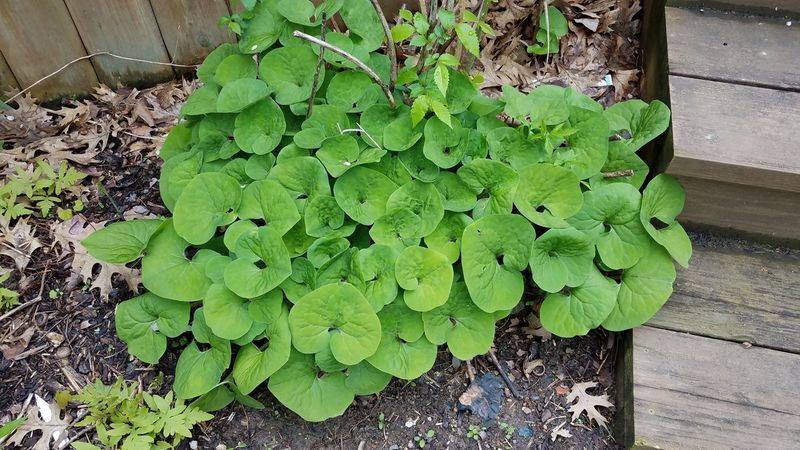
Its large, heart-shaped leaves form a dense, low carpet that stays six to twelve inches tall and fills in shade beautifully, giving the front edge of a border a finished, intentional appearance even without any flowers on display.
Native to Ohio, wild ginger is well documented by Ohio State University Extension as a useful native groundcover for shaded landscapes. It prefers moist, humus-rich soil and spreads slowly by rhizomes, gradually filling a space without becoming aggressive.
The foliage is deciduous, so it disappears in winter, but it returns reliably each spring and leafs out quickly to cover bare soil before weeds get a foothold.
The hidden flowers are small and reddish-brown, appearing at soil level in spring and rarely noticed unless you look closely. That is fine, because the real value here is the foliage.
For a shaded Ohio front border that needs to look polished without demanding constant attention, wild ginger is a dependable native choice that makes the edge look cared for and connected to the broader landscape around it.
4. Wild Strawberry Softens The Edge
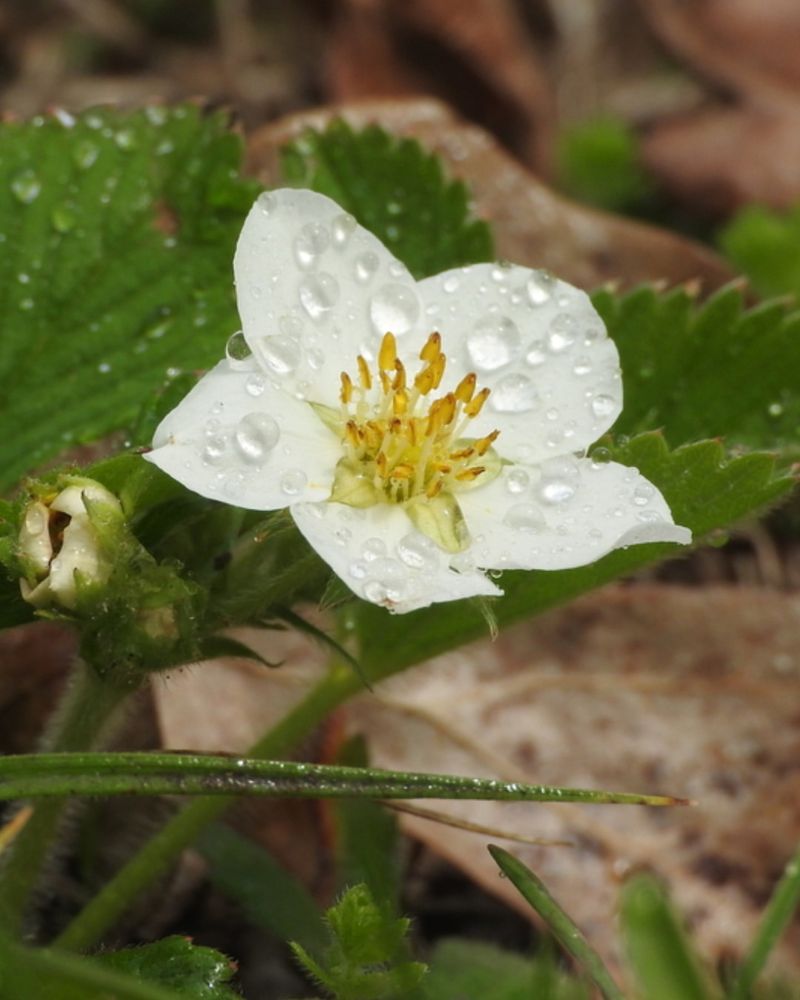
Not every front border needs to look clipped and formal. Sometimes the best look is natural and relaxed, and wild strawberry, Fragaria virginiana, does that job with real charm.
Growing just three to six inches tall, it spreads by runners to form a low, soft mat along the edge of a border. Small white flowers appear in spring, followed by tiny red fruits that birds and other wildlife enjoy through early summer.
Wild strawberry is native to Ohio and grows well in full sun to partial shade with average to slightly dry soils. It handles the variable conditions found in many Ohio front yards reasonably well, including brief dry spells once established.
The trifoliate leaves stay attractive through most of the growing season and take on reddish tones in fall, adding a bit of seasonal interest before winter.
The spreading habit via stolons means wild strawberry can gradually move beyond its intended spot, so it works best in borders where a slightly loose, naturalistic edge is acceptable rather than a sharply defined formal line.
For gardeners who want the front of their border to feel welcoming and alive rather than rigidly manicured, wild strawberry offers a practical, native-friendly option that earns its place with quiet, consistent appeal through multiple seasons.
5. Foamflower Lights Up Shade
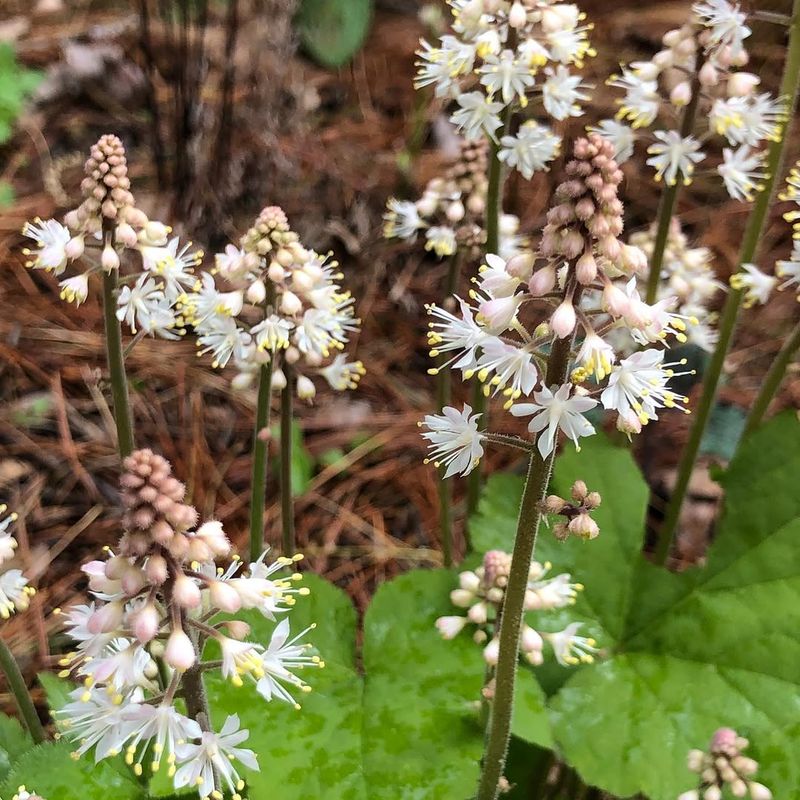
Walk past a shaded Ohio border in late April or May and foamflower, Tiarella cordifolia, will stop you in your tracks.
Its soft, feathery white or pale pink flower spikes rise six to twelve inches above attractive, lobed foliage and create a light, airy effect that brightens even the darkest corner of a front bed.
The blooms are delicate without being fussy, and the overall look is tidy enough for a front-facing planting.
Native to eastern North America including Ohio, foamflower grows best in part shade to full shade with moist, well-drained, organically rich soil. It spreads slowly by stolons or forms compact clumps depending on the variety, and either way it stays low and orderly at the front of a border without requiring much intervention.
Ohio State University Extension recognizes it as a suitable native perennial for shaded landscapes.
After flowering, the foliage remains attractive through the growing season. Many selections offer interesting leaf markings or burgundy veining that adds visual texture even when the plant is not in bloom.
For a shaded Ohio front border that needs to feel finished and softened rather than stark or weedy, foamflower delivers genuine ornamental value with a light touch that never tips into looking wild or unmanaged.
6. Creeping Speedwell Can Get Pushy
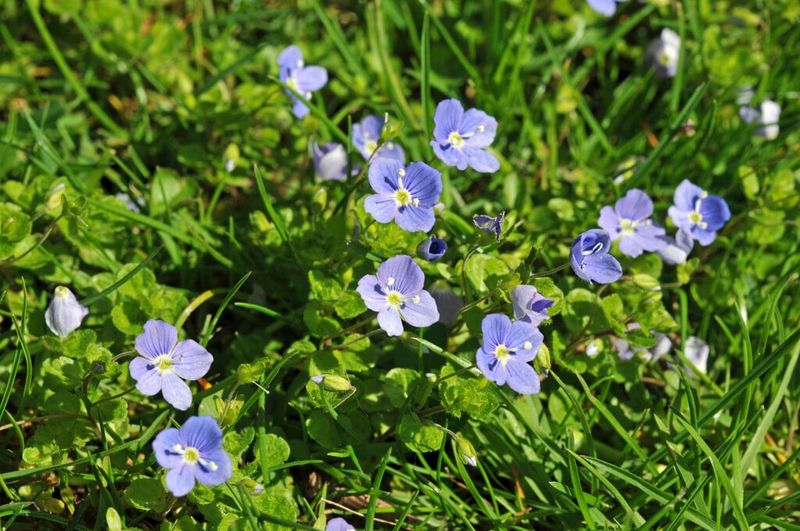
Creeping speedwell looks innocent enough at first glance. Veronica filiformis produces tiny blue flowers on a low, spreading mat that can seem like the perfect front border filler.
The problem shows up a few seasons in, when it starts moving well beyond the spot where you planted it, threading through turf, sneaking into adjacent beds, and generally making the front edge of a border look less controlled than you intended.
In Ohio, the plant spreads primarily by stem fragments rather than seed, which means even a small piece left behind during weeding can regrow and restart the process. Once it gets into a lawn, it can be genuinely difficult to remove without also disturbing the grass.
For gardeners who want a crisp, clearly defined front border, this behavior makes speedwell a frustrating choice that requires ongoing management to keep in check.
It is worth noting that creeping speedwell is not classified as invasive by Ohio Department of Natural Resources, but its aggressive spreading tendency in moist, cool conditions makes it a poor fit for tidy residential borders.
Gardeners who prefer low-maintenance, well-behaved edging plants will likely find themselves spending more time managing this one than they expected, especially in shadier spots where the soil stays consistently moist through spring and fall.
7. Some Sedums Turn Scruffy Fast
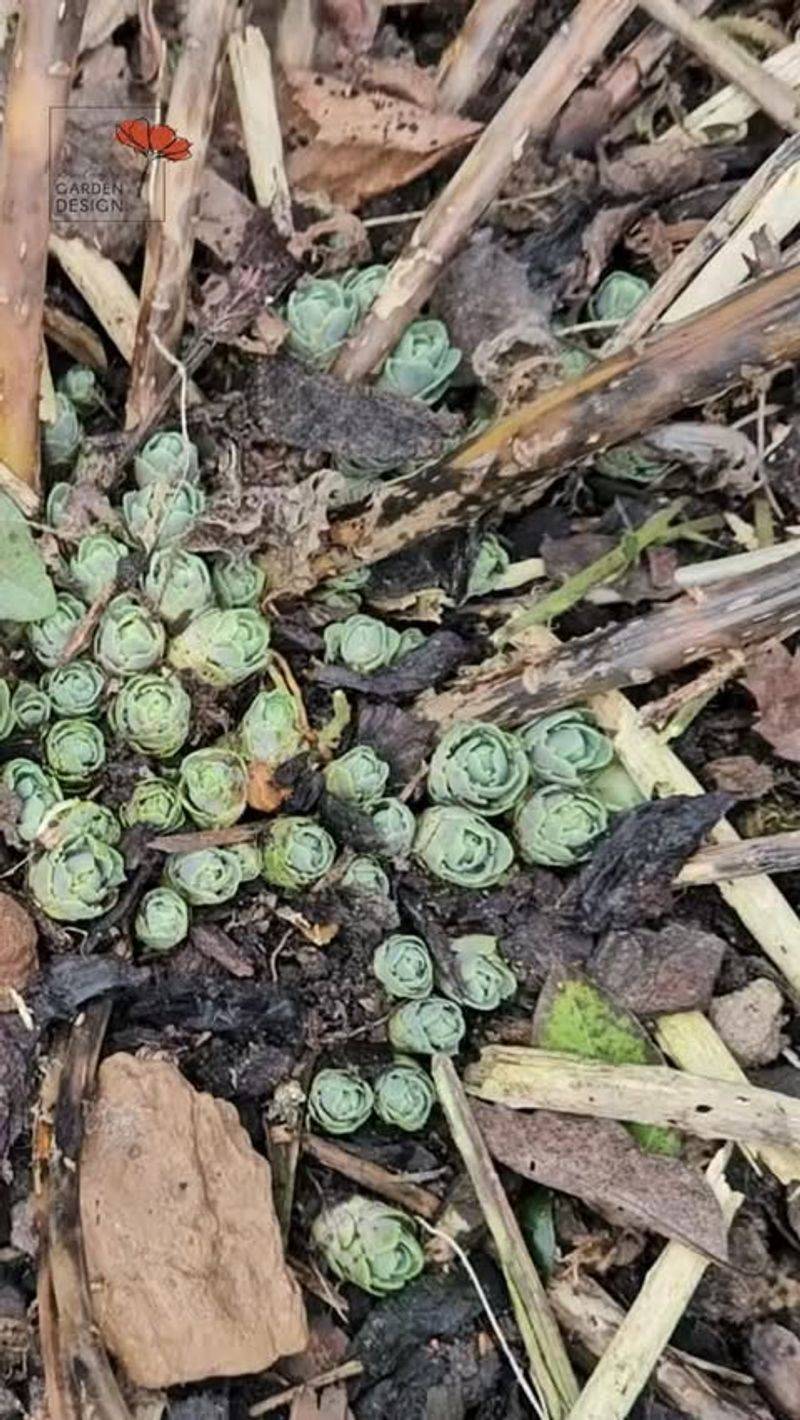
Sedum gets a lot of praise as a low-maintenance border plant, and some varieties genuinely deserve it. But not every creeping sedum stays polished, and that distinction matters a lot when you are planting the front edge of a border that faces the street.
Certain low-growing types, particularly older or more vigorous spreading varieties, can start looking patchy and rough within a couple of seasons, especially in Ohio where hot, humid summers stress shallow-rooted plants in heavy or poorly drained soil.
The problem often shows up as bare patches in the center of a mat where stems have gone dormant, combined with leggy new growth pushing out around the edges. The result is an uneven, slightly unkempt look that undermines the tidy border effect you were going for.
Drought stress, winter heaving, and foot traffic can all make the situation worse, leaving gaps that weeds are quick to fill.
Compact, well-selected varieties like Sedum spurium cultivars can perform better with proper soil drainage and full sun, but the key word is selection. Not all sedums sold at garden centers are equally suited to front border use in Ohio.
Before planting, research the specific variety, check drainage, and be honest about whether the site conditions match what the plant actually needs to stay looking sharp season after season.
8. Bigroot Geranium Can Outgrow Its Spot
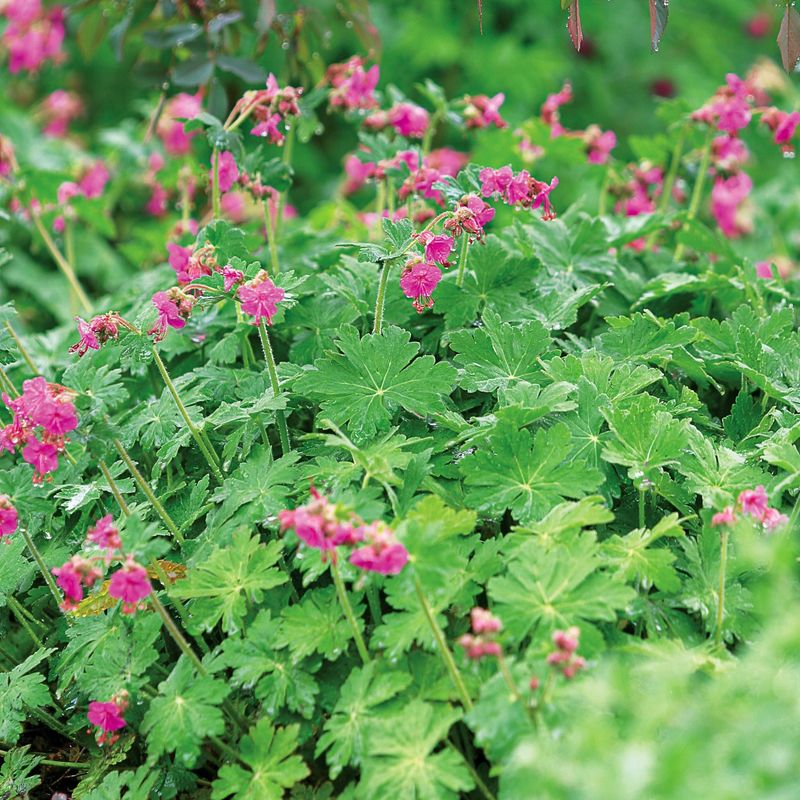
Bigroot geranium, Geranium macrorrhizum, has a lot going for it. It is tough, drought-tolerant once established, produces attractive pink or magenta flowers in late spring, and its large, aromatic foliage takes on warm tones in fall.
In the right setting, it is a genuinely useful plant. The challenge is that it can grow twelve to eighteen inches tall and spread fairly broadly, which makes it a loose fit for the front edge of a border where compact and controlled is the goal.
In Ohio front borders, bigroot geranium tends to look full and lush early in the season but can become sprawling and a bit untidy as summer progresses, especially in partial shade where stems stretch toward the light.
The large leaves and spreading rhizomes can push into neighboring plants or spill over the edge of a bed in a way that looks less like intentional softening and more like the plant simply took over.
For gardeners who want a sharply kept front line, this plant may require more trimming and division than expected to stay in bounds. It works better as a mid-border filler or a slope stabilizer than as a neat front edger.
If a tidy, low profile is the priority, choosing a more compact native alternative will likely save time and keep the border looking the way you planned.