9 Nectar-Rich Plants That Keep California Butterflies Coming From Spring To Fall
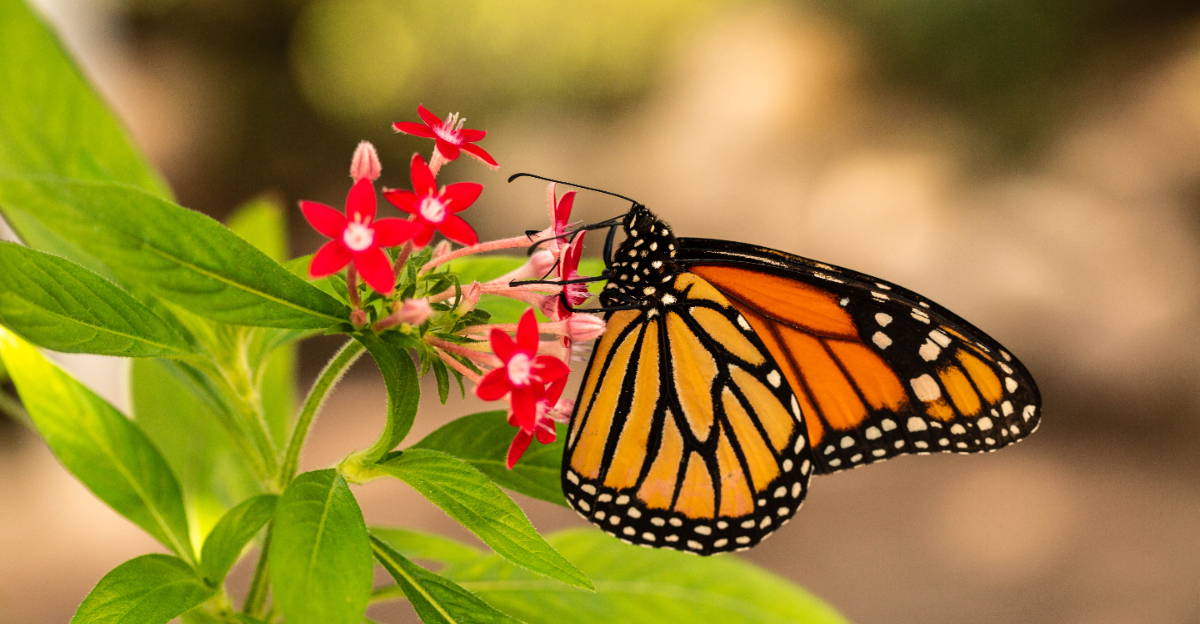
A garden that keeps butterflies coming back for months feels a little magical. One warm spring day brings the first fluttering visitor, then another shows up in summer, and before long the whole space feels more alive, colorful, and full of movement.
That kind of California garden does not happen by accident, though. If you want butterflies hanging around from spring through fall, the plants you choose make all the difference.
Some blooms offer a quick burst of nectar, then fade out fast. Others keep the buffet going much longer and turn an ordinary bed or border into a reliable stop for passing butterflies.
That is why nectar-rich plants are such a smart addition to the yard. They do more than brighten up the garden.
They help create a space that feels busy, cheerful, and constantly in motion. With the right mix in place, your California garden can stay lively long after the first spring flowers are gone.
1. Lantana
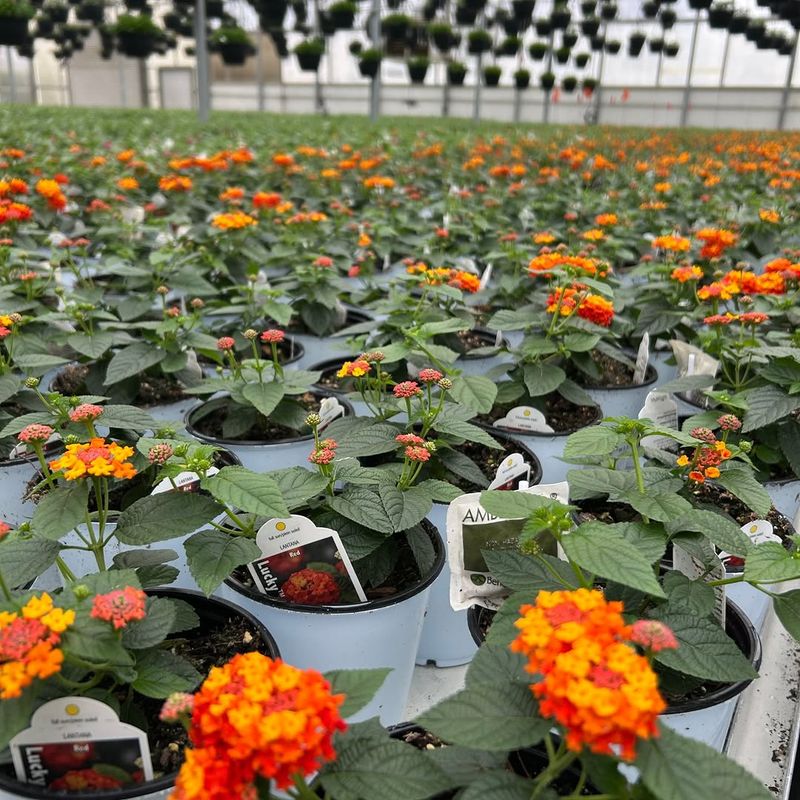
Walk past a lantana in full bloom and you will almost always spot a butterfly nearby. This tough, sun-loving shrub produces dense clusters of tiny flowers in bold shades of orange, yellow, red, and pink, often all on the same plant at the same time.
Butterflies simply cannot resist it.
Lantana blooms from late spring all the way through fall, making it one of the longest-performing plants you can add to your garden. It thrives in full sun and well-drained soil, and once it gets going, it handles heat and dry spells really well.
That makes it a smart pick for gardeners in warm, sunny locations.
Plant lantana in a spot where it gets at least six hours of direct sunlight each day. You can grow it in garden beds, raised planters, or even large containers on a patio.
Deadheading spent blooms encourages more flowers to form. Swallowtails, skippers, and monarchs are just a few of the butterfly species that regularly visit lantana.
If you want one plant that works hard all season long and keeps your garden buzzing with activity, lantana is a fantastic place to start.
2. Zinnia
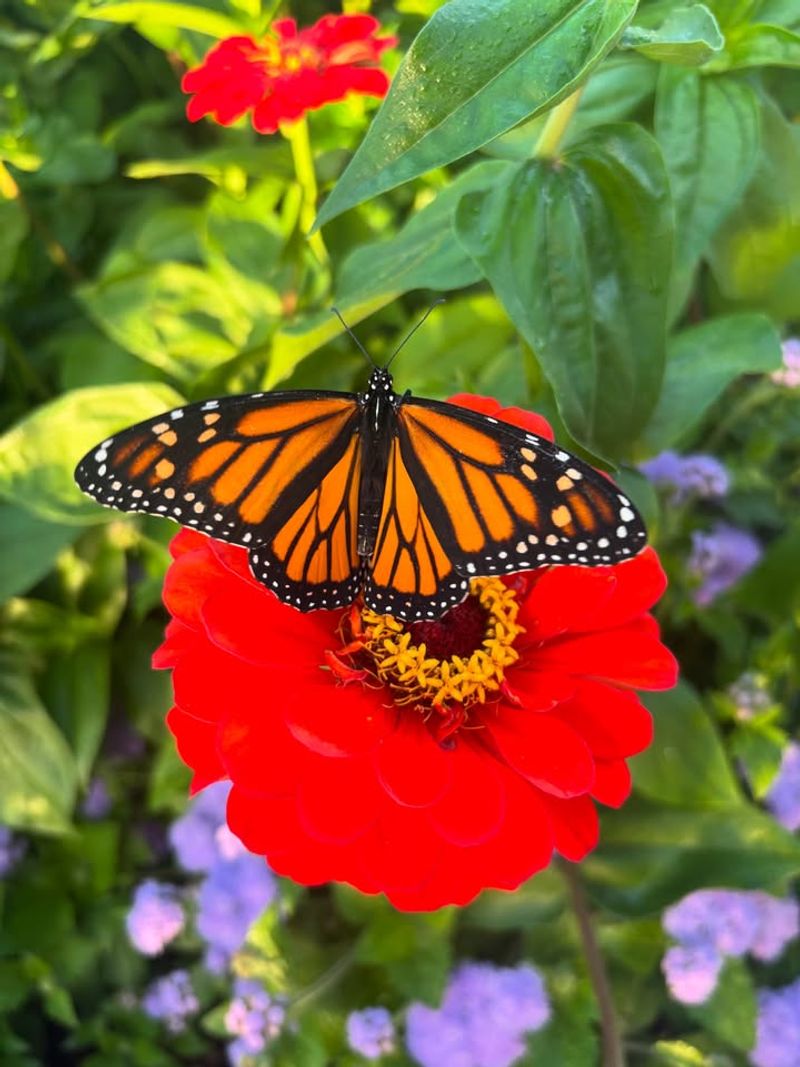
Zinnias are like the life of the party in any butterfly garden. These fast-growing annuals burst into bloom in early summer and keep going strong right up until the first frost.
Their wide, flat flower heads make landing easy for butterflies, and the nectar is right there and ready to access.
One of the best things about zinnias is how simple they are to grow. You can direct-sow seeds straight into the ground after the last frost in your location, and they will sprout quickly.
They prefer full sun and well-drained soil, and they actually do better with a little neglect than with too much watering.
Zinnias come in almost every color imaginable, from deep red and bright orange to soft lavender and creamy white. Taller varieties work great in garden beds, while compact types look lovely in containers.
Painted ladies, monarchs, and gulf fritillaries are among the many species drawn to zinnia blooms. To keep the flowers coming, snip off old blooms regularly.
Your California Garden Changes Every Week. Your Plan Should Too.
Gardening in California changes quickly throughout the season. Every Friday you’ll receive a simple weekly plan showing exactly what to plant, prune, fertilize, harvest, and protect so you never miss the right timing.
Zinnias are also wonderful cut flowers, so you get to enjoy them indoors and outdoors at the same time all season.
3. Verbena
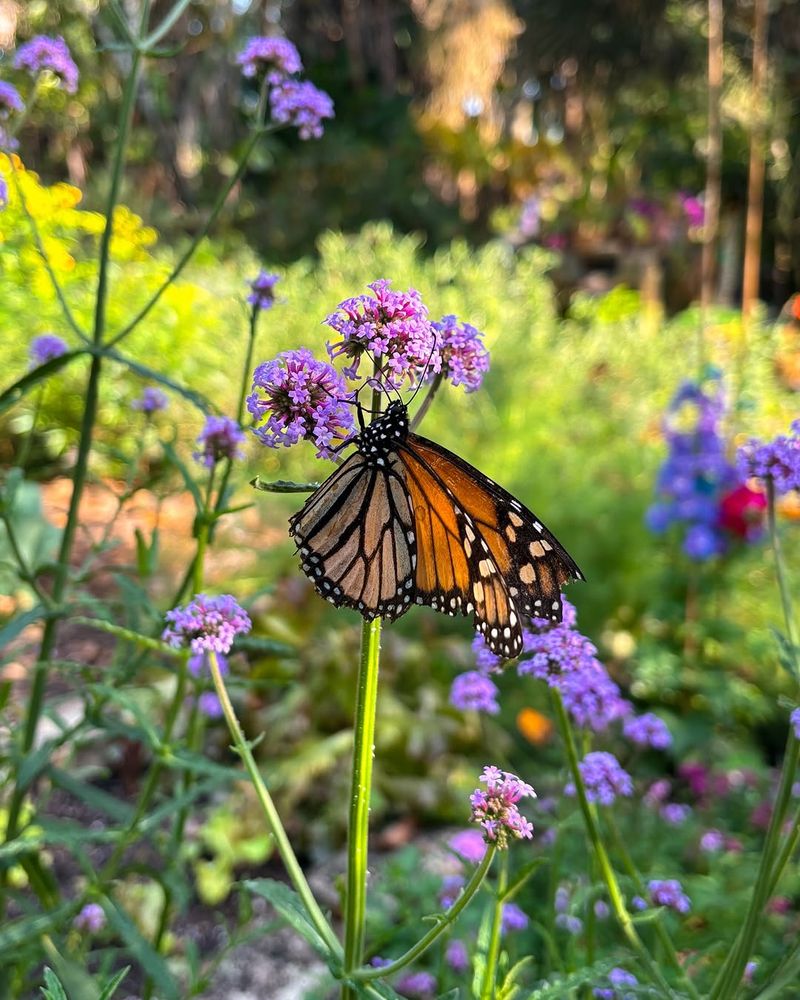
Verbena has a quiet kind of magic in the garden. Its tall, slender stems rise up and hold small clusters of vivid purple flowers that seem to float in the air like little landing pads built just for butterflies.
It has a light, airy look that pairs beautifully with almost any other plant in your garden.
Verbena bonariensis is the variety most gardeners reach for when they want to attract pollinators. It blooms from summer through fall and thrives in full sun with well-drained soil.
Once established in your location, it is surprisingly tough and handles dry conditions without much fuss. It also self-seeds freely, which means it often comes back on its own year after year.
Swallowtail butterflies are especially fond of verbena, but you will also notice skippers, monarchs, and painted ladies stopping by regularly. Plant it toward the middle or back of a garden bed where its height can add visual interest without blocking shorter plants in front.
Verbena works well when planted in groups or drifts for maximum impact. It is a low-maintenance, high-reward choice that earns its place in any butterfly-friendly planting plan from spring all the way through fall.
4. Pentas
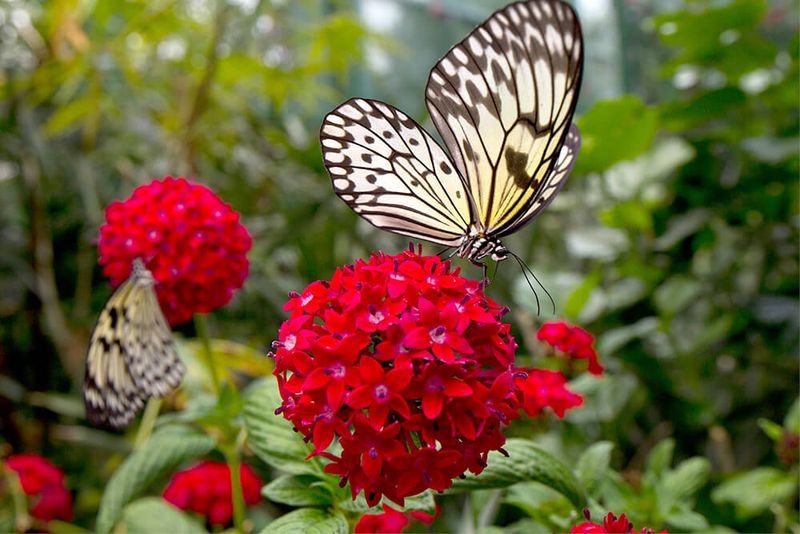
If you have ever seen a plant completely covered in butterflies on a hot summer afternoon, there is a good chance it was pentas. Known as the Egyptian star flower, pentas produces dense clusters of tiny star-shaped blooms in shades of red, pink, white, and lavender.
Butterflies are drawn to it like a magnet.
Pentas thrives in warm, sunny locations and blooms continuously from late spring all the way through fall. It loves full sun and well-drained soil, and it handles heat extremely well, making it a top choice for gardeners in warmer parts of the country.
It can be grown as a perennial in frost-free zones or as an annual in cooler climates.
What makes pentas especially valuable in a butterfly garden is its non-stop blooming habit. You do not have to do much to keep the flowers coming.
Regular watering and occasional fertilizing are usually all it needs. Monarchs, swallowtails, and skippers are frequent visitors.
Pentas looks beautiful in garden beds, borders, and containers alike. Planting several together in your location creates a bold splash of color and a reliable nectar source that butterflies will return to again and again throughout the growing season.
5. Blanket Flower
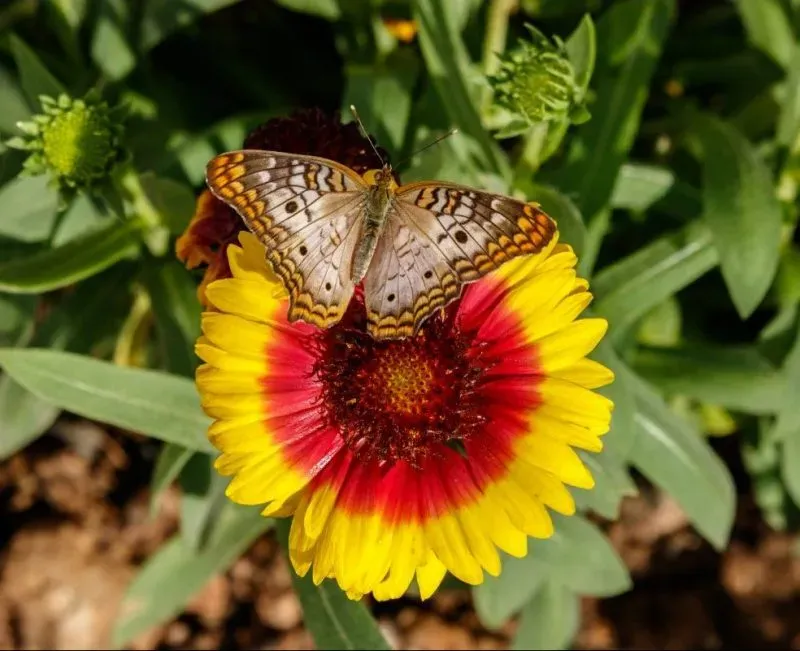
Few flowers wear their personality as boldly as the blanket flower. With its fiery red and golden yellow petals radiating out from a deep reddish-brown center, this plant looks like a tiny sunset tucked into your garden.
And butterflies absolutely love visiting it from early summer through fall.
Blanket flower, also known by its botanical name Gaillardia, is a tough native perennial that thrives in full sun and poor, well-drained soil. It actually does better when you do not fuss over it too much.
Overwatering or overly rich soil can cause it to get leggy and produce fewer blooms. A dry, sunny spot in your location is exactly what it wants.
One of the great things about blanket flower is its long bloom season. It starts flowering in early summer and keeps going strong until frost arrives in fall.
Deadheading spent flowers regularly encourages even more blooms to form. Painted ladies and skippers are common visitors, but many other butterfly species stop by as well.
Blanket flower also attracts bees, making it a great all-around pollinator plant. Its cheerful, warm colors brighten up any garden bed and keep the action going all season long without requiring a lot of extra effort from you.
6. Purple Coneflower
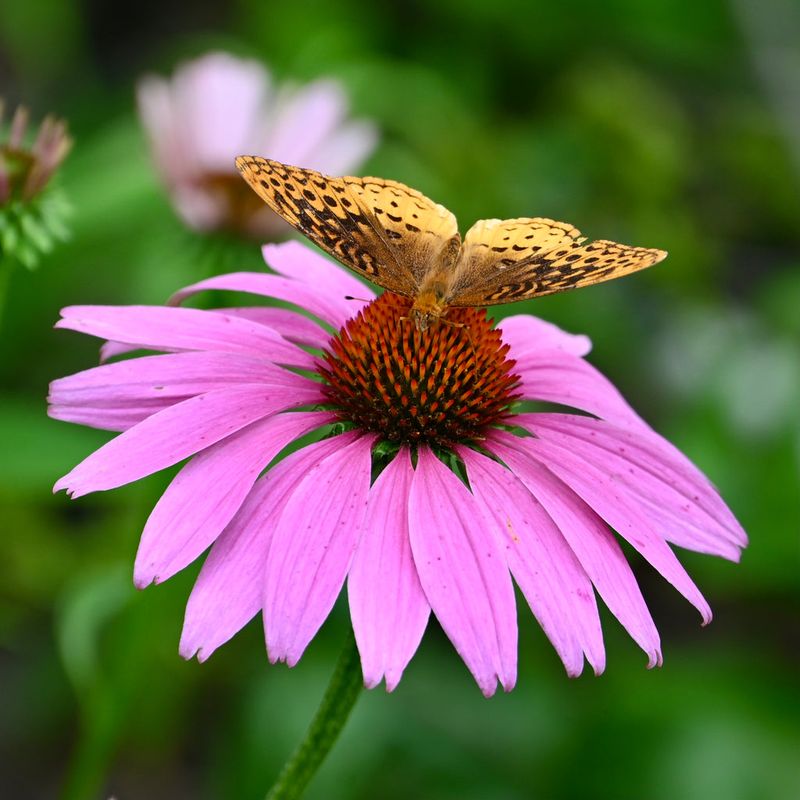
Purple coneflower is one of those plants that earns its spot in the garden over and over again. Also known as echinacea, it produces daisy-like blooms with raised, spiky centers and soft purple-pink petals that droop slightly downward.
That raised center is exactly what butterflies need as a perch while they feed.
Native to North America, purple coneflower is a tough, drought-tolerant perennial that blooms from midsummer into early fall. It grows well in full sun and well-drained soil, and it adapts to a wide range of conditions across many locations.
Once established, it requires very little care and comes back reliably year after year.
Beyond butterflies, coneflowers also attract bees and goldfinches, especially in fall when birds feast on the seed heads. Leaving the seed heads standing after blooming is done benefits wildlife and adds winter interest to your garden.
Swallowtails, fritillaries, and monarchs are among the many butterfly species that regularly visit coneflowers. Plant them in groups of three or more for the best visual effect and to create a stronger nectar source.
Purple coneflower is truly one of the hardest-working, most rewarding plants you can add to any butterfly-friendly garden.
7. Yarrow
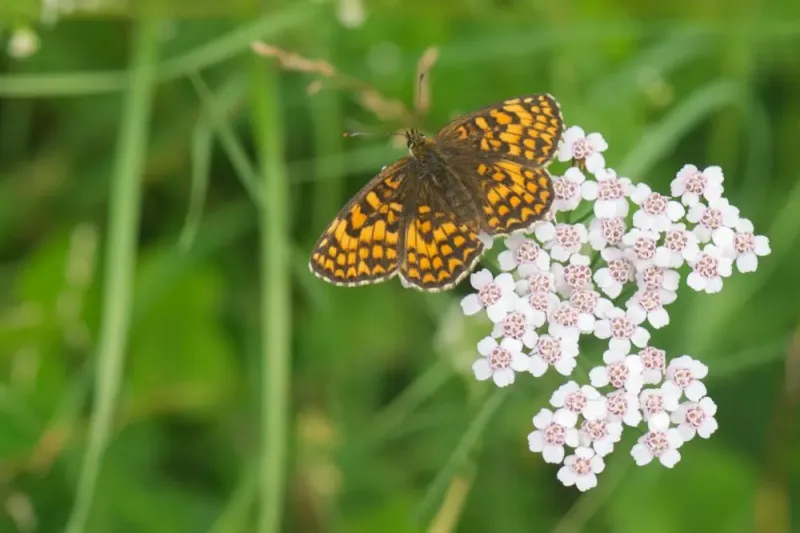
Yarrow has been growing wild in meadows and roadsides for centuries, and butterflies have always known where to find it. Its broad, flat-topped flower clusters act like a natural landing platform, making it easy for butterflies to walk around and feed from dozens of tiny blooms at once.
That design is one of the reasons so many species are drawn to it.
This hardy perennial blooms from late spring through midsummer and often reblooms if you cut it back after the first flush of flowers fades. It thrives in full sun and well-drained or even dry soil, and it handles tough conditions in all kinds of locations without much complaint.
Yarrow is also deer-resistant, which is a bonus for gardeners dealing with browsing wildlife.
You can find yarrow in white, yellow, pink, red, and salmon shades, so there is a color to fit almost any garden palette. Painted ladies, skippers, and sulfur butterflies are especially fond of yarrow blooms.
It spreads gradually over time, filling in bare spots and creating a lush, full look in garden beds. Yarrow also makes a lovely cut flower and dries beautifully for arrangements.
For a low-fuss plant that delivers season after season, yarrow is a reliable and rewarding choice for any butterfly garden.
8. Aster
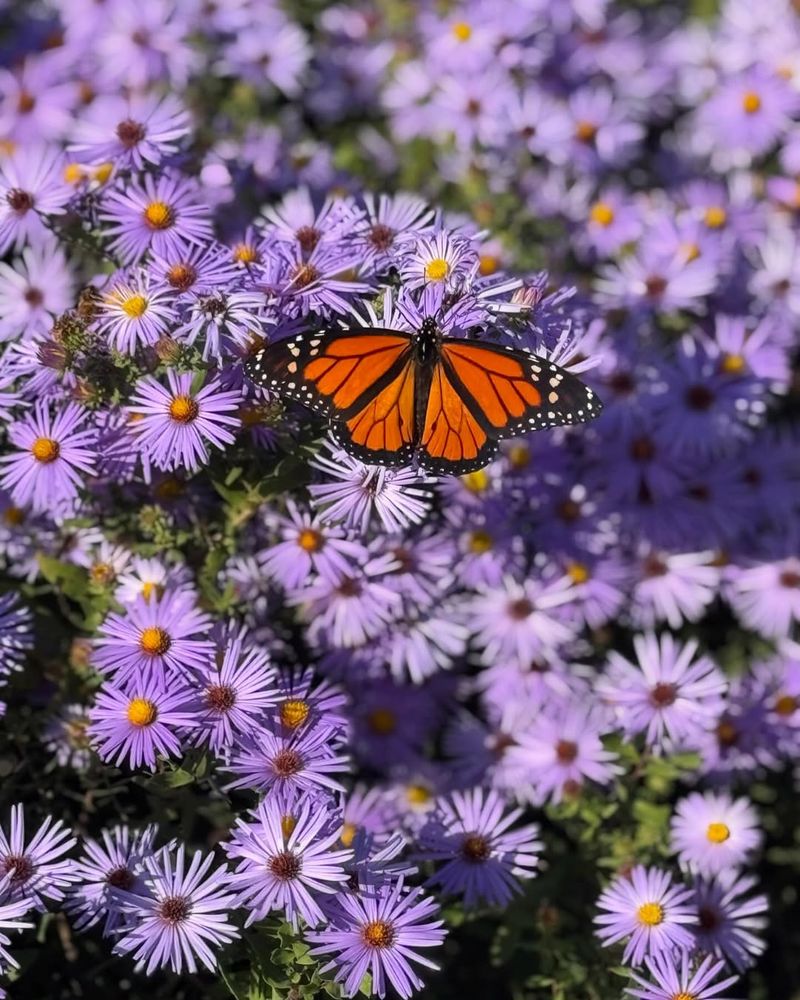
When most flowers start winding down in late summer, asters are just getting started. These cheerful, daisy-like blooms in shades of purple, blue, pink, and white arrive right when butterflies need nectar the most, as they prepare for migration or look for late-season fuel before winter sets in.
Asters are truly a gift to the fall garden.
Native asters are perennials that come back reliably each year in most locations across the country. They prefer full sun to light shade and moist, well-drained soil.
Some varieties can get tall and floppy, so pinching them back in early summer helps create bushier, more compact plants that stand up better in fall winds.
Monarchs on their southward migration are known to stop at asters for fuel along the way, which makes growing them feel like a meaningful contribution to butterfly conservation. Painted ladies, sulfurs, and skippers are also regular visitors.
Asters look stunning when planted alongside goldenrod, creating a classic fall color combination of purple and gold that is hard to beat. They also provide seeds for birds as the season ends.
Adding asters to your garden means you never have to watch the butterfly season fade too early again.
9. Blazing Star
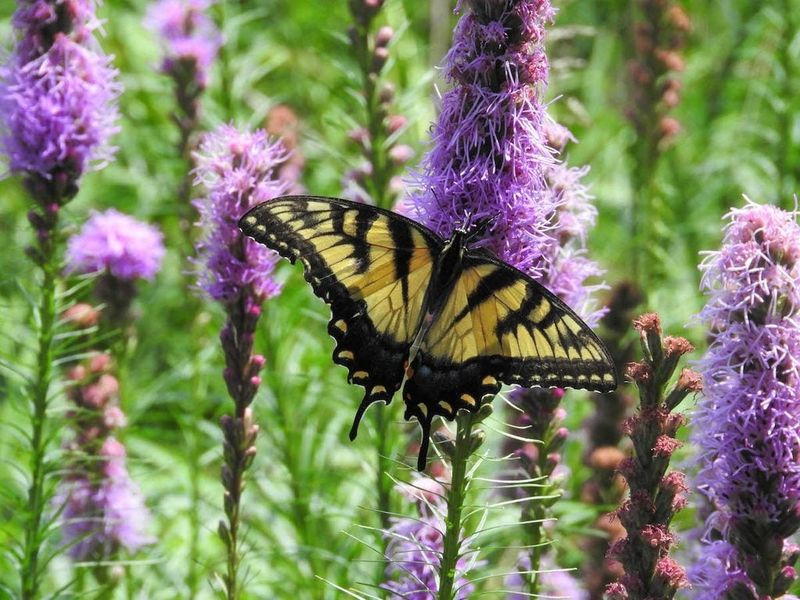
Blazing star, also called liatris, has a look unlike almost anything else in the garden. Its tall, slender spikes are covered in fluffy, bright purple flowers that bloom from the top down, which is the opposite of most flowering plants.
That unusual growth habit makes it a real conversation starter and a magnet for butterflies at the same time.
This native North American perennial blooms from midsummer into early fall and thrives in full sun with well-drained soil. It is quite tolerant of drought once established, making it a solid choice for gardeners in hot or dry locations.
Blazing star grows from corms, which are small bulb-like structures, and it multiplies slowly over time to form larger clumps.
Monarchs, swallowtails, and bumblebees all visit blazing star regularly, and goldfinches love the seed heads that form after blooming ends. Leaving the spent stalks standing through winter provides food for birds and shelter for beneficial insects.
Blazing star looks stunning when planted in groups, and its vertical shape adds great structure to mixed garden beds. It pairs beautifully with black-eyed Susans, coneflowers, and asters for a native plant garden that supports butterflies from the warmth of summer right through to the last days of fall.