Animals That Dig Up Pennsylvania Gardens In Spring
You wake up, pour your coffee, peek outside, and there it is again. Fresh holes in the flower bed, mulch tossed around like somebody hosted a midnight yard sale, and seedlings looking like they lost a fight.
Spring in Pennsylvania brings plenty of garden excitement, but it also brings a parade of busy diggers with their own plans for your yard.
Some are after bulbs. Some are hunting insects and grubs. Others are just passing through and treating soft spring soil like an open invitation.
What makes it frustrating is that the damage can look similar at first glance, even when the real troublemaker is completely different.
That is why guessing usually leads nowhere. The shape of the hole, the timing, and what got disturbed can tell a much clearer story.
One clue near the edge of the bed can point straight to the animal causing all the commotion.
1. Moles For Hidden Lawn Tunnels
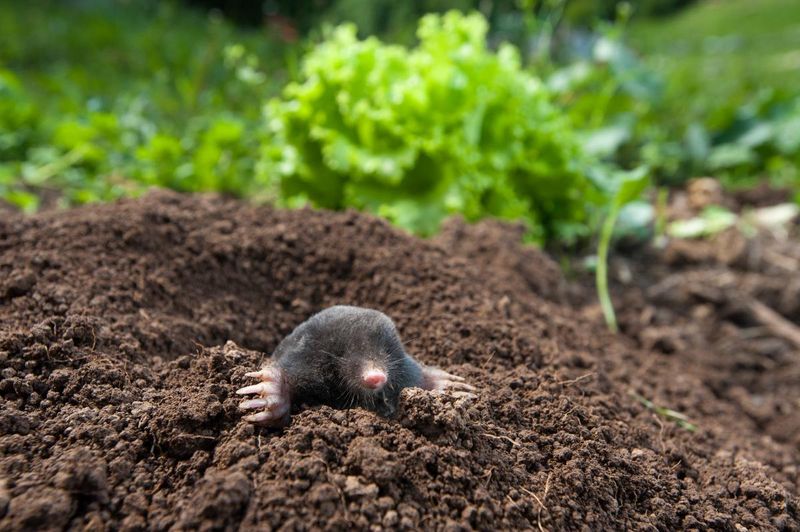
Picture stepping outside on a bright spring morning in Pennsylvania only to find your lawn covered in raised ridges of dirt overnight. Chances are, a mole paid you a visit.
Moles are small, velvety mammals that spend almost their entire lives underground, tunneling through the soil in search of earthworms and grubs. They rarely come to the surface, but the damage they leave behind is hard to miss.
A single mole can dig up to 100 feet of tunnel in just one day. Those tunnels push the soil upward, creating the bumpy, uneven surface you see in your yard.
Plant roots get disturbed in the process, causing flowers, grass, and vegetables to wilt or struggle to grow properly. The tunnels can also dry out quickly, leaving air pockets that make it hard for roots to stay anchored.
To discourage moles in your Pennsylvania garden, focus on trapping active tunnels or excluding them with buried barriers, since planting daffodils or marigolds is not a reliable control method. You can also use vibrating stakes placed in the ground, which create vibrations that moles find very uncomfortable.
Reducing grubs may help in some cases, but moles also feed heavily on earthworms and other soil animals, so grub control alone usually does not solve a mole problem. Wire mesh barriers buried at least 12 inches deep around garden beds can also block moles from tunneling in.
Staying consistent with these methods throughout spring gives your garden the best chance of staying mole-free.
2. Voles For Sneaky Root Damage
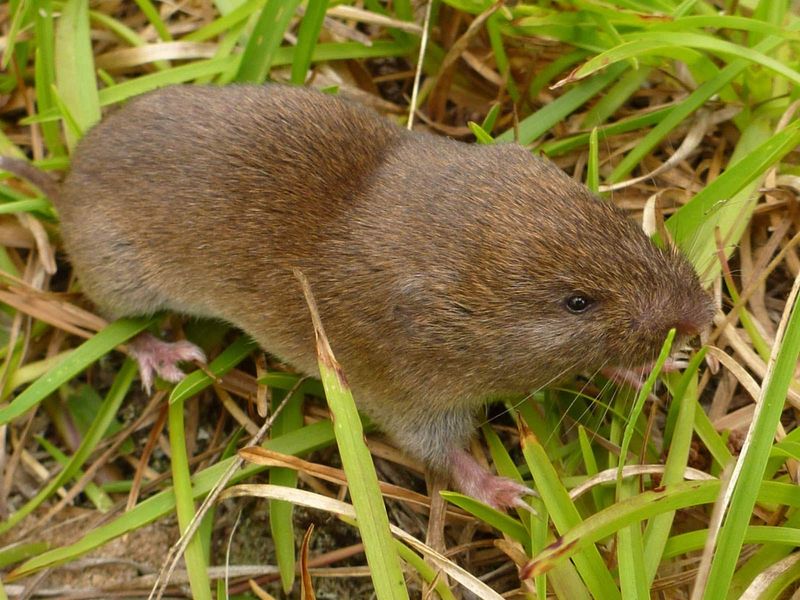
They are often confused with moles, but voles are very different in both appearance and what they eat. Voles are small, mouse-like rodents with short tails, rounded ears, and a serious appetite for plant roots, bulbs, and stems.
In Pennsylvania, vole populations tend to spike in spring, which is bad news for anyone who spent time planting a vegetable garden or flower bed over the winter months.
Unlike moles, voles create shallow runways along the surface of the soil, often hidden under leaf litter or mulch. These little paths wind through your garden like tiny highways.
Your Pennsylvania Garden Changes Every Week. Your Plan Should Too.
Gardening in Pennsylvania changes quickly throughout the season. Every Friday you’ll receive a simple weekly plan showing exactly what to plant, prune, fertilize, harvest, and protect so you never miss the right timing.
You might notice them after the snow melts in early spring, revealing trails of chewed grass and disturbed soil. Voles can cause serious harm to young trees and shrubs by gnawing on the bark near the base, which weakens the entire plant over time.
Protecting your Pennsylvania garden from voles starts with clearing away thick mulch and leaf piles where they love to hide. Placing wire mesh cylinders around the base of young trees keeps their bark safe from gnawing.
Hardware cloth buried a few inches underground around garden beds can block surface tunneling. Natural predators like hawks and owls help keep vole numbers down, so putting up an owl box nearby is a smart, eco-friendly option.
Checking your garden regularly for fresh runways or chewed stems helps you catch a vole problem early before it spreads.
3. Chipmunks For Quick Little Digs
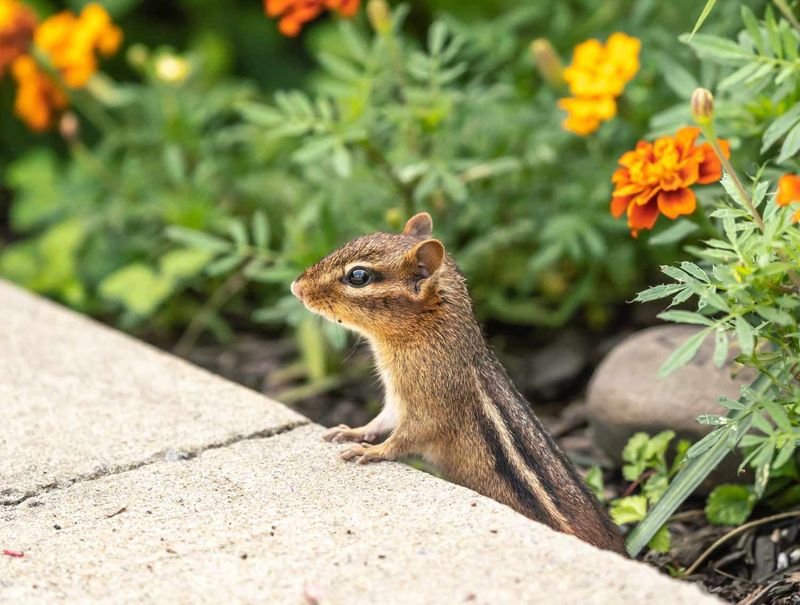
With their striped backs and puffy cheeks, chipmunks are undeniably cute. But ask any Pennsylvania gardener who has planted tulip bulbs only to find them gone the next morning, and you will hear a very different opinion of these little guys.
Chipmunks are incredibly active in spring, racing around yards and gardens with what seems like endless energy, and a big part of that energy goes into digging.
Chipmunks dig small, clean holes in garden beds to store food or search for bulbs they buried during the fall. Their holes are usually about an inch or two wide and can go several inches deep.
They have an impressive memory for where they stashed food, and they will gladly revisit your garden beds again and again if the rewards are good. Bulbs like tulips, crocus, and lilies are among their favorites, but they will also nibble on seeds and tender young seedlings.
One of the easiest ways to protect your Pennsylvania garden from chipmunks is to cover freshly planted bulbs with wire mesh or chicken wire just below the soil surface. Sprinkling cayenne pepper or placing natural repellent granules around garden borders can make the area less inviting.
Motion-activated sprinklers are also surprisingly effective at startling chipmunks and teaching them to stay away. Planting bulbs that chipmunks dislike, such as daffodils or alliums, alongside your favorites adds an extra layer of defense without much extra effort on your part.
4. Squirrels For Messy Garden Mischief
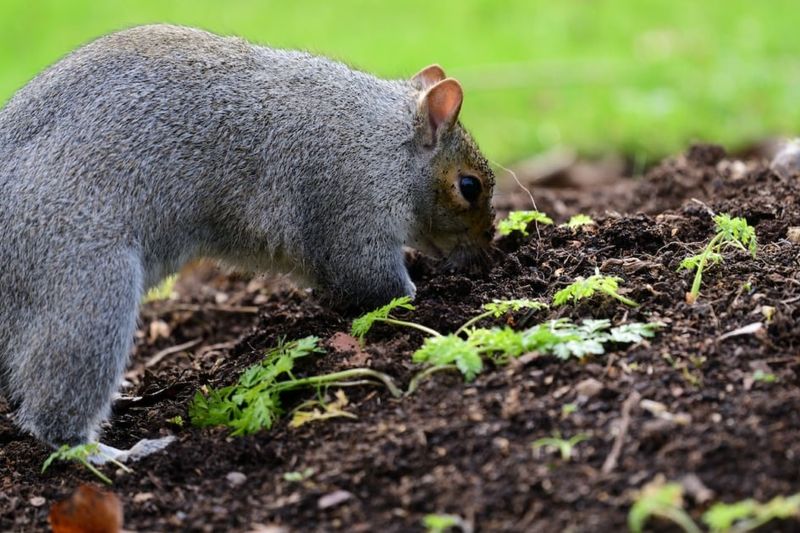
Squirrels are one of the most common wildlife complaints among Pennsylvania gardeners every single spring. These bushy-tailed acrobats have a habit of burying nuts and acorns all fall long, and when spring rolls around, they come back to dig them up.
The problem is, squirrels are not always great at remembering exactly where they buried things, so they end up digging in a lot of wrong spots, including right through your freshly planted garden beds.
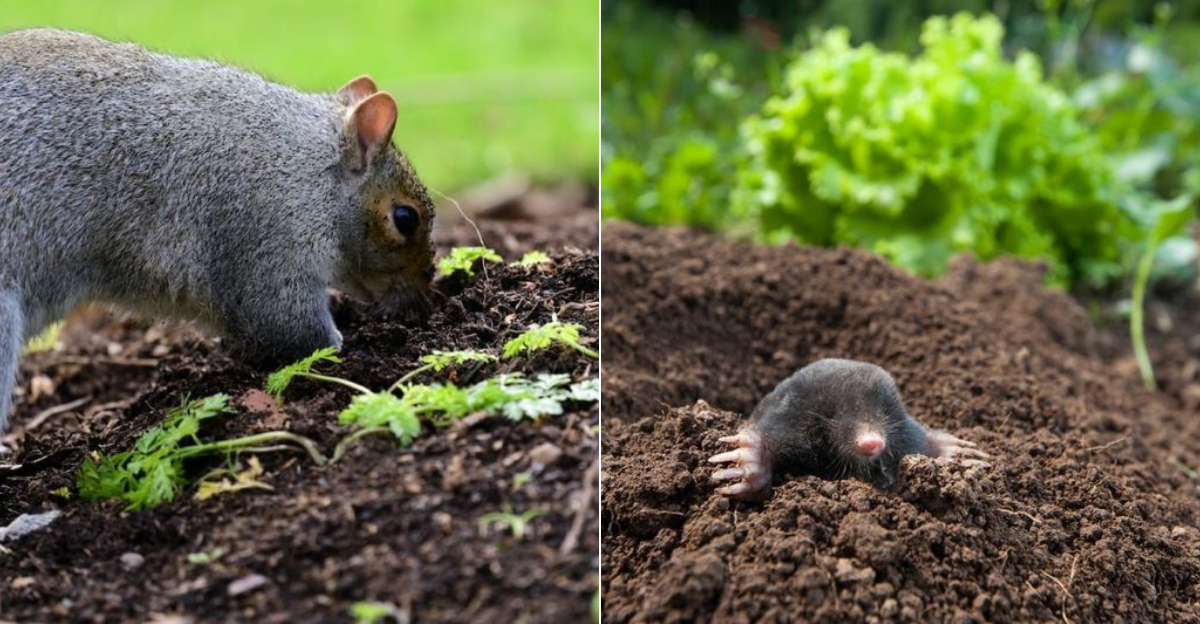
A squirrel digging session leaves behind scattered soil, uprooted seedlings, and small, shallow holes all over the place. They are especially drawn to soft, freshly turned soil because it is easy to dig through.
Newly planted seeds and tender bulbs are at high risk, and squirrels will not hesitate to snack on whatever they uncover. Gray squirrels are the most common species seen doing this across Pennsylvania, though fox squirrels are spotted in some areas too.
Covering garden beds with bird netting or hardware cloth right after planting is one of the most reliable ways to keep squirrels out in Pennsylvania. Sprinkling hot pepper flakes around the soil surface acts as a natural deterrent since squirrels strongly dislike the smell and taste.
Fake owls or hawk decoys placed near the garden can scare them off, though you may need to move the decoys around regularly to keep squirrels from getting used to them. Planting squirrel-resistant flowers like snowdrops or fritillaria alongside your other plants adds smart, natural protection.
5. Groundhogs For Serious Garden Trouble

Few animals cause as much frustration for Pennsylvania gardeners as the groundhog, also known as the woodchuck. These chunky, burrowing mammals come out of hibernation right around early spring, and they are hungry.
Groundhogs can eat up to a pound of vegetation per day, which means a vegetable garden can take serious damage in a surprisingly short amount of time. They are bold animals too, often returning to the same garden day after day.
Groundhogs dig large burrow entrances, usually about 10 to 12 inches wide, often at the edge of a garden bed, under a deck, or near a fence line. Their tunnels can run several feet underground and have multiple exit holes, making them tricky to deal with once they settle in.
Beyond the tunneling, they chomp through beans, peas, lettuce, and just about anything else growing in a Pennsylvania vegetable garden. They are also strong climbers, which surprises many people who think a short fence will stop them.
Fencing is still one of the best solutions, but it needs to be done right. Use a wire fence at least 3 feet tall and bend the bottom outward underground to prevent them from burrowing beneath it.
Electric fencing is another effective option for serious groundhog problems. Repellent sprays made from predator urine or strong-smelling herbs like lavender can help discourage them from approaching.
Staying on top of any new burrow activity near your Pennsylvania garden each spring is the key to catching the problem before it gets out of hand.
6. Skunks For Lawn Tearing Night Raids
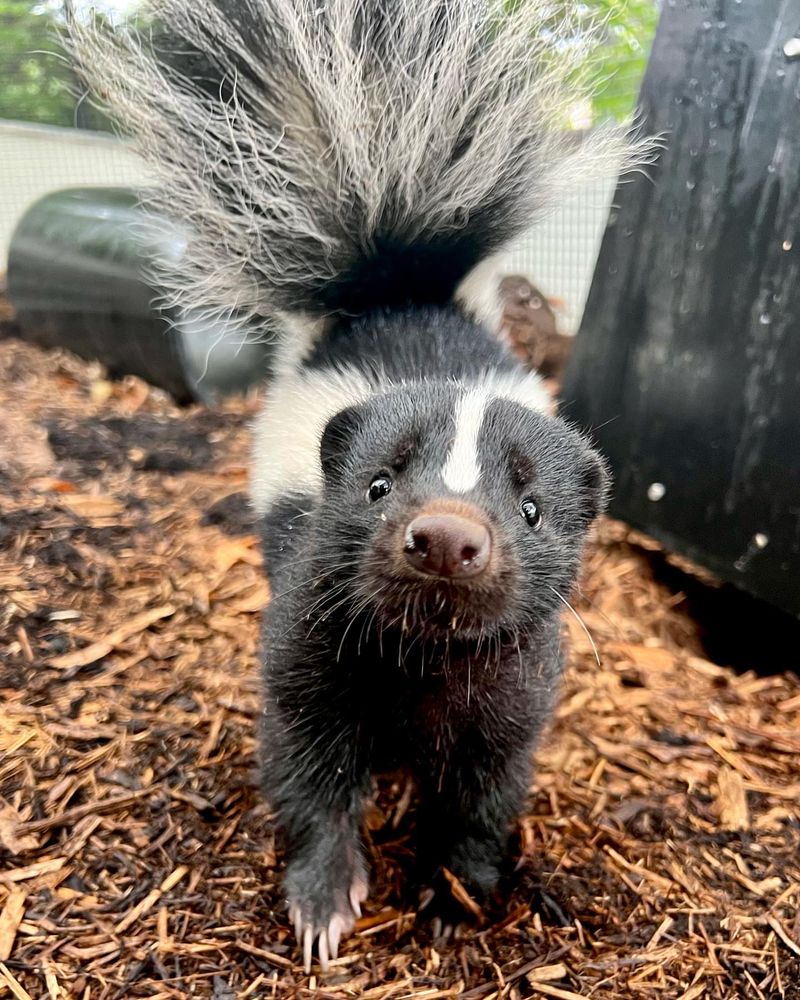
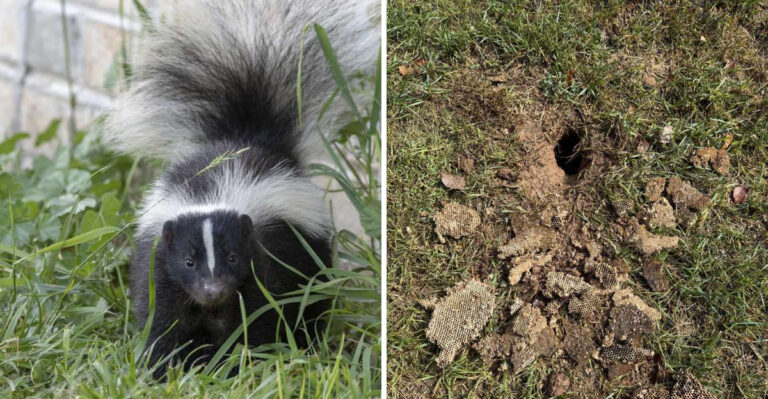
Waking up to find a bunch of small, shallow holes scattered across your Pennsylvania lawn is a classic sign that a skunk came foraging the night before. Skunks are nocturnal diggers that come out after dark in spring to search for grubs, beetles, and earthworms hiding just below the surface of the soil.
They use their strong front claws to quickly punch small cone-shaped holes into the ground, usually about 3 to 4 inches wide and only an inch or two deep.
While skunks do eat harmful grubs, which actually benefits your lawn in some ways, the digging itself can make a yard look pretty rough. Garden edges, flower beds, and soft lawn areas near mulch are their favorite spots to target.
Skunks are not aggressive animals by nature, but they will spray if they feel cornered or threatened, which makes any close encounter in a Pennsylvania backyard a very unpleasant experience.
Reducing the grub population in your lawn is the most effective long-term solution for discouraging skunks. Applying beneficial nematodes or milky spore to your soil in spring targets grubs naturally without harming other wildlife.
Motion-activated lights or sprinklers can startle skunks and encourage them to move on to a less-defended area. Avoid leaving pet food, fallen fruit, or open compost bins outside overnight, as these are major attractants for skunks.
Keeping your Pennsylvania yard tidy and removing easy food sources goes a long way toward keeping these nighttime visitors from making a habit of your garden.
7. Cats For Scratched-Up Soft Soil

Neighborhood cats might seem harmless compared to groundhogs or moles, but they can actually do a surprising amount of damage to a Pennsylvania garden in spring. Cats are drawn to freshly tilled, soft soil because it feels just like a giant litter box to them.
They dig in garden beds to do their business, and in the process they disturb seeds, uproot seedlings, and leave behind waste that can carry bacteria harmful to edible plants.
Both outdoor pet cats and stray cats use gardens as their personal restroom, and they tend to return to the same spots repeatedly once they have chosen a location. Spring is especially problematic because gardeners are constantly turning and loosening soil to plant new things, which makes it even more appealing to a passing cat.
Flower beds, raised vegetable gardens, and freshly seeded areas are all fair game in their eyes.
Covering exposed soil with chicken wire laid flat on the surface is one of the most effective ways to keep cats from digging in Pennsylvania gardens. Cats strongly dislike walking on the rough texture and will usually look elsewhere.
Scattering citrus peels, coffee grounds, or commercially available cat-repellent granules around the garden border also helps. Planting a border of prickly plants like roses around your beds can help create a natural barrier that cats prefer to avoid.
If a neighbor’s cat is the main culprit, having a friendly conversation about keeping the cat indoors during peak gardening season can resolve the issue quickly and politely.
8. Dogs For Big Playful Garden Chaos
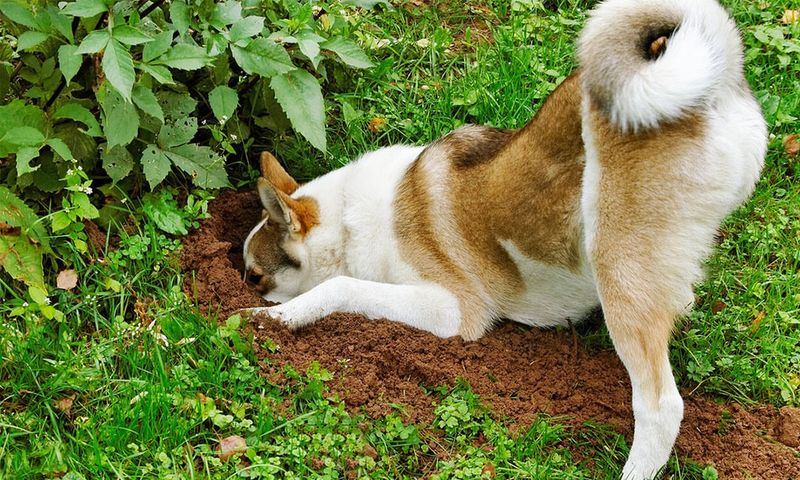
Whether it is your own pup or a neighbor’s dog that wandered into the yard, dogs dig for a variety of reasons that have nothing to do with hunger. Boredom, curiosity, the scent of another animal underground, or simply the joy of digging can send a dog straight into your freshly planted Pennsylvania flower bed or vegetable patch without a second thought.
A dog on a digging mission can tear up a garden bed in minutes. They tend to go deep and wide, flinging soil everywhere and uprooting plants in the process.
Some dogs are attracted to areas where moles or voles have been active, following the scent and digging to investigate. Others simply find a cool, soft patch of soil and start digging as a way to relax or burn off energy.
Either way, the result for your garden is the same.
Creating a designated digging zone elsewhere in your Pennsylvania yard, like a small sandbox filled with loose soil, gives your dog an acceptable outlet for this natural behavior. Redirecting your dog to that spot consistently with positive reinforcement helps establish good habits over time.
Installing a low garden fence or decorative border around flower beds keeps dogs from casually wandering in. Using natural deterrent sprays with scents like citrus or bitter apple around the garden perimeter can also discourage curious dogs.
Spending extra time exercising your dog each day reduces boredom, which is one of the biggest reasons dogs dig in the first place.