8 Native Georgia Trees To Plant Instead Of Leyland Cypress
Leyland cypress had its big moment in Georgia yards, and for a while it seemed like everybody wanted a row of them. Fast privacy, tall screens, instant green walls.
Then real life stepped in. Storm damage, disease issues, crowding, bare spots, and roots competing for space turned that dream into extra work for a lot of homeowners.
That is a big reason more gardeners are looking at native trees instead. Georgia already has trees that handle the climate better, support local wildlife, and settle into the landscape without acting like a problem waiting to happen.
Some offer screening. Some bring flowers, fall color, or berries. Some do a little bit of everything while asking for less in return.
A good replacement should do more than grow fast. It should fit the yard for years without becoming a regret.
Several Georgia natives pull that off beautifully, and the strongest choices may not be the ones you hear about most often.
1. Eastern Red Cedar For Evergreen Privacy
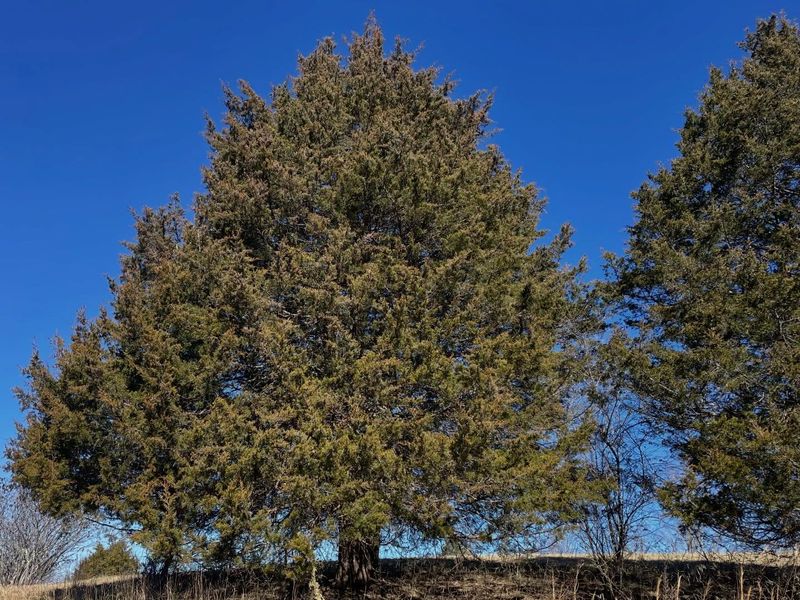
Few native trees can match the toughness and versatility of Eastern Red Cedar. Found naturally across Georgia and much of the eastern United States, this evergreen is a powerhouse when it comes to privacy screening.
It grows dense and full from top to bottom, making it one of the best natural fence replacements you can find for your yard.
What makes this tree especially appealing is its no-fuss personality. Eastern Red Cedar thrives in poor, rocky, or clay-heavy soils that would stress out most other trees.
It handles drought like a champ and does not need a lot of fertilizer or extra watering once it gets established. That kind of resilience is exactly what Georgia homeowners are looking for.
Beyond the practical benefits, this tree is a wildlife magnet. Cedar waxwings, mockingbirds, and bluebirds flock to its small blue berries throughout the winter months.
White-tailed deer and wild turkeys also rely on it for shelter and food, making your yard feel like a mini wildlife refuge.
Eastern Red Cedar grows at a moderate pace, reaching anywhere from 30 to 65 feet tall depending on conditions. You can plant it in rows for a classic privacy hedge or use it as a standalone specimen tree.
Either way, it brings year-round color and structure to your Georgia landscape without the disease problems that plague Leyland cypress. It is a genuinely smart swap.
2. Southern Magnolia For Classic Beauty
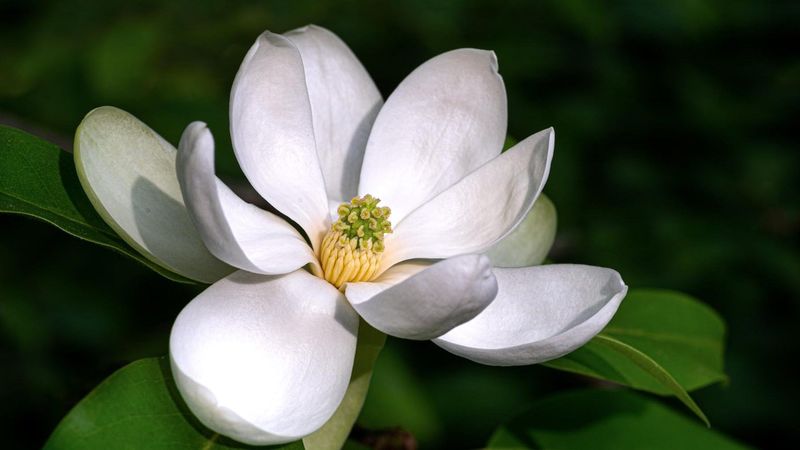
This iconic tree is practically synonymous with the American South, and for good reason. Its glossy, dark green leaves stay on the tree all year long, and in late spring and early summer, it bursts into bloom with enormous white flowers that can measure up to a foot across.
The fragrance alone is worth planting one.
As a Leyland cypress replacement in Georgia, Southern Magnolia brings a lot to the table. It grows into a large, broad pyramid shape that provides excellent visual screening and wind protection.
The dense canopy creates deep shade underneath, which can even help lower your home’s cooling costs during those hot Georgia summers.
Your Georgia Garden Changes Every Week. Your Plan Should Too.
Gardening in Georgia changes quickly throughout the season. Every Friday you’ll receive a simple weekly plan showing exactly what to plant, prune, fertilize, harvest, and protect so you never miss the right timing.
Southern Magnolia is also surprisingly tough. Once established, it handles drought reasonably well and adapts to a range of soil types, from sandy coastal soils to the clay-heavy red dirt found across much of central Georgia.
It does prefer full sun and good drainage, so pick your planting spot thoughtfully.
Wildlife benefits are significant with this tree too. Birds nest in its branches, and the red seeds that appear in fall attract dozens of species.
The thick leathery leaves also provide cover for small animals during cold snaps. Growing up to 80 feet tall in ideal conditions, Southern Magnolia makes a bold, beautiful, and deeply rooted statement in any Georgia landscape.
It is a true classic for very good reasons.
3. Sweetbay Magnolia For Glossy Leaves
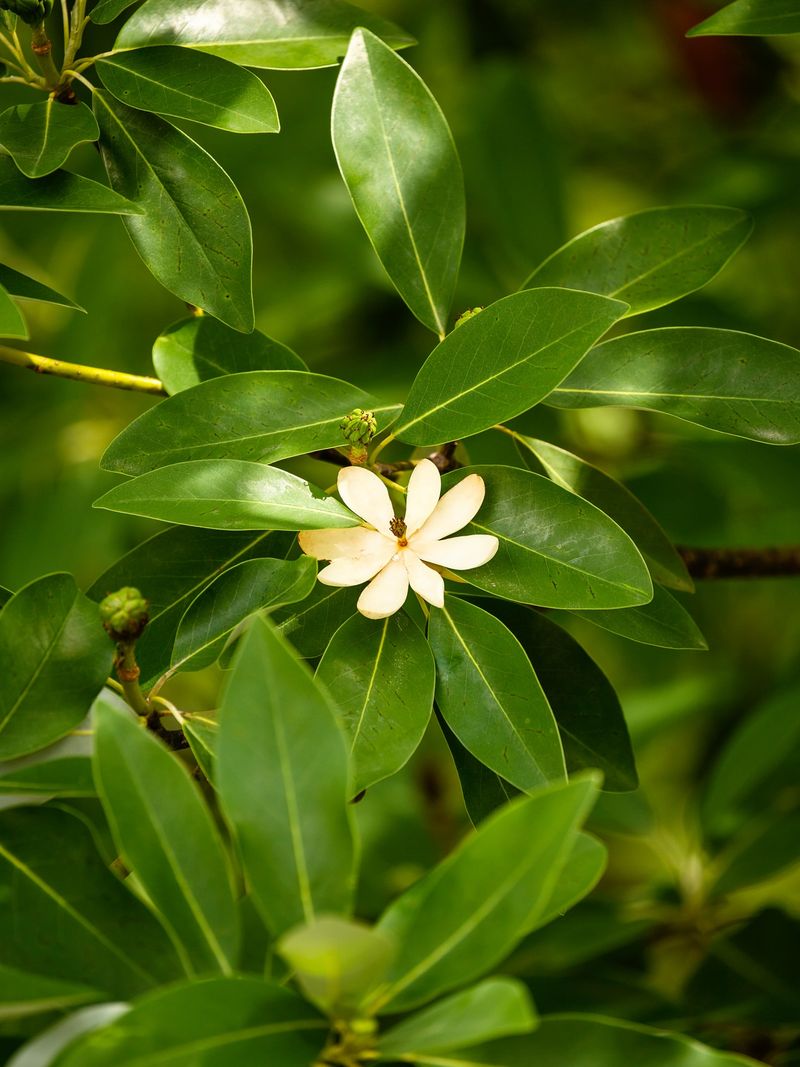
Not every yard in Georgia is perfectly drained and sunny, and that is exactly where Sweetbay Magnolia steps in and shines. This smaller, more graceful cousin of Southern Magnolia absolutely loves moist, low-lying areas where other trees struggle to survive.
If you have a wet corner of your yard that stays soggy after rain, Sweetbay Magnolia might be your perfect match.
Growing anywhere from 10 to 35 feet tall, it fits into tighter spaces much more comfortably than its larger relatives. The leaves are a beautiful two-tone, showing glossy green on top and silvery white underneath.
When a breeze passes through, the fluttering leaves create a shimmering effect that looks almost magical in the afternoon light.
The flowers are creamy white and lemon-scented, blooming from late spring all the way through summer. That extended bloom time means your yard gets months of fragrance and visual interest, not just a brief burst like many flowering trees offer.
Pollinators, especially beetles and bees, are drawn to these blooms in large numbers.
In the warmer parts of Georgia, Sweetbay Magnolia behaves as a semi-evergreen, holding onto most of its leaves through winter. Further north in the state, it may drop its leaves in cold snaps but bounces back reliably each spring.
Birds love the bright red seeds that follow the flowers in fall. For a low-maintenance, wildlife-friendly alternative to Leyland cypress, this tree earns its spot on the list without question.
4. American Holly For Year-Round Interest
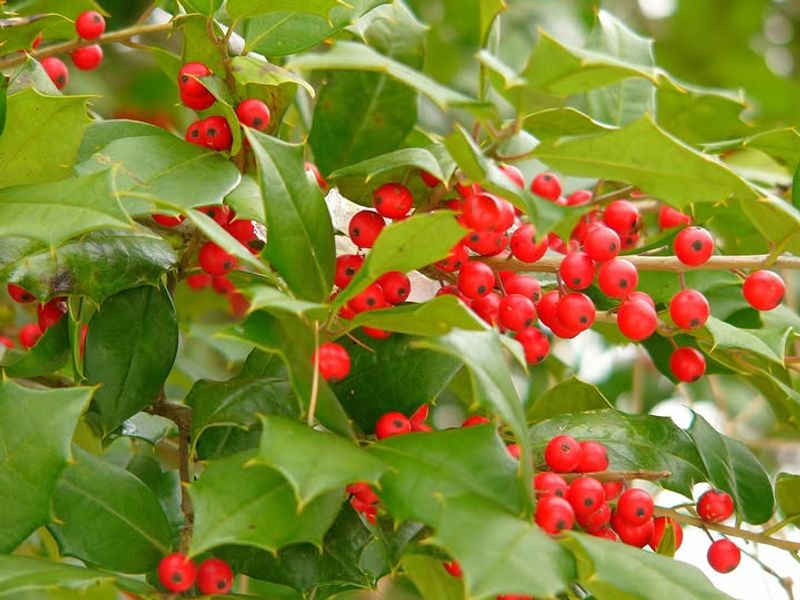
Walk through a Georgia woodland in December and you will almost certainly spot American Holly glowing with clusters of bright red berries against its deep green leaves. Few trees look more festive or more alive in the middle of winter, which is exactly why this native evergreen deserves a spot in your yard as a Leyland cypress replacement.
American Holly is a true year-round performer. Its spiny, glossy leaves stay green through every season, providing the kind of dense, consistent screening that homeowners want along property lines or near roads.
It grows at a moderate rate, eventually reaching 15 to 50 feet tall, and it takes on a naturally pyramidal shape that requires very little pruning to look tidy and attractive.
One thing worth knowing is that American Holly has male and female trees, and you need at least one of each nearby for berry production. Some nurseries label American Holly plants as berry-producing or pollen-producing, so ask before you buy if you want reliable berry production.
The berries are a critical food source for cedar waxwings, American robins, hermit thrushes, and many other bird species that winter in Georgia.
Soil adaptability is another strong point. American Holly handles sandy soils along the Georgia coast, clay soils in the Piedmont region, and everything in between.
It tolerates partial shade but produces the best berry crops in full sun. Compared to the disease-prone Leyland cypress, American Holly is a far more dependable and rewarding long-term investment for Georgia landscapes.
5. Eastern Hemlock For Soft Evergreen Screening
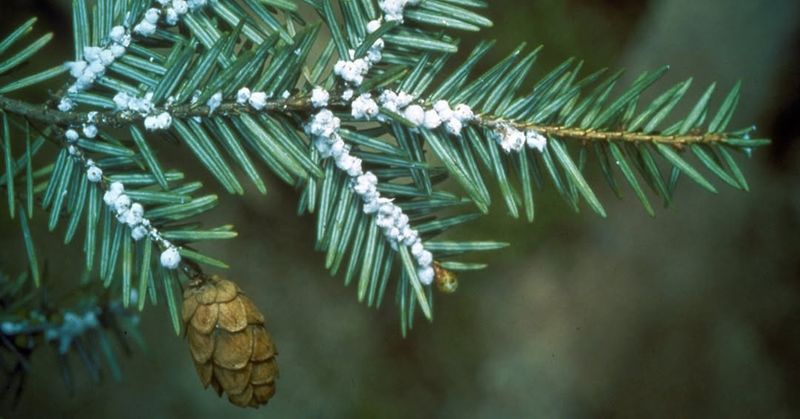
Up in the mountains of northern Georgia, Eastern Hemlock has been a defining part of the forest for thousands of years. With its soft, feathery needles and gracefully drooping branches, it brings a quiet elegance to shaded slopes and stream banks that no other native tree quite matches.
If your property has a cool, shaded, or north-facing area, Eastern Hemlock could be a spectacular choice.
Unlike Leyland cypress, which craves full sun and open space, Eastern Hemlock is one of the few conifers that actually thrives in deep shade. It can grow slowly but steadily under a forest canopy, and over time it develops into a stately tree reaching 40 to 70 feet tall.
The dense layered branching creates excellent year-round privacy screening even without direct sunlight.
Eastern Hemlock supports an impressive web of wildlife in Georgia. More than 90 species of birds and dozens of mammals depend on it for food, shelter, or nesting.
Its tiny cones provide seeds for finches and chickadees, while its thick canopy offers protected nesting spots for species like Acadian flycatchers and black-throated green warblers.
It is worth noting that Eastern Hemlock faces serious pressure from the woolly adelgid in Georgia, so it is better suited to sites where long-term monitoring and treatment are realistic. In northern Georgia especially, choosing Eastern Hemlock over Leyland cypress is a choice that benefits the entire regional ecosystem for generations.
6. Redbay For A Native Coastal Feel
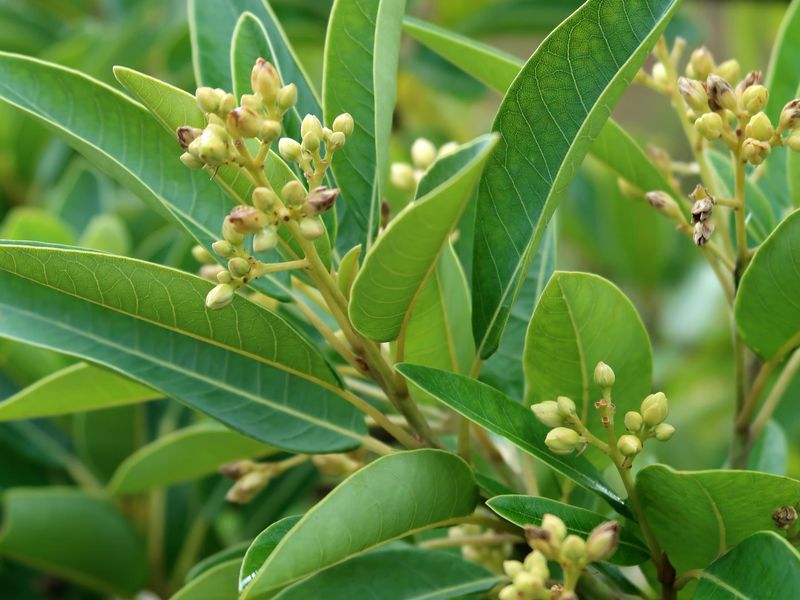
This handsome evergreen is a staple of coastal plain forests and wetland edges from Georgia all the way down through Florida, and it brings a rich, aromatic presence to any landscape lucky enough to have one. Crush a leaf between your fingers and you will immediately recognize the spicy, bay-like scent, similar to the culinary bay leaf used in cooking.
As a Leyland cypress substitute, Redbay offers dense, dark green foliage that holds on through the winter, providing consistent screening and structure in your yard. It typically grows 20 to 40 feet tall, making it a manageable size for most residential properties in Georgia.
It naturally develops a rounded, full canopy that looks attractive without much intervention.
One of Redbay’s most important ecological roles is as the sole host plant for the Palamedes swallowtail butterfly, one of the most striking butterflies found along the Georgia coast. Planting a Redbay is essentially rolling out the welcome mat for this beautiful creature.
Small birds also eat the dark blue fruits that appear in late summer and fall.
Redbay does best in moist, well-drained to wet soils and full sun to partial shade. It is best suited to parts of coastal and southern Georgia where conditions fit its native habitat, but laurel wilt has made it a riskier landscape choice than this suggests.
Compared to Leyland cypress, Redbay is native to Georgia, but it is also highly vulnerable to laurel wilt disease in much of the state.
7. Loblolly Pine For Fast Tall Coverage
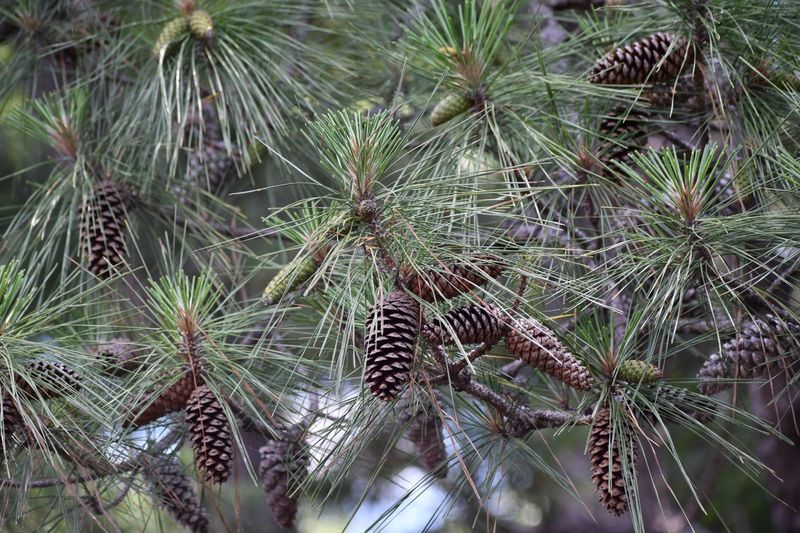
Speed matters when you are replacing a row of Leyland cypress and want privacy back as fast as possible. Loblolly Pine understands that urgency.
One of the fastest-growing native trees in Georgia, it can put on three to five feet of height per year under good conditions, making it one of the quickest ways to restore a green buffer along your property line.
Loblolly Pine is the most common pine species across Georgia, and it thrives in the state’s varied soils, from the sandy flatwoods of the coastal plain to the red clay of the Piedmont. It tolerates wet sites better than most pines, which gives it a flexibility that many homeowners appreciate.
Once established, it is an incredibly low-maintenance tree that largely takes care of itself.
From a wildlife perspective, Loblolly Pine is a powerhouse. Its large cones are loaded with seeds that squirrels, wild turkeys, and dozens of songbird species rely on.
The dense canopy provides nesting habitat for birds like red-cockaded woodpeckers, pine warblers, and brown-headed nuthatches. Bats roost under the loose bark of mature trees, adding another layer of ecological value.
Mature Loblolly Pines can reach 60 to 100 feet tall, creating an impressive canopy that also adds real monetary value to your property. While it is not as perfectly dense at the base as a hedge tree, planting it in staggered rows creates a natural, layered screen that looks far more organic and inviting than a wall of Leyland cypress ever could in Georgia.
8. Longleaf Pine For Graceful Southern Structure
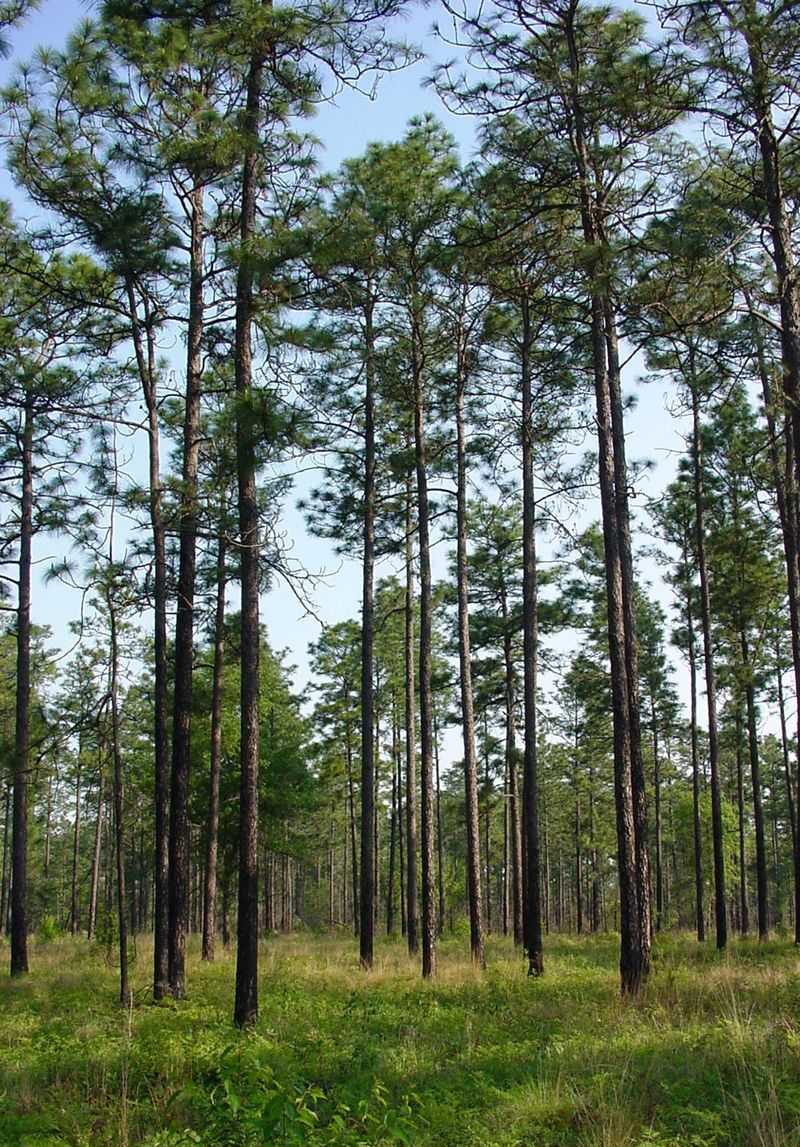
There was a time when Longleaf Pine covered nearly 90 million acres across the southeastern United States, and Georgia stood at the heart of that vast forest. Today, less than three percent of that original ecosystem remains, which makes planting a Longleaf Pine in your Georgia yard feel less like landscaping and more like participating in something genuinely important.
Longleaf Pine is slower to establish than Loblolly Pine, spending its first few years in a grass-like stage close to the ground before shooting skyward. Once it breaks free of that early phase, though, it grows steadily and develops into a magnificent tree with needles up to 18 inches long and cones the size of a large pineapple.
The open, park-like canopy it forms is one of the most beautiful sights in all of Georgia’s natural world.
The ecological value of Longleaf Pine is almost unmatched among native Georgia trees. It supports more than 900 plant species and hundreds of animal species, including the endangered red-cockaded woodpecker.
The open canopy allows sunlight to reach the ground, encouraging a diverse understory of native grasses and wildflowers that support pollinators in large numbers.
Longleaf Pine thrives in well-drained, sandy soils and full sun, making it a natural fit for much of southern and coastal Georgia. It is extremely drought-tolerant once established and has a lifespan that can stretch past 500 years.
Compared to Leyland cypress, planting a Longleaf Pine is an investment in Georgia’s natural heritage that will outlast generations of homeowners.