Vegetables That Fail When Planted In April In Florida
April in Florida is the ultimate garden “catfish.” One morning it’s a breezy paradise, and the next, that rising humidity is whispering a warning: summer is coming.
It’s tempting to squeeze in one last round of cool-season favorites, but planting too late is a mistake that leaves even seasoned pros with withered stems and empty harvests.
As our soil temperatures skyrocket, many crops simply throw in the towel, turning your hard work into a buffet for heat-loving pests.
Before you spend another dime at the nursery, you need to know which vegetables just can’t beat the heat.
Saving your Florida garden starts with knowing exactly what to stop planting this April.
1. Lettuce Struggles As Temperatures Start To Rise
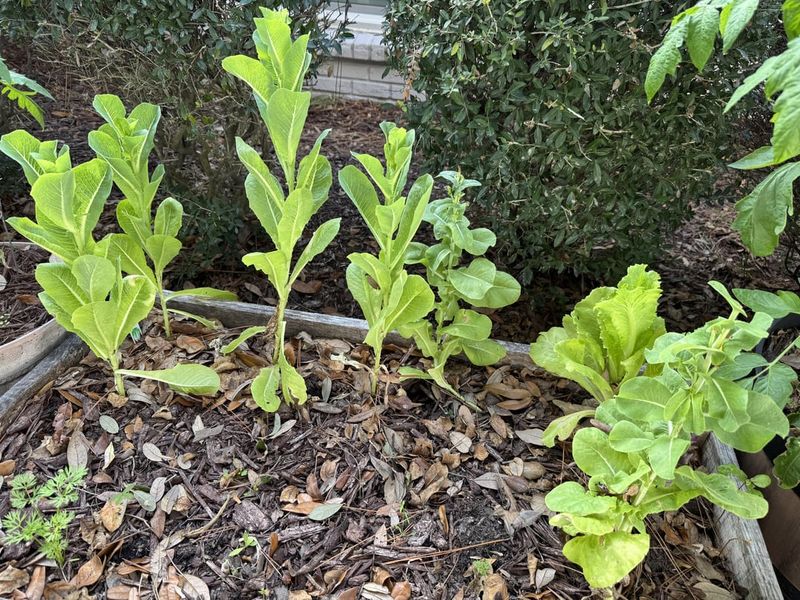
Florida gardeners who have tried growing lettuce through spring have likely noticed the leaves turning bitter and the plants shooting upward almost overnight.
Lettuce is a cool-season crop that performs best when daytime temperatures stay between 60 and 70 degrees Fahrenheit.
Once April arrives and Florida temperatures push into the upper 70s and 80s, lettuce quickly shifts its energy from producing leaves to producing flowers and seeds.
This process, called bolting, makes the leaves tough, bitter, and far less enjoyable to eat. Lettuce is ideally planted in Florida between September and March, depending on the region.
Planting in April means the crop is already racing against the clock from the moment seeds go into the ground.
South Florida gardeners face this challenge even earlier in the year, while North Florida gardeners may get a brief window in early April before heat sets in.
Providing shade cloth and consistent moisture can slow bolting slightly, but it rarely prevents it entirely.
If you enjoy growing lettuce in Florida, the fall and winter months offer far more reliable results. Save your lettuce seeds for October and enjoy a much more productive and satisfying harvest season in your Florida garden.
2. Spinach Bolts Quickly In Florida Heat
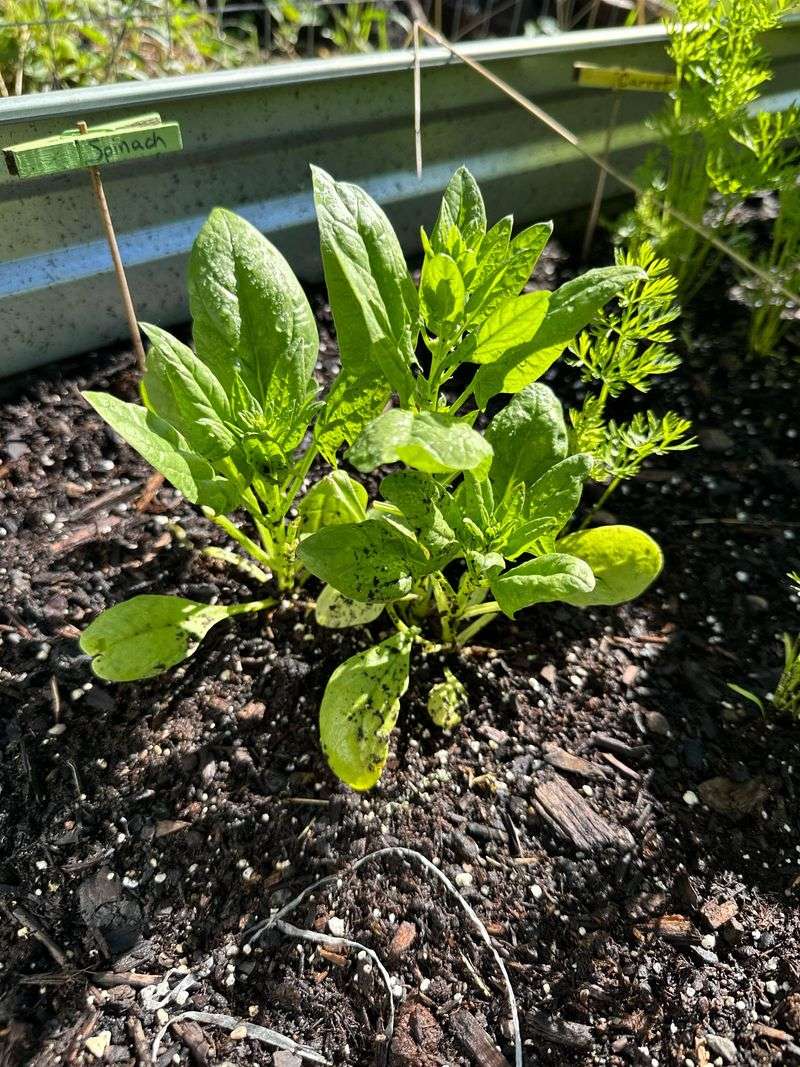
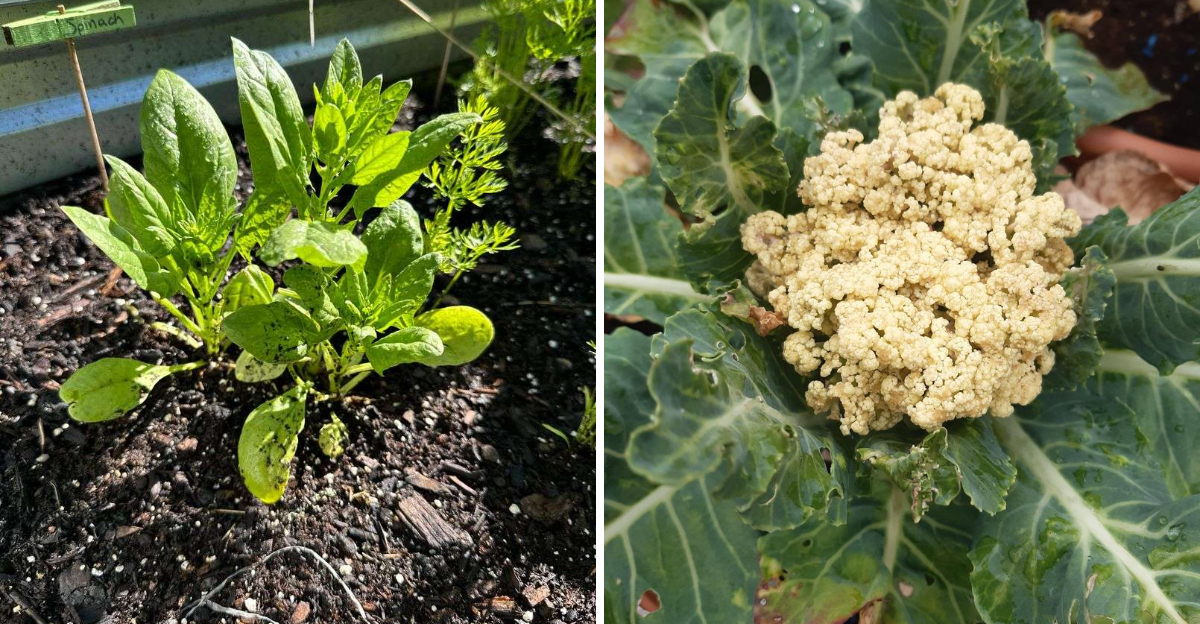
Few vegetables are as sensitive to heat as spinach, and Florida’s April climate is almost tailor-made to push this crop past its limits.
Spinach thrives when temperatures stay between 35 and 65 degrees Fahrenheit, making it a solid cool-season performer during Florida’s fall and winter months.
When April brings longer days and rising temperatures, spinach responds by bolting rapidly, sending up tall flower stalks and producing leaves that taste sharp and unpleasant.
Florida’s increasing day length in spring actually triggers bolting in spinach even before the heat becomes extreme. This combination of longer daylight hours and warmer conditions makes April one of the worst months to start spinach anywhere in Florida.
Experts recommend finishing spinach plantings in Florida by February or early March at the latest, depending on your region of the state.
Once spinach bolts, the plant puts little energy into producing new edible leaves, making the harvest essentially over.
Gardeners sometimes try heat-tolerant spinach varieties to extend the season, but even those struggle when Florida’s humidity and warmth combine in spring.
A better approach is planting spinach in October or November, when Florida nights cool down and conditions favor steady, productive growth. Timing really does make all the difference with this particular crop.
Your Florida Garden Changes Every Week. Your Plan Should Too.
Gardening in Florida changes quickly throughout the season. Every Friday you’ll receive a simple weekly plan showing exactly what to plant, prune, fertilize, harvest, and protect so you never miss the right timing.
3. Broccoli Fails To Form Proper Heads In Warm Weather
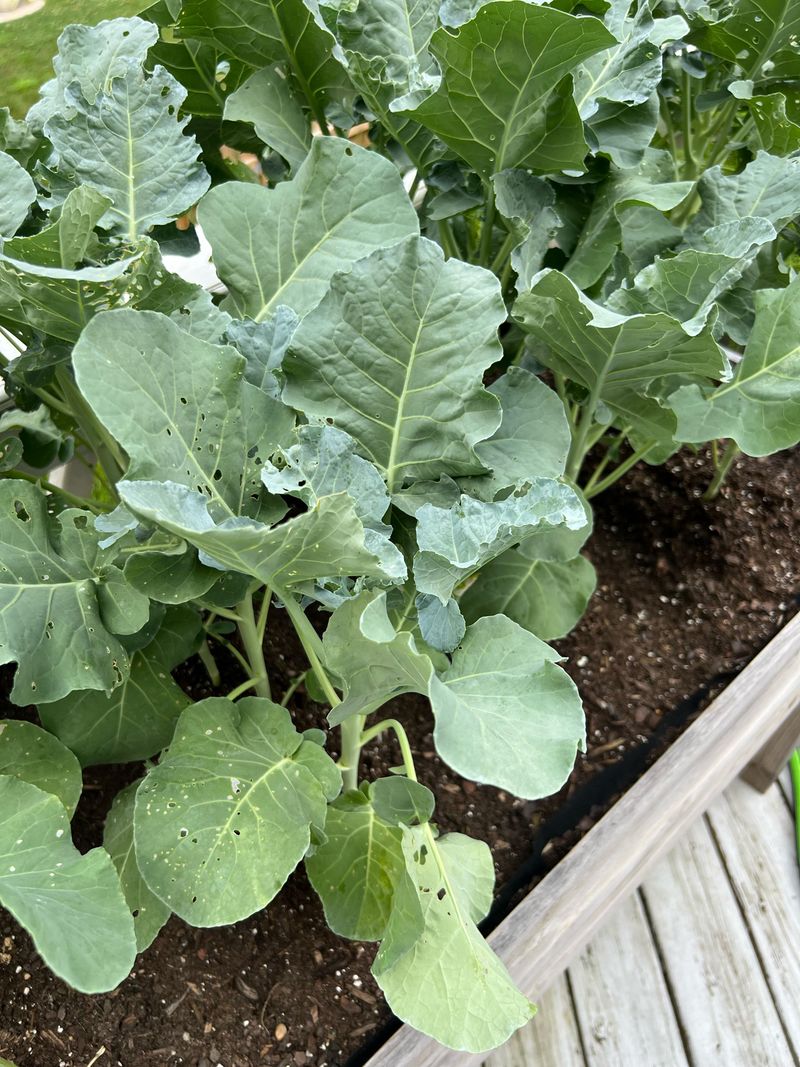
Broccoli is one of those vegetables that demands patience and the right conditions, and April in Florida offers neither.
To form the dense, tightly packed heads most gardeners expect, broccoli needs sustained cool temperatures, ideally between 45 and 65 degrees Fahrenheit during its heading stage.
When soil and air temperatures climb in April, broccoli skips proper head formation entirely and moves straight into flowering.
Florida gardeners who plant broccoli in April often end up with loose, scattered clusters of tiny yellow flowers rather than the firm green heads they were hoping for.
This rapid transition is the plant responding to heat stress by rushing through its reproductive cycle.
Experts often recommend planting broccoli transplants in Florida between August and February, well ahead of the spring heat surge.
North Florida gardeners occasionally manage a late planting in early March, but April is firmly outside the safe window across most of the state.
Starting broccoli too late also makes the plants more vulnerable to aphids and caterpillars, which become increasingly active as Florida spring temperatures climb.
Consistent watering and heavy mulching can help moderate soil temperature slightly, but they cannot fully compensate for the heat. For reliable broccoli harvests in Florida, fall planting remains the most dependable strategy by a wide margin.
4. Cauliflower Struggles To Develop In Spring Heat
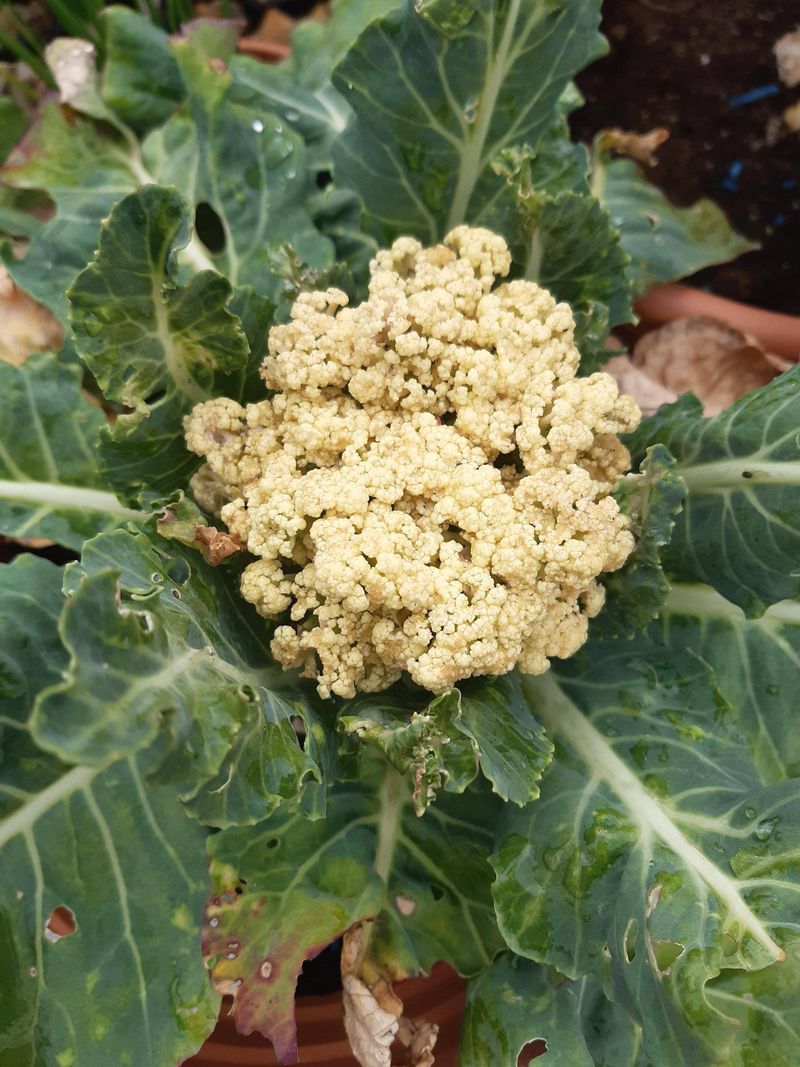
Cauliflower has earned a reputation among Florida gardeners as one of the most temperature-sensitive vegetables to grow.
Forming a dense, white curd requires an extended period of cool temperatures, and any significant heat during development causes the curd to loosen, discolor, or fail to form at all.
April in Florida brings exactly the kind of warmth that disrupts this process at the most critical stage.
Even a few days of temperatures above 75 degrees Fahrenheit can cause cauliflower to produce small, ricey curds that look nothing like a market-quality head.
Florida’s spring transition happens quickly, and April planting puts cauliflower in direct competition with rising heat from the very start.
Cauliflower should be established in Florida between September and February, giving the plant enough cool weather to mature properly.
Gardeners sometimes attempt to protect cauliflower with shade cloth or extra irrigation in April, and while those steps can reduce heat stress, they rarely produce the results that a well-timed fall planting delivers.
Cauliflower also requires consistent moisture and fertile soil, and Florida’s increasing evaporation rates in spring make moisture management more demanding.
Waiting until October to start cauliflower transplants in Florida gives this finicky vegetable the extended cool period it genuinely needs to thrive and produce heads worth harvesting.
5. Cabbage Loosens Instead Of Forming Tight Heads
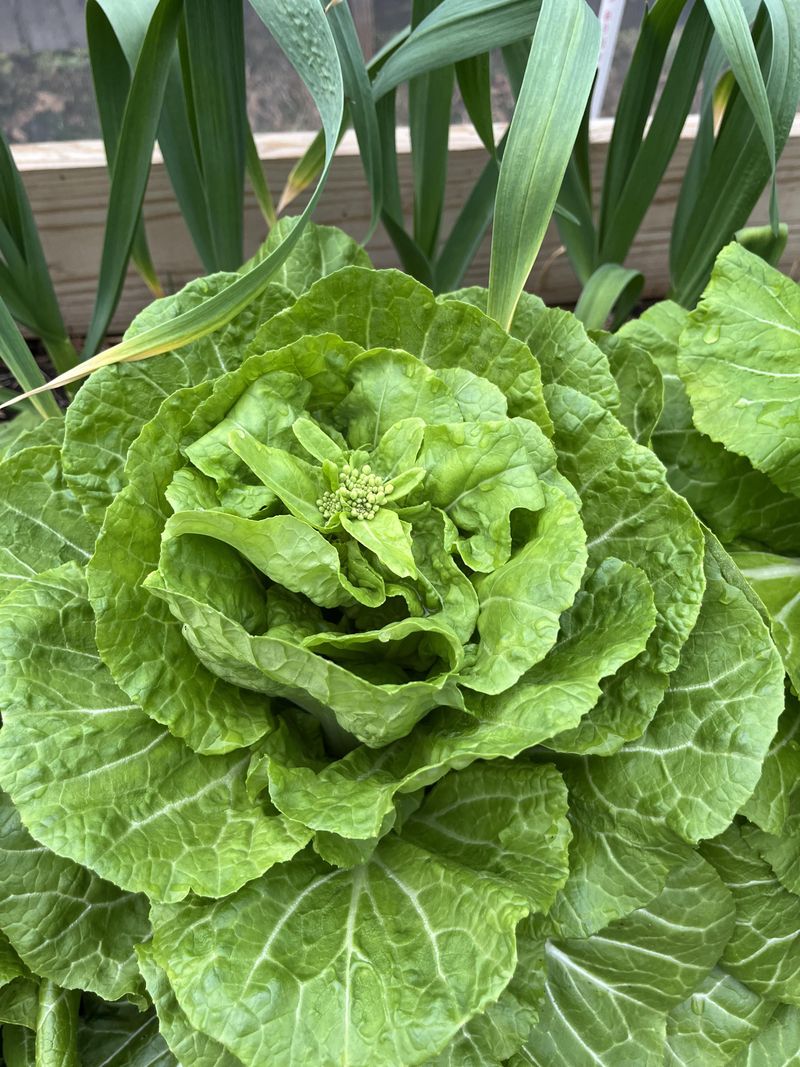
There is something unmistakably satisfying about pulling a firm, dense cabbage head from the garden, but April planting in Florida makes that outcome unlikely.
Cabbage forms its characteristic tight heads when temperatures stay consistently cool, roughly between 45 and 65 degrees Fahrenheit, throughout its growth period.
When warmth arrives too quickly, as it reliably does across Florida in April, the outer leaves continue to expand while the inner leaves fail to compact properly.
The result is a loose, leafy plant that never closes into a true head.
Beyond poor head formation, warm April temperatures also accelerate cabbage’s transition to bolting, where the plant sends up a central flower stalk and the flavor of the leaves becomes noticeably stronger and less appealing.
Guidelines for Florida gardeners often recommend planting cabbage transplants between August and February across most of the state.
Gardeners in North Florida occasionally stretch this window slightly into early March, but by April, heat stress becomes a real obstacle throughout the entire state.
Cabbage planted in April also tends to attract more pests, including loopers and harlequin bugs, which thrive as Florida temperatures climb through spring.
Choosing a fall planting date and selecting varieties suited to Florida’s mild winters gives cabbage the long, cool growing period it needs to develop the firm, full heads that make the effort worthwhile.
6. Peas Slow Down As Humidity Increases
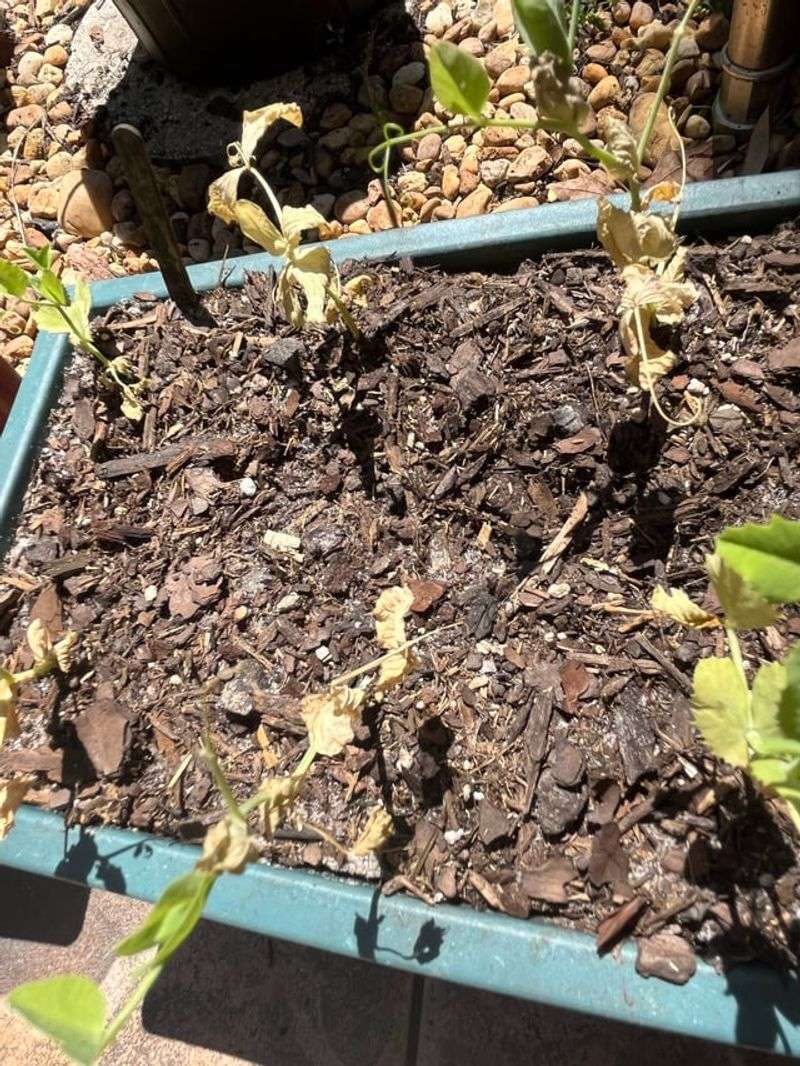
Peas are a cool-season crop that Florida gardeners can grow successfully in winter, but April brings conditions that work directly against them.
As humidity rises across the state in spring, pea plants become increasingly susceptible to fungal diseases like powdery mildew, which spreads quickly across leaves and reduces the plant’s ability to photosynthesize and produce pods.
The combination of warmth and moisture that defines Florida’s April weather is essentially the opposite of what peas prefer.
Peas grow best when temperatures stay between 45 and 65 degrees Fahrenheit, and they begin to slow pod production noticeably once daytime highs climb above 70.
Florida’s April temperatures routinely exceed that threshold, particularly in Central and South Florida.
Experts often suggest finishing pea plantings in Florida by February or early March to allow the crop to mature before heat and humidity take hold.
Gardeners who plant peas in April often report short, unproductive vines and pods that fail to fill out before the plants decline.
Even snap peas and sugar snap varieties, which tolerate slightly warmer conditions than English peas, struggle in Florida’s April humidity.
Providing good air circulation, planting on a trellis, and keeping the soil consistently moist can help extend the season slightly. Still, the most productive pea crops in Florida come from plantings timed well ahead of the spring humidity surge.
7. Radishes Turn Pithy Instead Of Crisp
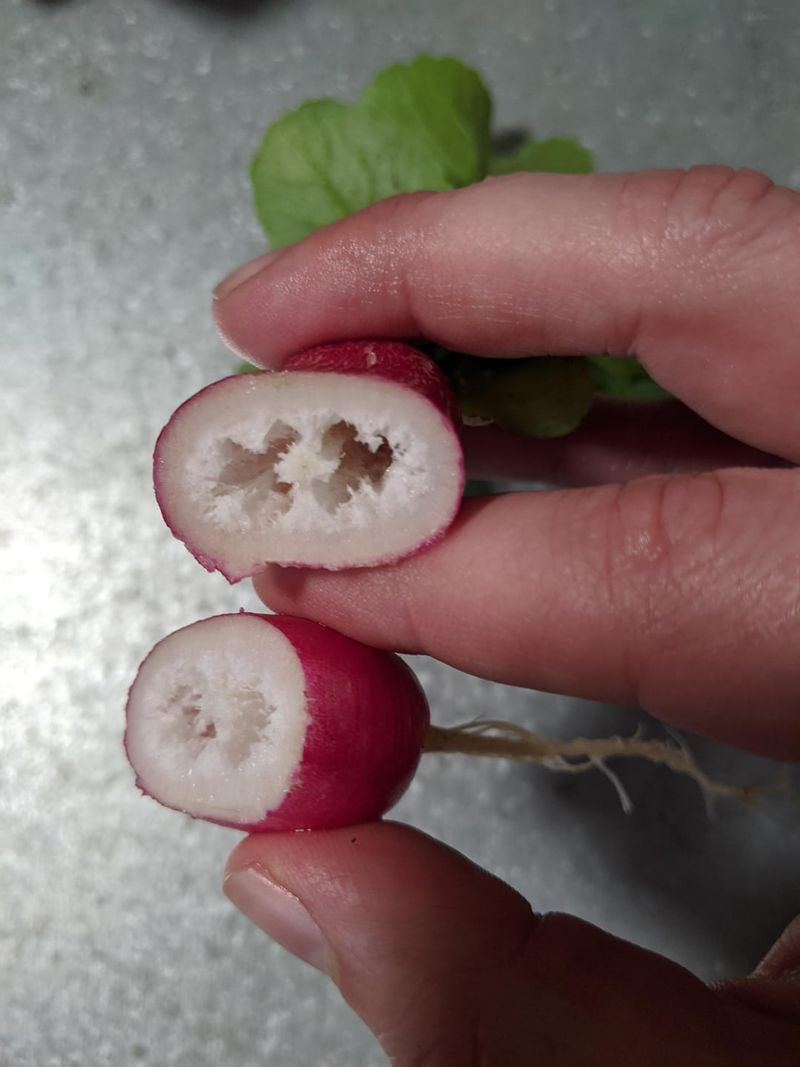
Radishes are often recommended as a beginner-friendly vegetable because they grow quickly and require minimal attention, but April in Florida has a way of turning those fast-growing roots into something far less satisfying.
When soil temperatures rise above 65 degrees Fahrenheit, radishes tend to develop a pithy, spongy interior rather than the firm, crisp texture that makes them enjoyable to eat.
Florida’s soil warms up fast in spring, and April planting puts radishes right in the middle of that warming trend.
Heat also accelerates bolting in radishes, pushing the plant to flower before the root has fully developed. A radish that bolts early produces a woody, hollow root with little culinary value.
Florida gardeners who have pulled radishes from April plantings often describe them as soft, fibrous, and oddly hollow, a far cry from the snappy, spicy roots that come from cool-season plantings.
Radishes in Florida are best planted from September through February, when cooler soil temperatures allow the roots to develop slowly and evenly.
Varieties like Cherry Belle and French Breakfast perform well during Florida’s cool season but struggle in April’s heat just like any other radish type.
Succession planting every two weeks during the fall and winter months is a practical way to keep a steady supply of crisp radishes coming in throughout Florida’s cooler months, rather than risking a disappointing April harvest.
8. Beets Struggle To Form Healthy Roots
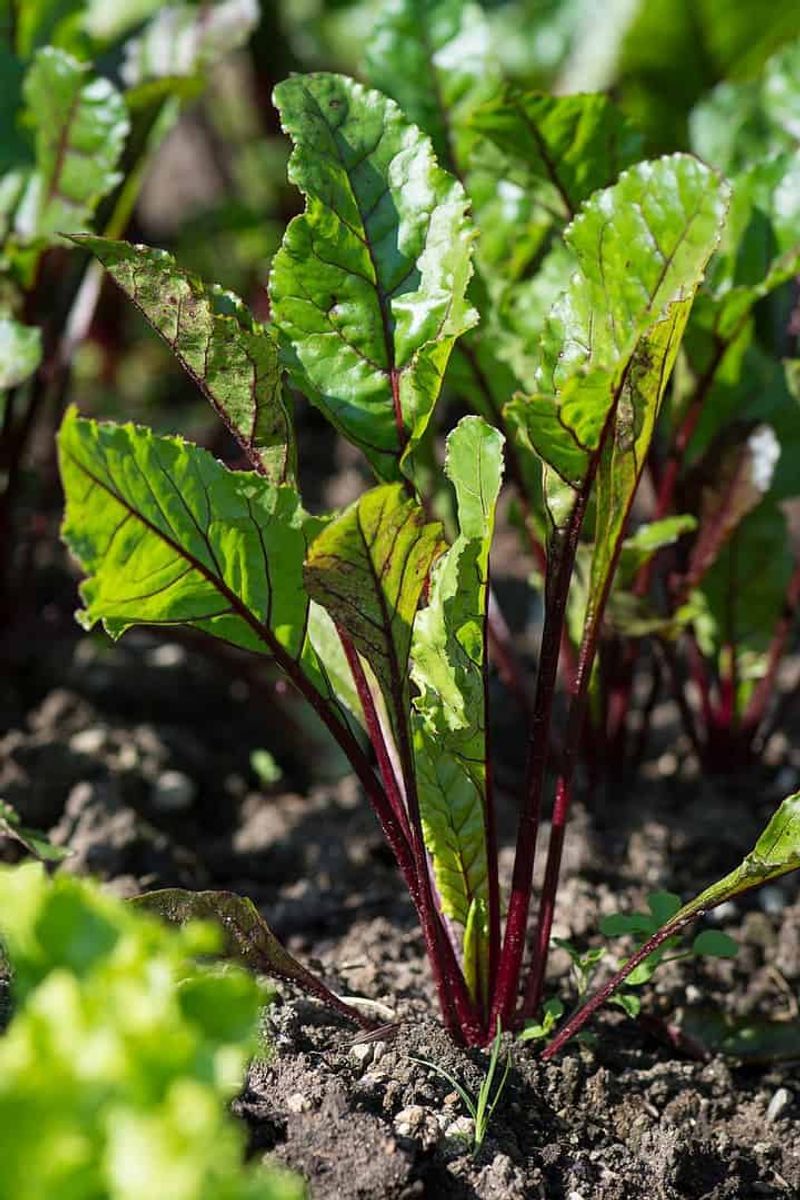
Beets are a cool-season root vegetable that can produce beautifully in Florida during the right months, but April is not among them. Healthy beet root development depends on consistent soil temperatures between 50 and 65 degrees Fahrenheit.
When Florida’s April soil temperatures climb beyond that range, beet roots often remain small, develop an irregular shape, or become tough and fibrous rather than smooth and tender.
High soil temperatures also affect germination rates, with beet seeds becoming less reliable as warmth increases.
Gardeners who do manage to germinate beets in April frequently find that the roots never size up properly before the plants begin to bolt.
Once beets bolt, the energy that should go into root development shifts entirely toward flowering and seed production, leaving little behind for the gardener to harvest.
Experts recommend starting beets between September and February across most of the state, with timing varying slightly by region.
North Florida gardeners may get reasonable results from plantings in early March, but April is generally too late to expect a quality harvest anywhere in the state.
Beet greens, which are edible and nutritious, may still be harvestable from April plantings, but the roots themselves are unlikely to impress.
Shifting beet planting to October or November gives Florida gardeners the best chance of pulling firm, flavorful roots from well-conditioned soil.