10 Quick Garden Jobs To Finish In April In Georgia
April in Georgia can make a gardener feel like the whole yard is calling at once. The lawn needs attention, containers are begging to be filled, weeds seem to appear overnight, and every trip to the garden center turns into one more reminder that the season is moving fast.
It is a fun month, but it can also get away from people in a hurry. That is why quick garden jobs matter so much right now.
You do not need a full weekend, a color-coded schedule, or some grand backyard overhaul to make real progress.
A handful of timely chores in April can help plants settle in, keep problems from snowballing, and set the garden up for a smoother stretch heading into warmer weather.
This is the month for getting ahead of the trouble before it has a chance to spread. Knock out the right tasks now, and May feels a whole lot less chaotic.
1. Add Summer Annuals After Amending The Soil
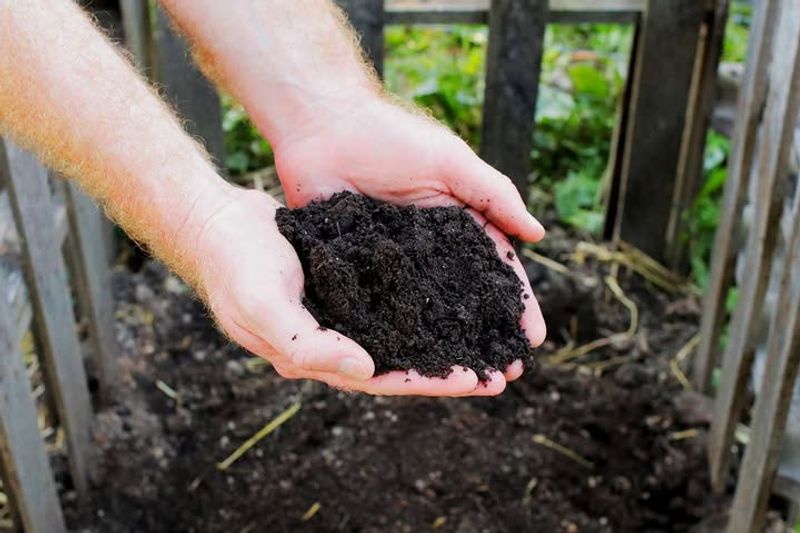
Every great flower bed starts from the ground up, and April in Georgia is exactly the right time to get your soil ready for summer annuals. Before you even think about dropping a single plant into the ground, take a few minutes to work some compost or aged organic matter into your existing soil.
This simple step improves drainage, adds nutrients, and gives roots a much easier path to grow deep and strong.
Georgia soil can range from heavy red clay to sandy loam depending on where you live, so amending it every season is not just helpful, it is essential. Mix in a balanced slow-release fertilizer along with your compost to give your annuals a long-lasting boost right from the start.
Popular summer choices like zinnias, marigolds, vinca, and pentas can do well once the soil has warmed and the last freeze has passed in Georgia.
Once your beds are prepped, space your transplants according to their mature size so they have room to spread and fill in nicely. Water them in thoroughly after planting to help roots settle and reduce stress.
A well-prepared bed means fewer problems down the road and more vibrant blooms all summer long.
2. Plant Warm-Season Vegetables After Frost Danger Passes
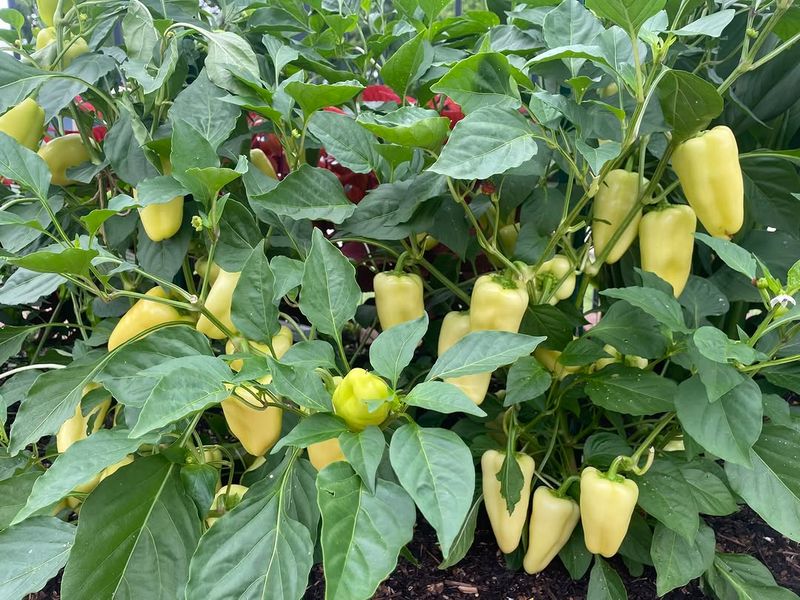
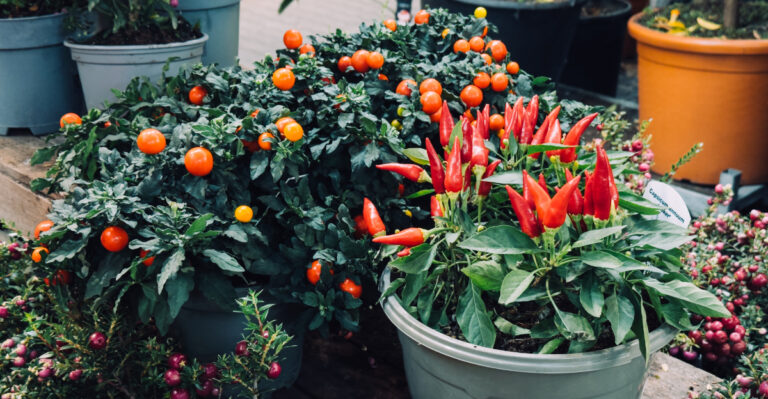
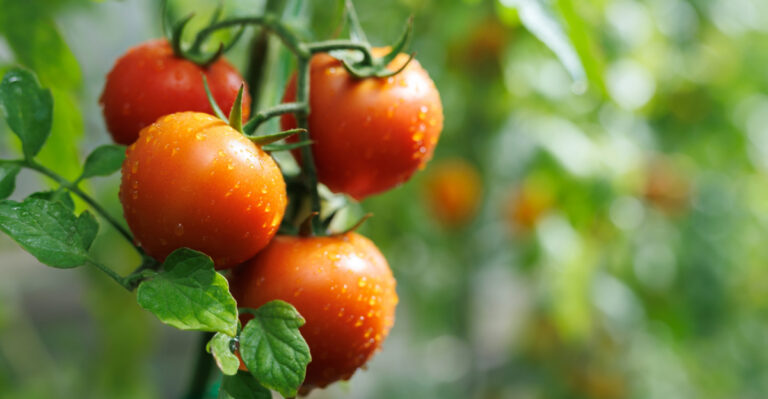
By mid-April, most of central and south Georgia has seen its last frost, and that is your green light to get warm-season vegetables in the ground. Tomatoes, peppers, cucumbers, squash, and eggplant are all ready to go once nighttime temperatures stay consistently above 50 degrees Fahrenheit.
Planting too early, before the soil has warmed to at least 60 degrees, can stunt growth and leave your transplants struggling rather than thriving.
North Georgia gardeners should wait just a bit longer, as higher elevations can still see cold snaps into late April. Check your local forecast and keep an eye on soil temperature with an inexpensive thermometer.
When conditions are right, work your beds well, add a balanced vegetable fertilizer, and plant your transplants at the proper depth, burying tomato stems deep to encourage extra root growth.
Your Georgia Garden Changes Every Week. Your Plan Should Too.
Gardening in Georgia changes quickly throughout the season. Every Friday you’ll receive a simple weekly plan showing exactly what to plant, prune, fertilize, harvest, and protect so you never miss the right timing.
Spacing matters a lot with warm-season crops. Crowded plants compete for nutrients, water, and sunlight, and poor air circulation can lead to fungal issues during Georgia’s humid summers.
Follow the spacing recommendations on plant tags and give each plant the room it needs. A little planning now means a much heavier harvest by July and August.
3. Mulch Around Fruit Trees Without Piling Mulch Against The Trunk
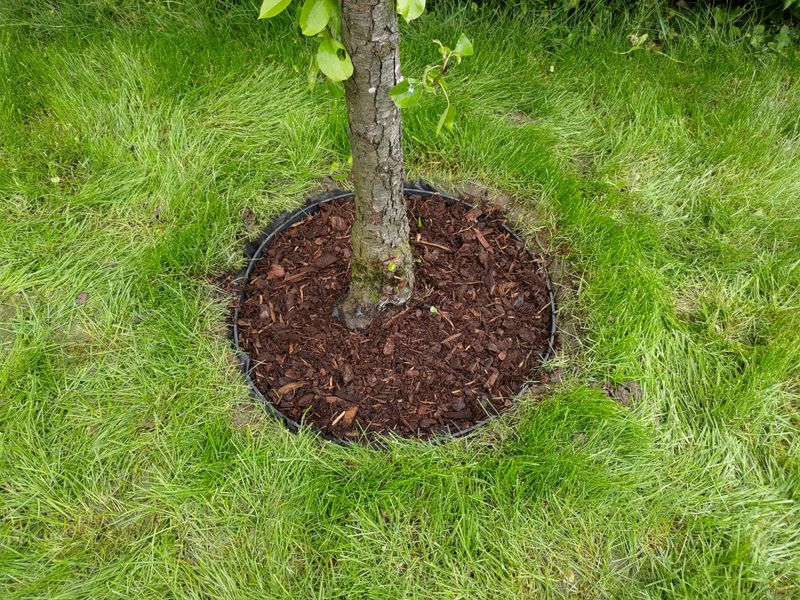
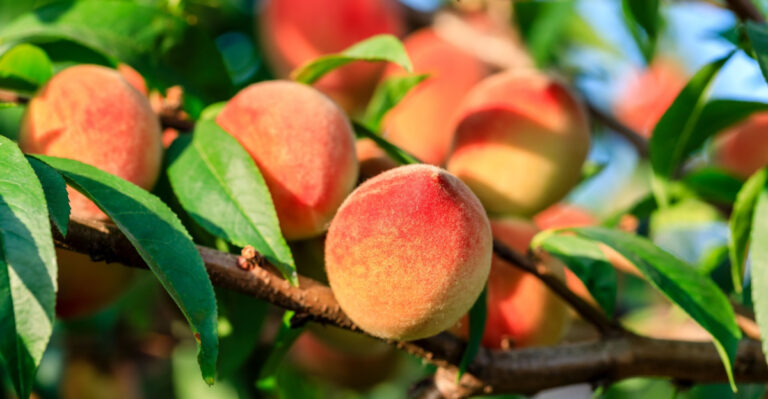
Fruit trees love a good layer of mulch, and April is a perfect time to refresh or add mulch around peaches, apples, figs, and blueberries throughout Georgia. A two to three inch layer of wood chips, pine straw, or shredded bark helps hold moisture in the soil, keeps weeds from competing with your tree, and moderates soil temperature as the summer heat starts to build.
The results are noticeable, especially during dry spells.
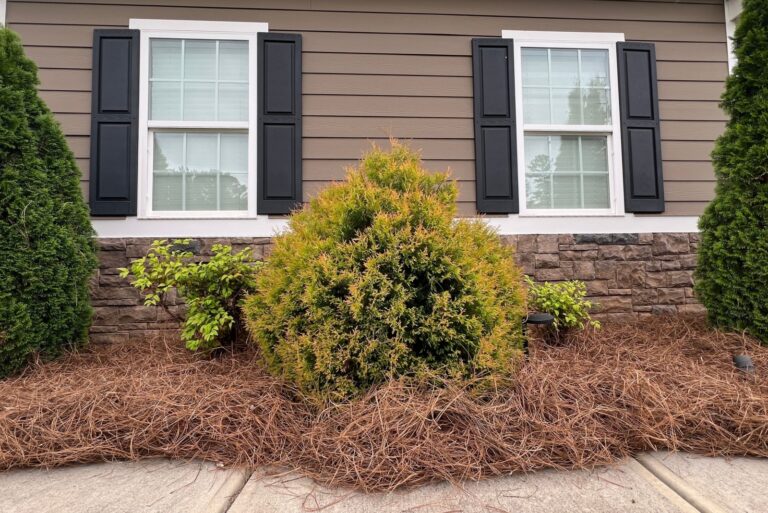
One rule that every Georgia gardener should remember is to keep mulch pulled back several inches from the base of the trunk. Piling mulch directly against the bark, sometimes called volcano mulching, traps moisture against the wood and creates the perfect environment for rot and pests to move in.
Pull the mulch back so the root flare at the base of the tree is visible and exposed to air.
Spread your mulch in a wide ring extending out to the drip line of the tree if possible. The wider the mulched area, the more roots benefit from the moisture retention and weed suppression.
Refreshing this mulch layer each spring is a small task that pays off in healthier, more productive fruit trees year after year across Georgia.
4. Scout Azaleas And Other Ornamentals For Lace Bugs
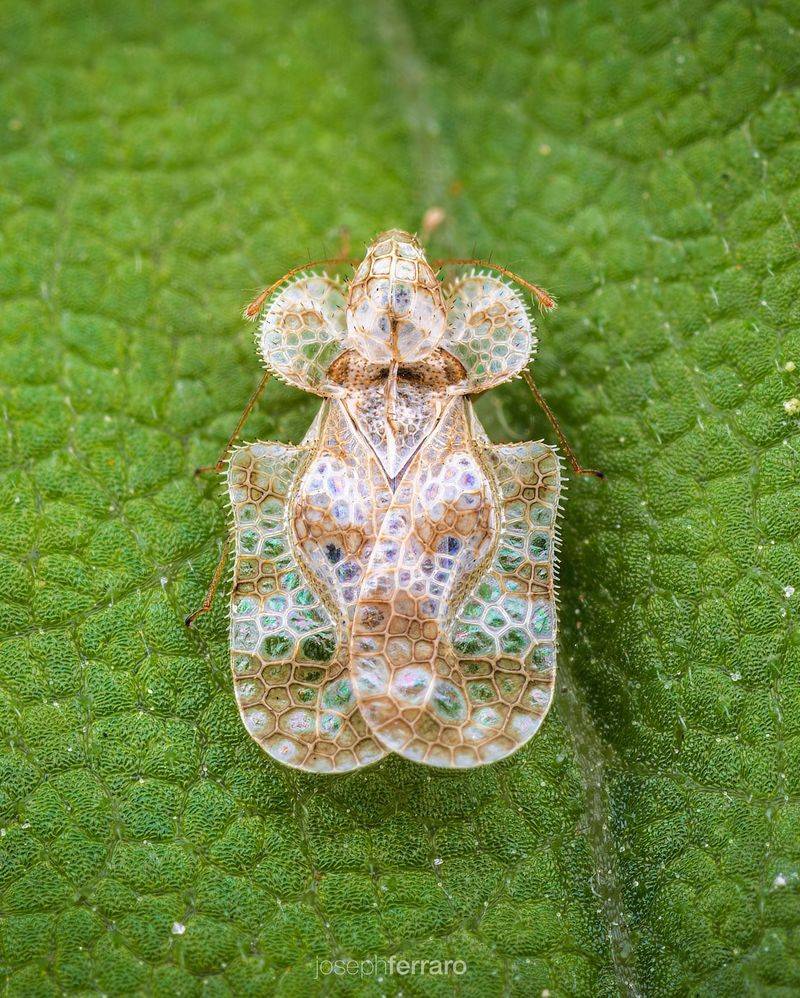
Azaleas are one of Georgia’s most beloved landscape plants, and April is when they really put on a show. But just as the blooms fade and new growth emerges, lace bugs move in and start feeding on the underside of leaves.
These tiny pests cause a distinctive bleached, stippled appearance on the upper surface of leaves, making healthy plants look dull and stressed. Catching them early makes a big difference in how well you can manage them.
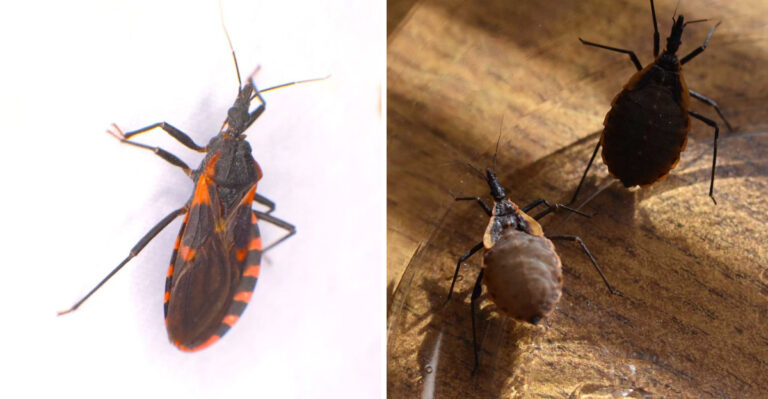
To check for lace bugs, flip over a few leaves and look for small, lacy-winged insects and their dark, sticky droppings. You may also notice tiny black dots on the undersides, which are a telltale sign of an active infestation.
Andromeda, pyracantha, and sycamore are also common targets in Georgia landscapes, so check those plants while you are at it.
For light infestations, a strong spray of water from a hose can knock the bugs off. Horticultural oil or insecticidal soap applied to leaf undersides works well for more serious problems.
Avoid treating plants during the hottest part of the day to prevent leaf burn. Staying on top of lace bug scouting each April keeps your ornamentals looking their best through the season.
5. Fertilize Ornamentals
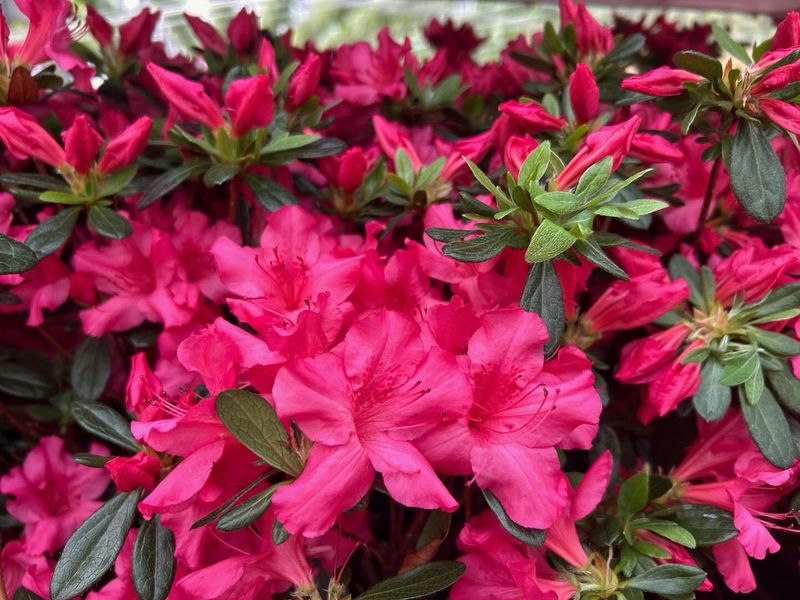
Spring is when ornamental plants are pushing out new growth fast, and they need fuel to keep up that pace. April is an ideal time to fertilize shrubs, ornamental grasses, and flowering perennials throughout Georgia.
A slow-release, granular fertilizer applied now feeds plants steadily over several weeks, which is much more effective than a single heavy dose that can wash away quickly in spring rains.
Acid-loving plants like azaleas, gardenias, and camellias do best with a fertilizer formulated for acid-loving plants, applied according to label directions and plant needs rather than simply choosing a higher first number. Always follow the package directions carefully, since over-fertilizing can scorch roots and actually slow down plant development rather than speed it up.
For ornamental trees and landscape shrubs that have recently been transplanted, go easy on the fertilizer during their first year. Newly planted specimens need time to establish roots before being pushed to grow quickly.
A light application of a balanced fertilizer is plenty for younger plants. Watering after you fertilize helps move nutrients down into the root zone where they can actually be absorbed and put to use by your Georgia garden plants.
6. Finish Last-Minute Pruning On Non-Blooming Ornamentals
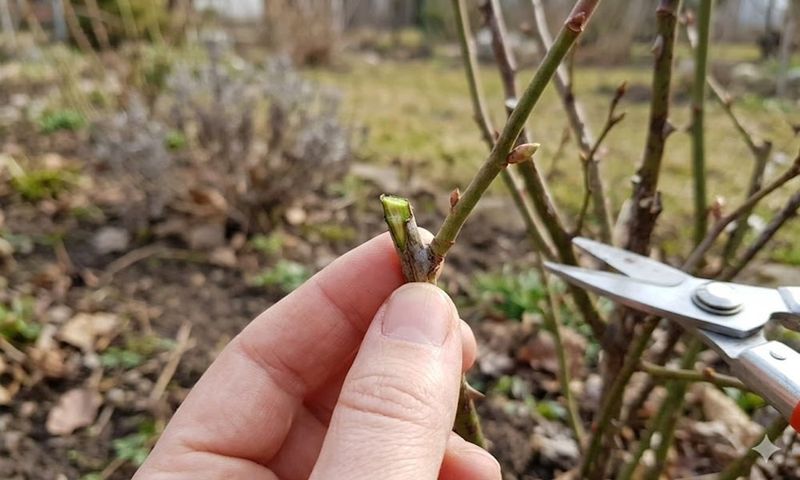
April is truly your last chance to prune many ornamental shrubs and trees before the growing season kicks into full gear. Once plants start pushing out significant new growth, pruning becomes less ideal because you end up removing the fresh leaves and stems the plant just worked hard to produce.
Non-blooming ornamentals like hollies, ligustrums, and boxwoods can all be shaped and cleaned up now, but spring-blooming shrubs should be pruned after flowering so you do not remove flower buds.
Keep your pruning tools sharp and clean before you start. Dull blades crush stems rather than cutting them cleanly, which leaves ragged wounds that are slower to heal.
A quick wipe with rubbing alcohol between plants also helps prevent the spread of any disease from one shrub to another, which is a simple habit that experienced Georgia gardeners swear by.
Start by removing any damaged, crossed, or rubbing branches, then step back and look at the overall shape of the plant. Aim for natural, flowing lines rather than overly boxy or geometric shapes, which can look stiff and unnatural in the landscape.
A light shaping now encourages a full, bushy response as the plant grows through spring and summer. Finishing this task before late April keeps your Georgia yard looking neat and well-maintained all season.
7. Divide Hostas After They Emerge
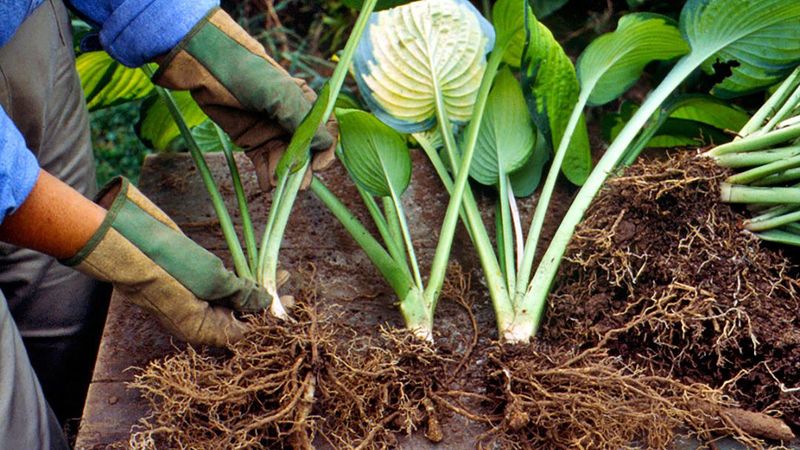
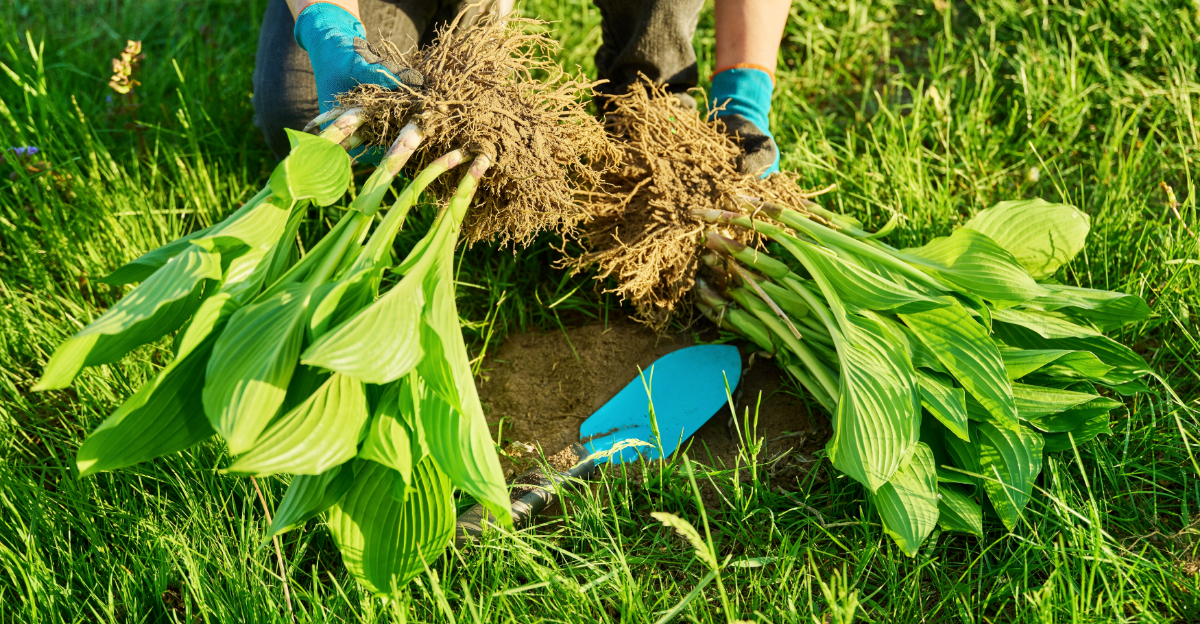
Few plants are as satisfying to divide as hostas, and April is hands-down the best time to do it in Georgia. As the tightly rolled spears of new growth push up through the soil, you have a clear view of the clump and can divide it with minimal damage to the leaves.
Waiting until hostas are fully leafed out makes the job messier and harder on the plant, so catching them early really pays off.
Use a sharp garden fork or spade to lift the entire clump out of the ground, then work the roots apart into smaller sections. Each division should have at least two or three growth points, also called eyes, to ensure it has enough energy to establish and grow on its own.
Replant divisions at the same depth they were growing before, and water them in well right after planting.
Dividing hostas does more than just give you free plants for other spots in your Georgia garden. It also rejuvenates older clumps that may have become crowded and less vigorous over time.
Hostas that have been divided regularly tend to produce larger, more lush leaves and fill in more beautifully each season. Share the extras with neighbors, fill shady spots around your yard, or pot them up as gifts.
8. Pull Back Mulch From Emerging Perennials
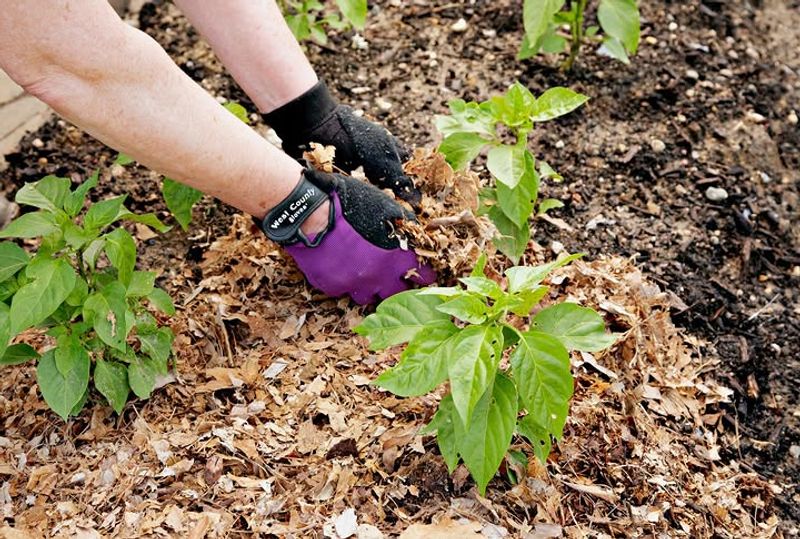
Winter mulch does a fantastic job of protecting perennial roots from cold, but once spring arrives in Georgia, that same mulch can actually slow things down. As temperatures warm in April and your perennials start pushing up new growth, a thick layer of mulch sitting on top of them can trap moisture, block sunlight, and make it harder for tender shoots to reach the surface.
Pulling it back at just the right time gives your plants the room they need to emerge and grow.
Walk through your garden beds regularly starting in early April and look for signs of emerging growth. You might spot the red-tipped spears of daylilies, the fuzzy mounds of coneflowers, or the papery tips of black-eyed Susans just breaking through the soil.
When you see this new growth, gently rake or hand-pull the mulch back a few inches away from the crown of each plant.
You do not need to remove the mulch entirely. Simply move it to the outer edges of the plant where it can still suppress weeds and hold moisture without smothering the crown.
Once your perennials are a few inches tall and growing strongly, you can ease the mulch back in closer if needed. This one small task can noticeably speed up plant development in your Georgia garden beds.
9. Harden Off Greenhouse Plants Before Planting Them Outside
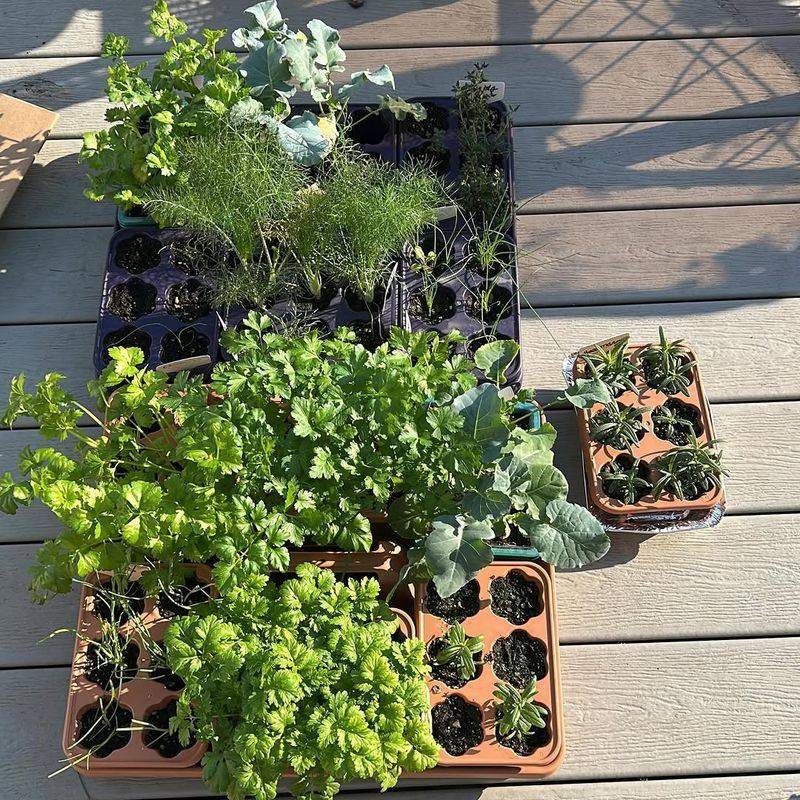
Plants that have been growing inside a greenhouse or under grow lights are used to a very comfortable, controlled environment. Suddenly moving them into the full Georgia sun, wind, and fluctuating temperatures of April can send them into shock, causing leaves to turn white or yellow and growth to stall.
Hardening off is the process of gradually introducing indoor-grown plants to outdoor conditions, and it makes a dramatic difference in how well transplants perform after planting.
Start by placing your seedlings outside in a sheltered spot with indirect light for just a couple of hours on the first day. Each day after that, increase the time outdoors and gradually move them into more direct sun.
After about one to two weeks of this back-and-forth routine, your plants will be ready to handle a full day in the garden without stress or leaf damage.
Watch the weather forecast during the hardening-off period and bring plants inside if temperatures are expected to drop below 50 degrees Fahrenheit at night. Georgia springs can be unpredictable, with warm days sometimes followed by surprisingly cool nights, especially in the northern part of the state.
A little patience during this stage means your plants will hit the ground running once they are finally transplanted into the garden.
10. Clean Up Flower Beds And Remove Faded Flower Stalks From Spring Bulbs
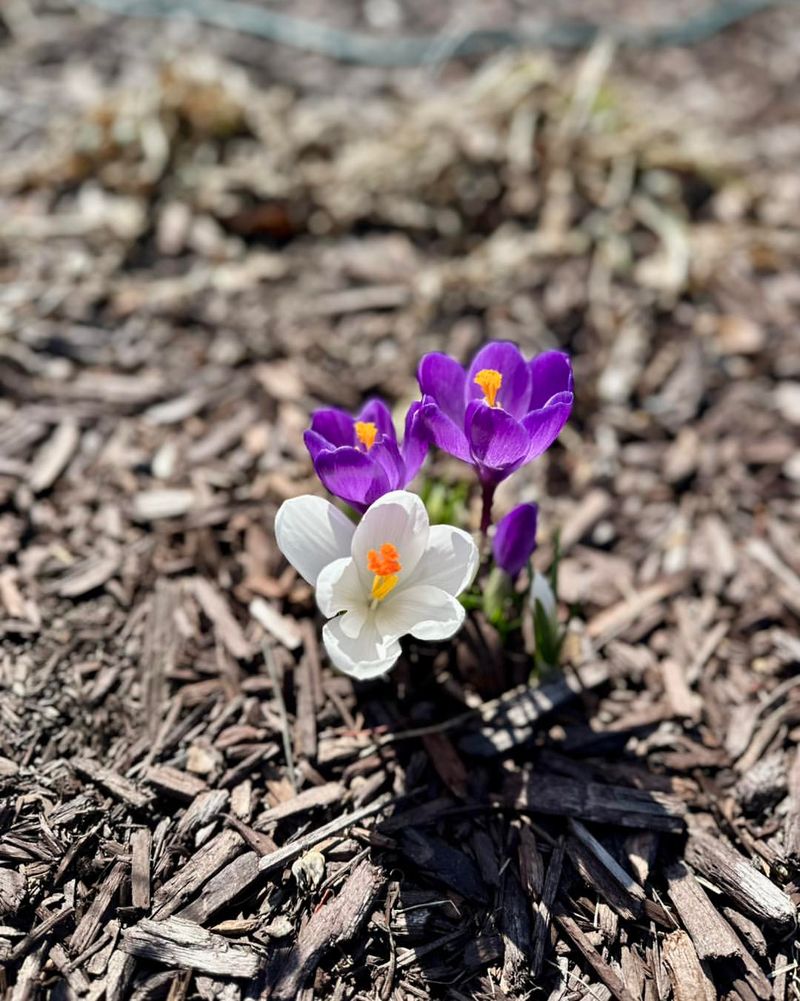
Spring bulbs like daffodils, tulips, and hyacinths put on a gorgeous show in Georgia gardens, but once those blooms fade, the beds can start looking a little tired. April is the time to tidy things up and get your flower beds ready for the warm season ahead.
Removing spent flower stalks keeps beds looking neat and also prevents the plant from putting energy into forming seeds when that energy is better spent going back into the bulb for next year.
When removing faded stalks, cut them off at the base but leave the foliage in place. The green leaves are still doing important work, photosynthesizing and sending energy back down to the bulb underground.
Removing the leaves too early weakens the bulb and leads to fewer blooms the following spring. Let the foliage yellow and fade back naturally, which usually takes about six weeks after blooming ends.
While you are cleaning up bulb areas, take the opportunity to remove any faded leaves, winter debris, and old plant material from the rest of your flower beds. Clearing out this clutter improves air circulation, reduces hiding spots for pests, and gives your Georgia garden a fresh, polished look heading into the growing season.
A tidy bed in April sets a great foundation for everything that comes next.