10 Desert-Friendly Backyard Ideas That Work In Arizona Heat
Anybody can love a pretty backyard in perfect weather. Arizona asks for something tougher.
When the sun is blazing, the ground is hot enough to make you rethink sandals, and every plant choice has to earn its keep, a good-looking yard starts with smarter ideas, not just prettier ones.
That is where desert-friendly design really shines. The best Arizona backyards are not trying to copy cooler, wetter places.
They work with heat, bright light, dry air, and the reality of long summers. Shade matters. Materials matter. Plant placement matters.
Even the way a seating area faces can change how much you actually use it.
The good news is that practical does not have to mean plain. There are backyard ideas that hold up beautifully and still make the space feel welcoming.
Some cool the scene down visually, and some make outdoor time feel a lot more possible by late afternoon.
1. Plan The Yard Around Xeriscape Principles
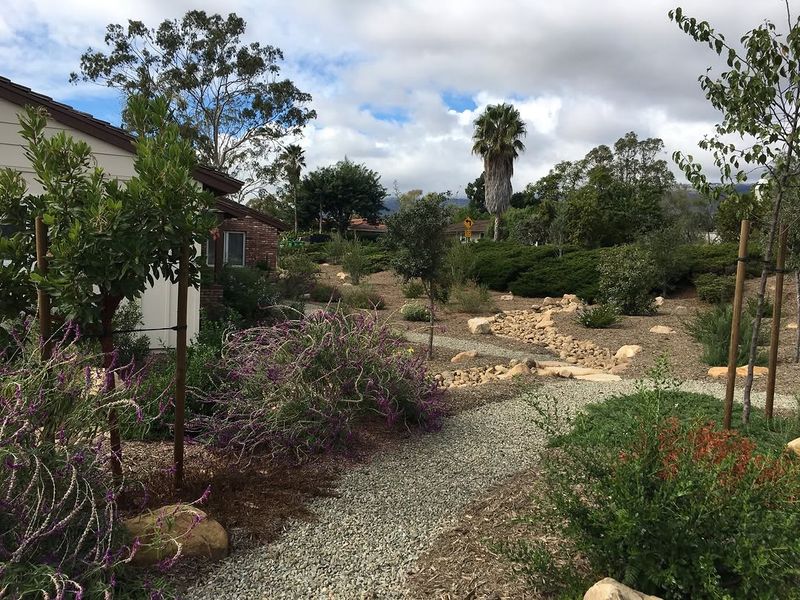
Xeriscaping is one of the smartest moves any Arizona homeowner can make. The word comes from the Greek word “xeros,” meaning dry, and the whole idea is to design a landscape that works with your local climate instead of against it.
In the Arizona heat, that means planning every square foot of your yard with water conservation in mind.
Start by sketching out your yard in zones based on sun exposure, slope, and how much foot traffic each area gets. Areas that get full afternoon sun need different treatment than shaded corners near a wall or fence.
Thinking through these details early saves a lot of headaches later.
Good xeriscape design also focuses on improving soil quality so it holds moisture better, choosing the right ground covers, and reducing the amount of water-hungry plants you use. Decomposed granite, flagstone, and gravel are popular ground cover choices across Arizona because they drain well, reduce plant crowding, and keep a clean look year-round, though they can still get very hot in direct sun.
Planning ahead means your yard will be both low-maintenance and genuinely attractive without constant effort.
2. Use Drought-Resistant Plants
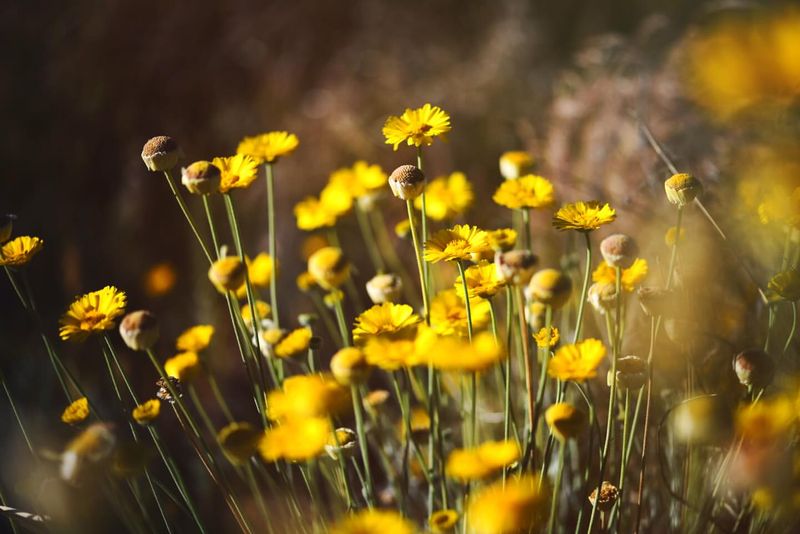
Not every plant is built for the Arizona desert, but plenty of them absolutely thrive in it. Choosing drought-resistant plants is one of the best ways to keep your yard looking full of life without running up a huge water bill every month.
Many of these plants are surprisingly colorful and can add real character to your outdoor space.
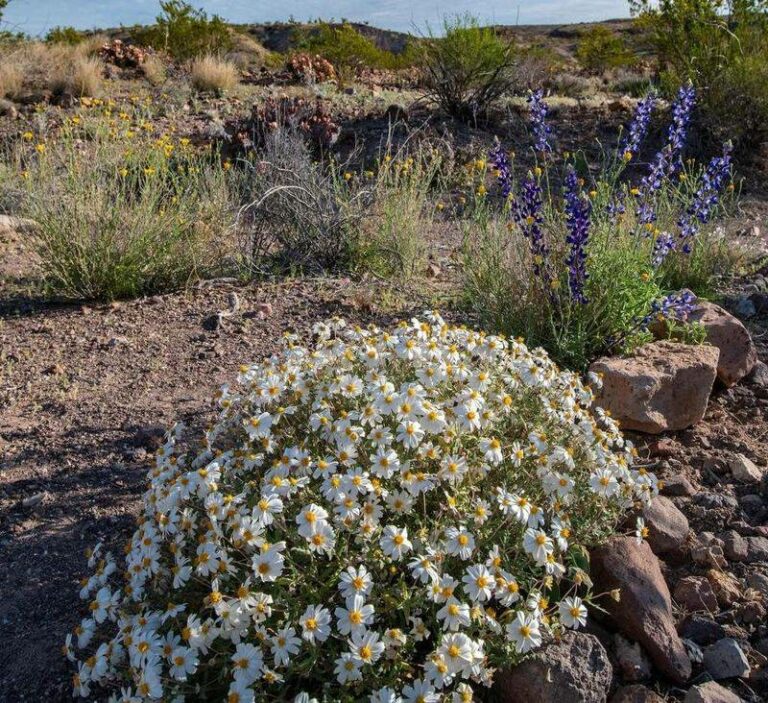
Desert marigold, penstemon, globe mallow, and brittlebush are all fantastic options that bring bursts of yellow, orange, and red to your landscape. Palo verde and mesquite trees offer height, shade, and seasonal blooms that attract pollinators like bees and hummingbirds, which is always a bonus in any yard.
One thing worth knowing is that even drought-resistant plants need regular watering during their first year or two while they get established. After that, most of them need very little help from you.
Arizona nurseries that specialize in native and desert-adapted species are a great resource for finding plants that are already used to your local conditions. Once established, these plants practically take care of themselves through the hottest months of the year.
Your Arizona Garden Changes Every Week. Your Plan Should Too.
Gardening in Arizona changes quickly throughout the season. Every Friday you’ll receive a simple weekly plan showing exactly what to plant, prune, fertilize, harvest, and protect so you never miss the right timing.
3. Group Plants By Water Needs
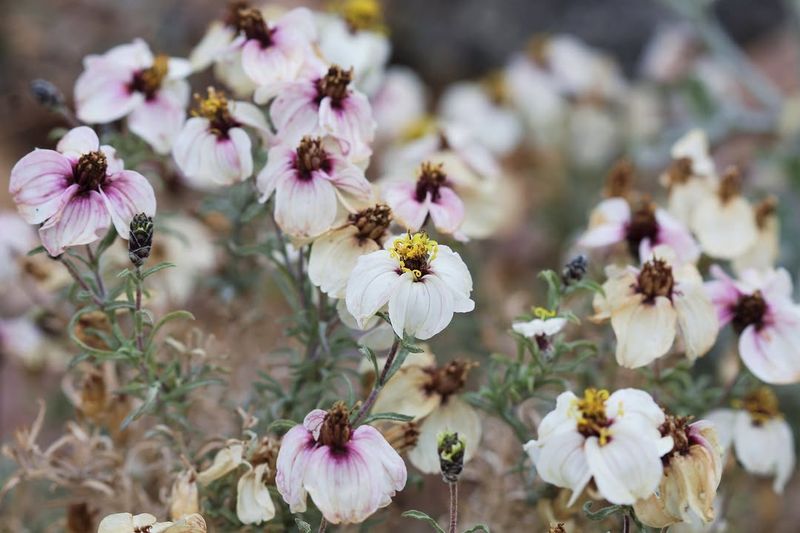
Watering every plant in your yard the same way is one of the most common mistakes homeowners make in Arizona. Some plants need more moisture, some need almost none, and mixing them together without a plan leads to either overwatering or underwatering.
Grouping plants by their water needs, a practice called hydrozoning, solves this problem neatly.
The idea is simple: place plants with similar water requirements in the same area so you can water each zone efficiently. High-water plants, if you choose any, stay near the house where they are easiest to access.
Medium-water plants go in the middle zones, and low-water or no-water plants fill the outer areas of the yard.
Hydrozoning pairs especially well with drip irrigation systems, which are popular across Arizona for good reason. When your irrigation zones match your plant zones, you use only the water each group actually needs and nothing more.
Over a full Arizona summer, this approach can save a significant amount of water by matching irrigation to plant needs more precisely. It also makes your plants healthier because they are not being stressed by the wrong amount of moisture.
Smart grouping is one of those planning steps that pays off for years.
4. Shrink Or Replace Ornamental Turf Areas
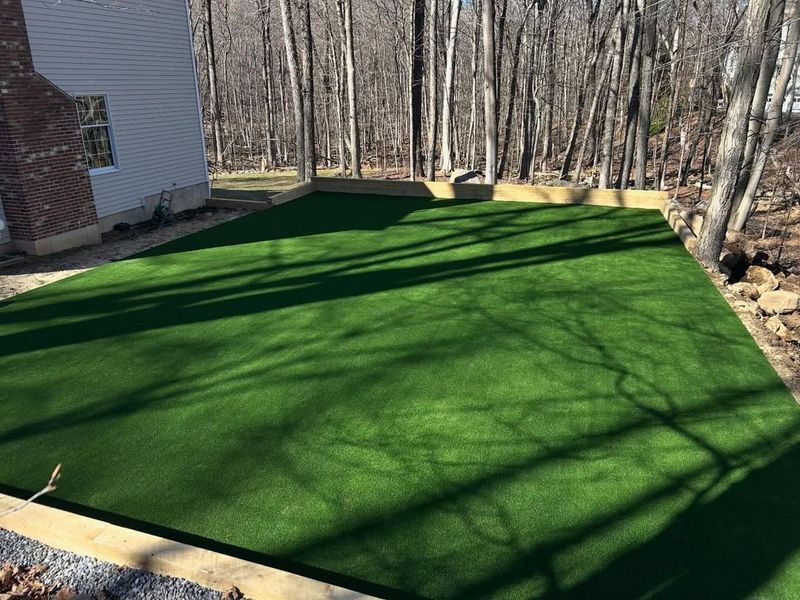
A lush green lawn might look inviting, but in Arizona it is one of the thirstiest things you can put in your backyard. Grass like fescue or Kentucky bluegrass was never meant to grow in the desert and requires enormous amounts of water just to survive through the summer.
Shrinking or completely replacing ornamental turf is one of the most impactful changes you can make.
Many Arizona cities and water utilities actually offer rebates when homeowners remove grass and replace it with water-efficient alternatives. Programs like these can help offset the cost of new landscaping materials, making the switch more affordable than most people expect.
It is worth checking with your local water provider before you start any project.
Replacing turf with decomposed granite, flagstone patios, or drought-tolerant groundcovers like trailing rosemary or desert zinnia gives your yard a cleaner, more intentional look. Artificial turf is another option for families who want some green without the water cost, though it can get hot underfoot during peak Arizona summer afternoons.
Whatever you choose, reducing traditional grass is a win for your water bill, your yard, and the broader water supply that all Arizona communities depend on.
5. Install Drip Irrigation
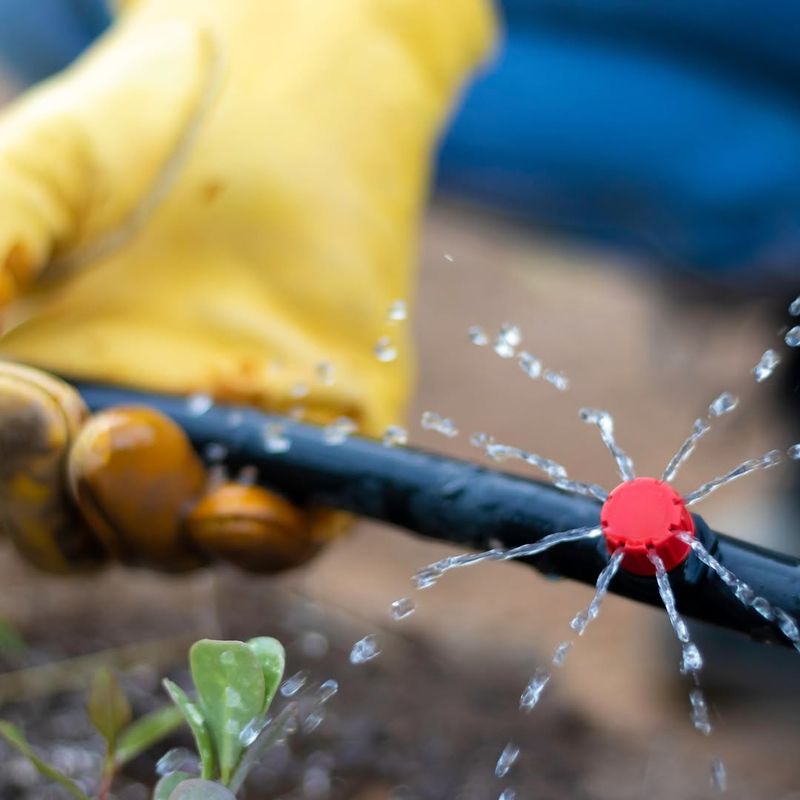
Sprinkler systems might be common in other parts of the country, but in Arizona they are not the most efficient choice. Water sprayed into the air evaporates quickly in the intense heat, meaning a large portion of what you spray never actually reaches plant roots.
Drip irrigation solves this by delivering water slowly and directly to the base of each plant.
A well-designed drip system can reduce outdoor water waste and improve efficiency by delivering water directly to the root zone instead of spraying it through the air. That kind of savings adds up fast over an Arizona summer when temperatures regularly push past 110 degrees.
Drip systems also reduce weed growth because water is targeted only where you want it, not broadcast across open soil.
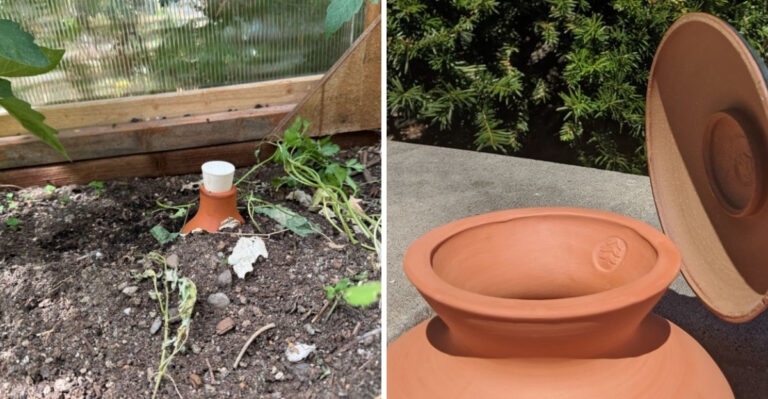
Installing a drip system is a project that many handy homeowners tackle themselves using kits available at local hardware stores. For larger or more complex yards, hiring an irrigation specialist familiar with Arizona conditions is a smart investment.
Either way, connecting your drip system to a smart timer or moisture sensor makes the whole setup even more efficient. Your plants get exactly what they need, when they need it, and you spend less time worrying about your yard during the hottest months.
6. Add Rainwater Harvesting Basins Or Tanks
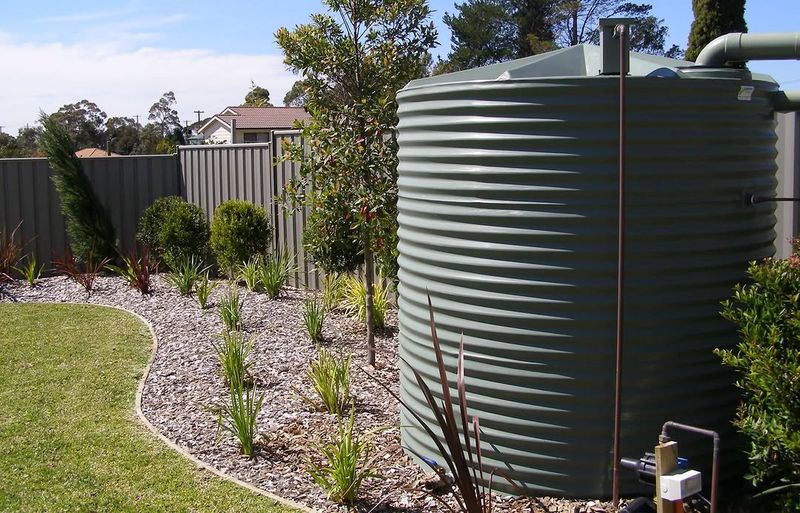
Arizona may be dry most of the year, but when monsoon season hits between July and September, the rain can come down fast and hard. Capturing that rainwater instead of letting it run off into the street is a brilliant way to build up a free water supply for your garden.
Rainwater harvesting is legal in Arizona and is actually encouraged by the state.
Passive harvesting involves shaping your yard with gentle swales, berms, or basins that slow water down and allow it to soak into the soil near your plants. This method costs very little and works surprisingly well for established desert landscapes.
The soil absorbs the water slowly, and your plants benefit from a natural deep watering after each monsoon storm.
Active harvesting uses tanks or barrels connected to your home’s downspouts to collect roof runoff for later use. These tanks range from small 50-gallon barrels to large cisterns that hold thousands of gallons.
Using stored rainwater to irrigate your yard during dry spells reduces your reliance on city water and helps manage the heavy runoff that can erode desert soil. For Arizona homeowners serious about sustainability, rainwater harvesting is one of the most rewarding upgrades you can add to your property.
7. Use A Two To Four Inch Mulch Layer
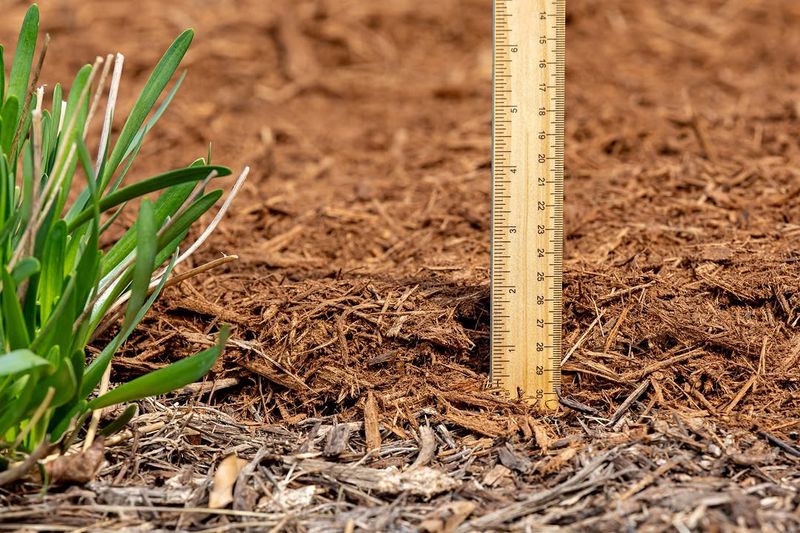
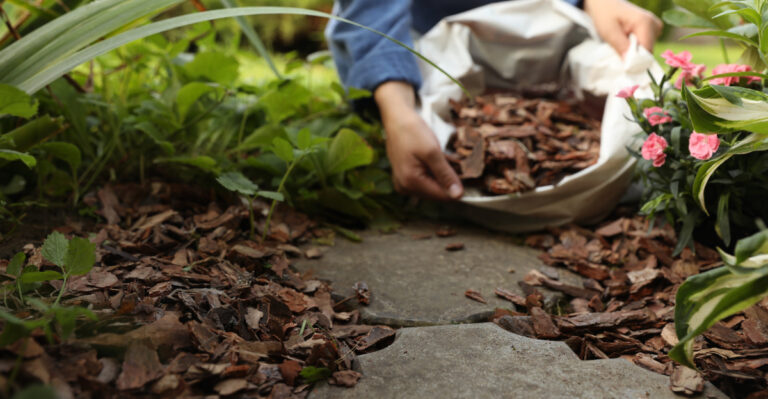
Mulch might seem like a simple addition, but it does a remarkable amount of work in an Arizona backyard. Spreading a two to four inch layer of organic mulch over your garden beds helps soil hold onto moisture far longer, which means you water less often and your plants stay healthier through the brutal summer heat.
Organic mulches like shredded wood chips or bark break down slowly over time and actually improve your soil as they decompose. This is especially helpful in Arizona, where native soils tend to be sandy, rocky, or high in clay content, none of which are ideal for most plants without some help.
Better soil structure means deeper roots and stronger plants overall.
Mulch also acts as an insulator, keeping soil temperatures more stable during the dramatic temperature swings Arizona experiences between day and night. It suppresses weeds by blocking sunlight from reaching weed seeds in the soil, which cuts down on maintenance time significantly.
Keep mulch a few inches away from the base of plant stems and tree trunks to prevent moisture buildup and rot. Refreshing your mulch layer once a year keeps it working at full effectiveness and keeps your garden beds looking neat and well-tended throughout the seasons.
8. Plant Cacti, Agaves, And Other Desert-Adapted Plants
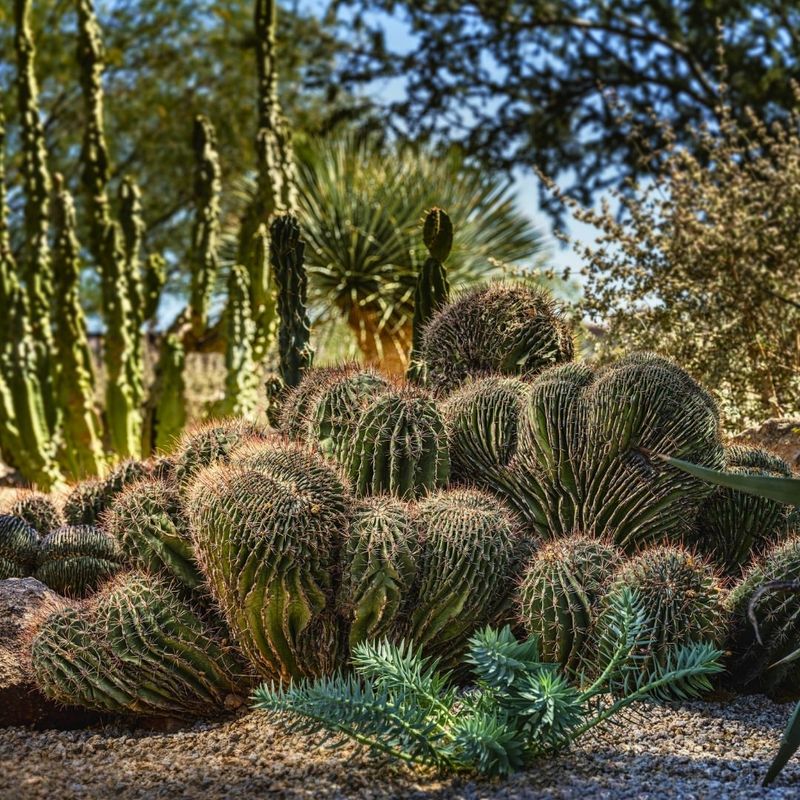
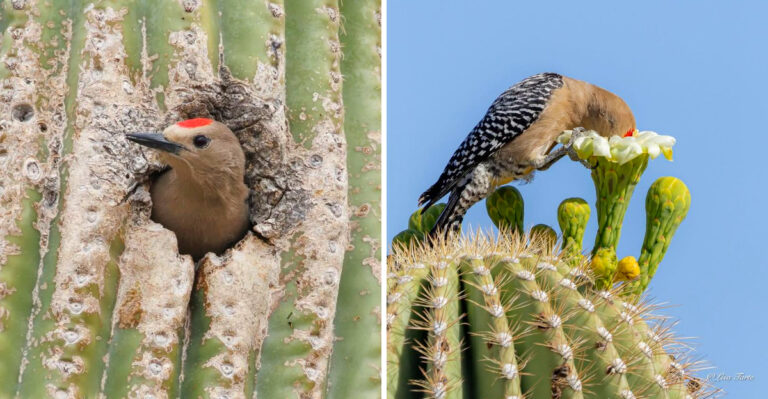
Few things say “Arizona” quite like a well-placed saguaro cactus or a dramatic blue agave standing tall in a sun-drenched backyard. Desert-adapted plants are not just survivors in this climate, they are genuinely spectacular, offering bold shapes, interesting textures, and seasonal blooms that make any yard stand out.
Working with these plants instead of against the climate is always the smarter path.
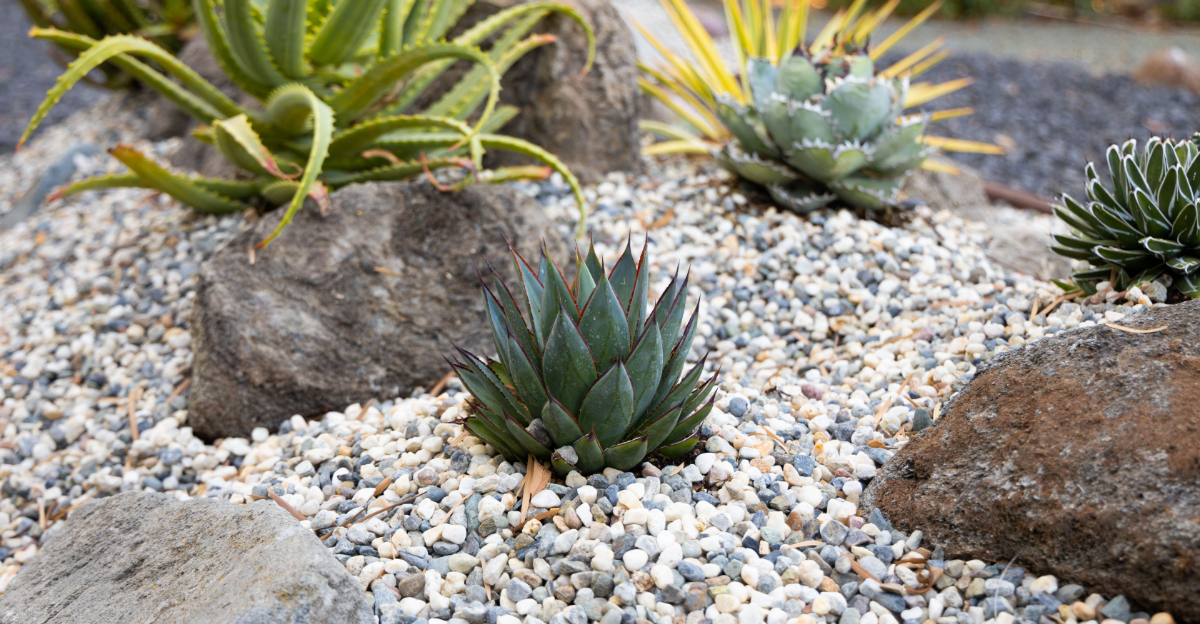
Agaves come in dozens of sizes and varieties, from compact desktop-sized rosettes to giants that anchor an entire landscape. Barrel cacti, prickly pear, and ocotillo each bring unique visual interest while asking almost nothing from you in terms of care.
Many of them bloom brilliantly in spring, attracting birds and pollinators to your yard naturally.
One practical tip when working with cacti and agaves in Arizona: always wear thick gloves and long sleeves when planting or moving them, and plant them away from high-traffic areas to avoid accidental contact with spines. Give each plant enough space to reach its mature size, since crowding can stress plants and create maintenance problems down the road.
Once settled in, these desert-adapted plants are among the most resilient living things you can have in your outdoor space, thriving through summers that would challenge almost anything else.
9. Add Shade Trees
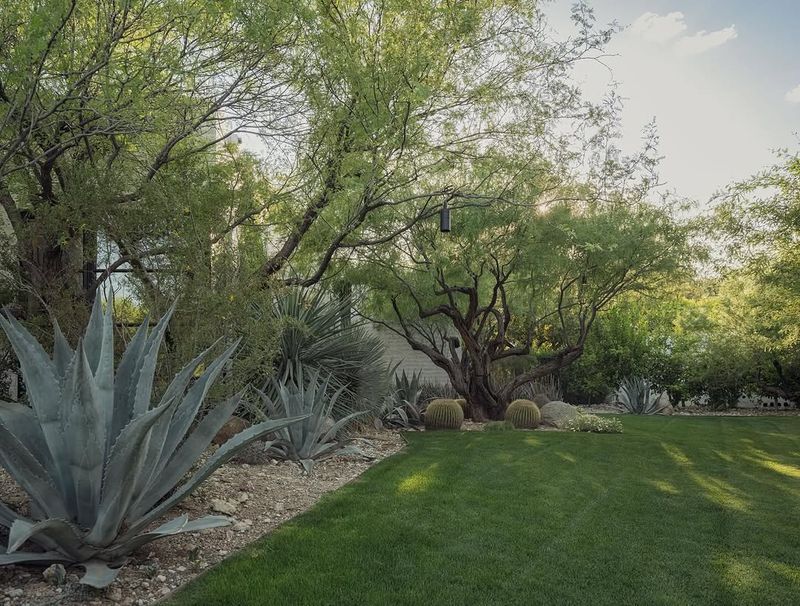
Shade is one of the most valuable things you can add to an Arizona backyard, and trees are the most natural way to get it. A well-placed shade tree can lower the temperature of the area beneath it by as much as 10 to 20 degrees, making outdoor spaces far more comfortable during the long Arizona summer.
That is a huge difference when afternoon temperatures soar above 110 degrees.
Palo verde is the state tree of Arizona and a wonderful choice for backyard shade because it is drought-tolerant, grows at a moderate pace, and produces gorgeous yellow blooms in spring. Mesquite trees are another popular option, offering dense canopies and deep roots that make them extremely tough in dry conditions.
Both species are well-suited to Arizona’s alkaline soils and intense sun exposure.
When planting shade trees, think carefully about placement. Positioning trees on the west or southwest side of your home or patio provides the most relief from afternoon sun, which is the hottest part of the day in Arizona.
Trees planted near windows can also reduce indoor cooling costs over time. Give young trees regular deep watering during their first two to three years, and they will reward you with decades of natural shade and beauty.
10. Use Vines For Narrow Space Shade Or Privacy
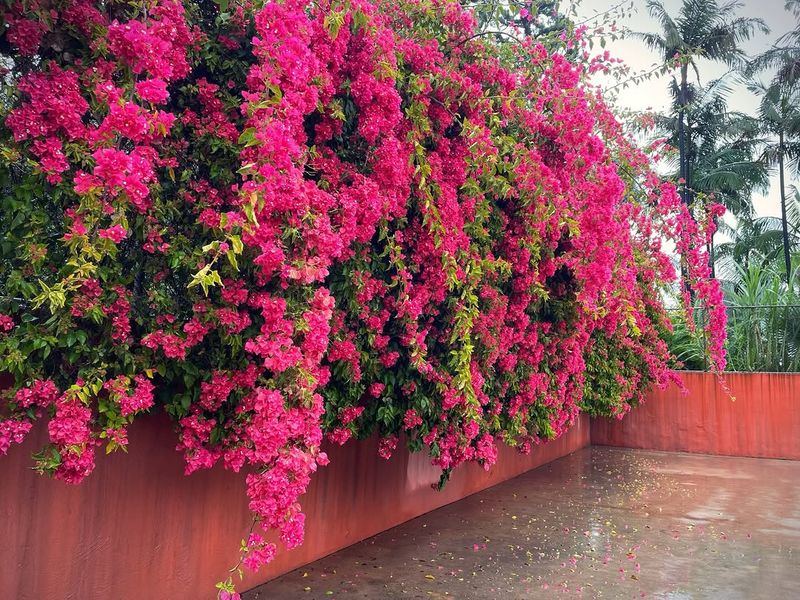
Sometimes a backyard does not have room for a full-sized tree, but that does not mean shade and privacy are out of reach. Vines are a clever solution for narrow spaces, fences, pergolas, and walls where you want to add greenery, block a view, or create a cooler microclimate without taking up much ground space at all.
Bougainvillea is probably the most beloved vine in Arizona, and for good reason. It is incredibly tough, loves full sun, tolerates drought well once established, and produces stunning blooms in shades of hot pink, orange, red, and purple.
Trained along a trellis or fence, it creates a wall of color that also provides meaningful shade for the structure behind it.
Queen’s wreath, yellow bells vine, and Arizona grape ivy can work in parts of Arizona, but the best vine choice depends on your sun exposure, support structure, and water availability. Planting vines along a west-facing wall or fence is especially strategic because it shields that surface from intense afternoon sun, which in turn keeps nearby areas cooler.
Use a sturdy trellis or wire system to support growth and guide the vine where you want it to go. With a little training in the early stages, vines fill in quickly and become one of the most rewarding features in any Arizona backyard.