Why Squirrels Keep Burying Seeds In Oregon Garden Beds
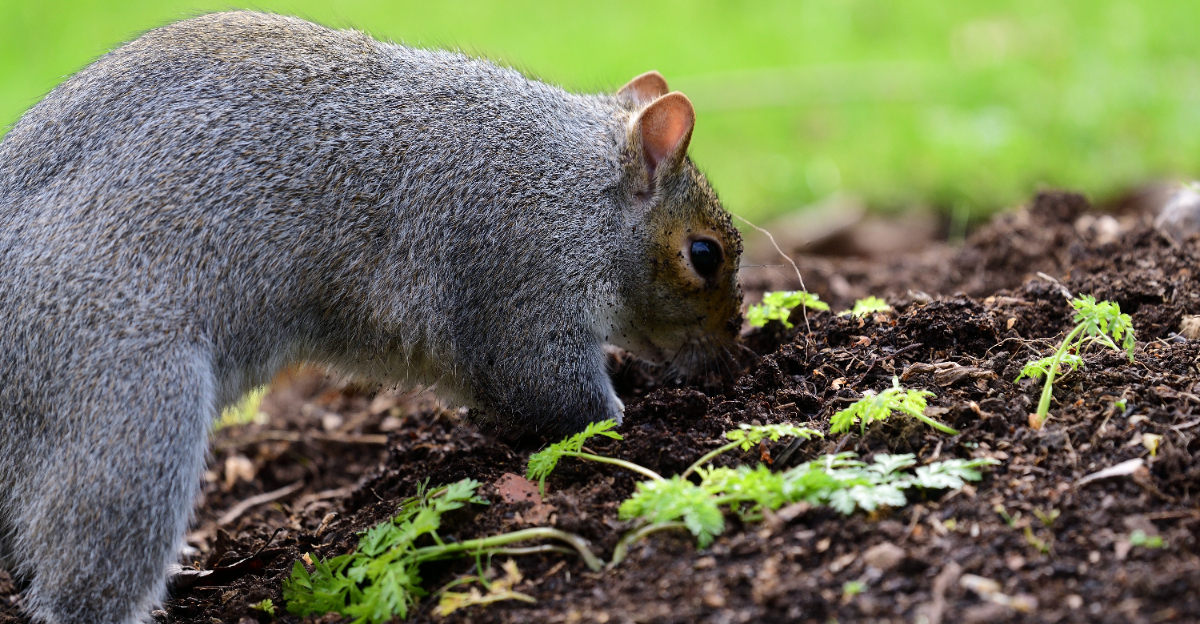
Squirrels can turn an Oregon garden bed into a treasure map overnight. One day the soil looks neat and freshly planted, and the next there are little holes everywhere, as if tiny landscapers showed up with a very chaotic plan.
It is annoying, but it is also completely normal this time of year. Oregon yards give squirrels exactly what they want in spring: soft soil, fresh scents, and plenty of quiet places to stash food for later.
A garden bed feels safe, easy to dig, and strangely perfect for their secret storage system. The funny part is that they are not always stealing your seeds because they are hungry right that second.
A lot of the time, they are thinking ahead and hiding snacks like little furry misers. Once you know what is drawing them in, the behavior starts to make a lot more sense.
It is less random mischief and more a squirrel strategy that just happens to clash with your planting plans.
1. Beds Are Easy To Dig
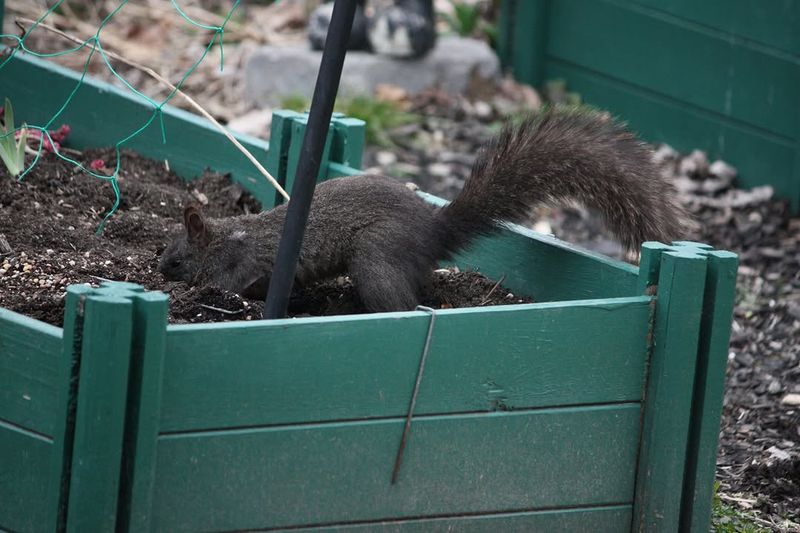
Picture a squirrel standing at the edge of your garden bed, sniffing the air and sizing up the soil. It does not take long before those tiny paws start digging.
Garden beds are simply easier to dig than hard, compacted ground, and squirrels know it.
When soil is freshly tilled or recently watered, it becomes soft and workable. Squirrels can bury a seed in just a few seconds when the ground cooperates.
Hard soil takes much more effort, so they naturally prefer the path of least resistance.
In Oregon, where gardeners often prepare beds carefully with compost and regular watering, the soil stays loose and inviting almost year-round. That soft texture is like a neon sign telling every squirrel in the neighborhood that this is the perfect place to stash some food.
Raised beds are especially vulnerable. The soil inside them rarely gets compacted because people walk around them instead of through them.
Squirrels notice this difference quickly. If you want to make your bed less attractive, try pressing down the surface soil firmly after planting.
It will not stop every squirrel, but it does make the digging a little harder and may redirect their efforts elsewhere in the yard.
2. Loose Soil Helps
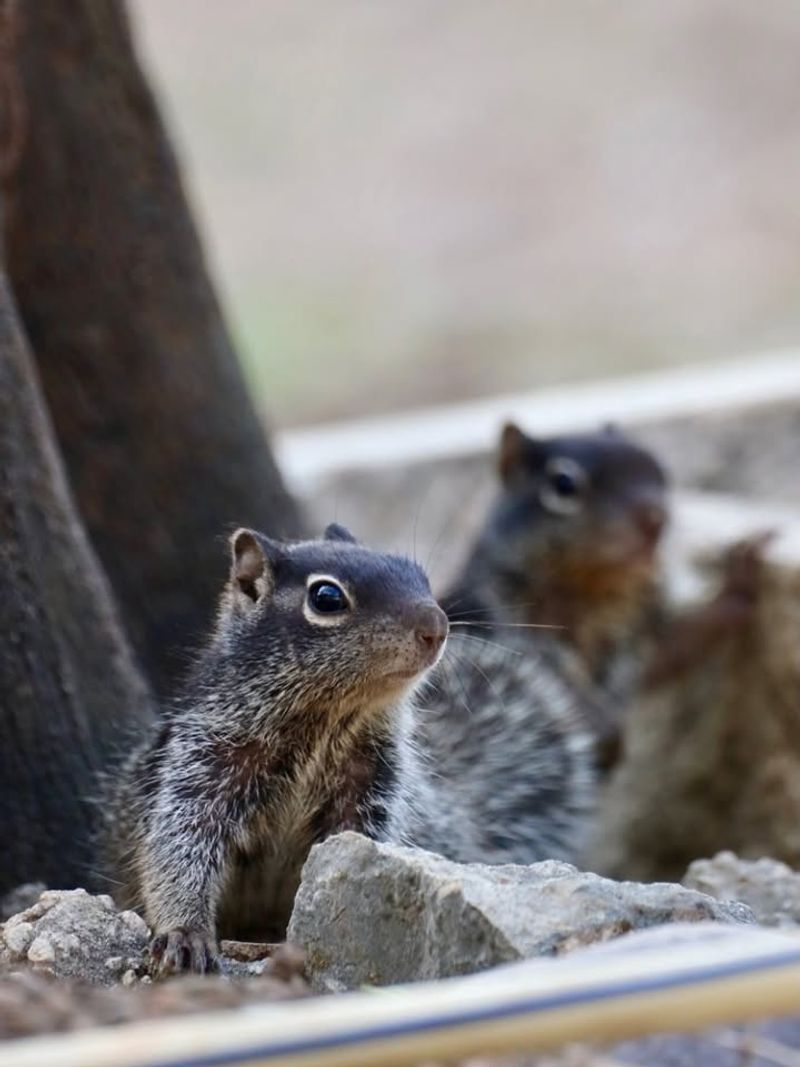
Loose soil is basically an open invitation for squirrels. When the ground is fluffy and easy to move, burying something takes almost no energy at all.
Squirrels are efficient little animals, and they always look for the easiest way to get things done.
Fresh compost, peat moss, and other soil amendments that gardeners in Oregon love to use actually make the problem worse. These materials break up compaction and improve drainage, which is great for your plants.
But they also create the exact texture squirrels prefer for their food caches.
Squirrels do not just bury things randomly. They use their sharp sense of smell to find spots where the soil has recently been disturbed.
Freshly worked soil releases scents from moisture and microbes underground, and squirrels pick up on those signals fast.
Your Oregon Garden Changes Every Week. Your Plan Should Too.
Gardening in Oregon changes quickly throughout the season. Every Friday you’ll receive a simple weekly plan showing exactly what to plant, prune, fertilize, harvest, and protect so you never miss the right timing.
One way to reduce this problem is to water your beds less frequently in areas where squirrels are active. Drier surface soil is harder to dig and less fragrant to a foraging squirrel.
You can also try pressing the top inch of soil down firmly with your hands or a garden roller after you finish planting. A little extra effort now can save you from replanting the same seeds twice.
3. Mulch Makes It Worse
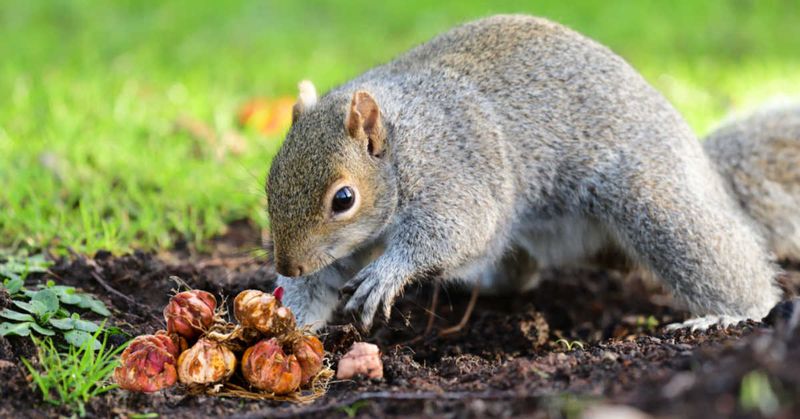
Here is something that might surprise you. The mulch you spread to protect your plants could actually be making your squirrel problem bigger.
Mulch creates the perfect hiding layer for a squirrel that wants to stash food without being spotted.
Squirrels love to slip a seed or nut just under a layer of mulch and then cover it back up. The mulch hides the evidence so well that even the squirrel has to sniff around to find it again later.
From a squirrel’s perspective, mulched beds are like a built-in camouflage system.
Wood chip mulch, straw, and shredded leaves are all popular choices for Oregon gardeners because they hold moisture and break down into nutrients. But they are also light and easy to move, which means a squirrel can lift a bit of mulch, drop a seed underneath, and smooth everything back over in seconds.
Switching to heavier ground covers like gravel or river rock can help deter squirrels from burying things in your beds. These materials are harder to move and less appealing to squirrels looking for a quick bury spot.
You do not have to give up mulch entirely, but using a thinner layer or mixing in heavier materials can make a real difference for Oregon gardeners dealing with persistent squirrel traffic.
4. They Are Hiding Food
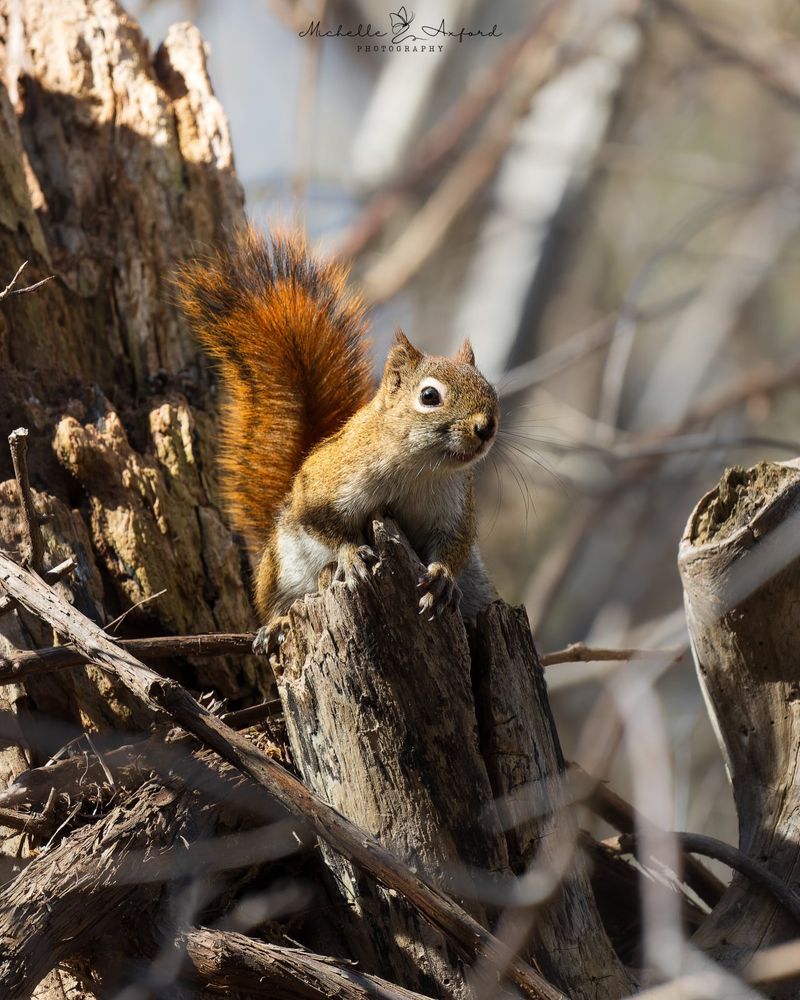
Squirrels are natural planners. Long before winter arrives in Oregon, they start building up hidden food supplies all around their territory.
This behavior is called scatter-hoarding, and it is one of the most important survival strategies a squirrel has.
Rather than storing everything in one place, squirrels hide individual seeds, nuts, and acorns in hundreds of small spots. If another animal finds one cache, the squirrel still has dozens more to fall back on.
It is a smart system that has helped squirrels survive for thousands of years.
Your garden bed is just one stop on a very long list of hiding spots. A single squirrel can bury thousands of food items in a single season.
Not all of those end up in your beds, but when a squirrel finds a spot that is easy to dig and smells like fresh soil, it will use it again and again.
The seeds squirrels bury are usually things they have found nearby. In Oregon, that often means acorns from Oregon white oaks, seeds from Douglas firs, or even sunflower seeds from a neighbor’s bird feeder.
Whatever is available and calorie-rich tends to end up in your garden. Knowing this can help you track down the food sources that are attracting squirrels to your yard in the first place.
5. Not Every Seed Gets Eaten
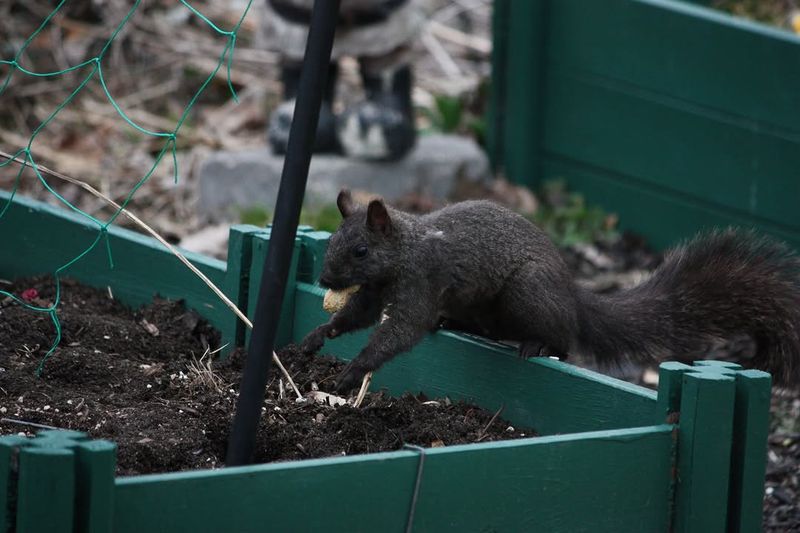
Squirrels bury far more food than they ever actually eat. Studies suggest that squirrels forget or simply never return to a large portion of their buried caches.
In Oregon, that means plenty of seeds end up germinating right inside your garden beds.
That random oak seedling or mystery plant that popped up in your flower bed? A squirrel probably planted it.
This is actually how many forests grow and spread over time. Squirrels are accidental gardeners, spreading seeds across wide areas without ever meaning to.
The problem for home gardeners is that these surprise plants can crowd out the things you actually wanted to grow. A forgotten acorn can push up through the soil and compete with your vegetables or flowers for nutrients and water.
By the time you notice it, it may already have a sturdy little root system.
Checking your beds regularly for unexpected seedlings is a good habit. Pull them out early before they establish deep roots.
You can also try placing wire mesh just below the surface of your soil to block seeds from germinating too deep. It lets your intended plants grow through while stopping surprise sprouts from taking hold.
Oregon gardeners who stay on top of this tend to have far fewer unwanted plants taking over their carefully planned beds each season.
6. Oregon Yards Feed Them Well
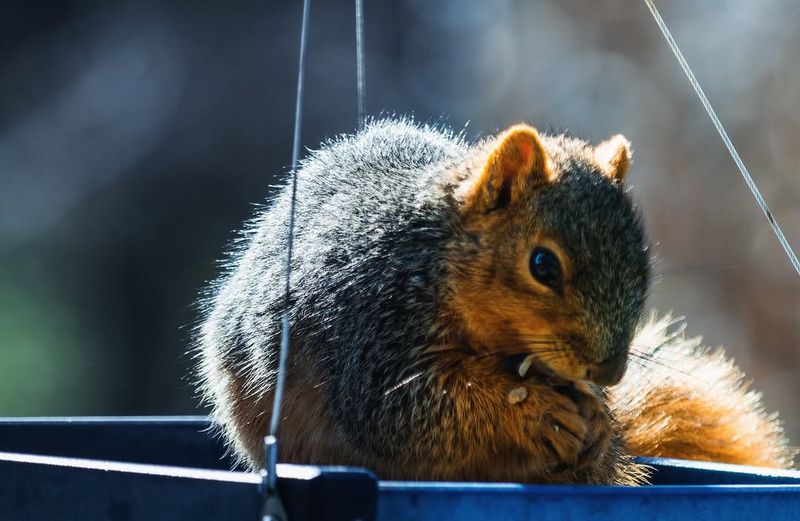
Oregon is basically a paradise for squirrels. The state is packed with native trees like Oregon white oak, Douglas fir, and bigleaf maple, all of which produce seeds, cones, and nuts that squirrels absolutely love.
Add in the mild, wet climate and you have a place where food is available for much of the year.
Western gray squirrels and Douglas squirrels are two of the most common species found in Oregon yards. Both are highly active foragers that take full advantage of the state’s rich natural food supply.
When natural food is plentiful, they hoard even more aggressively to prepare for the rainy winter months.
Bird feeders also play a big role. Many Oregon homeowners put out sunflower seeds, peanuts, and mixed birdseed, which squirrels raid regularly.
Once a squirrel has gathered more food than it can eat right away, it starts burying the surplus. Your garden bed is right there, ready and waiting.
Reducing easy food sources near your garden can help lower squirrel activity. Move bird feeders farther from your beds, or switch to feeders with squirrel-proof designs.
Picking up fallen fruit or nuts from nearby trees also removes temptation. Oregon’s natural abundance means squirrels will always find something to eat, but fewer easy pickings near your garden means fewer visits to your beds.
7. Your Bed Becomes A Pantry
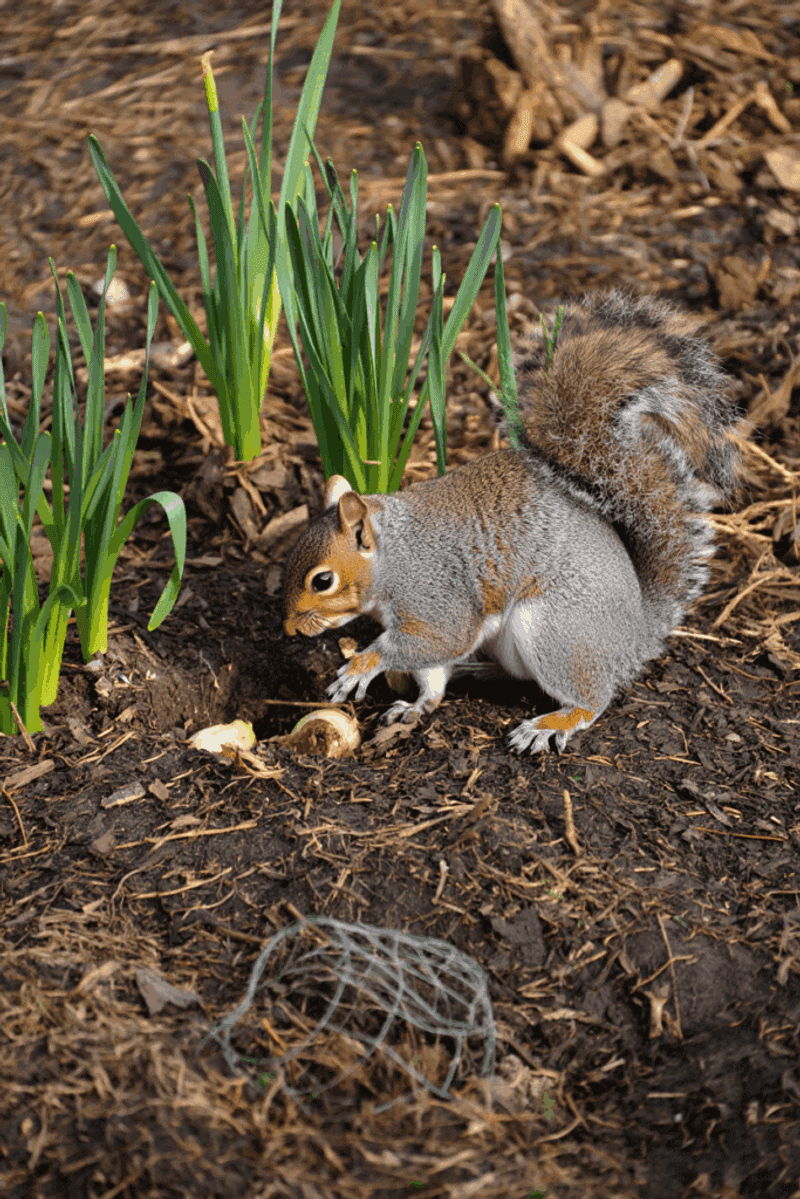
Once a squirrel uses your garden bed as a hiding spot and successfully retrieves food from it later, that bed becomes a trusted location. Squirrels have strong spatial memory and return to spots that have worked well for them before.
Your bed has essentially earned a spot on their mental map.
Over time, a single bed can become a go-to pantry for multiple squirrels in your neighborhood. They can smell previous caches even after the food is gone, which draws them back repeatedly.
The cycle keeps going unless you do something to break it.
Physical barriers are one of the most effective tools Oregon gardeners use to take back their beds. Laying hardware cloth or wire mesh over the surface of your soil and securing it with garden stakes can block squirrels from digging.
You can cut holes where your plants need to grow through.
Another option is to use scent-based deterrents. Squirrels dislike strong smells like hot pepper, peppermint oil, and predator urine.
Sprinkling cayenne pepper around the edges of your bed or placing peppermint-soaked cotton balls near the soil can discourage visits. Reapply after rain since Oregon weather washes scents away quickly.
Staying consistent with these methods is the key to keeping squirrels from treating your garden like their personal underground snack storage all season long.