These 9 Oregon Woodland Plants Bring A Natural Look To The Garden
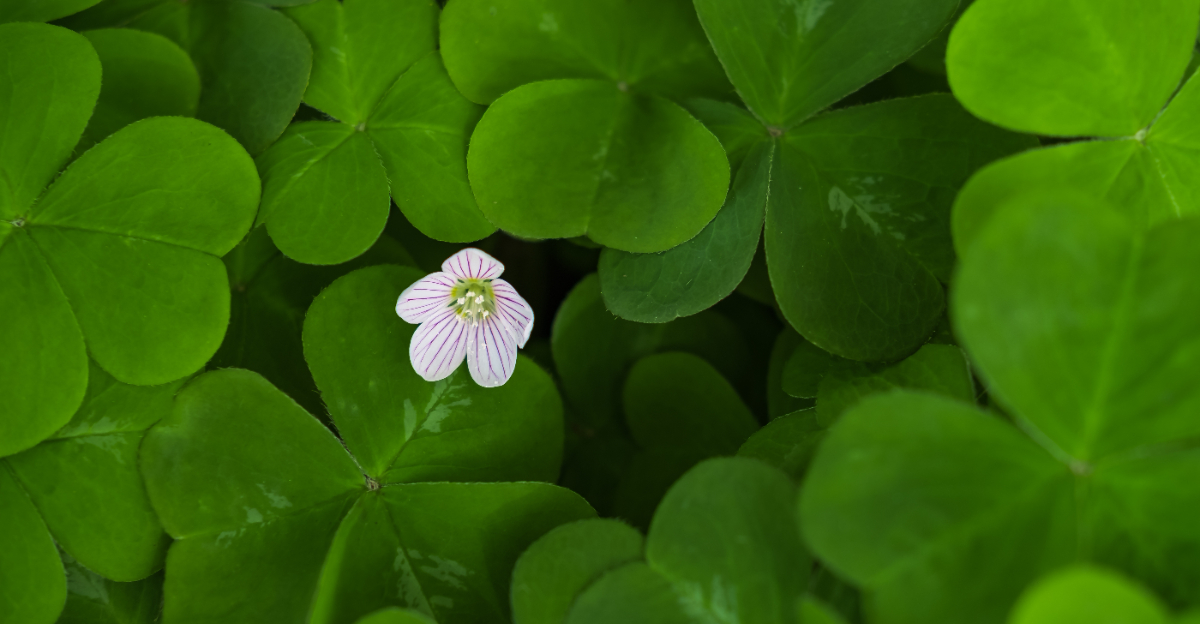
There is something about woodland plants that makes a garden feel instantly more settled, as though it belongs right where it is. In Oregon, that look feels especially right.
Mossy corners, dappled light, soft textures, and layers of green can turn an ordinary yard into a space that feels calm, tucked in, and quietly beautiful. The best part is that this style does not have to look stiff or overly designed.
Woodland plants bring that relaxed, natural charm that makes a garden feel like it grew into itself over time.
They soften edges, fill shady spots with life, and create the kind of depth that keeps a landscape interesting even without bright, flashy color everywhere.
For Oregon gardeners, they are a great way to work with the region’s natural character instead of fighting it. Add the right ones, and the whole garden starts to feel richer, more grounded, and far more inviting.
1. Vine Maple
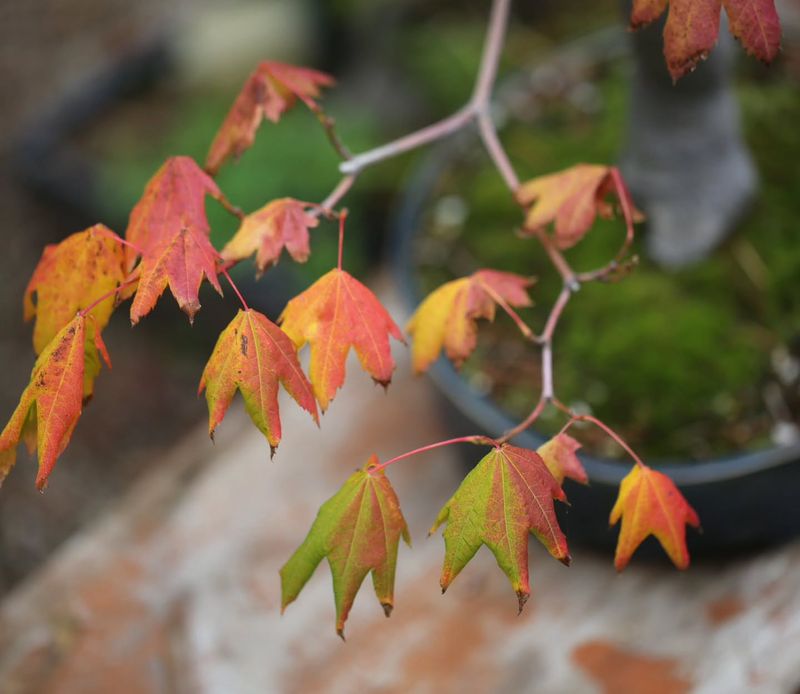
Few plants put on a fall show quite like the Vine Maple. Native to Oregon’s forests, this small deciduous tree bursts into stunning shades of red and orange every autumn, making it one of the most eye-catching plants you can add to a woodland garden.
It has a graceful, multi-stemmed form that looks elegant in all seasons.
Vine Maple grows best in partial shade, which makes it a great fit for spots under larger trees or along the edge of a wooded area. It prefers moist, well-drained soil and does not need a lot of extra care once it is established.
In Oregon’s rainy climate, it tends to thrive naturally without much help from you.
Beyond its beauty, Vine Maple also provides real benefits to local wildlife. Birds and small animals use its branches for shelter, and its seeds are a food source for various creatures.
Planting it in your Oregon garden means you are supporting the local ecosystem while adding serious visual appeal. It can grow anywhere from 5 to 25 feet tall, so it works well as a focal point or a natural privacy screen in a woodland-style landscape.
2. Evergreen Huckleberry
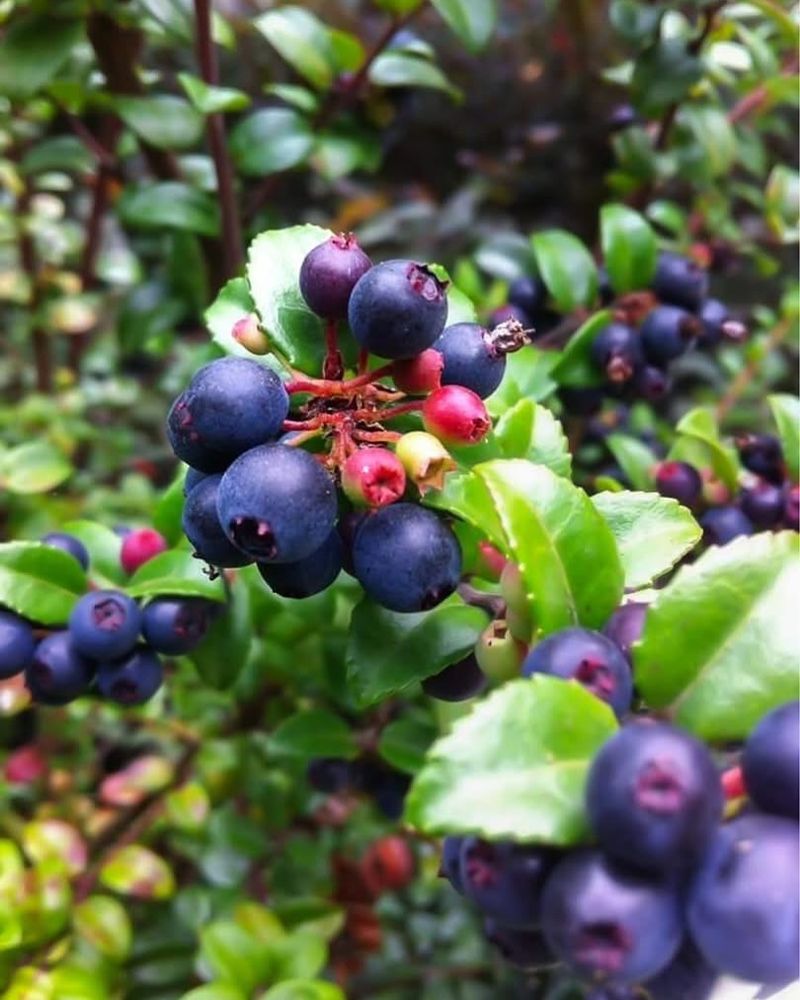
Walk through almost any Oregon forest and you will likely spot Evergreen Huckleberry growing quietly beneath the tall trees. This native shrub keeps its glossy, dark green leaves all year long, which means your garden stays looking full and lush even in the middle of winter.
That alone makes it a valuable addition to any Pacific Northwest landscape.
Come late summer, the plant produces small, dark blue berries that are not only edible but also absolutely delicious. They taste similar to blueberries and are a favorite treat for birds, bears, and plenty of other Oregon wildlife.
If you get to them first, they make wonderful jams, pies, and snacks straight off the bush.
Evergreen Huckleberry grows well in acidic, well-drained soil and prefers shaded or partially shaded spots. It is slow-growing but very long-lived, meaning once you plant it, it will reward you for many years to come.
In Oregon gardens, it pairs beautifully with ferns and other native groundcovers. It can reach up to 8 feet in height over time, making it useful as a natural hedge or backdrop plant in a woodland-style garden design.
Your Oregon Garden Changes Every Week. Your Plan Should Too.
Gardening in Oregon changes quickly throughout the season. Every Friday you’ll receive a simple weekly plan showing exactly what to plant, prune, fertilize, harvest, and protect so you never miss the right timing.
3. Red Huckleberry
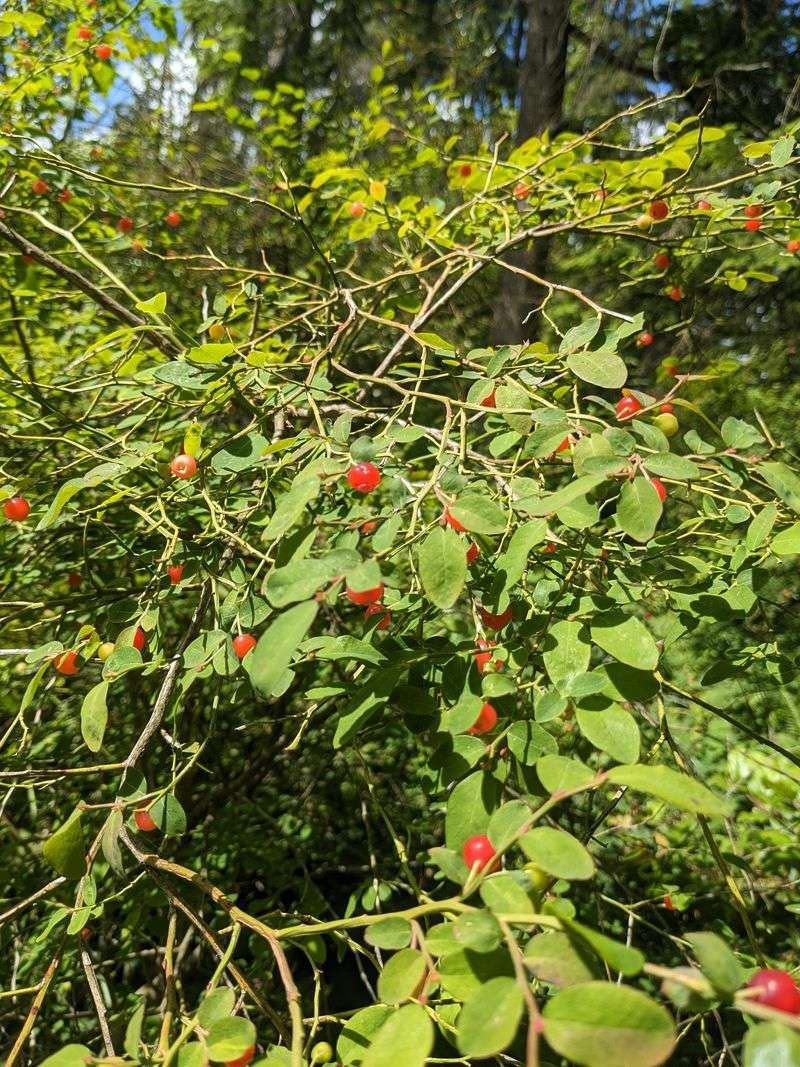
Bright red berries dangling from delicate, arching branches make Red Huckleberry one of the most charming native shrubs in Oregon’s woodlands. It has an airy, open structure that looks almost fairy-tale-like, especially when the berries ripen in early summer and catch the light filtering through the forest canopy above.
Unlike its evergreen cousin, Red Huckleberry is deciduous, meaning it drops its leaves in fall. But before it does, those small, bright green leaves turn lovely shades of yellow and orange.
The plant grows naturally on decaying logs and stumps, which is a quirky and interesting habit that makes it a fun conversation piece in any garden setting.
In Oregon, Red Huckleberry grows best in moist, acidic soil with plenty of shade. It can reach heights of 6 to 13 feet, giving it a shrubby, layered look that works well in naturalistic garden designs.
The berries attract a wide range of birds and small mammals, adding life and movement to your outdoor space. If you want a plant that feels truly wild and native to the Pacific Northwest, Red Huckleberry delivers that authentic woodland character with ease.
4. Indian Plum
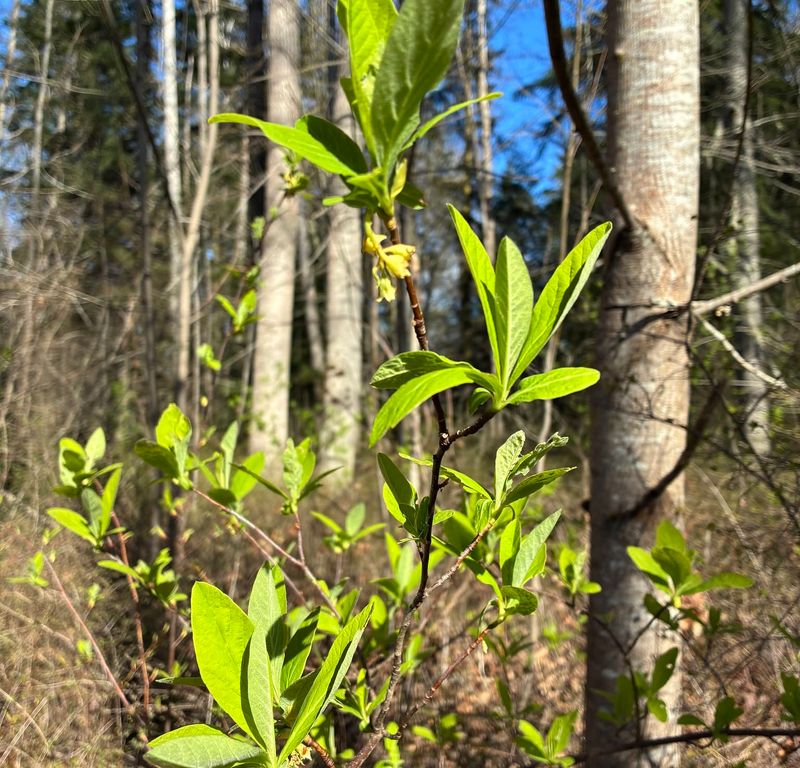
Indian Plum is often the first native shrub to bloom in Oregon each year, and that early burst of small white flowers is something to look forward to after a long, grey winter. Clusters of delicate blossoms appear on bare branches as early as February, signaling that spring is on its way.
It is a cheerful and welcome sight in any woodland garden.
Also known as Osoberry, this shrub is fast-growing and can reach 8 to 15 feet in height. It has a loose, open form and works well as part of a natural hedgerow or understory planting.
The leaves have a faint cucumber-like scent when crushed, which is a fun little detail that surprises most first-time gardeners.
By early summer, female plants produce small, olive-shaped fruits that ripen from orange-red to dark purple. Birds absolutely love them, and the shrub becomes a lively feeding station during fruiting season.
Indian Plum thrives in moist, shaded areas throughout Oregon and is very low-maintenance once established. It is one of those plants that gives a lot back to the garden in terms of wildlife value, seasonal interest, and that genuine, untamed Pacific Northwest feel.
5. Salal
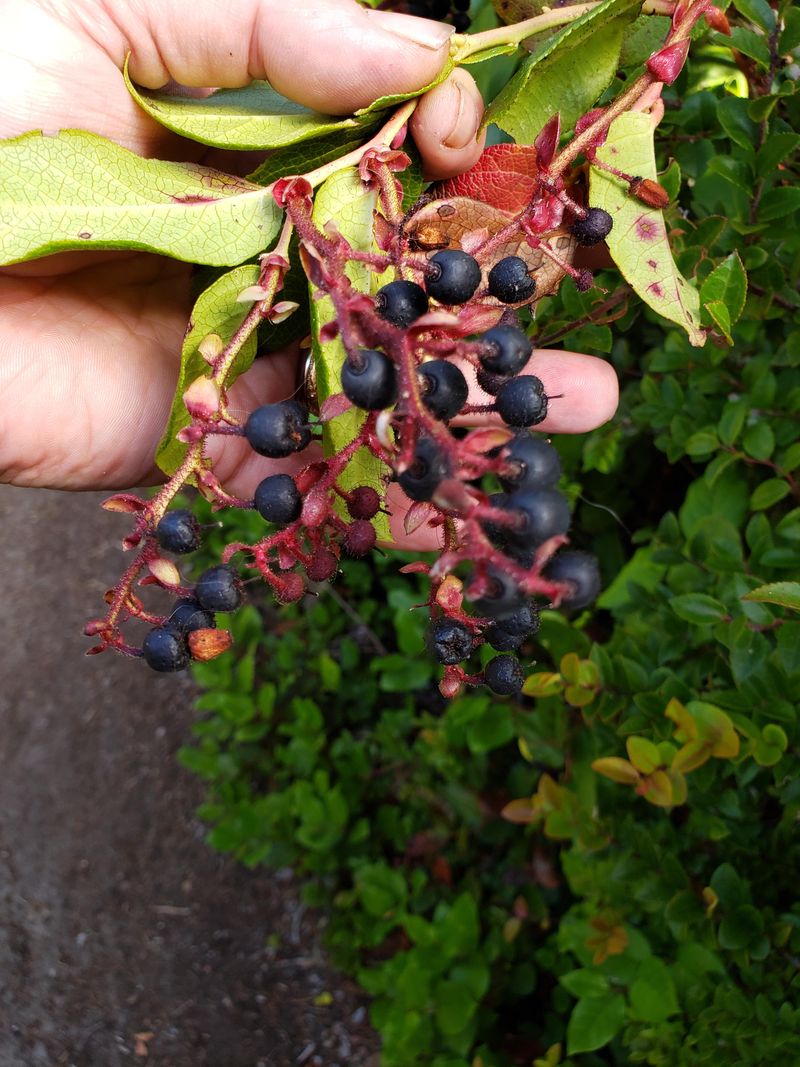
Salal is the unsung hero of Oregon’s native plant world. It might not get as much attention as showier plants, but this tough, evergreen shrub does an incredible job of filling in shaded areas with dense, leathery foliage that stays green and attractive all year.
Florists have actually used its glossy leaves in arrangements for decades, which tells you just how good-looking they are.
In late spring and early summer, Salal produces strings of small, white to pale pink bell-shaped flowers that hang gracefully from the stems. These are followed by dark purple berries that wildlife eagerly snack on.
Indigenous communities in the Pacific Northwest have also used these berries as a traditional food source for generations.
One of Salal’s best qualities is its ability to handle deep shade and poor soil conditions where other plants struggle. In Oregon gardens, it works brilliantly as a groundcover on slopes, helping to prevent erosion while keeping things looking lush and natural.
It spreads slowly over time, filling in gaps and creating a carpet of greenery beneath trees. Whether you use it as a border plant, a mass planting, or an understory filler, Salal brings reliable, year-round structure to any woodland garden.
6. Pacific Bleeding Heart
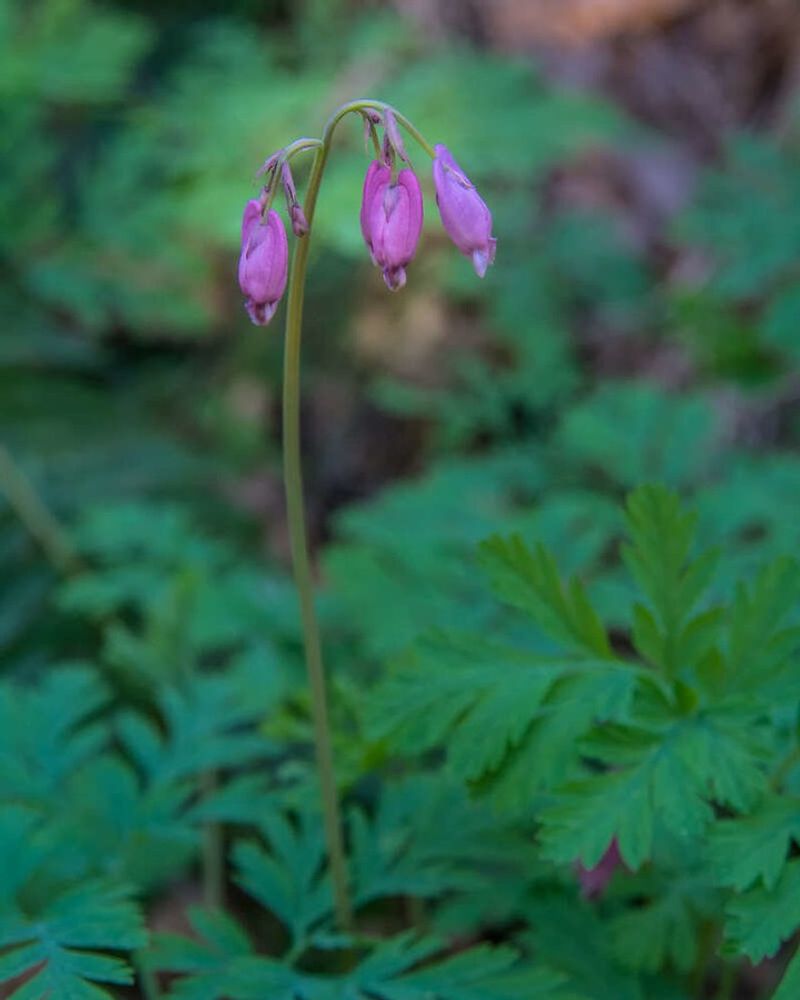
There is something undeniably romantic about Pacific Bleeding Heart. Its soft, heart-shaped pink flowers hang in graceful clusters above feathery, blue-green foliage, creating a look that feels both delicate and wild at the same time.
It is one of those plants that makes people stop and take a closer look the moment they see it in a garden.
Native to moist, shaded forests across Oregon and the broader Pacific Northwest, this perennial blooms from spring through early summer. It spreads gently over time through underground rhizomes, slowly forming beautiful colonies that fill in shady spots where other flowering plants might struggle.
It is a natural fit beneath deciduous trees or along a shaded garden path.
Pacific Bleeding Heart grows best in rich, moist soil with good drainage. It appreciates consistent moisture, especially during dry Oregon summers, so a layer of mulch around the base helps retain water and keep roots cool.
Hummingbirds are particularly drawn to its tubular flowers, making it a wonderful choice if you want to attract pollinators to your garden. Once established, it is a reliable, low-fuss perennial that comes back stronger every year, adding a soft, painterly quality to the woodland landscape.
7. Fringecup
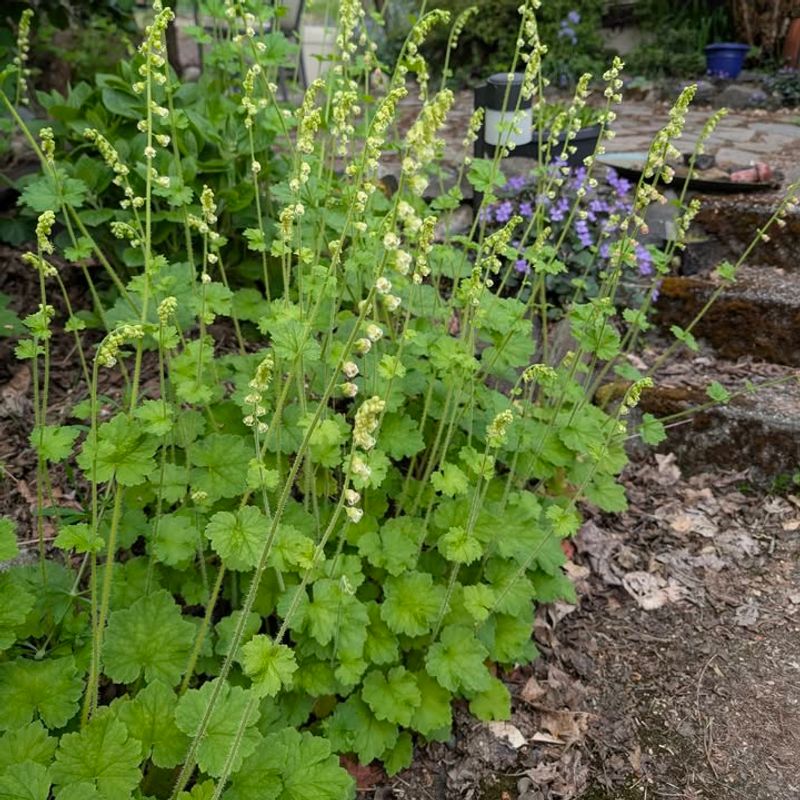
Not every garden plant needs to be bold and dramatic to make an impact. Fringecup is the kind of plant that adds quiet, textural beauty to a woodland garden without demanding all the attention.
Its tall, slender flower stalks rise above a rosette of large, heart-shaped leaves, bearing tiny white to pinkish flowers with delicately fringed petals that look almost hand-crafted up close.
Native to moist, shaded forests in Oregon and the Pacific Northwest, Fringecup blooms in spring and early summer. It is a semi-evergreen perennial, meaning it keeps some of its foliage through winter, which helps fill in the garden during the quieter months.
It self-seeds readily, so over time it will naturally spread and create a lovely, layered look in shaded beds.
Fringecup grows best in rich, consistently moist soil with plenty of organic matter. Adding leaf mulch or composted wood chips around the base each year keeps the soil healthy and the plant thriving.
It pairs especially well with ferns, Salal, and other Oregon natives in a mixed woodland planting. Pollinators like bees and butterflies visit the flowers regularly, adding another layer of life and energy to your Pacific Northwest garden throughout the blooming season.
8. Sword Fern
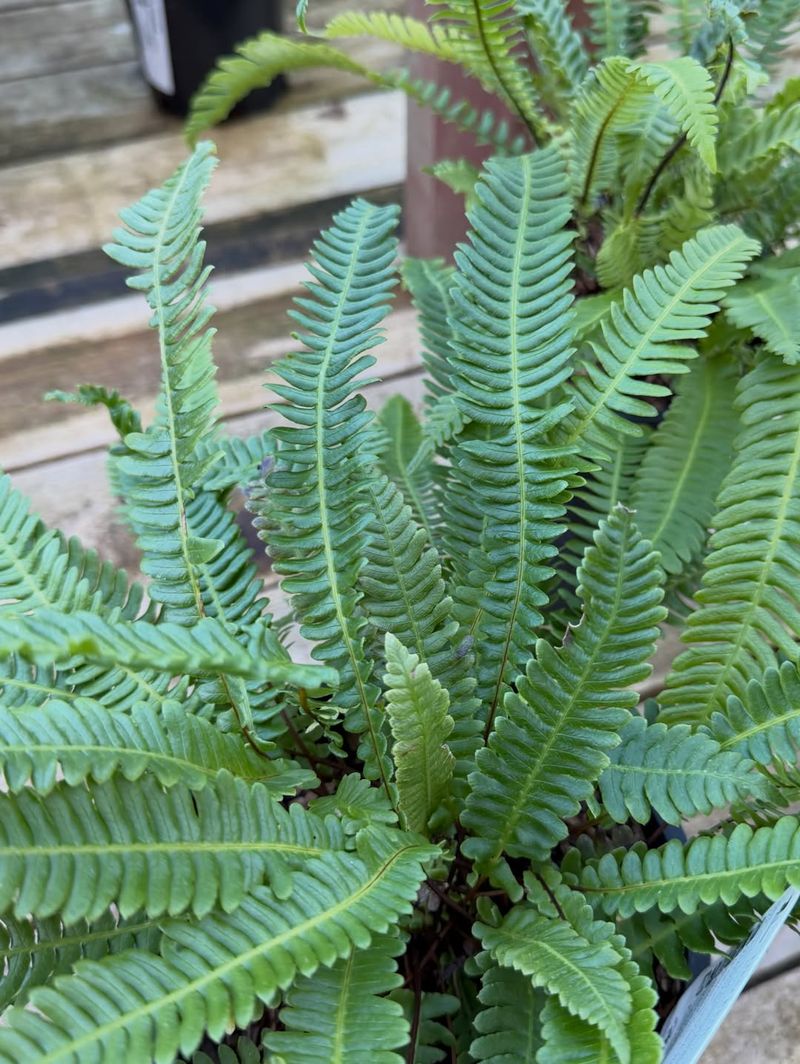
Ask any Oregon gardener what plant best captures the spirit of the Pacific Northwest forest, and Sword Fern will almost always come up. This iconic evergreen fern grows in dense, arching clumps of long, leathery fronds that stay deep green through every season.
It is the kind of plant that makes a shaded garden feel instantly lush and alive.
Sword Fern is remarkably tough. It handles deep shade, dry spells, and poor soil far better than most other ferns, making it one of the easiest native plants to grow in Oregon.
Once established, it needs very little attention. A light cleanup of older fronds in late winter keeps the clumps looking tidy and fresh as new growth emerges in spring.
Beyond its good looks, Sword Fern plays an important role in the local ecosystem. Its dense clumps provide shelter for small animals, insects, and ground-nesting birds.
It also helps stabilize soil on slopes and shaded banks throughout Oregon’s landscapes. In the garden, it works beautifully as a mass planting under trees, as a border along a shaded path, or mixed with flowering natives like Pacific Bleeding Heart and Fringecup.
It is truly one of the most reliable and rewarding plants you can grow.
9. Oregon Wood Sorrel
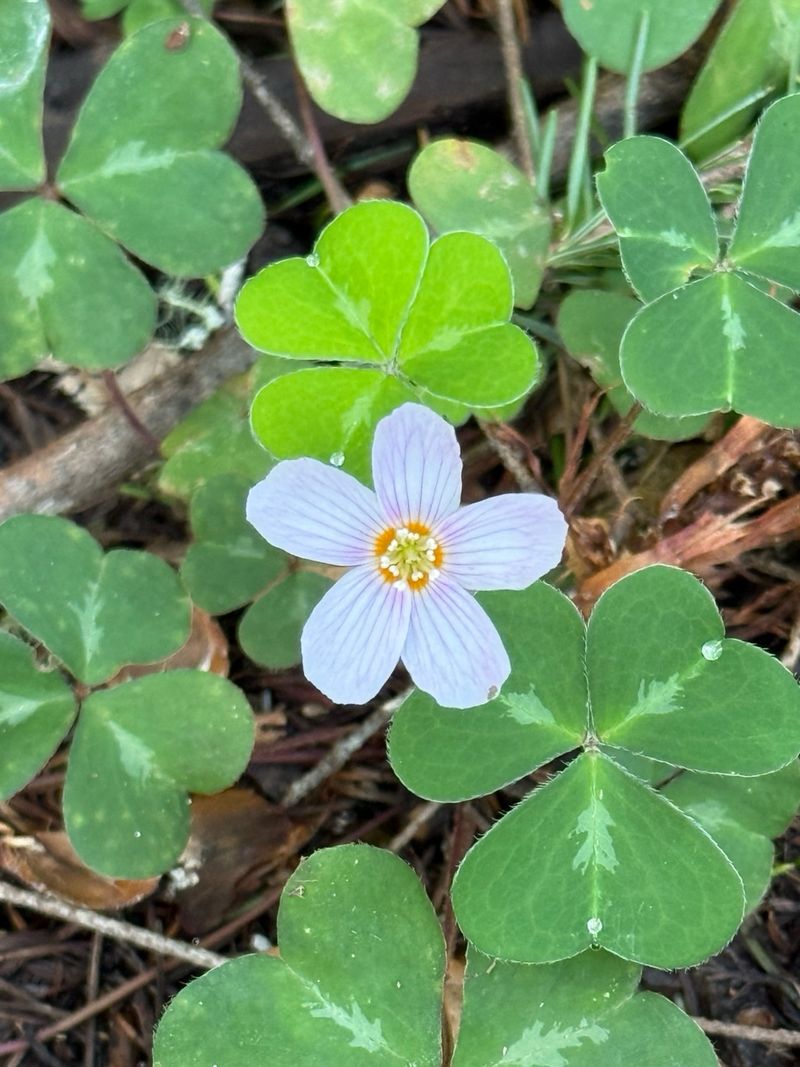
Spend any time walking through Oregon’s coastal forests and you will almost certainly step over carpets of Oregon Wood Sorrel without even realizing it.
This low-growing perennial forms a soft, dense groundcover with leaves that look just like clover, each one made up of three heart-shaped leaflets that fold closed at night or on cloudy days.
It is one of nature’s little wonders.
Small, delicate flowers in white to pale pink bloom throughout spring and into summer, adding a gentle touch of color to shaded garden floors. Oregon Wood Sorrel spreads steadily through underground rhizomes, filling in bare spots beneath trees and shrubs where little else will grow.
It is especially useful in deep shade where maintaining a tidy, attractive ground layer is a real challenge.
In Oregon gardens, this plant thrives in moist, humus-rich soil and appreciates consistent moisture during the dry summer months. A layer of organic mulch helps keep the soil cool and damp, which is exactly what Oregon Wood Sorrel loves.
It pairs wonderfully with Sword Fern and Pacific Bleeding Heart, creating a layered, naturalistic planting that feels like a genuine slice of the Pacific Northwest forest floor brought right into your own backyard.