8 Plants That Need Partial Shade In Arizona By Mid April
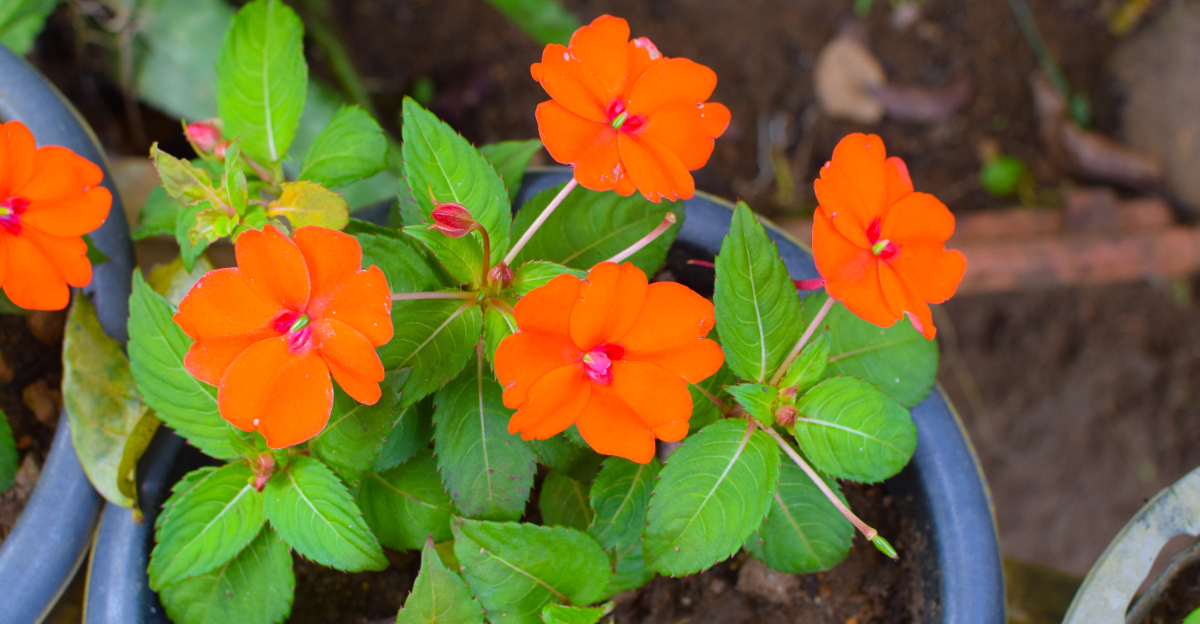
Arizona sun can shift from comfortable to intense very quickly, and by mid April some plants begin to show it before anything else in the yard does.
Leaves lose their rich color, edges can start to dry, and growth does not move forward the way it should under full exposure.
What looked like a perfect spot earlier in the season can become too harsh once the sun angle changes and days grow longer. That transition often catches gardeners off guard because the plants still seem fine at a glance.
Certain varieties respond better once they get a break from direct sun during the hottest part of the day. Placement starts to matter more than expected, especially when conditions change this fast.
Making that adjustment at the right time helps keep plants steady and prevents that early decline from setting in.
1. Impatiens Struggle Quickly In Direct Sun And Heat
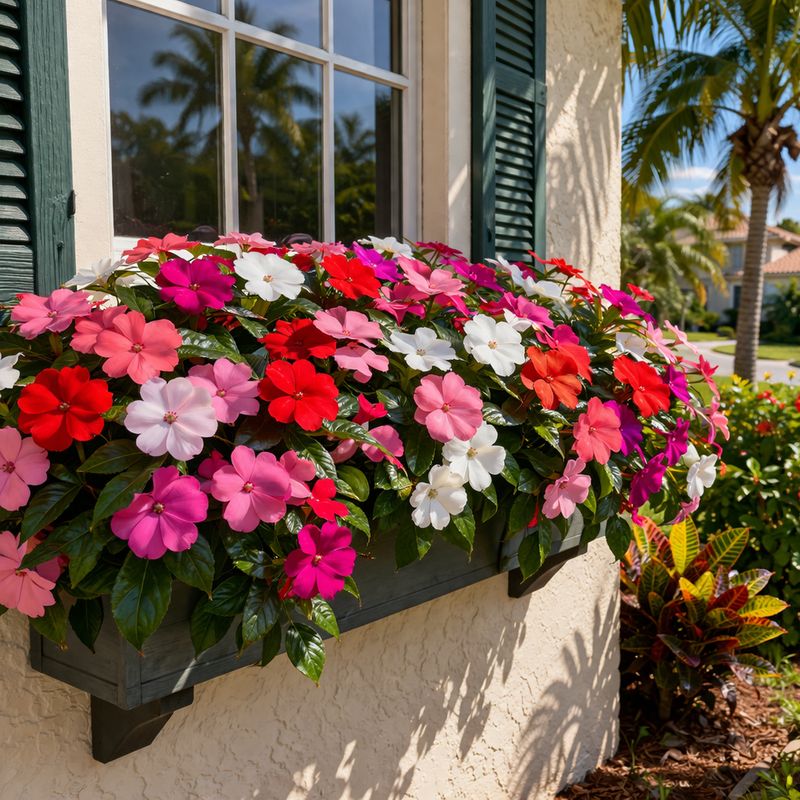
Put impatiens in full Arizona sun by mid-April and you’ll see the damage within days. Leaves curl inward, stems go limp, and the whole plant looks like it’s begging for relief.
Impatiens are not built for intense heat and direct afternoon exposure.
In Arizona, these plants need a spot that gets morning light but stays shaded from roughly noon onward. An east-facing bed, a spot under a patio overhang, or a location beneath a deciduous tree can all work well.
Without that afternoon protection, even regular watering won’t keep them from struggling.
Consistent moisture matters too. Impatiens roots are shallow and dry out fast in Arizona’s low humidity.
Mulching around the base helps hold moisture and keeps soil temperatures from spiking. Container-grown impatiens tend to dry out even faster, so check them daily when temperatures climb above 85 degrees.
New Guinea impatiens handle a bit more sun than standard varieties, but they still need afternoon shade in Arizona’s climate. Don’t assume a heat-tolerant label means full-sun performance here.
Standard impatiens are especially sensitive and should be treated as shade plants from the moment you put them in the ground. With the right placement, they can stay colorful and full well into late spring before the heat becomes truly unmanageable.
2. Caladium Leaves Burn Without Shade Protection
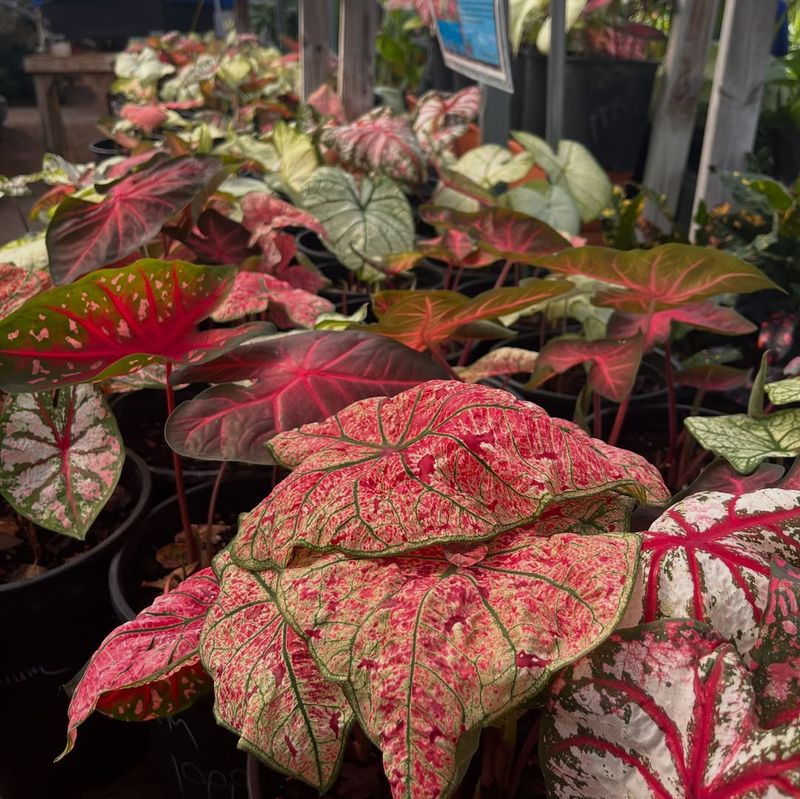
Caladiums are all about their leaves, and those leaves are surprisingly fragile under strong sun. Even a few hours of direct afternoon exposure in Arizona can bleach the color out of them or leave brown, crispy patches along the edges.
By mid-April, the sun here is already strong enough to cause that kind of damage quickly.
Bright indirect light is the sweet spot for caladiums. A shaded patio, a north-facing bed, or a spot under a large shade tree where filtered light reaches them through the canopy — those are the kinds of environments where they actually look their best.
Direct morning sun for an hour or two is usually tolerable, but afternoon sun in Arizona is a different situation entirely.
Soil moisture plays a big role too. Caladiums come from tropical environments, so they want consistent moisture and humidity that Arizona doesn’t naturally provide.
Your Arizona Garden Changes Every Week. Your Plan Should Too.
Gardening in Arizona changes quickly throughout the season. Every Friday you’ll receive a simple weekly plan showing exactly what to plant, prune, fertilize, harvest, and protect so you never miss the right timing.
Regular watering and a thick layer of mulch help compensate. Misting the foliage in the evening can help in very dry conditions, though it won’t replace proper shade placement.
Caladiums grown in containers have some flexibility since you can move them as the sun shifts. Planting them directly in the ground requires more careful site selection upfront.
Get the shade situation right before you plant, and the foliage colors — reds, pinks, whites, and greens — can stay vivid and striking through the season.
3. Coleus Fades Or Wilts In Strong Afternoon Sun
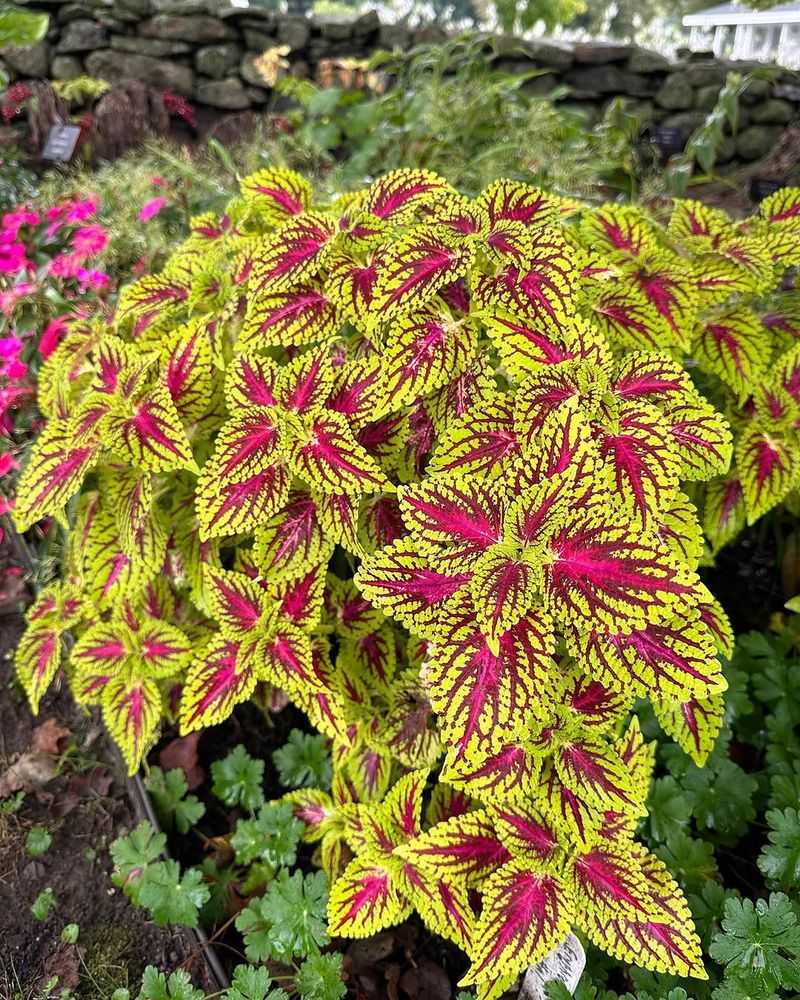
Coleus has some of the most vivid foliage you can put in a garden, but Arizona’s afternoon sun has a way of draining all that color right out of it. Leaves that should be deep burgundy start looking washed out.
Bright lime green turns pale and dull. Strong direct sun also causes wilting even when the soil has plenty of moisture.
Partial shade is not optional for coleus in Arizona by mid-April — it’s necessary. A location that gets morning sun and transitions to shade by early afternoon gives coleus the light it needs without the heat stress that causes fading and wilt.
North-facing beds or spots beside a wall that blocks western sun tend to work well.
Sun-tolerant coleus varieties do exist and can handle more exposure than older types. Even so, Arizona’s dry heat and intense UV levels push those varieties to their limits.
Checking plant labels for sun tolerance is helpful, but testing a plant in your specific yard conditions is the only way to know for sure how it will perform.
Watering consistency matters a lot with coleus. Uneven moisture leads to leaf drop and stress even in shaded spots.
Container coleus tends to do well because you have full control over placement and watering. Keep the soil evenly moist but not waterlogged, and coleus can hold its color and shape through much of the spring season in Arizona.
4. Wax Begonias Handle Some Sun But Still Prefer Shade In Heat
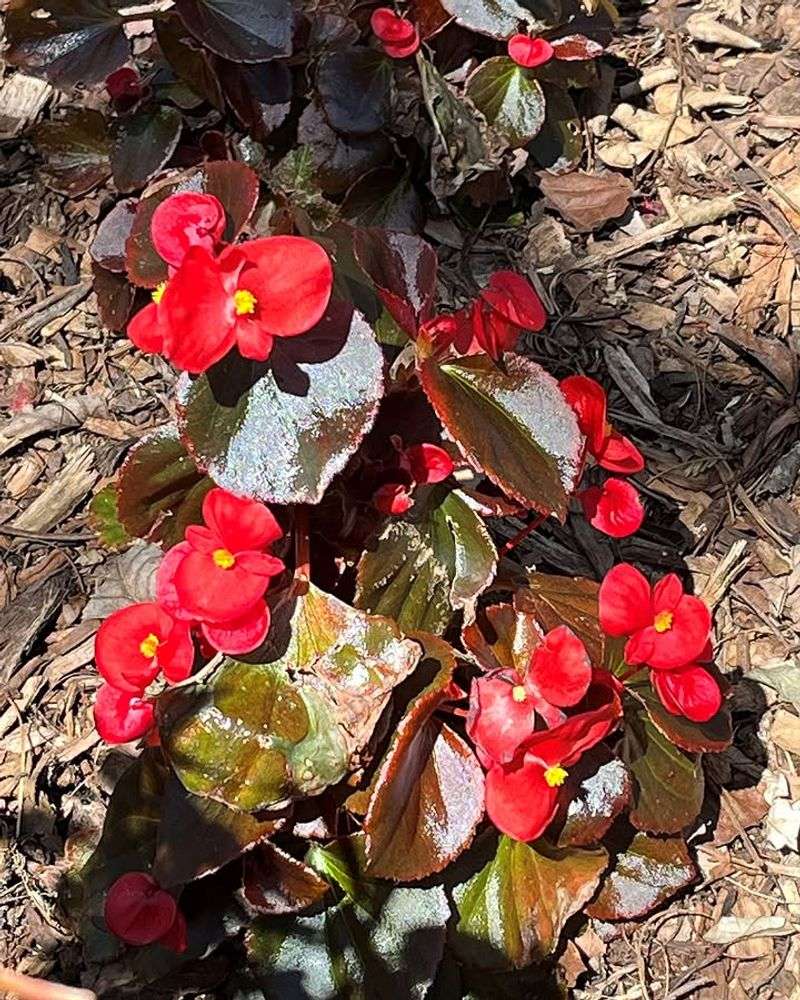
Wax begonias have a reputation for being tough, and compared to some of the other plants on this list, they are.
But tough doesn’t mean invincible, especially in Arizona where mid-April afternoons can already push temperatures high enough to stress even resilient plants.
Wax begonias handle morning sun reasonably well, but prolonged afternoon exposure tends to cause leaf scorch and reduced flowering.
Bronze-leafed varieties generally tolerate more sun than green-leafed types. If you’re planting in a spot that gets several hours of direct light, go with a bronze variety and make sure afternoon shade is still part of the equation.
Green-leafed wax begonias are better suited to spots with more consistent shade throughout the day.
Drainage matters more than most people expect with begonias. Soggy soil causes root issues faster than heat stress in many cases.
Well-draining soil mixed with a little organic material gives roots a healthy environment to work with. Water regularly but let the top inch of soil dry slightly between waterings rather than keeping it constantly saturated.
One practical advantage of wax begonias in Arizona is their compact size, which makes them easy to tuck under taller plants or along the shaded edge of a bed. They stay relatively tidy and keep blooming when conditions are right.
Pairing them with shade-providing companions like tall ornamental grasses or shrubs can extend their productive season noticeably into warmer weather.
5. Fuchsia Declines Fast In Dry Heat And Full Sun
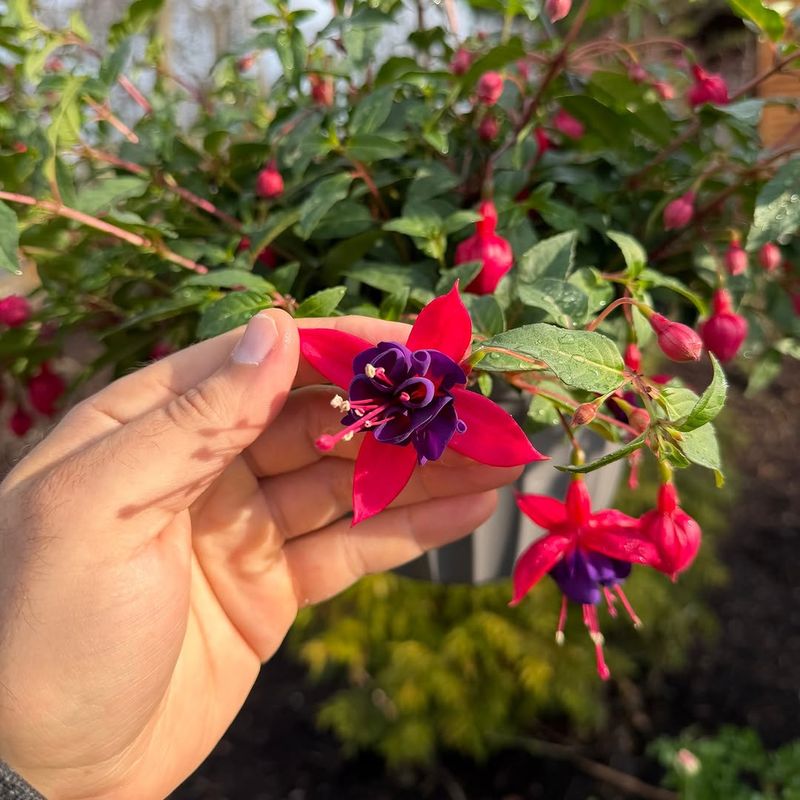
Fuchsia is one of those plants that looks absolutely stunning in a hanging basket — right up until Arizona’s heat reminds it that this isn’t its natural climate. Fuchsia originates from cool, humid mountain environments, and Arizona is about as far from that as you can get.
By mid-April, afternoon temperatures in much of the state are already enough to send fuchsia into rapid decline without shade protection.
Full shade or heavy partial shade is really what fuchsia needs here. A covered patio with no direct afternoon sun, or a spot under a dense tree canopy, gives it the best chance.
Even morning sun can be too much if temperatures are already climbing early in the day. Shade cloth on a pergola is a practical solution for gardeners who want to grow fuchsia in Arizona’s lower elevations.
Humidity is the other challenge. Fuchsia prefers moist air, and Arizona’s low humidity causes rapid moisture loss through the leaves.
Misting in the morning can help slightly, but it won’t fully compensate for the dry air. Keeping the root zone consistently moist is more effective than trying to raise ambient humidity.
Higher-elevation areas of Arizona, like Flagstaff or Prescott, offer more realistic growing conditions for fuchsia compared to Phoenix or Tucson.
At lower elevations, fuchsia is often treated as a short-season plant that looks beautiful for a few weeks in spring before the heat becomes too much to manage effectively.
6. Hydrangea Needs Protection From Intense Afternoon Sun
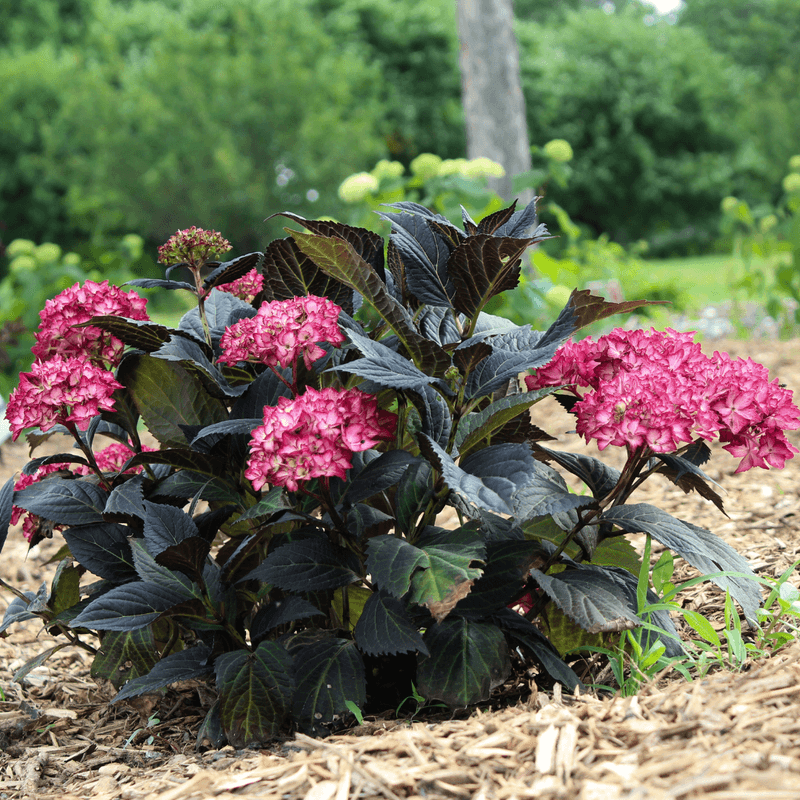
Hydrangeas are one of the most requested plants at Arizona garden centers, and one of the most commonly planted in the wrong spot.
Afternoon sun in Arizona — especially from May onward — is harsh enough to wilt hydrangea leaves within hours and bleach flower color within days.
By mid-April, getting them into a protected location is already important.
Morning sun is actually beneficial for hydrangeas. It encourages healthy growth and good flowering without the heat stress that afternoon exposure brings.
A spot on the east side of a house, or under the partial canopy of a large tree, tends to work better than open garden beds with western or southern exposure.
Soil preparation makes a real difference in how well hydrangeas hold up in Arizona. Native Arizona soil is often alkaline and low in organic matter, which affects both moisture retention and nutrient availability.
Amending with compost before planting helps, and maintaining consistent soil moisture through summer is critical. Hydrangeas signal drought stress quickly with drooping leaves, so monitoring them closely during hot spells is worth the effort.
Bigleaf hydrangeas are particularly sensitive to Arizona conditions. Panicle hydrangeas tend to be a bit more forgiving of heat and are sometimes a better fit for the Arizona climate overall.
Whichever variety you choose, afternoon shade is non-negotiable if you want the plant to stay healthy and produce flowers through the spring and into early summer in Arizona.
7. Tuberous Begonias Break Down Fast In Heat And Direct Sun
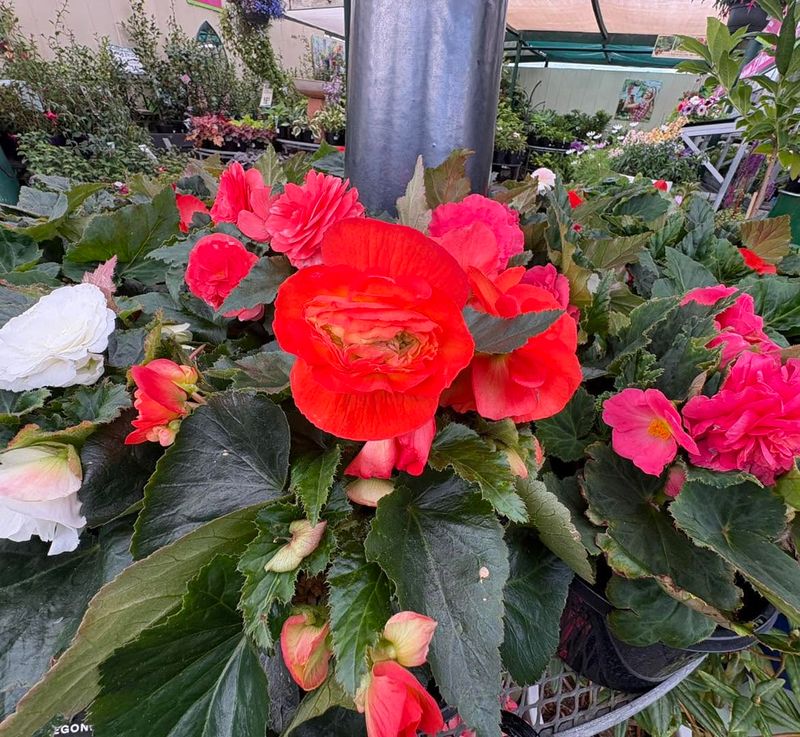
Tuberous begonias are high-maintenance in the best conditions, and Arizona’s climate pushes them to their absolute limit. Unlike wax begonias, tuberous varieties are far more sensitive to heat and sun.
Direct afternoon exposure by mid-April can cause petal drop, stem collapse, and overall decline faster than most gardeners expect when they first try growing them here.
Containers are often the smarter choice for tuberous begonias in Arizona because you can move them as conditions change. A shaded patio corner that stays cool and humid relative to the surrounding yard gives these plants a fighting chance.
Hanging baskets under a covered porch work well for trailing varieties, keeping them off the hot ground and away from reflected heat.
Watering requires balance. Tuberous begonias do not like sitting in wet soil, and their thick tubers can develop rot quickly if drainage is poor.
At the same time, they dry out fast in Arizona’s low-humidity air. Watering when the top inch of soil dries out, rather than on a fixed schedule, is a more reliable approach for keeping them healthy.
Temperatures above 90 degrees consistently stress tuberous begonias regardless of how much shade they receive. In Arizona’s lower desert areas, their effective season is often limited to the cooler weeks of spring before summer heat fully sets in.
Gardeners in higher-elevation parts of Arizona may get a longer growing window with better results overall.
8. Astilbe Collapses Quickly In Dry Heat And Full Sun
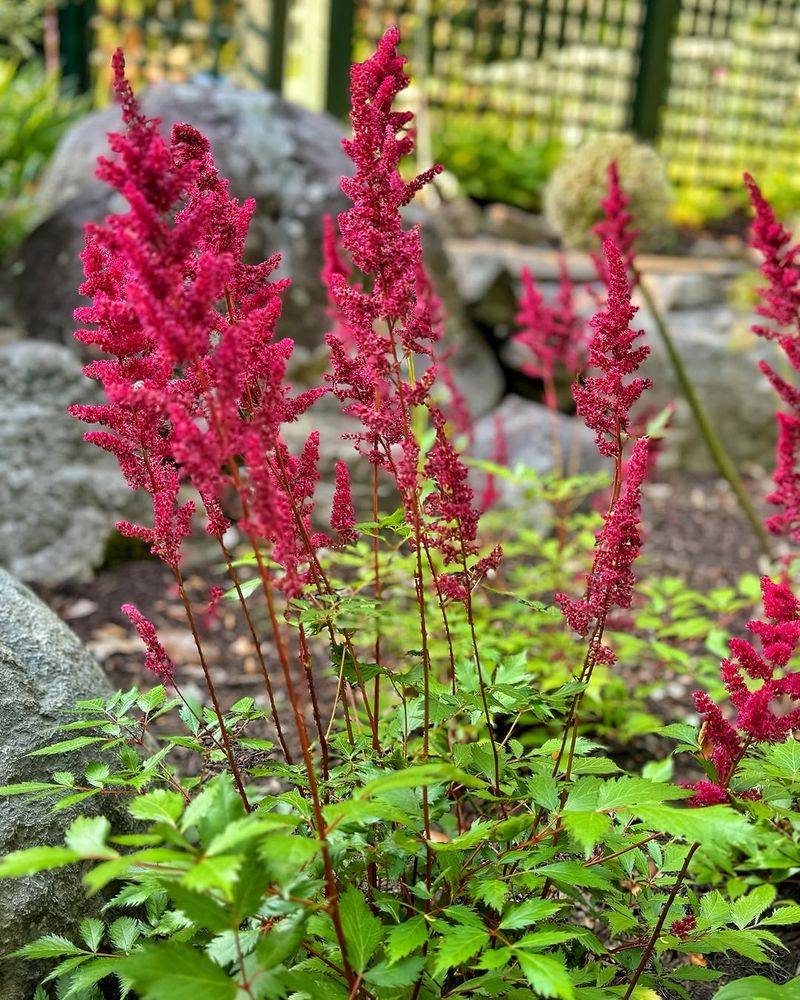
Astilbe is genuinely beautiful — those feathery plumes in pink, white, and red are hard to beat for a shaded garden bed. But growing astilbe in Arizona requires honest expectations.
It is a cool-climate plant that needs consistent moisture, shade, and relatively moderate temperatures to perform well. Arizona’s dry heat by mid-April already starts working against it.
Shade is essential, but moisture is equally important. Astilbe foliage browns and collapses quickly when the soil dries out, and Arizona’s low humidity accelerates that process considerably.
Planting in a spot with afternoon shade, amending the soil heavily with compost, and mulching thickly are all necessary steps rather than optional ones. Even with all of that, regular watering is required throughout the growing season.
Higher-elevation areas of Arizona give astilbe a more realistic shot at success. Flagstaff and parts of the White Mountains have climates that are closer to what astilbe actually prefers.
At lower elevations like Phoenix or Tucson, astilbe is really a short-season plant that may look good for a few weeks in early spring before conditions become too challenging.
If you’re determined to grow astilbe in Arizona’s warmer zones, treat it as a temporary seasonal plant rather than a long-term fixture. Choose a heavily shaded spot with rich, moisture-retentive soil.
Water consistently, watch for browning at the leaf edges as an early stress signal, and enjoy the blooms while the weather cooperates before summer heat takes full hold.