The Easy Way To Grow Cherry Tomatoes In Pots In California
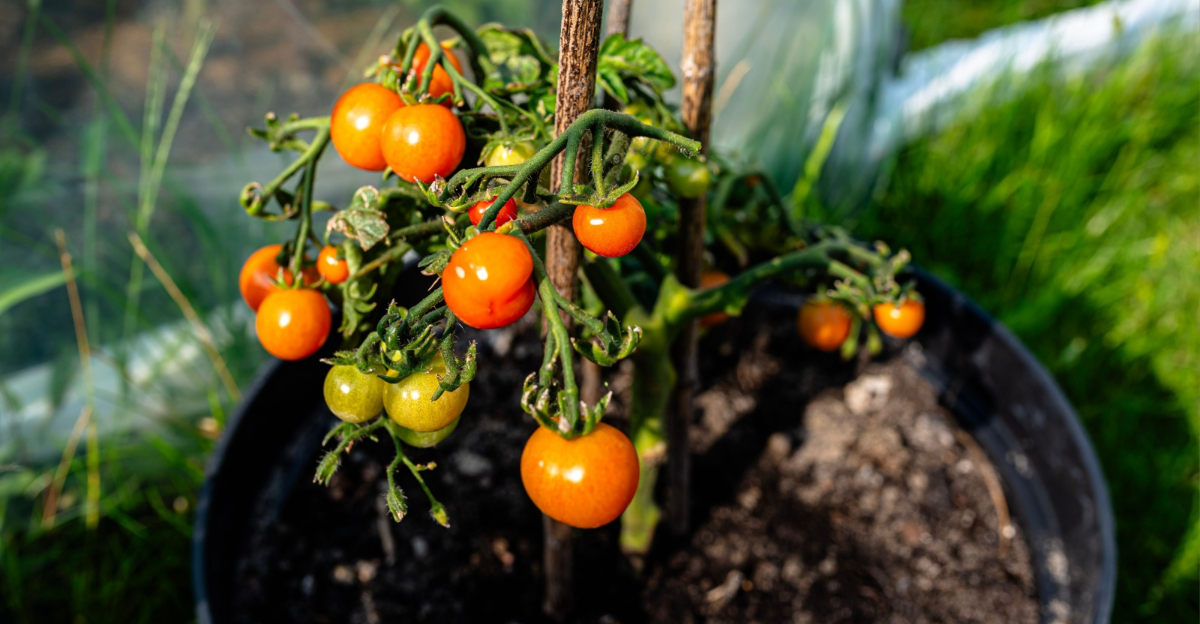
Ever feel like the California sun is practically begging you to grow something delicious?
You don’t need a sprawling estate to harvest “garden candy” by the handful – just a sunny corner and a single pot.
From the Golden State’s long, warm summers to those endless blue skies, our climate is a total superpower for container-grown cherry tomatoes.
Whether you’re gardening on a high-rise balcony or a suburban patio, a few smart tweaks to your setup can turn a small space into a high-yield harvest machine.
Ready to skip the bland grocery store bins and pluck sun-warmed, sweet tomatoes right outside your door? Here is how to master the California pot-to-plate game.
1. Choosing The Right Cherry Tomato Varieties For Containers
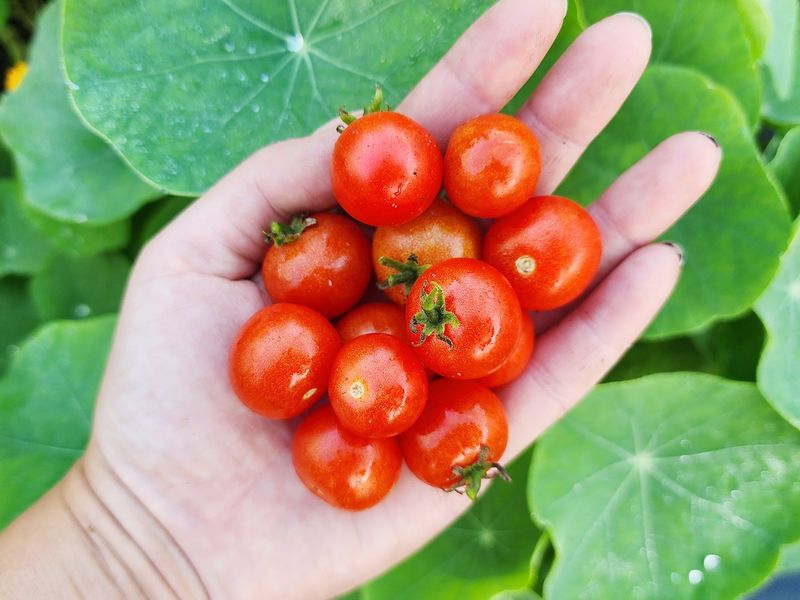
Not every tomato plant is cut out for life in a pot, and picking the right variety from the start puts you way ahead of the game.
Compact and determinate varieties tend to work best because they stay manageable in size and produce fruit within a more predictable window.
For California container gardeners, this matters especially since patio and balcony space can be limited.
Varieties like ‘Tiny Tim’ are a solid choice for smaller spaces, growing to around 18 inches tall and producing loads of bite-sized fruit.
‘Tumbling Tom’ is another crowd favorite that spills beautifully over the edges of hanging baskets and deep pots. ‘Bush Early Girl’ offers an earlier harvest, which is great if you want ripe tomatoes before the intense heat of a California summer peaks.
Indeterminate varieties can also work in containers, but they require larger pots and more consistent pruning to stay productive.
Varieties like ‘Sun Gold’ and ‘Sweet Million’ are indeterminate but remain popular among California container gardeners willing to put in a bit more effort.
Checking seed packets or plant tags for the words “compact,” “patio,” or “container-friendly” is a smart move when shopping.
Matching the variety to your specific space and California microclimate – whether coastal, inland, or high desert – can significantly improve your results come harvest time.
2. Selecting The Best Pot Size And Drainage Setup
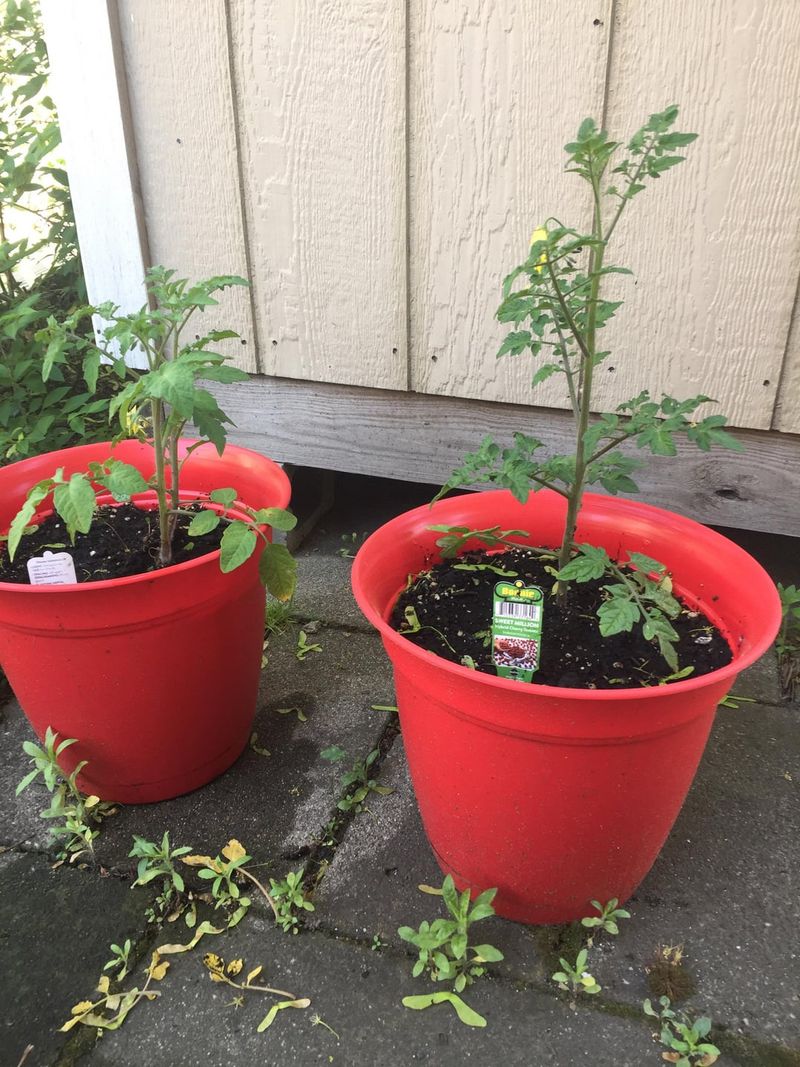
Squeezing a tomato plant into a pot that is too small is one of the most common mistakes container gardeners make.
Roots need room to spread out, and a cramped container leads to stressed plants that produce less fruit and struggle with heat – something California gardeners in inland valleys know all too well.
A pot that holds at least 5 gallons of soil is a reasonable starting point, but going up to 10 or 15 gallons gives your plants noticeably more room to thrive.
Fabric grow bags have become increasingly popular among California gardeners because they allow air to reach the roots and prevent the kind of overheating that can occur in dark plastic pots sitting in direct summer sun.
Plastic containers are lightweight and retain moisture reasonably well, making them a practical option for balconies and rooftop gardens.
Terracotta pots look attractive but dry out faster, which can be a real challenge during California’s dry summer months.
Your California Garden Changes Every Week. Your Plan Should Too.
Gardening in California changes quickly throughout the season. Every Friday you’ll receive a simple weekly plan showing exactly what to plant, prune, fertilize, harvest, and protect so you never miss the right timing.
Drainage is non-negotiable. Without proper drainage holes at the bottom of your container, water pools around the roots and causes serious problems that are difficult to recover from.
Elevating pots slightly on pot feet or bricks helps water flow freely and keeps the drainage holes from getting blocked.
Checking that water runs out freely after each watering session takes just a moment but can save your plants a lot of stress throughout the season.
3. Using The Right Soil Mix For Healthy Root Growth
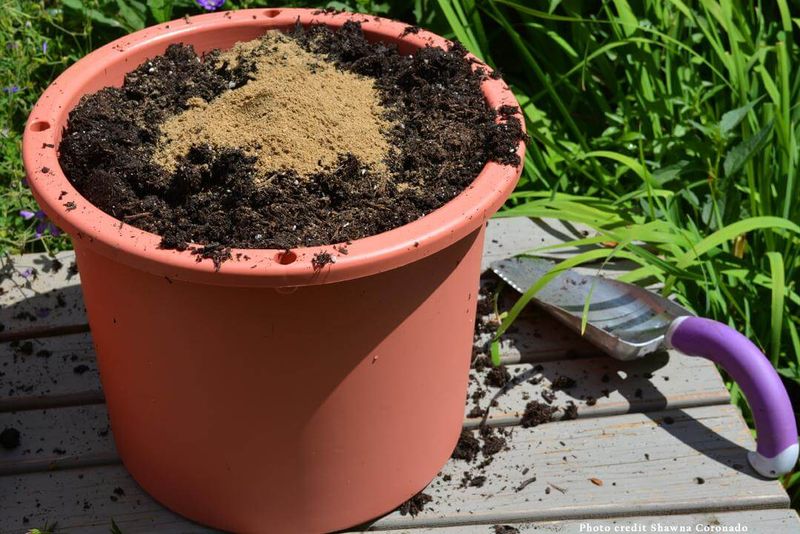
Reaching into a bag of garden soil and dumping it into your container pot might seem like the easiest route, but it is one worth skipping.
Garden soil compacts quickly in containers, restricts root development, and drains poorly – none of which your cherry tomatoes will appreciate.
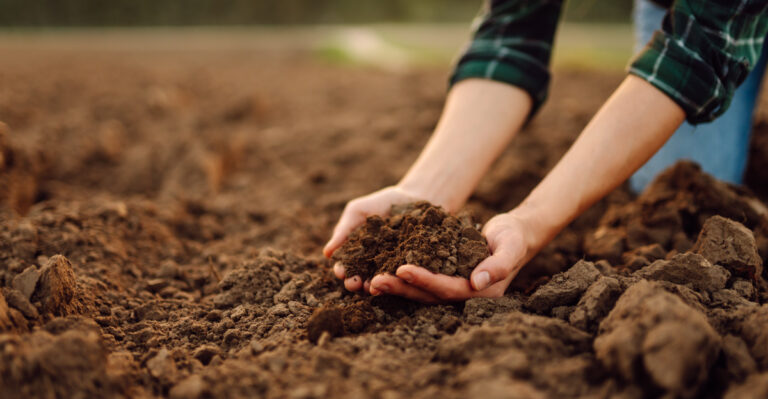
A high-quality potting mix designed specifically for vegetables gives roots the loose, airy environment they need to grow strong and absorb nutrients efficiently.
Look for a potting mix that includes ingredients like perlite, vermiculite, or coconut coir, which help with drainage and moisture retention at the same time.
Adding a generous scoop of compost to your mix before planting introduces beneficial organic matter that feeds your plants naturally over time.
Some California gardeners also mix in a slow-release granular fertilizer at planting time to give seedlings a steady nutrient boost through the early weeks of growth.
Refreshing your potting mix each season is a smart habit. After a full growing season, potting mix loses structure, compacts, and becomes depleted of nutrients.
Reusing old mix without refreshing it can lead to sluggish plant performance the following year. Topping off containers with fresh compost or replacing at least half the old mix before replanting gives your new seedlings the best possible start.
In California’s warm climate, healthy roots translate directly into healthier plants and a more productive harvest from late spring through early fall.
4. How Much Sun Cherry Tomatoes Need In California
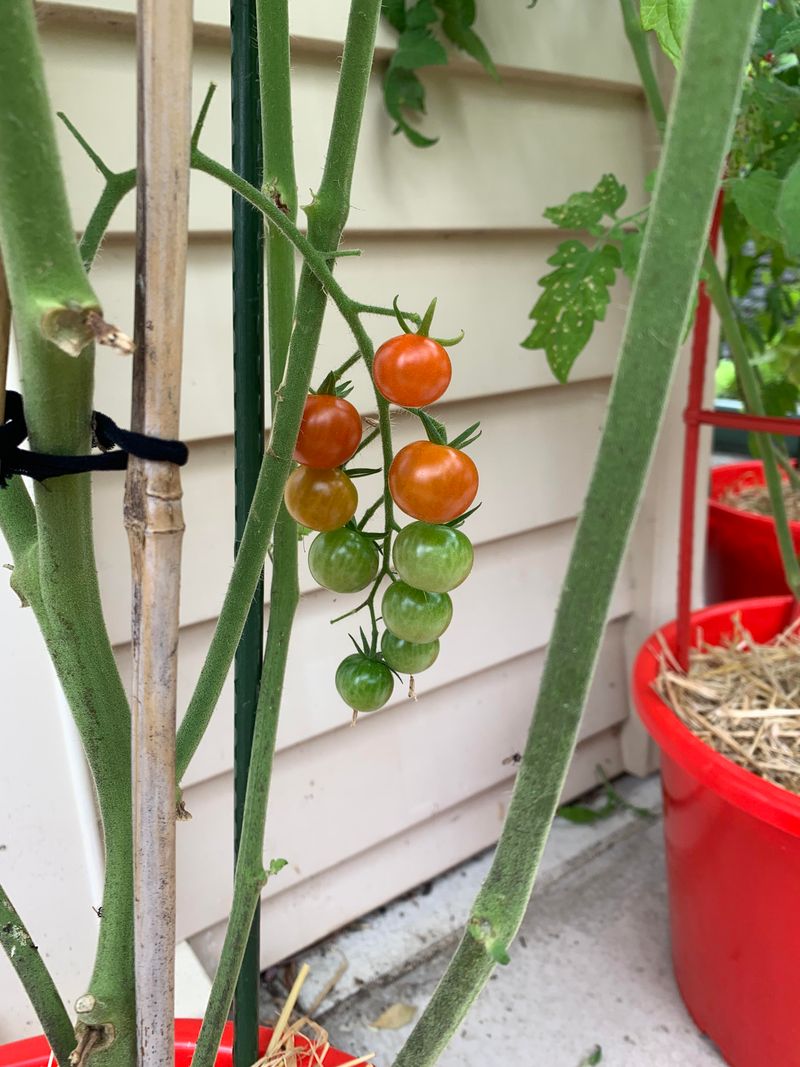
Sunlight is the engine that drives tomato production, and California’s climate delivers it in generous amounts for most of the year. Cherry tomatoes generally need at least 6 to 8 hours of direct sunlight each day to grow well and produce fruit consistently.
In most parts of California, finding a sunny south-facing patio, balcony, or deck is not too difficult, which is one reason container tomatoes do so well here.
That said, California’s climate is anything but uniform. Gardeners along the coast in places like San Francisco or Santa Monica deal with marine layer fog that can cut into morning sun hours significantly.
In those cooler, foggier microclimates, positioning containers in the sunniest available spot and choosing early-maturing varieties can help compensate.
Inland California gardeners face the opposite challenge – intense afternoon heat that can stress plants and cause blossom drop during peak summer temperatures.
In hot inland areas, a little afternoon shade from a shade cloth or a nearby wall can actually help plants stay productive rather than shutting down from heat stress.
Moving containers to follow the sun throughout the day is one advantage pots have over in-ground beds, and many California gardeners take full advantage of this flexibility.
Paying attention to how the sun moves across your specific outdoor space through the seasons helps you position containers for the best light exposure and keeps plants performing at their best from spring planting through fall harvest.
5. Watering Practices That Support Steady Growth
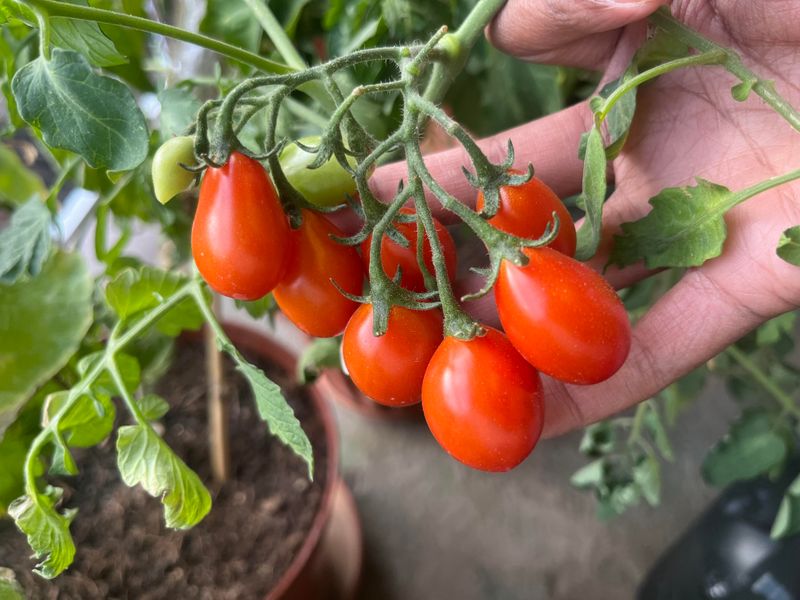
Container tomatoes dry out much faster than plants growing in the ground, and in California’s warm, often dry summers, that gap becomes even more pronounced.
Checking soil moisture regularly – at least once a day during hot weather – helps you stay ahead of drought stress before it shows up as wilting leaves or cracked fruit.
The general rule is to water deeply when the top inch of soil feels dry to the touch.
Watering at the base of the plant rather than from overhead keeps foliage dry and reduces the chance of fungal issues developing, which can be a concern in coastal California areas with higher humidity.
Deep watering encourages roots to grow downward rather than clustering near the surface, which leads to stronger, more resilient plants overall.
Shallow, frequent watering tends to produce weak root systems that struggle when temperatures spike.
Mulching the top of your container with a thin layer of straw or wood chips can slow moisture evaporation noticeably, which is a helpful trick during California’s dry summer months.
Self-watering containers and drip irrigation setups are also worth considering if you have several pots to manage or travel during the growing season.
Inconsistent watering is one of the leading causes of blossom end rot and fruit cracking in container tomatoes, so building a steady watering routine early in the season pays off with more uniform, better-tasting harvests come summer and fall.
6. Fertilizing Tomatoes In Containers The Right Way
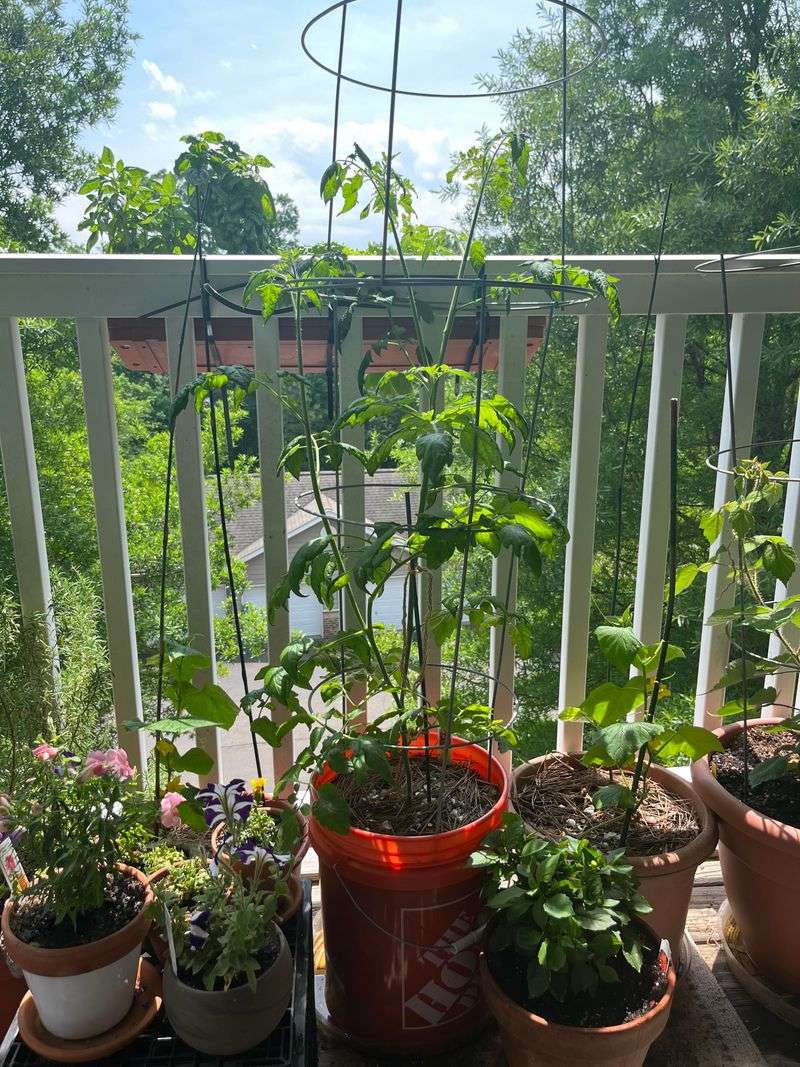
Tomatoes have a well-earned reputation for being hungry plants, and when they are growing in containers, that hunger becomes even more pressing.
Nutrients wash out of potting mix with every watering, which means container tomatoes need regular feeding to stay productive throughout California’s long growing season.
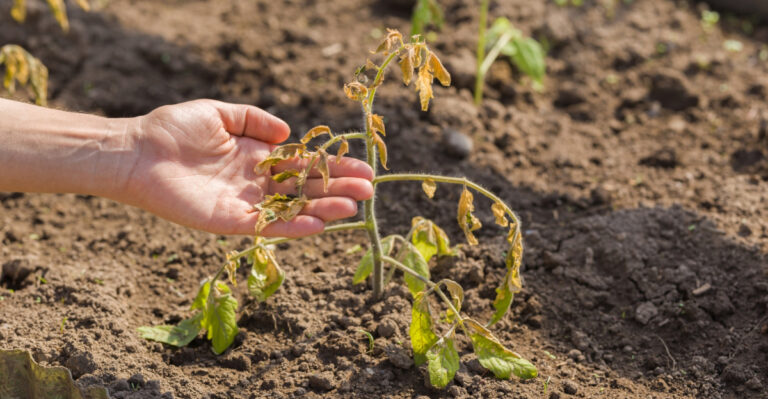
Skipping fertilizer or applying it inconsistently often shows up as yellowing leaves, poor fruit set, or slow overall growth.
A balanced, water-soluble fertilizer formulated for tomatoes works well for container growing because it delivers nutrients quickly and can be adjusted based on how your plants are responding.
Many California gardeners start with a balanced formula early in the season to support leaf and stem development, then shift to a lower-nitrogen, higher-phosphorus formula once flowering begins to encourage fruit production.
Following the product label for application rates and frequency is a good starting point.
Organic fertilizers like fish emulsion, worm castings, or compost tea are popular choices among California gardeners who prefer a more natural approach.
These options release nutrients more slowly and also help maintain healthy microbial activity in the potting mix over time.
Applying fertilizer every one to two weeks throughout the growing season keeps plants well-fed without overloading them.
Watching your plants closely for signs of nutrient deficiency or excess – like very dark green leaves or slow fruit development – helps you fine-tune your feeding routine as the season progresses.
7. Supporting Plants With Cages Or Stakes For Better Growth
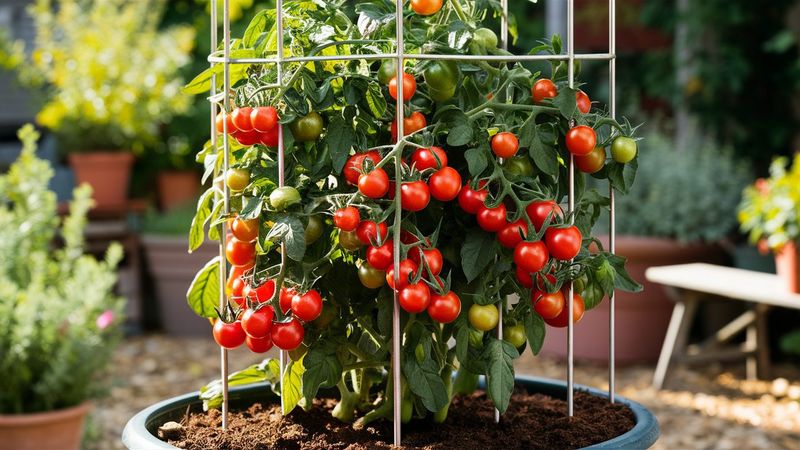
Even compact cherry tomato varieties can surprise you with how much they grow once they hit their stride in a warm California summer.
Without some form of support, stems bend under the weight of developing fruit clusters, and branches can snap during afternoon breezes – a common occurrence in coastal California areas.
Installing a support structure at planting time is far easier than trying to add one after the plant has already filled out.
Wire tomato cages are a go-to option for most container gardeners because they are easy to push into the potting mix and provide support on all sides as the plant grows outward.
For taller indeterminate varieties, a sturdy wooden or metal stake driven firmly into the container gives the main stem something solid to lean against as it climbs.
Loosely tying stems to stakes with soft garden ties or strips of fabric prevents damage to the plant while keeping it upright.
Regularly checking ties and adjusting them as the plant grows prevents stems from being pinched or restricted.
Some California gardeners also use the Florida weave technique, running twine back and forth between stakes to support multiple stems across a larger container planting.
Keeping plants upright improves air circulation around the foliage, which helps reduce moisture-related issues and makes harvesting easier.
A well-supported plant simply looks better, stays healthier through the season, and tends to produce a more consistent supply of fruit from early summer through the cooler days of fall.