The Drought-Smart Native Grass Pennsylvanians Love Near Entryways
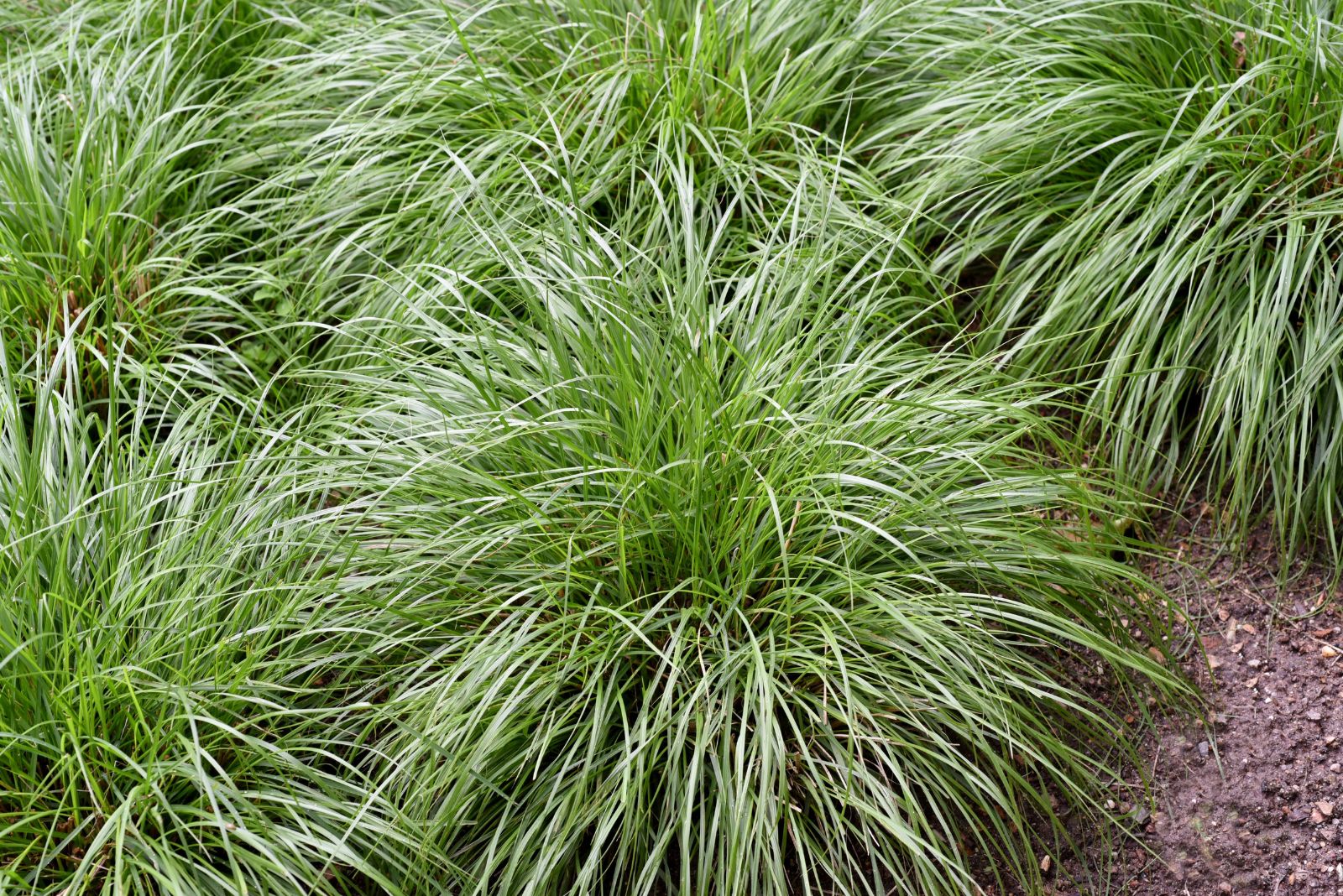
There is something about the right plant by a front walk or doorway that makes a home feel more inviting before anyone even steps inside. The best choices do more than fill space.
They soften hard edges, add texture, and make the entrance feel a little more polished without turning that area into a high-maintenance chore.
That is why so many Pennsylvania gardeners look for plants that stay attractive, handle changing weather, and do not need constant attention just to keep looking good.
One favorite fits that job especially well. Pennsylvania sedge has a soft, natural look that feels more relaxed than traditional ornamental grasses, but it still brings structure and movement where it counts.
It works beautifully near entryways because it stays low, tidy, and easy to live with while also handling dry conditions better than many people expect. For homeowners who want something subtle but stylish, it checks a lot of boxes.
It brings a native touch, a graceful texture, and a practical kind of beauty that suits Pennsylvania landscapes without asking for too much in return.
1. Why Pennsylvania Sedge Stands Out
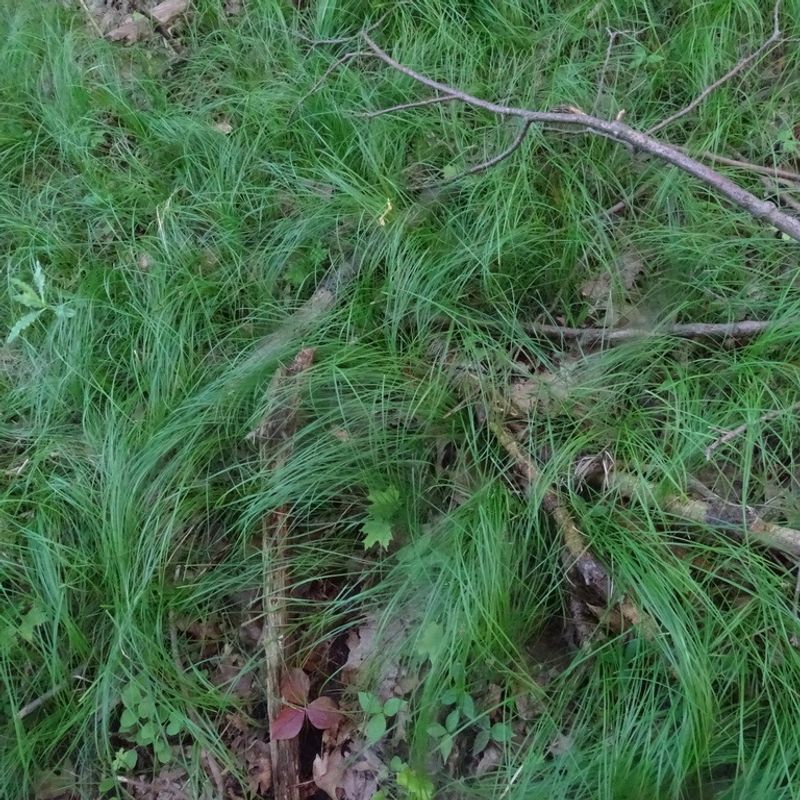
Not every plant can look polished and natural at the same time, but Pennsylvania Sedge pulls it off with ease. This native, low-growing plant forms soft, arching clumps of fine green blades that spread slowly into a smooth, carpet-like groundcover.
It has a quiet elegance that surprises many homeowners who expect native plants to look wild or unkempt.
Pennsylvania Sedge blends beautifully with entryways, paths, and foundation beds. Its tidy habit means it does not sprawl aggressively or take over nearby plants.
Instead, it fills in gradually, creating a layered, natural look that feels intentional and well-designed.
What really sets it apart is how well it fits into a home landscape without demanding attention. Many traditional groundcovers either grow too fast or look too stiff. Pennsylvania Sedge feels relaxed and organic, like it belongs right where you planted it.
Gardeners across Pennsylvania have started to notice this plant for good reason. It is native to the region, which means it has already adapted to the local climate, soils, and seasonal patterns over thousands of years.
That built-in resilience makes it far easier to grow than many exotic alternatives. Its soft texture also pairs well with stone paths, brick borders, and wooden entryway features.
Whether your home has a modern, traditional, or cottage-style look, Pennsylvania Sedge fits right in.
It adds a layer of green that feels lush without being high-maintenance, making it one of the smartest choices for Pennsylvania homeowners who want a beautiful, no-fuss front yard.
2. Why It Works So Well Near Entryways
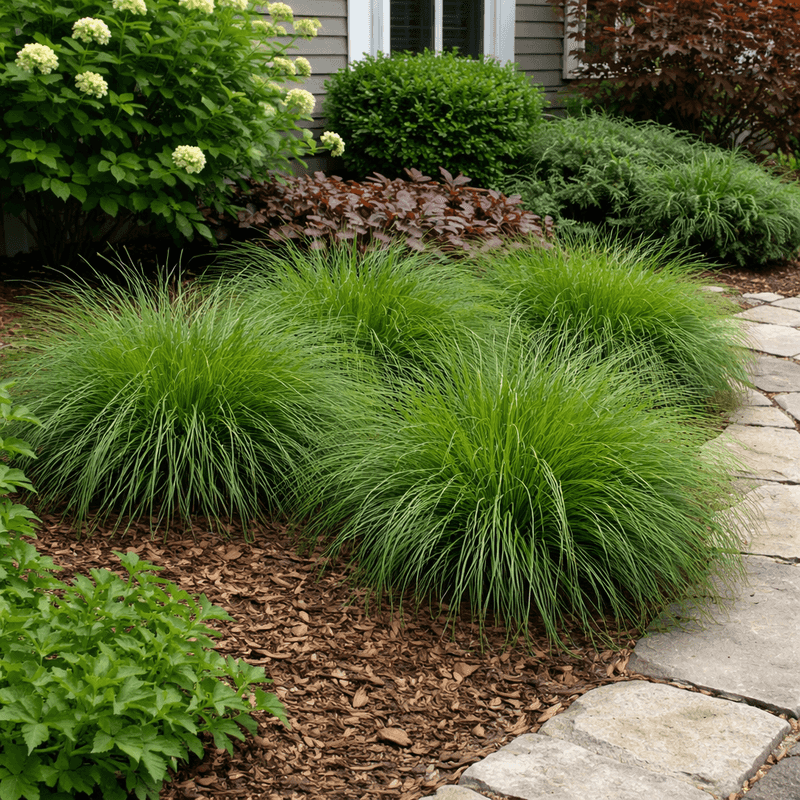
Front entryways are one of the most visible parts of any home. What grows there makes a big first impression on visitors, neighbors, and even yourself every time you walk through the door.
Pennsylvania Sedge earns its place near entryways because it stays relatively short, usually reaching just six to twelve inches tall, so it never overwhelms walkways or front beds.
Your Pennsylvania Garden Changes Every Week. Your Plan Should Too.
Gardening in Pennsylvania changes quickly throughout the season. Every Friday you’ll receive a simple weekly plan showing exactly what to plant, prune, fertilize, harvest, and protect so you never miss the right timing.
Unlike ornamental grasses that shoot up several feet and flop over paths, Pennsylvania Sedge stays low and tidy throughout the season.
It does not require constant trimming or cutting back to keep it looking neat. That means less work for you and a cleaner look all year long.
Around entryways, the plant creates a welcoming, finished appearance that many homeowners spend a lot of money trying to achieve with mulch or traditional edging plants. Pennsylvania Sedge does it naturally.
Its soft green color brightens shaded spots near porches and doors where other plants struggle to thrive.
Across Pennsylvania, homeowners are planting it along front paths where it softens the edges of walkways without creeping onto the pavement.
It works especially well when paired with stepping stones or flagstone paths, giving the entry area a layered, designed look that feels both casual and intentional.
Because it spreads slowly and steadily, it fills in gaps over time without becoming invasive. You get a full, lush look without the headache of managing an aggressive spreader.
For anyone in Pennsylvania looking to upgrade their front entry without a lot of effort, Pennsylvania Sedge is a reliable, good-looking solution worth trying.
3. The Drought-Smart Advantage
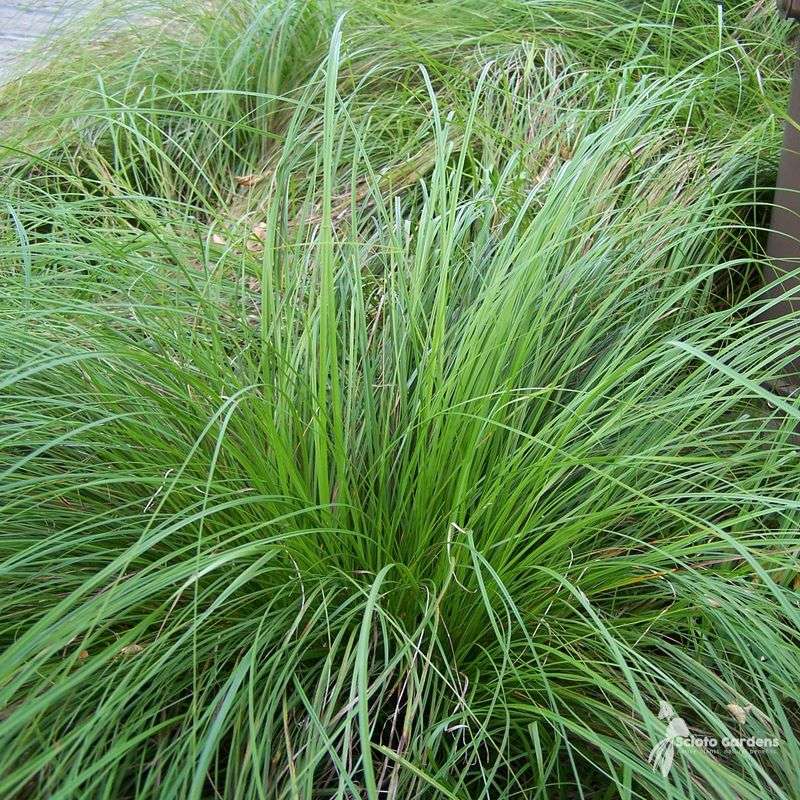
Summers in Pennsylvania can get surprisingly dry, and many traditional groundcovers just cannot keep up. Pachysandra wilts, English ivy struggles, and turf grass turns brown in a hurry.
Pennsylvania Sedge, on the other hand, handles dry conditions far better than most people expect from such a delicate-looking plant.
Once established, Pennsylvania Sedge develops a strong, fibrous root system that reaches deep into the soil.
Those roots help the plant find moisture even when the surface is dry and cracked from summer heat. You will not need to run a sprinkler every other day to keep it alive and green.
Did you know that Pennsylvania Sedge is technically a sedge, not a true grass? Sedges tend to have deeper root systems and stronger drought resistance than many common lawn grasses.
That makes Pennsylvania Sedge a genuinely smart choice for low-maintenance landscapes across Pennsylvania.
For homeowners who want to cut back on water use, this plant is a practical upgrade. Once it fills in around your entryway, you can step back and let it do its thing.
Occasional watering during extreme dry spells is usually all it needs to stay looking good through the season.
Beyond saving water, choosing a drought-tolerant native plant like Pennsylvania Sedge also reduces the need for fertilizers and chemical treatments. The plant feeds itself through natural soil relationships and does not need much outside help to stay healthy.
That is a win for your wallet, your schedule, and the environment all at once. Pennsylvania gardeners are increasingly turning to this plant for exactly these reasons.
4. The Light Conditions It Prefers
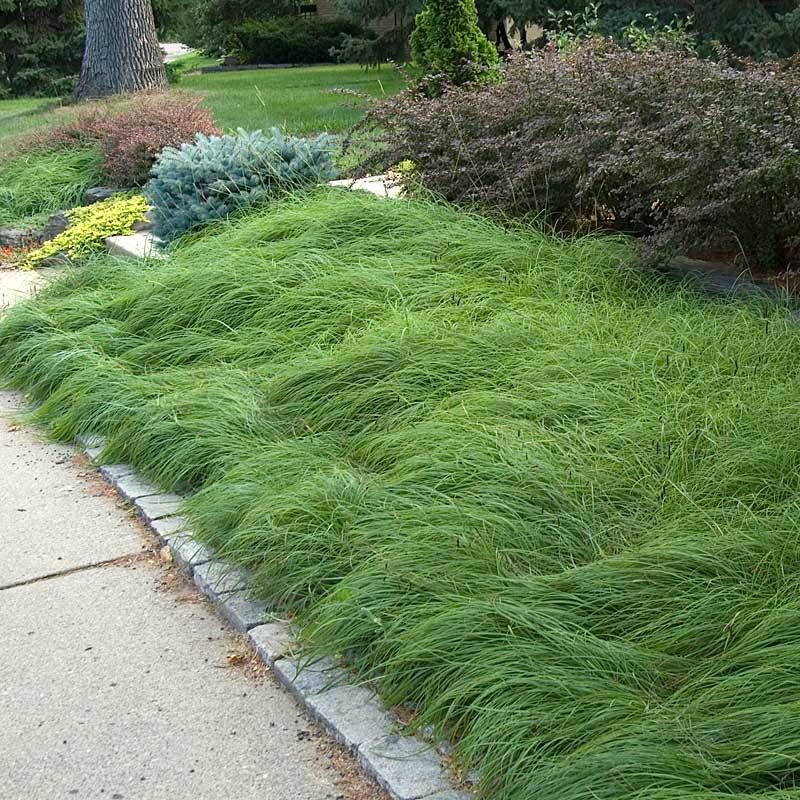
Walk around most homes in Pennsylvania and you will notice that front entryways often sit in the shadow of the house, a porch overhang, or a nearby tree. Bright, full-sun spots near the front door are actually less common than you might think.
That is exactly where Pennsylvania Sedge shines, because it performs especially well in part shade to full shade.
Most sun-loving ornamental grasses struggle in those darker entry spots. They get leggy, flop over, or simply stop growing well.
Pennsylvania Sedge is built differently. It evolved under the forest canopy of the eastern United States, so lower light feels like home to this plant.
Entry areas that face north or sit under a tree canopy are ideal planting zones for Pennsylvania Sedge. It thrives in those conditions and keeps its soft green color all season long without needing direct afternoon sun.
That makes it one of the few groundcovers that actually looks its best in the tricky spots most plants avoid.
That said, Pennsylvania Sedge can struggle if the site is too dry and sunny at the same time. A spot with harsh afternoon sun and no irrigation is a tough environment, even for a drought-tolerant plant.
Pairing it with a location that offers some shade during the hottest part of the day gives it the best chance to settle in and spread comfortably.
For Pennsylvania homeowners with shaded entryways, this plant is practically tailor-made. It fills those dim, difficult spots with lush green color and does not complain about the low light. Few native plants handle shade as gracefully while still looking polished near a front door.
5. How To Help It Establish
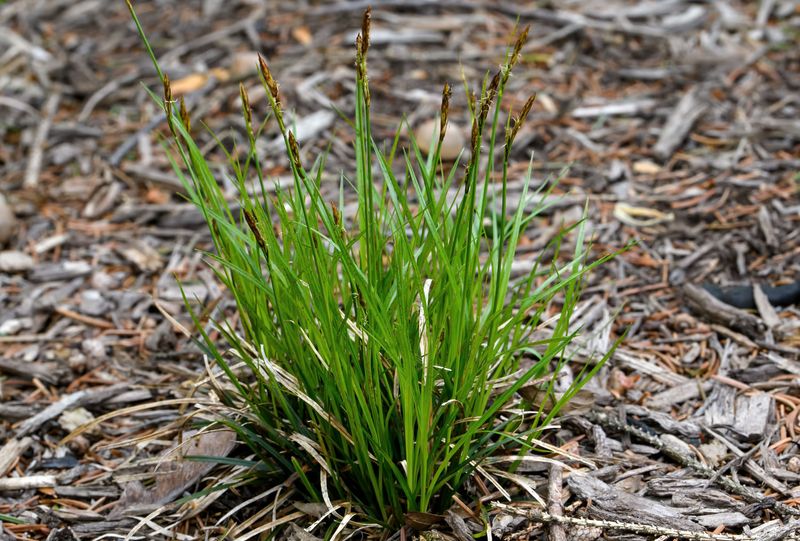
Getting Pennsylvania Sedge off to a strong start is simpler than most people expect, but the first season does require a little attention. Spring and fall are the best times to plant in Pennsylvania.
Cooler temperatures and more reliable rainfall during those seasons give young plants the gentle conditions they need to put down strong roots before facing summer heat or winter cold.
When you first put plants in the ground, water them regularly for the first few weeks. The roots need consistent moisture while they get established in their new spot.
Once you see new growth pushing out from the clumps, that is a good sign the plant is settling in and building its root system.
Spacing matters too. Plant Pennsylvania Sedge plugs about six to twelve inches apart, depending on how quickly you want full coverage.
Closer spacing fills in faster, but even wider spacing will eventually grow together into a solid groundcover over one to two seasons.
Mulch is your best friend during establishment. Spread a thin layer of shredded leaf mulch or wood chip mulch between young plants to hold moisture, reduce weeds, and keep soil temperatures steady.
As the sedge fills in, it will naturally shade the soil and reduce weed pressure on its own. One thing many Pennsylvania gardeners appreciate is that Pennsylvania Sedge rarely needs dividing or major maintenance once it is established.
You can cut it back lightly in early spring before new growth appears if you want a fresh look, but it is not required.
This plant rewards patience with a beautiful, self-sustaining groundcover that gets better every year.
6. Where It Looks Best In The Landscape
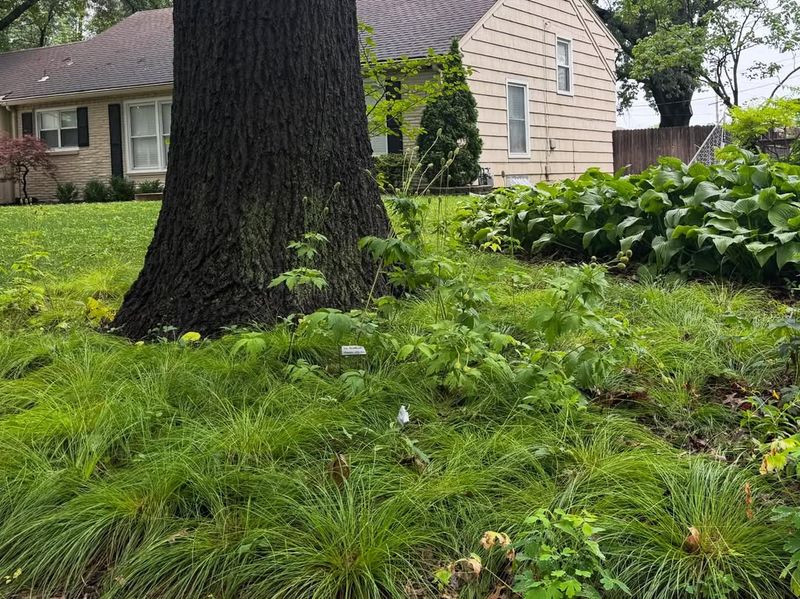
Versatility is one of Pennsylvania Sedge’s strongest qualities. This plant fits into so many different spots around the home that once you start using it, you will find yourself wanting to plant it everywhere.
Along front walkways, it creates a soft, flowing border that makes the path feel more inviting and finished without looking overly formal.
Foundation beds are another natural home for Pennsylvania Sedge. Many foundation plantings in Pennsylvania rely on the same old shrubs and hostas year after year.
Swapping in Pennsylvania Sedge as a groundcover layer adds texture, movement, and a more naturalistic feel to those beds. It pairs especially well with native ferns, coral bells, and native woodland shrubs.
Under small trees is where Pennsylvania Sedge truly thrives. Tree roots and dry shade make it nearly impossible to grow traditional lawn grass under a canopy.
Pennsylvania Sedge handles those conditions without complaint and fills in the awkward bare spots that appear under ornamental trees, dogwoods, and serviceberries common in Pennsylvania yards.
Near porches and entrances, it adds a layer of green that softens hard edges and makes the home feel more connected to its surroundings. Even a small planting along a porch step or beside a front garden gate makes a noticeable difference in curb appeal.
Natural-looking borders near entryways benefit from Pennsylvania Sedge because it never looks out of place. It ties together different plantings and creates a cohesive, unified look across the front of the home.
For Pennsylvania gardeners who want a landscape that looks thoughtfully designed without a lot of ongoing work, Pennsylvania Sedge delivers exactly that, season after season.