These 10 California Plants Attract The Most Bird Species
Some plants do a lot more than fill space in a California garden. They turn it into a place birds actually want to visit, linger, and come back to day after day.
That is where things get exciting, because the right planting choices can bring in far more than the occasional finch or sparrow. California’s mix of climates gives gardeners a real advantage here.
With the right plants, a yard can offer nectar, seeds, berries, shelter, and nesting cover all at once. That means more movement, more song, and a garden that feels alive in the best possible way.
It is also a lot more interesting than chasing a pretty look that does nothing for wildlife. Some plants are absolute magnets for a wide mix of bird species, and once they settle in, the whole garden starts to feel busier and more vibrant.
A few smart additions can change the atmosphere fast and make every morning outside feel a little richer.
1. Toyon
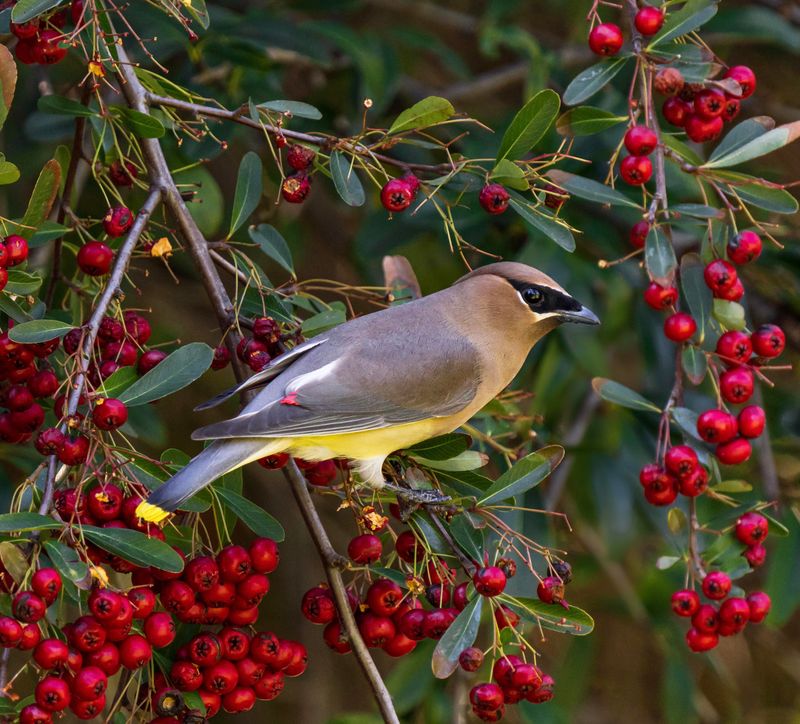
Walk through almost any California hillside in winter, and you will likely spot a Toyon loaded with clusters of bright red berries. This tough, evergreen shrub is one of the best plants you can add to a California garden if you want more birds.
Robins, cedar waxwings, and mockingbirds go absolutely wild for the berries it produces.
Toyon grows well in dry conditions, making it a smart choice for California’s warm climate. It can reach up to 15 feet tall, giving birds plenty of room to hide, perch, and nest.
The dense branches offer great shelter from predators too.
Planting Toyon near a window gives you a front-row seat to all the bird activity. It blooms with small white flowers in summer, which attract insects that insectivore birds love to snack on.
By winter, those flowers turn into the red berries birds crave. Fun fact: Hollywood, California actually got its name from the abundance of Toyon plants growing in the hills.
This plant is deeply connected to California’s natural history and is a wonderful anchor plant for any bird-friendly garden.
2. Elderberry
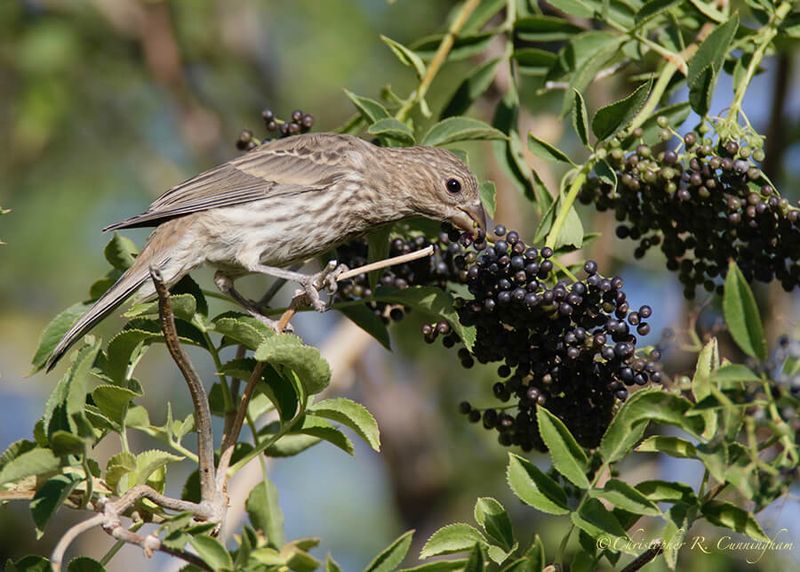
Few plants in California work as hard for birds as Elderberry. This fast-growing native shrub produces huge clusters of small, dark berries that over 100 bird species are known to eat.
That is not a typo. Warblers, thrushes, tanagers, and woodpeckers all flock to Elderberry when the fruit is ripe.
Beyond berries, Elderberry also attracts insects with its creamy white flower clusters in spring. Those insects become a protein-packed meal for birds raising their young.
So this plant feeds birds in two very different ways throughout the season, which makes it extra valuable.
Elderberry grows quickly and can reach up to 20 feet tall in California, so it works well as a privacy screen or a tall garden backdrop. It prefers spots with some moisture, like near a garden bed you water regularly.
Birds also love to nest in its thick branches. If you are new to planting native California species, Elderberry is a great starting point because it is easy to grow and rewards you fast.
Your California Garden Changes Every Week. Your Plan Should Too.
Gardening in California changes quickly throughout the season. Every Friday you’ll receive a simple weekly plan showing exactly what to plant, prune, fertilize, harvest, and protect so you never miss the right timing.
Watch for flocks of birds gathering in the branches during late summer and early fall when the berry clusters are at their peak.
3. Coffeeberry
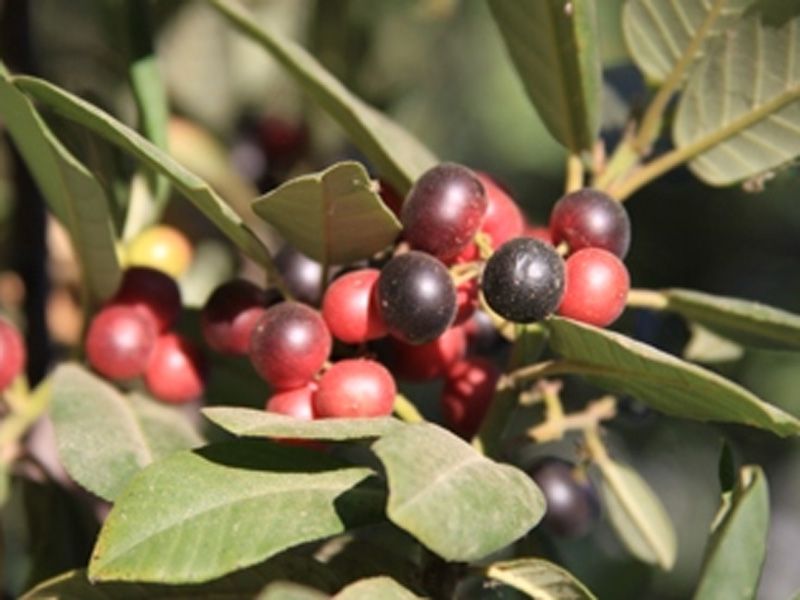
Coffeeberry might not be the most famous plant on this list, but serious California gardeners know its value. Named for its coffee-bean-shaped fruits, this native shrub produces berries that ripen from green to red to deep purple-black.
That long ripening season means birds have food available for months, not just a few weeks.
Robins, mockingbirds, and hermit thrushes are among the many species that snack on Coffeeberry fruit. The plant is also dense enough to give birds safe cover from hawks and other threats.
It grows well in shady spots where other plants struggle, making it a flexible addition to any California garden.
One of the coolest things about Coffeeberry is how low-maintenance it is. Once established, it handles California’s dry summers without much extra watering.
It grows between 5 and 15 feet depending on the variety, so you can find one that fits your space. Planting it near a patio or seating area means you will get to watch birds up close as they come to feed.
It is a quiet, reliable plant that consistently brings feathered visitors to your yard without demanding much attention from you in return.
4. California Fuchsia
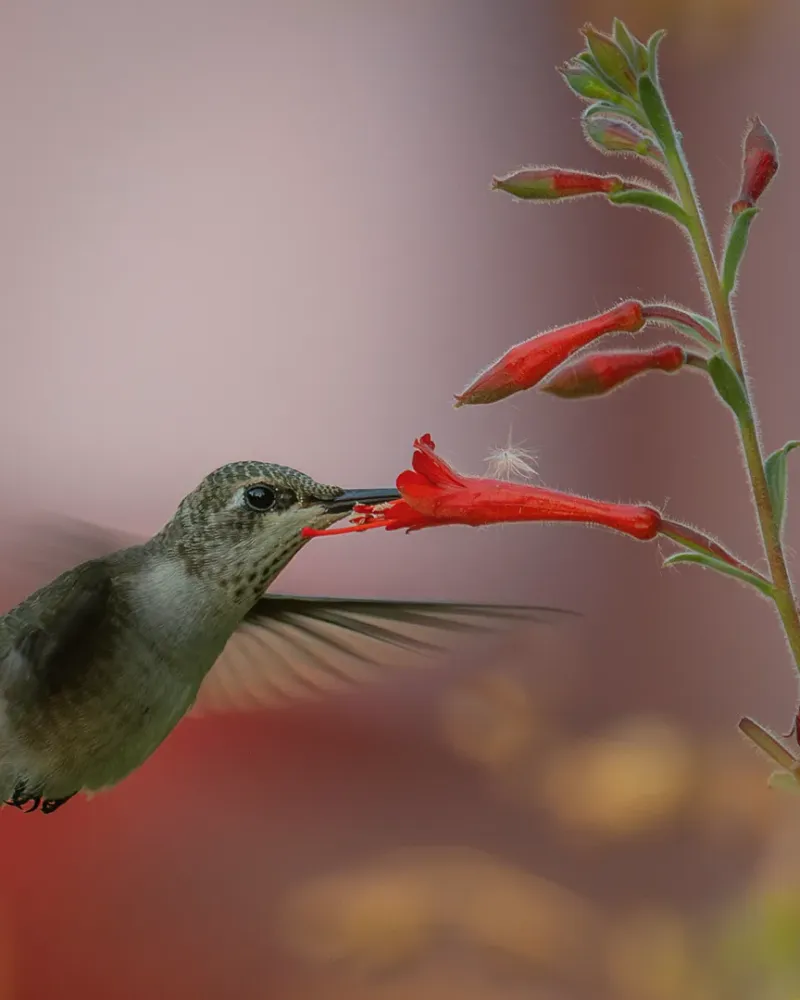
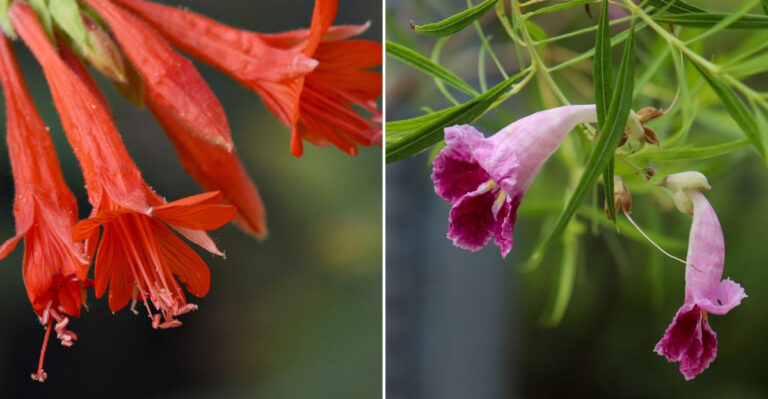
If you want hummingbirds in your California garden, California Fuchsia is the plant to grow. Its bright, tubular red-orange flowers are perfectly shaped for hummingbird beaks.
They bloom from late summer into fall, which is exactly when hummingbirds need fuel the most during their migration south.
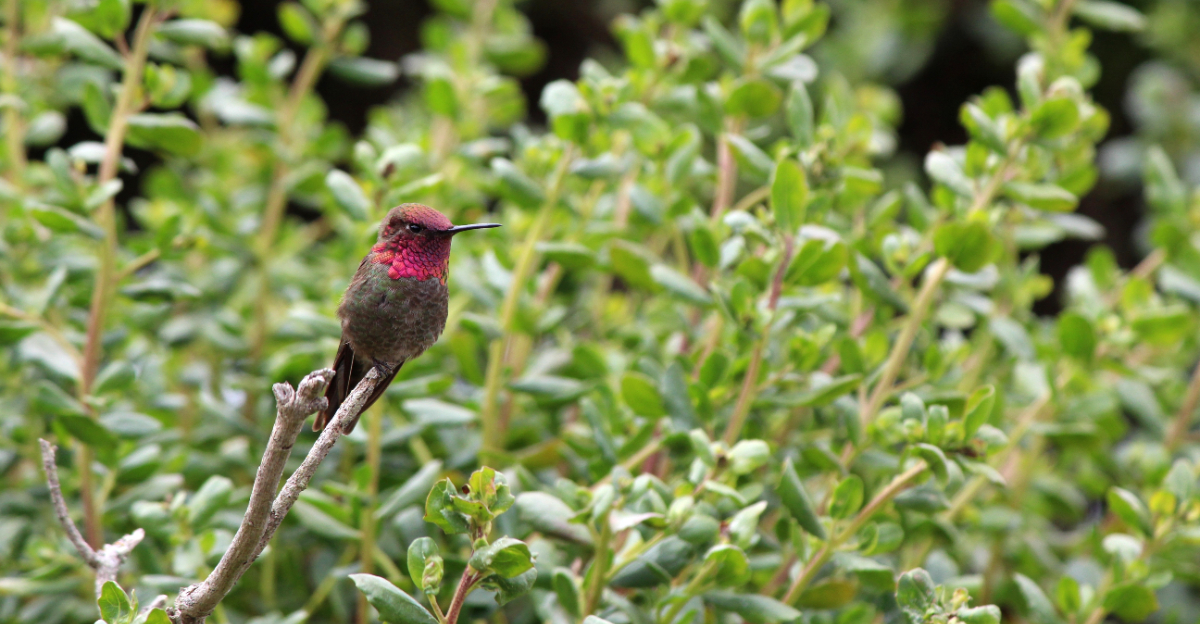
Rufous hummingbirds and Anna’s hummingbirds are especially drawn to this plant. Watching them hover and feed is one of the most exciting sights a California backyard can offer.
The flowers are bold and eye-catching, so they add a pop of color to your garden at the same time.
California Fuchsia is a low-growing, spreading plant that works beautifully along garden borders or on slopes where it helps prevent erosion. It loves full sun and handles dry California summers like a champ, needing very little water once established.
Cutting it back in late winter keeps it looking tidy and encourages fresh growth come spring. Even gardeners without a lot of experience find it easy to manage.
Plant a few clumps together for the best effect. When hummingbirds discover your California Fuchsia, they tend to return every year, making it one of the most rewarding native plants you can add to your outdoor space.
5. California Aster
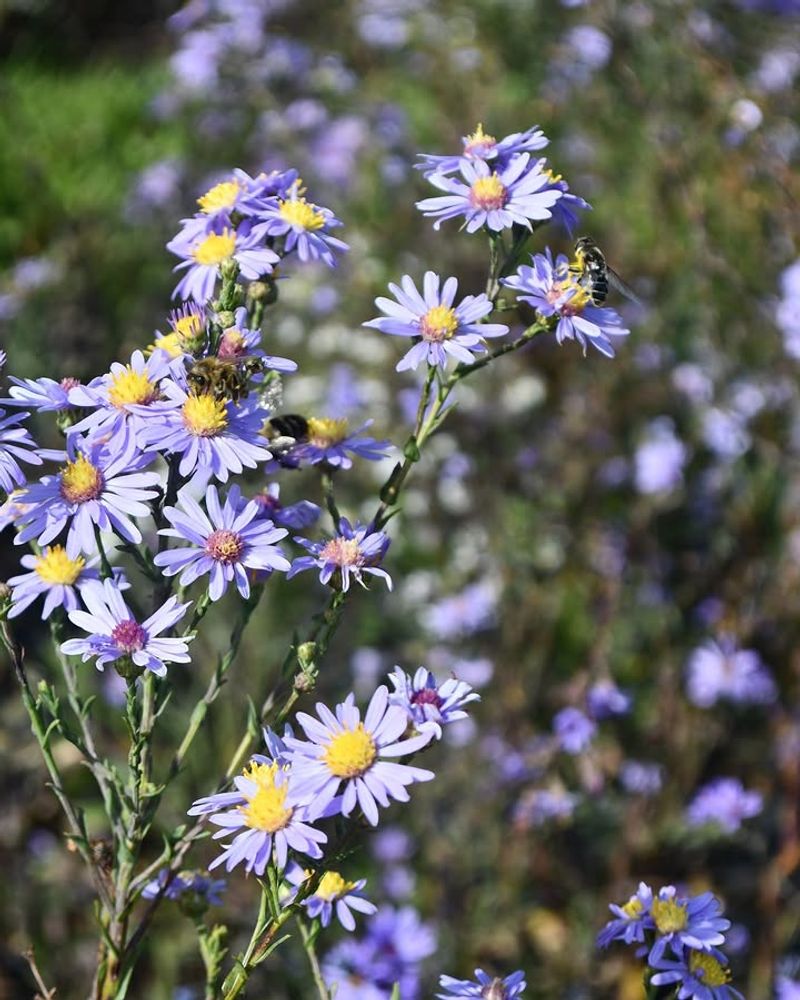
Purple daisy-like flowers covering a low shrub might sound like something from a painting, but that is exactly what California Aster looks like when it is in full bloom. This cheerful native plant blooms from late summer through fall, right when many other plants are winding down.
That timing makes it a crucial food source for birds heading into cooler months.
Goldfinches and sparrows love to pick at the seed heads that form after the flowers fade. The plant also draws plenty of insects, which gives insect-eating birds another reason to visit.
It is a two-for-one deal that keeps your California garden active with wildlife well into autumn.
California Aster grows best in sunny spots with well-drained soil, and it handles dry conditions once it gets settled in. It stays relatively compact, usually reaching about 3 feet tall and wide, so it fits nicely in smaller garden spaces.
Grouping several plants together creates a bigger visual impact and attracts even more birds. If you want a plant that looks lovely, needs minimal care, and keeps your yard buzzing with life during the quieter months of the year, California Aster is a smart and satisfying choice for any native garden.
6. Bush Sunflower
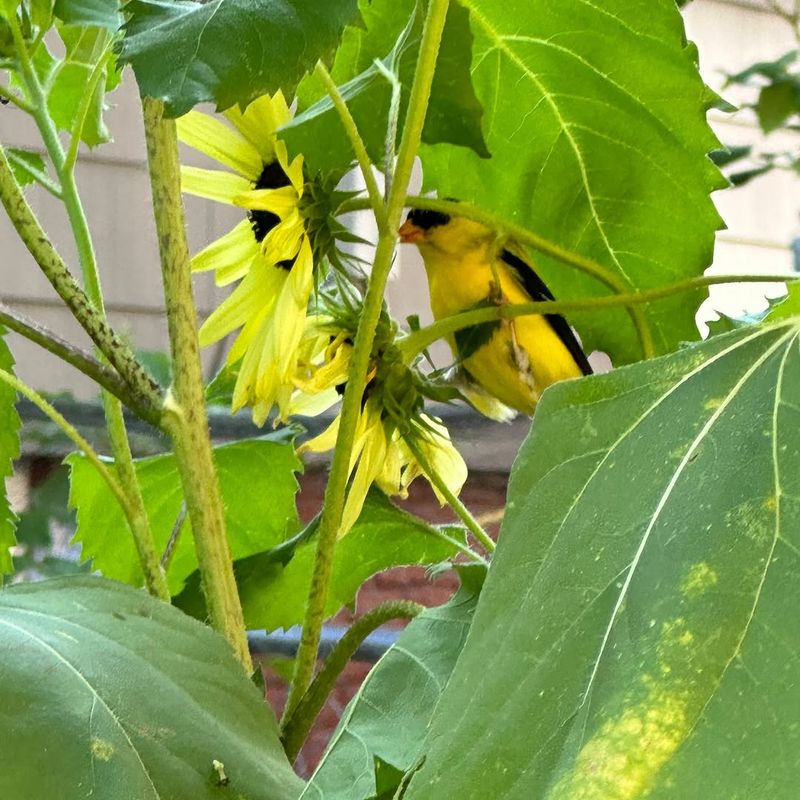
Bright yellow flowers and birds go together like sunshine and California, and Bush Sunflower delivers both. This cheerful native shrub bursts into yellow blooms for much of the year, making it one of the longest-blooming plants you can grow in a California garden.
The flowers attract insects, and the seeds that follow attract a whole lineup of birds.
Goldfinches are especially fond of Bush Sunflower seeds. You might spot them clinging to the seed heads and pecking away with total focus.
Sparrows, finches, and towhees also visit regularly. Because the plant blooms over such a long period, it gives birds a reliable food source season after season.
Bush Sunflower is a tough, drought-tolerant plant that thrives in full sun along California’s coast and inland areas alike. It can grow up to 8 feet tall, creating a bold, shrubby presence in the garden.
Pruning it back after flowering encourages a fresh flush of blooms and keeps the plant from getting too leggy. It works beautifully as a backdrop plant or along a sunny fence line.
For gardeners who want maximum bird activity with minimum fuss, Bush Sunflower is one of the most dependable native plants California has to offer.
7. Deergrass
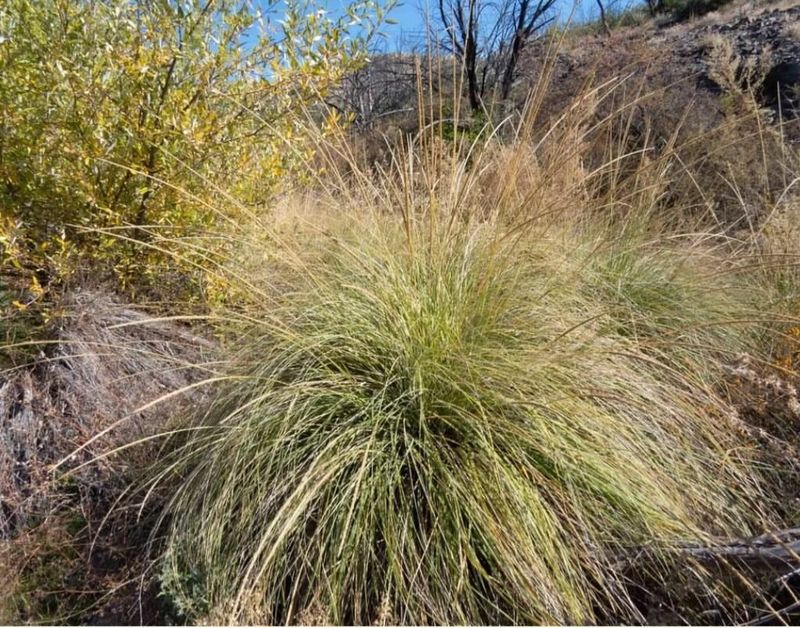
Not every plant that attracts birds needs flowers or berries. Deergrass proves that point beautifully.
This native California grass forms graceful, fountain-like clumps with tall seed stalks that birds find irresistible. Sparrows, juncos, and towhees scratch around at the base of Deergrass clumps looking for seeds and insects hiding in the thatch.
The dense clumps also give ground-nesting birds a safe, sheltered spot to tuck away from predators. Small birds like to dart in and out of the grass for cover, especially in open garden areas where hiding spots are limited.
It creates a mini habitat right in your yard.
Deergrass is incredibly well-suited to California’s dry climate. It is drought-tolerant, fire-resistant, and grows in a wide range of soil types.
It reaches about 3 to 4 feet tall and wide, giving it a soft, natural look that blends well with other native plants. Cutting it back in late winter keeps it healthy and encourages fresh green growth in spring.
It pairs especially well with California Fuchsia and Bush Sunflower for a layered, bird-friendly garden design. If you want to add texture, movement, and wildlife value to your California garden, Deergrass is a quiet but powerful choice worth planting.
8. Coyote Brush
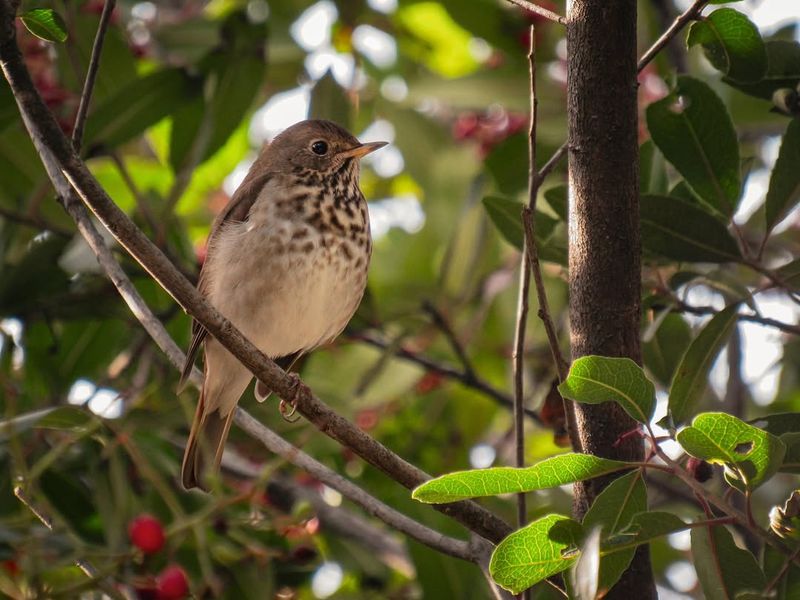
Coyote Brush might look unassuming at first glance, but it is one of the hardest-working plants in a California garden for birds. When it blooms in fall and winter, its small white flowers attract an incredible number of insects.
Those insects become a feast for warblers, kinglets, and other small birds that rely on protein-rich food during cooler months.
After the flowers fade, the fluffy seed heads that appear attract seed-eating birds like goldfinches. The dense, twiggy growth of Coyote Brush also makes it a popular nesting spot for California quail and other ground-nesting species.
It truly serves birds across multiple seasons and in multiple ways.
One of the best things about Coyote Brush is how adaptable it is. It grows along California’s coast, in inland valleys, and on dry hillsides with equal ease.
It handles poor soil, drought, and wind without complaint. Once established, it needs almost no care, making it ideal for low-maintenance California gardens.
It can spread wide, so give it room to grow or choose a compact variety if your space is limited. For a plant that gives so much to birds while asking so little from gardeners, Coyote Brush is genuinely hard to beat.
9. Hollyleaf Cherry
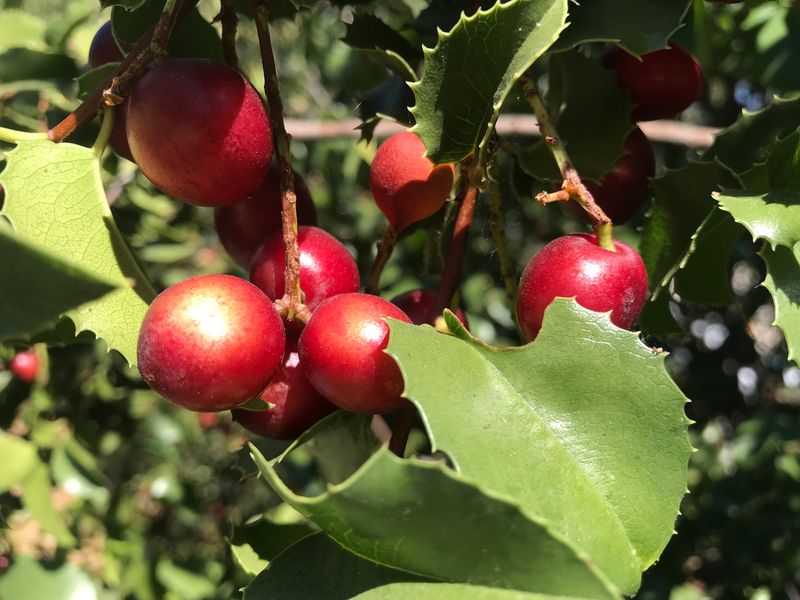
Imagine a plant that looks beautiful year-round and feeds birds at the same time. Hollyleaf Cherry does exactly that.
Its glossy, spiny leaves look a lot like holly, and in summer it produces large, dark red cherries that birds absolutely love. Band-tailed pigeons, mockingbirds, and scrub-jays are among the most enthusiastic visitors.
The cherries are large enough that even bigger bird species can enjoy them, which helps attract a wider variety of birds to your California garden. The dense, evergreen foliage also gives smaller birds excellent cover and nesting opportunities throughout the year.
It is a plant that keeps on giving.
Hollyleaf Cherry is a slow grower but well worth the wait. It can eventually reach 20 feet or more, forming a substantial shrub or small tree that becomes a centerpiece of any native California garden.
It is highly drought-tolerant once established and thrives in the dry, sunny conditions that are common across much of California. Plant it where it has room to spread and grow into its full size.
Hollyleaf Cherry is a long-term investment in your garden’s wildlife value, and once it starts fruiting, the bird activity it brings will make every year more exciting than the last.
10. Manzanita
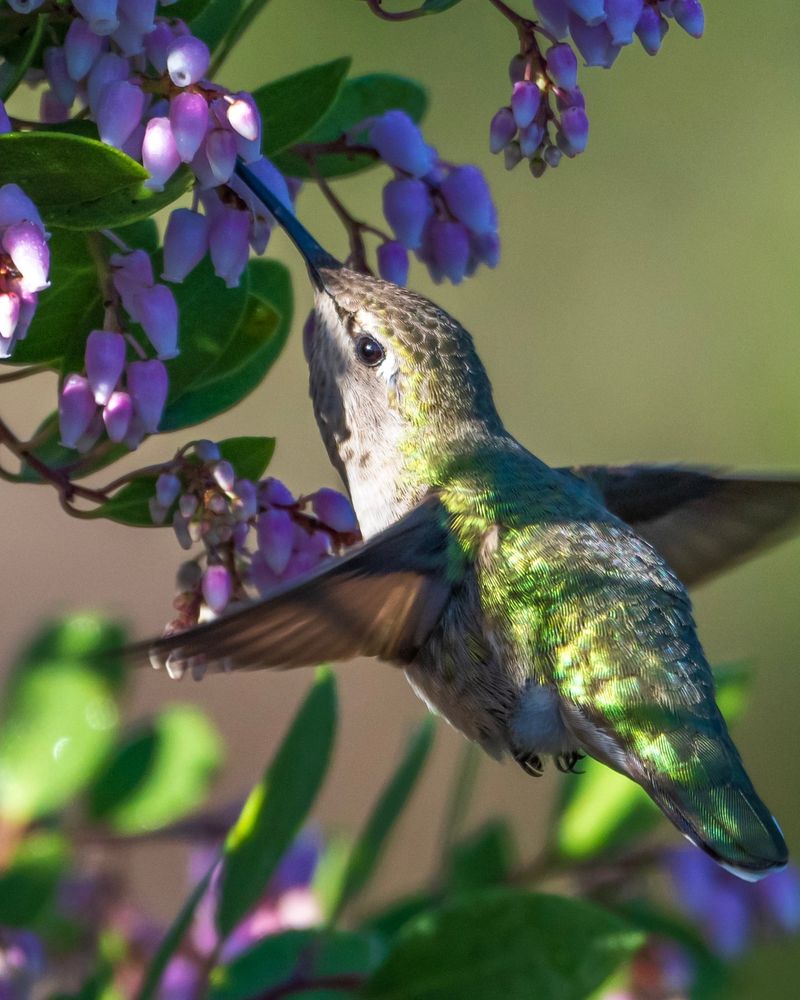
Few plants are as iconic to California as Manzanita. With its smooth, reddish-brown bark and delicate pink or white bell-shaped flowers, it is instantly recognizable on California hillsides and in native gardens across the state.
Those small flowers are a magnet for hummingbirds, especially Anna’s hummingbirds that stay in California year-round.
After blooming, Manzanita produces small apple-like berries that many bird species eat eagerly. Mockingbirds, robins, and thrushes are regular visitors when the berries ripen.
The dense, branching structure of Manzanita also makes it a favorite nesting spot for birds looking for sturdy, sheltered locations.
There are dozens of Manzanita species native to California, ranging from low ground covers to tall shrubs over 12 feet high. That variety means you can find a Manzanita that fits almost any garden size or style.
Most species are extremely drought-tolerant and do best in well-drained soil with plenty of sunlight. Once established, they need very little water, making them a perfect fit for California’s dry summers.
Planting Manzanita is like giving birds a year-round hotel with room service. It is one of the most beloved and bird-friendly native plants you can grow anywhere in California.