The 9 Most Beautiful Texas Native Plants Most Gardeners Still Ignore
Texas has no shortage of native plants that can handle heat, dry weather, and tough soil, yet many of the most beautiful ones still get overlooked. A lot of gardeners stick with the usual choices, even when those plants need more care and bring less personality to the yard.
Meanwhile, some stunning Texas natives are passed by simply because they are not as familiar or easy to find at every garden center. That is what makes them so interesting. These plants are not just tough.
Many offer bold blooms, rich texture, seasonal color, and real value for birds and pollinators too. They can make a garden feel more natural, more distinctive, and much more connected to the Texas landscape.
For gardeners who want something beyond the standard lineup, these overlooked natives have a lot to offer. Sometimes the best plants are the ones people have been ignoring all along.
1. Turk’s Cap
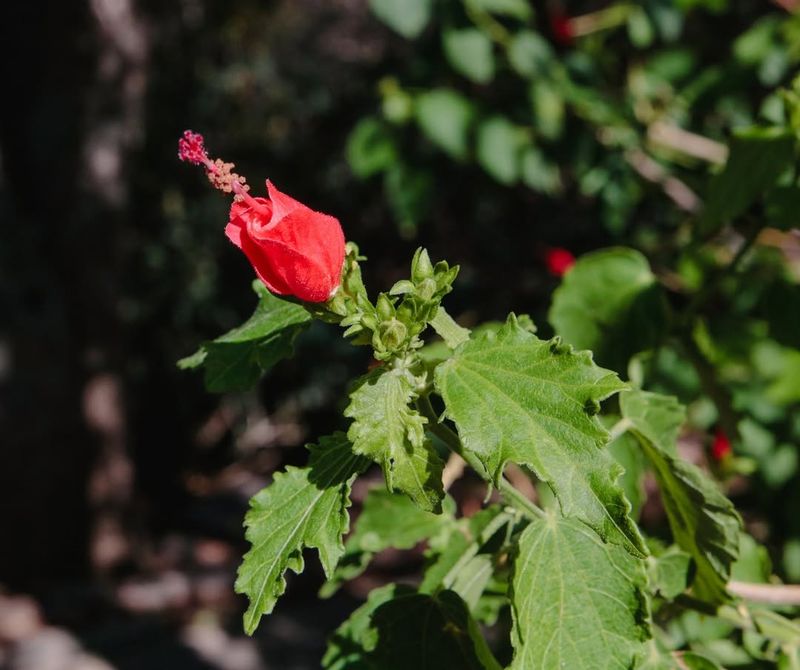
Picture a plant that laughs at Texas shade and still puts on a show all summer long. That is exactly what Turk’s Cap does.
Its bright red, twisted blooms look like tiny hibiscus flowers that never fully open, giving them a quirky, eye-catching look unlike anything else in the garden.
Hummingbirds absolutely love this plant. They visit again and again throughout the warm months, making your yard feel alive with color and movement.
Butterflies and bees are fans too, so planting Turk’s Cap is like rolling out the welcome mat for pollinators.
One of the best things about growing this plant in Texas is how little attention it needs. It thrives in shady spots where other plants struggle, and it handles drought surprisingly well once it gets settled in.
It can grow in full shade, partial shade, or even full sun. You can cut it back hard in late winter and it bounces right back.
For gardeners in Central or South Texas especially, Turk’s Cap is a reliable, stunning choice that earns its space every single season.
2. Blackfoot Daisy
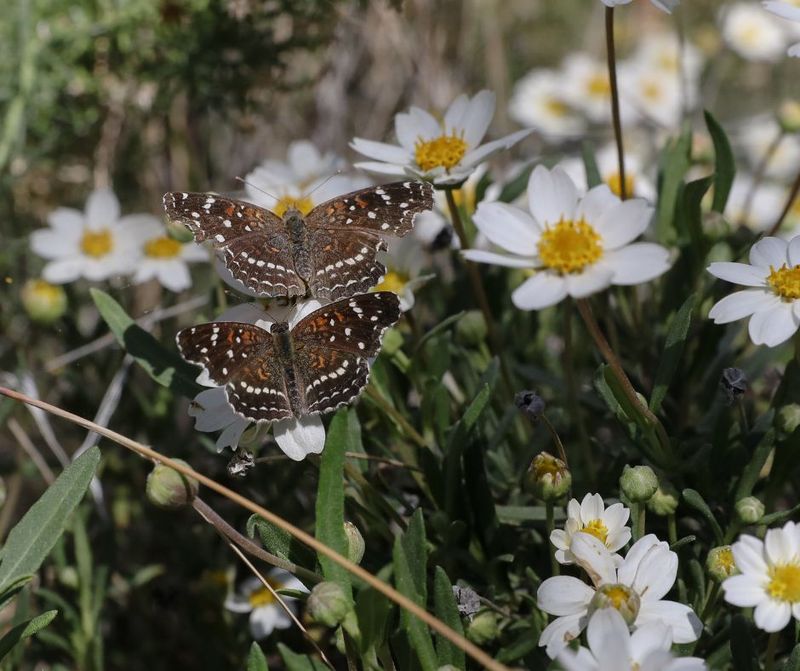
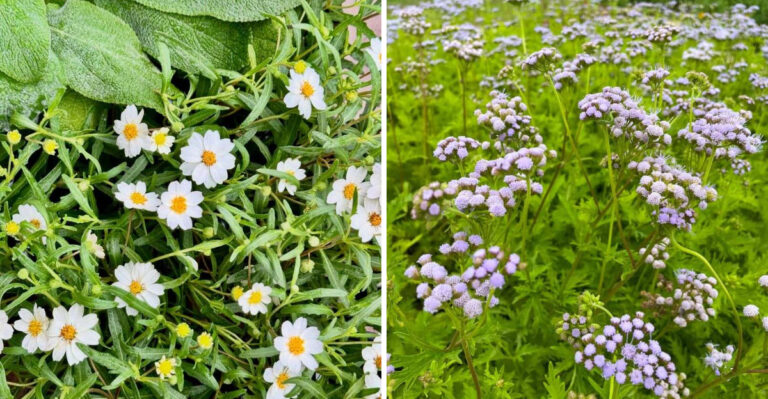
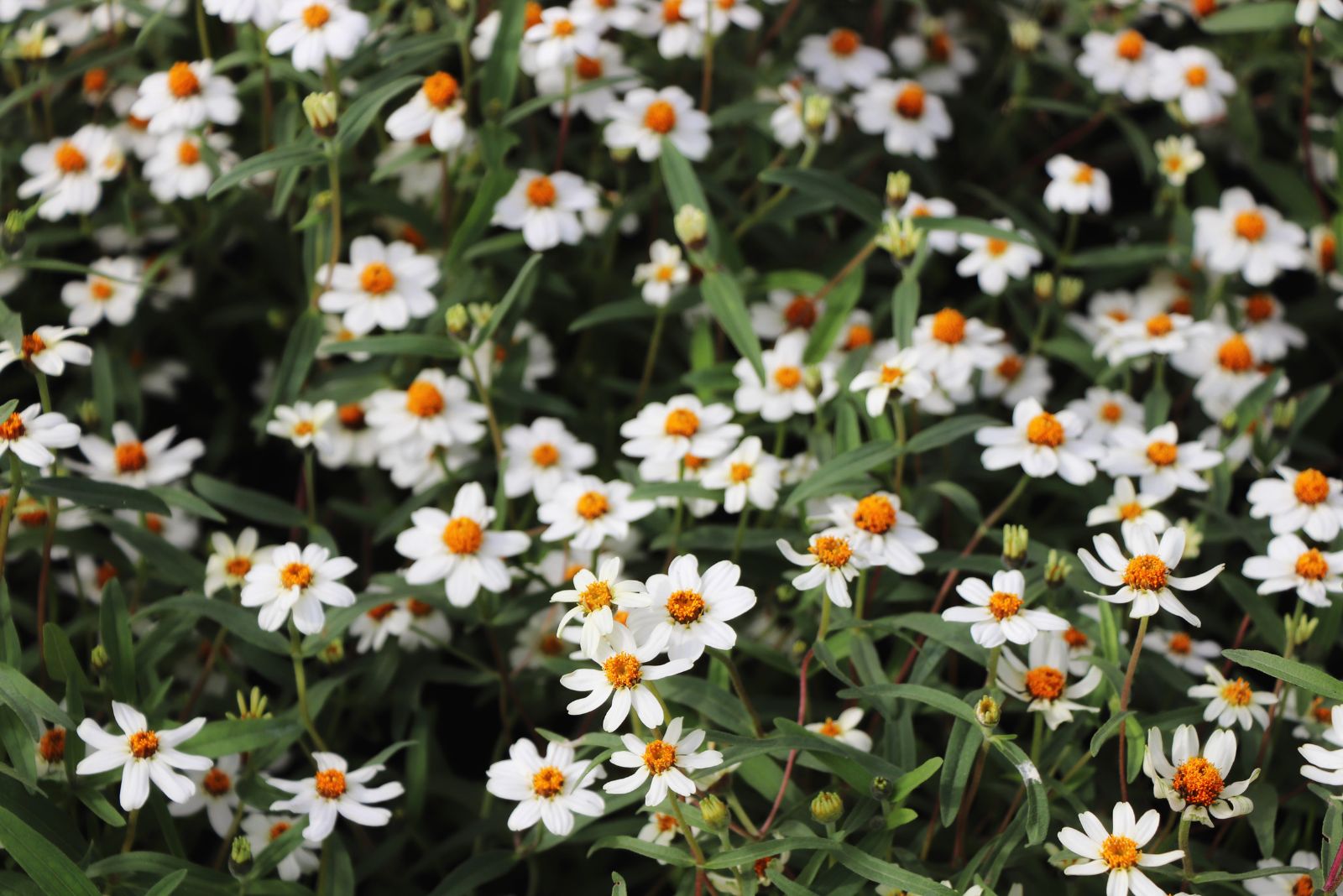
Some plants just refuse to quit, and Blackfoot Daisy is one of them. This cheerful little plant blooms from early spring all the way through fall, covering itself in white flowers with sunny yellow centers. Even in the toughest Texas heat, it keeps going without complaint.
Blackfoot Daisy is a low-growing plant, usually only reaching about a foot tall. That compact size makes it perfect for borders, rock gardens, or tucking into dry sunny spots where bigger plants would wilt.
It loves well-drained, rocky soil, which is exactly the kind of ground that is common across much of Texas.
Once established, this plant needs very little water. That makes it a smart pick for gardeners who want beauty without a big water bill.
It attracts pollinators like bees and butterflies, adding life to your outdoor space without any extra effort. Fun fact: the name “Blackfoot” comes from the dark base of each flower head.
If you are gardening in West Texas or the Hill Country, Blackfoot Daisy fits right in and will reward you with months of cheerful blooms season after season.
Your Texas Garden Changes Every Week. Your Plan Should Too.
Gardening in Texas changes quickly throughout the season. Every Friday you’ll receive a simple weekly plan showing exactly what to plant, prune, fertilize, harvest, and protect so you never miss the right timing.
3. Mealy Blue Sage
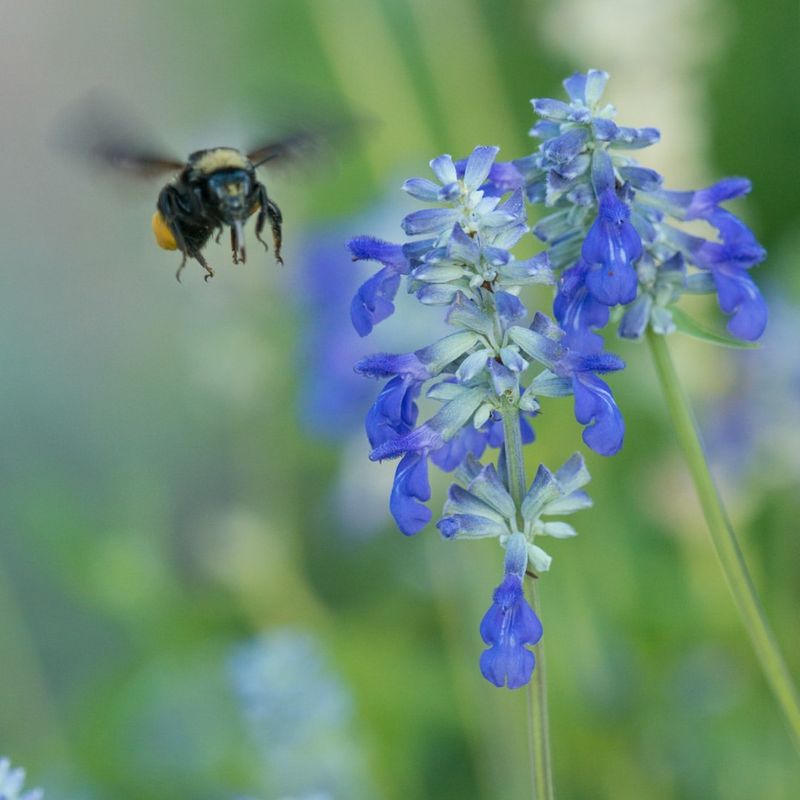
Walk past a patch of Mealy Blue Sage on a warm Texas afternoon and you will likely hear it before you see it. The buzzing of bees and the flutter of butterfly wings give it away every time.
Those tall, slender spikes of soft blue-purple flowers are practically a dinner bell for pollinators.
This native sage is one of the most reliable bloomers you can grow in Texas. It starts flowering in spring and keeps going well into fall.
The silvery-green foliage smells lightly aromatic when you brush against it, which is a pleasant bonus on a garden walk. It handles heat and drought with ease once it is rooted in.
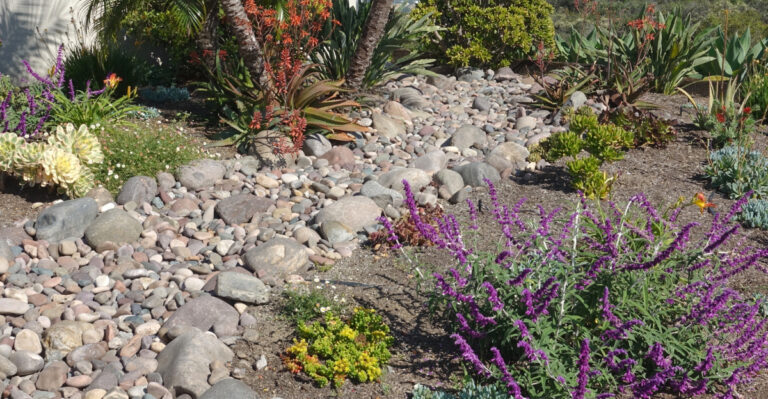
Mealy Blue Sage works beautifully as a border plant or mixed into a cottage-style garden. It pairs well with warm-toned flowers like Flame Acanthus or Autumn Sage, creating eye-catching color combinations.
Plant it in full sun with well-drained soil and you are mostly done. It reseeds itself naturally in many Texas gardens, meaning you get more plants for free next year.
For gardeners across Central and North Texas, this is one native plant that truly delivers season after season with almost no fuss at all.
4. Inland Sea Oats
Not every garden star needs a flashy flower. Inland Sea Oats proves that texture and movement can be just as beautiful as any bloom.
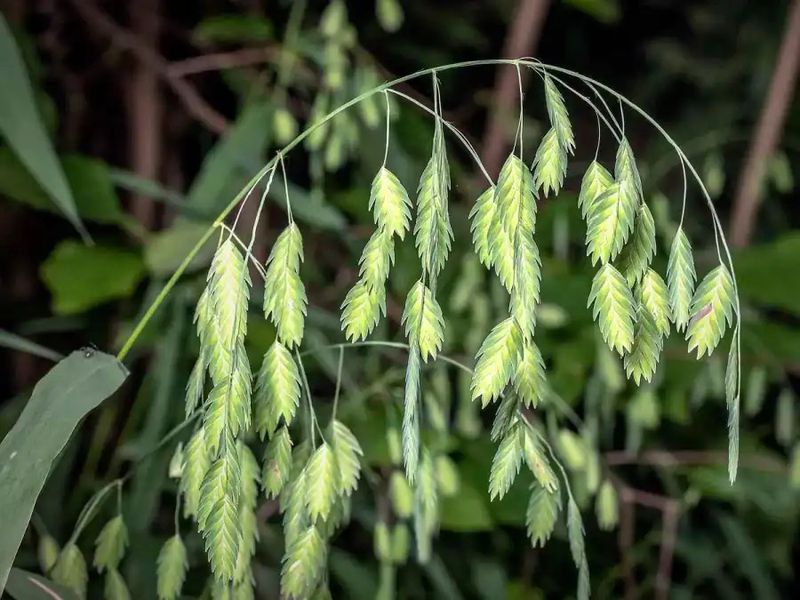
This graceful native grass grows in arching clumps, and its flat, dangling seed heads catch every breeze and shimmer in the light in a way that is genuinely mesmerizing.
What makes Inland Sea Oats special in Texas gardens is its love of shade. Most ornamental grasses want full sun, but this one thrives under trees and along shaded pathways where other plants give up.
It does well in average to moist soils, making it a solid choice for low spots in the yard too. The seed heads start out green in summer, then shift to a warm bronze by fall, giving the plant a whole new look without any effort on your part.
Birds love to snack on the seeds, adding another layer of wildlife value. It spreads gradually over time, filling in bare shady areas naturally.
For gardeners in East Texas or anywhere with tree cover and dappled light, Inland Sea Oats brings year-round structure and quiet elegance that most ornamental plants simply cannot match in those tricky low-light conditions.
5. Autumn Sage
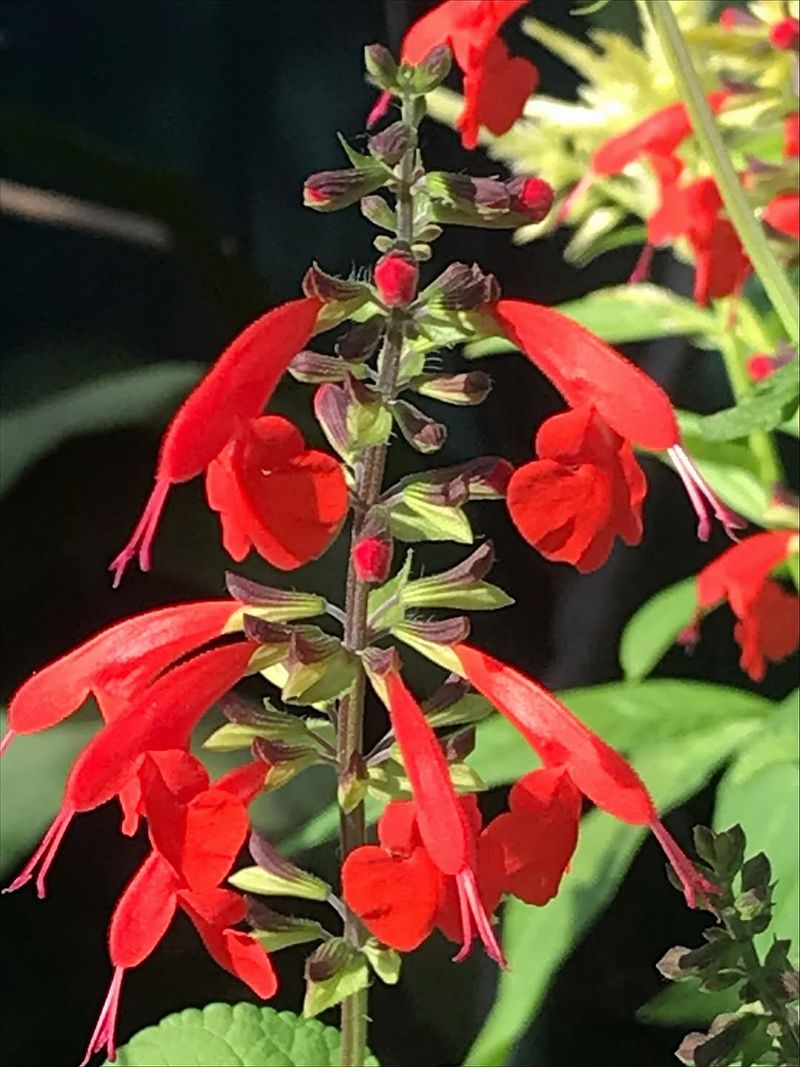
If a plant could be described as tireless, Autumn Sage would be the perfect example. From spring until the first frost, this compact shrub pushes out wave after wave of tubular blooms in shades of red, pink, coral, and sometimes white.
It barely pauses, and that kind of nonstop color is exactly what Texas gardens need. Autumn Sage is a tough little shrub that handles Texas heat without breaking a sweat.
It thrives in full sun and well-drained soil, and once it gets established, it needs very little water. That makes it a dream plant for gardeners in Central and West Texas where dry conditions are the norm.
Hummingbirds are wild about the tubular flowers, and you will often spot them hovering around the plant during migration season. It grows to about two to three feet tall and wide, making it a great fit for borders, foundation plantings, or mixed beds.
Pruning it lightly after each big bloom cycle encourages even more flowers. With dozens of named varieties available in Texas nurseries, you can mix colors for a vibrant, layered look.
Autumn Sage is one of those rare plants that earns its spot in the garden every single day it is growing.
6. Agarita
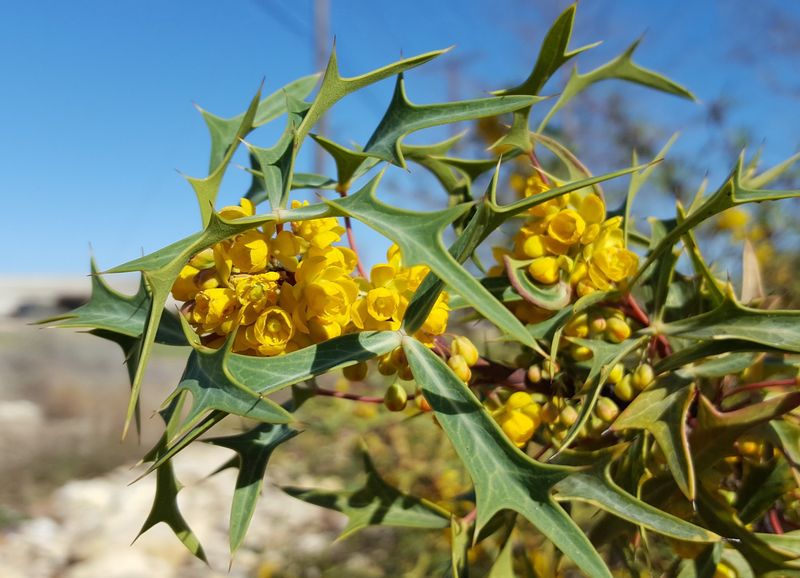
Agarita is the kind of plant that has been quietly thriving across Texas long before anyone thought to put it in a garden.
This tough evergreen shrub is a true original, with spiny, holly-like leaves in a dusty blue-green color that looks good all year long. It is bold, architectural, and completely unfazed by Texas conditions.
In late winter or early spring, Agarita bursts into small yellow flowers that smell wonderfully sweet.
That early bloom is a lifeline for pollinators waking up from winter, especially bees searching for their first nectar source of the season. By summer, those flowers turn into bright red berries that birds devour eagerly.
People have long used Agarita berries to make jelly, and the flavor is said to be tart and delicious. The spiny foliage also makes it a natural barrier hedge, keeping unwanted foot traffic out of garden beds.
It grows in rocky, alkaline soils across Central, West, and South Texas with almost no care needed. Established plants are extremely drought-tolerant and rarely need supplemental watering.
For gardeners who want a plant with real personality, four-season interest, and deep Texas roots, Agarita is an overlooked gem worth making room for in any native landscape.
7. Woolly Stemodia
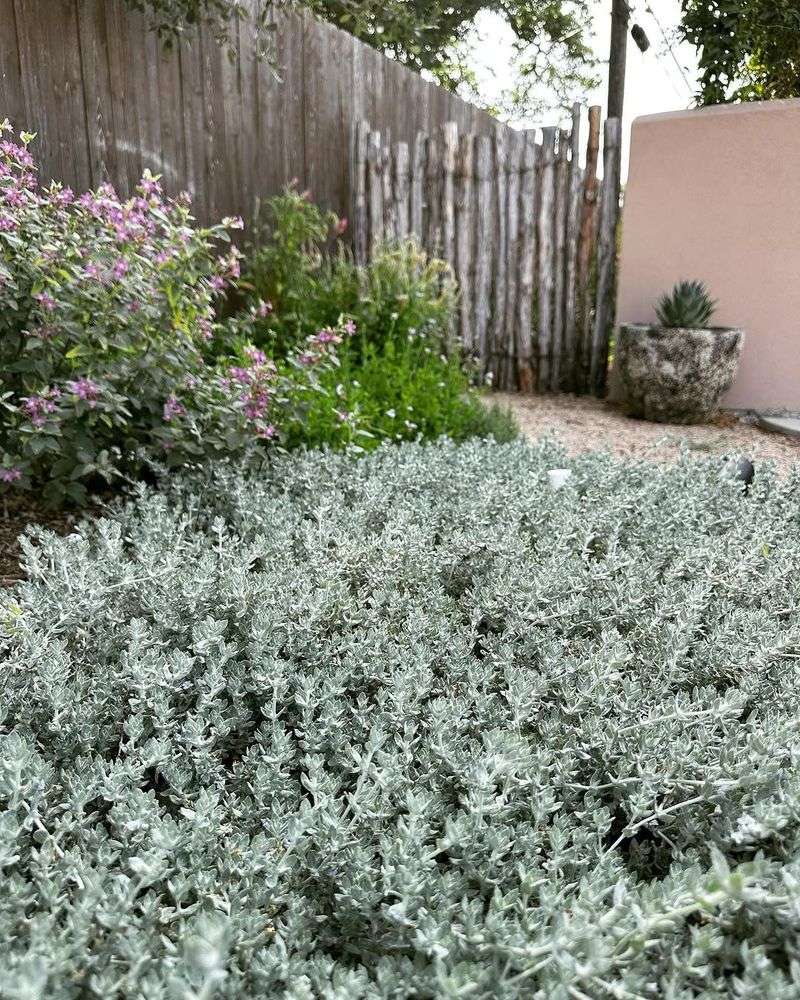
Running your fingers over Woolly Stemodia feels like touching velvet. The leaves are coated in soft, silvery-white fuzz that gives this low-growing plant an almost glowing appearance in the garden. It is one of those plants that makes people stop and ask, what is that?
Native to dry, rocky areas of Texas and the Southwest, Woolly Stemodia is built for heat and drought.
It hugs the ground as it grows, spreading outward in a mat-like form that works perfectly as a ground cover or a filler between stepping stones. Full sun and well-drained soil are all it really asks for.
The silvery texture makes it an excellent contrast plant. Pair it with bold-colored bloomers like Flame Acanthus or Autumn Sage and the silver foliage makes those bright colors pop even more.
Small purple flowers appear on the stems throughout the growing season, adding a delicate detail that rewards close-up attention. It is a particularly smart choice for West Texas and the Hill Country where dry, rocky soil is common.
Woolly Stemodia does not ask for much, but it gives back plenty in terms of visual interest, texture, and that rare ability to look great even during the driest stretches of a Texas summer.
8. Fall Aster
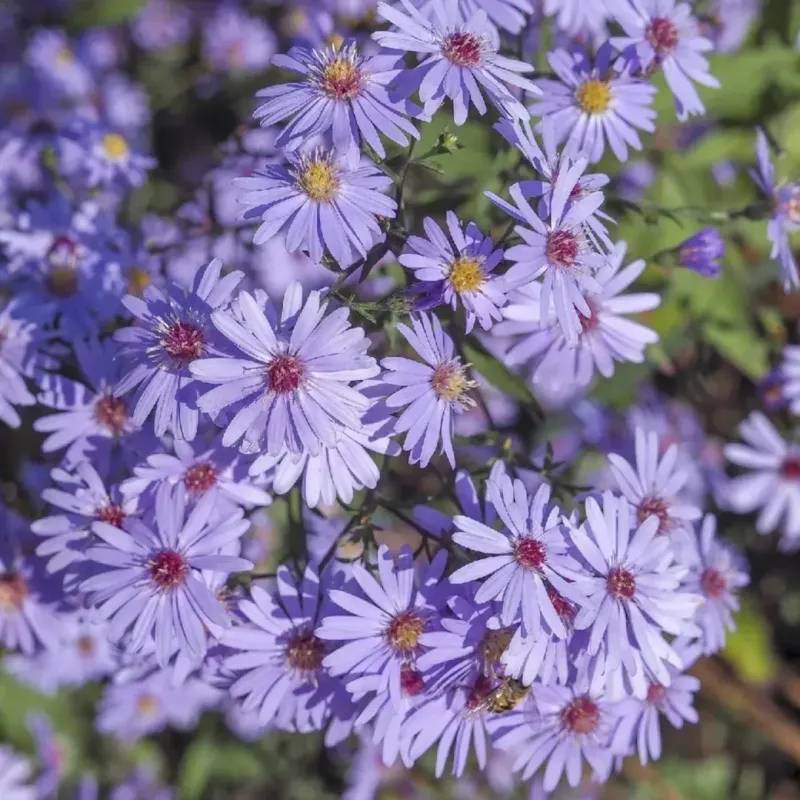
Just when most of the garden starts looking tired and worn out, Fall Aster shows up like a burst of confetti. This native wildflower explodes into a cloud of purple-blue blooms in late September and October, right when color is hardest to find.
It is one of the most cheerful sights a Texas garden can offer in autumn. Fall Aster is a tough, sprawling perennial that grows about two to three feet tall and equally wide. It thrives in full sun and handles drought well once established.
The plant is not fussy about soil either, doing just fine in rocky or clay-heavy ground, which is common across many parts of Texas.
Migrating butterflies absolutely flock to Fall Aster during the fall season. Monarchs passing through Texas on their way south find it especially appealing, making this plant a meaningful stop on a critical journey.
It reseeds itself readily, so you may find new plants popping up nearby each year without any effort. Cutting it back by about half in early summer helps it stay bushy and bloom-heavy come fall.
For Texas gardeners who want late-season color that also supports wildlife, Fall Aster delivers in a big, beautiful way that few other natives can match.
9. Flame Acanthus
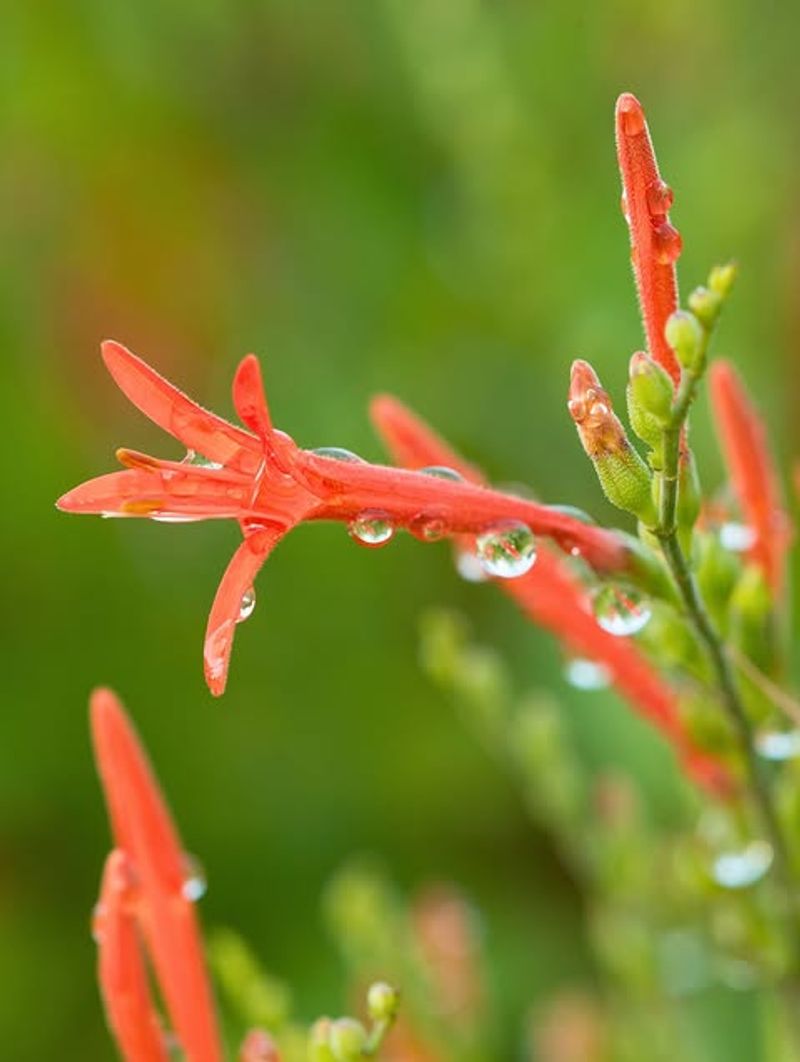
Few plants earn the name they are given as perfectly as Flame Acanthus. When this shrub is in full bloom, the clusters of narrow, tubular flowers in blazing orange-red look like tiny flames flickering across the branches.
It is dramatic, it is bold, and it is completely at home in a Texas summer. Flame Acanthus blooms from July through October, filling in that mid-to-late summer gap when many plants are taking a break from the heat.
It thrives in full sun and extremely well-drained soil. Once established in a Texas landscape, it is remarkably drought-tolerant and rarely needs supplemental watering during normal rainfall years.
Hummingbirds treat this plant like a favorite restaurant. They return to it repeatedly throughout the blooming season, and watching them dart from flower to flower is one of the real pleasures of having it in your yard.
The shrub grows to about three to five feet tall and can be cut back hard in late winter to keep it tidy and encourage strong new growth. It pairs beautifully with Mealy Blue Sage and Fall Aster for a layered, wildlife-friendly planting.
Across Central and West Texas, Flame Acanthus stands out as one of the most rewarding native shrubs any gardener can grow.