The One Spring Lawn Mistake That Creates Weeds All Summer In California
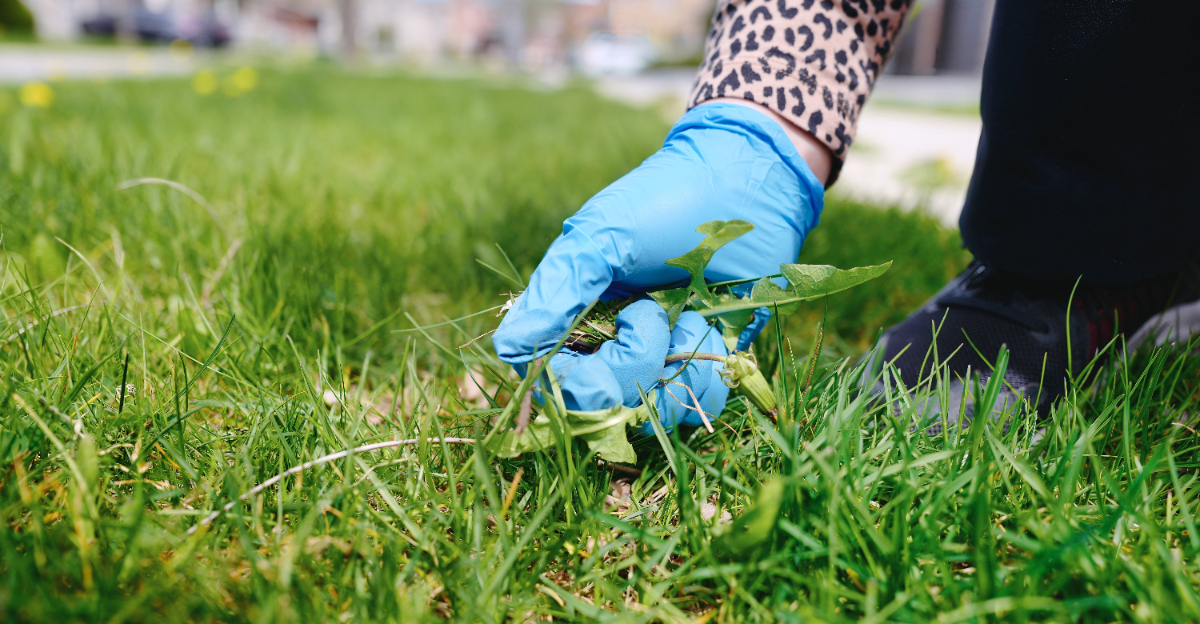
A lot of California lawn problems do not start in summer. They start with one spring mow that goes a little too far.
After winter, it is tempting to cut everything down fast and chase that neat, freshly trimmed look, but mowing too short can do more harm than most gardeners realize.
It weakens the grass, exposes the soil, and gives weeds the opening they have been waiting for.
That is why a lawn that looks freshly cleaned up in spring can end up looking thin, stressed, and messy a few weeks later. In California, where heat and dry conditions already put pressure on turf, that one mistake can snowball fast.
The good news is it is easy to avoid once you know what is happening. A slightly higher cut can make a huge difference in how thick, healthy, and weed-resistant your lawn stays as the season moves forward.
1. Short Grass Invites Weeds In
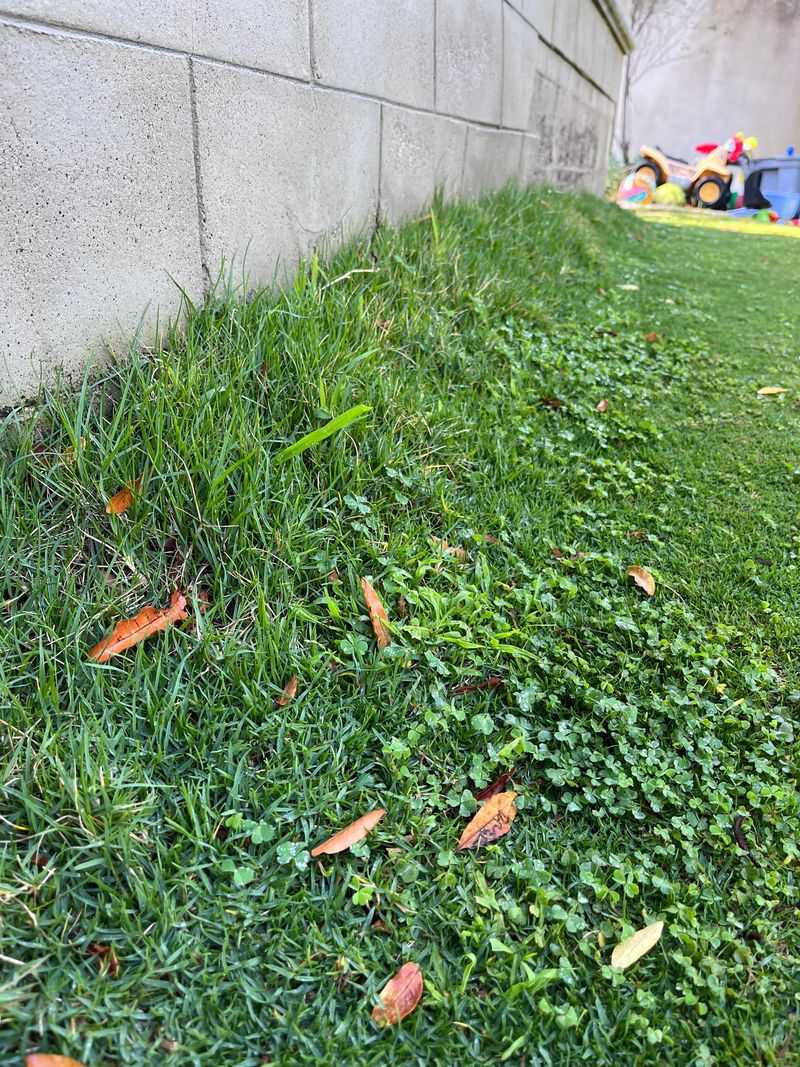
Picture your lawn like a crowd at a concert. When the crowd is packed tight, there is no room for anyone to squeeze in.
But the moment gaps appear, strangers start slipping through. That is exactly what happens when you mow your California lawn too short in spring.
Short grass leaves open spaces between blades. Weed seeds, which are always floating around in the air or sitting in the soil, spot those gaps immediately.
Crabgrass, dandelions, and clover are especially quick to take advantage. They germinate fast and spread even faster when the turf is not thick enough to block them out.
In California, spring conditions are nearly perfect for weed seeds. The soil is warming up, rain is still around in some regions, and sunlight is strong.
Cutting your grass low removes the natural shade that thick turf provides, letting sunlight hit the soil directly. That warmth triggers weed germination almost immediately.
Keeping your grass at a taller height in spring is one of the simplest ways to fight weeds before they start. Taller blades shade the soil, block sunlight from reaching seeds, and create a dense mat that makes it much harder for weeds to get a foothold.
2. Bare Spots Give Seeds A Chance
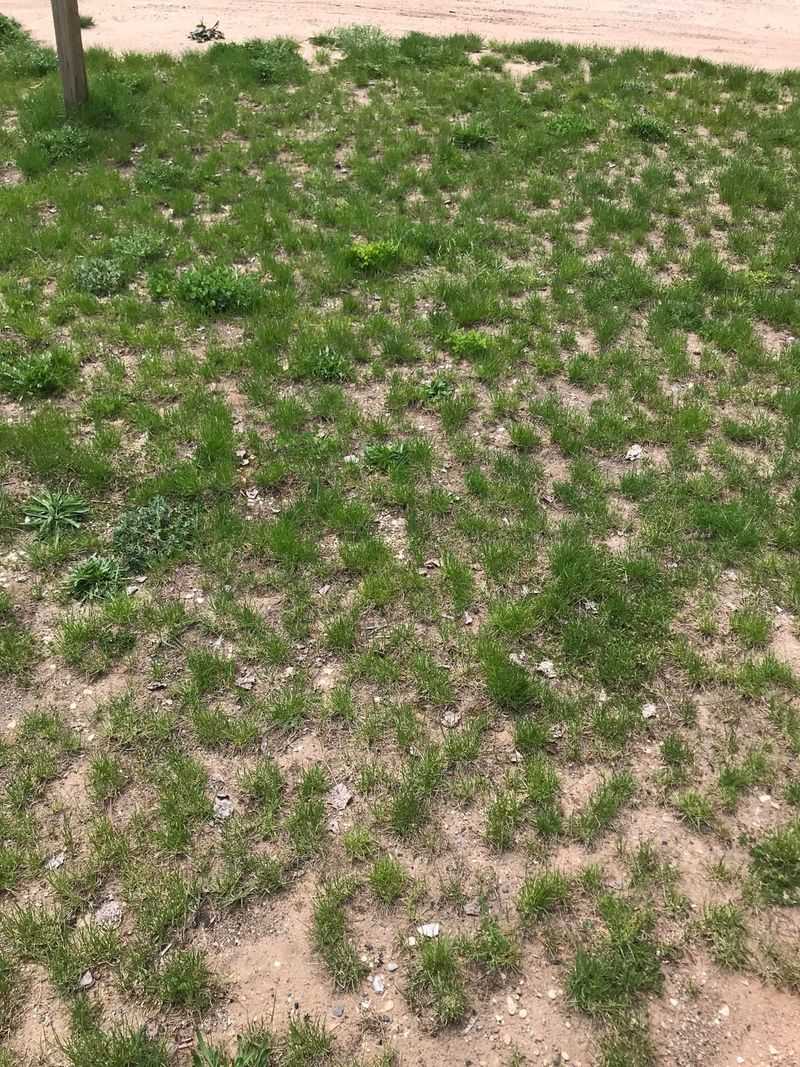
Bare spots on a lawn are basically open invitations for weeds. No grass means no competition, and weeds are extremely good at moving into any space that is left unprotected.
In California, where warm-season grasses like Bermuda and St. Augustine are popular, bare patches in spring can become weed hotspots by summer.
These empty areas often happen because of heavy foot traffic, drought stress from the previous year, or pest damage. When spring arrives and the soil starts warming up, those bare spots are the first places weed seeds land and take root.
Without any grass to compete against, weeds grow quickly and spread outward.
Fixing bare spots early in spring is a smart move. Overseeding thin or empty areas with the right grass type for your California climate gives the turf a fighting chance.
Water the seeded areas consistently, and the new grass will start filling in before weeds get established.
Your California Garden Changes Every Week. Your Plan Should Too.
Gardening in California changes quickly throughout the season. Every Friday you’ll receive a simple weekly plan showing exactly what to plant, prune, fertilize, harvest, and protect so you never miss the right timing.
Topdressing with a thin layer of compost can also help seeds germinate faster and improve soil quality. Acting early in the season means your grass gets the head start it needs to crowd out weeds naturally, without relying heavily on chemical treatments later.
3. Scalping Weakens The Whole Lawn
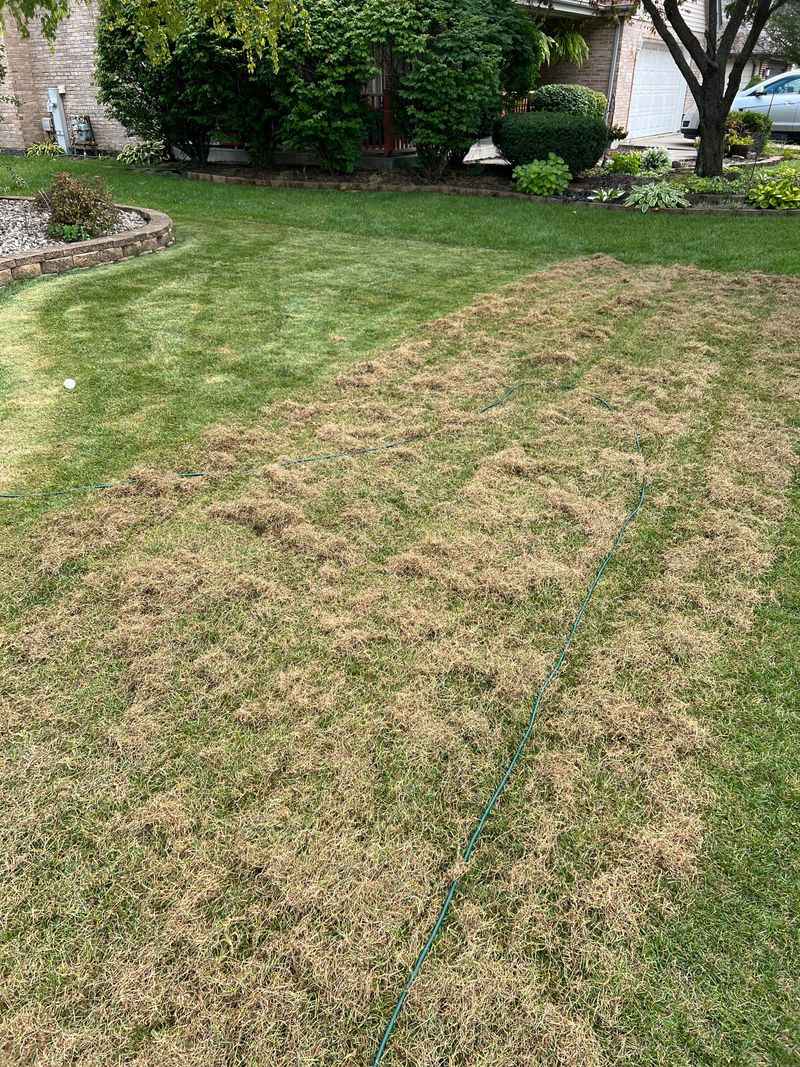
Scalping is what happens when you set your mower blade too low and shave the grass almost down to the soil. It might look neat at first, but the damage it causes shows up fast.
Scalping in spring is one of the worst things you can do to a California lawn.
When grass blades are cut too short, the plant loses most of its ability to photosynthesize. Photosynthesis is how grass makes energy from sunlight.
Without enough blade surface to capture that sunlight, the grass weakens quickly. It cannot grow roots as deep, cannot recover from stress as easily, and cannot compete with weeds trying to move in.
Scalped lawns also lose moisture faster. In California, where water conservation is always a concern, a scalped lawn dries out quickly and becomes stressed.
Stressed grass is more vulnerable to pests, fungal issues, and yes, more weeds.
Most lawn care experts recommend never removing more than one-third of the grass blade in a single mowing session. For warm-season grasses common in California, keeping the height between two and three inches in spring gives the turf the strength it needs to stay healthy and resist weed pressure throughout the summer months ahead.
4. Spring Stress Lingers Into Summer
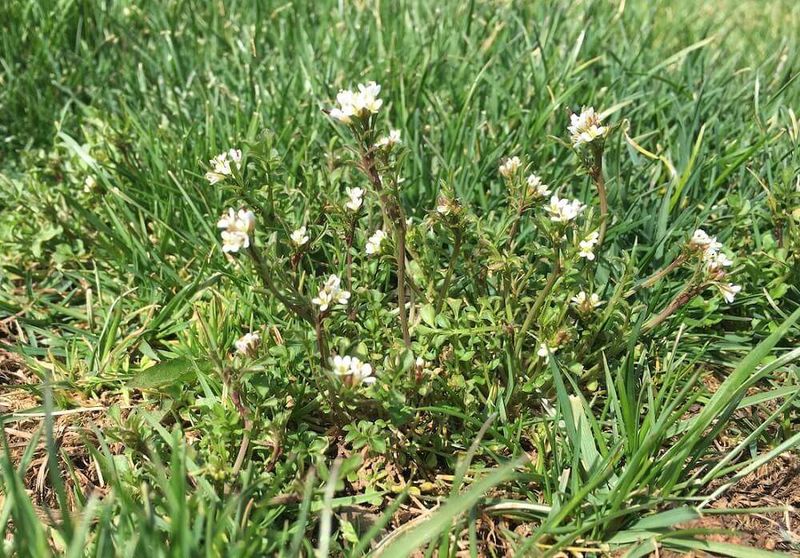
Lawns have a memory, in a way. Whatever stress they experience in spring tends to follow them into summer.
When a California lawn is mowed too short early in the season, the damage does not just disappear once the temperatures rise. It sticks around and shows up as thin, patchy grass with plenty of room for weeds.
Spring in California can be unpredictable. Some years bring late rains, cooler-than-expected temperatures, or sudden heat waves.
A lawn that is already weakened from being cut too low has a harder time bouncing back from these swings. The grass struggles to build strong roots during the very window of time when root development matters most.
Weeds, on the other hand, are built for stress. They thrive in conditions that slow grass growth.
So while your Bermuda or Zoysia is trying to recover from a too-short spring cut, weeds are spreading their roots deeper and wider. By the time summer arrives, those weeds are well established and much harder to manage.
Protecting your lawn in spring is really about protecting it for the whole year. A lawn that enters summer strong and thick is far better equipped to handle California heat, dry spells, and the constant pressure of weed competition.
5. Weeds Love Thin Turf
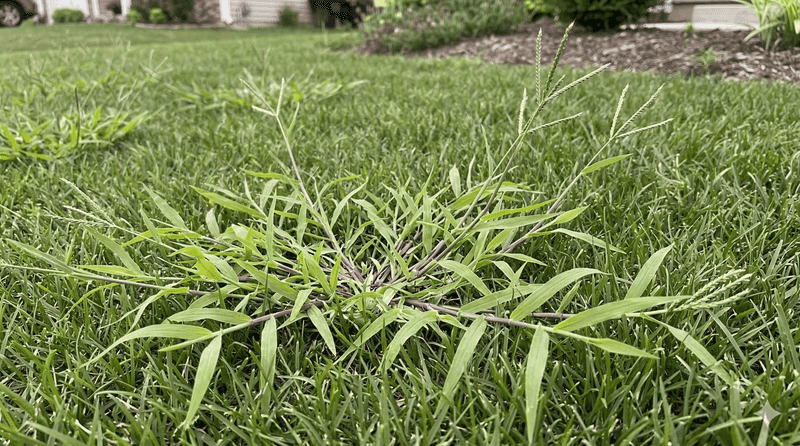
Healthy, dense turf is one of the best weed-fighting tools you have. When grass grows thick and full, it physically blocks weed seeds from reaching the soil.
The blades shade the ground, the roots fill the soil, and there simply is not much room left for weeds to establish themselves. Thin turf is the opposite situation entirely.
Thin grass is often the result of mowing too short, not watering properly, or not fertilizing at the right time. In California, many homeowners make the mistake of fertilizing too early in spring before the grass has come out of dormancy.
This can actually feed weeds more than it feeds the grass, giving invasive plants a head start.
Crabgrass is a perfect example. It germinates when soil temperatures hit around 55 to 60 degrees Fahrenheit, which happens in many parts of California by late February or early March.
If your turf is thin at that point, crabgrass moves in fast and spreads aggressively all summer long.
Building turf density takes consistent effort. Regular mowing at the right height, proper watering schedules, and well-timed fertilization all work together to thicken the grass.
A thick lawn is simply one that weeds have a much harder time penetrating, and that makes your whole summer easier.
6. Mowing Height Changes Everything
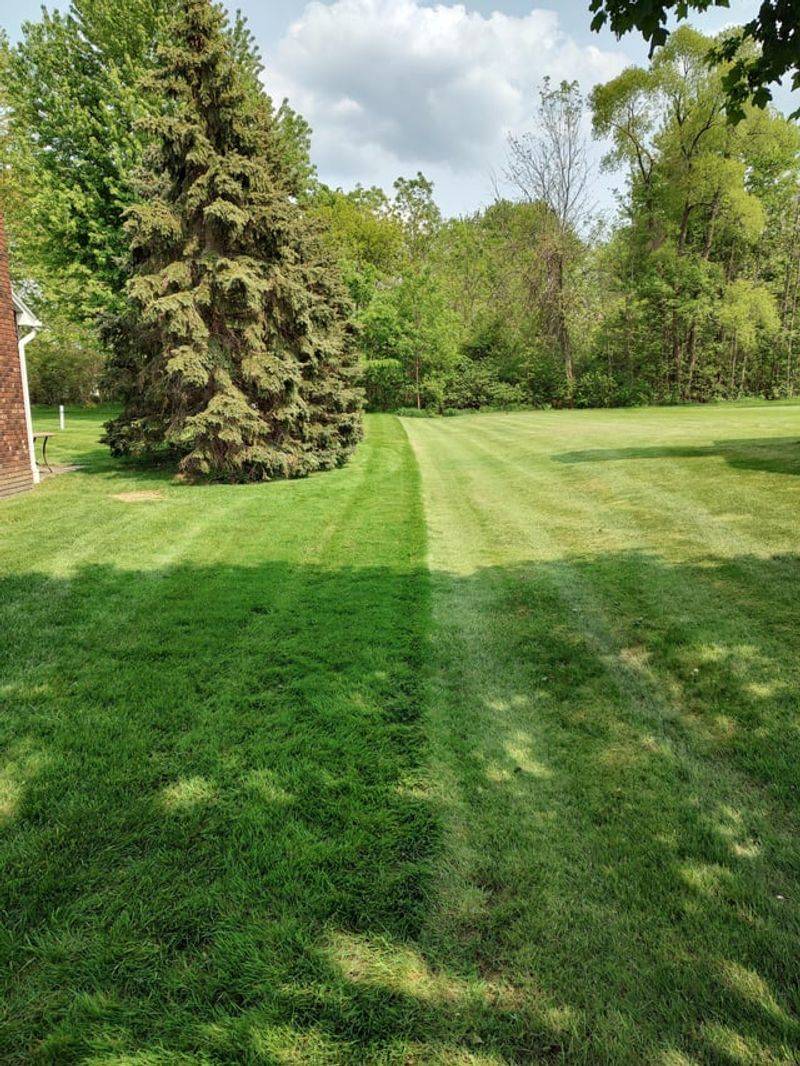
One small adjustment on your lawn mower can change the entire outcome of your summer lawn. Mowing height is not just a preference, it is a strategy.
Getting it right in spring sets the tone for how your California lawn handles everything that comes after, including weeds, heat, and drought stress.
For warm-season grasses like Bermuda, the recommended mowing height is typically one to two inches. For St. Augustine or Zoysia, three inches is often better.
These heights are not random. They are based on how each grass type grows and how much leaf surface it needs to stay healthy and competitive.
Cutting below these recommended heights, especially in spring when the grass is still waking up, weakens the plant and invites weeds. Cutting at or slightly above the recommended height does the opposite.
It encourages strong root growth, shades the soil, and helps the lawn use water more efficiently, which matters a lot in California.
Check your mower blade height before the first cut of spring. Make sure the blade is sharp too, because a dull blade tears grass instead of cutting it cleanly.
Torn grass is more vulnerable to stress and disease. A sharp blade at the right height is a simple change that pays off all season long.
7. A Small Fix Makes A Big Difference
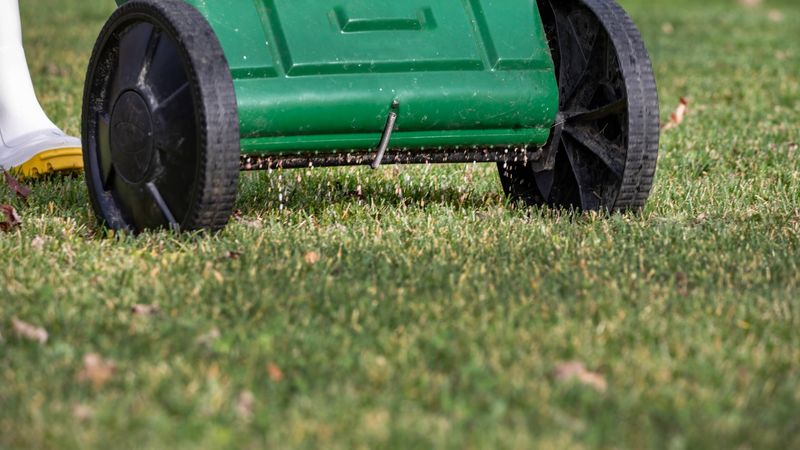
Good news: fixing this spring lawn mistake does not require a lot of money or complicated equipment. Raising your mowing height, filling in bare spots, and timing your fertilizer application correctly are all small changes that make a genuinely big difference in how your lawn looks and feels all summer.
Start by checking your mower height right now if spring has already arrived. Raise it up by at least half an inch from where you had it last season.
Then walk your lawn and look for thin or bare areas. Scatter some grass seed in those spots and water them consistently for the first few weeks.
You will be surprised how quickly those areas fill in.
When it comes to fertilizing, wait until your California lawn is actively growing before applying anything. For most warm-season grasses in California, that means waiting until soil temperatures are consistently at or above 65 degrees Fahrenheit.
Fertilizing too early feeds weeds more than it helps your grass.
These are not complicated steps. They are small, practical habits that compound over time.
A lawn that is properly mowed, well-seeded, and correctly fertilized in spring will naturally crowd out most weeds before they ever become a real problem. Your summer self will genuinely appreciate the effort you put in now.