Angelonia Is The Flower Your Florida Garden Needs This Spring
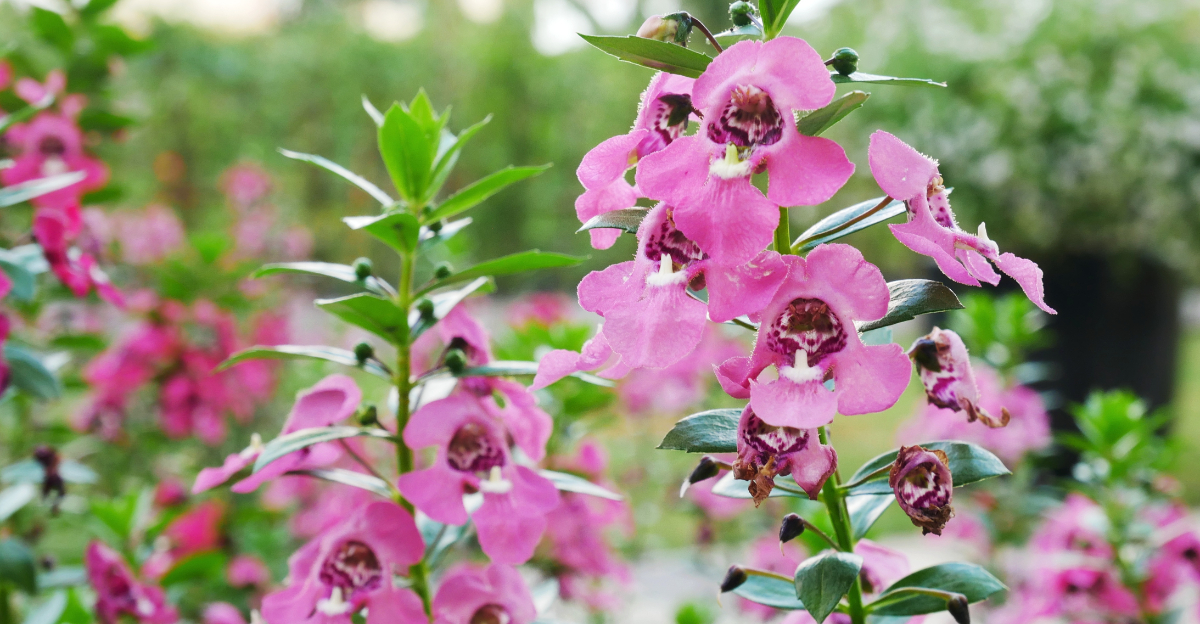
Some flowers in Florida put on a quick show, then fade the minute spring starts heating up. Angelonia is not built that way.
This plant comes in strong just when a lot of gardens need fresh color, and it keeps the momentum going without acting fussy or high-maintenance. That alone makes it worth a second look.
A lot of spring flowers can feel like a gamble in Florida. Too much rain, too much heat, too much humidity, and suddenly the bed that looked so promising starts looking tired.
Angelonia has a different kind of staying power. It brings upright color, handles the weather better than people expect, and slides beautifully into beds, borders, and containers without making a big production out of itself.
That is why more Florida gardeners are starting to lean on it in spring. Once angelonia settles in, it can make the whole garden feel brighter, sharper, and a lot more pulled together.
1. Angelonia Loves Heat That Wipes Out Fussier Flowers
Walk through any Florida garden center in late March and you will see the same familiar problem.
Pansies and snapdragons look cheerful on the shelf, but experienced Florida gardeners know those cool-season favorites start struggling the moment temperatures push into the upper 80s.
Angelonia is built for a completely different reality.
According to UF/IFAS Gardening Solutions, angelonia is a warm-season annual that thrives in Florida’s heat and humidity, making it a smart swap once spring starts turning serious.
While pansies begin to stretch and collapse under heat stress, angelonia keeps its upright form and continues pushing out fresh flower spikes.
That kind of staying power matters a lot when you want your garden to look good through April, May, and beyond.
The plant originates from Mexico and the West Indies, regions that share Florida’s warm, humid climate profile. That background explains a lot about why it performs so consistently here.
It does not just tolerate Florida spring conditions, it genuinely responds well to them.
For gardeners in Central and South Florida especially, where spring heat arrives early and intensifies quickly, angelonia gives you a reliable window of color that cooler-season flowers simply cannot match.
North Florida gardeners get a slightly longer cool-season window, but angelonia still makes a strong choice for spring planting as temperatures climb.
Choosing the right plant for the right season is one of the most practical decisions any Florida gardener can make, and angelonia fits that spring slot well.
2. Those Flower Spikes Keep Color Going For Weeks
Most bedding flowers put on a strong show for a week or two, then ask a lot from you in return. They drop petals, need deadheading, and tend to look ragged between flushes.
Angelonia works differently, and the shape of its flowers is a big part of why.
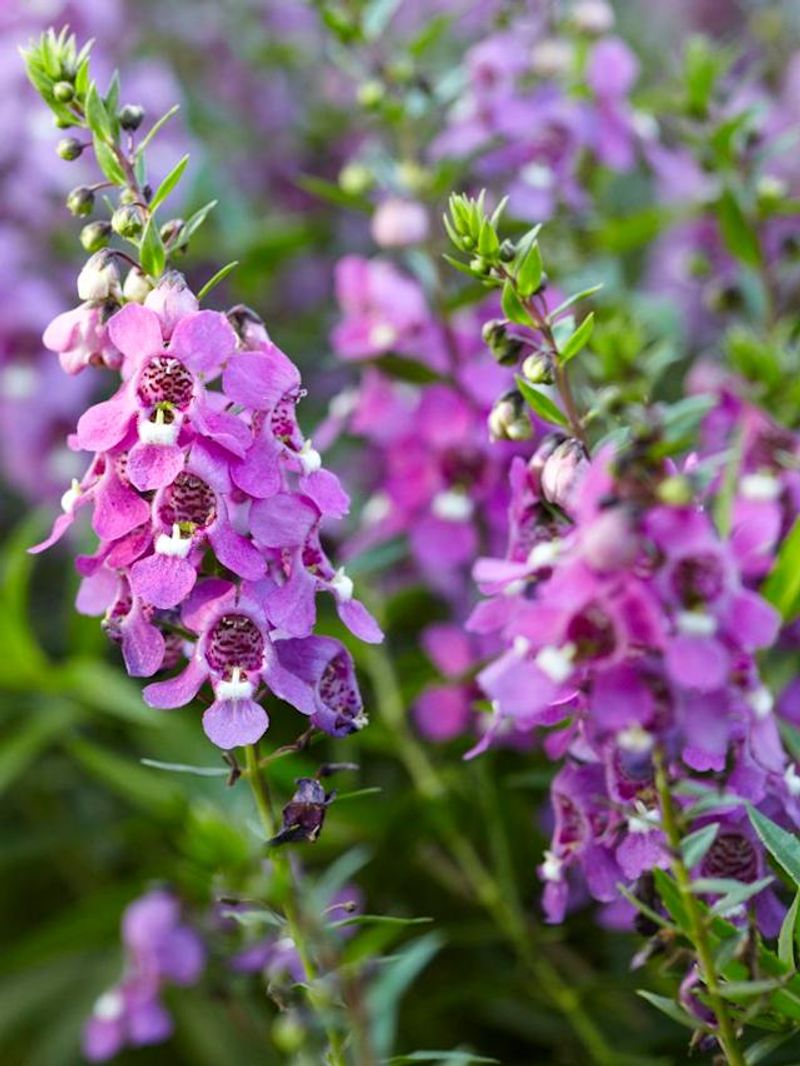
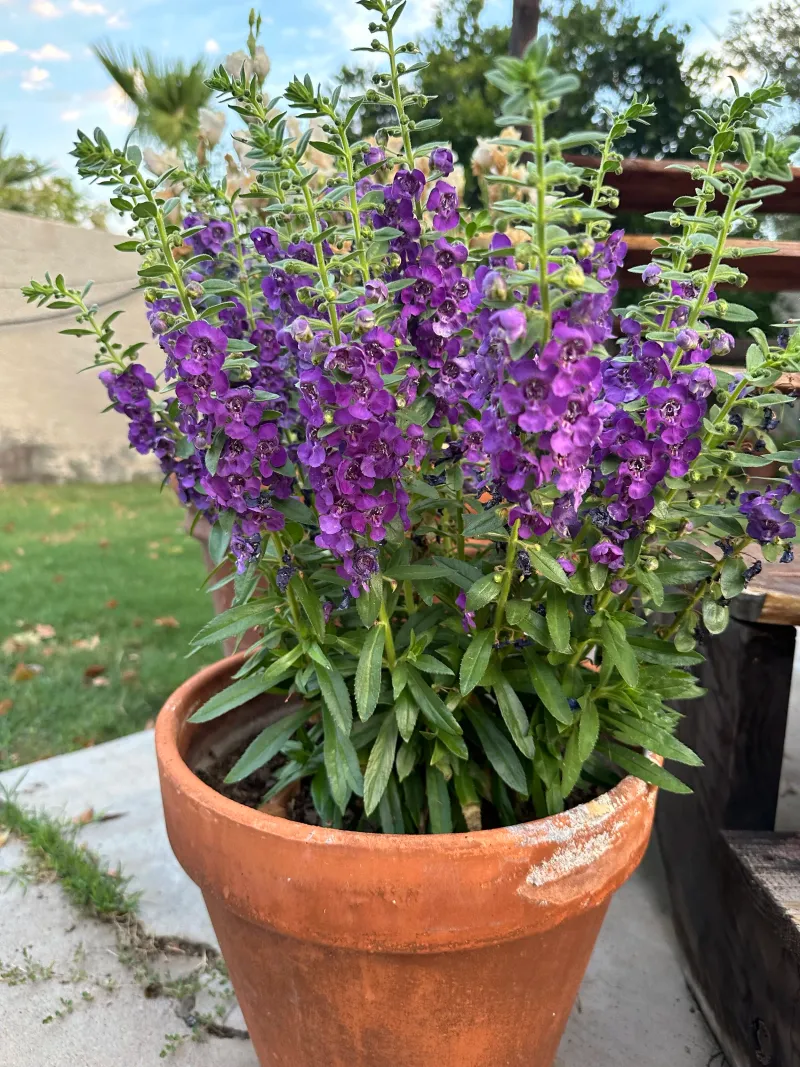
Each plant sends up multiple slender, upright spikes covered in small blooms that open progressively from the base to the tip. As the lower flowers finish, new ones continue opening higher on the spike, which means the plant rarely looks bare or between cycles.
Your Florida Garden Changes Every Week. Your Plan Should Too.
Gardening in Florida changes quickly throughout the season. Every Friday you’ll receive a simple weekly plan showing exactly what to plant, prune, fertilize, harvest, and protect so you never miss the right timing.
UF/IFAS notes that angelonia does not require deadheading to keep blooming, which is a genuinely useful trait for Florida gardeners who want consistent color without constant maintenance.
The spikes themselves add a vertical rhythm to planting beds that rounder, mounding flowers do not provide. A row of angelonia creates a soft but structured line of color that holds visual interest even from a distance.
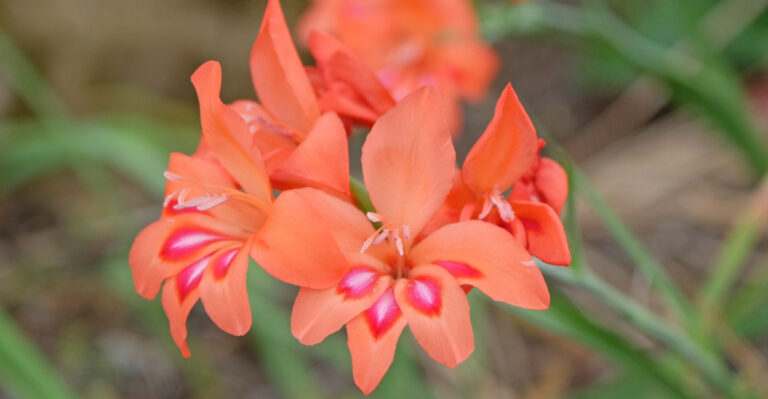
Colors range from white and pale pink to deep purple and bicolor varieties, giving you real flexibility when planning a spring bed.
Varieties like Angelface Blue, which has performed well in Florida field trials, and the Serena series, known for compact and continuous blooming, are worth seeking out at local nurseries.
The Serena series in particular has earned a reputation for reliable performance in warm climates.
When you want color that does not quit every time you turn your back, those upright spikes deliver week after week through Florida spring.
3. Florida Sunshine Brings Out Its Best Side
Not every flower earns the label full-sun plant honestly. Some tolerate bright light but look tired or bleached out by afternoon.
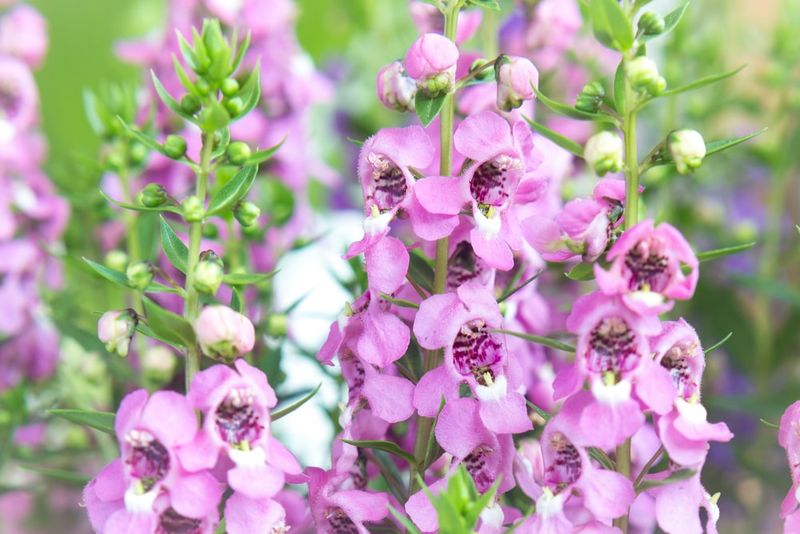
Angelonia actually needs that strong Florida sunshine to perform at its best, and the results show clearly when it is placed in the right spot.
UF/IFAS Gardening Solutions recommends planting angelonia in a location that receives full sun, meaning at least six hours of direct light daily.
In Florida, that kind of exposure is easy to find from spring through summer, and angelonia responds by producing more flower spikes, maintaining a tighter and more upright growth habit, and holding its color more vividly than it would in shadier conditions.
When planted in partial shade, the stems tend to stretch and lean as the plant reaches for light. The flower production also slows noticeably.
For a Florida spring bed or container sitting on a sunny south-facing porch, angelonia is one of the most reliable choices you can plant because it is not just surviving the sun exposure, it is using it.
Pairing angelonia with other full-sun performers like pentas or blue daze creates a layered bed that holds up through the warmest part of spring without looking worn. Positioning matters too.
A bed along a south or west-facing fence line or foundation will give angelonia the consistent light exposure it needs.
Getting the sun placement right from the start is the single most important step toward getting the best bloom performance out of this plant all season long.
4. It Looks Fresh Even When Spring Turns Steamy
By mid-April in most of Florida, the weather has a different quality to it. The mornings are thick with humidity, afternoon temperatures climb fast, and the air feels less like spring and more like a preview of summer.
That shift is when a lot of planted flowers start showing their limits.
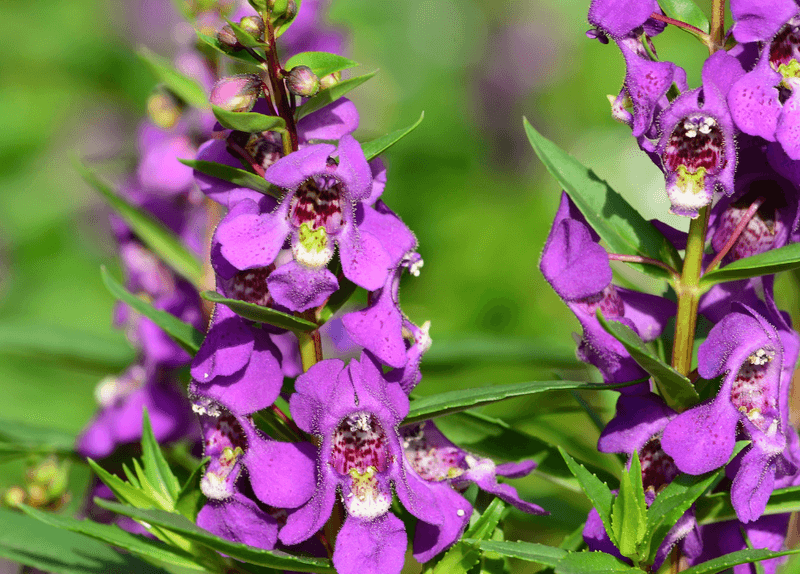
Angelonia holds its composure through that transition better than most warm-season options. The foliage stays green and relatively tidy, the stems keep their upright structure, and the flower spikes continue opening without looking waterlogged or wilted.
That is not a small thing when you are trying to keep a bed looking intentional rather than exhausted.
It is worth being honest here. No plant performs flawlessly in Florida’s humidity, and angelonia can occasionally show signs of powdery mildew or attract aphids, as noted by UF/IFAS.
Good air circulation, proper spacing of nine to twelve inches between plants, and avoiding overhead watering in the evening can help reduce those risks significantly. Starting with healthy transplants from a reputable nursery also makes a real difference.
What sets angelonia apart from fussier options is that its baseline performance under heat and humidity stays strong even when conditions are not perfect. You are not babying it through every warm spell or racing to replace it after a tough week.
For Florida gardeners who want a spring planting that looks fresh through the steamy stretch between April and June, angelonia consistently delivers that reliability without requiring heroic effort on your part.
5. Angelonia Keeps Borders From Looking Flat
Flat borders are one of the most common problems in Florida spring gardens, and they happen when every plant in a bed sits at roughly the same height. The result looks more like ground cover than a designed space.
Adding vertical interest changes everything, and angelonia does that job without taking over.
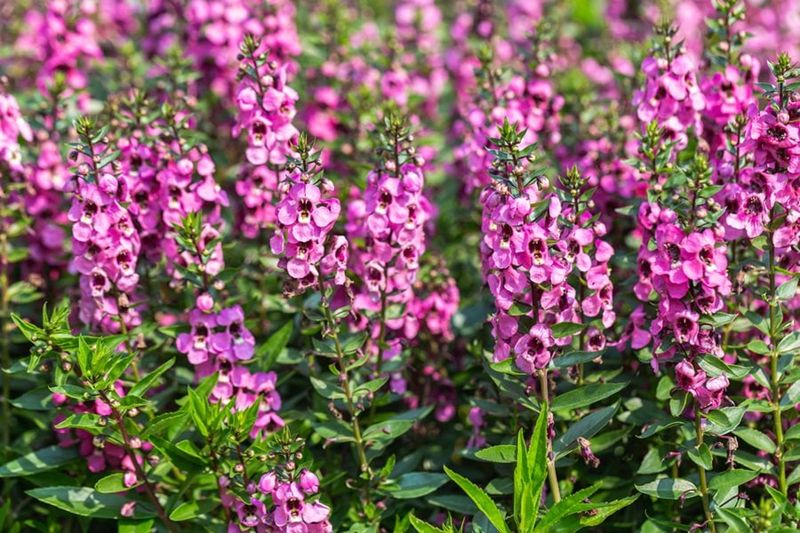
Mature angelonia plants typically reach between one and two feet tall depending on the variety, which puts them in a useful middle layer for mixed borders.
They are tall enough to add lift and structure above low-growing groundcovers or sprawling annuals, but not so tall that they block shorter plants from view.
That middle-height role is genuinely hard to fill with plants that also bloom reliably in Florida spring heat.
The upright habit of angelonia makes it a natural choice for the middle or back of a border, where its flower spikes create a rhythm of vertical color that pulls the eye along the length of the bed.
Pairing it with something mounding and lower-growing at the front, like trailing verbena or alyssum earlier in spring, adds contrast that makes both plants look better.
UF/IFAS notes that angelonia works well in mixed beds, and gardeners who have used it in Florida landscapes often point to its structure as one of its most underappreciated qualities.
Color gets most of the attention, but form is what makes a border feel purposeful rather than random.
Angelonia brings both, and that combination is what lifts a flat spring bed into something that actually looks like it was planned with care.
6. Containers Look Better With Something This Upright
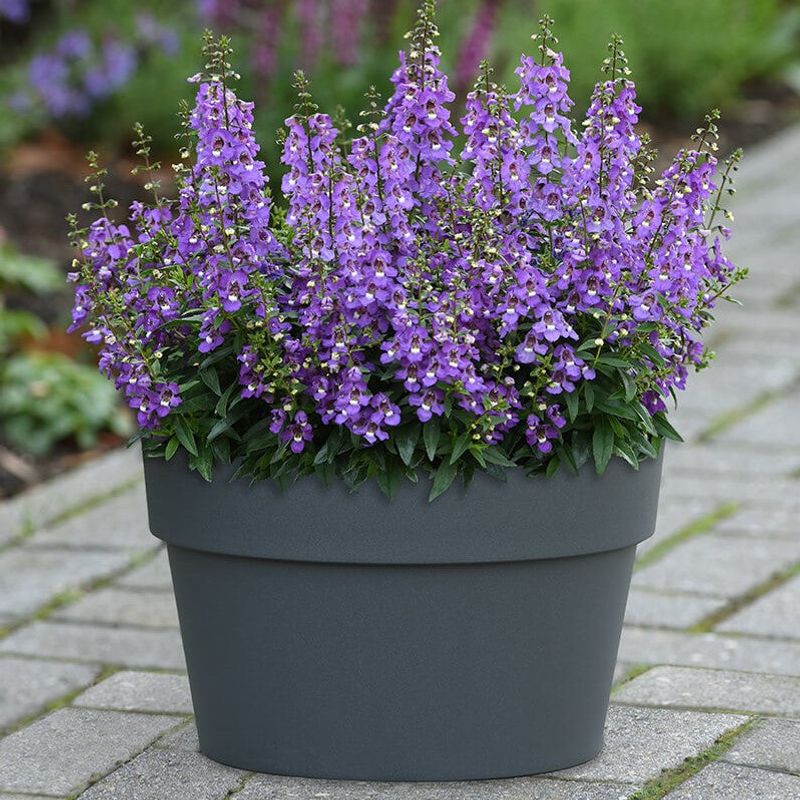
Container planting in Florida has its own set of challenges. Pots heat up faster than garden beds, moisture evaporates more quickly, and plants that look great in the ground sometimes struggle in a confined space under direct sun.
Angelonia handles those conditions well, and its upright form makes it one of the most useful thriller plants you can put in a Florida spring container.
The classic container design formula calls for a thriller, a filler, and a spiller. Angelonia plays the thriller role naturally.
Its tall, spike-covered stems give the container height and a clear focal point, while lower-growing companions fill in around it and trailing plants soften the edges. The result looks finished and deliberate rather than randomly assembled.
For sunny patios, front entries, and poolside planters, angelonia adds a clean vertical element that works from multiple angles. Unlike some tall plants that get leggy or floppy in containers, angelonia tends to hold its shape well when it receives enough direct light.
Placing containers in a south or west-facing spot where they get consistent full sun will help the plant stay compact and keep producing flowers.
Watering containers with angelonia requires some attention. Once established, water thoroughly when the top few inches of the potting mix feel dry, rather than watering on a fixed daily schedule.
A light monthly application of a balanced fertilizer such as a 10-5-10 mix, as suggested by UF/IFAS, supports continued blooming without pushing excessive leafy growth.
For a spring container that holds its look through warm weather, angelonia earns its spot at the center.
7. The Summer Snapdragon Look Works Hard In Florida
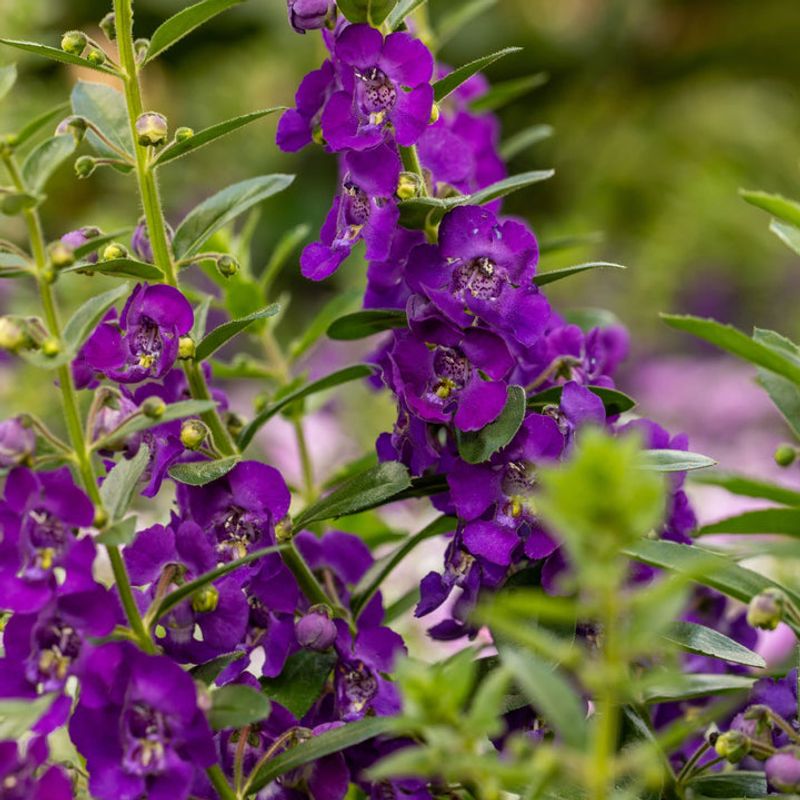
Gardeners who love the look of snapdragons often feel a little disappointed when Florida spring heats up, because traditional snapdragons are cool-season flowers that fade fast once temperatures climb.
Angelonia fills that visual gap in a way that feels genuinely satisfying rather than like a compromise.
The individual flowers on an angelonia spike carry a strong resemblance to snapdragon blooms, which is exactly why the plant earned the common name summer snapdragon.
Each small bloom has a similar tubular, two-lipped shape that gives the flower spike a familiar, classic look.
The difference is that angelonia produces those blooms through Florida’s warmest months rather than fading when real heat arrives.
It is worth being clear that angelonia and snapdragons are not botanically related. Snapdragons belong to the genus Antirrhinum, while angelonia belongs to the genus Angelonia within the plantain family.
The resemblance is a visual one rather than a family connection. But for gardeners who love that vertical, spike-style flower form, the similarity is real and useful.
Some varieties carry a light, pleasant fragrance that becomes noticeable when you brush against the foliage or lean in close to the flowers. That sensory detail adds a small but genuine bonus to the plant’s overall appeal.
In a Florida spring bed where color is often the primary goal, a plant that also brings a subtle scent and a classic flower form stands out in a good way. The summer snapdragon look is one that earns attention without being loud or overwhelming in a mixed planting.
8. It Gives Spring Beds A Cleaner Finish
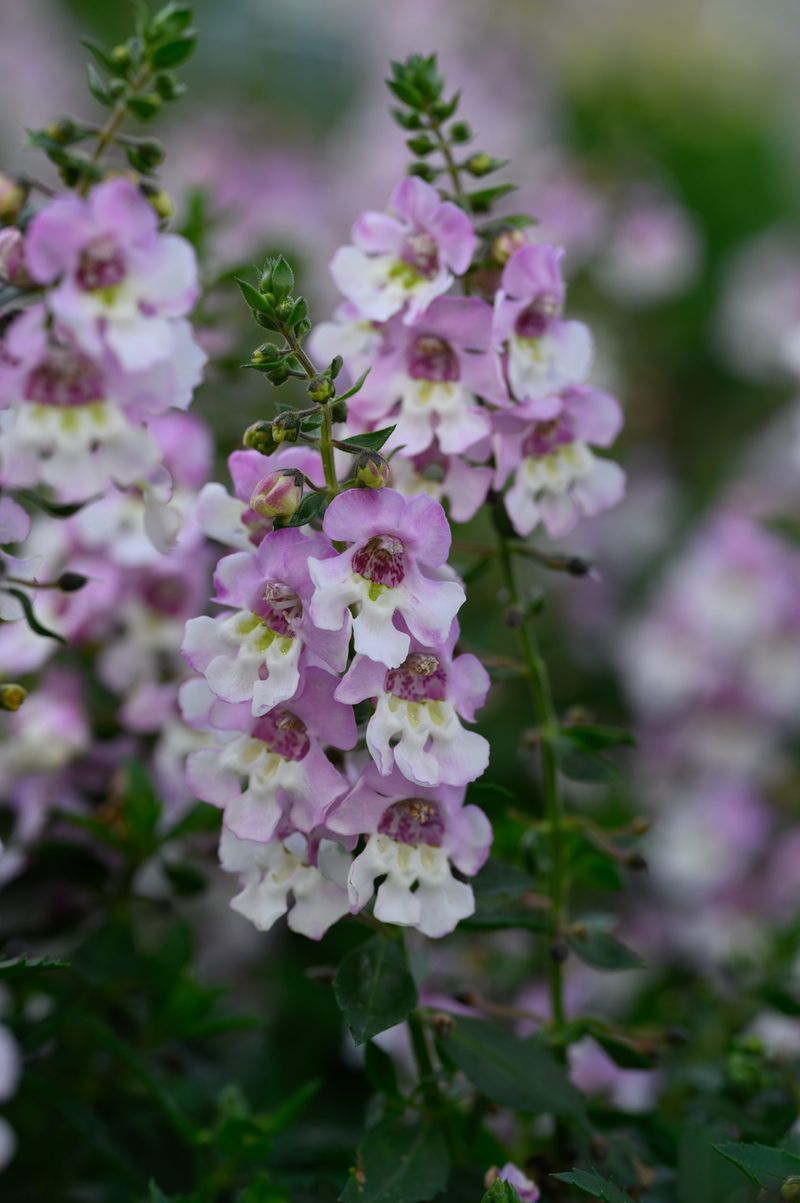
There is a particular satisfaction that comes from a spring bed that looks pulled together rather than thrown together. Clean lines, consistent height, and flowers that stay where you put them make the whole space feel more intentional.
Angelonia contributes to that polished look in ways that go beyond just adding color.
The plant’s naturally upright growth habit means it does not sprawl into neighboring plants or collapse after a rain.
The stems stay relatively tidy throughout the growing season, and because angelonia is self-cleaning, spent blooms drop on their own without leaving behind a mess of brown petals clinging to the plant.
That low-maintenance tidiness is a real advantage in a Florida spring bed where you want visual consistency without constant grooming.
Placing angelonia toward the middle or back of a bed, where its height works with the overall design rather than against it, creates a layered look that feels finished. The vertical spikes draw the eye upward and give the bed a sense of depth that flat plantings lack.
Whether you are using one color for a clean, unified look or mixing purple, white, and pink varieties for contrast, the structural quality of the plant keeps the bed from looking messy.
Spring in Florida moves fast. What looks fresh in March can look tired by late May if you chose the wrong plants.
Angelonia gives you a spring bed that holds its shape, keeps its color, and maintains that clean, cared-for appearance through the warmest part of the season.
For any sunny Florida bed or container needing a reliable spring anchor, this plant fits that role better than most options available at your local nursery.