8 Plants You Should Get In The Ground In Pennsylvania Before May
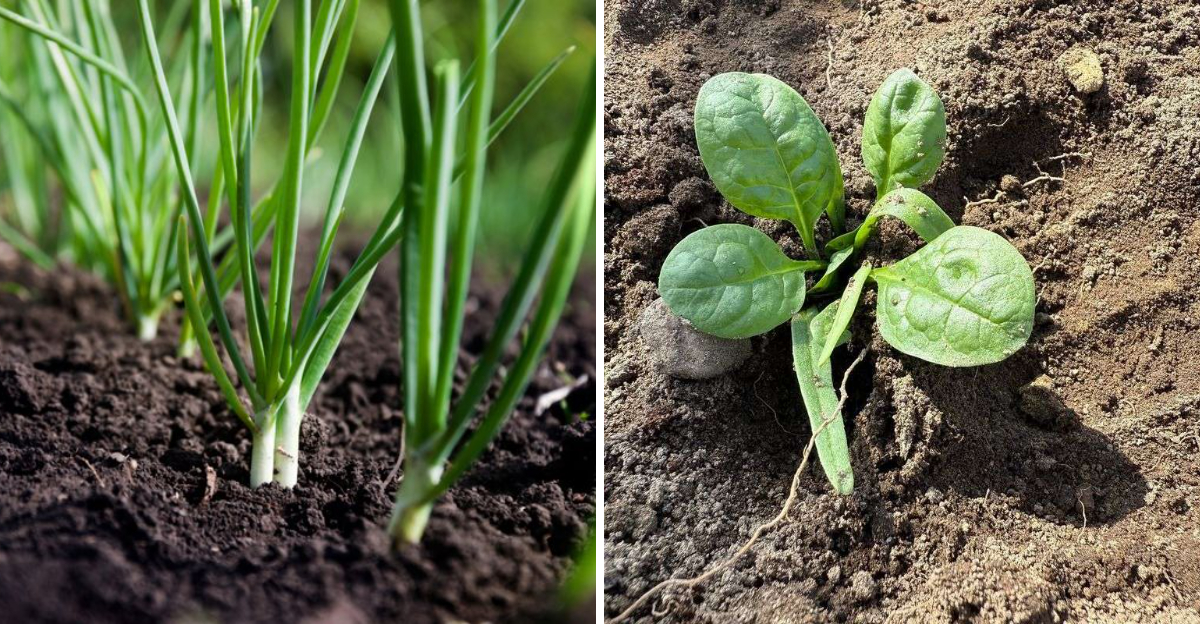
In Pennsylvania, the stretch between late April and early May can feel like a turning point in the garden. The air is warmer, the soil is starting to cooperate, and suddenly everything feels ready to grow at once.
That is exactly why this is such an important planting window. If you want certain flowers, vegetables, herbs, shrubs, or trees to settle in well before the season speeds up, getting them in the ground before May can make a real difference.
Wait too long, and some plants lose that helpful head start. This timing matters because spring does not stay gentle for long. Once late spring rolls in, gardens can move fast, and plants that went in earlier often have a much easier time getting established.
For Pennsylvania gardeners, this is a great chance to make smart choices that lead to stronger roots, better growth, and a yard or garden that feels more alive in the weeks ahead.
Whether you are working with beds, borders, or a vegetable patch, planting before May gives you a solid start while conditions are still working in your favor.
1. Peas
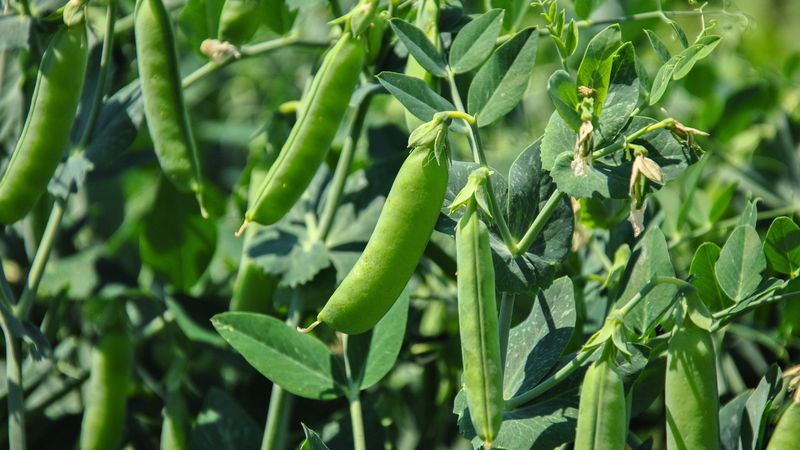
Nothing says spring gardening quite like peas. These cool-season superstars are one of the very first crops you can get into the ground in Northeastern Pennsylvania, often as early as late March or early April when the soil becomes workable.
Peas actually prefer the cold and can handle a light frost without any trouble at all. Soil temperatures as low as 40 degrees Fahrenheit are perfectly fine for pea seeds to germinate. Plant them about one inch deep and two inches apart in a sunny spot.
They grow fast once they get going, so setting up a simple trellis or fence for them to climb will save you a lot of headaches later.
Peas do not like the heat, so the earlier you plant them in NE Pennsylvania, the better your harvest will be. Once summer temperatures arrive, their production slows way down.
Getting them in the ground before May means you can enjoy a full harvest before the hot weather takes over. Try varieties like Sugar Snap or Little Marvel for reliable results.
Fresh peas picked straight from the garden taste completely different from anything you will find in a store, and your whole family will notice the difference right away.
2. Spinach
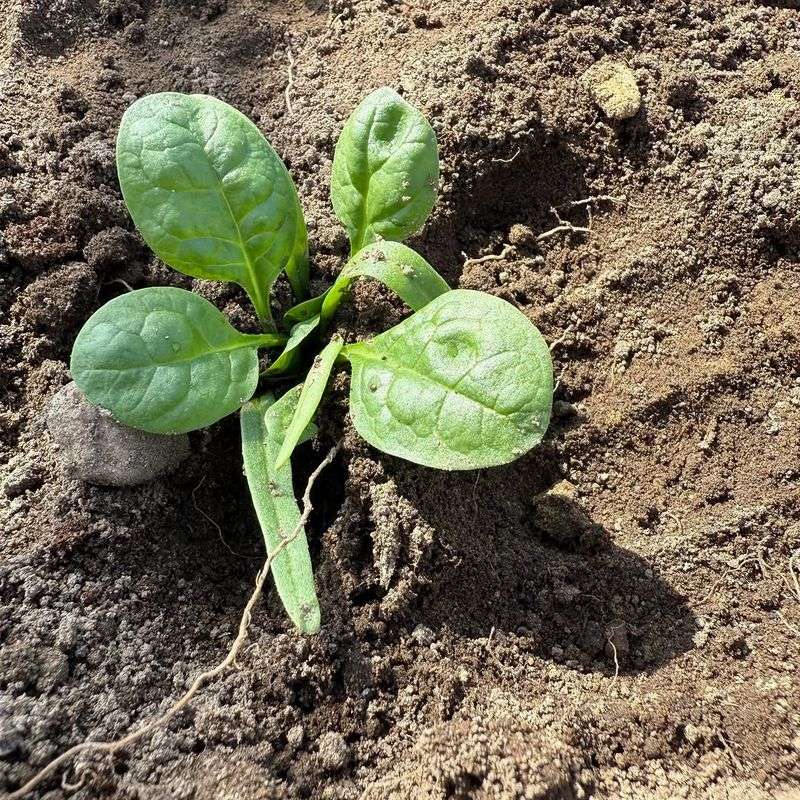
Spinach is practically built for the cold. It germinates in soil temperatures as low as 40 degrees Fahrenheit, which makes it a perfect fit for early spring planting in Northeastern Pennsylvania.
Gardeners here can get spinach seeds in the ground by early April and watch it take off before most other crops have even started.
One of the coolest things about spinach is how fast it grows. You can start harvesting outer leaves in as little as four to six weeks after planting.
That means fresh greens from your own backyard before most people have even thought about starting a garden. Sow seeds about half an inch deep and three inches apart in rows, and keep the soil evenly moist.
Your Pennsylvania Garden Changes Every Week. Your Plan Should Too.
Gardening in Pennsylvania changes quickly throughout the season. Every Friday you’ll receive a simple weekly plan showing exactly what to plant, prune, fertilize, harvest, and protect so you never miss the right timing.
Spinach also handles light frost like a champ. A little cold weather can actually make the leaves taste sweeter.
If you want a continuous harvest, plant a new row every two weeks starting in early April. This technique, called succession planting, keeps fresh greens coming to your table all spring long.
Varieties like Bloomsdale Long Standing and Tyee are popular choices for Pennsylvania gardeners. Spinach grows well in partial shade too, so even gardens with some tree cover can produce a solid crop before May turns into summer.
3. Lettuce
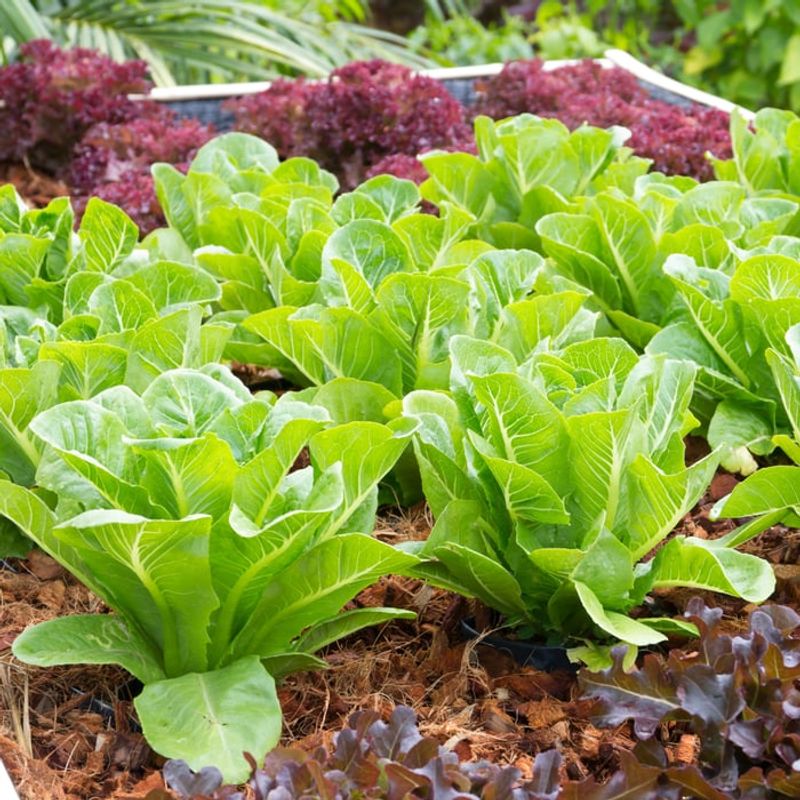
Lettuce is one of those vegetables that absolutely thrives when the weather is cool. In Northeastern Pennsylvania, the weeks leading up to May are practically perfect for getting lettuce established in your garden.
Chilly nights and mild days create the exact conditions lettuce needs to produce crisp, flavorful leaves.
You can direct sow lettuce seeds outdoors starting in early April. The seeds are tiny, so just scatter them lightly over the soil and press them in gently.
Cover with about an eighth of an inch of soil and keep things moist. Germination usually happens within seven to ten days. Thinning seedlings once they pop up will give each plant enough room to grow big and full.
Loose-leaf varieties like Black Seeded Simpson and Red Sails are great choices for NE Pennsylvania gardeners because you can harvest outer leaves as the plant keeps growing. This means one planting gives you weeks of fresh salad greens.
Lettuce can bolt, meaning it gets bitter and goes to seed, when temperatures rise above 75 degrees. Planting before May keeps that from happening too quickly.
You can also plant lettuce in partial shade to extend the harvest season even further into early summer. A spring salad made from homegrown lettuce is one of the simplest and most rewarding things a backyard garden can offer.
4. Radishes
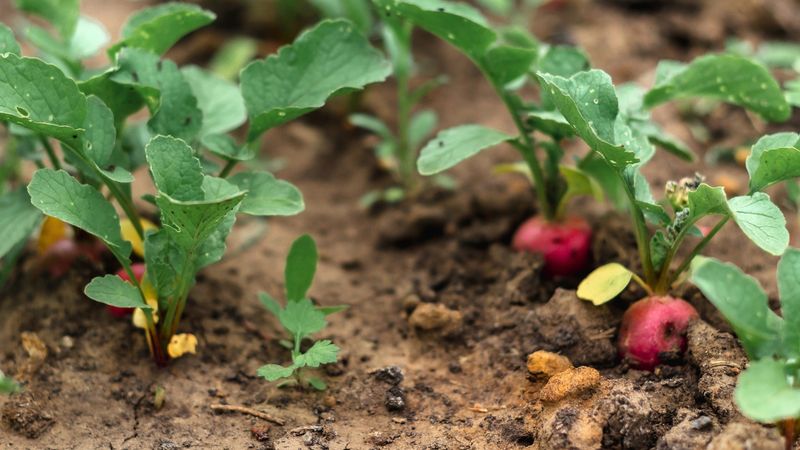
Want to see results fast? Radishes are the answer. These little root vegetables are among the quickest-maturing crops you can grow, going from seed to harvest in as little as three to four weeks.
For gardeners in Northeastern Pennsylvania who are eager to see something actually happen in the garden, radishes deliver that satisfaction right away.
They can be sown directly into the ground in early April, even when the soil is still cool. In fact, radishes prefer cooler temperatures and can handle a frost with no problem.
Plant seeds half an inch deep and about one inch apart in rows. Thin them out once seedlings appear so each root has room to swell up properly.
Crowded radishes tend to produce more leafy tops than actual roots. Radishes also work great as companion plants between slower-growing crops like carrots or broccoli. They use space efficiently while the other plants are still getting established.
Cherry Belle and Easter Egg are popular varieties that grow well across NE Pennsylvania. Beyond being great for snacking and salads, radishes help break up compacted soil with their roots, which benefits everything else growing nearby.
If you have never grown radishes before, they are genuinely one of the most beginner-friendly vegetables out there. One packet of seeds can keep you harvesting for weeks with very little effort involved.
5. Carrots
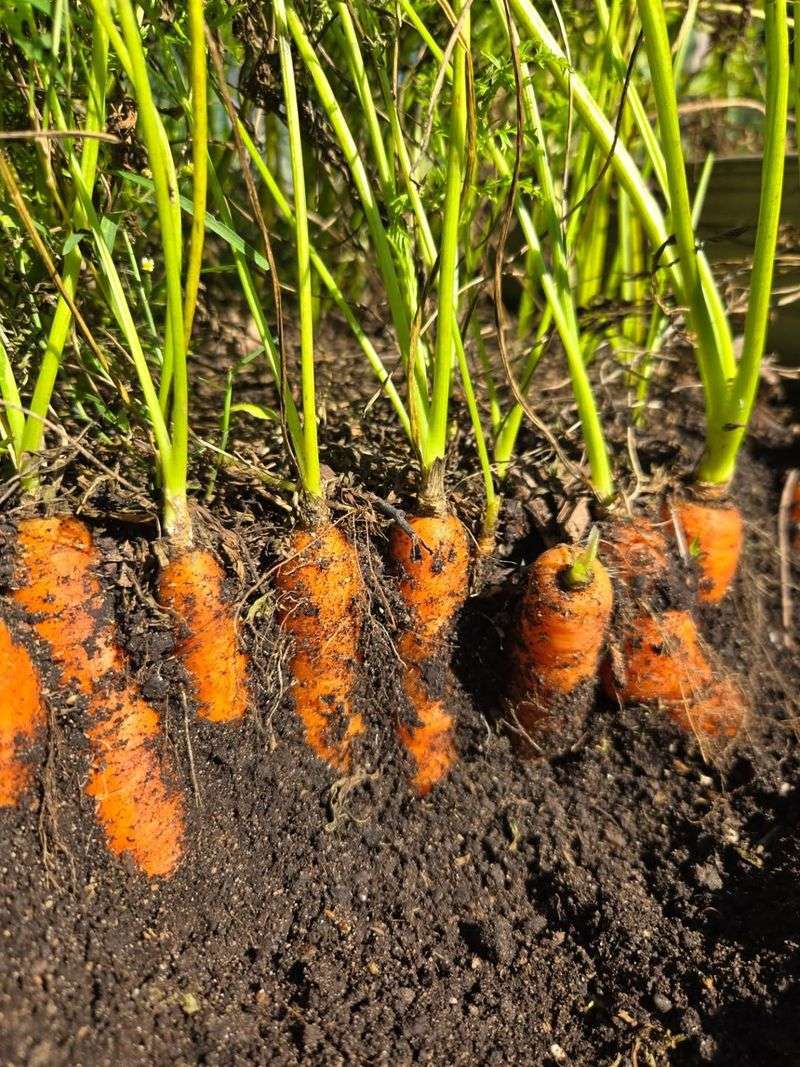
Carrots take patience, but the payoff is absolutely worth it. Planting carrot seeds in early April in Northeastern Pennsylvania gives them the cool growing conditions they need to germinate well and develop properly.
Carrot seeds can be slow to sprout, sometimes taking up to three weeks, but once they get going, they are surprisingly low-maintenance.
Loose, well-drained soil is essential for good carrot growth. Rocky or compacted ground causes roots to fork and twist, which affects both the appearance and size of your harvest.
If your garden soil is heavy clay, consider growing carrots in a raised bed filled with amended, fluffy soil. Plant seeds about a quarter inch deep and keep the surface consistently moist until germination occurs.
Thinning is one of the most important steps with carrots. Once seedlings are about two inches tall, thin them to stand three inches apart.
This gives each carrot enough space to develop a full, straight root. Nantes and Danvers are reliable varieties that do very well in Pennsylvania conditions.
Carrots can tolerate a light frost, so early April planting in NE Pennsylvania is perfectly timed. The cool soil temperatures during germination actually help prevent the seeds from drying out too quickly.
By the time summer arrives, your carrots will be well on their way to becoming something really delicious worth pulling out of the ground.
6. Onions (Sets Or Transplants)
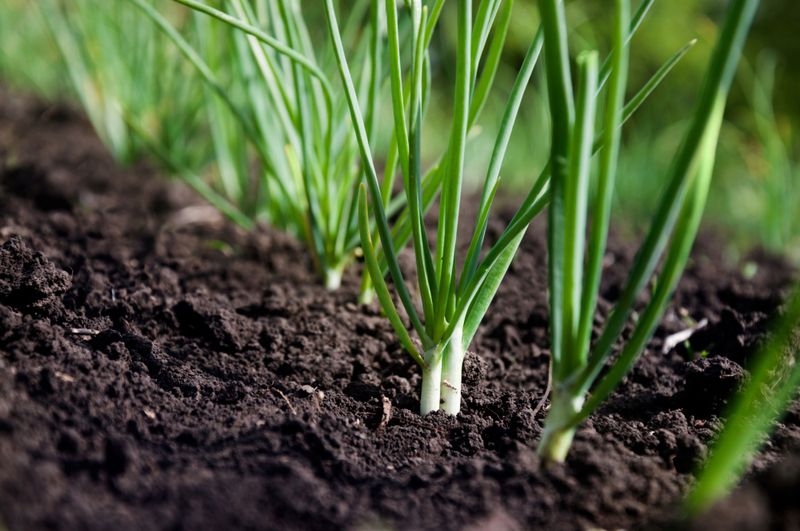
Onions need time. That is the one thing every gardener in Northeastern Pennsylvania should know before planting them.
Because onions require a long growing season, getting them in the ground before May is not just helpful, it is honestly necessary if you want full-sized bulbs by late summer. The earlier you plant, the better your results will be.
Using onion sets, which are small pre-grown bulbs, is the easiest way to get started. Sets are more reliable than seeds for most home gardeners and they establish quickly in cool spring soil.
Plant them about one inch deep and four to six inches apart in rows. They are frost tolerant, so April planting in NE Pennsylvania is completely fine and actually ideal for getting them off to a strong start.
Transplants started indoors in late winter are another great option if you want more variety choices. Varieties like Copra and Patterson are popular for Pennsylvania gardeners because they store well after harvest.
Onions need full sun and consistent moisture, especially during their early growth period. Keep weeds down around them since onions do not compete well against heavy weed pressure.
Once the tops begin to fall over naturally in late summer, that is your signal that harvest time has arrived. Few things are more satisfying than pulling a fat, homegrown onion from the soil you worked back in early spring across NE Pennsylvania.
7. Broccoli (Transplants)
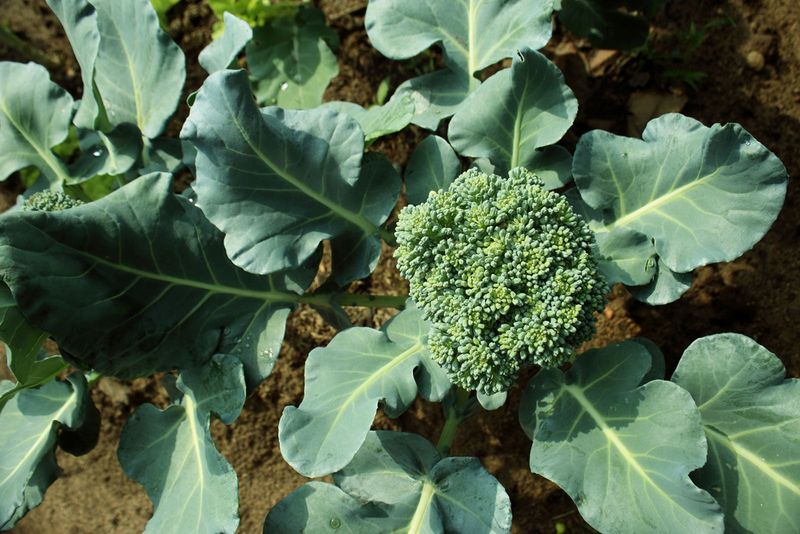
Broccoli and cool weather are basically best friends. This vegetable genuinely struggles when summer heat arrives, which is exactly why getting transplants into the ground before May is so important for Northeastern Pennsylvania gardeners.
Starting with transplants rather than seeds gives your plants a significant head start on the season.
Start broccoli seeds indoors about six to eight weeks before your last expected frost, which typically falls in mid to late April across much of NE Pennsylvania. By the time outdoor conditions are right in early April, your transplants should be sturdy enough to handle the move outside.
Harden them off gradually by setting them outside for a few hours each day before planting them permanently in the garden.
Space broccoli plants about eighteen inches apart in rows that are two feet wide. They need full sun and rich, well-draining soil to produce the large, dense heads most people are after.
A layer of mulch around the base helps retain moisture and keeps weeds from taking over. Varieties like Waltham 29 and Belstar perform well in Pennsylvania growing conditions.
Watch out for cabbage worms, which are small green caterpillars that love to munch on broccoli leaves. Row covers are an easy and chemical-free way to protect your plants.
Harvest heads before the tiny flower buds open up for the best flavor and texture your garden can produce this spring.
8. Kale
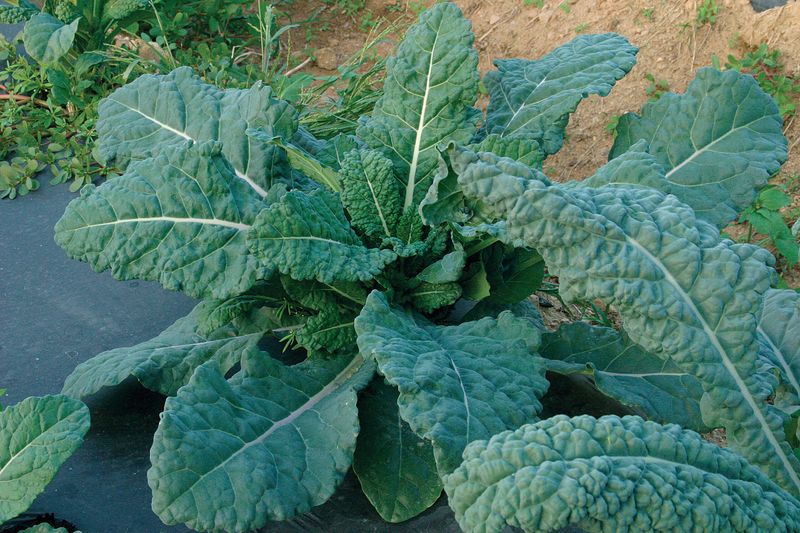
Here is something that surprises a lot of gardeners: kale actually tastes better after a frost. The cold converts some of the plant’s starches into sugars, giving the leaves a sweeter, milder flavor than what you get during warmer months.
That makes kale one of the most rewarding crops you can plant early in Northeastern Pennsylvania.
Kale is incredibly cold-hardy and can be direct sown or transplanted into the garden starting in early April. Seeds germinate well in cool soil and the plants establish quickly once they get going.
Space plants about twelve to eighteen inches apart so each one has plenty of room to spread out its large, ruffled leaves. Kale grows best in full sun but can tolerate some afternoon shade without a huge drop in production.
Lacinato kale, also called dinosaur kale, and Winterbor are two varieties that thrive across NE Pennsylvania and produce reliably all season long. One of the best things about kale is how long it keeps producing.
You can harvest outer leaves repeatedly while the center of the plant keeps growing new ones. A single planting in April can give you fresh greens well into fall and sometimes even beyond.
Kale is also packed with vitamins and minerals, making it one of the most nutritious things you can grow in your Pennsylvania backyard garden this spring season.