What Late Frost Really Does To Rhododendrons And Azaleas In Michigan
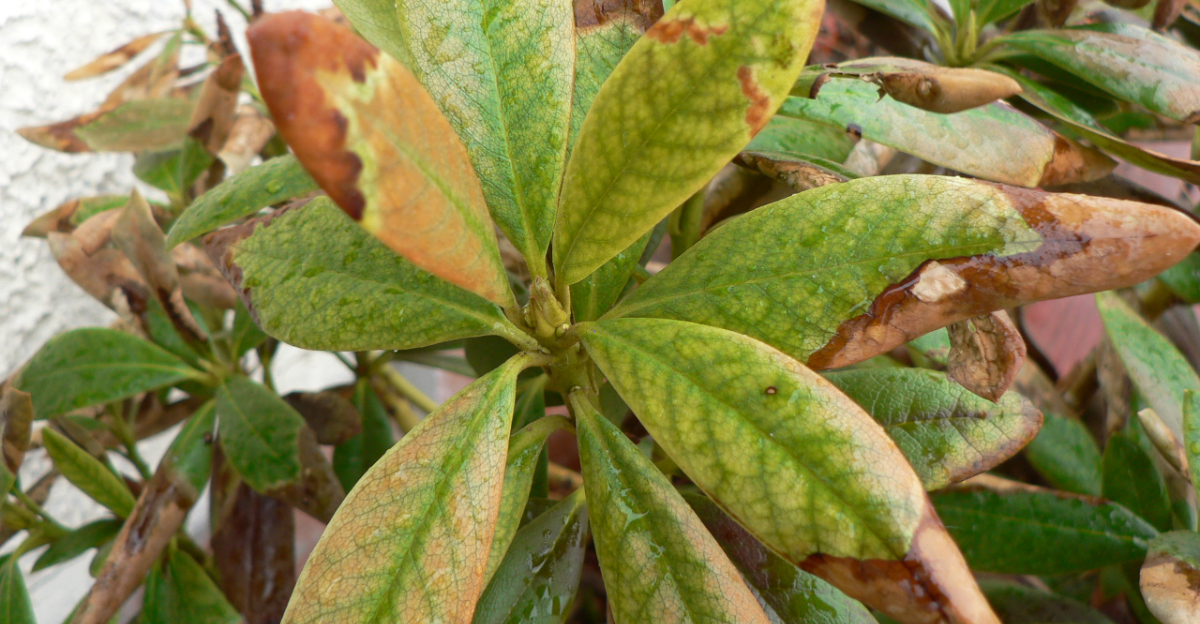
Late spring in Michigan can feel gentle and promising, just as rhododendrons and azaleas begin to form buds and open their colorful blooms. Then a sudden frost arrives and changes the picture overnight.
These shrubs are especially sensitive during this stage, when buds and fresh flowers are at their most vulnerable. A cold snap can cause buds to turn brown, flowers to wilt, or petals to drop earlier than expected.
It can be disappointing to see a strong display cut short after weeks of anticipation. Still, the plant itself is often tougher than it looks and usually recovers as the season continues.
Michigan gardeners face this challenge often due to shifting spring weather. Understanding how frost affects these shrubs can help you manage expectations and know what to watch for as temperatures rise again.
1. Flower Buds Are The Most Sensitive Part
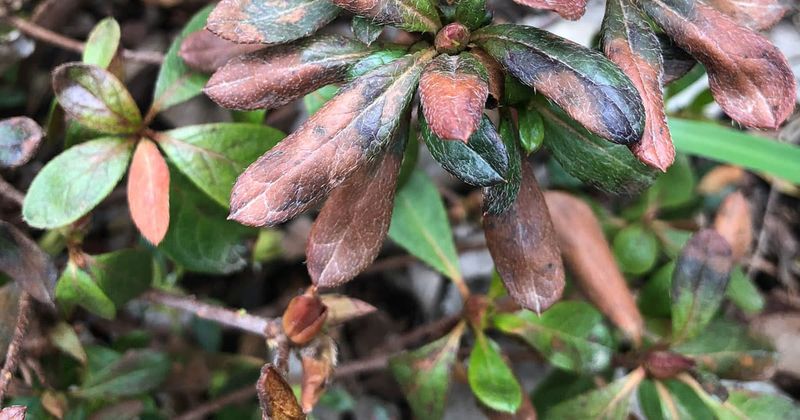
Those plump, swollen buds you spot on your rhododendron in early spring are basically ticking timebombs during a frost event. They already hold the full bloom inside, neatly packed and ready to burst open with color.
When freezing temperatures hit, the water inside those bud cells expands, and the delicate tissue breaks down fast.
Michigan gardeners know this feeling well. You check your plants after a cold April night and notice the buds look waterlogged, mushy, or simply brown.
That is a clear sign the frost got there first, and those particular buds will not recover into flowers this season.
Flower buds on rhododendrons and azaleas are more vulnerable than any other part of the plant. The outer bud scales offer some protection, but once temperatures drop below 25 to 28 degrees Fahrenheit, that protection becomes insufficient.
Azalea buds tend to be even more sensitive than rhododendron buds, so they often show damage first after a cold snap.
The frustrating part is that the damage is not always obvious right away. Sometimes buds look fine for a day or two before turning brown and shriveling.
Checking your plants a few days after a frost gives you a much clearer picture of what actually happened to this season’s bloom potential.
2. Tight Buds Tolerate Cold Better Than Open Ones
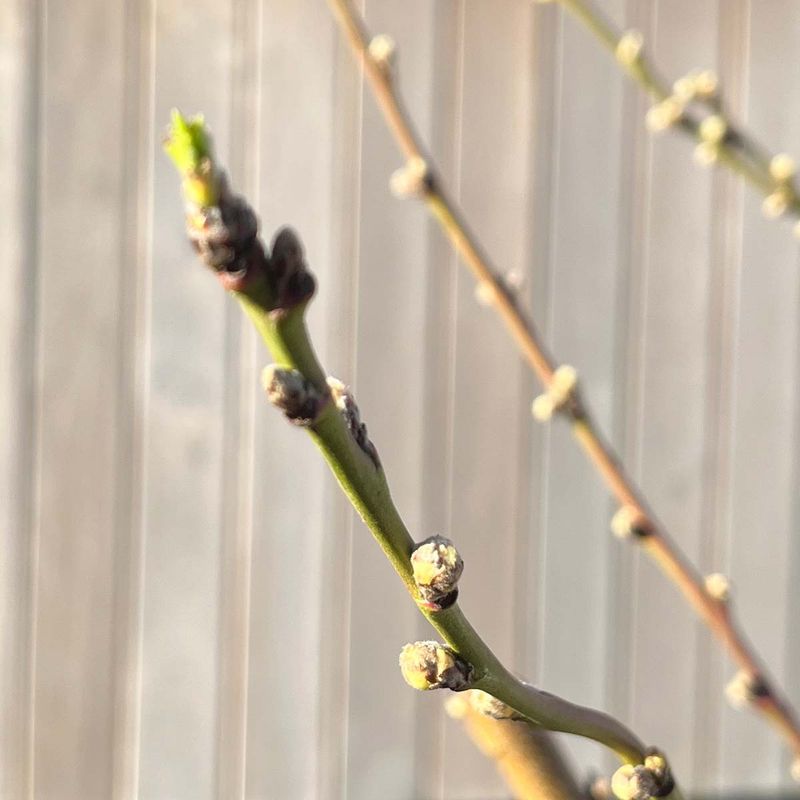
Not all buds are created equal when a frost rolls through Michigan in late April or early May. A tightly closed bud has natural layers of protection that act almost like a tiny insulated jacket around the flower inside.
That compact structure keeps the cold from reaching the most sensitive tissue as quickly as it would with an open bloom.
The problem starts when warm weather arrives a little too early and tricks those buds into opening up before it is safe. Once a bud begins to swell and crack open, its vulnerability jumps dramatically.
Expanding tissue has higher water content and much less structural protection against sudden temperature drops.
Michigan’s spring weather is notorious for exactly this pattern. A stretch of warm, sunny days in March or early April gets everything moving, and then a cold front sweeps through and catches those half-open buds completely off guard.
Your Michigan Garden Changes Every Week. Your Plan Should Too.
Gardening in Michigan changes quickly throughout the season. Every Friday you’ll receive a simple weekly plan showing exactly what to plant, prune, fertilize, harvest, and protect so you never miss the right timing.
Azaleas especially tend to respond quickly to warmth, which puts them at higher risk during these temperature swings.
Gardeners who watch their plants closely through early spring can actually use bud stage as a rough guide for frost risk. If your buds are still tight and compact, a light frost may cause minimal damage.
But if they have started to separate and show color, covering your plants before a cold night is absolutely worth the effort to protect that bloom.
3. Flowers May Turn Brown And Fail To Open
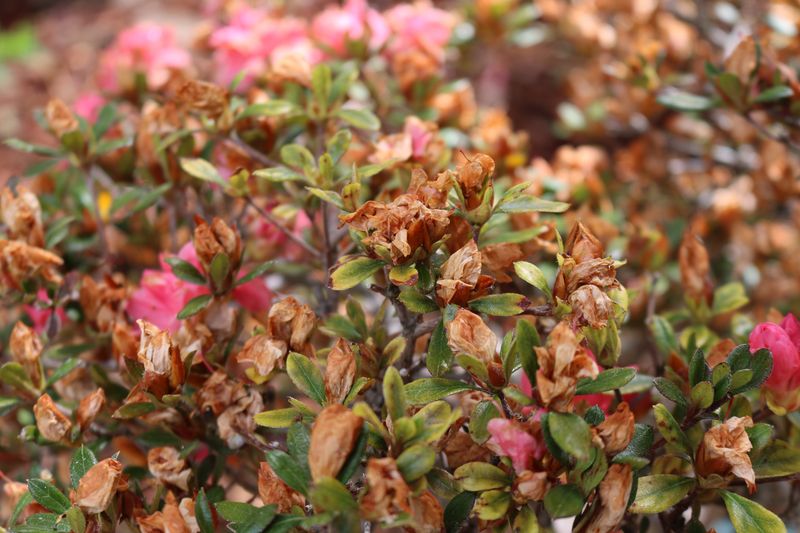
Imagine waking up after a cold Michigan night expecting a yard full of pink or purple blooms, only to find shriveled brown petals that never fully opened.
That is one of the most common and heartbreaking sights for rhododendron and azalea growers in the state every spring. Frost-damaged flowers often look like they simply gave up mid-bloom.
When a bud or partially open flower gets hit by freezing temperatures, the cell walls inside rupture as ice crystals form. Once that happens, the tissue collapses and turns brown as it dries out.
The flowers will not revive, and no amount of watering or warmth will bring them back for that season.
What makes this especially tricky in Michigan is how fast it can happen. A single night below freezing is all it takes to wipe out blooms that took an entire year to develop.
Azaleas with bright, early-opening flowers are especially prone to this kind of damage because they bloom
4. Leaves Can Curl Or Show Darkened Edges
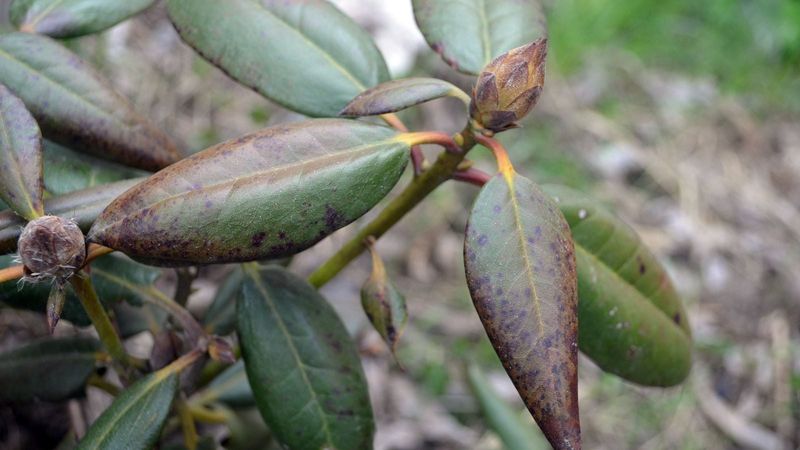
Young rhododendron and azalea leaves that emerge in early spring are especially vulnerable to sudden drops in temperature. At this stage, the foliage is still soft and has not developed the durability of mature leaves.
When a late frost arrives, the delicate cells along the edges freeze first, which is why you often see browning or darkened margins. The curling that follows is not random.
It is actually a built-in protective response, helping the leaf reduce how much surface area is exposed to cold air and limiting further stress. Even though the plant is reacting in a smart way, the visible damage will not reverse.
Those darkened areas are permanent, and while they may look concerning, they are usually only cosmetic. Once temperatures stabilize, you can trim away the most affected leaves to improve the plant’s appearance and encourage new, healthy growth to take over.
With consistent warmth and proper care, the shrub will quickly shift its energy toward recovery, and fresh foliage will soon replace what was lost during that brief cold snap.
5. Evergreen Rhododendron Leaves May Droop Temporarily
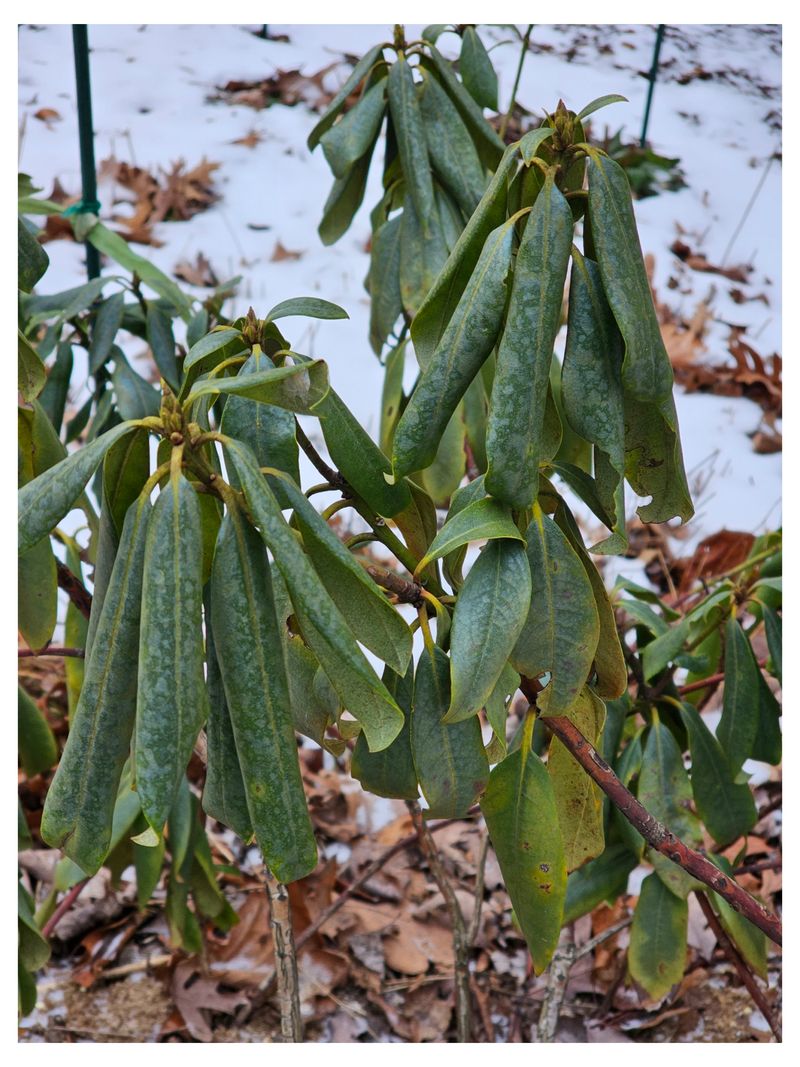
It can be a little unsettling to step outside on a cold morning and find your rhododendron looking completely droopy and lifeless. However, this is one of the plant’s natural survival strategies rather than a sign of lasting damage.
When temperatures drop below freezing, rhododendrons curl and lower their evergreen leaves to reduce moisture loss and protect internal tissues from stress. This movement helps the plant conserve resources until conditions improve.
You can think of it as a temporary adjustment, much like putting on an extra layer during cold weather. As the day warms up and sunlight reaches the plant, the leaves will gradually return to their normal position, often within just a few hours.
This quick recovery is a good sign that the plant is functioning as it should. If the leaves remain drooped after a full day of mild temperatures, it may indicate deeper stress that deserves attention.
In most cases, though, there is no cause for concern, and simply giving the plant time to respond naturally is all that is needed.
6. Plants Usually Stay Healthy Overall

For anyone feeling concerned after a late spring frost, there is some genuinely reassuring news. Established rhododendrons and azaleas are much tougher than they might appear at first glance.
While the soft buds and newly emerging leaves are sensitive and can show visible stress, the deeper root system and sturdy woody structure of the plant are far more resilient.
These parts are well adapted to handle temperature swings, even when spring weather becomes unpredictable.
As conditions stabilize and consistent warmth returns, most plants respond with surprising energy. They begin to push out fresh growth, often replacing what was lost in a relatively short time.
Even if that season’s blooms are reduced or do not appear at all, the plant itself remains healthy and continues developing normally. This temporary setback does not affect its long-term performance in the garden.
To support recovery, maintaining a layer of mulch around the base is especially helpful. Mulch helps regulate soil temperature and retain moisture, both of which are important during uneven spring conditions.
With a little patience and steady care, the plant will regain its strength and be ready to deliver an even better display the following year.
7. Bloom Loss Is Often Uneven Across The Plant
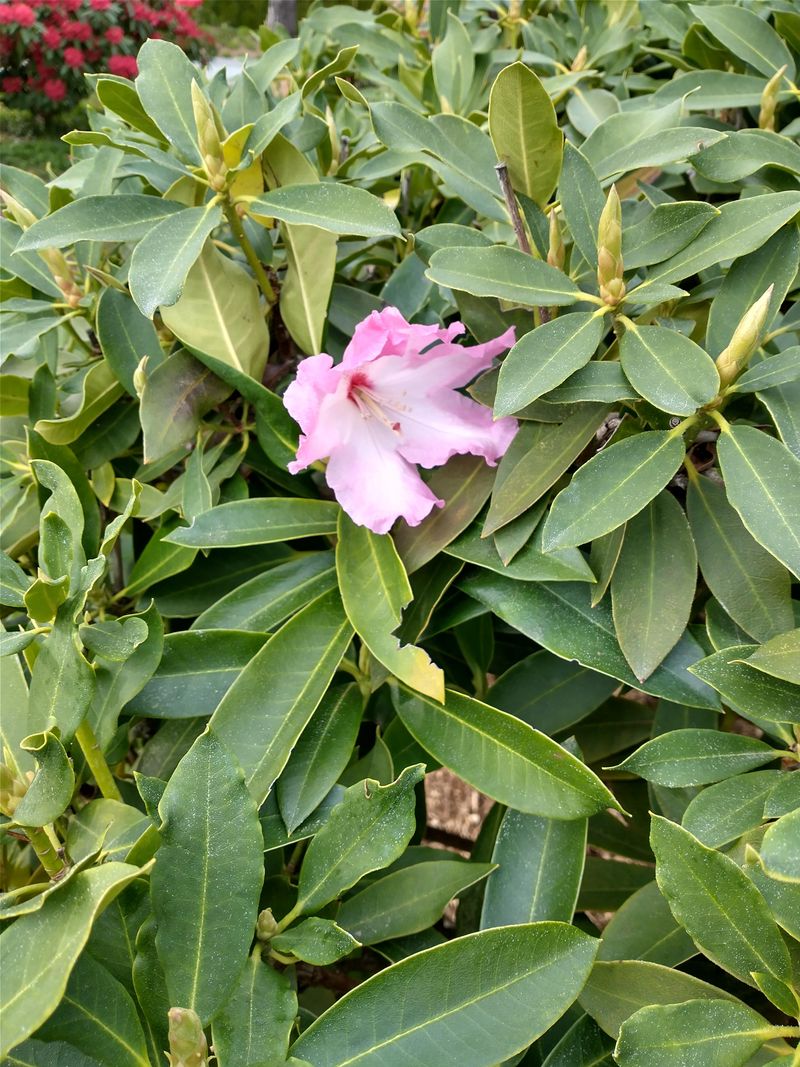
After a late frost, it is quite common to notice that a rhododendron or azalea is not affected evenly across the entire plant. One side may still look full and colorful, while another appears sparse or slightly damaged.
This uneven bloom pattern can be surprising at first, but it is a normal result of small environmental differences around the plant. Even within the same yard, tiny variations in temperature and exposure create what gardeners often call microclimates.
Branches growing closer to walls, fences, or buildings may benefit from retained warmth and some protection from wind. In contrast, outer branches that face open space are more exposed to colder air and tend to experience greater stress during a frost.
Other subtle factors also play a role, including wind direction, slight changes in elevation, and nearby surfaces like driveways or patios that release stored heat overnight. All of these elements combine to influence how each part of the plant responds.
This kind of patchy blooming may look unusual, but it does not signal any lasting problem and is simply part of how plants interact with their surroundings.
8. Repeated Frost Events Increase Bloom Loss
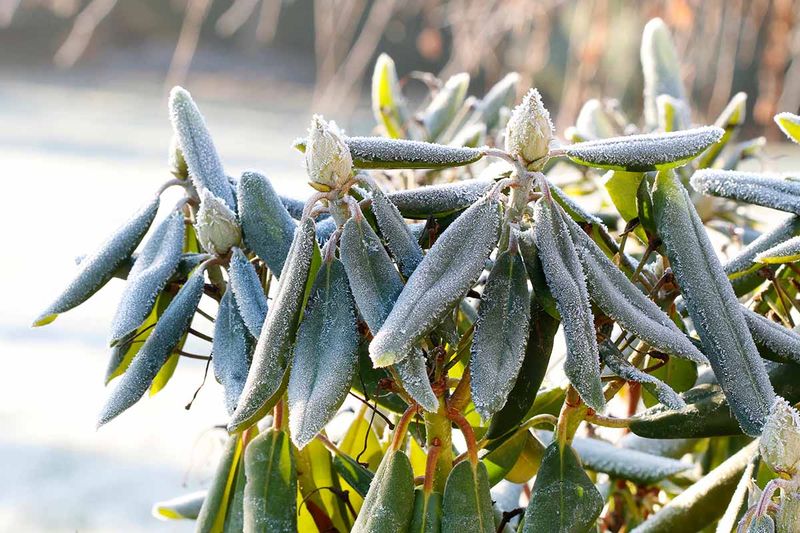
A single frost event can certainly affect developing buds, but repeated cold nights often have a much greater impact on flowering shrubs like rhododendrons and azaleas.
Each drop in temperature places additional stress on buds that are already vulnerable, gradually reducing the number that will be able to open successfully.
What might seem like minor damage after one chilly night can become more noticeable after several in a row. Buds that managed to survive an initial frost, especially those in slightly protected spots, may not withstand repeated exposure if conditions continue to fluctuate.
Over time, this layering effect of stress can significantly reduce the overall bloom display for the season. It is not always obvious right away, but the cumulative impact becomes clear as spring progresses.
Staying aware of the extended forecast can make a meaningful difference. When multiple cold nights are expected, covering plants with a light frost cloth or similar protection helps preserve remaining buds.
Even simple steps taken between cold spells can protect a surprising number of blooms. With a bit of attention during these periods, it is possible to maintain much more of the plant’s seasonal beauty despite challenging weather.